10 Smarter Ways For Massachusetts Gardeners To Water Their Gardens
Your hose has become a habit, not a strategy. Every summer, gardeners drag it out on autopilot, soak the soil, and hope for the best, while their plants quietly tell a different story through curled leaves and cracked dirt.
Massachusetts weather does not make this easy. One week brings soaking rain, the next brings a stretch of dry heat that seems to arrive overnight.
Guessing your way through that kind of swing wastes water, stresses your plants, and inflates your summer bill without much to show for it.
The fix is not more watering. It is watering with intention, at the right time, in the right amount, using the right method for what is actually growing in your yard. A few smart shifts can turn a struggling garden into one that holds its color through August heat.
1. Water Early In The Morning, Not Midday
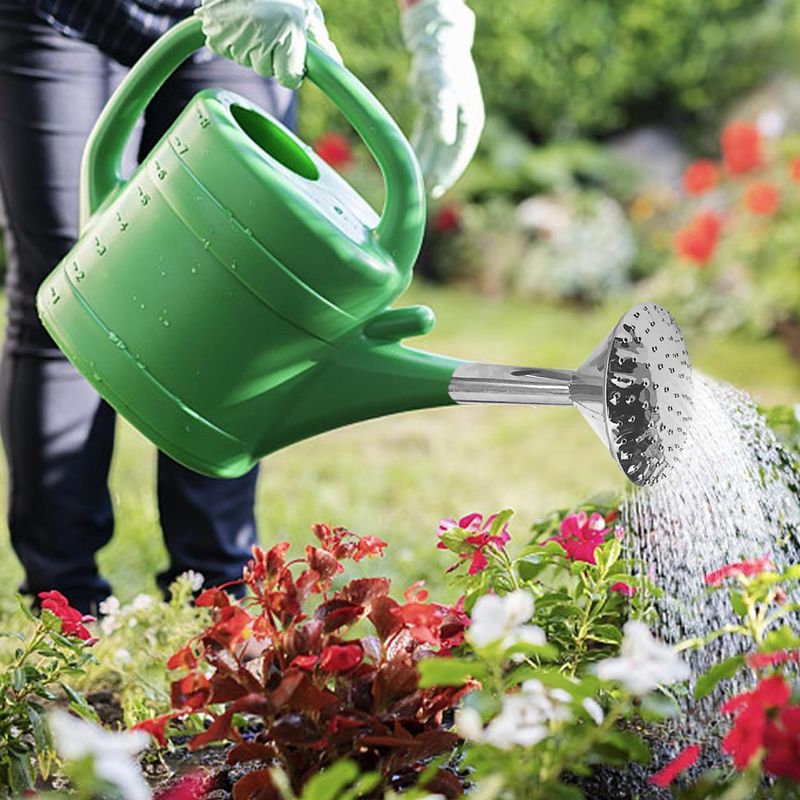
Your alarm goes off and the garden is already thirsty. Morning watering is one of the smartest habits any gardener can build.
When you water early, the soil absorbs moisture before the sun heats things up. Roots get a long, steady drink instead of a quick evaporation act.
Midday watering wastes water fast. The sun pulls moisture off the surface before roots even get a chance.
Morning also means leaves dry out quickly as the day warms. Wet leaves at night invite fungal problems like powdery mildew and leaf spot.
Mulch helps lock in that morning moisture before the heat has a chance to steal it. A two-inch layer around the base of your plants keeps roots cool and cuts down how often you need to water.
A good target time is between 6 and 9 in the morning. The air is calm, the sun is low, and the soil is cool enough to absorb well.
Container plants dry out faster than garden beds, so check them daily even on cooler mornings. A quick watering routine before work is all it takes to keep them thriving through a Massachusetts summer.
Smarter garden watering in Massachusetts starts with this one shift. Skip the midday sprinkler routine and watch your plants respond with greener, fuller growth.
2. Switch To Deep, Infrequent Watering
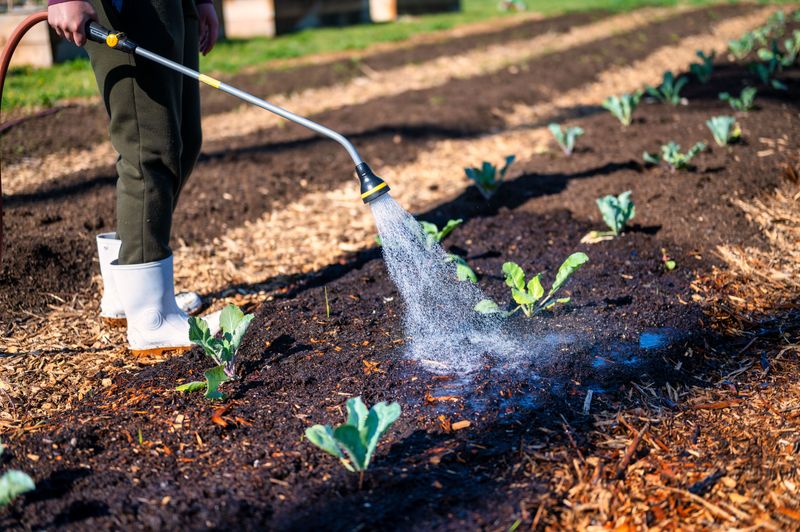
Shallow watering creates shallow roots, and shallow roots struggle in a drought. Deep watering trains plants to reach down where moisture stays longer.
Instead of a quick daily sprinkle, soak the soil deeply once or twice a week.
This approach encourages roots to chase moisture downward. Deeper roots anchor plants better and survive dry spells with far less stress.
A common mistake is judging moisture by the surface. The top inch can feel dry while the soil below is still perfectly damp.
Testing at multiple spots in the bed gives a more accurate picture than checking just one place.
For most garden beds, about one inch of water per week is the target. That includes rainfall, so factor in what nature already delivered.
Switching to deep, infrequent watering is one of the most effective garden watering upgrades you can make. Your plants will grow stronger, and your hose time will actually shrink.
Your Massachusetts Garden Changes Every Week. Your Plan Should Too.
Gardening in Massachusetts changes quickly throughout the season. Every Friday you’ll receive a simple weekly plan showing exactly what to plant, prune, fertilize, harvest, and protect so you never miss the right timing.
Established perennials and shrubs can often stretch to just once a week once their root systems mature. Newly planted specimens still need closer attention until they settle in.
3. Install Drip Irrigation Or Soaker Hoses
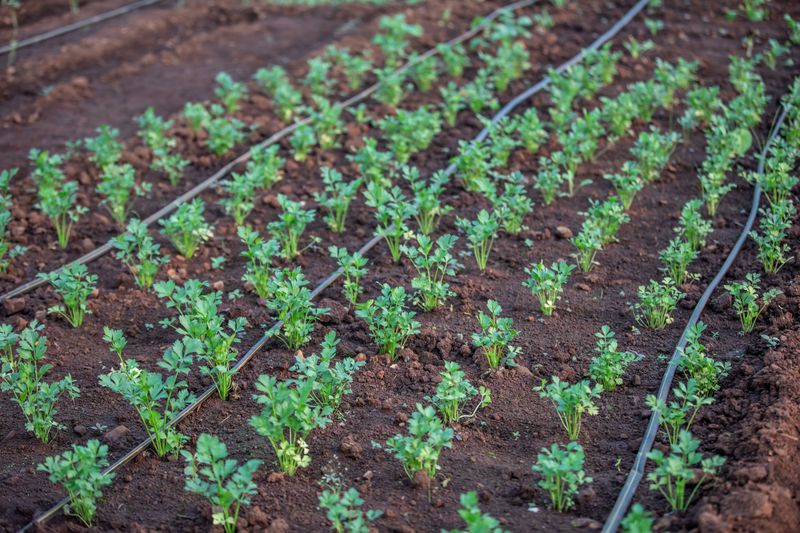
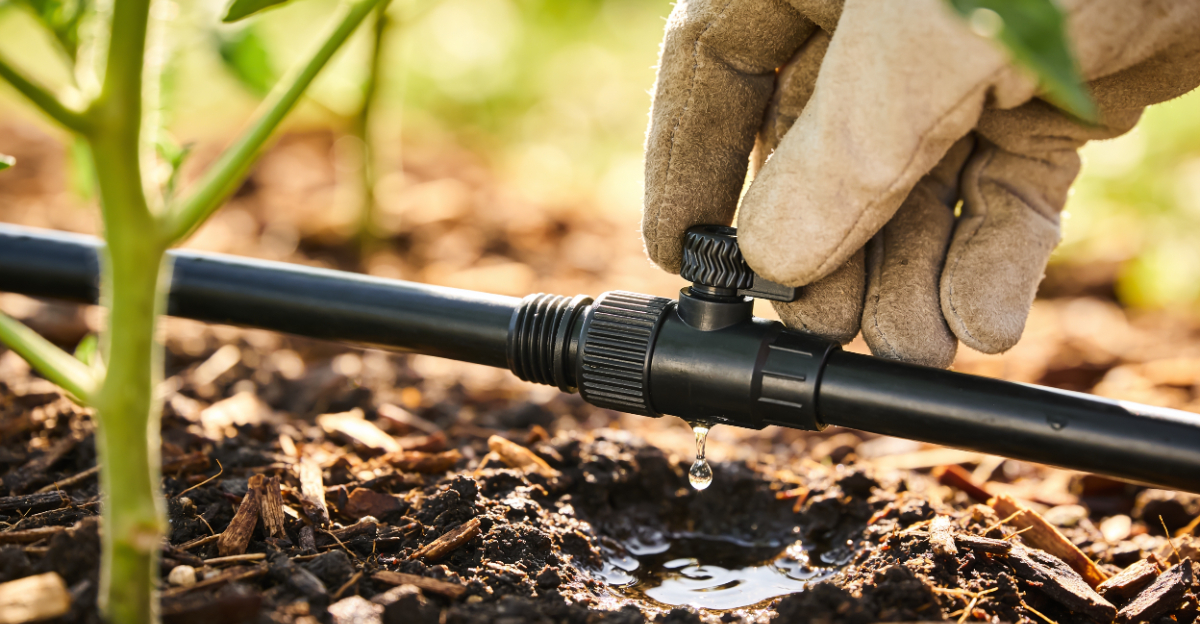
Overhead sprinklers are dramatic but wasteful. Drip irrigation delivers water exactly where it counts, right at the root zone.
Soaker hoses are a budget-friendly option that seeps water slowly along the soil surface. Both systems can cut water waste significantly compared to sprinklers.
Setup is easier than most people expect. You lay the hose or tubing through your beds, connect it to a timer, and let the system do the work.
Raised beds and vegetable rows benefit especially well from this setup. The even, consistent moisture keeps tomatoes and peppers from splitting during sudden growth spurts.
Timers make this even easier. You can schedule watering at 6 AM without ever leaving your bed.
Drip systems also keep foliage dry, which reduces fungal issues in humid New England summers. Wet leaves and humid air are a recipe for disease.
Most kits are simple enough to install in an afternoon without any special tools. Even a small backyard garden can see noticeable benefits within the first season.
For any gardener serious about smarter garden watering, drip irrigation is worth every penny. Once it is installed, your daily routine gets shorter and your plants get healthier.
4. Mulch To Lock In Soil Moisture
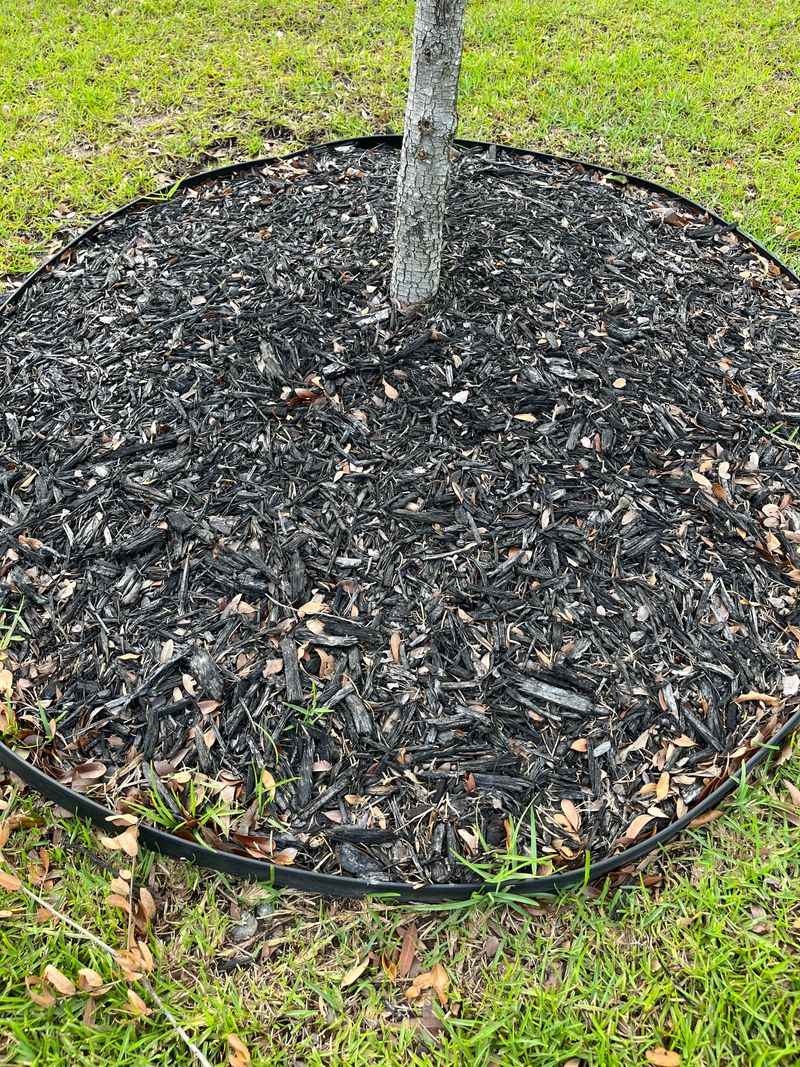
Bare soil is thirsty soil. Without a protective layer, the sun pulls moisture out of the ground faster than roots can absorb it.
Mulch acts like a blanket for your garden beds. A two to three inch layer of wood chips, straw, or shredded leaves slows evaporation dramatically.
Mulched soil can retain significantly more moisture than bare soil, cutting down how often you need to water. That means fewer watering sessions and lower water bills.
Mulch also moderates soil temperature. On hot August days in New England, cool soil keeps roots calm and productive.
Weeds compete with your plants for the same water you are working hard to conserve. A solid mulch layer blocks sunlight from reaching weed seeds, cutting down on that competition significantly.
Organic mulches break down over time, feeding the soil as they decompose. That is a bonus that synthetic landscape fabric simply cannot offer.
Apply mulch in late spring after the soil has warmed up. Putting it down too early traps cold soil and slows plant growth.
Keep mulch a few inches away from stems and trunks to avoid trapping excess moisture against the plant. Piling it too close invites rot and gives pests an easy hiding spot.
Mulching is one of the easiest wins in smarter garden watering. One afternoon of work pays off all summer long.
5. Water Before A Heat Wave, Not During It
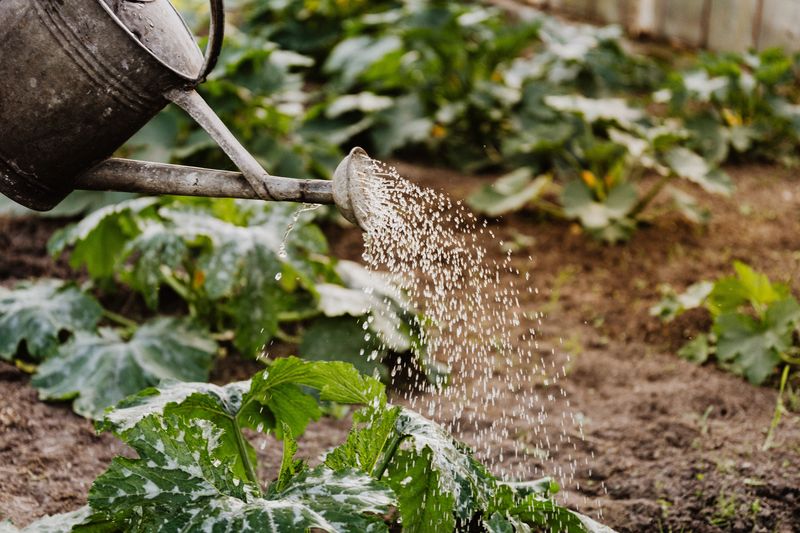
A heat wave is coming and your instinct is to grab the hose. That instinct is backwards.
Watering deeply the day before high temperatures arrive prepares your plants like a fuel tank before a long drive. Roots store that moisture and draw on it steadily through the heat.
Watering during peak heat is inefficient. Much of the water evaporates before it even reaches root depth.
Hot soil can also shock roots when cold water hits suddenly. A pre-heat deep soak avoids that stress entirely.
Container plants and hanging baskets feel heat stress faster than anything planted in the ground. Give these extra attention before a heat wave, since their limited soil volume dries out in a fraction of the time.
Check the forecast every Sunday and plan your watering schedule around it. If temperatures above 85 degrees are expected, water the night before or two mornings ahead.
After the heat wave breaks, give your garden another deep drink to help it recover. Plants that were well-prepped bounce back faster than those that were not.
New England heat waves often arrive with high humidity, which can trick Massachusetts gardeners into thinking plants need less water. Humid air slows evaporation from leaves, but it does nothing to keep the soil itself from drying out.
Timing your garden watering around the forecast is a small habit with big results. Your plants will look noticeably better than your neighbors who watered mid-heat.
6. Choose Drought-Tolerant Native Plants
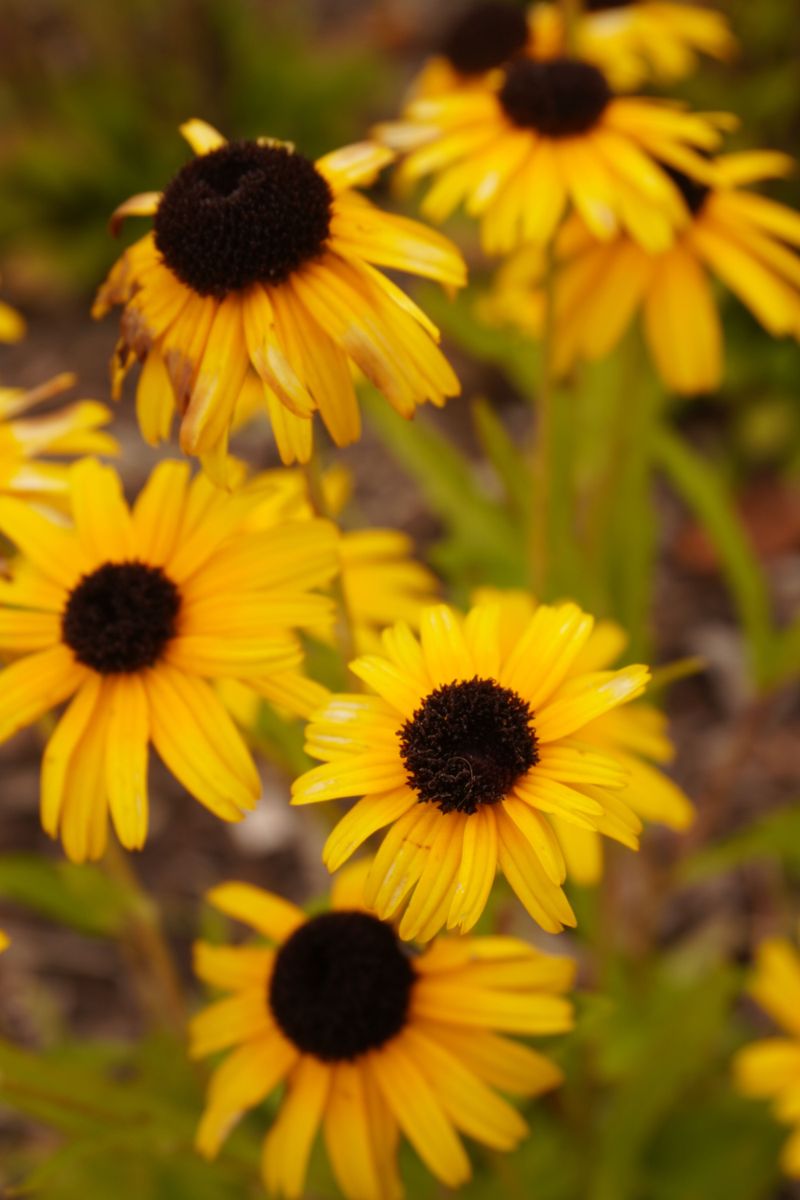
Some plants just belong here. Native plants evolved alongside New England weather and know how to handle it.
Species like black-eyed Susan, native coneflower, and little bluestem grass thrive with minimal supplemental watering. They have deep root systems built for dry spells and rocky soil.
Choosing natives does not mean sacrificing beauty. These plants offer stunning blooms, interesting textures, and seasonal color from spring through fall.
They also support local pollinators, which is a bonus that imported ornamentals rarely match. Bees, butterflies, and birds flock to native plantings.
Local nurseries and native plant sales are the best place to start your search. Staff there can point you toward species suited to your specific soil type and sun exposure.
Replacing thirsty annuals with drought-tolerant natives cuts your garden watering workload significantly. You spend less time with a hose and more time enjoying the view.
Start small by swapping one bed or border each season. Over a few years, your landscape becomes nearly self-sufficient.
Give new native plantings regular water for their first full season while roots establish. After that, most will settle into their drought-tolerant rhythm on their own.
Native plants are one of the most sustainable investments a Massachusetts gardener can make. They reward low maintenance with high performance year after year.
7. Shrink Your Lawn To Save Water
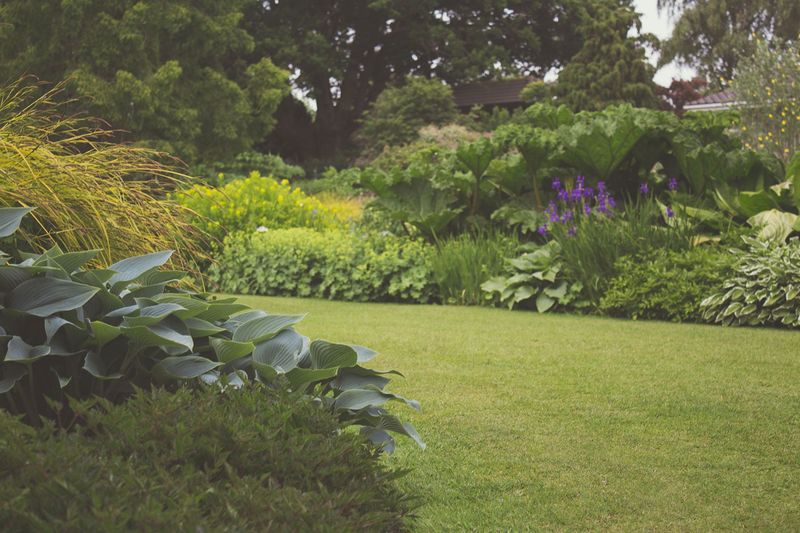
Lawns are the thirstiest part of most yards. A traditional grass lawn can demand up to one inch of water per week just to stay green.
Shrinking your lawn by even 25 percent frees up a surprising amount of water. Replace that space with mulched beds, native groundcovers, or a patio.
Creeping thyme, native sedges, and clover are all low-water alternatives that look intentional and polished. They also require far less mowing.
Lawn care can account for a significant share of residential water use. Cutting that number down is one of the biggest single wins available to Massachusetts gardeners.
A smaller lawn also means less fertilizer, fewer chemicals, and less runoff into local waterways. The environmental benefits stack up quickly.
Raising your mower blade height also helps whatever lawn you keep. Taller grass shades its own roots and holds soil moisture far better than a closely cropped cut.
Start by identifying the areas of your lawn that look worst in summer. Those struggling patches are ideal candidates for conversion first.
Edging the new beds with stone or steel gives the transition a clean, deliberate look. It also keeps grass from creeping back into your new plantings.
Reducing lawn space is bold but rewarding. Your garden watering routine gets lighter, and your yard often looks more interesting than a plain grass expanse.
8. Group Plants By Their Water Needs
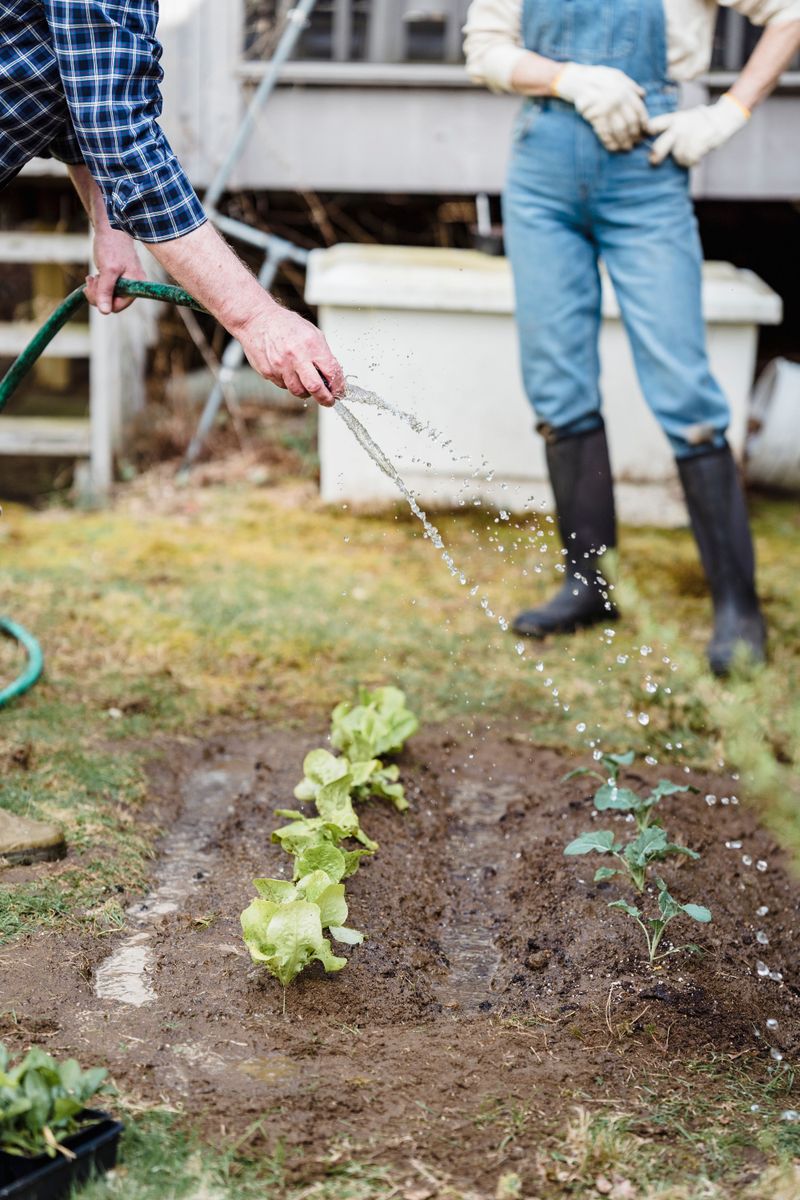
Watering a whole garden the same way is like feeding everyone at the table the same meal. It works for some but leaves others unhappy.
Plants have very different thirst levels. Grouping them by water needs, a technique called hydrozoning, makes every watering session more efficient.
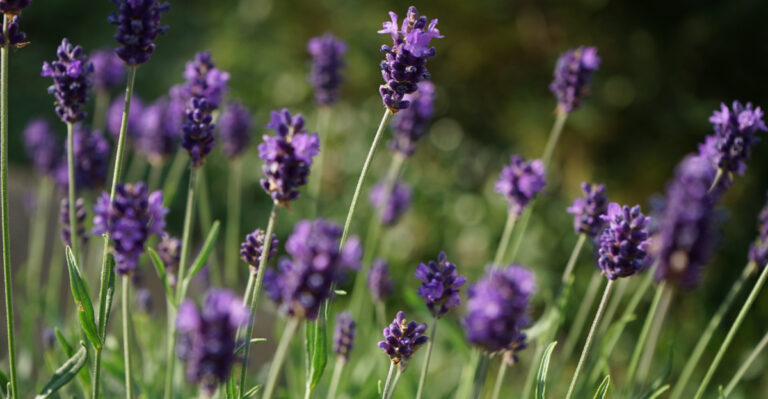
Put moisture-loving plants like astilbe and cardinal flower together near a water source. Drought-tolerant plants like lavender and coneflower go in a separate zone.
This prevents overwatering drought lovers and underwatering thirsty plants. Both groups get exactly what they need without compromise.
Sun exposure matters just as much as thirst level when setting up zones. A shady, moisture-loving group and a sun-baked, drought-tolerant group rarely belong in the same bed anyway.
Hydrozoning also makes drip irrigation and soaker hose systems far more effective. You run one line per zone instead of one line for everything.
Planning your zones takes an afternoon but saves hours of inefficient watering all season. Sketch your beds on paper and assign each plant to a group.
Revisit your zones each spring as plants mature and spread. A grouping that made sense in year one may need small adjustments once root systems fill in.
Smarter garden watering is really about working with your plants, not against them. Grouping by need is the clearest way to do exactly that.
9. Check Soil Moisture Before You Water
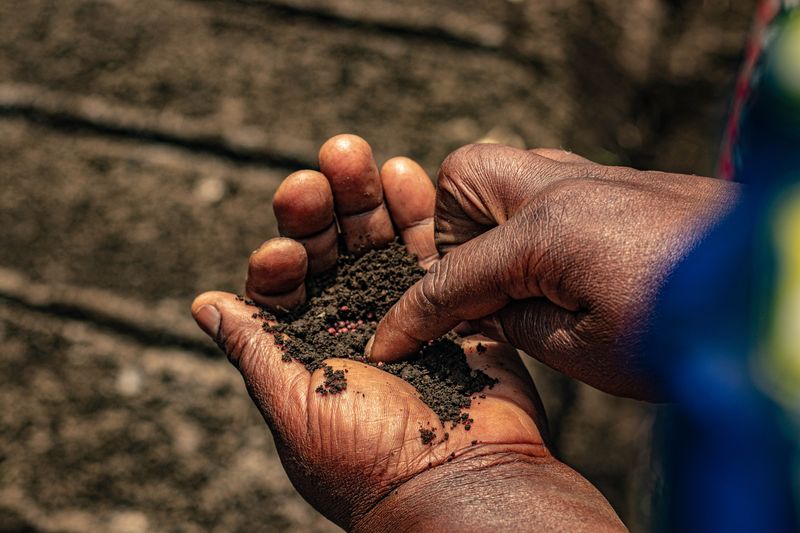
Watering on a schedule feels responsible but can actually harm plants. Soil does not follow a calendar.
Before reaching for the hose, push your finger two inches into the soil. If it feels damp, skip the watering and check again tomorrow.
A simple soil moisture meter costs almost nothing and takes the guesswork out completely. Push the probe in, read the dial, and water only when the meter says to.
Overwatering is one of the leading causes of garden plant problems. Roots sitting in soggy soil suffocate and become vulnerable to rot and disease.
Wilting leaves do not always mean a plant needs water. On hot afternoons, many plants droop temporarily to conserve moisture, then perk back up once things cool down.
New England summers bring unpredictable rain. What looked like a dry week can include enough rainfall to fully satisfy your garden.
A rain gauge staked in the garden gives you an exact number instead of a guess. Comparing that reading against the one-inch weekly target tells you immediately whether supplemental watering is even needed.
Checking moisture before each watering session also trains your eye over time. You start to recognize which plants wilt from dryness versus heat stress.
This habit alone can reduce your garden watering frequency by 30 percent or more. Less water, healthier roots, and a lighter workload every single week.
10. Collect And Reuse Rainwater
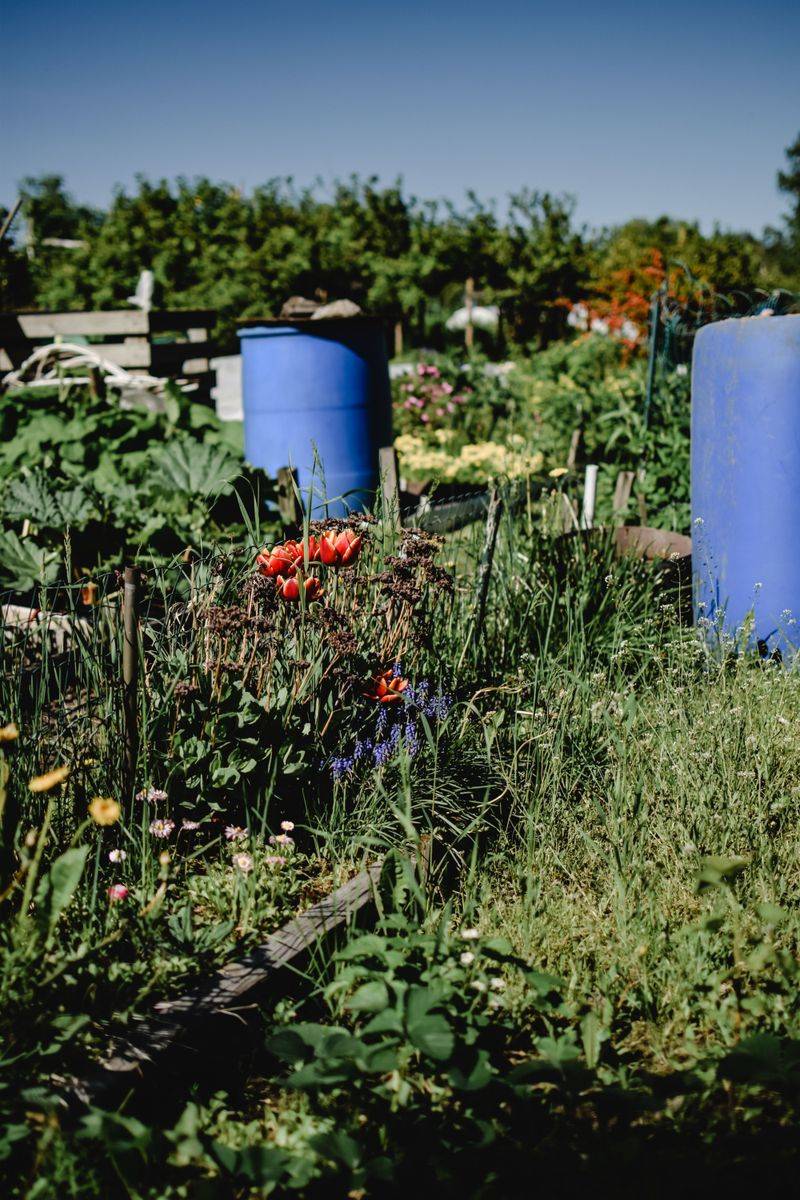
Rain falls free and most of it runs straight off your roof into the street. A rain barrel changes that equation fast.
A standard 55-gallon barrel connects to your downspout and fills during a single moderate storm. That water is soft, unchlorinated, and plants absolutely love it.
New England averages over 45 inches of rainfall annually. Capturing even a fraction of that dramatically reduces your reliance on tap water for garden watering.
Rain barrels are widely available at garden centers and hardware stores, with plenty of budget-friendly options. Some municipalities in Massachusetts even offer rebates for installing them.
A simple mesh screen over the intake keeps debris and mosquitoes out of your stored water. This small addition means less maintenance and cleaner water for your plants.
Position the barrel near your most water-hungry beds for easy access. A spigot at the bottom makes filling a watering can effortless.
For larger gardens, linking two or three barrels together increases your storage capacity. That extra reserve carries you through dry stretches between storms.
Remember to drain barrels before the first hard freeze to prevent cracking. An empty barrel over winter means it is ready to go the moment spring rains return.
Collecting rainwater is one of the most satisfying upgrades in smarter garden watering. Every storm becomes a resource instead of something that just soaks your shoes.