Signs Your Massachusetts Garden Has A Jumping Worm Problem
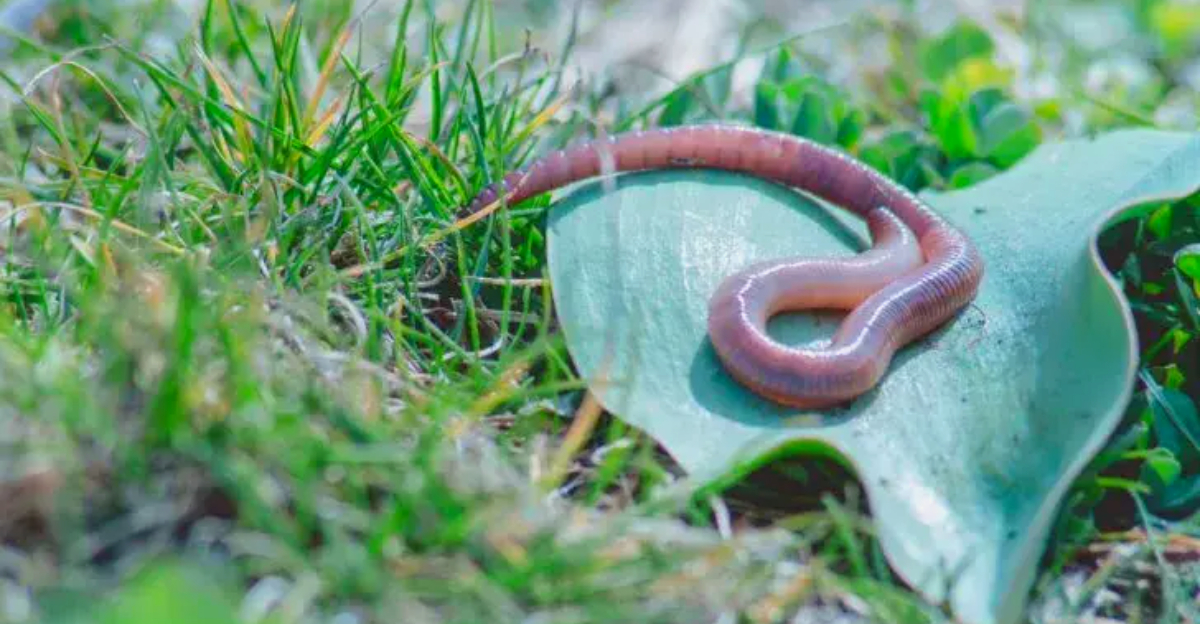
Massachusetts gardeners are noticing soil that crumbles like used coffee grounds, and jumping worms are the reason.
These invaders from East Asia go by other names too, like crazy worms or snake worms. Touch one and it writhes and flips with startling energy.
That alone sets it apart from the calm, familiar earthworm. Regular earthworms loosen soil and help plants thrive. Jumping worms do the opposite.
They strip away nutrients fast. In just one season, healthy garden beds can turn dry, grainy, and unable to hold water or roots.
Massachusetts gardeners have been reporting more jumping worm sightings in recent years. Many homeowners mistake the symptoms for drought or poor soil prep.
By the time the damage is obvious, the worms have often already laid eggs for next year. Catching the signs early makes all the difference. A little awareness now could save your garden from a much bigger rebuild later.
1. Soil Looks Like Dry Coffee Grounds
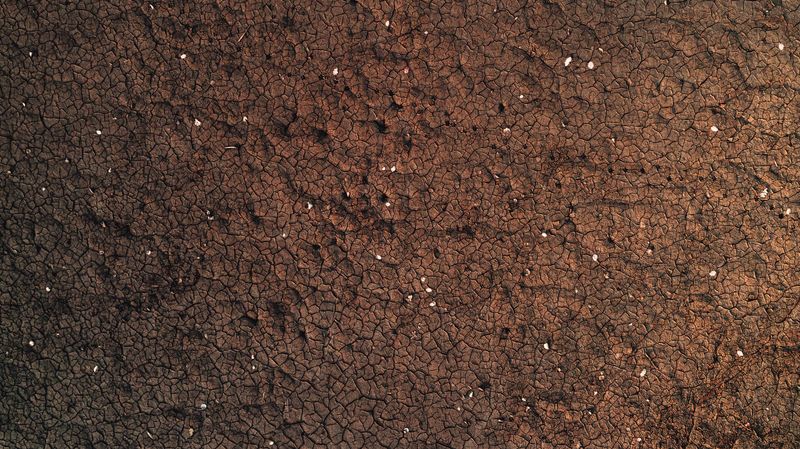
Your soil is trying to tell you something. When jumping worms move through a garden, they leave behind castings that look exactly like dry coffee grounds scattered across the surface.
This telltale texture is one of the clearest signs of a jumping worm problem in any Massachusetts yard. The castings are loose, granular, and tend to pile up in thick layers near the top of the soil.
Unlike healthy soil that clumps together when squeezed, this stuff just falls apart in your hand. Gardeners often notice it first along garden edges or under mulch where moisture collects.
The problem goes deeper than appearances. When castings replace your native topsoil, the ground loses its ability to hold water and support plant roots properly.
Seeds struggle to germinate in this loose, dry material. Established plants begin to suffer because their root systems cannot anchor into the crumbly mess.
Spotting this coffee ground texture early gives you a real advantage. Once you recognize the pattern, you can begin monitoring the population before it spreads across your entire planting area.
Take a close look at your beds after a rain. If the surface still looks grainy and dry while surrounding areas are moist, jumping worms are almost certainly the reason why.
This single visual clue has helped countless New England gardeners catch infestations early. Trust what your eyes are showing you, and act quickly when the coffee grounds appear.
2. Worms Thrash Violently When Disturbed
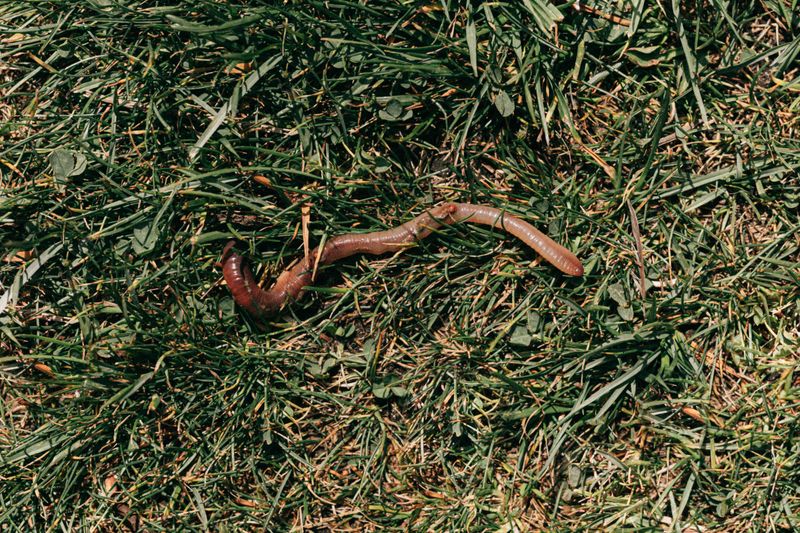
Pick one up and you’ll immediately notice the difference. Unlike the slow, gentle earthworms most gardeners are used to, jumping worms move with unusually fast, forceful motion the moment they are disturbed.
They snap, thrash, and coil like a tiny snake trying to escape. Some gardeners compare the sensation to holding a live wire, given how sudden and intense the movement feels.
This wild behavior is actually how the species earned its nickname. The thrashing is a defense response, and it is strong enough to make the worm leap right out of your hand.
Your Massachusetts Garden Changes Every Week. Your Plan Should Too.
Gardening in Massachusetts changes quickly throughout the season. Every Friday you’ll receive a simple weekly plan showing exactly what to plant, prune, fertilize, harvest, and protect so you never miss the right timing.
Regular earthworms curl slowly and try to burrow away. A jumping worm flips, writhes, and sometimes even sheds its tail to escape a threat.
If you are digging in your Massachusetts garden and something jumps out of the dirt, stop and take a closer look. That reaction alone is a major red flag worth investigating further.
Jumping worms also move across the soil surface in a rapid, serpentine pattern. Watching one move across bare ground looks noticeably different from typical earthworm movement.
Gardeners who spot this behavior should avoid moving soil or compost from that area. Spreading contaminated material is one of the fastest ways to introduce these worms to clean garden beds.
Knowing what aggressive movement looks like puts you one step ahead. Catching this sign early is a powerful part of managing a jumping worm problem before populations grow.
3. Bare Patches Appear Where Roots Once Grew
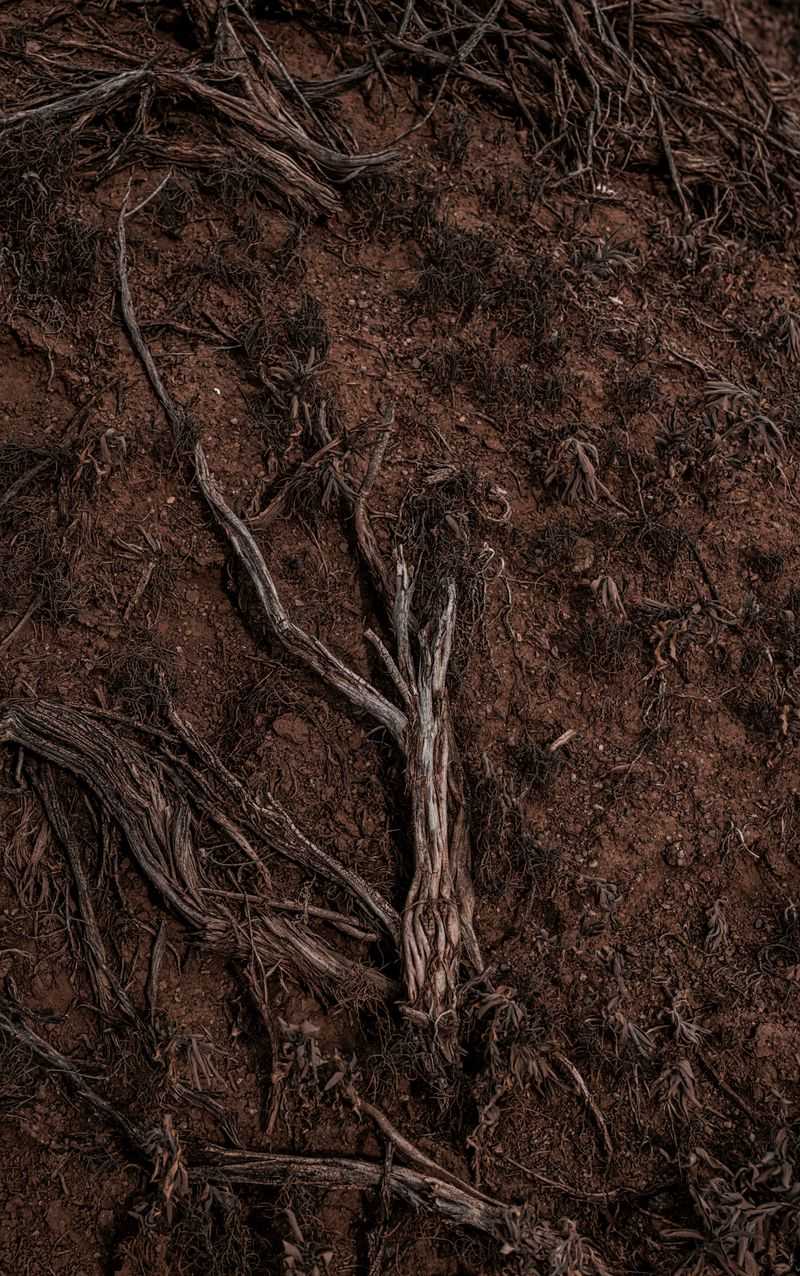
Healthy garden beds do not just go bald overnight. When bare patches start appearing in spots where plants were thriving just weeks before, jumping worms may be the hidden cause.
These worms consume organic matter so aggressively that they strip the soil of the nutrients and structure that roots depend on. Plants essentially lose the foundation beneath them.
Grass lawns are especially vulnerable to this kind of damage. Turf begins to thin out in irregular patterns, and no amount of fertilizer or watering seems to fix the problem.
Garden beds show similar symptoms. Perennials that have grown in the same spot for years suddenly look stressed, and gaps appear between plants that used to fill in beautifully.
The bare areas tend to spread outward from a central point as the worm population grows. What starts as a small thin patch can double in size within just a few weeks during peak season.
Fallen leaves and mulch disappear faster than expected in these zones too. Jumping worms process organic material at an extraordinary rate, leaving behind only their grainy castings.
Checking beneath the surface of bare patches often reveals the culprits. Scratch away an inch or two of soil and you may find multiple worms coiled just below the surface.
Bare patches are a visible warning sign from your garden. Addressing a jumping worm problem at this stage takes effort, but early intervention still gives your plants a fighting chance.
4. Clitellum Sits Pale And Fully Wraps Around
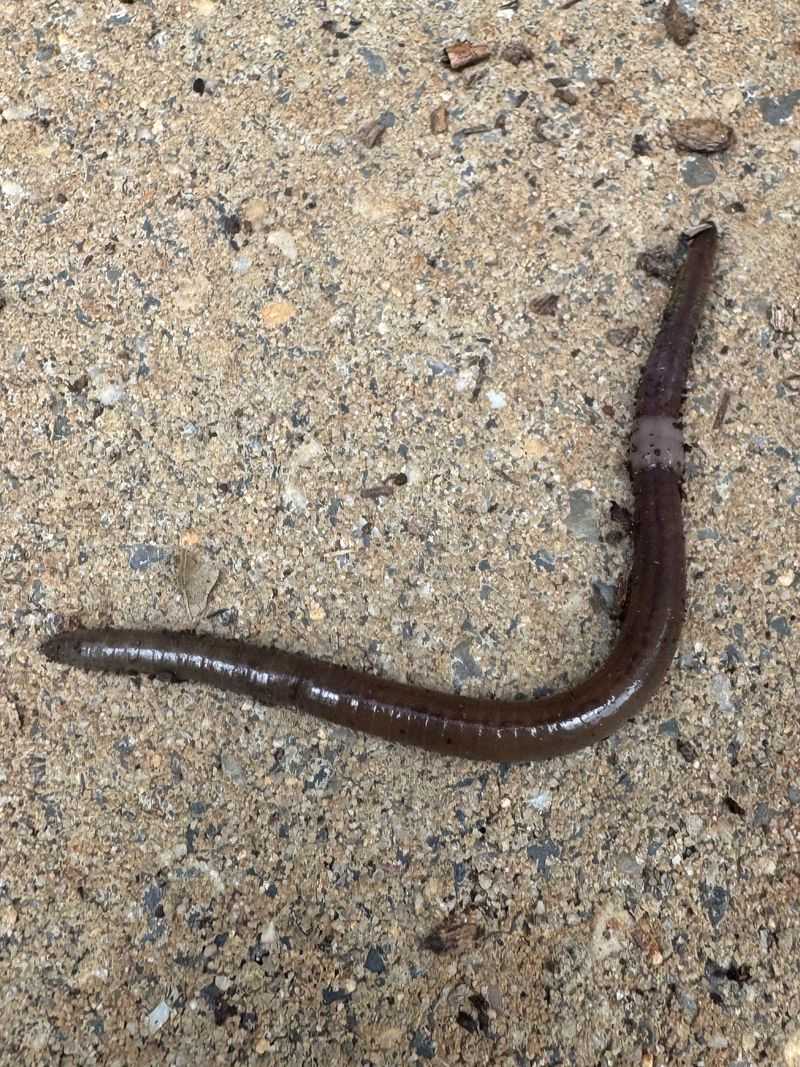
Most people have never paid close attention to a worm’s midsection, but this detail changes everything. The clitellum is the band that wraps around a worm’s body, and on jumping worms it looks completely different from what you find on common earthworms.
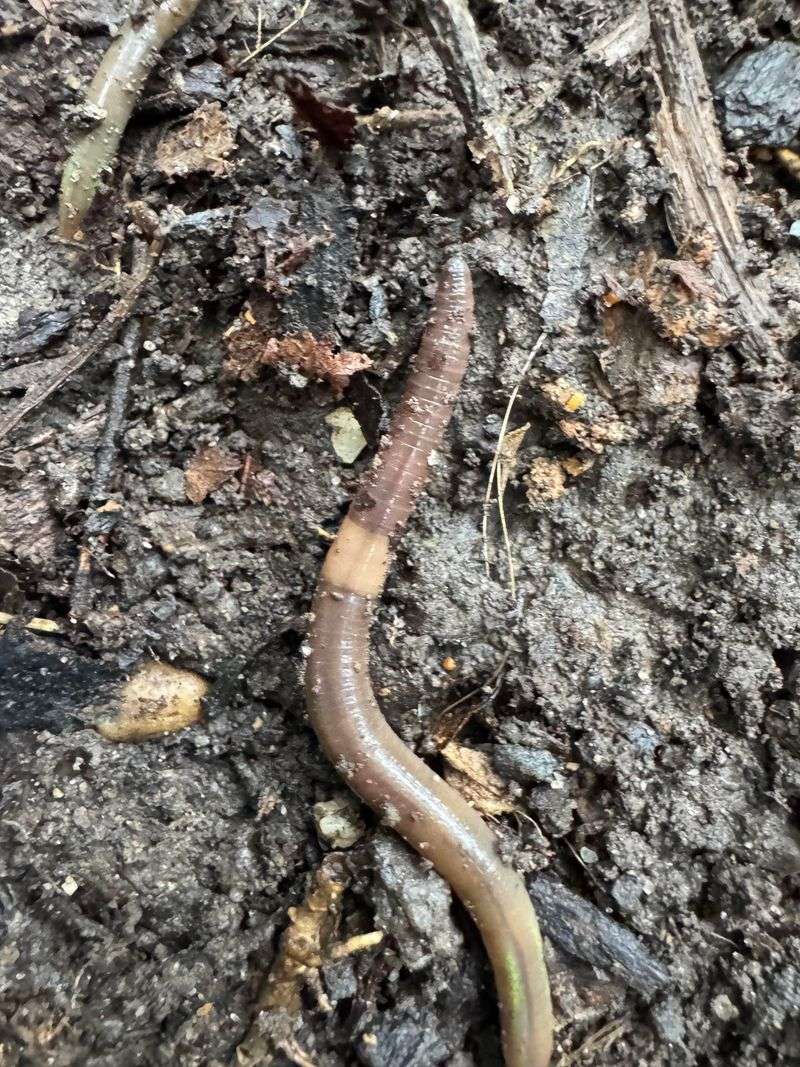
On a regular worm, the clitellum is raised, pink or reddish, and only partially circles the body. On a jumping worm, it is smooth, pale white or cream-colored, and wraps all the way around like a tight collar.
This full-circle band is one of the most reliable identification features gardeners can use. You do not need a magnifying glass to spot it once you know what to look for.
Hold the worm steady for just a moment, and the band becomes obvious. It sits flush with the body rather than raised above it, giving the worm a sleek, almost shiny appearance in that section.
Jumping worms also tend to be darker than common earthworms. Their skin has a deep brown or charcoal tone that makes the pale clitellum stand out even more clearly.
Learning this one identifying feature is worth your time. Misidentifying a jumping worm as a harmless species means losing valuable time to manage the infestation before it spreads further.
Take photos if you find a suspicious worm in your Massachusetts garden. Sharing the image with your local cooperative extension office can help confirm whether you are dealing with a jumping worm problem.
Correct identification is the foundation of smart action. One careful look at that pale band could save your entire garden.
5. Texture Of Soil Turns Loose And Crumbly
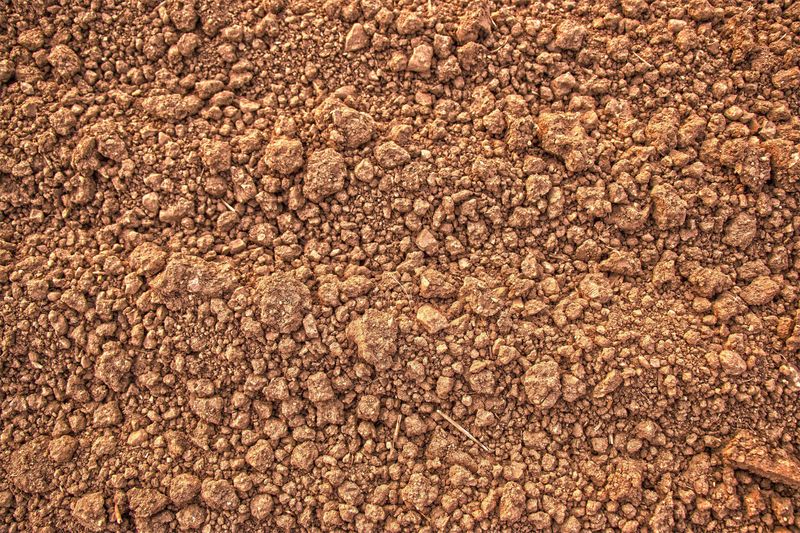
Good garden soil has a certain feel to it. Squeeze a handful of healthy loam and it holds together, stays moist, and breaks apart gently when pressed. Jumping worm soil does none of that.
Once these worms move through a bed, the texture shifts to something loose and unstructured. Gardeners often describe it as working with dry sand or crumbled crackers instead of real earth.
Soil structure matters enormously for plant health. When the natural aggregates break down, water drains too fast, air pockets collapse, and roots have nothing solid to grip.
This crumbly texture is a direct result of worm castings replacing your native topsoil layer. Castings on their own are not bad, but in massive quantities they overwhelm the soil ecosystem.
The change can happen faster than most people expect. A bed that felt rich and spongy in spring may feel completely different by midsummer if jumping worms are active beneath the surface.
Testing your soil texture is simple and takes only seconds. Grab a handful from the top two inches and squeeze it firmly, then open your hand and observe what happens next.
If the soil crumbles instantly and leaves no moisture on your palm, that is a strong indicator of jumping worm activity. Pair that texture test with a visual check for the coffee ground appearance.
Restoring degraded soil takes time and effort. Catching the texture change early is one of the best ways to limit long-term damage from a jumping worm problem in your garden.
6. Roots Become Exposed Under Thinning Soil
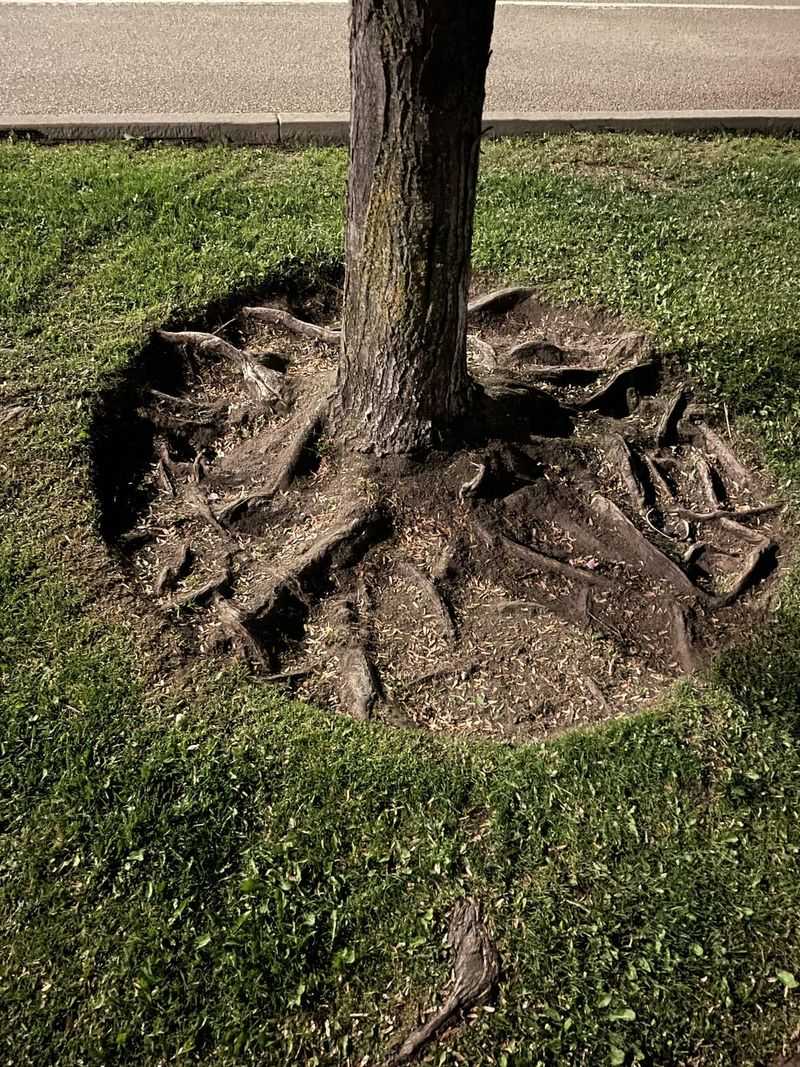
Roots are supposed to stay underground. When you start noticing them poking above the soil surface, something has gone seriously wrong with the ground beneath your plants.
Jumping worms consume the organic layer so thoroughly that topsoil literally disappears. Plants that were once anchored securely begin to sit higher than they should as the ground shrinks beneath them.
Tree roots are often the first to become visible in a yard with heavy infestation. You may notice a network of surface roots appearing around established trees where none were visible before.
In garden beds, the base of perennials and shrubs can start to look like they were planted too shallow. The crowns lift above grade, and the roots fan out visibly across the surface.
Exposed roots are vulnerable to temperature swings, foot traffic, and drought. Once they dry out or get damaged, the plant faces serious stress that can take multiple seasons to overcome.
This sign tends to show up later in the infestation timeline. By the time roots are exposed, jumping worms have likely been active in that area for at least one full growing season.
Walking your garden regularly helps you spot this change before it worsens. Look at the base of your oldest, most established plants first since they often show root exposure earliest.
Exposed roots signal that your soil is being consumed from the top down. At this stage, it’s worth acting quickly to limit further damage.
7. Populations Can Multiply Rapidly In One Season
One worm can multiply into hundreds faster than most gardeners expect. Jumping worms reproduce through parthenogenesis, meaning they do not need a partner to lay eggs.
Every single adult can produce offspring on its own. Egg cases survive through winter in the soil, then hatch in spring when temperatures rise.
By midsummer, what started as a handful of worms can become a dense, thriving population across a wide area.
This rapid growth rate sets jumping worms apart from other garden pests. Most invasive species spread gradually over several years. These worms can saturate a bed within a single growing season.
Gardeners are often shocked by how quickly the numbers climb. A small population found in June can grow substantially by August under favorable conditions.
Warm, moist soil with plenty of organic matter is their ideal environment. Well-maintained garden beds with rich compost and thick mulch are essentially a buffet for these creatures.
Monitoring your garden throughout the season matters more than a single check. A one-time inspection in spring does not tell you much about what may be developing underground by July.
Set a reminder to check high-risk areas every few weeks from late spring through early fall. Look for the coffee ground texture, the crumbly soil, and any worm activity near the surface.
This rapid population growth is what makes jumping worms so damaging. Understanding their reproductive speed is essential for anyone trying to stay ahead of a growing jumping worm problem.
8. Plants Wilt Despite Regular Watering
You watered yesterday, and the plants still look terrible. Wilting leaves despite consistent moisture is one of the most frustrating and confusing signs of a jumping worm problem gardeners encounter.
The reason comes down to soil structure. When castings replace healthy topsoil, water drains straight through without being retained near the root zone where plants actually need it.
Roots sitting in loose, crumbly material cannot access moisture efficiently even when the surface looks damp. The wicking and retention properties of healthy soil are simply gone.
Gardeners often respond by watering even more, which can lead to other problems without solving the root cause. More water on degraded soil just runs off faster and may cause erosion.
Checking soil moisture an inch below the surface tells a clearer story. If the top layer looks moist but the zone just beneath feels dry and powdery, soil structure has likely been compromised.
Wilting caused by jumping worm damage looks almost identical to drought stress. That similarity makes it easy to misdiagnose and treat the wrong problem for weeks.
Plants most vulnerable to this symptom include shallow-rooted annuals, newly transplanted perennials, and seedlings that have not established deep root systems yet. Watch these closely during peak worm season.
Persistent wilting in a well-watered Massachusetts garden is your soil sending an urgent message. Investigating for jumping worm activity at that point could be the most important thing you do all season.