Plant These In Your Georgia Garden Now And Fall Takes Care Of The Color On Its Own
Georgia summers are long, hot, and relentless, but fall arrives like a reward for every gardener who stuck it out.
The secret to a spectacular fall garden is not waiting until October to start thinking about it.
The plants that carry your yard through September, October, and November need to go in the ground right now, while there is still time for roots to settle and genuine growth to take hold before the season shifts.
Most gardeners get this backwards.
They wait until the garden centers fill up with mums and pansies in full bloom, grab a few pots, drop them into tired summer beds, and wonder why everything looks half-hearted by November.
The plants that perform deepest into fall are the ones that had time to root in properly, build some strength, and work up to their moment.
Whether you have a sunny front bed, a shady border, or a container on the porch, these seven plants are ready to do exactly that.
Plant them now, give them a decent start, and fall takes care of the color almost entirely on its own.
1. Mexican Bush Sage Carries Purple Into Frost
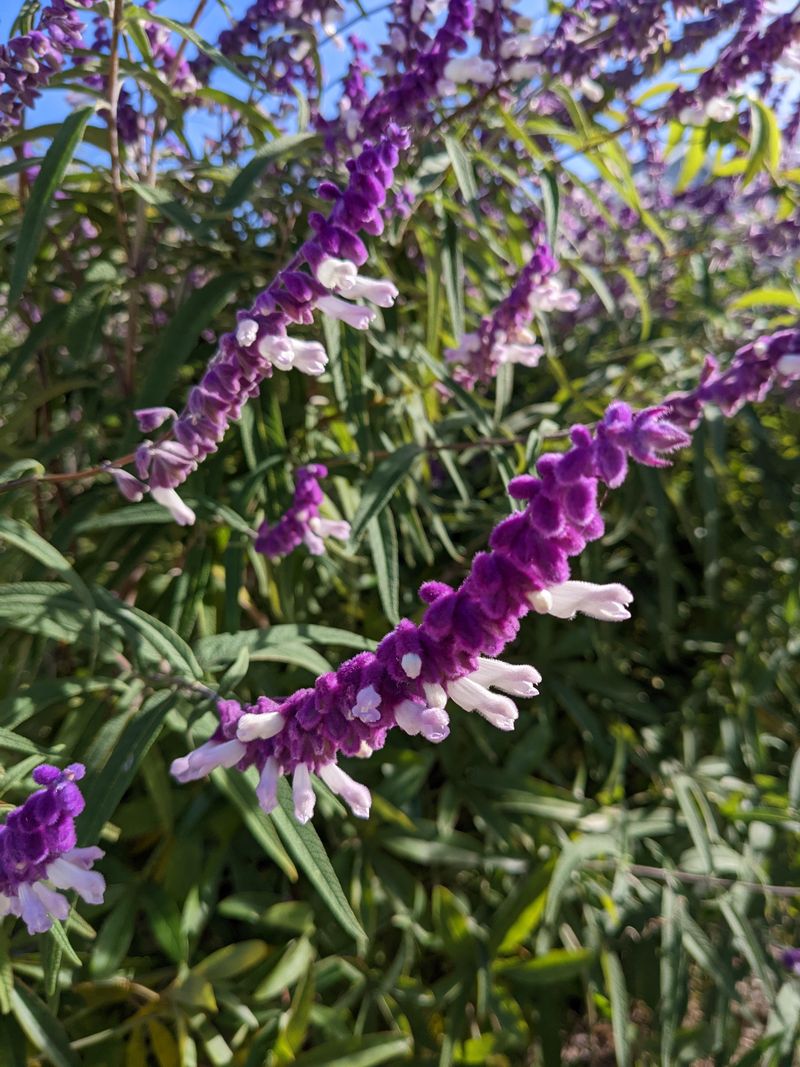
Few plants earn their place in a Georgia garden the way Mexican bush sage does.
When everything else starts looking tired in September, this plant is just getting started. The long, arching stems push out velvety purple and white flower spikes that almost shimmer in the afternoon sun.
It is bold, it is beautiful, and it does not need much from you to perform.
Mexican bush sage loves full sun and well-drained soil, which makes it a natural fit for Georgia’s hot and often dry late-summer conditions.
It handles the heat without complaint and starts producing blooms right as temperatures begin to ease. Plant it now so the roots have time to anchor before the real show begins in October and November.
Established plants can reach four to five feet tall and just as wide, so give them room to spread out.
One of the best things about this plant is that the blooms keep coming until frost finally arrives. Butterflies and hummingbirds absolutely love the flower spikes, so your garden becomes a small wildlife scene as well.
The combination of wildlife value, late-season timing, and low maintenance is hard to beat anywhere in the Georgia garden.
Cut it back hard in late winter and it will return with the same energy the following season. If you want a plant that practically manages itself and delivers purple color deep into fall, Mexican bush sage belongs at the back of your sunniest bed right now.
2. Hardy Mums Turn Beds Fast
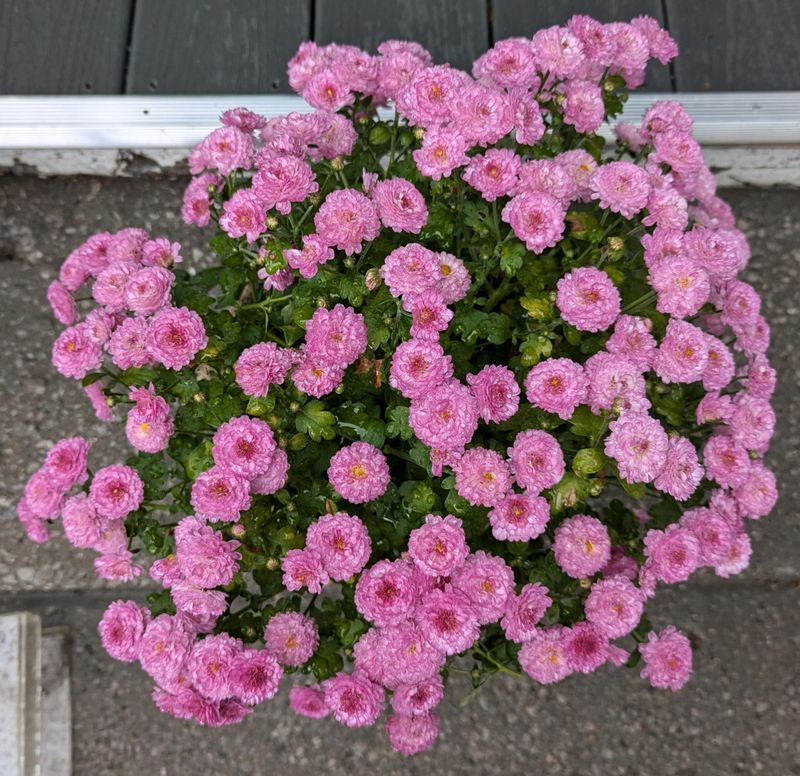
Walk into any garden center in late August and the mums are already calling your name.
They come loaded with buds, they come in every warm fall color you can imagine, and they can flip a tired summer bed into a full autumn display almost overnight.
That is the magic of hardy mums, and Georgia gardeners have been counting on them for decades.
Your Georgia Garden Changes Every Week. Your Plan Should Too.
Gardening in Georgia changes quickly throughout the season. Every Friday you’ll receive a simple weekly plan showing exactly what to plant, prune, fertilize, harvest, and protect so you never miss the right timing.
Here is the key most people miss: mums bought in full bloom tend to wear out faster than those planted when they still have tight buds.
If you plant them now while buds are just forming, the roots have time to settle into your soil and the plant can sustain a much longer bloom period.
That patience at the garden center pays off in weeks of additional color that rushed shoppers never get.
Space them about eighteen inches apart, water them consistently, and pinch back any leggy growth to encourage a fuller, rounder shape.
Hardy mums prefer full sun and do best in soil that drains well. In Georgia, raised beds or slightly elevated planting spots work great because the roots do not sit in water after heavy fall rains.
Deadhead spent blooms regularly to keep new flowers coming.
After the season ends, leave the foliage in place through winter as natural insulation for the roots. Cut it back in spring and many varieties will return and bloom again the following fall.
Mums are one of the fastest and most reliable ways to bring bold color to your Georgia garden right now, and the ones you plant today will look considerably better in October than anything you grab off a display cart at the last minute.
3. Pansies Wait For Cooler Nights
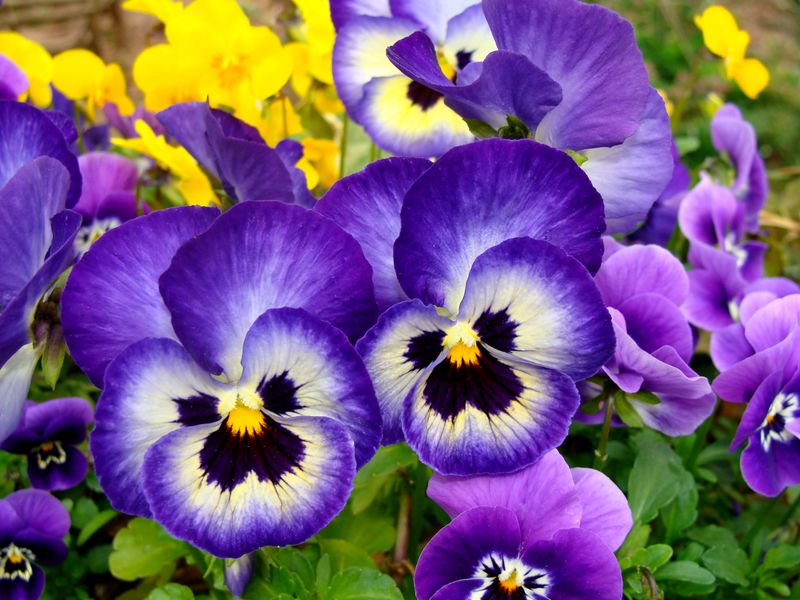
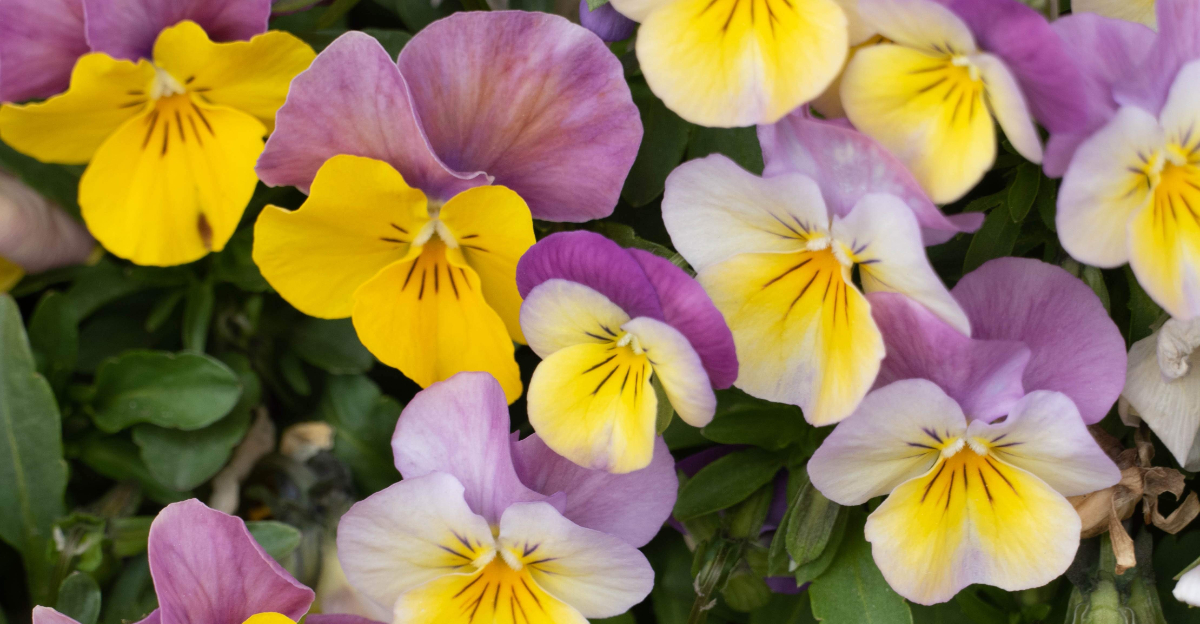
Pansies have a reputation for being a spring flower, but in Georgia they are really a fall-through-spring flower.
The trick is timing. Pansies planted in the brutal heat of August will struggle, but pansies planted once nighttime temperatures drop into the low sixties will take right off.
That window usually opens in late September or early October across most of Georgia, and smart gardeners are ready for it.
Start planning now by choosing your colors and deciding where you want them.
Pansies come in an almost overwhelming range of shades, from deep purple and burgundy to bright yellow, coral, and even near-black.
They look stunning in mass plantings, in containers, and tucked along the front edge of a bed. Amend your soil with a little compost before planting and they will reward you with blooms well into spring.
One thing about pansies that surprises people: the colder it gets, the more vivid their colors tend to become.
A light frost does not slow them down at all. In fact, many Georgia gardeners notice that their pansies look absolutely best in January and February when little else is blooming.
That kind of winter performance is rare in any plant, and pansies deliver it year after year with almost no fuss.
Feed them with a balanced slow-release fertilizer at planting time and again in late winter to keep the show going.
Water at the base rather than overhead to reduce fungal issues in Georgia’s humid fall weather. If you want continuous cool-season color with almost zero drama, pansies planted at the right moment are one of the smartest moves you can make this fall.
4. Violas Fill Edges With Steady Color
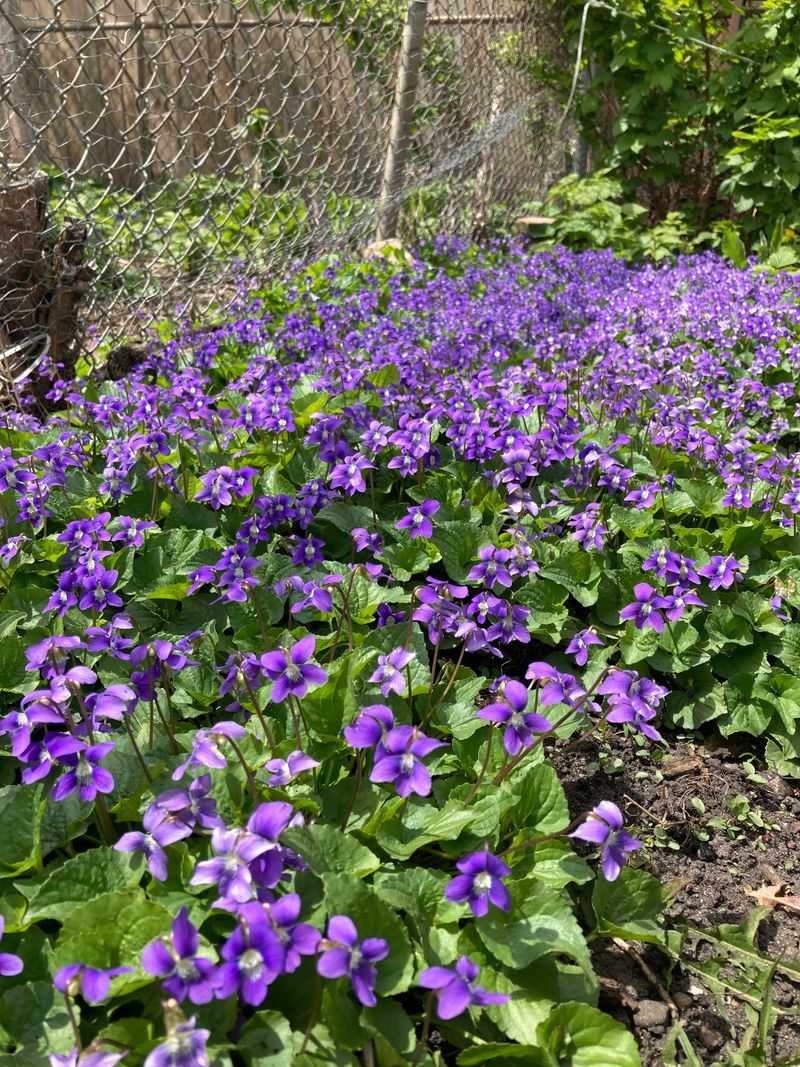
Violas are the smaller sibling of pansies, more compact in bloom but somehow even more generous with flowers.
They spread along bed edges in a way that looks effortless, creating a soft ribbon of color that carries the eye right through the garden.
Georgia gardeners who have not tried violas as edging plants are missing one of the easiest cool-season wins available.
Violas are compact, usually staying under eight inches tall, which makes them perfect for the front row of any planting bed or the edge of a container arrangement.
They bloom in clusters of tiny flowers that come in shades of purple, yellow, white, lavender, and bicolor combinations.
Unlike some edging plants that go bare in the middle over time, violas tend to stay full and bushy throughout the cool season if you give them decent soil and regular moisture.
Plant violas after the worst of the summer heat passes, usually by early to mid-October in most parts of Georgia.
They perform best in full sun to partial shade, which gives them a little more flexibility than some other cool-season options. That adaptability makes them useful in beds where light conditions are not perfectly consistent.
Water them at the base rather than overhead to reduce the chance of fungal issues in humid fall weather.
Pinch back the stems occasionally to encourage branching and more blooms.
Violas will quietly do their job all winter long, and by the time spring arrives they will have earned every bit of admiration your neighbors can offer.
5. Ornamental Kale Makes Beds Look Full
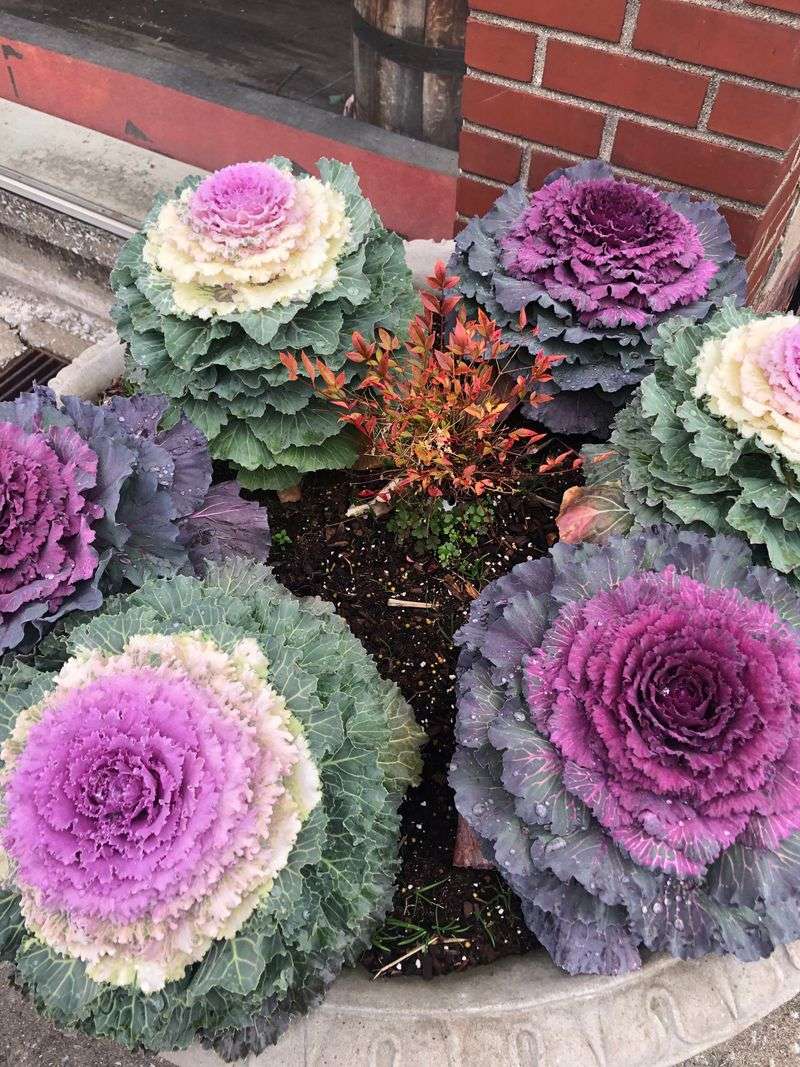
There is something almost sculptural about a well-grown ornamental kale.
The ruffled, wavy leaves form tight rosettes in shades of deep purple, dusty rose, creamy white, and blue-green, and the whole plant looks like it was designed by an artist rather than grown in a garden.
In Georgia, ornamental kale is one of the most reliable ways to add visual weight and texture to fall beds when flowers alone feel like they are not quite enough.
Here is the part that surprises a lot of people: ornamental kale actually looks better as the weather gets colder.
The cooler temperatures intensify the color in the leaves, turning pale centers into vivid magenta or deep violet.
Plant it now so the roots establish before the first cool snaps arrive, and then watch the color deepen with every passing week through October and November.
Ornamental kale prefers full sun and well-drained soil.
It does not like sitting in soggy ground, so raised beds or containers are a great option. Space plants about twelve to fifteen inches apart to give each rosette room to expand.
It pairs beautifully with yellow pansies, orange mums, or deep red snapdragons for a full, layered fall display.
One practical tip: plant ornamental kale toward the center or back of shorter beds because the rosettes can get quite large and may crowd out smaller neighbors. It is a statement plant, and it earns every bit of space you give it.
The combination of unusual texture, deepening winter color, and minimal care makes ornamental kale one of those plants that looks far more complicated to grow than it actually is.
6. Snapdragons Set Up The Cool Season
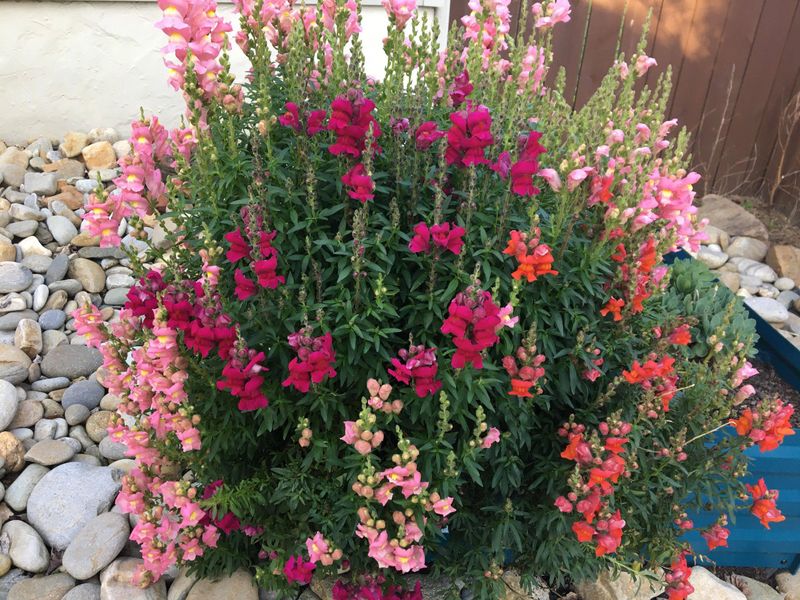
Snapdragons bring something to a fall garden that almost nothing else can match: vertical color.
While mums and pansies hug the ground, snapdragons shoot upward with dense spikes of blooms in red, orange, yellow, pink, white, and bicolor combinations.
They add height, drama, and structure to any bed, and in Georgia they absolutely thrive once the summer heat backs off.
Plant snapdragons in fall and they will bloom right through cool weather, often pausing briefly during the coldest weeks of winter before bouncing back with even more blooms in late February and March.
This makes them one of the longest-performing cool-season plants available to Georgia gardeners. Start with transplants now rather than seeds to get blooms faster, and choose a spot with full sun and good drainage for the best results.
Snapdragons grow anywhere from six inches to three feet tall depending on the variety, so read the label before you plant to make sure you are getting the height you want.
Tall varieties work great at the back of a bed or in the center of a large container. Shorter varieties are perfect for the middle row in a layered planting design.
Pinch the very top of young plants once to encourage branching and more flower spikes. Feed them with a balanced fertilizer every few weeks during active growth.
The combination of early fall planting, a full winter of quiet persistence, and then a spectacular late-winter surge makes snapdragons genuinely one of the most rewarding cool-season investments a Georgia gardener can make.
Few other plants give you that kind of return across three separate seasons from a single planting.
7. Goldenrod Feeds Pollinators Late
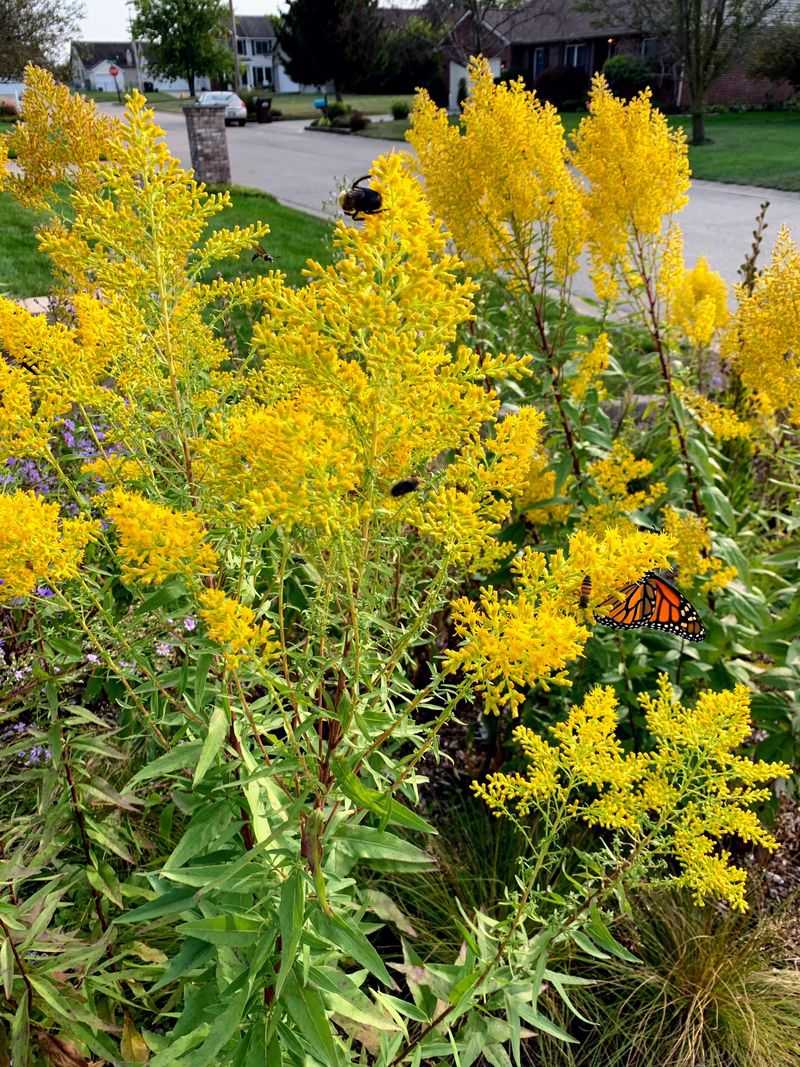
Goldenrod gets a bad reputation it absolutely does not deserve.
Many people blame it for fall allergies, but the real culprit is ragweed, which blooms at the same time. Goldenrod’s pollen is too heavy to travel through the air and cause allergy problems.
What it does do is produce brilliant golden-yellow plumes that light up the garden in September and October while feeding dozens of pollinator species at one of the most critical times of year.
Native goldenrod species like Solidago rugosa and Solidago odora are excellent choices for Georgia gardens.
They thrive in full sun to partial shade, tolerate drought once established, and spread gradually to fill in naturalized areas or the back edge of a mixed border.
Plant them now and they will reward you with blooms this fall and return reliably every year after that with almost no maintenance required.
The ecological value of goldenrod is hard to overstate.
Monarch butterflies rely on it during their fall migration, and native bees use it as a major nectar source before winter.
Beyond the wildlife benefit, the bright yellow color plays beautifully against purple asters, ornamental grasses, and the rusty tones of fall foliage across Georgia landscapes.
Goldenrod does spread by both runners and seed, so if you prefer a tidier garden, simply remove the spent blooms before seeds form.
For a native plant that works hard, feeds wildlife, and delivers genuine fall color, goldenrod is one of the best options Georgia has to offer.
It also has a way of making the garden feel connected to something larger than itself, which is not something most ornamental plants can claim.