The Right Way To Water Blueberry Bushes In Georgia During Summer Heat
Nothing is more frustrating than giving a plant exactly what it asks for and still watching it struggle. You water it, check on it every day, and expect it to sail through summer.
Then the leaves begin looking different, growth slows down, and you start wondering what changed.
That moment leaves many gardeners questioning whether they should water more, water less, or simply wait and hope the plant recovers.
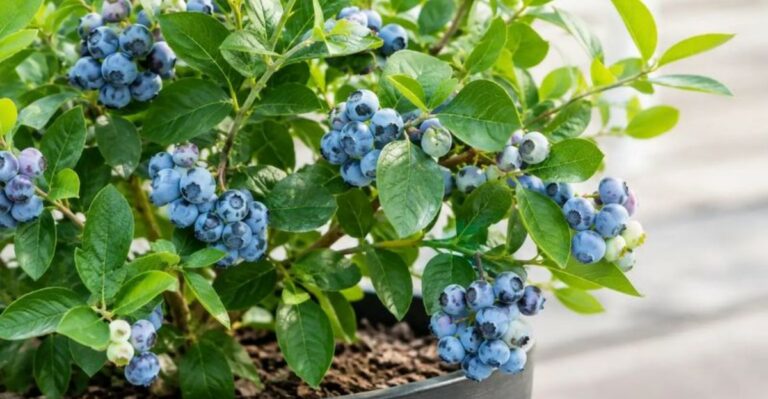
Blueberry bushes can be surprisingly sensitive during long stretches of hot weather. The amount of water matters, but the way it is applied matters just as much.
A routine that works perfectly in spring may not be enough once temperatures stay high day after day.
Georgia summers put blueberry bushes under extra pressure. A small change in the way you water can make a remarkable difference before the hottest part of the season takes its toll.
1. Water Deeply Instead Of Shallow Sprinkling
Shallow watering might look like enough, but blueberry roots need moisture several inches below the surface. A quick sprinkle barely reaches the root zone.
During summer heat, surface moisture evaporates within hours and leaves the roots dry and stressed.
Blueberry bushes have shallow but wide root systems. Watering slowly and deeply encourages those roots to spread outward and anchor into cooler, moister soil layers.
A deep soak once or twice a week works far better than light daily watering.
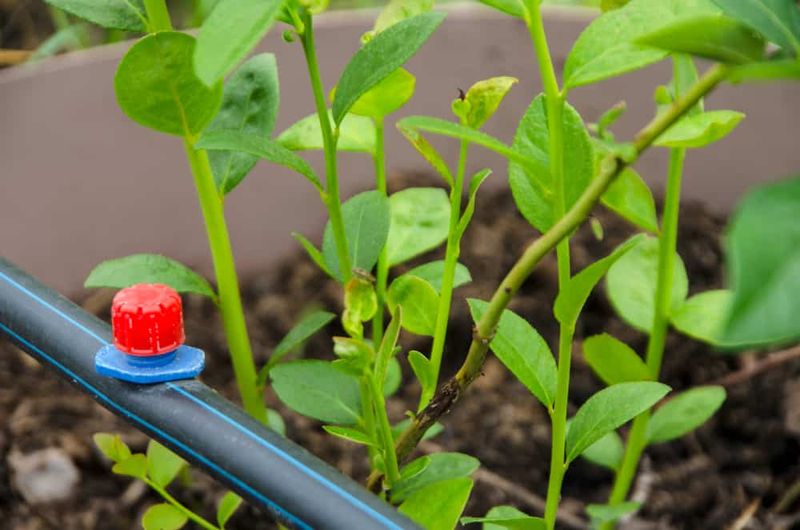
Aim to wet the soil at least six to eight inches down. Use a slow trickle from a hose or a drip system and let water soak in gradually.
Rushing the process means water runs off before it penetrates.
Sandy soils common in many parts of the Southeast drain fast, so you may need to water more frequently. Clay-heavy soils hold moisture longer but can get waterlogged.
Knowing your soil type helps you adjust your routine.
A simple trick is to push a wooden stick or finger two inches into the soil after watering. If it comes out dry, you have not watered deeply enough.
Repeat until moisture reaches the lower root zone consistently.
2. Keep The Soil Evenly Moist During Heat Waves
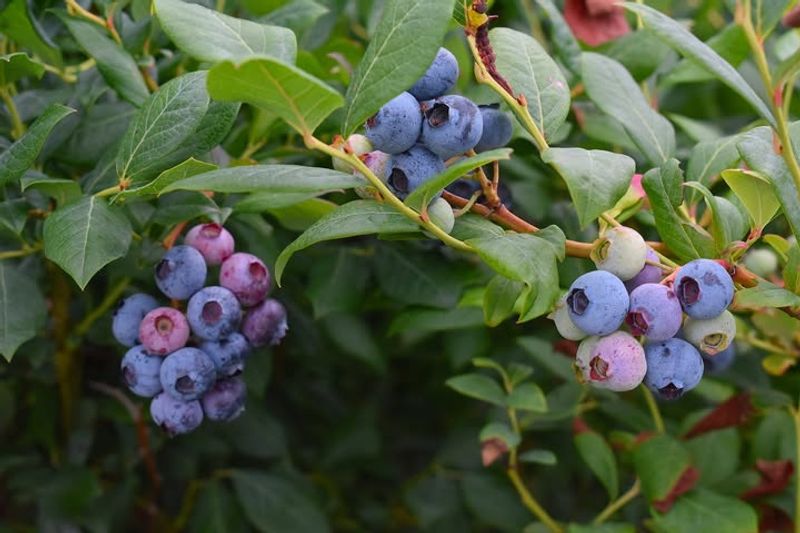
Blueberries hate going from soaking wet to bone dry. Uneven moisture causes fruit to crack, drop early, or fail to sweeten properly.
Consistent soil moisture is one of the biggest factors in a healthy summer harvest.
Heat waves push soil to dry out faster than usual. What worked in May will not be enough in July.
Pay attention to how quickly your soil dries between waterings and adjust your schedule as temperatures climb.
Raised beds and containers dry out even faster than in-ground plantings. Check those more frequently during hot spells.
A blueberry bush in a pot can go from moist to dangerously dry within a single hot afternoon.
Mulching helps hold moisture between waterings, but it does not replace consistent watering habits. Even with a thick mulch layer, prolonged heat waves demand closer attention.
Do not rely on mulch alone to carry the plants through a dry stretch.
Your Georgia Garden Changes Every Week. Your Plan Should Too.
Gardening in Georgia changes quickly throughout the season. Every Friday you’ll receive a simple weekly plan showing exactly what to plant, prune, fertilize, harvest, and protect so you never miss the right timing.
Blueberries prefer soil that stays slightly moist but never soggy. Think of a wrung-out sponge as your target.
Too wet causes root problems. Too dry stresses the plant and reduces fruit quality.
Staying in that middle range takes practice but pays off noticeably in berry size and flavor by late summer.
3. Mulch Helps The Roots Stay Cooler Longer
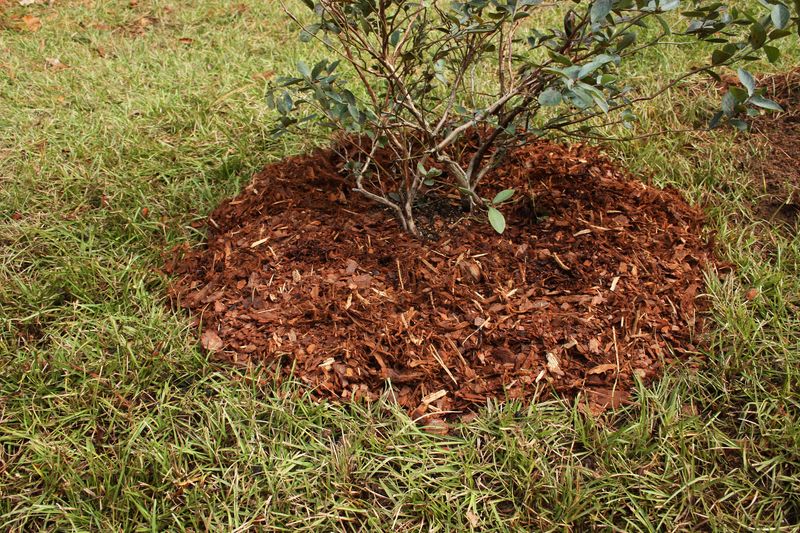
Mulch is one of the most underrated tools in a summer garden. A solid layer around your blueberry bushes acts like a blanket that keeps soil temperatures from spiking during the hottest parts of the day.
Pine bark mulch is especially popular for blueberries because it breaks down slowly and adds slight acidity to the soil as it decomposes. Blueberries thrive in acidic soil, so this is a bonus that goes beyond moisture retention.
Apply mulch three to four inches deep around each bush. Keep it a few inches away from the main stem to avoid trapping moisture directly against the bark.
Too much mulch pressed against the stem can cause rot over time.
Soil under a good mulch layer can stay five to ten degrees cooler than exposed soil on a hot summer afternoon. That temperature difference matters a lot to root health when air temps climb past ninety degrees.
Refresh your mulch layer mid-summer if it has thinned out from rain, wind, or decomposition. A thin layer loses its insulating value quickly.
Keeping it consistent through the hottest months protects roots and reduces how often you need to water. Over time, well-mulched blueberry beds become noticeably easier to manage through long dry stretches.
4. Water Early Before The Afternoon Heat Builds
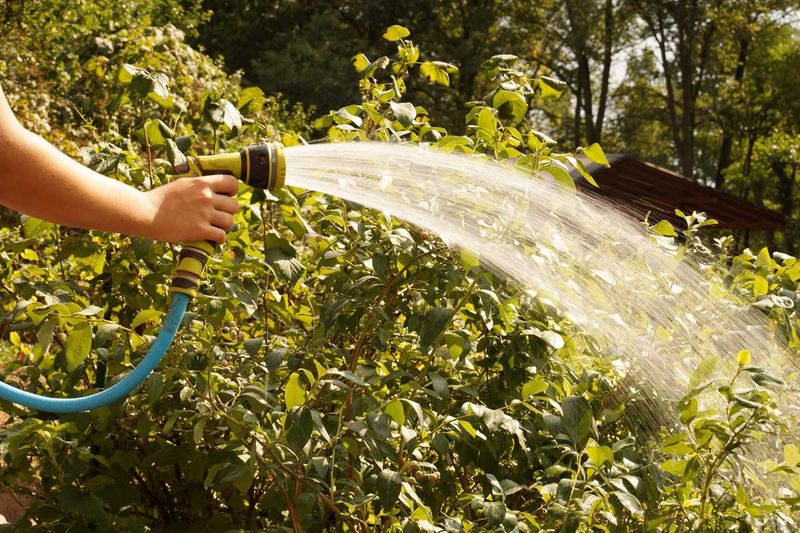
Timing matters more than most gardeners realize. Watering early in the morning gives moisture time to soak into the soil before the sun starts pulling it back out.
By mid-morning, the water is already working its way down to the roots.
Afternoon watering is far less efficient. Heat causes rapid evaporation, so much of what you put down never reaches the roots.
You end up using more water and getting worse results. Early morning watering stretches every gallon further.
Morning watering also gives any moisture that lands on leaves time to dry off before evening. Wet foliage sitting overnight creates conditions where fungal issues can develop more easily.
Starting your watering routine at sunrise reduces that risk significantly.
Set a timer or alarm if mornings feel rushed. Even shifting your watering from noon to seven in the morning can improve how well your bushes hold up through a hot afternoon.
Small schedule changes produce real results over a full summer season.
Evening watering is better than skipping a day entirely, but it is not ideal. If you must water later in the day, aim for early evening rather than right before dark.
Giving leaves at least two hours to dry before sunset helps reduce the chance of moisture-related leaf problems during the humid summer months common across the Southeast.
5. Check Soil Moisture Before Reaching For The Hose
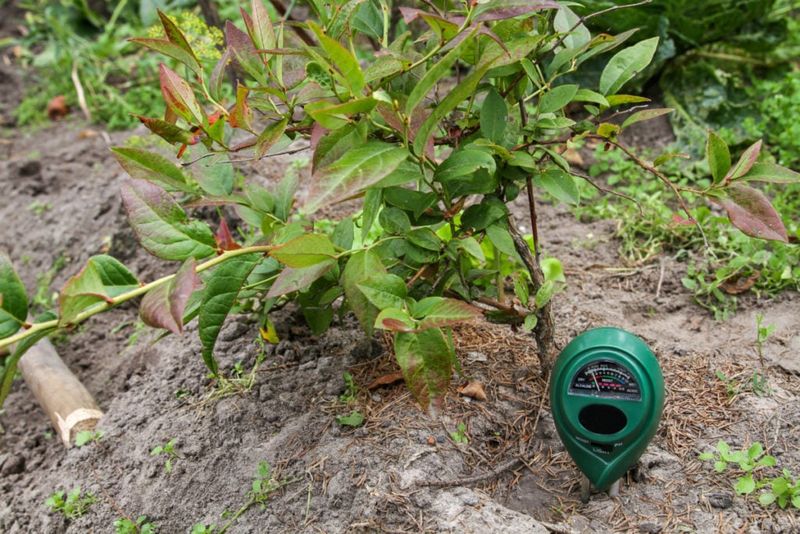
Watering on a fixed schedule sounds simple, but it does not account for rain, cloud cover, or soil type. Checking moisture before watering prevents overwatering, which is just as harmful as underwatering for blueberry roots.
Push your finger about two inches into the soil near the base of the bush. If it feels moist, hold off for another day.
If it feels dry, water thoroughly. This basic check takes five seconds and saves you from guessing.
Inexpensive moisture meters are available at garden centers and give a more precise reading. They are especially useful for gardeners with multiple bushes across different soil types.
One area of your yard may dry out faster than another depending on sun exposure and drainage.
Overwatered blueberries show signs similar to underwatered ones. Yellowing leaves and drooping branches can mean either too much or too little water.
Checking soil moisture first helps you figure out which problem you are actually dealing with before adjusting your routine.
Rain gauges are also worth keeping in the garden. Knowing how much rain fell overnight helps you decide whether to water the next morning.
A half-inch of rain may be enough to skip a watering day. An inch or more usually means you can wait two days before checking again, depending on how hot and sunny conditions remain after the rain passes.
6. Avoid Wetting The Leaves During Hot Weather
Spraying water directly onto blueberry leaves during hot, sunny weather can cause real problems.
Keeping the foliage dry helps reduce the risk of fungal diseases during Georgia’s hot, humid summers. Watering at the base of the plant is the best approach.
Beyond that, wet leaves in humid summer air invite fungal issues.
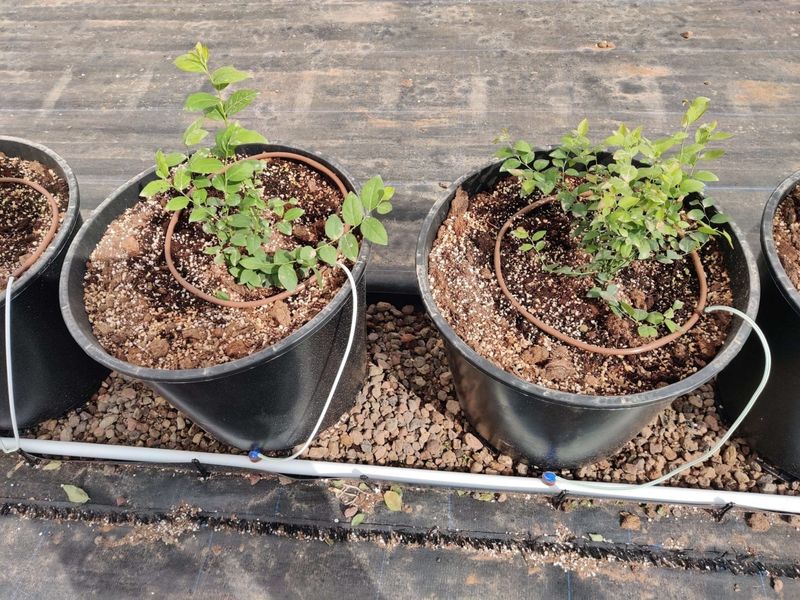
Drip irrigation is the smarter approach for blueberries. It delivers water directly to the root zone without touching the foliage at all.
Soaker hoses work similarly and are easy to set up around existing bushes without major changes to your garden layout.
If you use a regular hose, direct the stream low and aim at the base of the plant. Keep the spray away from leaves and branches as much as possible.
It takes a little more patience but protects the plant from unnecessary stress.
Overhead sprinklers are convenient but not ideal for blueberries during summer. If sprinklers are your only option, run them early in the morning so leaves dry quickly once the sun rises.
Avoid running them in the evening when moisture sits on plants all night.
Leaf spotting, powdery residue, and unusual discoloration can all be linked to repeated wetting of foliage. Keeping leaves dry is a simple preventive habit.
Blueberry bushes that stay dry above the soil line tend to look healthier and produce more consistently through the entire growing season.
7. Adjust Watering After Heavy Summer Rain
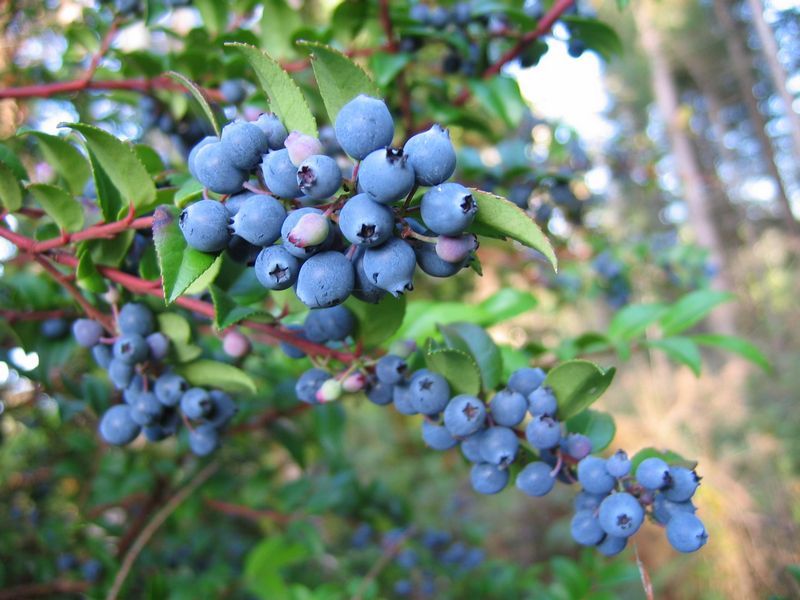
A big summer rainstorm can feel like a welcome break from watering duties, but it does not always mean your blueberries are fully taken care of. How much water actually reached the roots depends on rain intensity, soil type, and canopy coverage.
Heavy rain that falls fast often runs off before soaking in. A one-inch downpour in twenty minutes may deliver far less usable moisture than a slow half-inch rain over two hours.
Fast-moving storms can be deceiving when you are trying to track how much water your plants actually absorbed.
After a heavy rain, wait at least one to two days before watering again. Check soil moisture first rather than assuming the ground is fully saturated.
In sandy soils, even a decent rain can drain away surprisingly fast.
Waterlogged soil after excessive rain is also a concern. Blueberry roots need oxygen as much as moisture.
Standing water around the base of a bush for more than a day can stress the root system. Good drainage matters as much as consistent watering.
Keep a simple rain log or use a basic rain gauge to track weekly totals. Blueberries generally need about one to two inches of water per week during summer.
Subtract what nature provides and supplement only what is missing. Staying flexible with your watering schedule based on actual rainfall leads to healthier bushes and less wasted water overall.