The One Thing To Do With Ohio Lantana In July To Keep It Blooming Through Fall
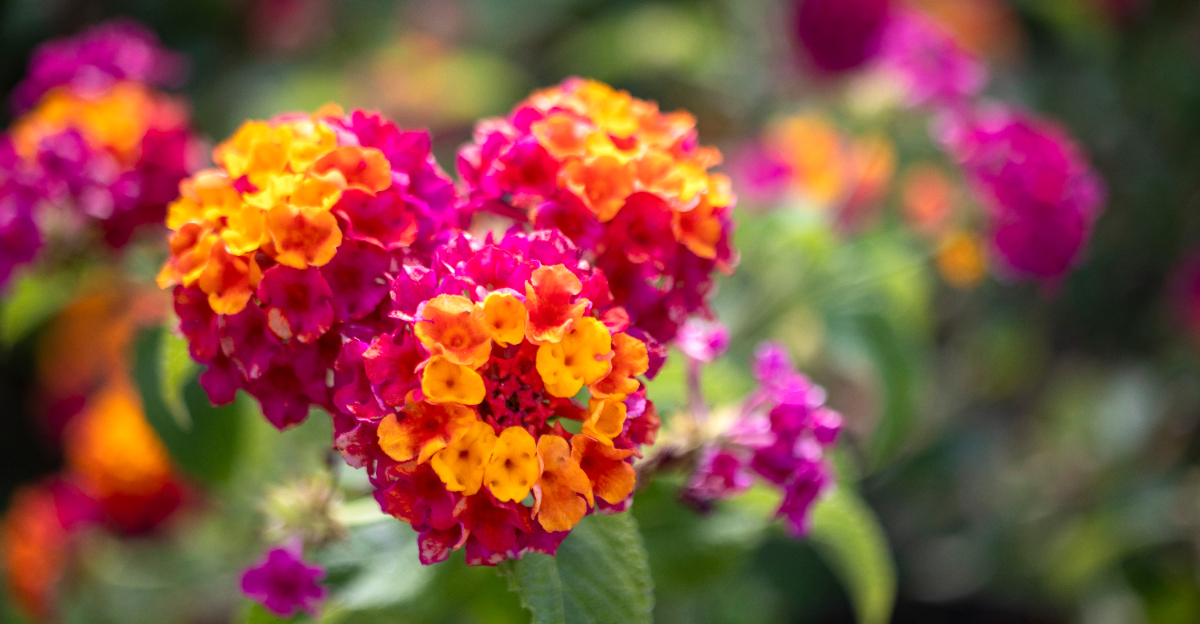
Ohio lantana in July looks like it has everything figured out. Color coming in steadily, pollinators working it constantly, no obvious signs that anything needs doing.
That comfortable picture is exactly when most gardeners step back and leave it alone for the rest of the season. That step back is what costs the fall display.
Lantana has a specific response to one task done in July that most Ohio gardeners never hear about. Do it and the plant pushes harder through August and September than it would have on its own.
Skip it and color starts thinning in ways that feel gradual until suddenly the season is almost over and the plant has already said most of what it had to say. July is not the month to leave lantana alone.
It is the month one targeted move sets up everything that follows. The window is open right now.
1. Trim Faded Clusters Before Blooms Slow Down
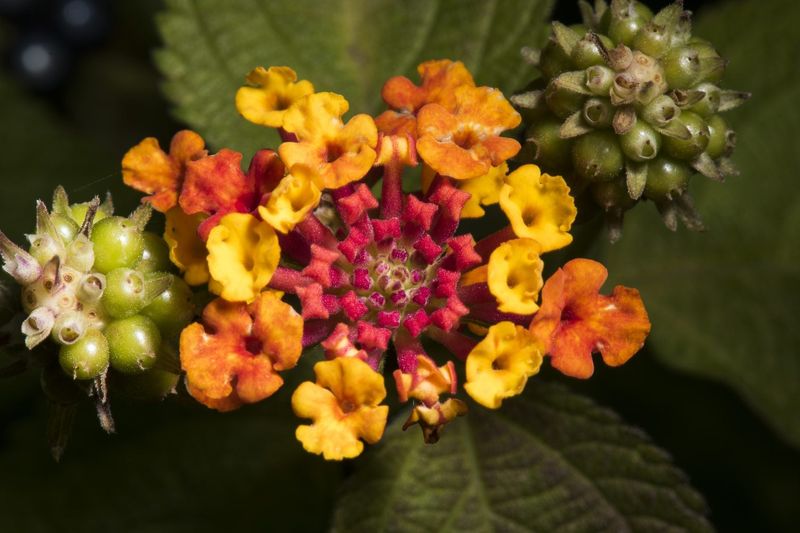
Faded lantana clusters are easy to overlook, especially when a plant still has plenty of fresh blooms nearby. But letting those spent clusters sit can quietly pull the plant’s energy toward seed production instead of new flowers.
Trimming them off in July can help repeat-blooming lantana keep working through more of the season.
For lantana, the action is straightforward: remove the faded or dried flower cluster before it develops into a berry-like seed cluster. OSU BYGL and university extension sources note that lantana can form seed clusters quickly once flowers fade.
That is why checking the plant every few days during heavy bloom makes sense.
Use clean, sharp snips or small pruners to cut the cluster off rather than tearing it. Clean cuts help the plant stay tidy and reduce the chance of ragged stems that can invite problems.
Step back occasionally to look at the overall shape so you are not removing too much from one side.
Trimming is helpful, not magical. Bloom depends on cultivar, sun, heat, container size, drainage, watering, and weather.
A plant in poor conditions may not respond as well even with regular trimming. Still, removing faded clusters is one of the most practical low-effort steps an Ohio gardener can take in July to support continued blooming.
2. Snip Past The Spent Flowers For Cleaner Regrowth
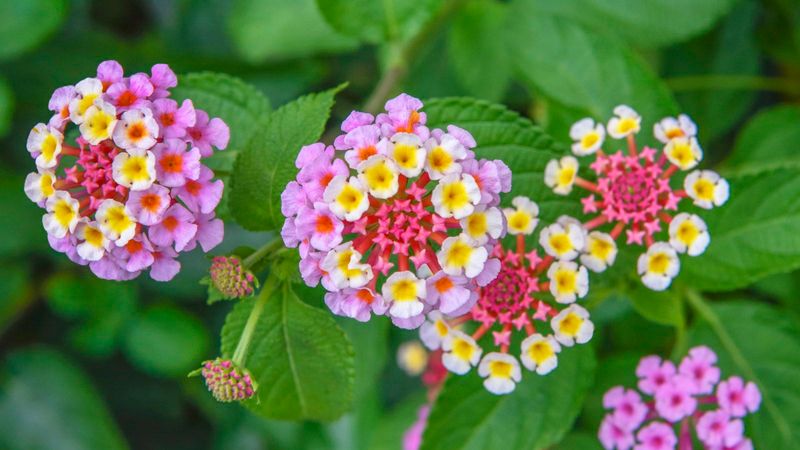
Knowing where to cut makes a real difference when trimming lantana. Snipping off only the very tip of the faded cluster can leave a short, bare stub that does not always push new growth cleanly.
A slightly better approach is to cut back to a healthy leaf joint or to where the stem looks green and firm.
University extension guidance on spent-flower removal generally supports cutting back to healthy growth rather than leaving stubs. For lantana, this usually means removing the faded cluster along with a short section of the stem attached to it.
The cut does not need to be deep. Light and targeted is the right idea here.
Always use clean, sharp pruners or scissors. Dull blades can crush or tear the stem instead of making a clean cut.
Your Ohio Garden Changes Every Week. Your Plan Should Too.
Gardening in Ohio changes quickly throughout the season. Every Friday you’ll receive a simple weekly plan showing exactly what to plant, prune, fertilize, harvest, and protect so you never miss the right timing.
A quick wipe with rubbing alcohol between plants is a good habit, especially if you are moving from one plant to another. It takes only a few seconds and keeps things tidy.
Avoid the urge to reshape the entire plant while you are trimming spent clusters. July trimming is light maintenance, not a major haircut.
Step back every few snips to check the plant’s overall silhouette. Keeping the shape balanced means the plant looks good and continues putting its energy into new flower buds rather than recovering from heavy cutting.
3. Remove Seed Clusters Before The Plant Shifts Energy
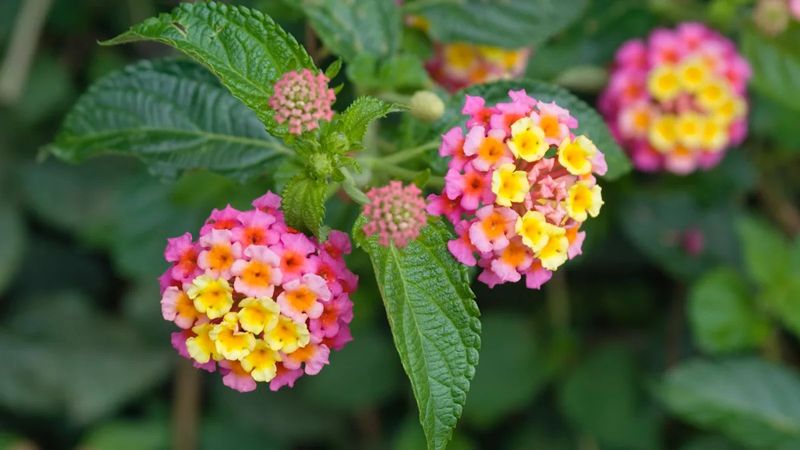
Berry-like seed clusters on lantana can sneak up on a gardener. One week a cluster looks like a fading bloom, and the next it has turned into a small, rounded bundle of green or dark berries tucked among the stems.
Once seed clusters form, the plant has already shifted some of its energy toward reproduction rather than flowering.
Catching them early helps. When trimming faded flowers, look closely beneath and behind the spent heads because seed clusters can develop in spots that are easy to miss at a glance.
Running a hand lightly through the plant while trimming can help locate clusters hidden by newer growth.
An important safety note: lantana berries are considered toxic, especially unripe green ones, according to university extension and poison control sources. Keep children and pets away from the berries, and do not sample them.
Dispose of removed seed clusters in the trash rather than the compost if you want to avoid accidental spreading.
The main garden reason to remove seed clusters is bloom energy. A plant focused on ripening seeds tends to produce fewer new flower buds.
Removing clusters before they fully develop can help redirect that energy. Combined with regular trimming of spent flowers, seed cluster removal is a simple way to support a lantana that is still actively growing and blooming in midsummer.
4. Keep July Trimming Light Instead Of Harsh
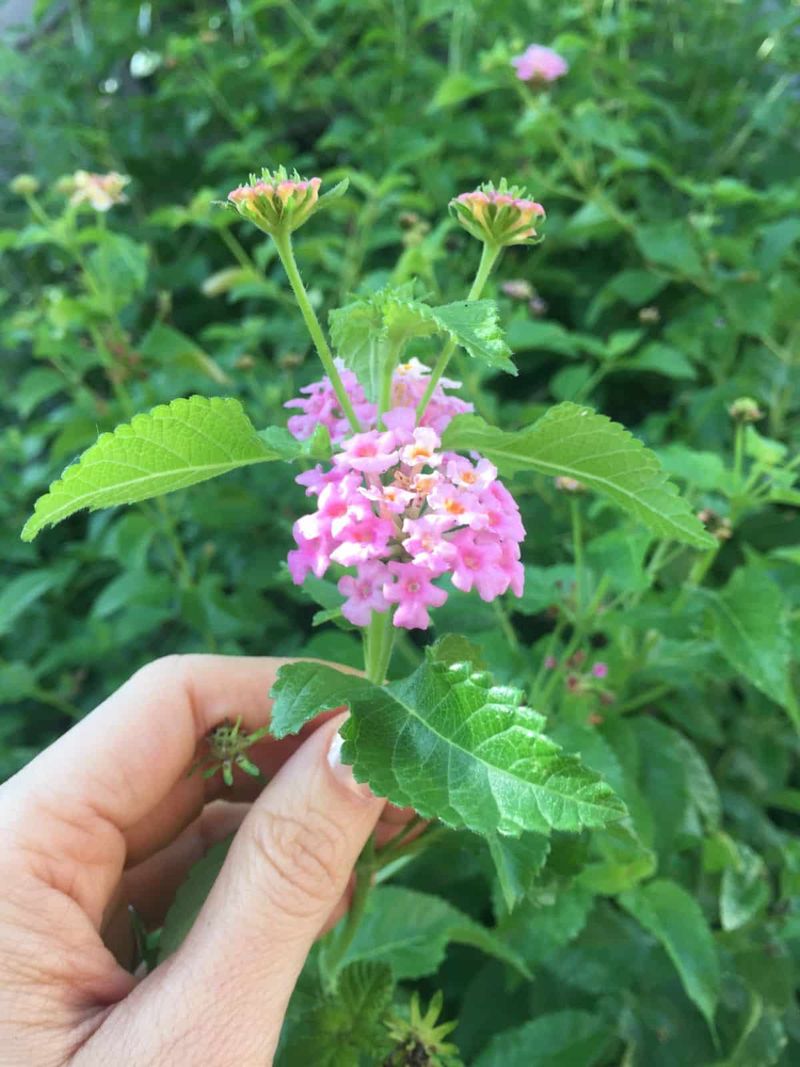
A common mistake is treating July trimming like a reset button. Cutting lantana back hard in the middle of summer, especially during a heat wave, can stress the plant and set back its bloom cycle rather than help it.
The goal in July is steady, light cleanup, not a dramatic overhaul.
Routine July trimming means removing faded flower clusters and snipping off seed clusters. It can also mean lightly evening out stems that have grown noticeably longer than the rest of the plant.
That kind of light shaping can keep the plant looking tidy without putting it under extra stress during peak heat.
Some horticulture sources note that leggy or overgrown lantana can tolerate a modest trim to encourage bushier regrowth. Even then, the advice is to keep it moderate and avoid stripping the plant down to bare stems during hot weather.
If a plant has become very woody and unproductive, that conversation is better suited for early spring, not July.
Lantana is a tough plant, but tough does not mean it welcomes careless cutting in extreme heat. During unusually hot or dry stretches, it is worth focusing mainly on spent cluster removal and waiting on any shaping work until temperatures ease a little.
Keeping trimming light and consistent through July gives the plant the best chance to keep pushing new buds without spending energy on recovery.
5. Give Lantana Full Sun Before Blaming The Blooms
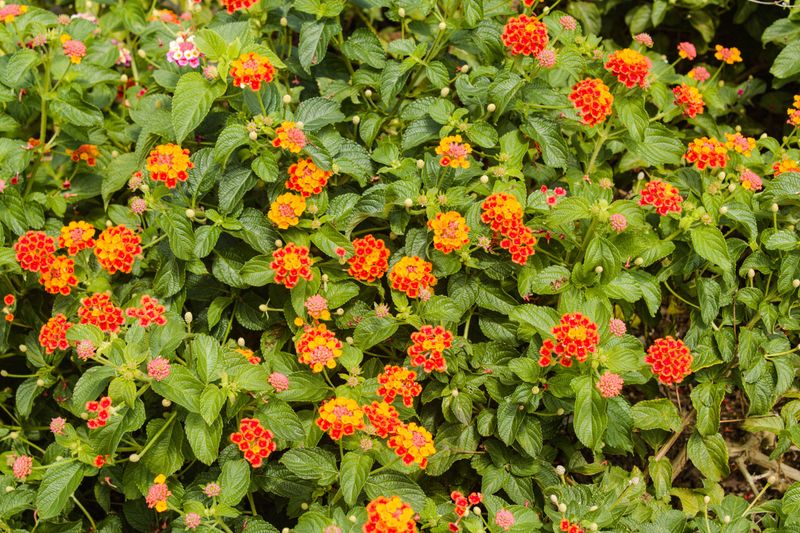
A pot of lantana that sits in afternoon shade might look perfectly healthy and still produce very few flowers.
Light is one of the most important factors in lantana’s bloom performance, and trimming faded clusters will do very little if the plant is not getting the sun it needs.
OSU BYGL and university extension sources consistently describe lantana as a full-sun plant that performs best with six or more hours of direct sunlight per day.
In shadier spots, the plant may grow leafy and green but skip the heavy flowering that makes it so popular in sunny beds and containers.
Container gardeners have an advantage here because pots can be moved. If a lantana on a porch or patio is producing fewer blooms than expected, check how much direct sun it actually receives throughout the day.
Nearby trees, overhangs, or even large neighboring plants can cast more shade than expected, especially as summer foliage fills in.
In-ground plantings are harder to relocate, but watching where shadows fall in the afternoon can help explain a slow-blooming plant. Trimming spent clusters works best when the plant also has the light it needs to fuel new growth.
Sun, trimming, water, and heat all work together. Addressing light is often the most impactful change a gardener can make when blooms are disappointing.
6. Water Containers Before Heat Stalls The Show
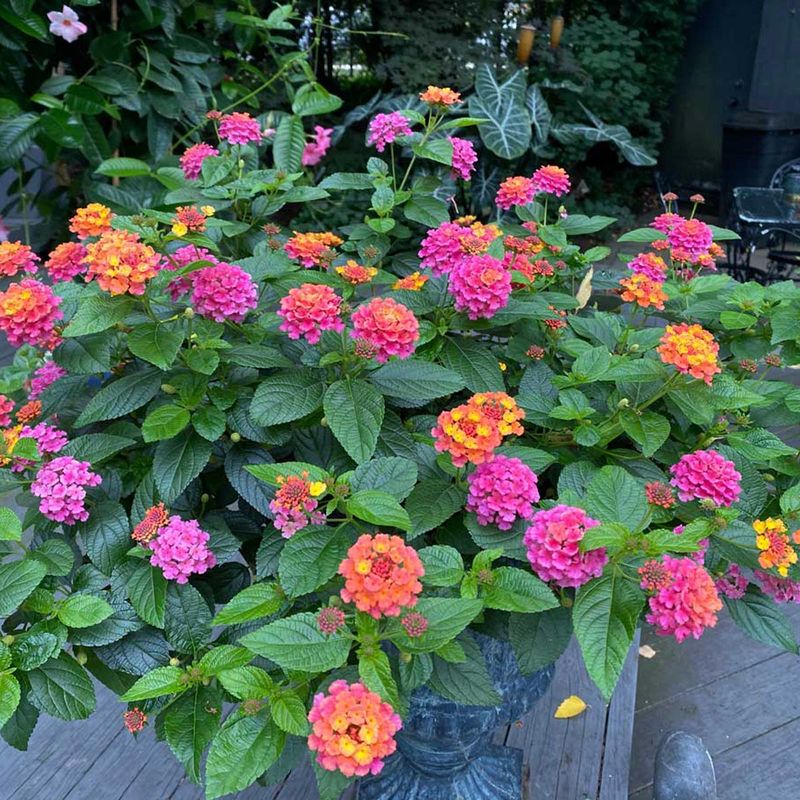
Potted lantana in July is working against the clock. Containers dry out much faster than garden beds, especially during hot, sunny weather.
A plant that wilts from drought stress is a plant that has paused its bloom cycle, and catching up after severe drying takes time.
Established lantana is known for being fairly drought tolerant in the ground, but that reputation does not fully carry over to containers.
University extension sources note that pot size, sun exposure, wind, and the type of potting mix all affect how quickly a container dries.
A small pot in full afternoon sun may need water more than once during extreme heat stretches.
The best approach is to check soil moisture regularly rather than watering on a fixed schedule. Push a finger an inch or two into the potting mix.
If it feels dry at that depth, it is time to water. Water deeply until excess drains freely from the bottom drainage holes.
That kind of thorough watering encourages roots to grow deeper and helps the plant handle heat better between waterings.
Drainage holes are not optional. Lantana dislikes sitting in soggy soil, and a pot without drainage can lead to root problems that hurt flowering more than drought does.
Balancing consistent moisture with good drainage is the key to keeping a container lantana healthy and blooming through the hottest part of summer.
7. Skip Heavy Fertilizer That Pushes Leaves Over Flowers
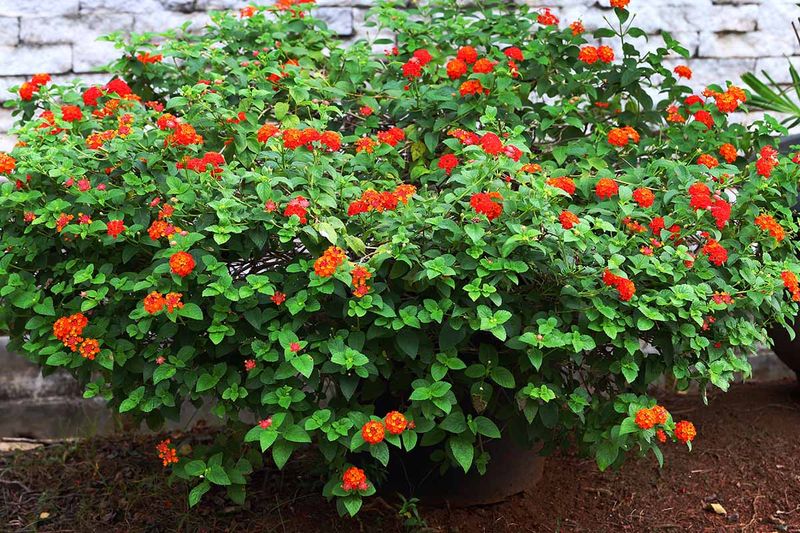
More fertilizer feels like a logical answer when a plant is not blooming the way you hoped. With lantana, though, that instinct can backfire.
Heavy feeding, especially with high-nitrogen fertilizers, can push the plant to produce lots of leafy green growth while holding back on flowers.
University extension and horticulture sources note that lantana generally does not need heavy fertilization, particularly when it is already growing vigorously. Nitrogen is the nutrient most associated with leaf and stem growth.
When nitrogen levels are high, the plant may prioritize vegetative growth over bloom production, which is the opposite of what most Ohio gardeners want in July.
If you do choose to fertilize, following the label directions carefully and avoiding repeated heavy applications is the safer route. A light, balanced feeding early in the season is different from piling on fertilizer mid-bloom in hopes of forcing more flowers.
The plant does not always respond the way the gardener expects.
Before reaching for fertilizer, check the basics first. Is the plant getting full sun?
Are faded clusters being trimmed regularly? Is the container watered correctly?
Sun, trimming, and consistent moisture often do more for lantana bloom than extra feeding. If growth looks healthy and green but flowers are slow, hold back on fertilizer.
Focus on the other care factors that support blooming without pushing excessive leafy growth.
8. Keep Trimming Until Cooler Nights Slow The Plant
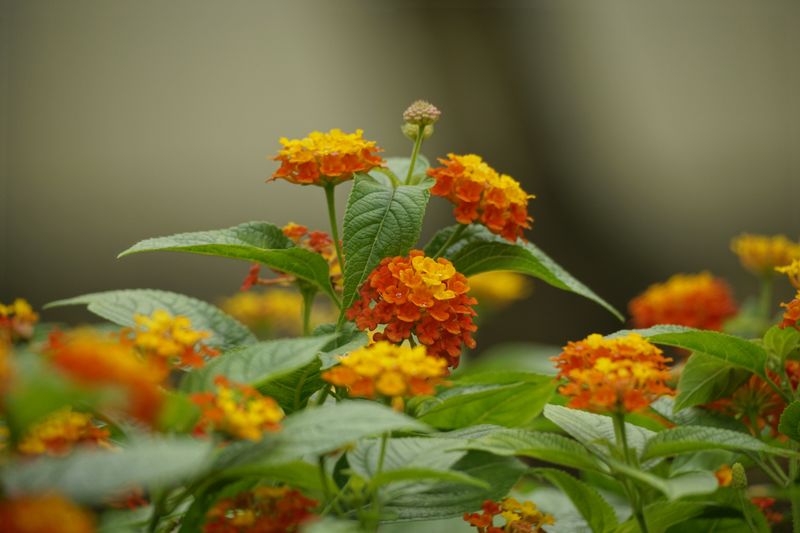
July trimming does not have to stop in July. As long as a lantana plant is actively producing faded clusters, continuing to trim them off is worth the few minutes it takes.
Regular light cleanup through August and into September can help the plant stay more productive during the weeks when fall is still weeks away.
The rhythm is simple: check the plant every few days, remove spent clusters and any visible seed clusters, and let the plant keep pushing new buds.
That steady habit supports the plant better than occasional heavy sessions of cleanup followed by long stretches of neglect.
Eventually, cooler nights and shorter days will start to slow the plant down naturally. Lantana is a warm-season plant, and it responds to seasonal changes whether or not it is trimmed.
In most parts of Ohio, lantana is grown as an annual because it is not reliably winter-hardy in local Ohio gardens. That means the season has a real end date, and every week of bloom before frost is worth protecting.
Enjoy the late-season color when it comes. A plant that has been trimmed steadily through summer often delivers some of its best color in September when temperatures ease and the plant is still active.
Trim the faded clusters, support the plant with sun and steady care, and let lantana keep working until the season winds down on its own terms.