Why New Jersey Community Gardens Are Thriving This Summer
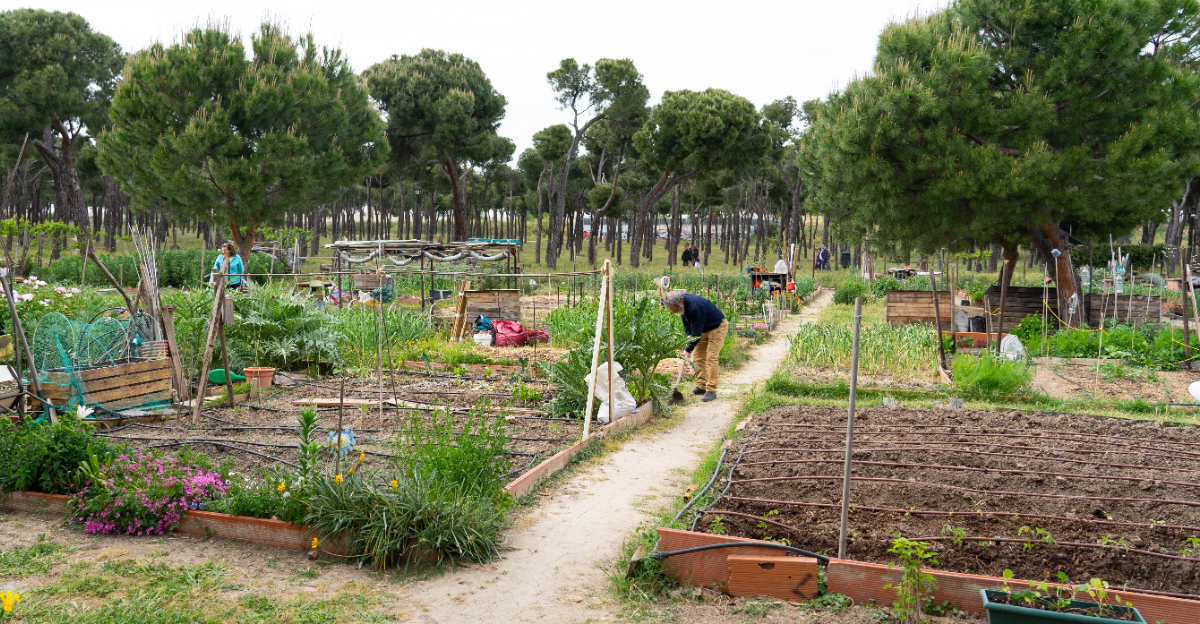
Something’s shifting in backyards and back lots across New Jersey this summer. You can smell it before you see it. Damp soil. Crushed tomato leaves. The sharp green bite of herbs nobody planted on purpose.
Community gardens that limped along for years are suddenly thick with life. Raised beds spill over with peppers. Squash vines climb anything that holds still. Neighbors who used to nod politely now trade zucchini and swap tips on aphids.
Part of it comes down to timing. People are rediscovering the appeal of growing something with their own hands. Part of it is smarter infrastructure. Drip irrigation is replacing hoses left running.
Pollinator strips are drawing in bees that used to skip the block entirely. Whatever the mix, plots that once struggled to fill are now waitlisted. Gardeners who started with one raised bed are eyeing the empty lot next door.
Shared Water Schedules Keep Every Plot Consistent
Turn on the spigot wrong and you can drown a tomato plant overnight. Shared water schedules have become one of the most powerful tools keeping community gardens healthy this season.
When growers agree on a watering plan together, every plot gets the right amount at the right time. Fewer plots get over-watered on a whim, and fewer plants sit thirsty for days because someone forgot.
Most gardens now post a simple weekly schedule near the entrance gate. Growers sign up for morning or evening slots, which reduces evaporation and keeps roots from sitting in midday heat.
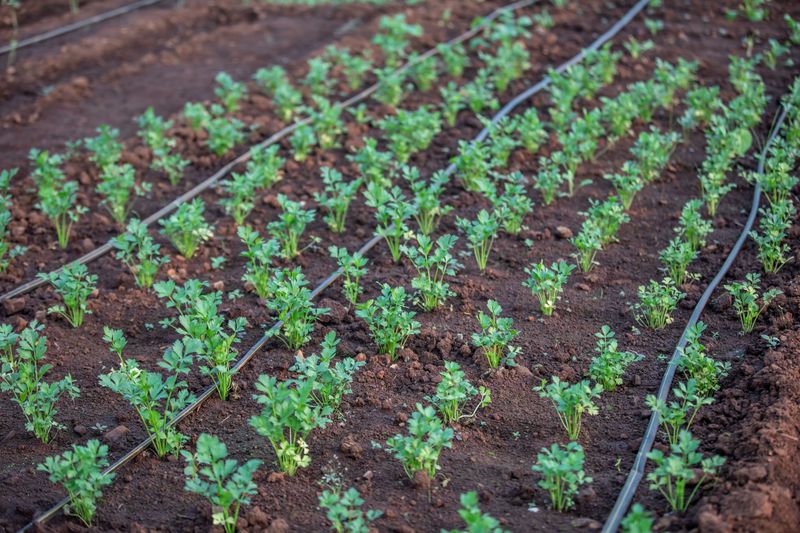
Drip irrigation systems are showing up in more plots too. These low-cost setups deliver water right to the base of each plant, cutting waste significantly compared to overhead sprinklers.
Consistent moisture also means fewer weeds fighting your vegetables for resources. Dry patches attract opportunistic weeds that thrive where good plants struggle.
Garden coordinators say the biggest shift happened when members stopped treating water like a free-for-all. Structured schedules created accountability, and accountability created results.
Some gardens have added moisture sensors that send alerts to a group text thread. That kind of simple tech keeps everyone informed without requiring anyone to be an expert.
Water consistency is also tied directly to flavor. Tomatoes and peppers grown with steady hydration taste noticeably sweeter than those stressed by irregular watering patterns.
New Jersey community gardens thriving this summer owe a lot to this one overlooked habit. A good schedule is not glamorous, but it works more often than not.
New Jersey’s Soil Mix Gives Gardeners An Early Edge
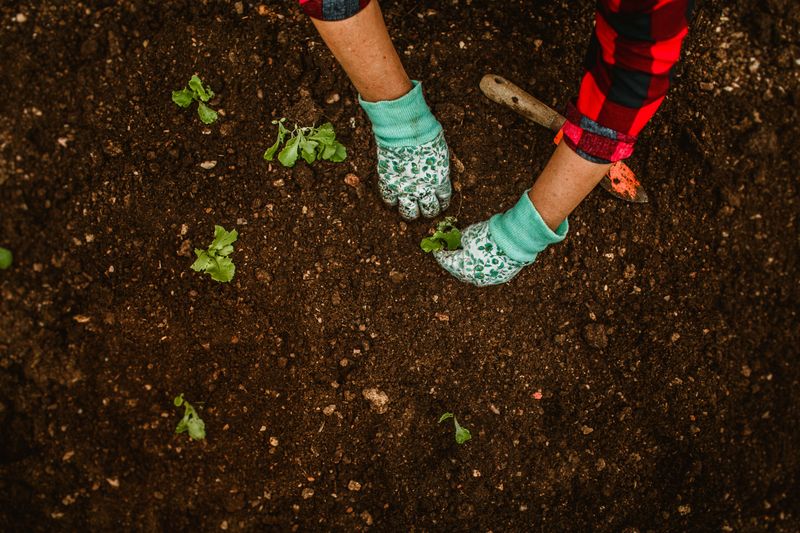
Forget fancy tools for a moment. The real secret weapon in many New Jersey community gardens is what is sitting right beneath your feet.
The state’s soil varies widely by region, from sandy stretches in the south to heavier clay up north, and many gardeners have learned to work with what they’ve got.
Many community plots have taken that natural advantage even further by layering in compost, aged manure, and coconut coir. This custom blend holds moisture while draining excess water, which is exactly what summer crops need.
Your New Jersey Garden Changes Every Week. Your Plan Should Too.
Gardening in New Jersey changes quickly throughout the season. Every Friday you’ll receive a simple weekly plan showing exactly what to plant, prune, fertilize, harvest, and protect so you never miss the right timing.
Soil pH matters more than most beginners realize. Gardens that test and adjust their pH each spring see stronger germination rates and fewer nutrient deficiencies throughout the growing season.
Local cooperative extensions have been running free soil testing workshops this year. Growers show up, drop off a sample, and get back a report that tells them exactly what their plot needs to perform better.
Sandy soil in southern parts of the state gets amended with organic compost to improve water retention. Northern plots with heavier clay get perlite worked in to loosen the structure and allow roots to breathe.
When soil is healthy, plants fight off pests more effectively on their own. Strong root systems built in good soil absorb nutrients faster and recover from stress more quickly.
Experienced growers say this foundation step is what separates a good season from a great one. Start with the soil, and everything else gets easier from there.
Raised Beds Solve The State’s Drainage Challenges
Standing water after a summer storm used to ruin entire plots overnight. Raised beds changed that story for hundreds of New Jersey gardeners.
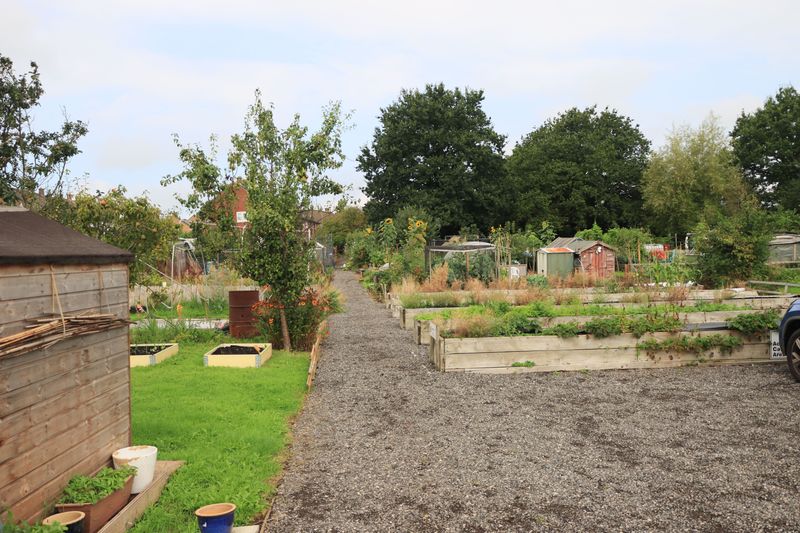
When soil sits in a frame elevated above ground level, excess water drains away naturally instead of pooling around plant roots. That simple physics fix has saved plenty of harvests this season.
New Jersey sees significant rainfall in June and July, which is wonderful for water bills but rough on low-lying garden beds. Raised structures lift plants above the flood zone and keep roots breathing even after heavy downpours.
Cedar and pine frames are the most popular choices at local community plots. Both woods resist rot naturally, which means a well-built raised bed can last a decade with minimal upkeep.
Bed height matters too. Twelve inches is the sweet spot for most vegetables, giving roots enough depth to spread without requiring growers to haul in enormous amounts of fill material.
Pathways between raised beds also improve drainage across the whole garden. Gravel or wood chip paths absorb runoff and prevent the muddy walkways that used to make plot visits miserable after rain.
Accessibility is another benefit that often goes unmentioned. Taller raised beds let older growers and those with limited mobility tend their plants without bending all the way to the ground.
Community gardens that switched to raised beds two or three seasons ago are now seeing the payoff in bigger, healthier harvests. Solving drainage challenges was the turning point that made New Jersey community gardens thriving spaces year after year.
Community Compost Systems Cut Costs For Every Grower
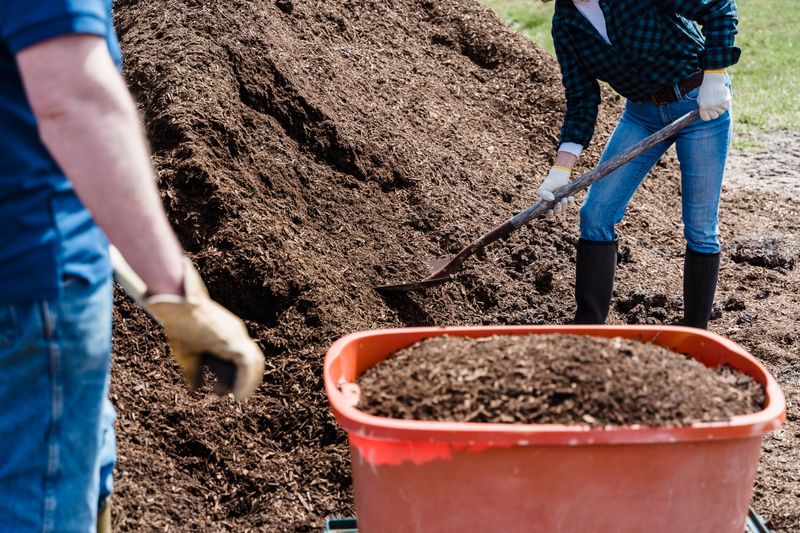
Buying bags of fertilizer every season adds up fast. Community compost systems have quietly become one of the smartest financial moves these shared gardens have made.
When every member contributes kitchen scraps and plant waste, the whole group benefits from a steady supply of rich, free fertilizer. No one person carries the cost, and the soil quality keeps climbing year after year.
Most compost setups at community gardens use a three-bin rotation system. Fresh material goes into the first bin, partially broken-down scraps move to the second, and finished compost ready to use sits in the third.
This rotation keeps the process moving efficiently without requiring expert knowledge. A simple laminated sign near the bins teaches new members what goes in and what stays out.
Coffee grounds, fruit peels, eggshells, and grass clippings are the most common contributions. Meat and dairy products stay out of the mix to avoid attracting pests and creating odor problems.
Gardens that have run compost programs for more than two years report spending significantly less on purchased soil amendments. That savings gets redirected toward tools, seeds, and shared supplies for the whole group.
Finished compost also improves soil structure in ways that store-bought fertilizer often can’t match. It feeds beneficial microbes that break down nutrients and make them available to plant roots over a longer period.
Experienced growers call compost black gold for good reason. Building a shared system turns everyday food waste into the richest possible gift for next season’s garden beds.
Pollinator Plots Are Boosting Yields Across Gardens
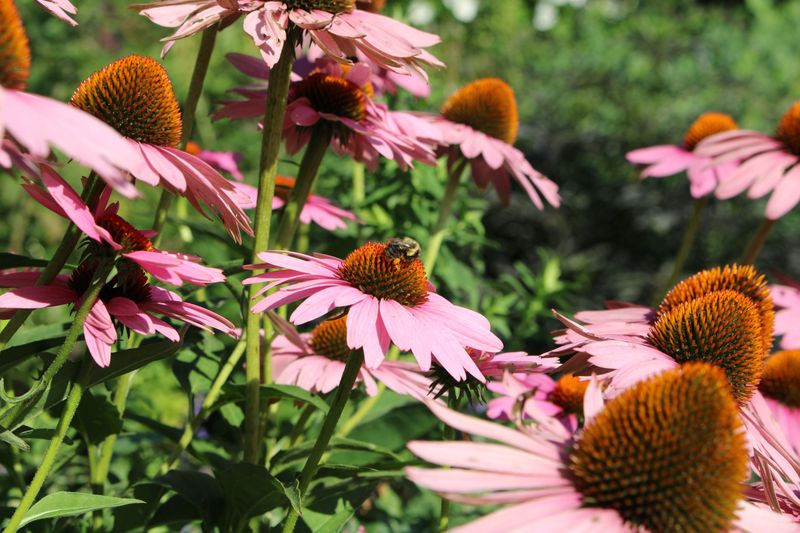
Bees do not care about property lines. When a community garden dedicates even a small corner to pollinator-friendly plants, the benefits spread across the beds nearby.
Pollinator plots planted with lavender, coneflowers, and native milkweed have been showing up in community gardens across New Jersey this summer. The results in neighboring vegetable beds have been noticeable and fast.
Squash, cucumbers, and peppers all depend on pollinators to set fruit. Gardens that added a pollinator strip reported higher fruit set rates within just one growing season of planting the dedicated area.
Native bees are actually more efficient pollinators than honeybees for many vegetables. Bumblebees, sweat bees, and mason bees all thrive when gardens offer a mix of bloom times from spring through fall.
The key is choosing plants that flower at different points in the season. A garden that blooms only in June leaves pollinators searching for food in July and August when vegetables need them most.
Many garden coordinators have partnered with local nurseries to source native plants at reduced prices. That collaboration keeps setup costs low while ensuring the right species go into the ground.
Pollinator plots also attract beneficial insects that prey on common garden pests. Lacewings and parasitic wasps, which are harmless to humans, move in when flowering plants provide habitat and nectar.
Gardeners who once spent weekends hand-pollinating squash blossoms now let nature handle the job. A well-planted pollinator corner pays for itself in bigger harvests and far less weekend labor.
Local Garden Clubs Are Fueling A Wave Of New Growers
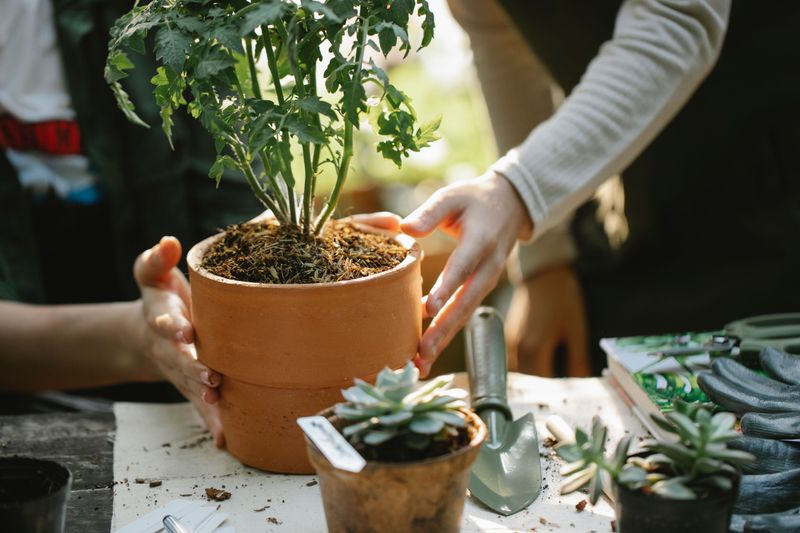
The social layer behind New Jersey community gardens thriving this summer matters just as much as soil or watering schedules. Few people learn to garden entirely on their own.
Local garden clubs have been running free workshops, seed swaps, and beginner orientations at a pace that caught even longtime members off guard. New faces show up every weekend, trowel in hand and ready to learn.
Seed swap events have been especially popular this year. Growers bring packets of saved seeds from last season and trade them with neighbors, which builds biodiversity and cuts costs for everyone.
Mentorship programs pairing experienced growers with first-timers have made a measurable difference in plot success rates. Beginners with a go-to person for questions are far less likely to abandon their plot by August.
Social media groups run by local clubs speed things up even more. A photo of a wilting plant posted at nine in the morning can get ten helpful responses before noon.
Clubs have also started organizing harvest potlucks where members cook with what they grow, turning a gardening hobby into something people keep coming back for season after season.
Youth programs connected to several clubs are introducing kids to growing food at an age when curiosity runs high. Young growers often bring their parents along, doubling the club’s reach without any extra marketing.