What Oregon Homeowners Should Actually Do When They Find A Fawn Alone In The Yard
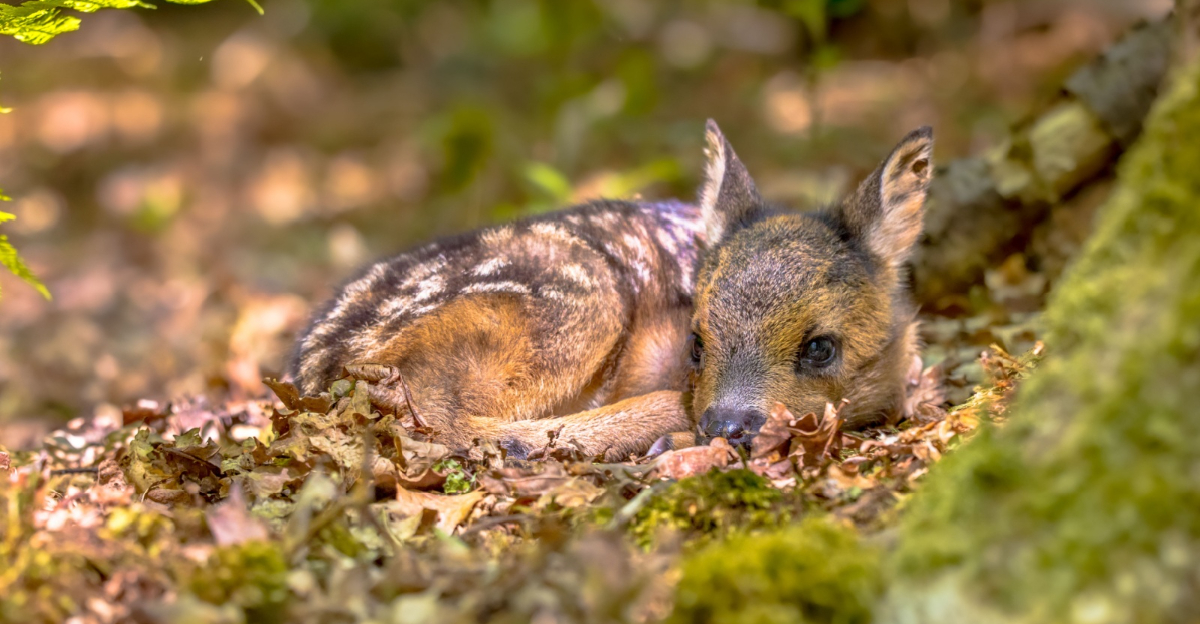
Finding a fawn tucked into your garden bed or curled up in the tall grass along your fence line is one of those moments that stops you completely. It is adorable, it is unexpected, and almost every instinct you have tells you to do something.
Here is the thing though: doing nothing is almost always the right call. Does in Oregon routinely park their fawns in quiet, sheltered spots while they go off to feed, sometimes staying away for hours at a stretch.
That fawn is not lost, not abandoned, and not in need of rescue. It is just waiting, exactly where its mother left it.
Approaching, touching, or moving the animal can create real problems, discouraging the mother from returning and causing unnecessary stress.
Oregon has wildlife professionals ready to help if something genuinely seems wrong. They are the right first call.
1. Leave The Fawn Where You Found It
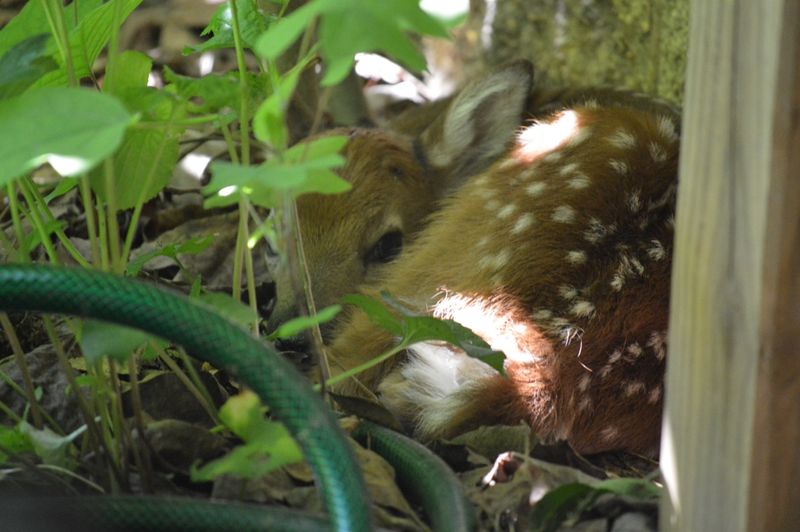
Tucked into a patch of tall grass or nestled near a garden bed, a fawn lying still is often doing exactly what its mother intended.
Does in Oregon choose hiding spots deliberately, picking locations that blend in, smell familiar, and keep the fawn out of sight from predators.
Moving the fawn disrupts that plan entirely.
When a fawn is relocated, even a short distance, the doe may not be able to find it again. She returns to the exact spot where she left her young, and if the fawn is gone, she may search briefly before moving on.
The fawn’s best chance of reunion is staying right where it was found.
Oregon yards, whether suburban lots in Eugene or rural properties near Bend, often have more wildlife activity than homeowners realize. A doe feeding behind a fence line or in a neighboring field may look completely absent while staying aware of her fawn.
Resist the urge to intervene just because the mother is not visible.
Leaving the fawn undisturbed gives the doe the best opportunity to come back on her own schedule, which is exactly what trained Oregon wildlife rehabilitators and wildlife officials recommend as the first and most important step.
2. Do Not Touch Or Pick It Up
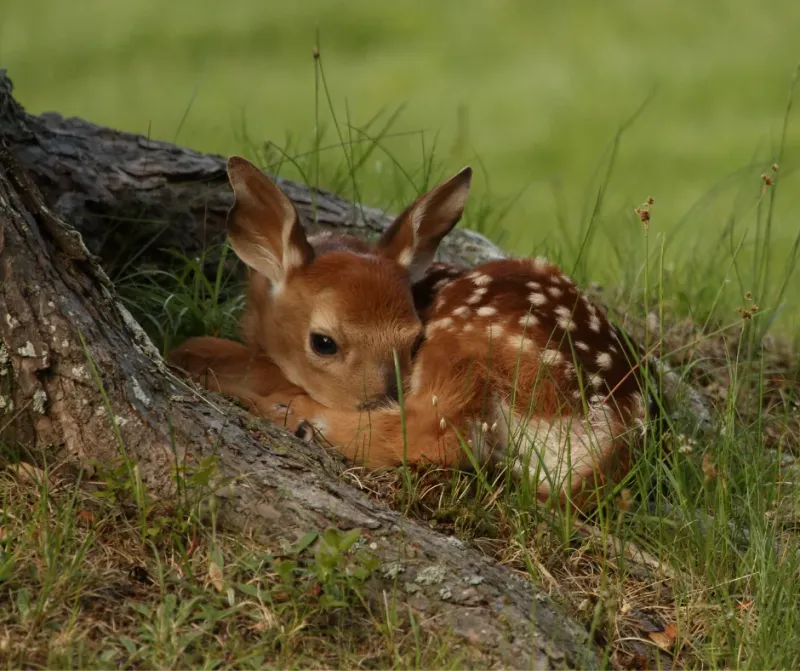
Picking up a fawn feels like the kind thing to do, especially when it looks so small and helpless lying there in the yard.
The problem is that handling wildlife without proper authorization can cause real harm, and in Oregon, it may also put you on the wrong side of state wildlife regulations.
Fawns are not domesticated animals, even when they appear calm.
When a person handles a fawn, human scent transfers to the animal. While the old belief that a mother will reject a scent-marked fawn is not entirely accurate, handling still causes serious stress to the animal.
A fawn’s natural defense is to stay motionless and quiet, which can make it seem tame or injured when it is simply frightened and doing what instinct tells it to do.
Young deer can also kick with surprising force when startled, and their hooves can cause cuts or bruising. Beyond personal safety, there is the animal’s wellbeing to consider.
Your Oregon Garden Changes Every Week. Your Plan Should Too.
Gardening in Oregon changes quickly throughout the season. Every Friday you’ll receive a simple weekly plan showing exactly what to plant, prune, fertilize, harvest, and protect so you never miss the right timing.
Stress from handling can weaken a fawn, and an already-vulnerable animal does not need additional strain.
Oregon wildlife rehabilitators who handle fawns professionally use specific techniques, protective gear, and minimal contact for good reason.
If you genuinely believe the fawn needs help, the right move is to call a licensed professional rather than picking the animal up yourself.
3. Back Away So The Doe Can Return
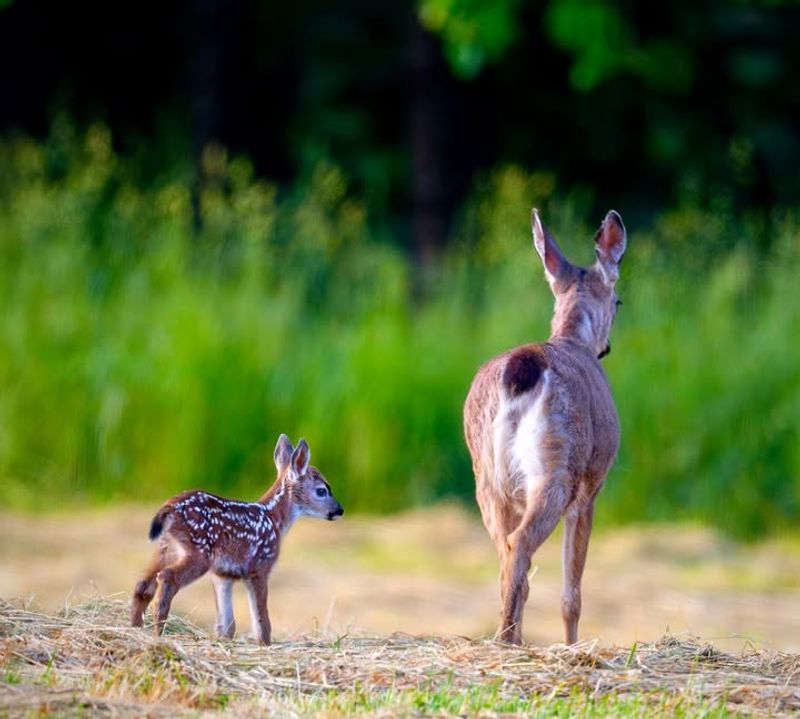
Standing near a fawn, even with the best intentions, can be enough to keep the mother away. Does are cautious animals, and they will not approach a fawn if they sense a human or potential threat nearby.
From her perspective, the risk is too high. She may watch from a distance, waiting for the coast to clear before she returns.
That waiting period can be unsettling for homeowners who check repeatedly to see if the fawn is still there. Each time someone walks out to look, the doe has another reason to stay back.
The cycle can go on for hours, and the fawn ends up waiting longer than it needs to simply because humans keep visiting the spot.
Backing away completely, going inside, and staying out of the yard gives the doe the space she needs to feel safe enough to return.
In Oregon neighborhoods where deer are fairly common, especially in areas near forests, farmland, or open fields, this kind of quiet patience is often all that is needed.
A doe that feels the area is clear will generally return to nurse and check on her fawn. Giving her that opportunity costs nothing and greatly improves the fawn’s chances of staying with its mother rather than needing outside intervention.
4. Keep Pets And Children Away
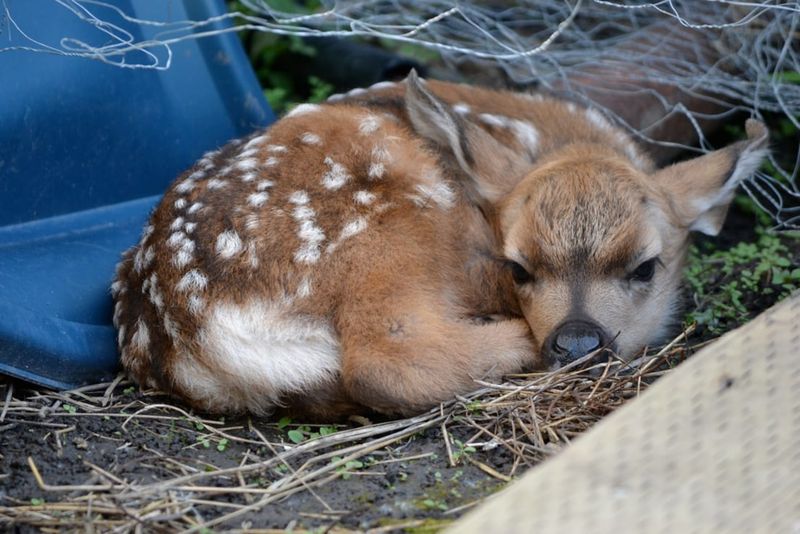
Dogs and cats notice things humans miss, and a fawn lying quietly in the yard is exactly the kind of discovery that sends a family pet into full alert mode.
Even a friendly, well-trained dog can cause serious harm to a fawn simply by running toward it, barking, or standing over it.
The stress alone can be dangerous for a young animal that has no way to escape.
Children, especially younger ones, tend to want to help animals they find in distress. That impulse is kind, but approaching a fawn, trying to pet it, or attempting to feed it can make the situation much worse.
Kids should be told calmly that the baby deer is resting and that its mom is nearby, and that the best way to help is to leave it alone and go back inside.
Keeping the yard quiet and clear is one of the most practical things Oregon homeowners can do in this situation. Close doors, bring pets indoors, and ask children to stay away from windows if possible.
Noise and movement around the fawn adds stress and discourages the doe from returning.
Oregon wildlife professionals consistently point out that limiting human and pet activity near a resting fawn is one of the simplest and most effective ways to support a good outcome for the animal.
5. Watch Quietly From A Distance
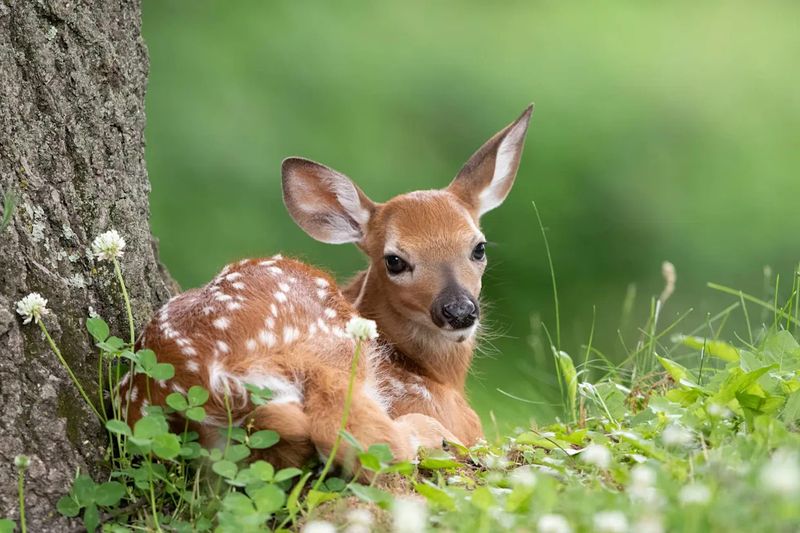
Monitoring the fawn is reasonable and even helpful, but how you watch matters quite a bit. Standing in the yard, walking closer every hour, or letting neighbors come over to see it adds unnecessary activity near an already-stressed animal.
Watching from inside through a window is a much better approach.
From indoors, you can keep an eye on the fawn without adding to its stress or blocking the doe’s path back. If the fawn stays in the same spot, appears calm, and shows no signs of injury or distress, that is a good sign.
Fawns are built to lie still for long stretches of time, and stillness alone is not a cause for alarm.
Taking notes or photos from a distance can actually be useful if you later need to call for help.
Details like how long the fawn has been there, whether it has moved at all, and whether you have seen or heard the doe nearby can help Oregon wildlife rehabilitators or ODFW staff assess the situation more accurately over the phone.
Watching quietly from a distance puts you in the best position to provide helpful information without disturbing the animal or the natural process of a doe returning to her young.
Patience here is genuinely the most productive thing a homeowner can offer.
6. Look For Real Signs Of Trouble
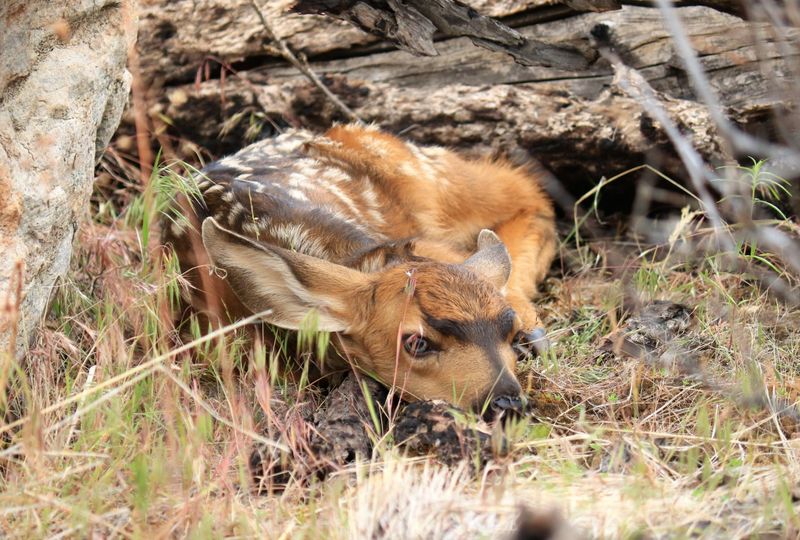
Most fawns found alone in Oregon yards are perfectly fine, but there are situations where concern is genuinely warranted.
Knowing what to look for helps homeowners make a more informed decision about whether to call for help or continue waiting and watching.
A fawn that is crying out repeatedly, rather than staying quiet, may be in distress. Persistent, loud vocalizations that go on for an extended period can be a sign that the doe has not returned and the fawn is hungry or frightened.
A fawn that is visibly injured, bleeding, limping, or has wounds from a predator or vehicle also needs attention.
Similarly, if you know for certain that the mother deer was lost nearby due to a vehicle collision or other incident, the fawn’s situation changes and professional help becomes more appropriate.
Physical weakness is another signal worth noting. A fawn that cannot hold its head up, is lying on its side rather than in a tucked position, or appears very thin and lethargic may need care.
In Oregon, licensed wildlife rehabilitators and ODFW staff are trained to assess these situations quickly and can often give you a good read on the animal’s condition based on a description or photo.
Trusting your observations matters here, but it helps to know what normal fawn behavior looks like before drawing conclusions.
7. Call Before Moving The Fawn
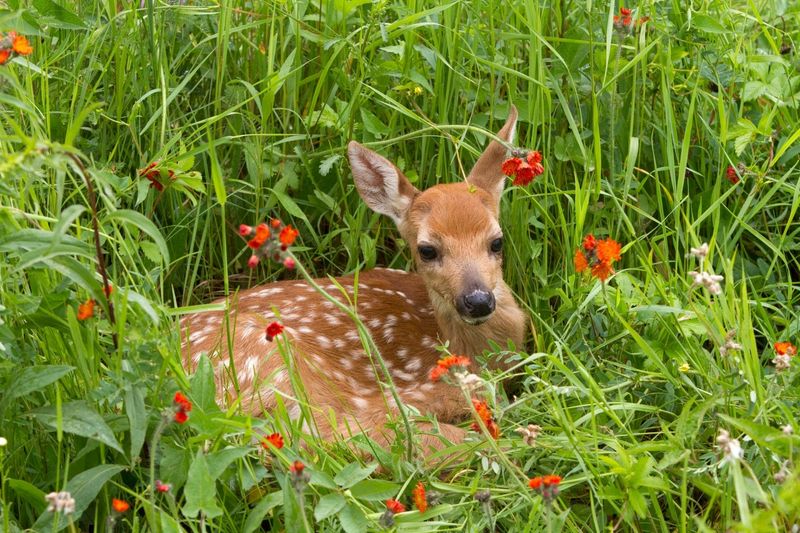
Reaching for your phone before reaching for the fawn is one of the most important steps Oregon homeowners can take.
Whether you contact the Oregon Department of Fish and Wildlife, Oregon State Police, or a licensed wildlife rehabilitator, getting professional guidance before taking action can make a significant difference in the outcome for the animal.
Wildlife professionals can help you figure out whether the fawn actually needs assistance or whether it is simply doing what healthy fawns do.
They can walk you through what to look for, ask questions about the fawn’s condition and behavior, and let you know if intervention is genuinely needed.
This kind of guidance is far more reliable than going by instinct alone.
Oregon has a network of licensed wildlife rehabilitators across the state, and ODFW maintains contact information that can point homeowners in the right direction.
Making that call costs very little time and can prevent well-intentioned mistakes that harm the animal or create legal issues.
Moving or transporting wildlife without authorization is regulated in Oregon, and even caring people can run into problems if they act without checking first.
A quick phone call puts trained knowledge on your side and ensures that if the fawn does need help, it gets the right kind from someone equipped to provide it safely.
8. Do Not Offer Food Or Water
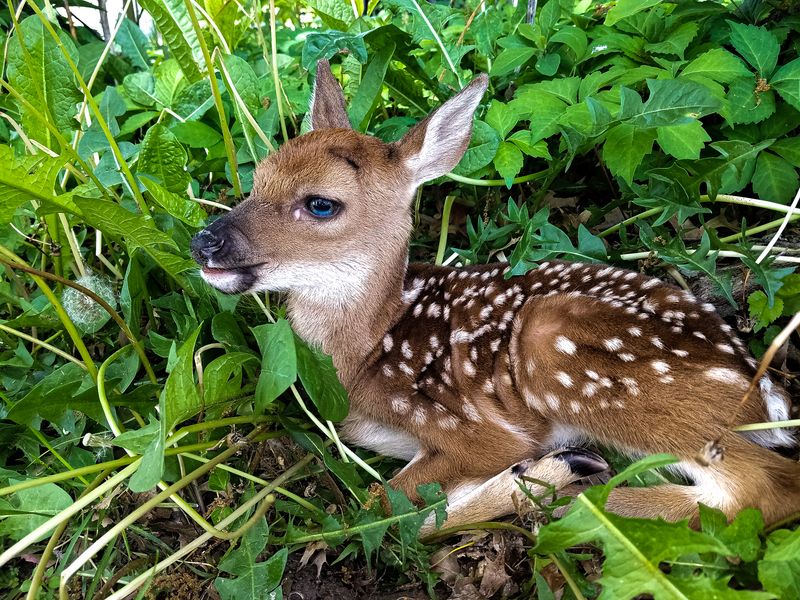
Feeding a fawn feels like a natural response when you find one alone and seemingly helpless. The truth is that giving food or water to a young deer without professional guidance can cause serious harm.
Fawns have sensitive digestive systems that are not equipped to handle cow’s milk, human food, or even plain water given in the wrong way at the wrong stage of development.
Aspiration, which happens when liquid enters the lungs rather than the stomach, is a real risk when untrained people try to feed young wildlife. It can be fatal even when the person is trying to help.
A fawn that is dehydrated or malnourished needs care from a licensed wildlife rehabilitator who knows exactly what formula to use, how to administer it, and how much is appropriate for the animal’s age and size.
Offering food also encourages the fawn to associate humans with feeding, which creates longer-term problems for an animal that needs to remain wild.
Oregon wildlife rehabilitators work hard to minimize human imprinting in the animals they care for, and even brief feeding interactions can complicate that process.
If you believe a fawn is in need of nutrition or hydration, the right step is to call a licensed professional and follow their instructions rather than attempting to provide care on your own. Good intentions are not enough when it comes to wildlife nutrition.