Oregon Gardeners May Be Wasting Water With This One Common Habit
Many Oregon gardeners pride themselves on keeping a beautiful yard, but there is a sneaky habit draining both water and money every single week.
It does not look harmful. It does not feel wasteful.
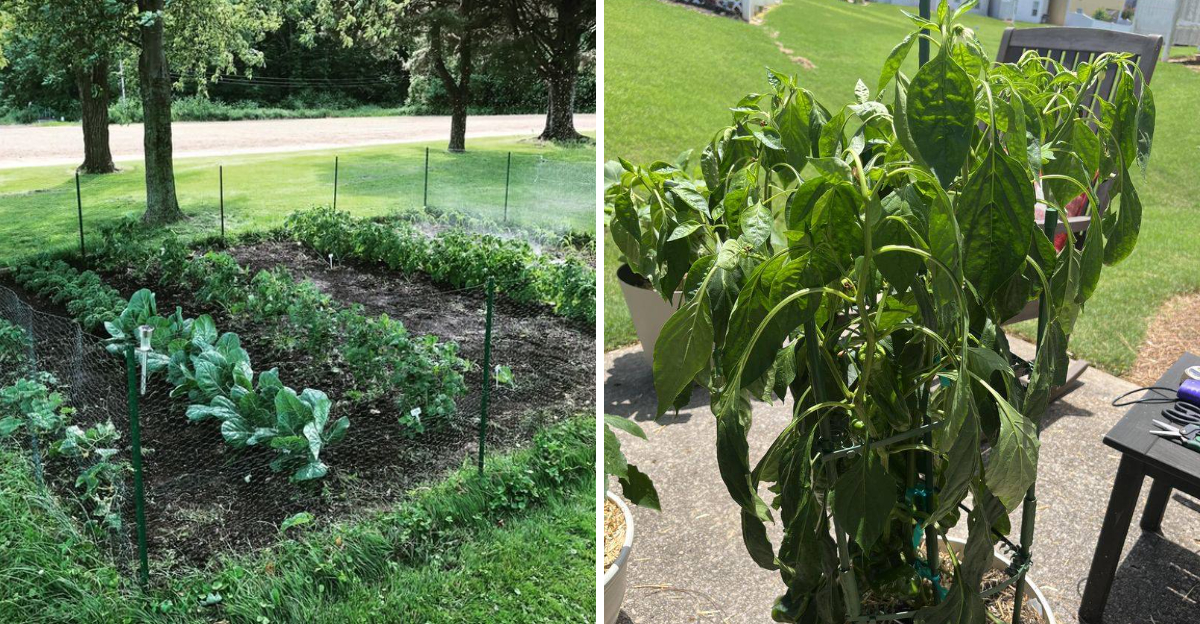
Yet across Oregon neighborhoods, automatic sprinkler systems are running on the same schedule they were set on months ago, completely ignoring what the weather, the soil, and the plants actually need right now.
Oregon State University Extension Service has flagged this as one of the most common and correctable sources of residential water waste in the region.
The fix is simpler than most people expect, and it starts with understanding exactly what is happening underground before the sprinklers ever switch on.
Lawns and garden beds rarely need as much water as homeowners assume, especially in Oregon where seasonal rainfall patterns shift dramatically throughout the year.
Catching this habit early can save thousands of gallons annually and noticeably shrink a water bill.
Ready to find out what your sprinkler system has been doing behind your back?
Automatic Sprinklers Start The Waste
Nobody sets out to waste water.
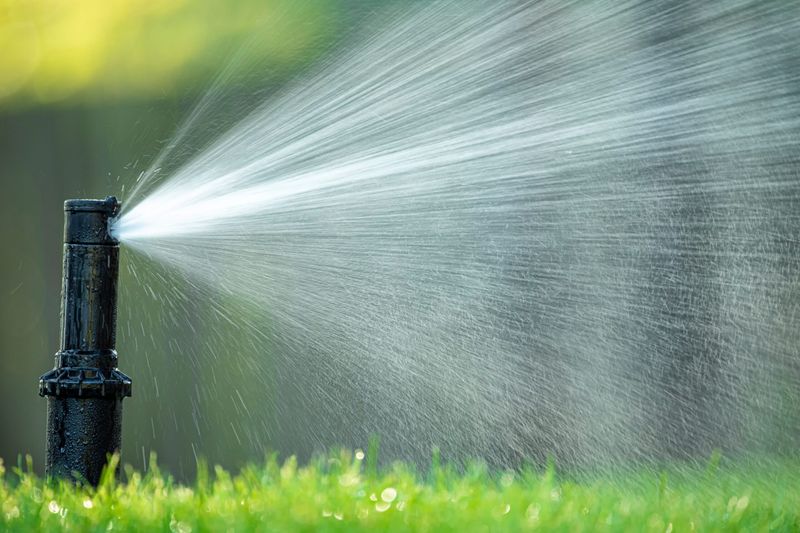
Most homeowners program their sprinkler timer once in spring, feel satisfied, and never touch it again. That single decision quietly becomes one of the biggest sources of residential water waste in Oregon every year.
The average home irrigation system applies far more water than lawns and beds actually need.
Sprinklers run on fixed schedules regardless of recent rainfall, cooler temperatures, or soil that is already saturated. The system does not know it rained Tuesday. It just runs.
Overwatering is responsible for more plant stress than underwatering in many Oregon landscapes.
Roots sitting in soggy soil struggle to absorb oxygen, which weakens the plant over time. Overwatered lawns also invite fungal problems and encourage shallow root growth, making grass less drought-tolerant when summer heat eventually arrives.
When a timer runs at six in the morning three days a week without adjustment, nobody notices the waste because the lawn still looks green.
Green does not always mean healthy, and it definitely does not mean efficient.
The good news is that fixing this habit costs nothing.
Start by checking the soil before every scheduled watering cycle. Push a screwdriver six inches into the lawn. If it slides in easily, the soil has enough moisture and the sprinklers can skip that cycle entirely.
That one check, done consistently, is enough to start cutting water use significantly.
Oregon Rain Does The Work You Ignore
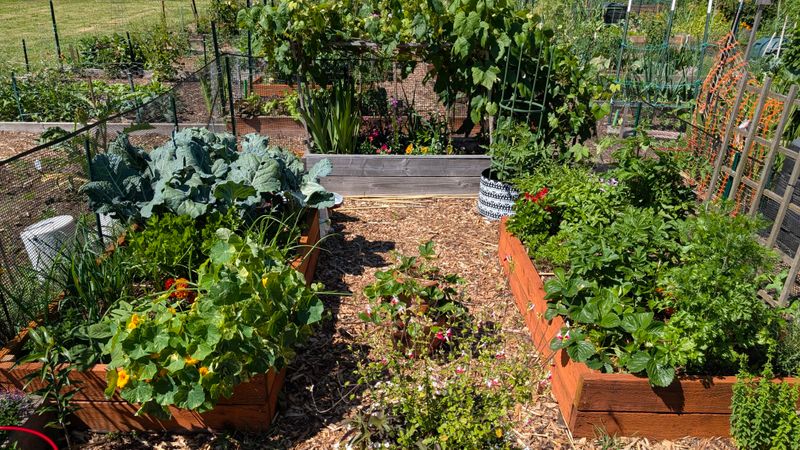
Oregon’s reputation for rain is well-earned, but most gardeners dramatically underestimate how much water that rainfall actually delivers to their soil.
A single inch of rainfall penetrates six to twelve inches into most soil types, depending on texture and how compacted the ground is. That depth reaches well into the root zone of most lawn grasses and garden plants.
When sprinklers run the morning after a substantial rain event, that water has nowhere to go.
The soil is already at capacity. Excess water pushes past the root zone entirely, taking dissolved nutrients with it. The lawn does not benefit from the extra water. The storm drain does.
Your Oregon Garden Changes Every Week. Your Plan Should Too.
Gardening in Oregon changes quickly throughout the season. Every Friday you’ll receive a simple weekly plan showing exactly what to plant, prune, fertilize, harvest, and protect so you never miss the right timing.
Oregon’s wet season runs roughly from October through April, and during that period many lawns receive more than enough natural moisture to stay healthy without any supplemental irrigation at all.
Running sprinklers through February and March in the Willamette Valley is almost always unnecessary, yet timers set in spring continue running through winter unless someone manually shuts them off.
Tracking rainfall with a simple rain gauge is one of the most practical tools an Oregon gardener can add to a yard.
They cost under ten dollars and eliminate all the guesswork about whether the garden received meaningful water from a storm.
The rule is simple: if the gauge shows more than half an inch since the last irrigation cycle, skip the next scheduled run entirely.
Soil Type Changes How Much Water Is Needed

Not every Oregon yard behaves the same way after a watering, and understanding your specific soil type is what separates efficient watering from accidental waste.
Clay soils, which are common throughout much of the Willamette Valley and western Oregon, hold water for a long time.
Clay particles are tiny and pack together tightly, creating a structure that drains slowly and retains moisture between rain events.
Irrigating clay soil on the same schedule as sandy soil is one of the fastest ways to create a chronically overwatered yard.
Sandy soils at the other extreme drain quickly and dry out fast. They genuinely need more frequent watering during dry stretches, but they also absorb water faster than most irrigation systems deliver it, leading to runoff before the water ever reaches the root zone.
The screwdriver test works for both soil types.
Push a standard flathead screwdriver into the lawn or garden bed up to the handle. Easy penetration means the soil is adequately moist. Resistance means dry soil that needs water.
This test takes five seconds and costs nothing, yet most homeowners have never tried it even once.
Loamy soils, which are a balanced mix of sand, silt, and clay, give the best results with deep, infrequent watering.
Wetting the root zone thoroughly and then allowing the soil to partially dry before the next cycle encourages roots to grow deeper, which makes plants more resilient during the occasional dry summer weeks Oregon does experience.
Time Of Day Determines How Much Evaporates
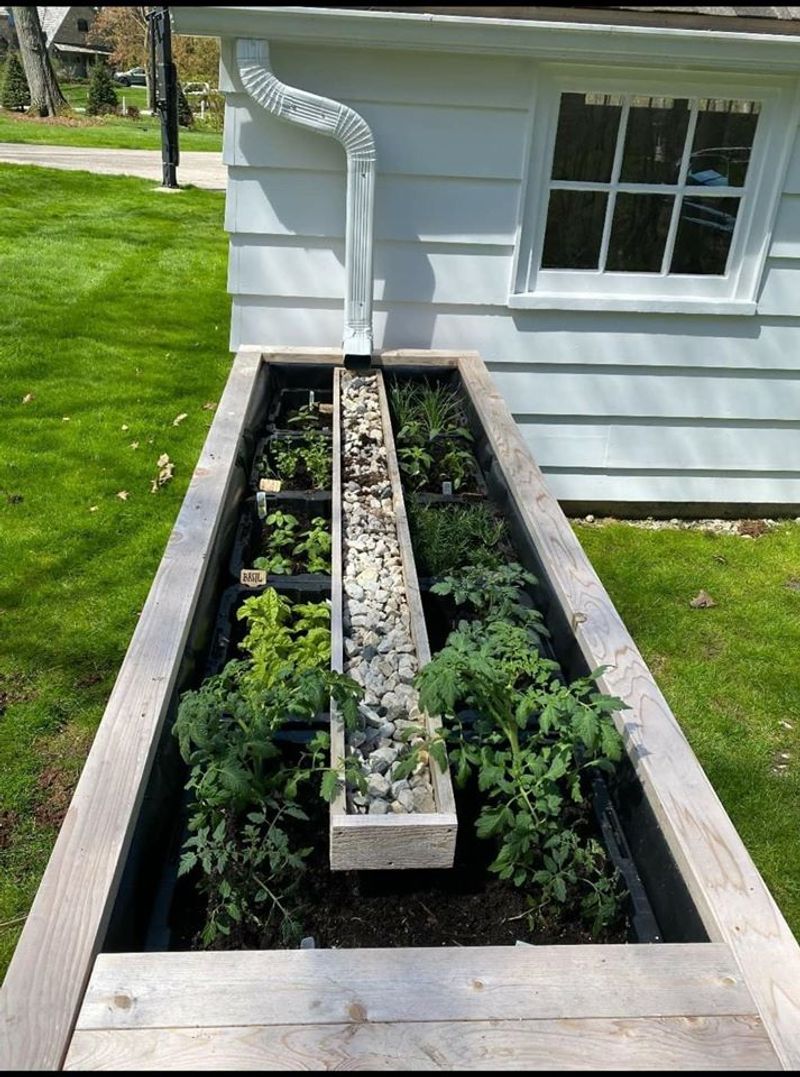
When water gets applied matters almost as much as how much gets applied.
Midday irrigation in Oregon during summer loses a significant percentage of water to evaporation before it ever reaches the root zone.
Sun intensity, warm air temperatures, and afternoon breezes all pull moisture off the soil surface and off wet leaf surfaces before plants can use it.
Watering between ten in the morning and four in the afternoon during summer is essentially offering a portion of that water directly to the atmosphere.
Early morning irrigation, ideally between four and seven, delivers water when evaporation rates are lowest, air temperature is coolest, and wind is typically calm.
Soil absorbs the moisture efficiently, and plant roots receive consistent hydration before the heat of the day begins building.
Evening watering is the second most common mistake after fixed-schedule timers.
Wet foliage sitting through cool overnight temperatures creates favorable conditions for fungal diseases like powdery mildew and gray mold, both of which are already common in Oregon’s humid climate.
Leaves that go into nighttime dry are leaves that stay healthier through the season.
Adjusting the timer from a midday or evening cycle to an early morning cycle is one of the simplest changes an Oregon gardener can make.
It requires no new equipment, no additional cost, and no expertise. It just requires changing two numbers on a controller that most people have not looked at since they installed the system.
Deep Watering Beats Frequent Shallow Cycles
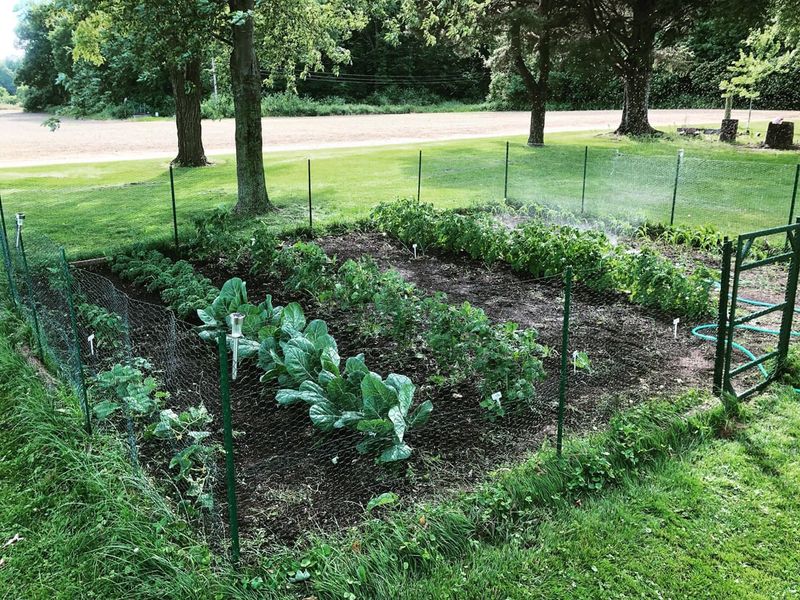
Shallow, frequent watering is the irrigation habit that trains grass and garden plants to stay weak.
When water only penetrates the top two or three inches of soil, roots follow it. They stay shallow, concentrated near the surface where they are most vulnerable to heat stress, foot traffic, and drought.
A lawn with shallow roots looks fine in spring and collapses the first week of August.
Deep watering means applying enough water in a single cycle to wet the soil to a depth of six to eight inches for lawns and deeper for established shrubs and perennials.
That depth encourages roots to follow the moisture downward into the cooler, more stable part of the soil profile.
Oregon State University Extension Service recommends watering lawns to a depth of six inches and then waiting until the top two inches dry out before watering again.
That cycle, done consistently, builds the deep root system that makes a lawn genuinely drought-tolerant rather than just temporarily green.
A simple way to check penetration depth is to water normally, wait thirty minutes, and then push a soil probe or long screwdriver into the ground.
Mark how deep it slides in easily before hitting resistance. That measurement tells you whether the current run time is achieving meaningful root zone saturation or just wetting the surface before runoff begins.
Smart Controllers Pay For Themselves Quickly
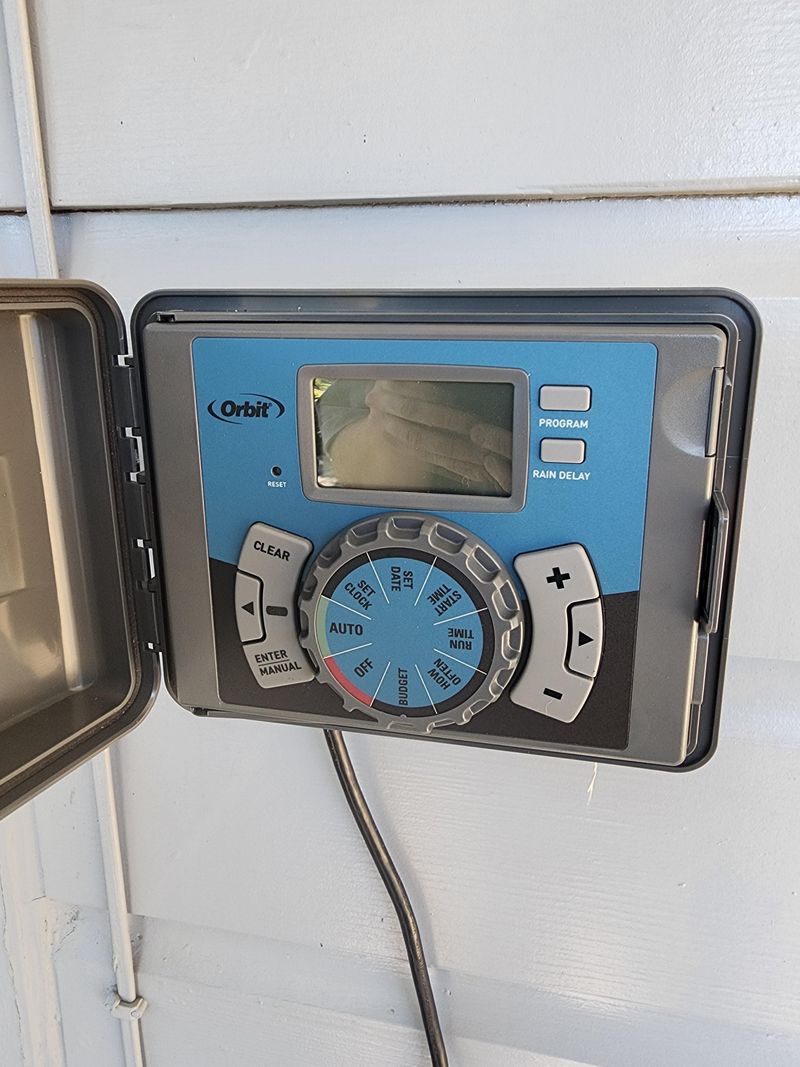
Manual timer adjustment works well for gardeners who are paying close attention, but most homeowners are not monitoring their sprinkler schedule weekly throughout the year.
Smart irrigation controllers solve this problem automatically.
These devices connect to local weather data and adjust watering schedules based on actual evapotranspiration rates, recent rainfall totals, and forecast conditions.
When it rains, they skip the next scheduled cycle. When a heat wave arrives, they may add a short supplemental cycle. The system responds to real conditions instead of running blindly on a calendar.
Oregon State University Extension Service and the EPA WaterSense program both recommend smart controllers as one of the highest-return investments for residential water conservation.
Studies show that smart controllers reduce outdoor water use by twenty to fifty percent compared to fixed-schedule timers, depending on how aggressively the original schedule was set.
Costs for basic smart controllers start around fifty dollars and go up depending on the number of zones and the features included.
Water utilities across Oregon, including many in the Portland metro area and the Willamette Valley, offer rebates for smart controller installation that can offset a significant portion of the purchase price.
Checking with the local water utility before purchasing is worth the two minutes it takes. The rebate programs change seasonally, and some utilities offer free smart controllers during conservation promotion periods.
Reading Plants Tells You More Than Any Schedule
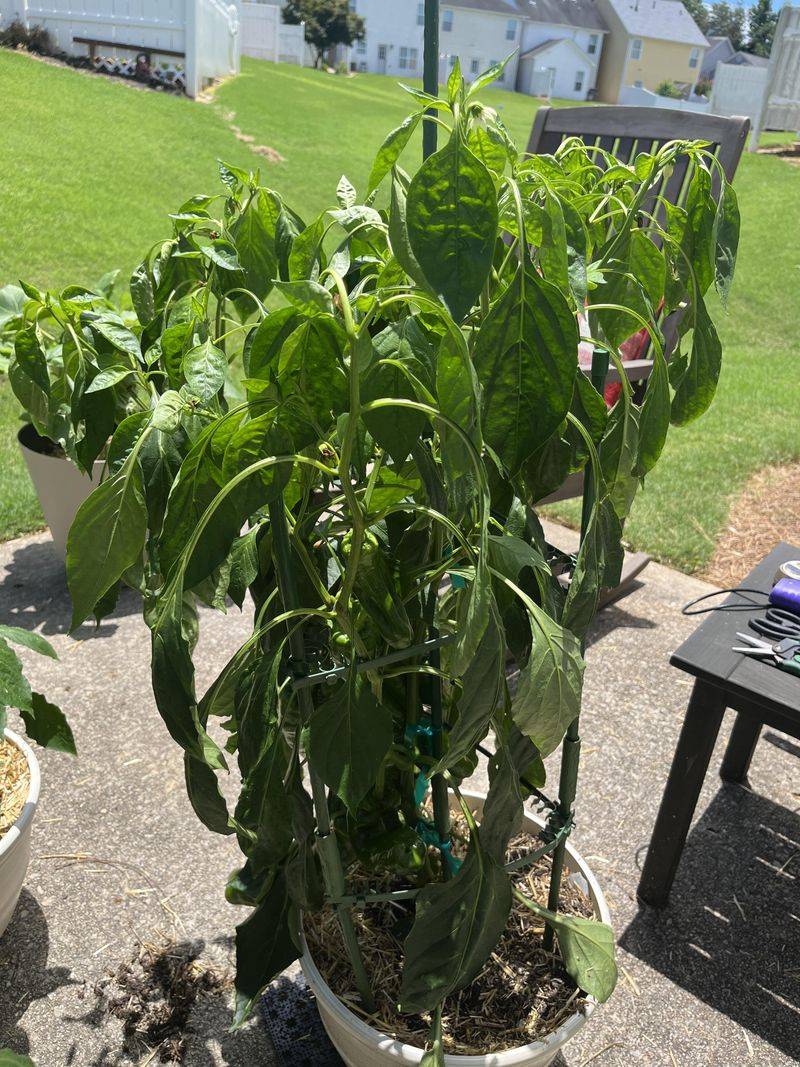
The most reliable irrigation guide an Oregon gardener has is not a timer, a rain gauge, or even a soil probe.
It is the plants themselves.
Grass that needs water shows it clearly. Blades fold slightly along their midrib, giving the lawn a slightly bluish or grayish cast instead of the bright green color of well-hydrated turf.
Footprints left in the lawn stay visible longer than they should when grass is under mild moisture stress.
These are not signs of damage. They are early signals that the lawn is ready for water, not that it is struggling.
Garden plants show similar early stress indicators.
Leaves that are slightly less turgid than normal, a very mild wilting during the hottest afternoon hours that recovers fully by evening, and a slightly duller leaf surface are all normal signals that the plant’s water balance is slightly negative.
Responding to these signals rather than a fixed timer means water goes into the soil exactly when the plant needs it and not a moment before.
This approach, sometimes called deficit irrigation, consistently produces stronger root systems, more disease-resistant plants, and lower water bills than schedule-based watering programs.
It does require paying attention to the yard rather than trusting a controller to handle everything automatically.
But for Oregon gardeners who are already spending time outdoors, adding a two-minute daily observation habit to a morning walk through the yard is genuinely one of the most impactful things they can do for their landscape all season long.