Why Pennsylvania Gardeners Are Replacing Emerald Green Arborvitae With Smarter Privacy Plants
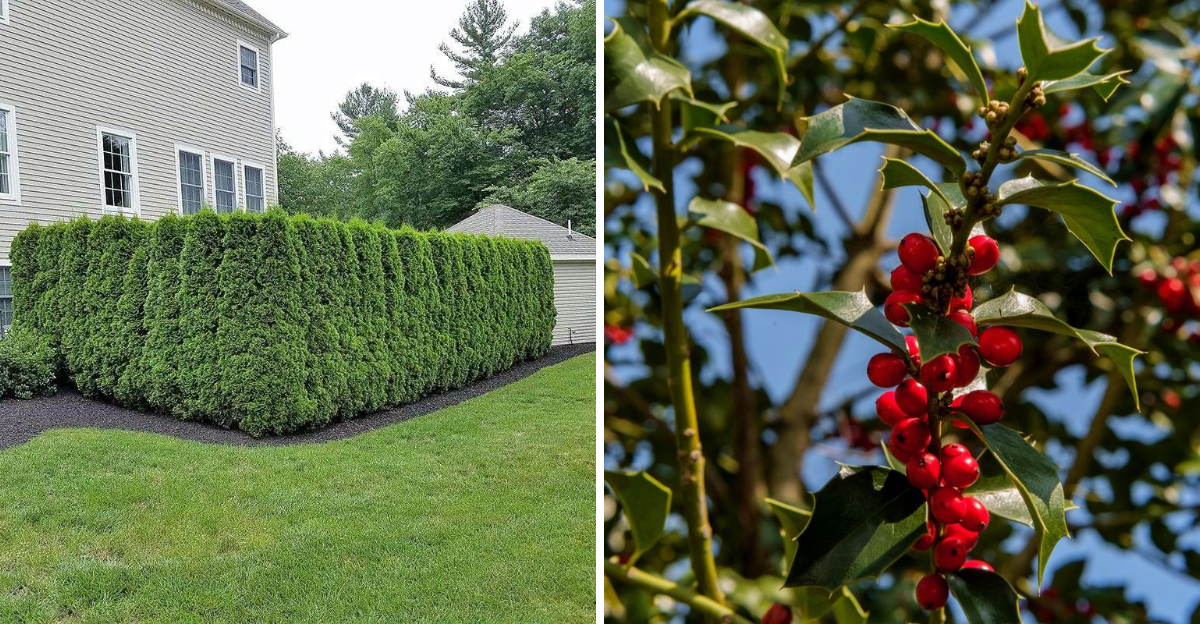
Emerald green arborvitae has been the go to privacy plant in Pennsylvania for decades. Drive through almost any neighborhood and you’ll spot a row of them lining a property border, standing neatly in a line and doing their job quietly year after year.
They work, they’re familiar, and most people plant them without a second thought. But Pennsylvania gardeners who have dealt with the downside of arborvitae are starting to look elsewhere.
Deer browse them heavily, often destroying entire rows in a single winter. Bagworms can devastate them seemingly overnight.
And in certain soil and drainage conditions, they simply decline without much warning. A row that looked perfect for years can develop ugly gaps that take a long time to fill back in.
The good news is that there are smarter alternatives that offer better privacy, stronger resilience, and in many cases more seasonal interest and ecological value than emerald green arborvitae ever did.
1. The Emerald Green Problem
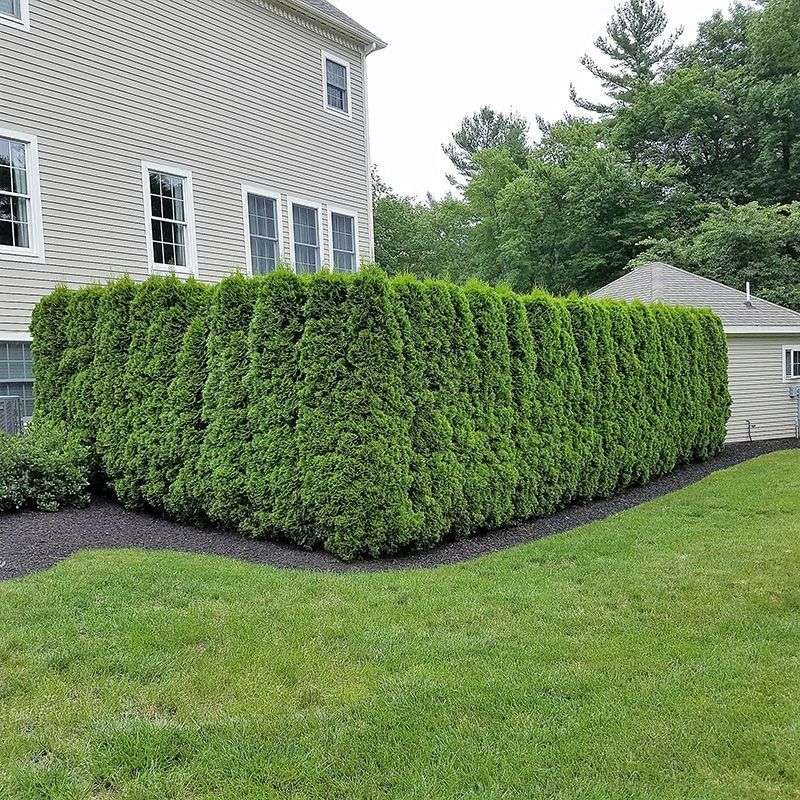
Walk through almost any Pennsylvania suburb and you will spot them: long, tidy rows of Emerald Green arborvitae planted along fences and property lines. They look sharp when they are first installed, but the story often changes fast.
Pennsylvania weather is not always kind to these trees, and the problems can stack up quickly.
Winter burn is one of the first issues homeowners notice. Cold, dry winds pull moisture out of the foliage, turning sections brown by early spring.
Ice and heavy snow can split branches or bow the entire tree sideways. Once the shape is gone, it is very hard to get it back.
Bagworms are another serious threat. These insects create small, hanging cases on the branches and feed on the foliage from inside.
A bad infestation can strip a tree before most people even notice the problem. Exposed or dry sites make the damage even worse, since stressed trees have less ability to bounce back.
The biggest frustration is that Emerald Green arborvitae does not naturally thrive in every Pennsylvania yard. It prefers moist, well-drained soil with some shelter from wind.
Plant it in a dry, open, or windy spot and it will struggle from the start. Many homeowners only discover this after spending hundreds of dollars on a full row of trees.
The plant is not bad in the right conditions, but Pennsylvania yards vary a lot, and a one-size-fits-all hedge rarely works out as planned. Smarter plant choices start with understanding your site first.
2. Deer Damage Adds Up
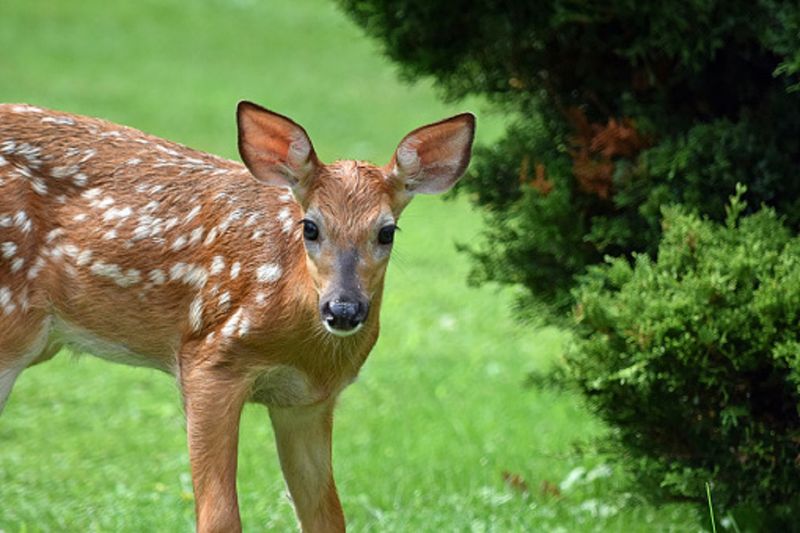
Few things are more discouraging than walking outside on a January morning to find your carefully planted privacy hedge chewed bare from the ground up. Deer love arborvitae.
To them, a dense row of Emerald Green is basically a salad bar that stays open all winter long. And once the damage is done, recovery is slow and often incomplete.
Deer tend to browse the lower branches first, which is the worst possible place for a privacy hedge to lose coverage. Homeowners need screening at eye level and below, right where deer do the most feeding.
Your Pennsylvania Garden Changes Every Week. Your Plan Should Too.
Gardening in Pennsylvania changes quickly throughout the season. Every Friday you’ll receive a simple weekly plan showing exactly what to plant, prune, fertilize, harvest, and protect so you never miss the right timing.
A hedge that is bare for the bottom four feet offers almost no privacy at all. Many gardeners spend years trying to repair this damage with cages, sprays, and repellents, only to watch deer return the following winter.
The problem is especially bad in suburban and semi-rural areas of Pennsylvania where deer populations are high. Townships like those in Chester, Bucks, Montgomery, and Lancaster counties have seen deer numbers climb steadily over the past two decades.
Planting a deer-preferred species in these areas without a serious protection plan is a gamble that rarely pays off.
Switching to deer-resistant plants is one of the most practical moves a Pennsylvania gardener can make.
American holly and inkberry holly are both naturally unappealing to deer, thanks to their spiny or tough foliage. Northern bayberry is also largely left alone.
Choosing plants that deer tend to avoid means less stress, less money spent on repellents, and a hedge that actually stays intact through the seasons when you need it most.
3. One-Plant Rows Are Risky
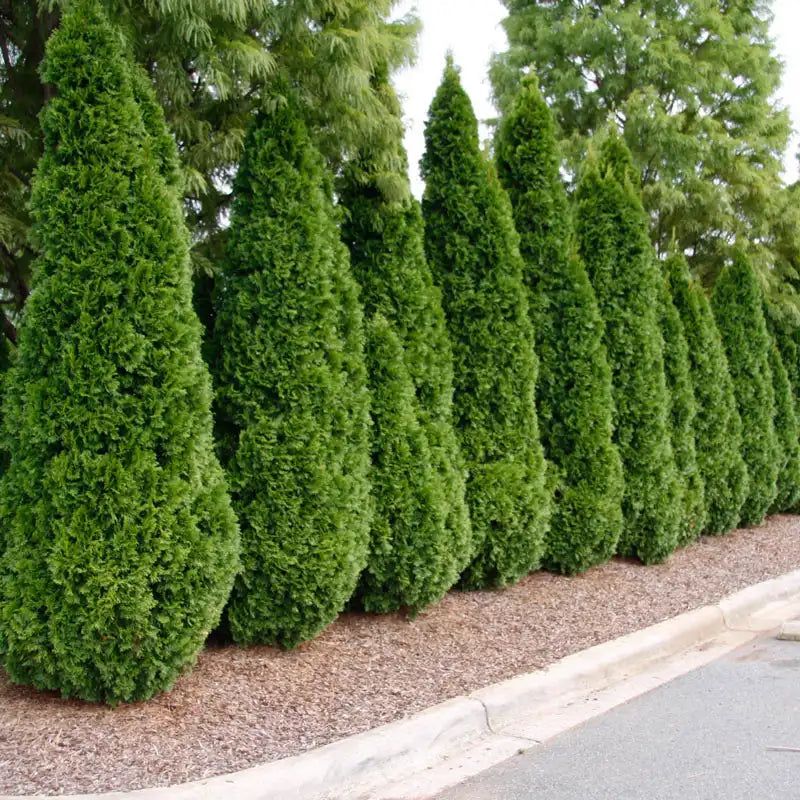
There is something visually appealing about a perfectly uniform row of the same plant. It looks orderly, intentional, and clean.
But from a gardening standpoint, planting a long single-species hedge is one of the riskiest moves you can make. When one plant struggles, the whole row tends to follow.
Think of it this way: if every plant in your hedge is the same species, they all share the same weaknesses. One pest outbreak, one fungal disease, one stretch of dry weather, or one brutal winter can affect every single plant at the same time.
A bagworm infestation that starts on one arborvitae can spread down the entire row before you even realize it is happening. The result is a hedge full of gaps that can take years to fill back in, if it fills in at all.
Ecologists call this a monoculture, and it is the same reason farmers rotate crops and foresters plant mixed woodlands. Diversity builds resilience.
A hedge made up of two or three different species will almost never fail all at once, because each plant responds differently to stress. One might sail through a drought while another handles shade better, and together they cover for each other.
For Pennsylvania homeowners, mixing plant species in a privacy border is a simple upgrade with big payoffs. You do not need a complicated design.
Just alternating two or three compatible plants creates a much stronger screen. It also tends to look more natural and interesting than a rigid wall of identical trees.
A mixed hedge gives your yard character while also giving it staying power through tough seasons.
4. Smarter Plants Fit The Site
Matching the right plant to the right spot sounds simple, but it is the single most important thing you can do for a successful privacy hedge. Pennsylvania has a wide range of growing conditions, from wet lowlands to dry ridgetops, from shady backyards to full-sun open lots.
The good news is that there are excellent native plants suited to nearly every one of these situations.
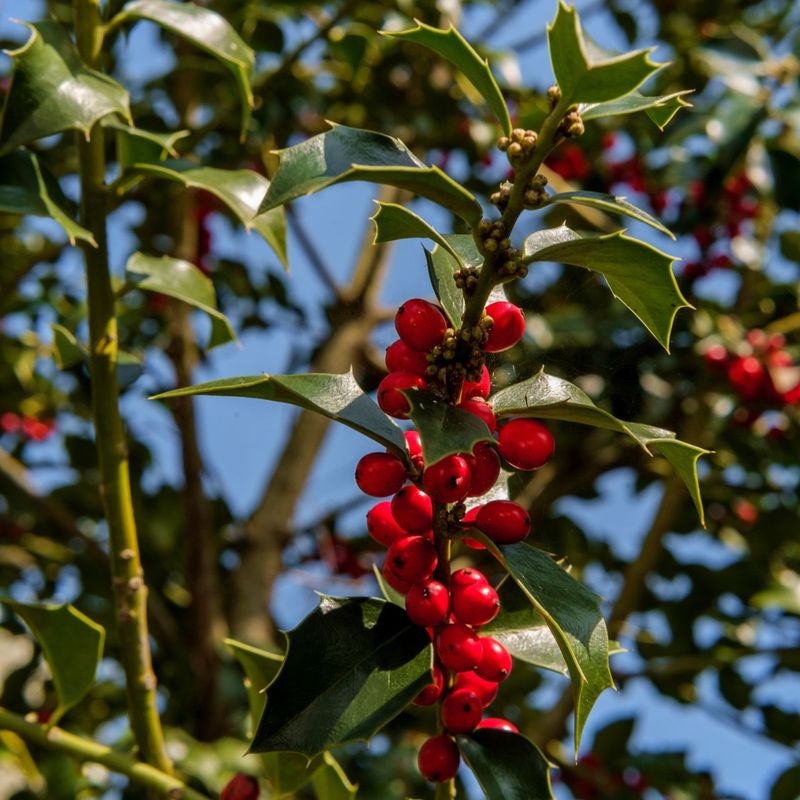
American holly is a standout choice for homeowners who want strong evergreen structure. It holds its glossy leaves year-round, grows into a dense pyramid shape over time, and produces bright red berries in winter.
It is also notably resistant to deer browsing, which makes it a reliable option in high-deer areas. American holly grows best in moist, well-drained, slightly acidic soil and does well in partial to full sun.
Inkberry holly is a better fit for smaller spaces or wetter, more acidic soils. It stays naturally compact, rarely needs pruning, and handles both wet feet and moderate drought once established.
Deer tend to leave it alone as well. Northern bayberry is the tough-site champion. It tolerates poor soil, drought, wind, salt spray, and exposed locations that would stress most other shrubs. It is a natural fit for roadsides, slopes, or open windy corners of a property.
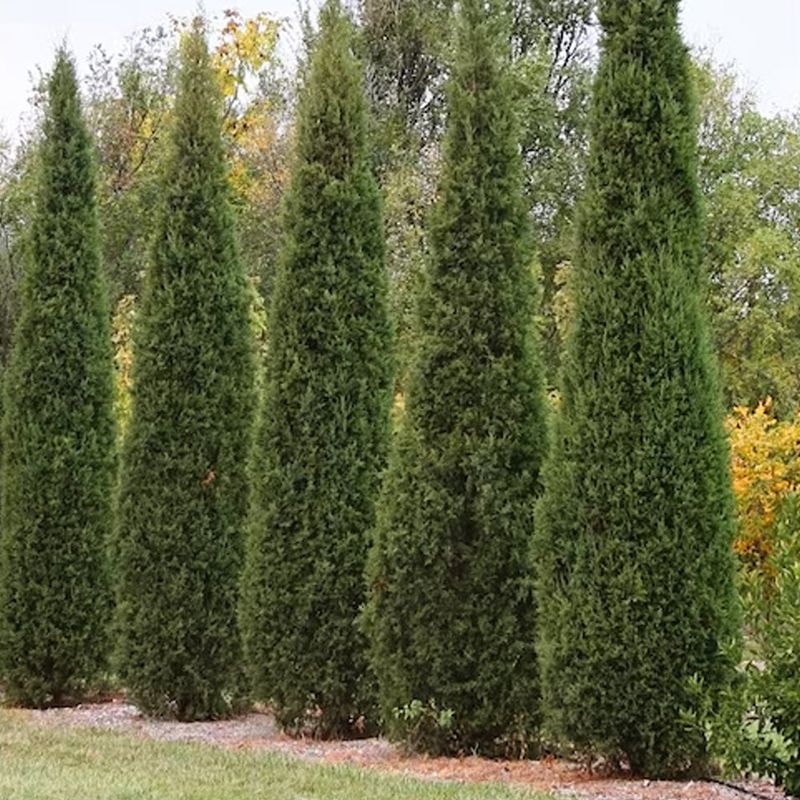
Eastern red cedar is worth considering for sunny, drier areas where other evergreens struggle. It is incredibly adaptable, grows relatively fast, and provides dense year-round screening.
Each of these plants has a specific sweet spot, and taking a few minutes to assess your yard before planting can save you years of frustration and replanting costs down the road.
5. Native Screens Help Wildlife
Most people plant a privacy hedge because they want to block a view or muffle noise from a neighbor’s yard. That is a perfectly good reason.
But native privacy plants can do so much more than that, almost without any extra effort on your part. When you choose the right species, your hedge becomes a living habitat that supports birds, insects, and other wildlife through every season.
American holly berries ripen in late fall and persist through winter, making them a critical food source for birds like cedar waxwings, mockingbirds, and robins during the coldest months.
Inkberry holly produces small black berries that are eagerly eaten by more than 35 species of birds.
Northern bayberry fruit has a waxy coating that is especially loved by yellow-rumped warblers during their fall migration. Eastern red cedar produces blue-gray berries that cedar waxwings and bluebirds rely on heavily in winter.
Beyond food, these plants offer shelter and nesting sites. Dense evergreen shrubs like American holly and red cedar give birds protected spots to roost on cold nights and safe places to build nests in spring.
Thick mixed hedges also provide cover for small mammals like rabbits and chipmunks. Choosing native plants for your privacy screen means you are also reducing your yard maintenance over time.
Native species are adapted to Pennsylvania soils and rainfall patterns, so they generally need less watering, less fertilizing, and fewer pest treatments than non-native alternatives.
Your hedge works harder for you, feeds the neighborhood wildlife, and stays healthier with less effort.
That is a trade worth making for almost any homeowner.
6. Replace Rows With Layers
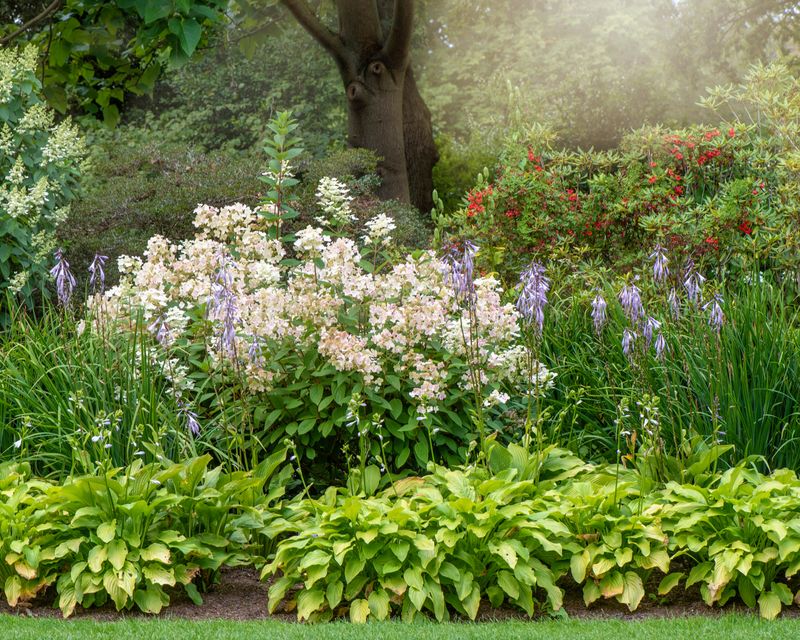
Forget the idea of one tight, uniform wall of plants. The most effective and beautiful privacy screens are built in layers, just like the edge of a natural Pennsylvania woodland.
When you stack plants of different heights and textures together, you get coverage at every level, from the ground all the way up to eight or ten feet high.
Start with a taller evergreen in the back row. Eastern red cedar or American holly works well here, giving you year-round height and structure.
In front of that, add a middle layer of medium shrubs like inkberry holly or northern bayberry. These fill in the gaps and add density without competing too much with the taller plants behind them.
Finally, a front row of lower flowering natives, like native viburnums, wild bergamot, or native grasses, softens the edge and adds seasonal color.
Layered plantings are also much more forgiving than single-row hedges. If one plant struggles, the others fill in around it.
The planting looks intentional and natural rather than stiff and formal. It also gives you more flexibility to adjust over time, swapping out a plant that is not performing or adding something new without disrupting the whole screen.
From a design standpoint, a layered privacy border adds real visual interest to your yard throughout the year. Spring brings new growth and flowers.
Summer fills in with lush green. Fall delivers berries and color. Winter reveals the structure of the evergreens and the texture of the bark.
Instead of a hedge that just blocks a view, you end up with a living border that makes your entire yard feel more complete and connected to the natural landscape around it.