The Only Plant You Need In Pennsylvania Garden To Keep Mosquitos Away
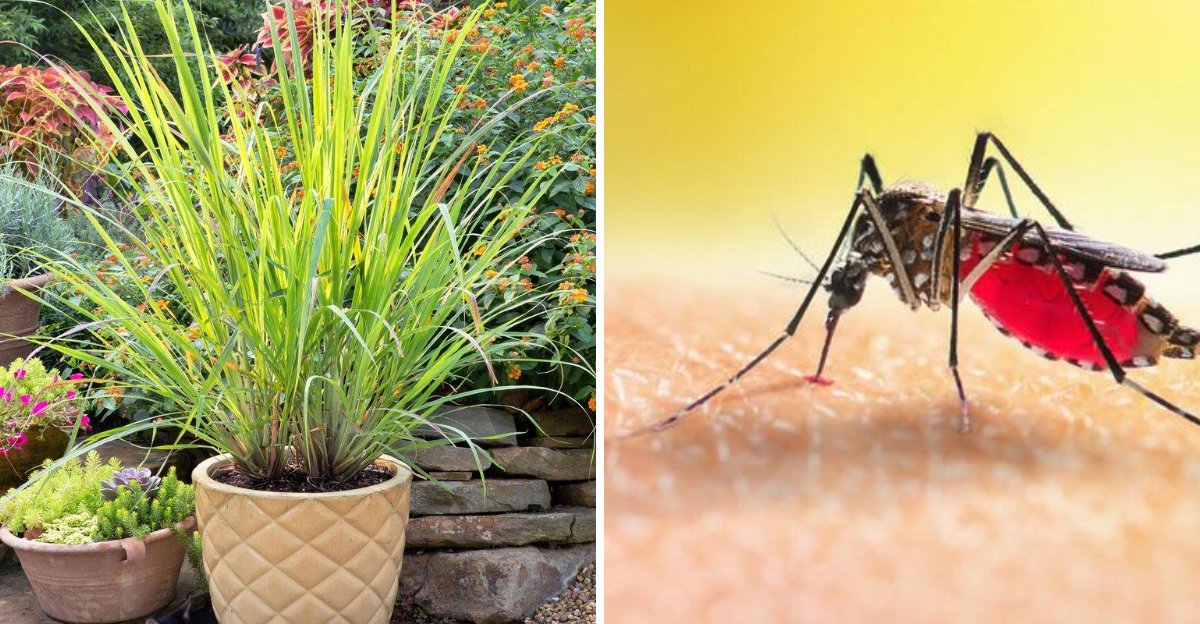
Mosquitoes in Pennsylvania have a way of ruining everything. A nice evening on the porch, a backyard cookout, a quiet morning in the garden.
The moment you step outside during the warmer months, they find you. Most people fight back with sprays, candles, and all kinds of products that work for a little while and then stop working entirely.
But what if one plant could genuinely make a difference? There is a single plant that has built a serious reputation for keeping mosquitoes away, and it happens to grow beautifully in Pennsylvania’s climate.
It handles the humidity, thrives through the warm summer months, and comes back reliably without a lot of fuss. No complicated setup, no expensive treatments.
Just a plant doing what it naturally does best. And what it does best is produce powerful natural compounds that mosquitoes absolutely cannot stand.
The same thing that smells wonderful to us sends a very different message to every mosquito in the area. One plant, in the right spot, could completely change how much you enjoy your outdoor space this summer.
1. Meet Lemongrass
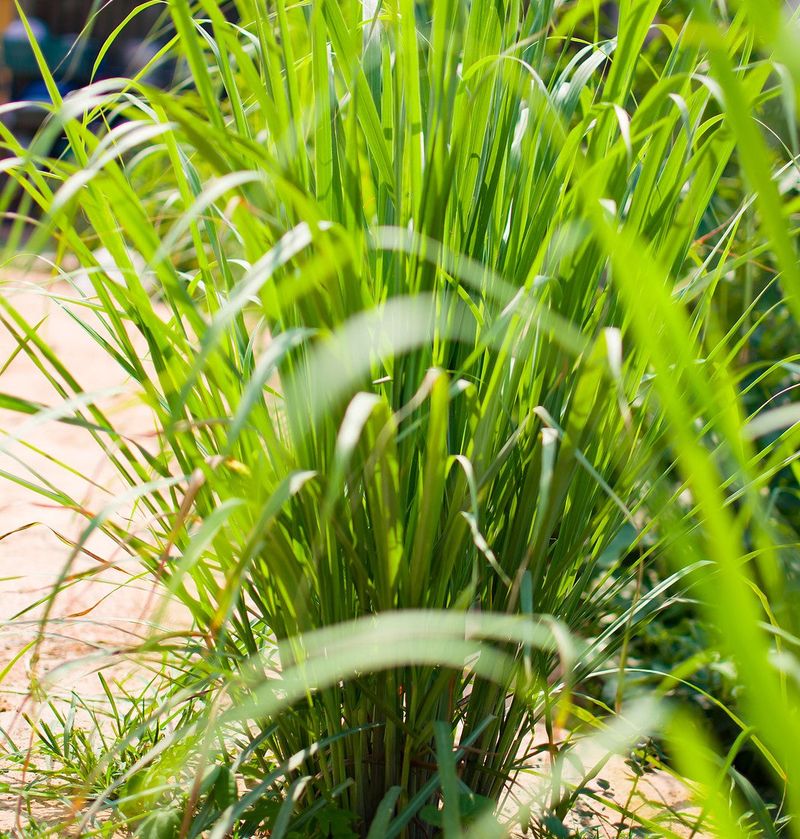
Walk past a clump of lemongrass on a warm afternoon, and you will immediately notice its bright, clean, citrusy scent floating through the air. That fresh aroma is not just pleasant.
It is actually the plant working its natural magic. Lemongrass, known scientifically as Cymbopogon citratus, is a fast-growing tropical grass that can reach up to five or six feet tall in a single season.
Originally from Southeast Asia, lemongrass has been used for centuries in cooking, herbal medicine, and natural pest control. Today, it is becoming a favorite choice for homeowners who want a beautiful garden that also serves a practical purpose.
The tall, arching blades of lemongrass add a dramatic, ornamental touch to any outdoor space.
Beyond its good looks, lemongrass is one of the most functional plants you can add to your Pennsylvania garden. It pulls double duty as both a stunning visual element and a hardworking pest deterrent.
Gardeners across the state are planting it near patios, front walkways, and outdoor seating areas to enjoy its benefits all season long.
What makes lemongrass special is how effortlessly it blends into a garden design. You can use it as a background plant, a border accent, or even a standalone feature in a large pot. The blades sway gently in the breeze, giving your yard a relaxed, tropical feel.
For Pennsylvania gardeners who want style and function in one low-effort package, lemongrass checks every single box. It is truly one of the most underrated plants available today.
2. Natural Mosquito Repellent
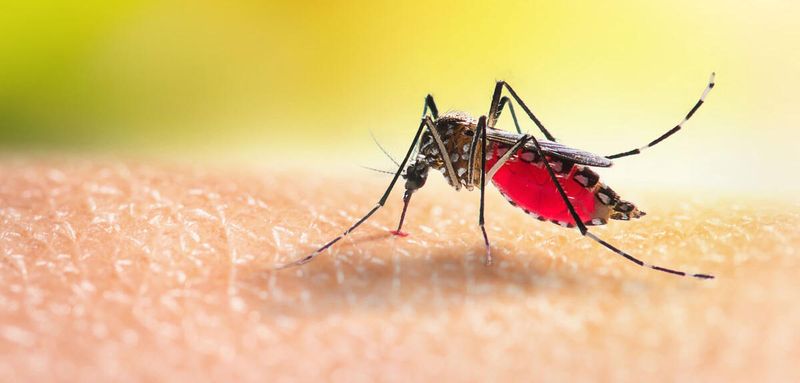
Here is something that might surprise you. The secret weapon inside lemongrass is an oil called citronella.
You have probably seen citronella candles sold at hardware stores every summer. Those candles are actually made using oil extracted from lemongrass.
Growing the real plant in your garden is like having a living, breathing version of that candle, available all day and night without any flame required.
Your Pennsylvania Garden Changes Every Week. Your Plan Should Too.
Gardening in Pennsylvania changes quickly throughout the season. Every Friday you’ll receive a simple weekly plan showing exactly what to plant, prune, fertilize, harvest, and protect so you never miss the right timing.
Citronella oil works by masking the scents that mosquitoes use to track down humans. Mosquitoes find people through body heat and the carbon dioxide we breathe out.
The strong lemony fragrance from lemongrass confuses their senses and pushes them to look elsewhere. Planting lemongrass strategically around your yard creates a natural invisible barrier that mosquitoes simply do not want to cross.
The repellent effect is strongest when the leaves are lightly brushed or crushed, which releases even more of the citronella oil into the surrounding air.
Placing lemongrass near walkways means every time someone brushes past the plant, the scent gets activated. It is effortless pest control that works on its own schedule.
Studies have shown that citronella-based repellents can reduce mosquito landing rates significantly. While no plant completely eliminates every mosquito in an area, lemongrass dramatically lowers the number you encounter.
For families who love spending evenings outdoors, that difference is absolutely noticeable. Planting several clusters near your seating area, fire pit, or garden entrance gives you the best coverage.
You get to enjoy your yard again without reaching for a can of chemical bug spray every five minutes.
3. Thrives In Pennsylvania Gardens
Pennsylvania summers can be hot, humid, and unpredictable, but lemongrass handles all of it without complaint. This plant actually loves warm temperatures and thrives in the kind of muggy summer heat that Pennsylvania is known for between June and September.
As long as it gets plenty of sunshine and well-drained soil, it will grow strong and full throughout the season.
Lemongrass needs at least six hours of direct sunlight each day to reach its full potential. Planting it in a sunny garden bed or on a south-facing patio gives it the energy it needs to grow quickly.
The roots prefer soil that drains well and does not stay waterlogged after heavy rain. Adding a little compost to your soil before planting helps create the ideal growing environment.
One of the best things about lemongrass in Pennsylvania is its flexibility. You can grow it directly in the ground during summer, and it will spread outward into a full, impressive clump by midsummer.
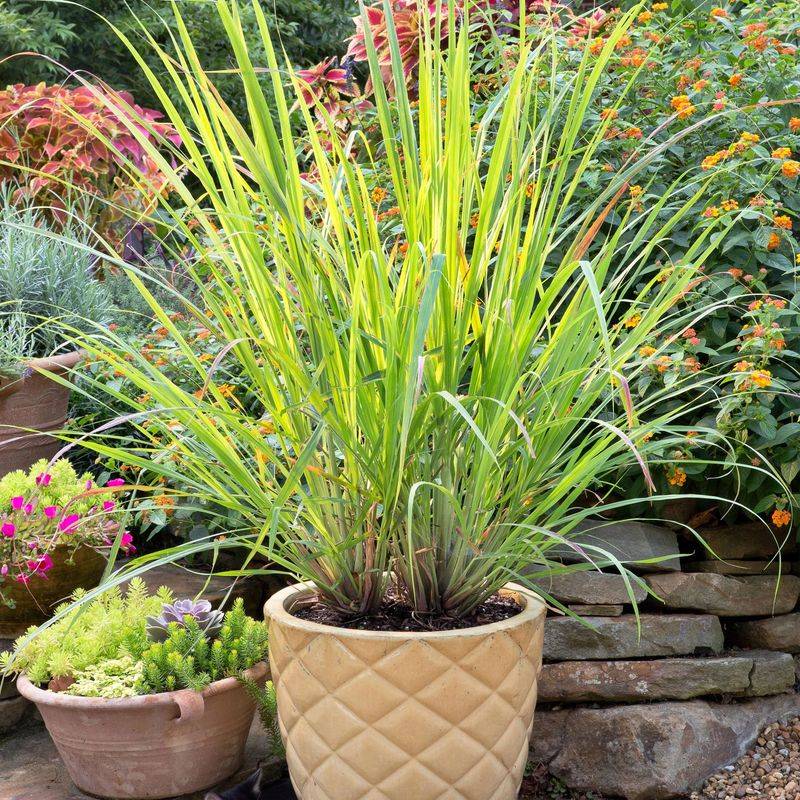
If your garden space is limited, it grows just as happily in a large container on a deck or patio. A pot that is at least twelve inches wide gives the roots enough room to spread comfortably.
Gardeners in Pennsylvania often worry about tropical plants struggling in the local climate, but lemongrass adapts well during the warm months. It is a seasonal superstar that makes the most of every sunny Pennsylvania summer day.
With the right spot in your yard, this plant will reward you with lush, fragrant growth from late spring all the way through early fall. That is a long stretch of natural mosquito protection.
4. Easy To Grow And Maintain
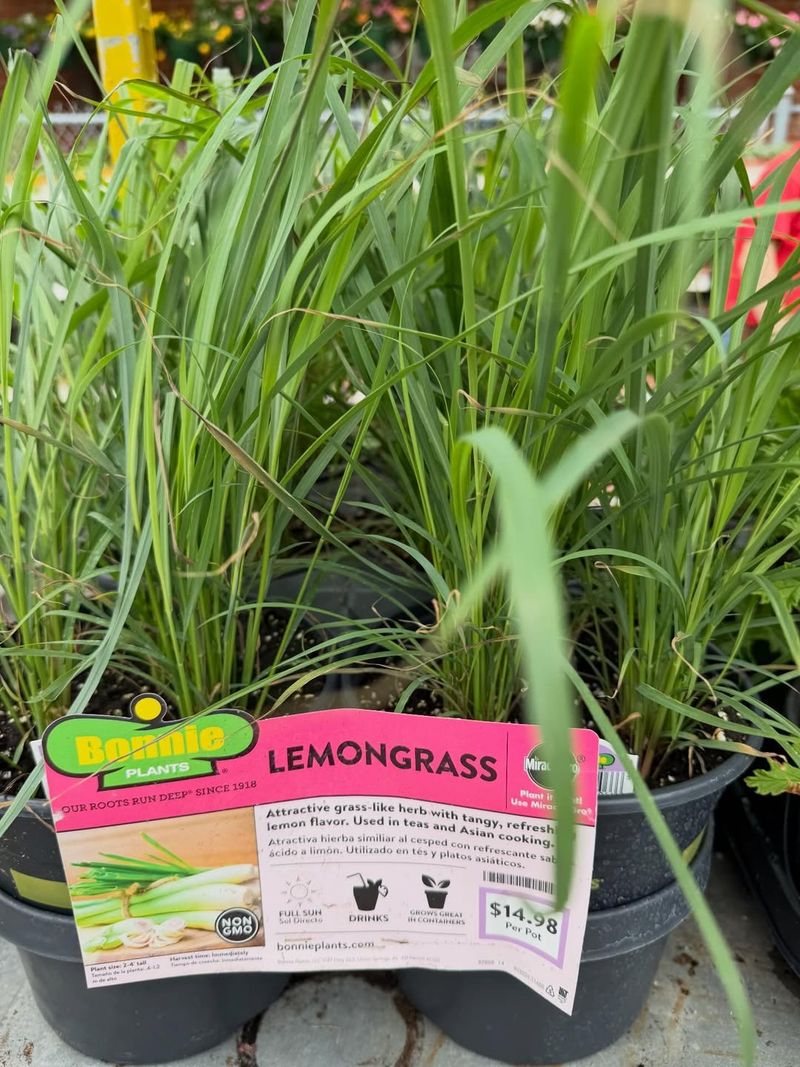
Not everyone has hours to spend tending a garden every week, and lemongrass completely understands that. Once it is established in your garden or pot, it is one of the most low-maintenance plants you will ever grow.
Occasional watering and a light trim now and then is really all it asks for. That makes it a perfect choice for busy families, beginner gardeners, and anyone who wants results without the extra effort.
Watering lemongrass is simple. During dry spells, water it deeply about once or twice a week, allowing the soil to dry out slightly between sessions.
Overwatering is actually more of a concern than underwatering, since lemongrass does not like sitting in soggy soil. A layer of mulch around the base helps the soil hold moisture between watering sessions without getting waterlogged.
Pruning lemongrass keeps it looking tidy and encourages fresh new growth throughout the season. Cut back any brown or dry outer leaves at the base every few weeks.
This simple habit keeps the plant healthy and ensures it continues releasing that wonderful citronella fragrance. It takes about five minutes and makes a big visible difference.
Pennsylvania winters are too cold for lemongrass to survive outdoors, but that does not mean you have to say goodbye to your plant every fall. Before the first frost arrives, dig up the root clump or bring in your potted plant and keep it indoors near a sunny window.
Water it sparingly during winter, and it will stay alive and ready to go back outside once warm weather returns in spring. Many Pennsylvania gardeners have kept the same lemongrass plant going for several years this way.
5. Dual Purpose: Culinary And Aromatic Uses
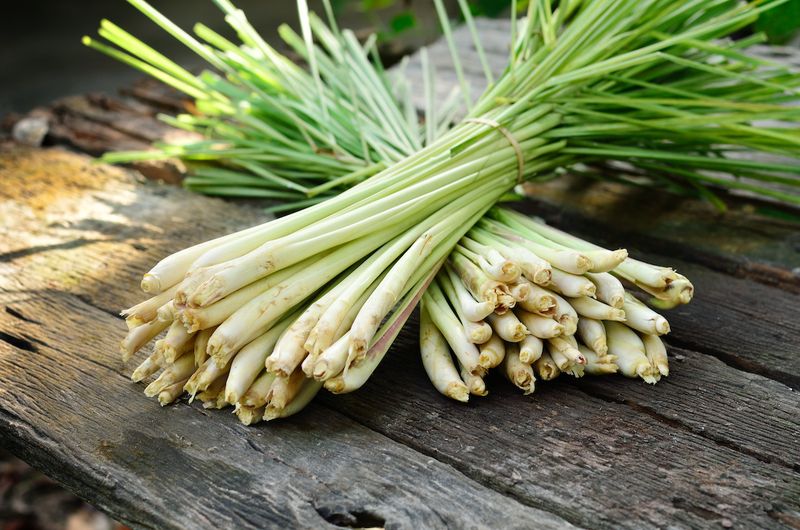
Lemongrass is one of those rare plants that earns its place in the garden twice over. Most people plant it for mosquito control, then quickly discover it is also an incredible ingredient in the kitchen.
The thick, pale lower stalks of lemongrass carry a bold, bright lemon flavor that works beautifully in soups, broths, marinades, stir-fries, and herbal teas. It is a staple ingredient in Thai, Vietnamese, and Indonesian cooking.
To use lemongrass in cooking, simply peel away the tough outer layers until you reach the soft, pale inner stalk. Slice it thinly or bruise it with the back of a knife to release the flavor.
Tossing a few stalks into a pot of chicken soup or a coconut curry adds a fragrant, citrusy depth that is hard to replicate with any other ingredient. It is a simple upgrade that makes home cooking feel genuinely special.
Lemongrass tea is another easy and enjoyable way to use your garden harvest. Just steep a few chopped pieces of the stalk in hot water for several minutes, add a little honey, and you have a soothing, aromatic drink.
Many people enjoy it as a calming evening tea that also supports digestion. Beyond the kitchen, the fragrant foliage of lemongrass naturally enhances the atmosphere of your outdoor space.
The gentle, lemony scent drifting through a garden on a warm evening is genuinely relaxing and uplifting.
Guests will always notice it and ask what that amazing smell is. Lemongrass brings sensory richness to your garden that very few other plants can match, making it a truly multi-talented addition to any Pennsylvania yard.
6. Planting Tips For Maximum Effect
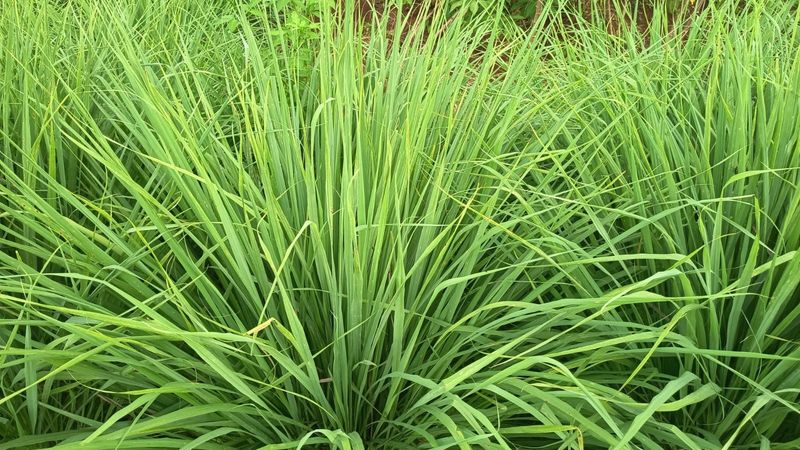
Placement matters a lot when it comes to getting the most out of your lemongrass. Planting a single stalk here and there across a large yard will not give you the strong mosquito-repelling effect you are hoping for.
Instead, group three to five plants together in clusters near the spots where you spend the most time outdoors. Seating areas, fire pits, and patio edges are all ideal locations for these clusters.
Spacing your clusters about three feet apart allows each plant enough room to grow full and wide without crowding. A dense, well-spaced arrangement creates overlapping zones of citronella fragrance that form a much more effective natural barrier.
Think of it like setting up a perimeter around your favorite outdoor spots. The more coverage you create, the better your results will be throughout the summer.
Mulching around the base of each plant is a simple step that pays off in a big way. A two to three inch layer of wood chip or straw mulch holds moisture in the soil, keeps the roots cool on hot days, and reduces weed competition significantly.
Less weeding means less work for you, and healthier roots mean a stronger, more fragrant plant overall.
Pairing lemongrass with other heat-tolerant or native Pennsylvania plants is a smart strategy for improving your garden’s biodiversity. Lavender, basil, and marigolds are all excellent companions that also help deter insects.
Mixing these plants together creates a garden that is not only beautiful but also actively working to keep pests away. A little thoughtful planning at the start of the season sets you up for a genuinely enjoyable, mosquito-reduced outdoor experience all summer long.