The One Thing You Must Do To Pennsylvania Hostas Right Now Before August Heat Arrives
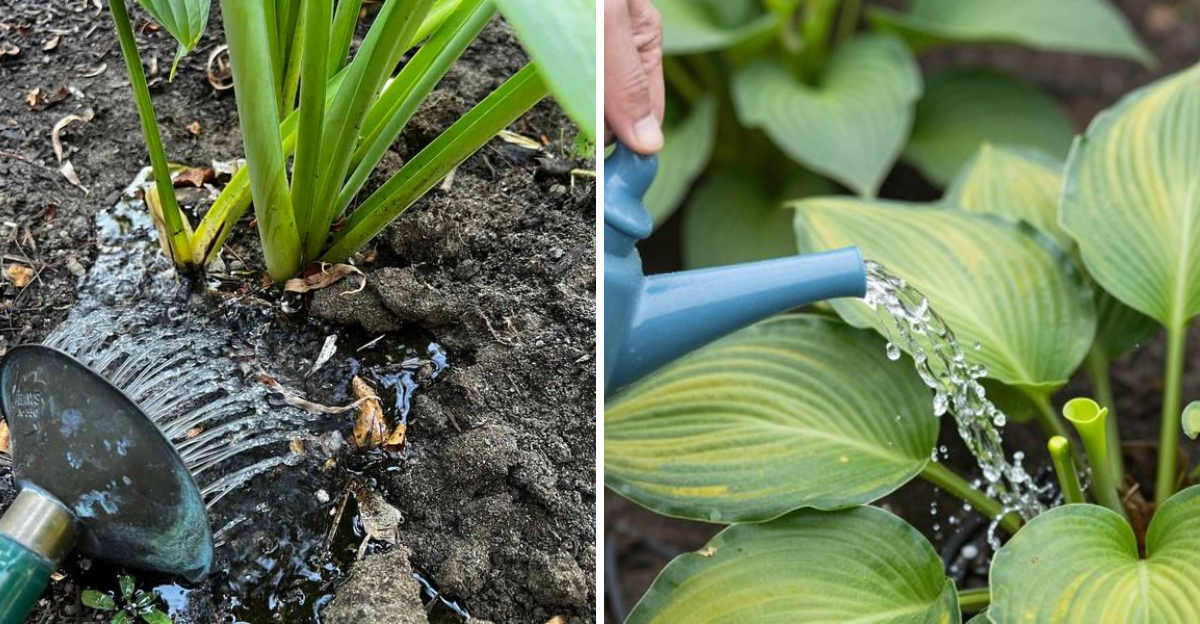
Hostas are one of Pennsylvania’s most reliable shade garden plants. They come back every year, they fill in beautifully, and for most of the season they require almost nothing from you.
But right now, before August heat arrives and the conditions in your garden shift significantly, there is one thing your hostas genuinely need you to do.
Skip it and you may spend the rest of the summer looking at plants that are struggling when they should be thriving.
August in Pennsylvania brings a combination of heat and humidity that hostas can handle, but only when they’re set up correctly beforehand.
The gardeners who take a few minutes to address this now come out the other side of summer with lush, healthy hostas that look great right through to fall.
The ones who don’t often find themselves dealing with declining plants that never quite recovered. It takes very little time. The difference it makes is significant. Here’s exactly what to do right now.
Start With A Deep Soak
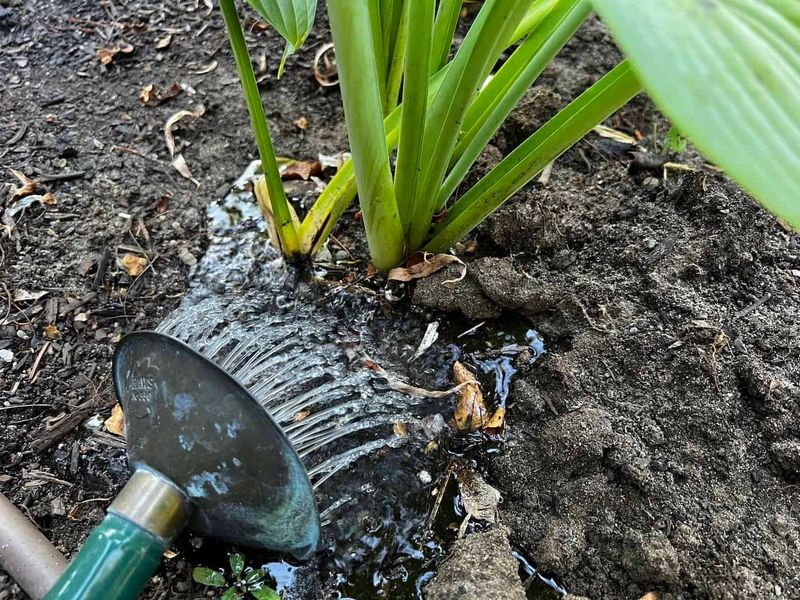
Before August heat sets in, the single most important thing you can do for your hostas is give them a long, slow, deep watering. Not a quick spray.
Not a light misting. A real soak that pushes moisture all the way down to the root zone where it actually counts.
Hostas develop roots that reach several inches below the soil surface. When you water fast or shallow, only the top inch or two gets wet.
The roots down below stay dry, and that is where the plant pulls its water from during hot days. A deep soak changes everything.
To water deeply, use a garden hose set to a slow trickle or a soaker hose laid around the base of each plant. Let it run for at least 20 to 30 minutes per area. You want the water to sink at least 6 inches into the soil, not just sit on top.
Do this in the early morning if you can. Morning watering gives the soil time to absorb moisture before the sun heats things up.
It also means any water that splashes on the leaves will dry off quickly, which helps prevent fungal problems.
After a good deep soak, the soil around your hostas should feel moist when you push a finger several inches down. If it still feels dry below the surface, keep watering.
One thorough session now can carry your plants through several days of dry heat without much trouble. Starting strong before the hottest weeks arrive gives your hostas the best possible foundation for surviving summer.
Why Hostas Struggle In Heat
Hostas are naturally woodland plants. They evolved under tree canopies where temperatures stay cooler, moisture lingers longer, and direct sun rarely beats down for hours at a time.
When Pennsylvania summers turn hot and dry, hostas find themselves in conditions very different from what they prefer.
The big, broad leaves that make hostas so beautiful actually work against them in high heat. Leaves lose water through tiny pores called stomata.
Your Pennsylvania Garden Changes Every Week. Your Plan Should Too.
Gardening in Pennsylvania changes quickly throughout the season. Every Friday you’ll receive a simple weekly plan showing exactly what to plant, prune, fertilize, harvest, and protect so you never miss the right timing.
The larger the leaf, the more surface area there is, and the faster moisture escapes into the air. On a hot, breezy day, a hosta can lose water faster than its roots can replace it.
When that happens, the plant starts to show stress. Leaves may droop in the afternoon even when the soil is not completely dry.
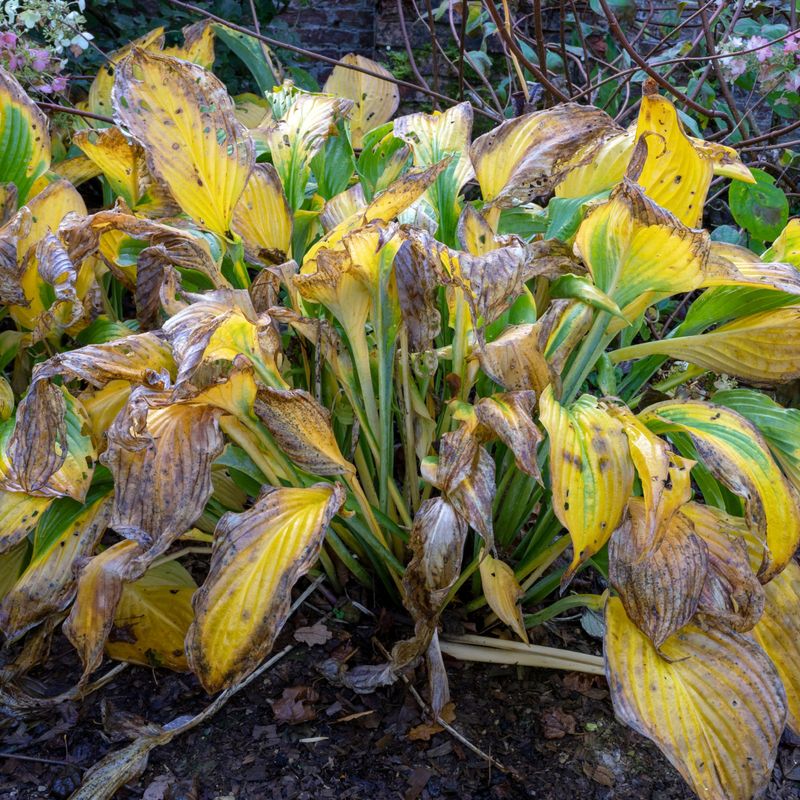
Leaf edges can turn brown and crispy, almost like they got a little too close to something hot. Some leaves may yellow, especially older ones at the base of the plant.
Pennsylvania summers can also bring stretches of very little rain. A few weeks without water plus high temperatures can leave hostas looking pretty rough by late August.
Afternoon sun makes things worse, especially for varieties planted in spots that get more light than expected.
Knowing why hostas struggle helps you take the right steps to protect them. The solution is not complicated.
It comes down to keeping moisture available in the root zone before the plant ever gets a chance to feel stressed. Getting ahead of the heat is always easier than trying to recover from it after the damage is already done.
Water The Roots, Not The Leaves
Plenty of gardeners make the same mistake every summer. They grab the hose, spray it over the top of their plants, and call it done.
With hostas, watering the leaves instead of the roots is one of the least effective things you can do, and it can actually cause problems.
Water landing on hosta leaves does not help the plant at all. The roots are underground, and that is where water needs to go.
Wet foliage sitting in warm, humid conditions is also a perfect setup for fungal diseases like leaf spot, which leaves ugly brown patches all over those beautiful big leaves.
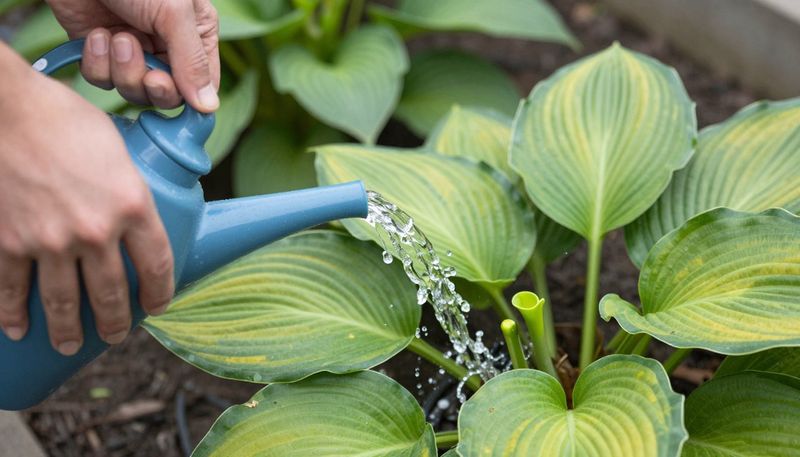
Instead, aim the hose or soaker line right at the base of the plant, close to the soil. Keep the water low and slow.
You are trying to get moisture into the ground, not wash off the leaves. A watering wand with a long handle makes it easy to reach under the foliage and water right at the crown and roots. Timing matters too. Early morning is the best time to water hostas.
The soil is still cool, evaporation is low, and any accidental splash on the leaves will dry before midday. Watering in the evening is the next best option, though it can leave moisture on the ground longer, which sometimes encourages slugs.
Avoid frequent light watering throughout the day. Short bursts of water encourage roots to stay near the surface where they are most vulnerable to heat.
Deep, infrequent watering trains roots to grow downward where soil stays cooler and moisture lasts much longer between sessions.
Add A Light Mulch Layer
Right after watering, do not walk away just yet. There is one more step that will help lock in all that moisture you just put into the soil.
Spreading a fresh layer of mulch around your hostas might be the second most important thing you do for them this summer.
Mulch works like a blanket over the soil. It slows down evaporation, which means the water you just put in stays available to the roots much longer.
It also keeps soil temperatures cooler during hot afternoons, which is exactly what heat-sensitive hosta roots need when August arrives.
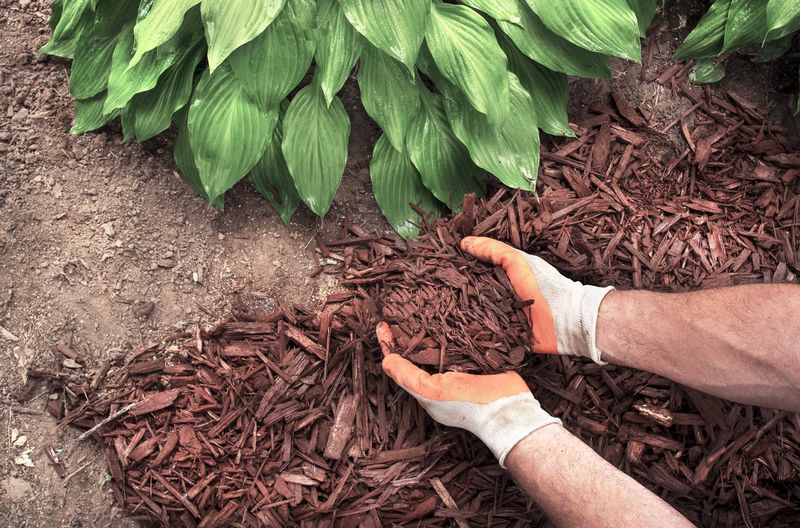
Good choices for hosta beds include shredded leaves, fine bark mulch, or composted wood chips. Any light organic mulch that breaks down slowly and does not pack into a tight mat will work well.
Avoid anything too heavy or dense that could hold too much moisture right against the crown of the plant.
Aim for about 2 to 3 inches of mulch spread evenly around the base of each hosta. Refresh what is already there if it has thinned out over the spring and early summer.
Old mulch breaks down and compresses over time, losing its ability to insulate the soil effectively.
One extra benefit of mulch is that it helps suppress weeds, which compete with your hostas for water and nutrients. Less weeding means less stress on the soil around your plants.
A well-mulched hosta bed looks tidy, holds moisture better, and stays cooler during the hottest part of the day. It is a small effort with a surprisingly big payoff when summer really turns up the heat.
Keep The Crown Clear
Here is a mistake that even experienced gardeners make without realizing it. When spreading mulch around hostas, it is easy to pile it right up against the center of the plant, the spot where all the leaves emerge from the ground.
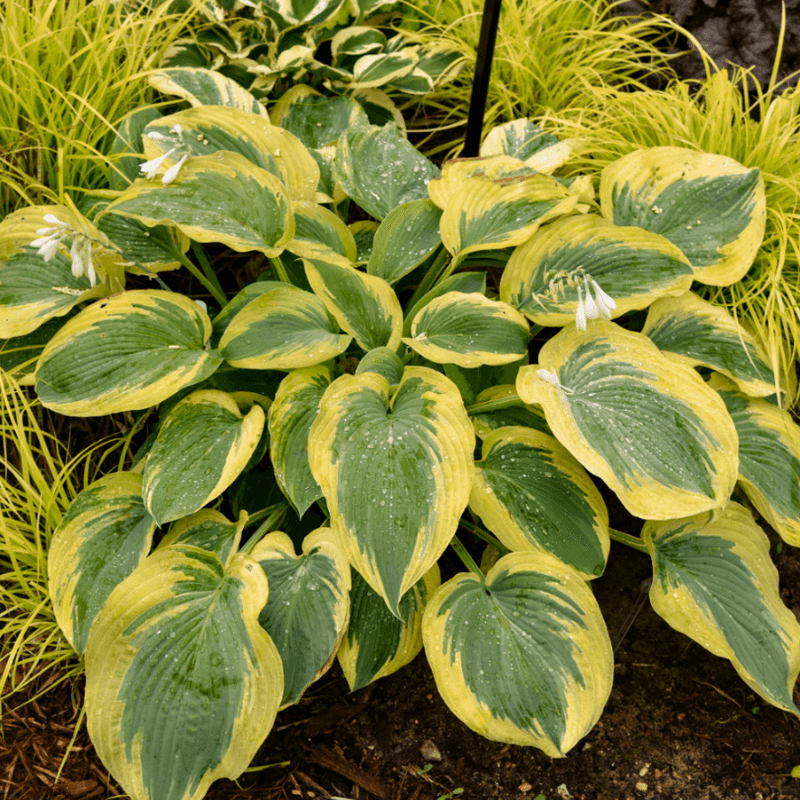
That central growing point is called the crown, and keeping it clear is really important. Burying the crown under a thick layer of mulch traps moisture right against the most sensitive part of the plant.
That constant dampness creates perfect conditions for crown rot, a fungal problem that can work its way through a hosta surprisingly fast. Once rot sets into the crown, the plant has a very hard time recovering.
When you apply mulch, spread it outward from the plant rather than inward toward the center. Pull the mulch back an inch or two from where the leaves emerge from the soil.
You should be able to see the base of the leaf stems clearly without any mulch covering them.
Think of it like giving the crown a little breathing room. The surrounding soil still benefits from the insulation and moisture retention of the mulch, but the crown itself stays slightly drier and better ventilated.
Air circulation around the base of the plant helps prevent the kind of wet, stagnant conditions that fungal problems love.
Check the crown area after heavy rains too. Sometimes mulch shifts or washes toward the center of a plant.
A quick adjustment with your hand takes only seconds. Keeping that small but critical area clear is one of the easiest habits to build, and it protects your hostas from one of summer’s most common and avoidable problems.
Watch For Stress Signs
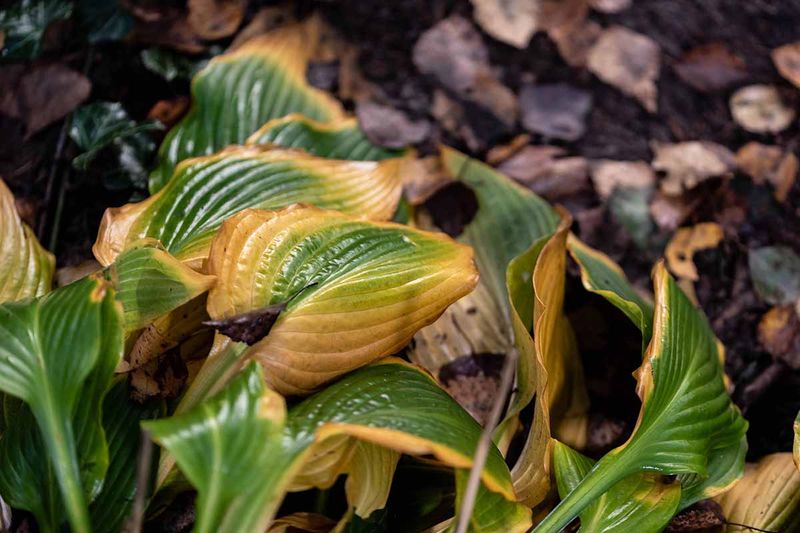
Even after watering and mulching, the job is not completely finished. Pennsylvania summers can be unpredictable, and heat waves sometimes stretch longer than expected.
Keeping a close eye on your hostas through August gives you a chance to step in before stress turns into serious damage.
Drooping leaves in the late afternoon are one of the first things to notice. Some wilting on very hot days is normal and does not always mean the plant is in trouble.
If the leaves perk back up by morning, the hosta is probably managing okay. But if they stay limp even after a cool night, the soil may be too dry and the roots are struggling to keep up.
Brown, crispy edges on the leaves are another warning sign. Some varieties are more sensitive than others, and those in spots with more sun exposure will show edge burn faster.
Yellowing leaves, especially across the whole plant rather than just the oldest ones, can also signal water stress combined with heat.
Get in the habit of checking the soil every few days during a hot stretch. Push a finger or a small trowel a few inches into the ground near the plant.
If the soil feels dry several inches down, it is time to water again. Do not wait for the leaves to look bad before acting.
Shrinking or curling foliage is a late-stage stress signal that means the plant has been struggling for a while. Catching things earlier makes recovery much simpler.
A little routine checking through the hottest weeks of summer keeps your hostas looking full, healthy, and vibrant all the way through the season.