Why Giant Joro Spiders Are Starting To Appear Around Georgia Homes This Summer
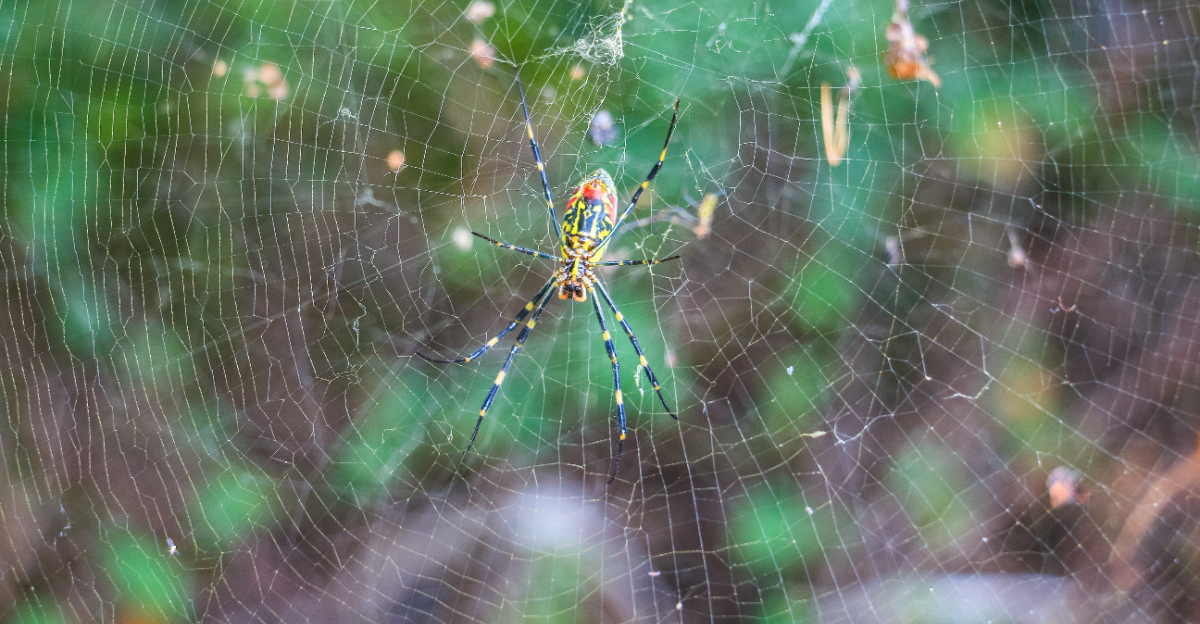
There are few things that make people stop in their tracks faster than spotting a spider that looks much bigger than expected. At first, you wonder if your eyes are playing tricks on you.
Then you take another look, and suddenly you are reaching for your phone to figure out exactly what you just found.
It is the kind of surprise that can turn an ordinary afternoon in the yard into the topic of conversation for the rest of the day.
That is happening to more homeowners this summer as unusual spider sightings become harder to ignore. In Georgia, the giant Joro spider has been catching attention because of its size, bright colors, and enormous webs.
Even people who normally pay little attention to spiders have started noticing them around porches, gardens, and nearby trees.
Before assuming the worst, it helps to understand why these eye-catching spiders are appearing more often and what their growing presence really means.
1. Warm Summer Weather Boosts Their Activity
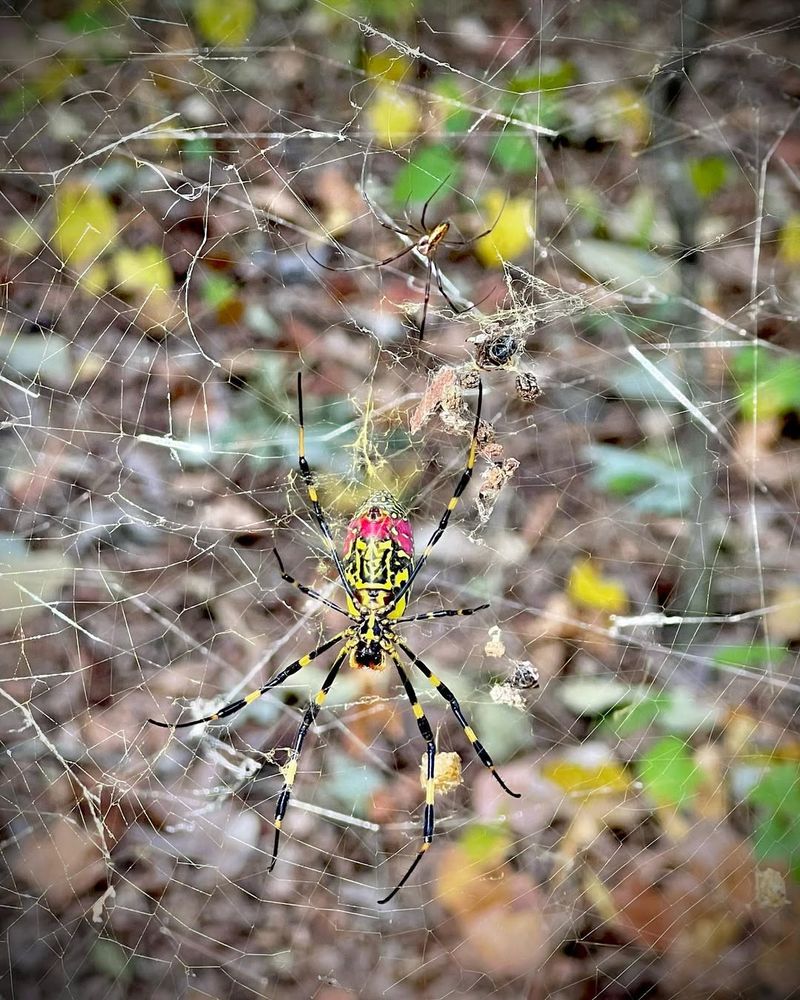
Warm summer temperatures support faster growth and increased activity.
As temperatures climb through June and July, these spiders grow faster, eat more, and spin webs at a rapid pace.
Joro spiders are cold-blooded, so warmer air speeds up every part of their biology. Feeding, growing, and reproducing all happen more quickly when the weather stays hot and humid.
Summers in the Southeast are long and steamy, which gives Joro spiders an extended window to mature and spread. By mid-summer, females reach their full size of about three inches across, including their legs.
Cooler springs can slow their development, but once heat sets in consistently, populations seem to explode almost overnight. Neighbors who saw just one or two spiders in May may find a dozen by August.
Humidity also plays a role. Moist air helps silk stay strong and sticky, making webs more effective at trapping flying insects.
A well-built web means a well-fed spider.
Hot nights matter too. Joro spiders are active after dark, repairing and expanding webs when temperatures stay warm through the evening.
Mild nights stretch their working hours significantly.
Watching the forecast can actually give you a rough idea of when activity will peak near your home. Stretches of consistently hot, humid weather usually bring the most visible spider activity in outdoor spaces.
2. Flying Insects Make Yards More Appealing
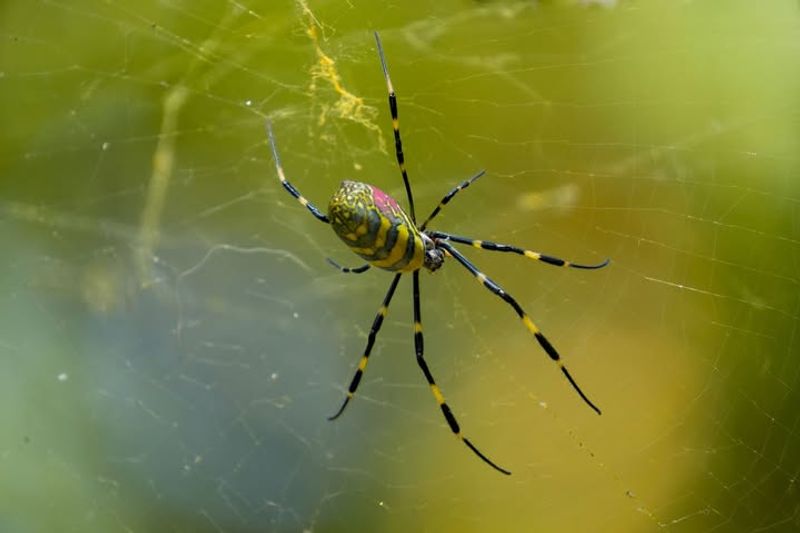
Wherever insects gather, Joro spiders will follow. Yards packed with mosquitoes, moths, gnats, and flies are basically open invitations for these large orb-weavers to move in.
Joro spiders eat almost any flying insect that blunders into their webs. Stink bugs are actually a favorite meal, which makes sense given how common those pests are across the region.
Standing water breeds mosquitoes, and mosquitoes attract spiders.
Bird baths, clogged gutters, and low spots in the yard that hold rainwater can all fuel the insect population that Joro spiders depend on.
Gardens with lots of flowering plants tend to attract more pollinators and flying beetles.
More insects in the air means more food available, which encourages spiders to stay and build permanent webs.
Your Georgia Garden Changes Every Week. Your Plan Should Too.
Gardening in Georgia changes quickly throughout the season. Every Friday you’ll receive a simple weekly plan showing exactly what to plant, prune, fertilize, harvest, and protect so you never miss the right timing.
Fruit trees and vegetable gardens can draw swarms of small flies and gnats, especially when fruit drops and begins to ferment on the ground. Spiders pick up on these insect concentrations quickly.
Reducing standing water and cleaning up fallen fruit can lower the insect count around your yard. Fewer insects in the air means less reason for a Joro spider to set up a web right outside your back door.
3. Remove Webs Before They Become Established
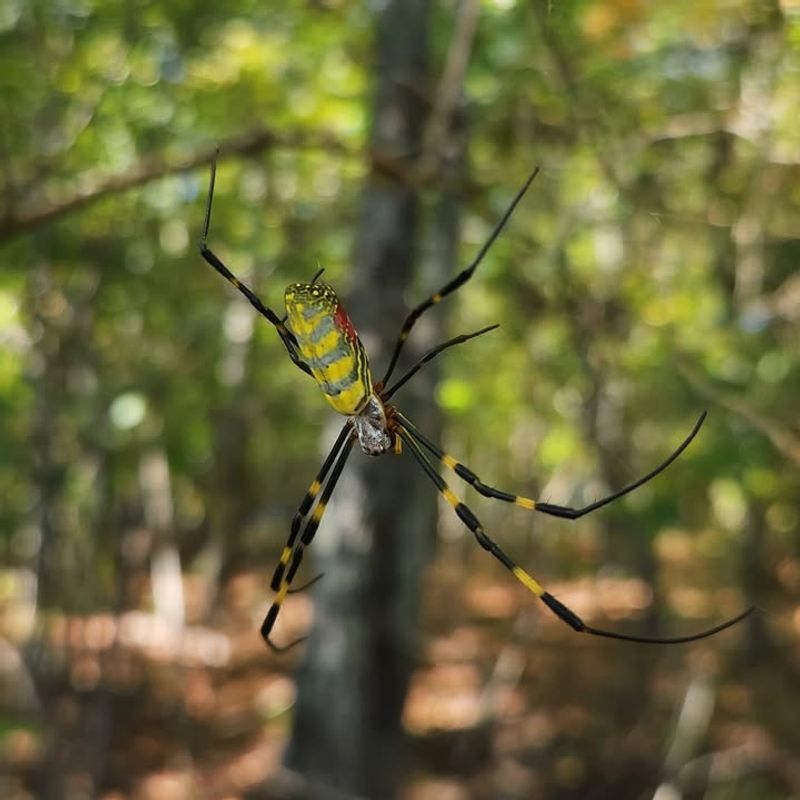
Speed matters when it comes to Joro webs. A spider that spins a web and catches a meal on the first night is likely to stay put and expand that web over the following days.
Removing webs early, before the spider settles in, is one of the most effective ways to discourage them from claiming a spot near your home.
A long-handled broom works well for this.
Webs are usually rebuilt overnight, so you may need to clear the same spot several days in a row. Persistence pays off.
Most spiders will eventually move to a less-disrupted location.
Morning is the best time to check for new webs.
Dew makes the silk easier to see, and spiders are less active during daylight hours, which makes the job simpler and safer.
Focus on corners, eaves, and spots where two structures meet. Joro spiders prefer anchoring their webs between stable points, so porch columns, fence posts, and tree branches near the house are common targets.
Wear gloves if you prefer, though Joro spiders are not known to bite without significant provocation. Still, gloves make the task more comfortable and keep sticky silk off your hands.
4. Trim Back Plants Touching Your Home
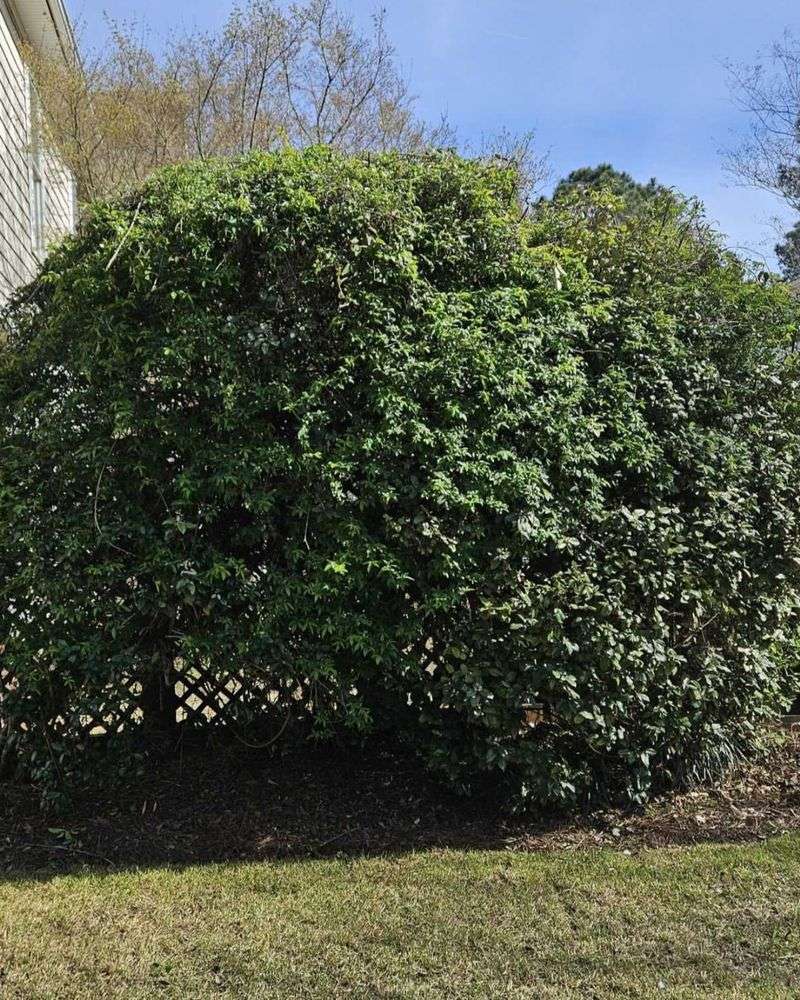
Overgrown shrubs pressed against your siding are basically a highway for spiders. Plants that touch or lean against your home create easy pathways from the yard directly to your walls and eaves.
Joro spiders love anchoring webs between vegetation and solid structures.
A bush growing close to a window frame or a vine climbing a porch post gives them exactly the kind of setup they prefer.
Keeping plants trimmed back at least a foot from the exterior of your home removes those natural bridges. It also improves airflow, which discourages the moist, shaded spots that insects love to cluster in.
Dense shrubs hold moisture and offer shelter for all kinds of small insects.
When insect populations build up inside thick plantings, spiders naturally move in close to take advantage of that food source.
Creeping vines along fences or trellises attached to the house are especially worth managing. Vines can spread quickly and create a thick, layered canopy that spiders find ideal for web placement.
Pruning does not need to be dramatic or time-consuming.
A quick pass with hedge trimmers every few weeks through the growing season can make a real difference in how many spiders settle near your walls.
5. Limit Outdoor Lights That Attract Insects

Bright outdoor lights are insect magnets. Moths, gnats, beetles, and flies swarm toward light sources at night, and Joro spiders have learned to position their webs right in the middle of that action.
Webs built near porch lights, flood lights, or decorative string lights catch an impressive number of insects each night. Spiders near active lights often grow noticeably larger than those in darker areas.
Switching to yellow or amber-tinted bulbs can reduce insect attraction significantly.
Warm-spectrum bulbs emit less ultraviolet light, which is the wavelength most flying insects are drawn to after dark.
Motion-activated lights are another practical option. Lights that only switch on when needed spend most of the night off, which limits the window of time insects have to congregate near your home.
Repositioning lights away from entry points also helps.
Mounting a light further from the door and angling it toward the entrance rather than directly over it keeps insects at a slight distance from where you walk in and out.
Garage lights and side-door fixtures are easy to overlook.
Check all exterior lights around your home, not just the front porch, since Joro spiders will set up webs wherever insect traffic is highest.
6. Clear Away Clutter Around Porches And Sheds
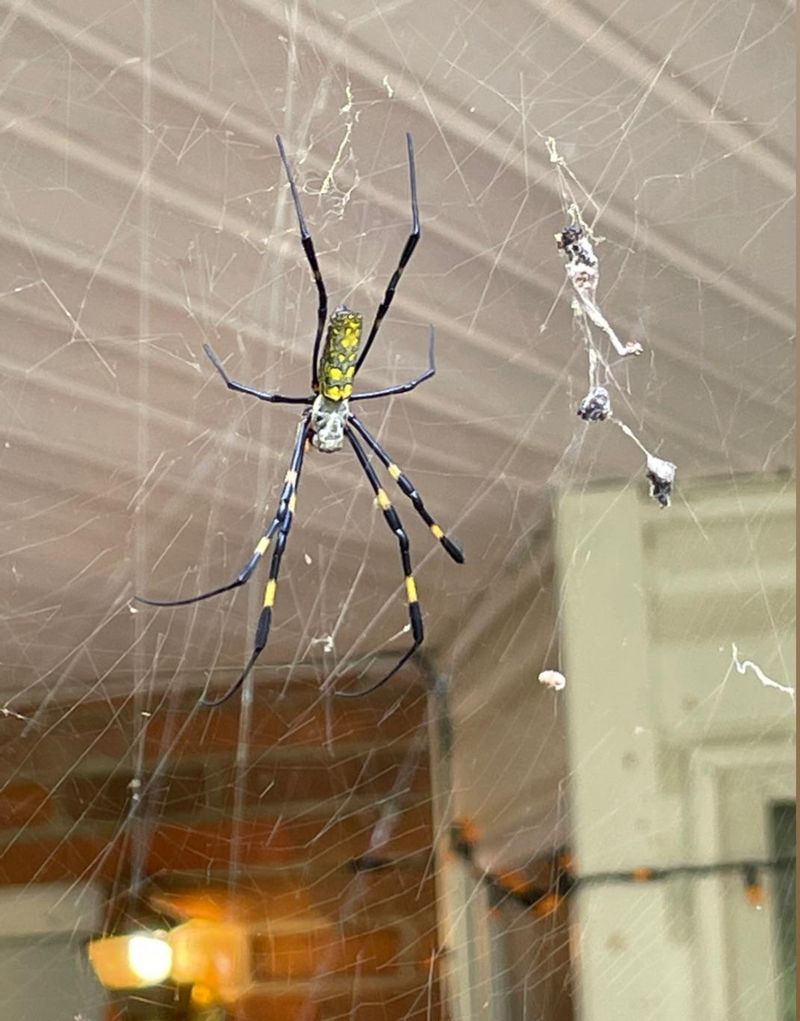
Clutter is a spider’s best friend. Stacked pots, old boards, unused furniture, and piled yard debris all create exactly the kind of sheltered, undisturbed environment that spiders seek out.
Joro spiders prefer spots where their webs will not be disturbed.
Cluttered areas near sheds, under decks, and beside porches give them plenty of stable anchor points with minimal foot traffic.
Clearing out items you no longer use is a straightforward first step.
Old lumber stacks, broken equipment, and rarely-moved storage items are common spots where spider populations quietly build up over the summer.
Stacked firewood sitting close to the house is another frequent trouble spot. Moving wood piles at least ten feet away from the structure reduces the number of spiders that migrate from the pile toward your home.
Organizing storage areas does not just reduce spiders. It also removes habitat for the insects that spiders feed on, cutting off two parts of the problem at once.
Even decorative items left out through summer can become web anchors.
Hanging planters, wind chimes, and outdoor decor placed near corners or eaves give Joro spiders ready-made framework for large webs.
A quick walkthrough of your yard every couple of weeks helps you catch clutter before it builds up.
7. Check Eaves And Porch Corners For New Webs
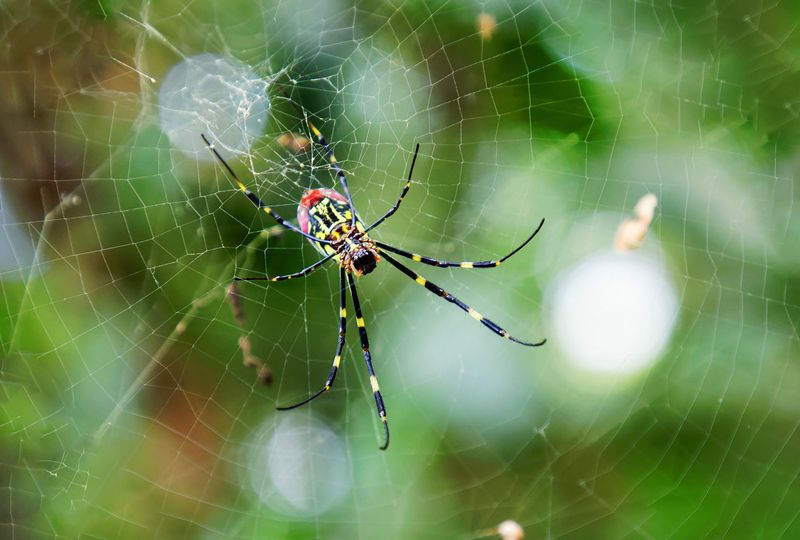
Eaves and porch corners are prime real estate for Joro spiders. Protected from wind and rain, these spots offer perfect conditions for building wide, long-lasting webs.
Checking these areas regularly is one of the simplest habits you can build during summer.
A quick visual scan every few days takes less than five minutes and lets you catch new webs before they become established.
Look up. Joro spiders often build webs higher than eye level, using the gap between the porch ceiling and the top of a nearby post or railing as their primary anchor.
Corners where two walls meet are especially popular. The right angle gives the spider two solid attachment points, and the sheltered position reduces the chance of the web being blown apart during afternoon storms.
Garage door frames, window overhangs, and the underside of deck stairs are also worth checking.
These spots share the same sheltered, stable qualities that make eaves so attractive to web-building spiders.
Once you know the favorite spots around your specific home, checking becomes fast and routine.
Most homeowners find that the same three or four locations get targeted repeatedly throughout the season.