The Underrated Texas Porch Plant That Makes Hummingbirds More Welcome All Season Long
If your Texas porch could use a little more life this season, and honestly, whose couldn’t, Autumn Sage might be exactly what you have been missing.
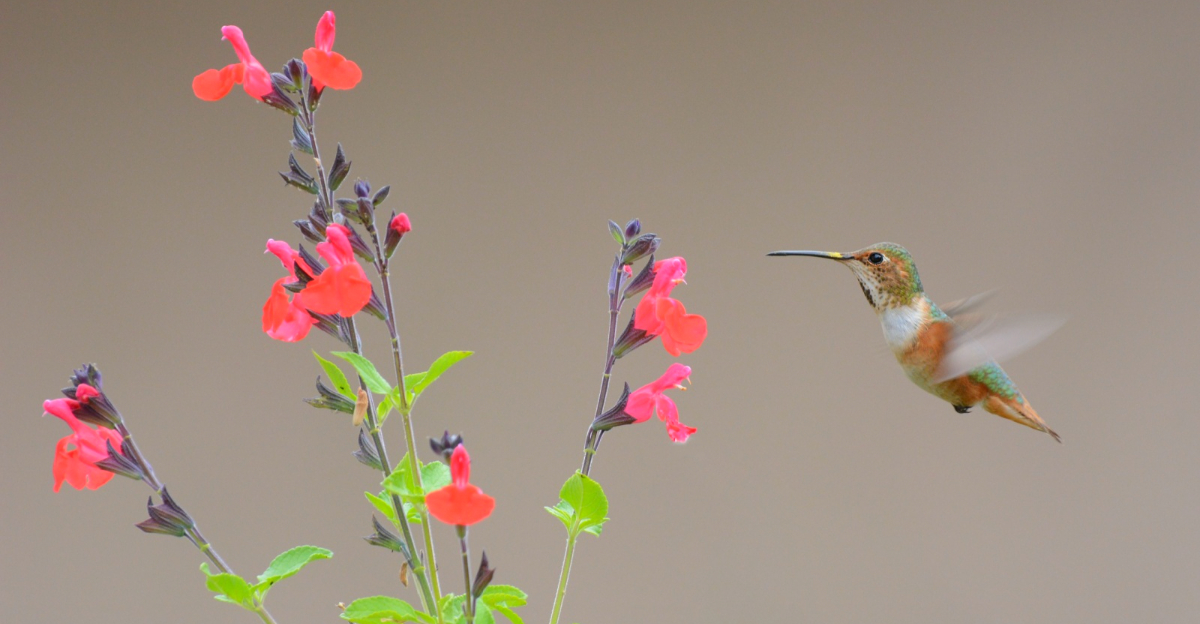
Known botanically as Salvia greggii, this native Texas plant produces tubular, nectar-rich flowers that hummingbirds find genuinely hard to resist from spring well into fall.
The best part is that it does all of this from a patio container, which means you get the color, the wildlife activity, and the satisfaction of watching hummingbirds work those blooms just a few feet from your favorite chair.
Now, no plant comes with a hummingbird guarantee, and Autumn Sage is no exception.
But with full sun, good drainage, light pruning, and a few smart companion plants nearby, it can become one of the most rewarding and hardworking additions to a hummingbird-friendly porch setup.
1. Autumn Sage Brings Tubular Blooms Close To The Porch
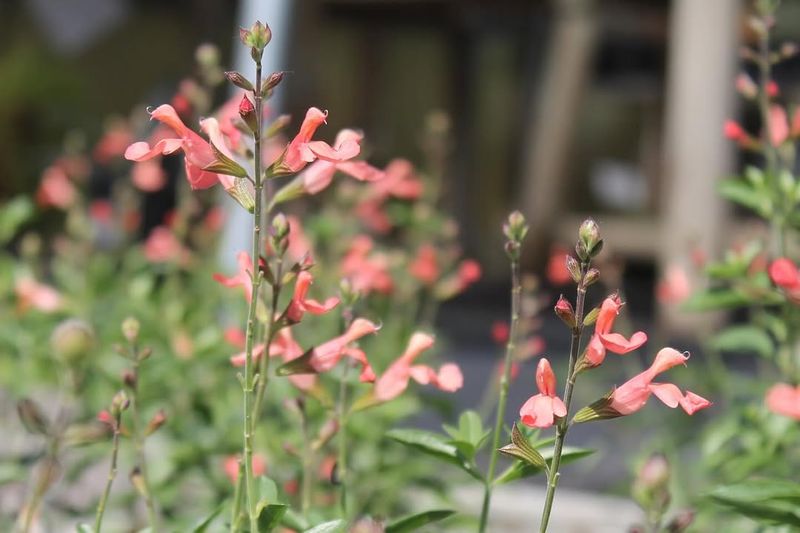
Picture a cluster of slender red tubes glowing just beside your porch chair, catching the afternoon sun along a Texas patio edge.
That image is exactly what Autumn Sage, or Salvia greggii, can offer when it is growing well in a container near your outdoor seating area.
The tubular shape of its blooms is not just pretty to look at. It also happens to match the long, curved bill of a hummingbird almost as if the two evolved with each other in mind, which in parts of Texas, they essentially did.
Salvia greggii is native to portions of Texas and northern Mexico, meaning it is already adapted to the kind of heat, sun, and dry spells that many Texas porches deliver naturally.
When placed in a pot on a sunny porch edge, the plant can stay compact while still producing enough flowers to attract attention from passing hummingbirds.
The blooms tend to grow in loose clusters along upright stems, making them easy to spot from a distance.
Having this kind of visual signal close to where you sit outdoors means you are more likely to notice a hummingbird when one does show up.
Many gardeners find that putting a flowering plant within a few feet of outdoor seating makes those quick hummingbird visits feel much more personal and rewarding than watching from across the yard.
2. Hummingbirds Are Drawn To Its Nectar-Rich Flowers
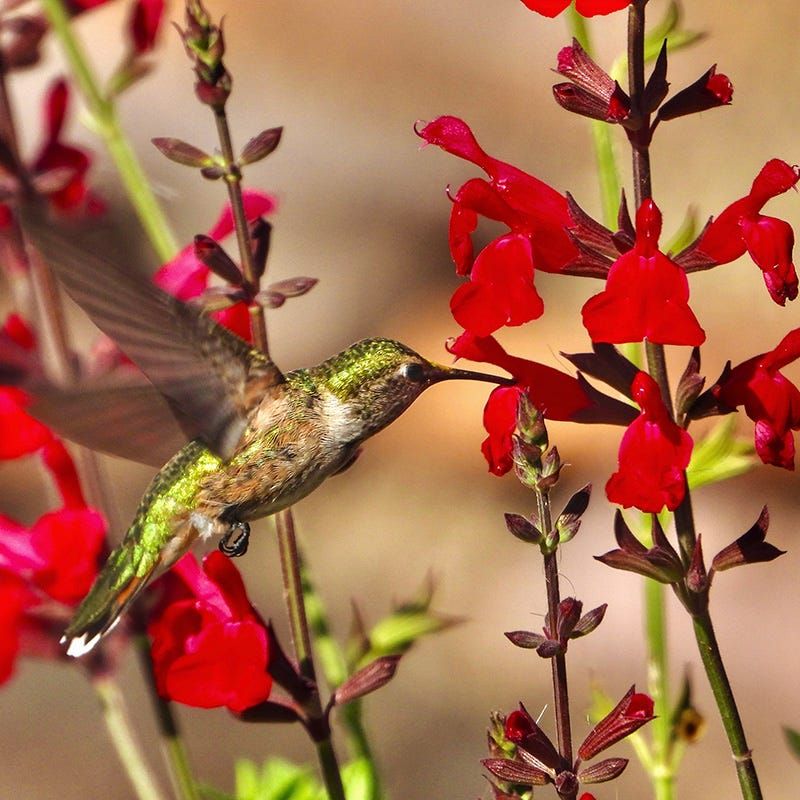
Watching a hummingbird hover just inches from a pot of Autumn Sage is one of those small moments that makes a Texas porch feel genuinely special.
Hummingbirds burn through energy at an extraordinary rate, which means they are constantly searching for reliable nectar sources throughout the day.
Tubular flowers like those on Salvia greggii tend to hold nectar in a way that suits a hummingbird’s feeding style, where the bird hovers briefly, inserts its bill, and moves on to the next bloom without landing.
Red and coral-colored varieties of Autumn Sage seem to catch hummingbird attention particularly well, though pink and salmon shades can also draw visits.
The plant produces multiple blooms per stem, so a single pot in good condition may offer several feeding opportunities during one visit.
Your Texas Garden Changes Every Week. Your Plan Should Too.
Gardening in Texas changes quickly throughout the season. Every Friday you’ll receive a simple weekly plan showing exactly what to plant, prune, fertilize, harvest, and protect so you never miss the right timing.
That kind of accessible, concentrated nectar source is part of what makes Salvia greggii worth trying on a Texas porch.
That said, hummingbird visits are never guaranteed by any single plant. Local hummingbird populations, migration timing, nearby competition from other nectar sources, and the overall health of the plant all influence how often birds show up.
Ruby-throated hummingbirds pass through much of Texas during spring and fall migration, while black-chinned hummingbirds are common summer residents in many Texas areas.
Placing a nectar-rich plant like Autumn Sage near your porch increases the chance that a passing bird will pause and take notice.
3. A Container Can Keep The Plant Near Outdoor Seating
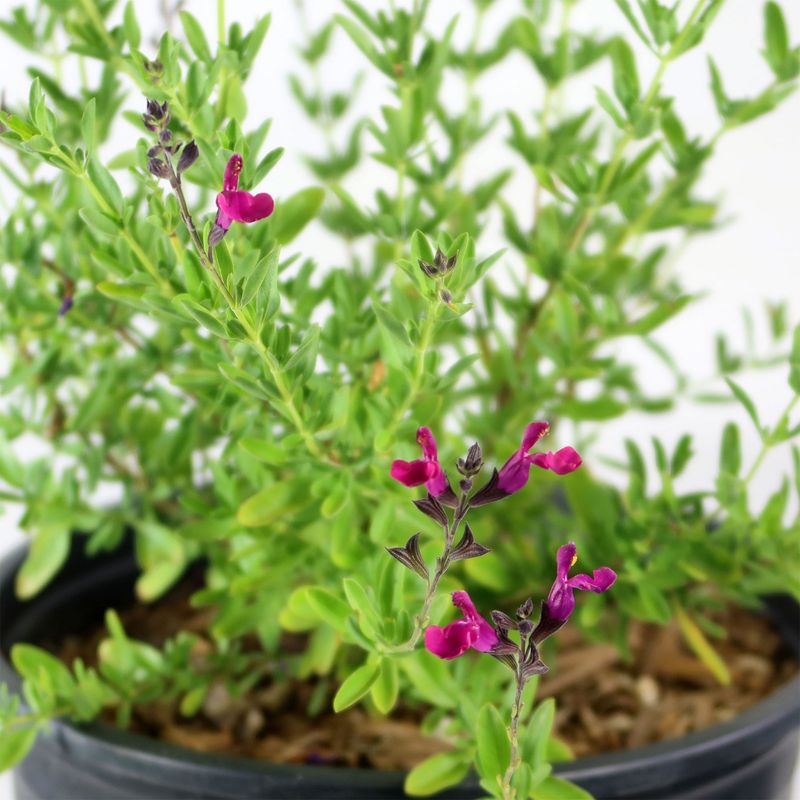
One of the most practical things about growing Autumn Sage on a Texas porch is that it adapts reasonably well to container life.
Not every plant thrives when moved from the ground into a pot, but Salvia greggii handles the transition better than many flowering shrubs.
A container also gives you control over placement, which means you can move the plant closer to outdoor seating during peak bloom times or shift it to a sunnier corner if it starts to look stretched and pale.
Choosing the right container size matters more than most people expect. A pot that is too small can restrict root growth and cause the plant to dry out faster than it should, especially during hot Texas summers.
A container in the range of ten to fourteen inches wide tends to give the roots enough room to establish without creating so much extra soil volume that moisture lingers too long between waterings.
Clay and terracotta pots work well for Autumn Sage because they allow some airflow through the walls, which helps prevent the soggy conditions the plant dislikes.
Lightweight resin containers are another option for balconies or upper-level porches where weight is a concern.
Wherever you place the pot, keeping it within easy view of your seating area means you will catch hummingbird visits as they happen rather than hearing about them from someone else who was standing in the yard.
4. Full Sun Helps Support Stronger Flowering
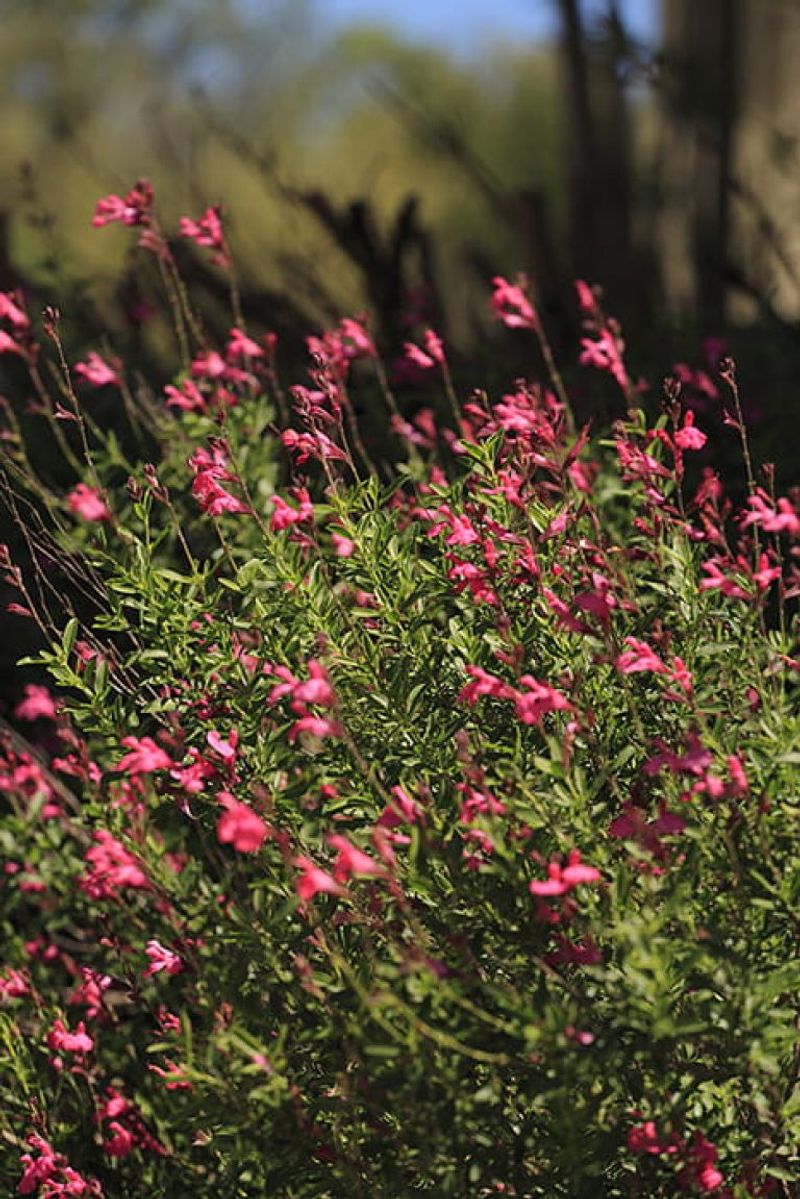
Sunlight is one of the most important factors in getting Autumn Sage to flower consistently on a Texas porch. The plant is native to sunny, open environments, and it tends to perform noticeably better when it receives at least six hours of direct sun each day.
Porches that face south or west often provide the kind of strong afternoon light that Salvia greggii seems to appreciate most, especially during the warmer months when hummingbird activity tends to be highest.
When Autumn Sage does not get enough sun, the stems can become leggy and stretched as the plant reaches toward light. Flowering may slow down or become sparse, which reduces the plant’s usefulness as a hummingbird nectar source.
If your porch is mostly shaded, a sunny patio edge, a south-facing railing, or even a spot just off the porch in direct sun may be a better location for the container.
Texas summers can push heat levels well beyond what many plants can handle comfortably, but Salvia greggii is generally more tolerant of intense heat than many ornamental plants from other regions.
That said, containers sitting on concrete or dark surfaces can heat up quickly and stress the roots even when the air temperature is manageable.
Raising the pot slightly off the ground or placing it where it gets morning sun with some afternoon shade during the hottest weeks can help the plant stay productive without struggling through the peak of summer heat.
5. Good Drainage Matters In Porch Pots
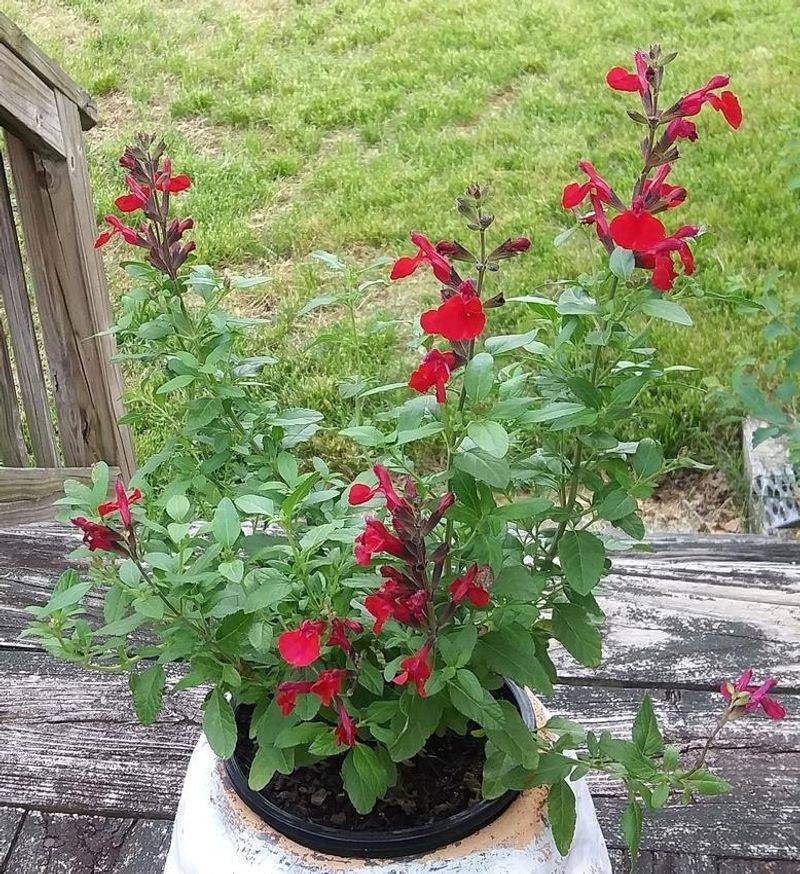
Water pooling at the bottom of a pot is one of the fastest ways to stress an Autumn Sage plant, and it is a problem that shows up more often than most Texas porch gardeners expect.
Salvia greggii grows naturally in rocky, well-drained soils in the wild, which means its roots are not built to sit in standing moisture for long periods.
A container without adequate drainage holes, or one filled with dense, heavy potting mix, can hold water around the roots in a way that slows the plant and reduces flowering over time.
Choosing a potting mix that drains quickly is worth the extra effort. A blend designed for cacti or succulents, or a standard potting mix amended with coarse perlite, tends to work better for Autumn Sage than a moisture-retaining formula.
The goal is soil that absorbs water during irrigation but releases it quickly so the roots can breathe between waterings.
Texas summers bring stretches of intense heat that can dry out containers faster than expected, so finding the balance between adequate moisture and good drainage takes some attention during the first season.
Watering thoroughly and then waiting until the top inch or two of soil feels dry before watering again is a reasonable starting approach.
Elevating the pot slightly on pot feet or a small stand also helps water flow freely from the drainage holes rather than backing up against a flat porch surface.
6. Light Pruning Can Refresh The Plant
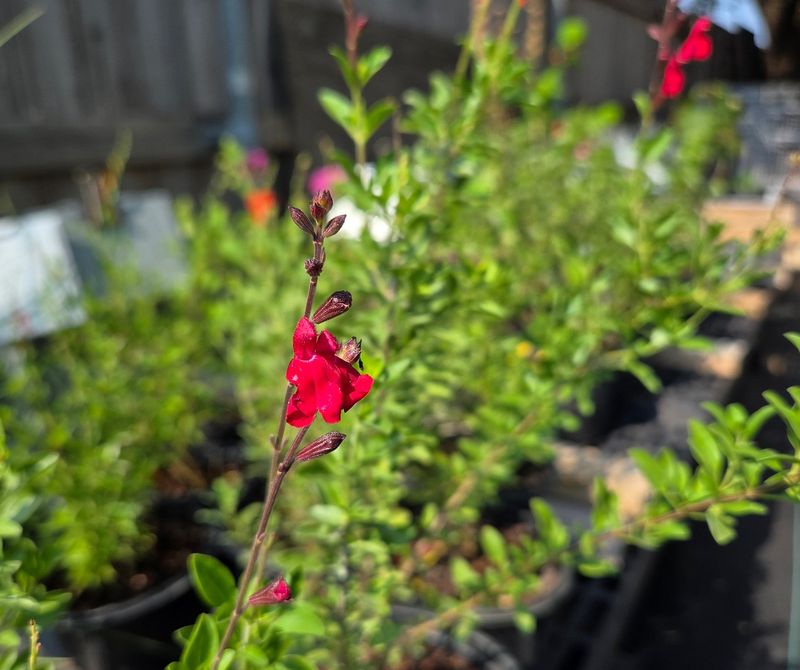
New growth emerging after a light trim is one of the more satisfying things about maintaining Autumn Sage on a Texas porch.
When the plant starts to look tired or when spent flower stems pile up without new buds following behind, a gentle pruning session can encourage a fresh flush of growth and blooms.
This is not about cutting the plant back severely. It is more about removing the oldest, woodiest stem tips and any spent flower stalks that are no longer contributing to the plant’s appearance or nectar output.
Salvia greggii tends to respond well to light shaping a few times during the growing season. Trimming back the top third of the stems after a bloom cycle slows can help redirect the plant’s energy toward producing new flowering shoots.
Some Texas gardeners find that doing this in late spring and again in late summer keeps the plant looking tidy and productive heading into the fall months when migrating hummingbirds may be passing through.
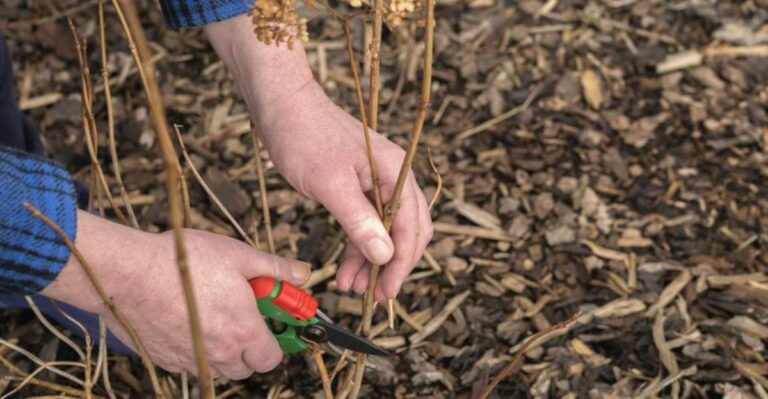
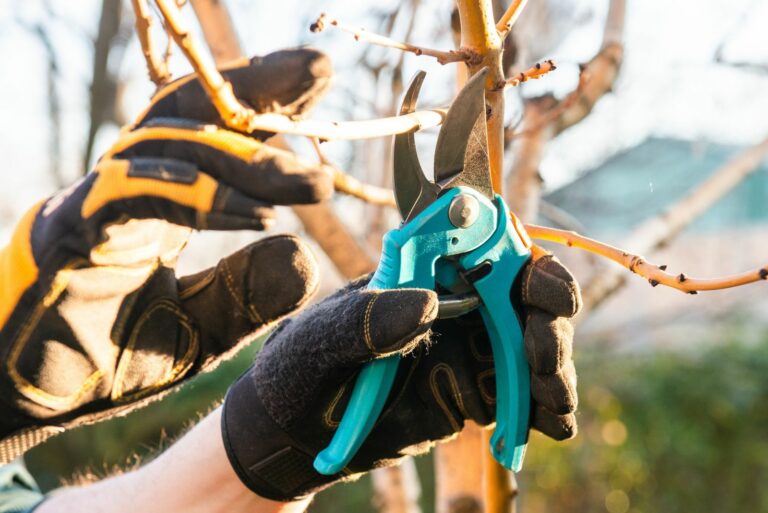
Using clean, sharp pruning shears makes the job easier and reduces the chance of tearing or crushing the stems. After pruning, giving the plant a thorough watering and making sure it is in a sunny spot helps speed up the recovery process.
Within a few weeks under good conditions, new stems should be visible and fresh buds may follow shortly after.
Consistent light pruning over time tends to keep porch container plants more compact and floriferous than leaving them untouched season after season.
7. Bloom Timing Can Stretch From Spring Into Fall
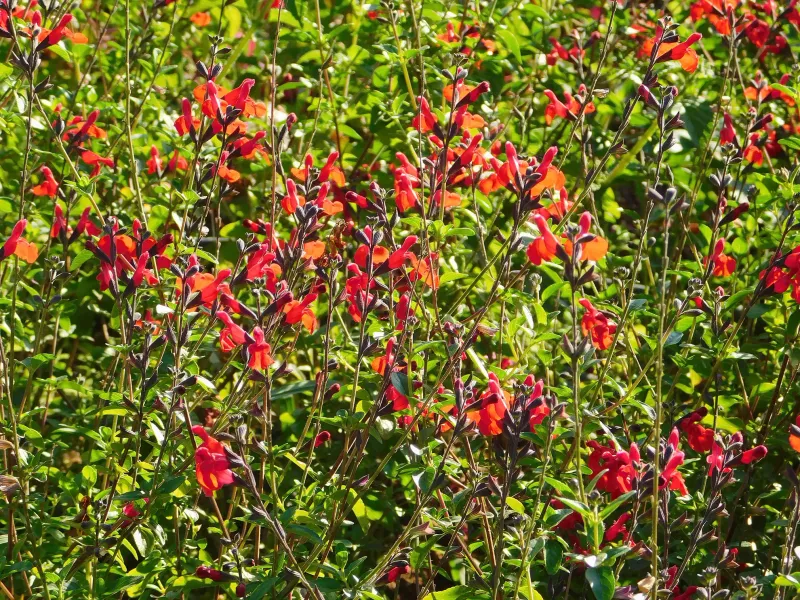
Blooms returning after a mid-season pause are one of the reasons Texas gardeners keep coming back to Autumn Sage year after year.
Unlike plants that flower intensely for a few weeks and then go quiet, Salvia greggii has the potential to produce multiple bloom cycles between spring and fall when growing conditions stay reasonably favorable.
That extended window is especially useful for gardeners who want to support hummingbird visits across more of the growing season rather than just during one short stretch.
Spring is often when the plant puts on its first strong show, with blooms appearing as temperatures warm and day length increases.
Flowering may slow during the most intense heat of a summer, particularly in July and August, but it often picks back up as temperatures ease into September and October.
That fall rebound can coincide with the southward migration of ruby-throated hummingbirds moving through Texas, making a pot of blooming Autumn Sage on the porch a potentially well-timed offering.
Bloom timing and consistency depend on several variables, including container size, sun exposure, watering habits, and whether the plant receives light pruning to stimulate new growth.
Not every season produces the same results, and Texas weather can shift quickly enough to interrupt a bloom cycle unexpectedly.
Treating the bloom potential as a likely possibility rather than a certainty helps set realistic expectations while still giving the plant a fair chance to perform across the season.
8. Hummingbird Habitat Still Needs More Than One Plant
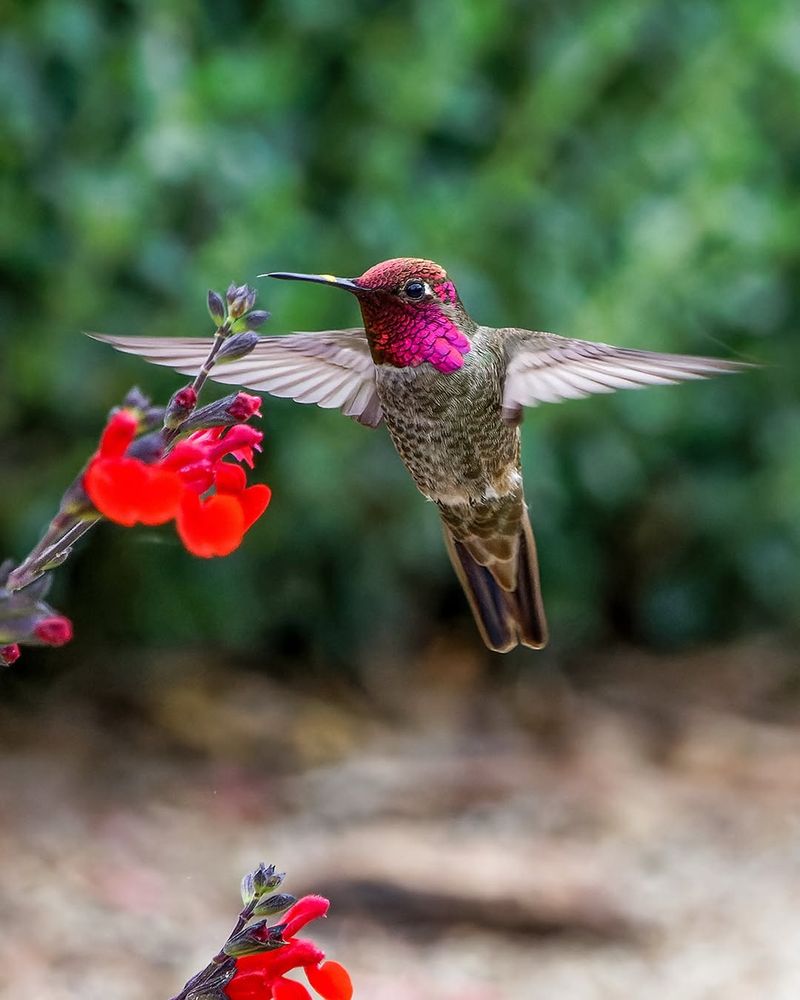
Many gardeners discover fairly quickly that a single pot of Autumn Sage, while useful, works better as part of a broader hummingbird-friendly setup than as a standalone solution.
Hummingbirds are territorial and opportunistic, and they tend to favor spaces that offer multiple nectar sources, safe perching spots, and minimal disturbance from foot traffic, loud sounds, or pesticide use nearby.
Building that kind of environment around a Texas porch takes a bit of planning but does not require a large yard or an elaborate garden.
Pairing Autumn Sage with other native or nectar-rich plants can extend the range of bloom times and flower shapes available to visiting hummingbirds.
Texas natives like Turk’s cap, coral honeysuckle, and standing cypress each offer tubular blooms that hummingbirds tend to visit.
Mixing a few of these into containers or nearby beds creates a more layered and reliable food source than any single plant can provide on its own.
Beyond nectar plants, hummingbirds also benefit from nearby small trees or shrubs where they can perch and rest between feeding sessions.
Reducing or eliminating pesticide use near porch containers helps protect the tiny insects that hummingbirds also rely on for protein, especially during nesting season.
A shallow water feature nearby can add another layer of habitat value.
Thinking of your Texas porch as one small piece of a larger hummingbird-friendly environment tends to produce better results than focusing all attention on a single plant, no matter how well it blooms.