Why Black Spots Are Appearing On Georgia Rose Leaves This Summer
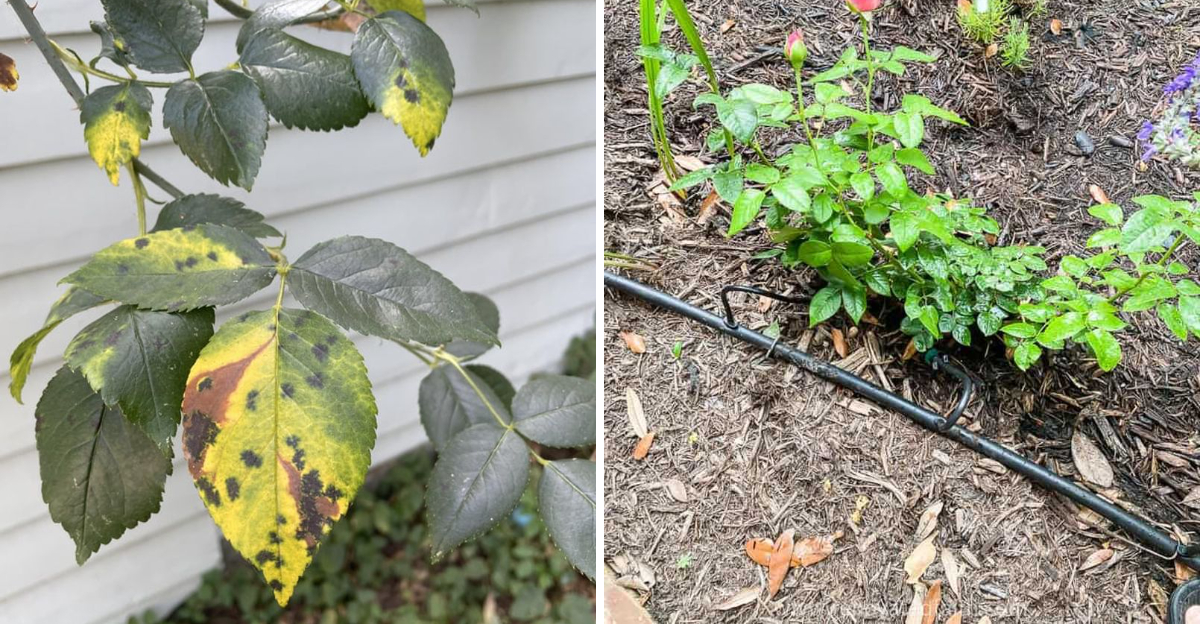
Black spots have a way of appearing almost overnight. Your rose bush can look healthy, full of fresh green leaves and colorful blooms, then suddenly you notice dark marks spreading across the foliage.
It is easy to blame the summer heat or think the plant simply needs more water, but those spots often point to a much more specific problem.
In Georgia, warm temperatures, frequent rain, and high humidity create ideal conditions for black spot. The disease spreads quickly once it takes hold.
Early action makes a big difference. Remove affected leaves promptly and avoid wetting the foliage whenever possible.
Water at the base instead of from above. Good airflow also helps leaves dry faster after rain or watering.
With a little attention, your roses can keep blooming longer.
1. Black Spot Is The Most Common Summer Cause
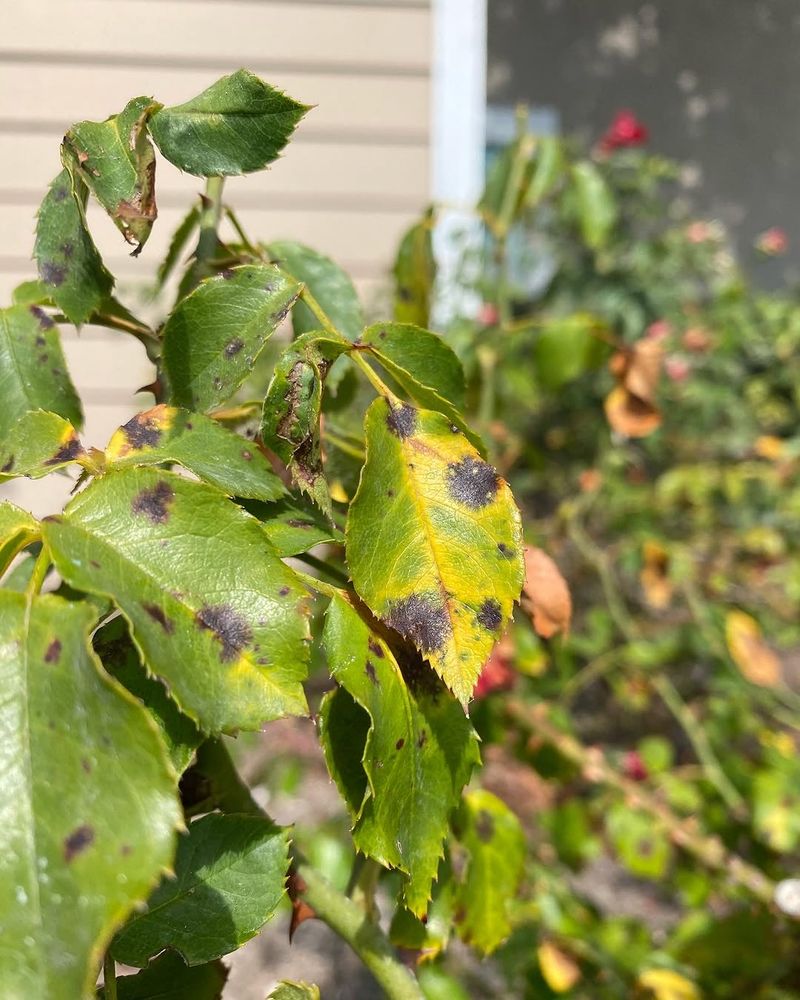
Black spot does not announce itself quietly. One day your rose looks fine, and the next morning you notice dark, circular patches spreading fast across the foliage.
Black spot is a fungal disease caused by Diplocarpon rosae. It thrives in warm, wet conditions, which makes summer in the Southeast almost ideal for an outbreak.
Spots usually start small and round. They have ragged or fringed edges, and the leaf tissue around them often turns yellow before the leaf drops off.
Once the fungus lands on a leaf, it needs moisture to germinate. Even a short period of wetness on the leaf surface is enough to get an infection started.
Spores spread through splashing water. Rain, sprinklers, and even heavy dew can carry spores from one leaf to another within seconds.
A single infected leaf left on the ground can release thousands of spores. Those spores wait for the next wet period and start the cycle over again.
Catching black spot early gives you a real advantage. Remove spotted leaves right away and avoid leaving debris near the base of the plant.
Fungicide sprays can slow the spread when applied consistently.
Look for products containing chlorothalonil or myclobutanil, and follow label directions carefully for best results.
2. Overhead Watering Can Make The Problem Worse
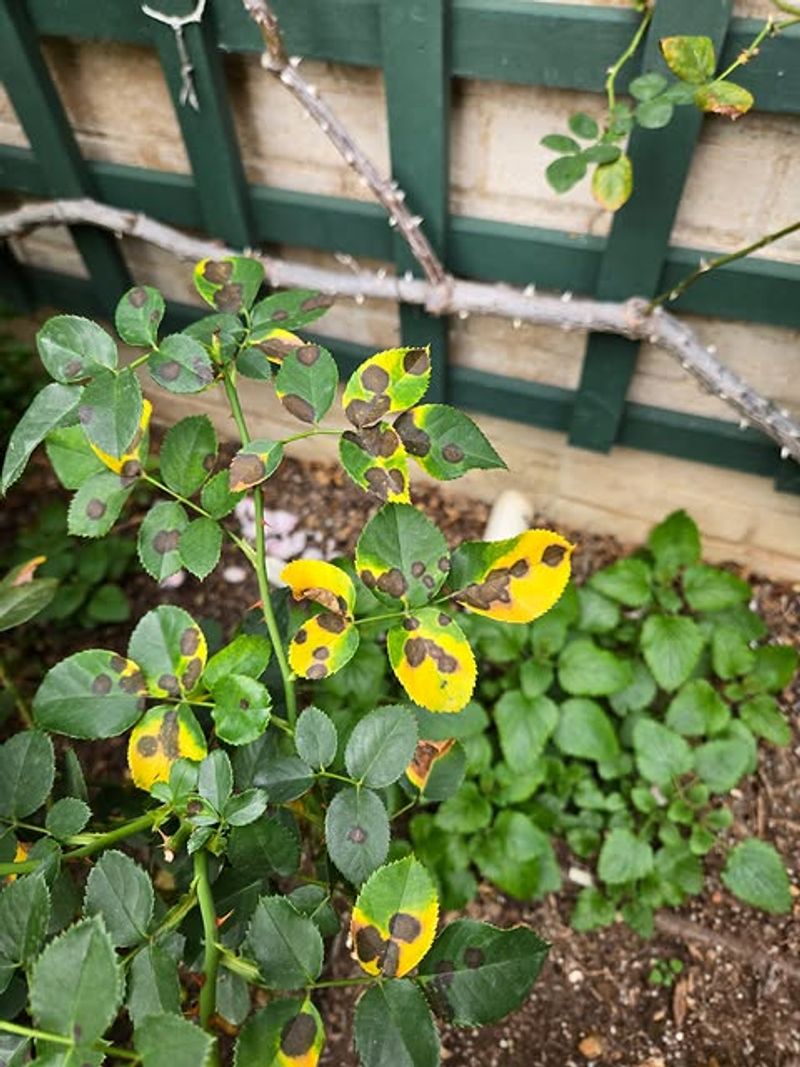
Watering from above feels natural, but it can quietly fuel fungal problems all summer long.
When water hits rose leaves directly, it creates a wet surface that fungal spores love. Moisture sitting on foliage for even a short time gives spores a chance to germinate and spread.
Sprinklers are one of the biggest culprits. Rotating heads that spray up and over the plant coat every leaf, stem, and bud with water at once.
Evening overhead watering is especially risky. Leaves stay wet through the night because there is no afternoon sun to dry them off quickly.
Morning watering is slightly better than evening. At least the sun has a chance to dry foliage before temperatures drop and dew sets in at night.
Still, even morning overhead watering adds unnecessary moisture to leaves. Switching your method entirely gives your roses a much better shot at staying clean.
Soaker hoses and drip lines deliver water straight to the root zone. Leaves stay completely dry, which removes one of the main conditions that fungal disease needs to spread.
Your Georgia Garden Changes Every Week. Your Plan Should Too.
Gardening in Georgia changes quickly throughout the season. Every Friday you’ll receive a simple weekly plan showing exactly what to plant, prune, fertilize, harvest, and protect so you never miss the right timing.
Hand watering at the base with a wand works just as well. Point the flow low, keep it slow, and let the soil absorb without splashing up onto the stems or lower leaves.
3. Poor Airflow Leaves Foliage Damp Longer
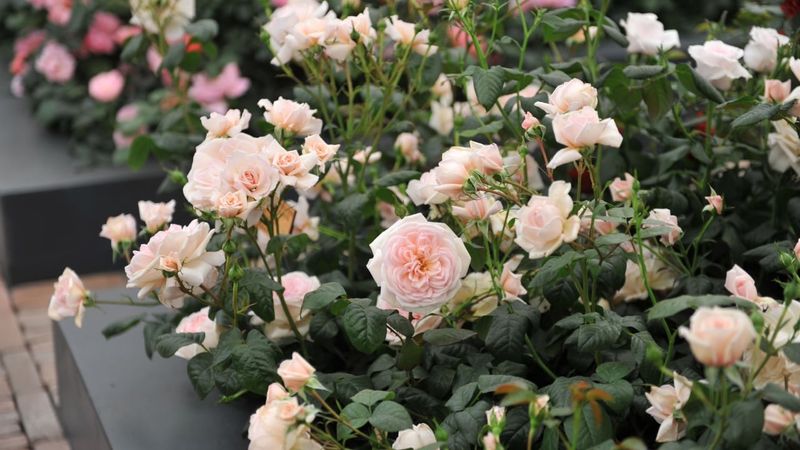
Roses planted too close together create their own problems. When leaves overlap and branches crowd each other, air barely moves through the canopy at all.
Stagnant air means moisture lingers on leaf surfaces much longer than it should. That extended wetness gives fungal spores exactly the window they need to take hold.
Spacing matters more than most gardeners realize. A rose planted with room to breathe dries off faster after rain or irrigation, and that alone can reduce disease pressure significantly.
Pruning also plays a big role in airflow. Crossing branches, damaged wood, and dense interior growth all block air movement through the plant.
Thinning out the center of the bush opens it up.
Air circulates more freely, leaves dry faster, and the overall environment becomes less hospitable to fungus.
Fences, walls, and dense hedges planted right behind roses can trap humid air around the plants. Moving roses to more open spots makes a noticeable difference.
In Georgia, summer humidity is already high on its own. Any extra moisture trapped around foliage from poor spacing compounds the problem quickly.
Giving roses at least three feet of space on all sides is a reasonable starting point.
More space is always better when humidity and summer rain are regular concerns in your area.
4. Remove Affected Leaves Before Spots Spread
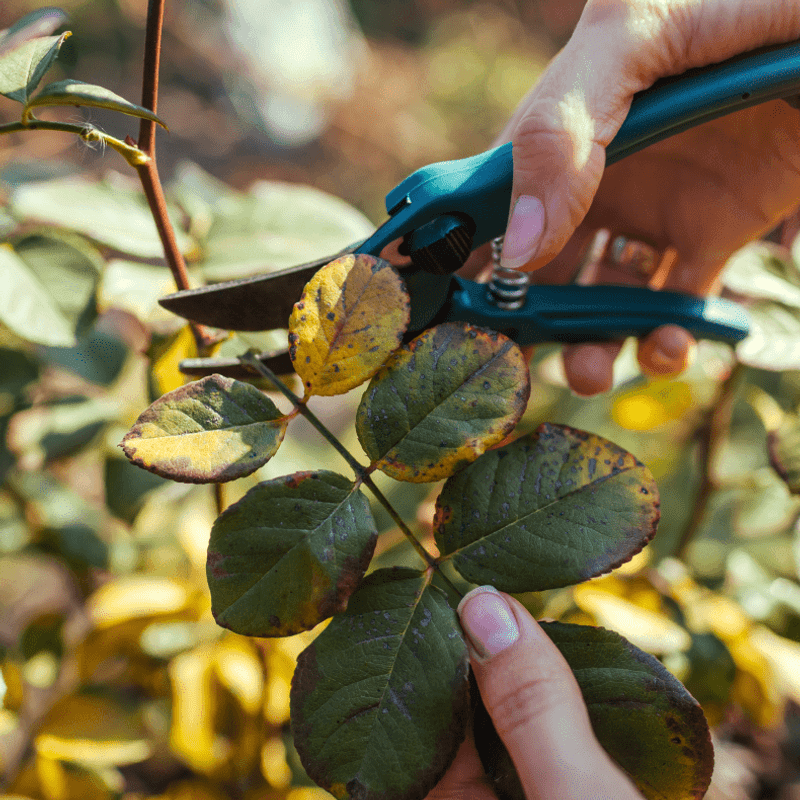
Spotted leaves are not just an eyesore. Every infected leaf left on the plant or dropped on the soil is a live source of fungal spores ready to spread.
Remove affected leaves as soon as you spot them. Pull them off cleanly by hand and drop them straight into a bag or bin without shaking them around the garden.
Do not compost diseased leaves. Standard home compost piles rarely get hot enough to break down fungal spores completely, so infected material can reinfect your garden next season.
Fallen leaves on the ground matter just as much. Spores from dropped foliage splash back up onto the plant during rain or watering and restart the infection cycle quickly.
Clean up the soil surface around your roses regularly. Raking away leaf litter and debris removes a major reservoir of spores sitting right at the base of the plant.
After removing leaves, wash your hands or gloves before touching other plants. Spores transfer easily on skin, tools, and clothing without you even noticing.
Disinfecting pruning tools between plants is worth doing.
Consistent removal slows the disease cycle noticeably. It is one of the simplest and most effective things you can do without spending money on sprays or treatments.
5. Water At The Base To Keep Leaves Drier
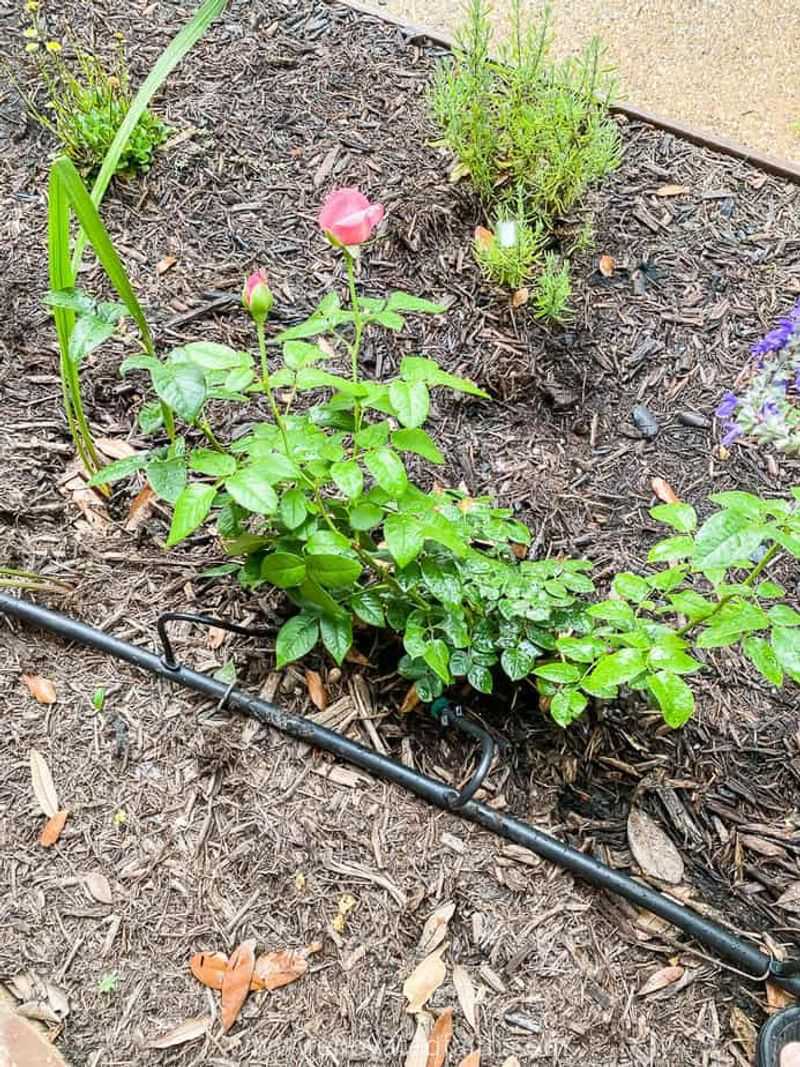
Where you put the water makes a real difference. Keeping moisture off the foliage is one of the most practical steps you can take against summer fungal disease.
Soaker hoses are one of the easiest tools for this. Run them along the base of your rose beds and let water seep slowly into the soil right where the roots need it.
Drip irrigation works the same way. Emitters placed near the root zone deliver consistent moisture without ever touching the leaves, stems, or flowers above ground.
Hand watering with a long wand is another solid option. Angle the wand low, aim at the soil, and keep water from bouncing off hard surfaces and splashing up onto the plant.
Watering in the morning gives any accidental splash time to dry before evening. Cooler nights and rising humidity after sunset make wet foliage much more vulnerable to infection.
Mulch around the base of each plant helps too. A two to three inch layer slows evaporation, keeps roots cooler, and reduces soil splash during rain or watering events.
Consistent soil moisture also matters. Roses under drought stress are more vulnerable to disease and pests, so steady, deep watering at the root zone supports overall plant health.
Small changes in watering habits can have a big impact over an entire growing season when applied consistently every week.
6. Warm Humid Weather Speeds Up Black Spot
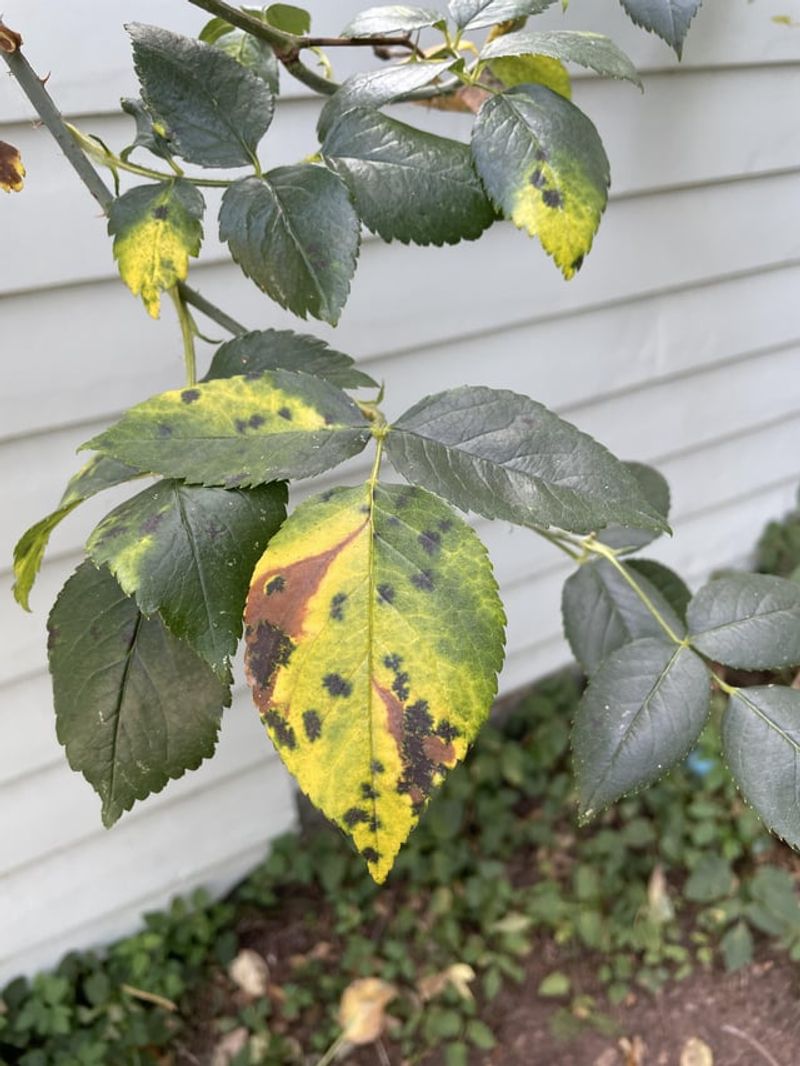
Hot, sticky summers are practically a trademark of the Southeast, and black spot absolutely thrives in that kind of weather.
Fungal spores germinate faster when temperatures sit between 65 and 85 degrees Fahrenheit. That range covers most of a Georgia summer without much of a break.
Humidity adds fuel to the process. When the air is already saturated with moisture, leaf surfaces stay damp longer even without any rain or watering.
Nights rarely cool down enough to reduce humidity significantly during peak summer months. Leaves stay coated in a thin layer of moisture from dusk until well after sunrise.
That extended dampness is all the fungus needs. Infection cycles can complete in as little as seven hours under ideal warm, wet conditions.
Back-to-back rainy days speed things up even more. Spore counts spike after rain events, and new infections can appear within days of a wet stretch.
Preventive fungicide applications matter most during humid stretches. Waiting until you see spots means the infection is already established and much harder to slow down.
Staying ahead of the weather helps. Check local forecasts and apply protective sprays before a wet period arrives rather than scrambling to respond after spots have already appeared across your plants.
7. Choose Disease Resistant Varieties For Fewer Problems
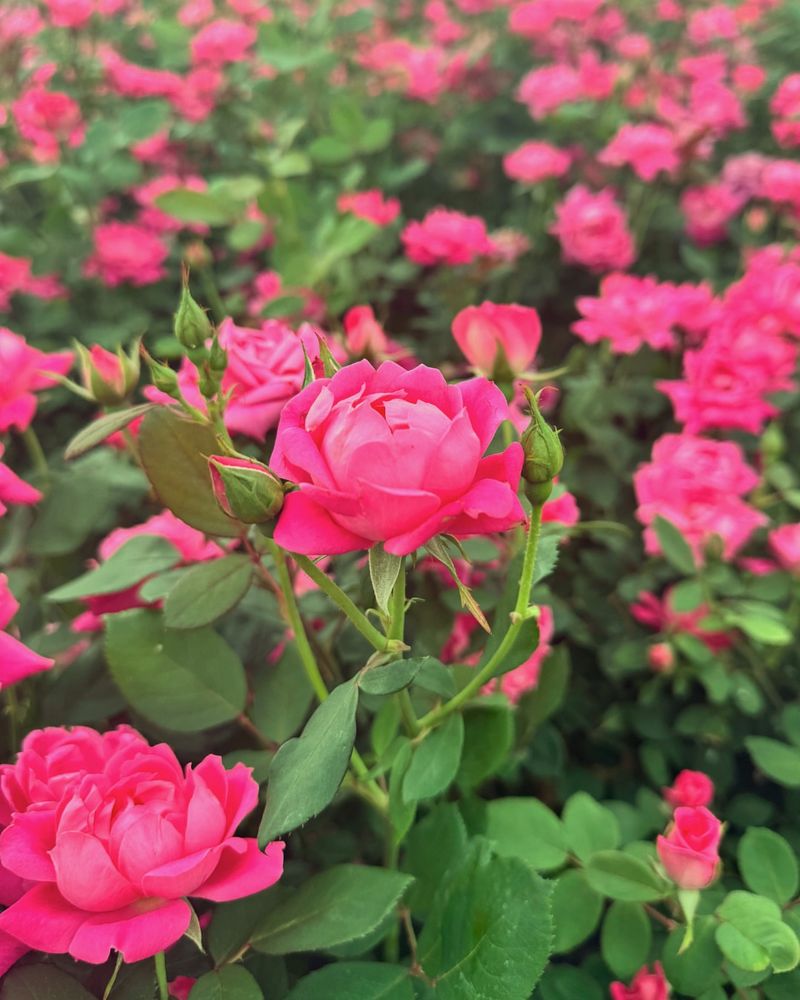
Not every rose struggles equally with black spot. Variety selection is one of the most powerful tools available to any gardener trying to reduce disease pressure from the start.
Modern disease-resistant roses have been bred specifically to handle the warm, humid conditions common across the Southeast. Many of them carry strong natural resistance to black spot and other fungal issues.
The Knock Out rose series is one of the most widely recommended options for Southern gardens. Plants in this series show strong resistance to black spot and rebloom reliably through the hottest months.
Drift roses are another solid choice. Compact and low-maintenance, they hold up well in humid conditions and rarely need intensive spray programs to stay clean and healthy.
Carefree Beauty and Carefree Wonder are older varieties that still perform well. Both show good resistance to black spot and have been tested across a wide range of climates over decades.
When shopping for roses, look for tags or descriptions that specifically mention disease resistance. Not every rose labeled as easy-care will hold up well in high-humidity environments.
Local nurseries in Georgia often stock varieties suited to regional conditions. Staff can point you toward options that have performed reliably in the local climate rather than plants better suited to drier regions.
Starting with the right plant cuts down on maintenance time and frustration throughout the entire growing season.