The One Thing You Must Do To Ohio Cucumbers In July For A Bigger Harvest
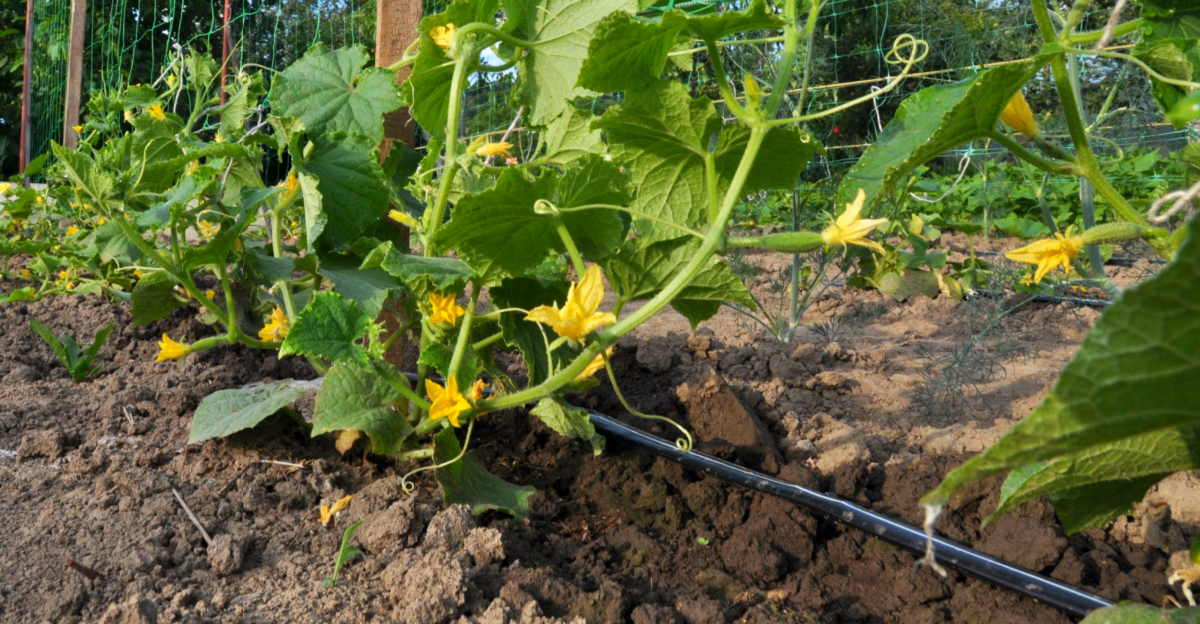
July is when Ohio cucumber vines decide exactly how serious they are about producing, and the answer depends almost entirely on what you do in the next few weeks.
The heat picks up fast, the soil dries out between waterings, and the vines are flowering, setting fruit, and trying to keep up with it all at the same time.
It is a lot. Ohio gardeners who stay on top of things during July, watering consistently, mulching well, picking regularly, and keeping an eye out for trouble, tend to end up with far more cucumbers than those who cross their fingers and check back in August.
Steady soil moisture is the biggest piece of the puzzle, but it works best as part of a simple routine that keeps the whole vine happy and productive.
1. Keep Soil Moisture Consistent
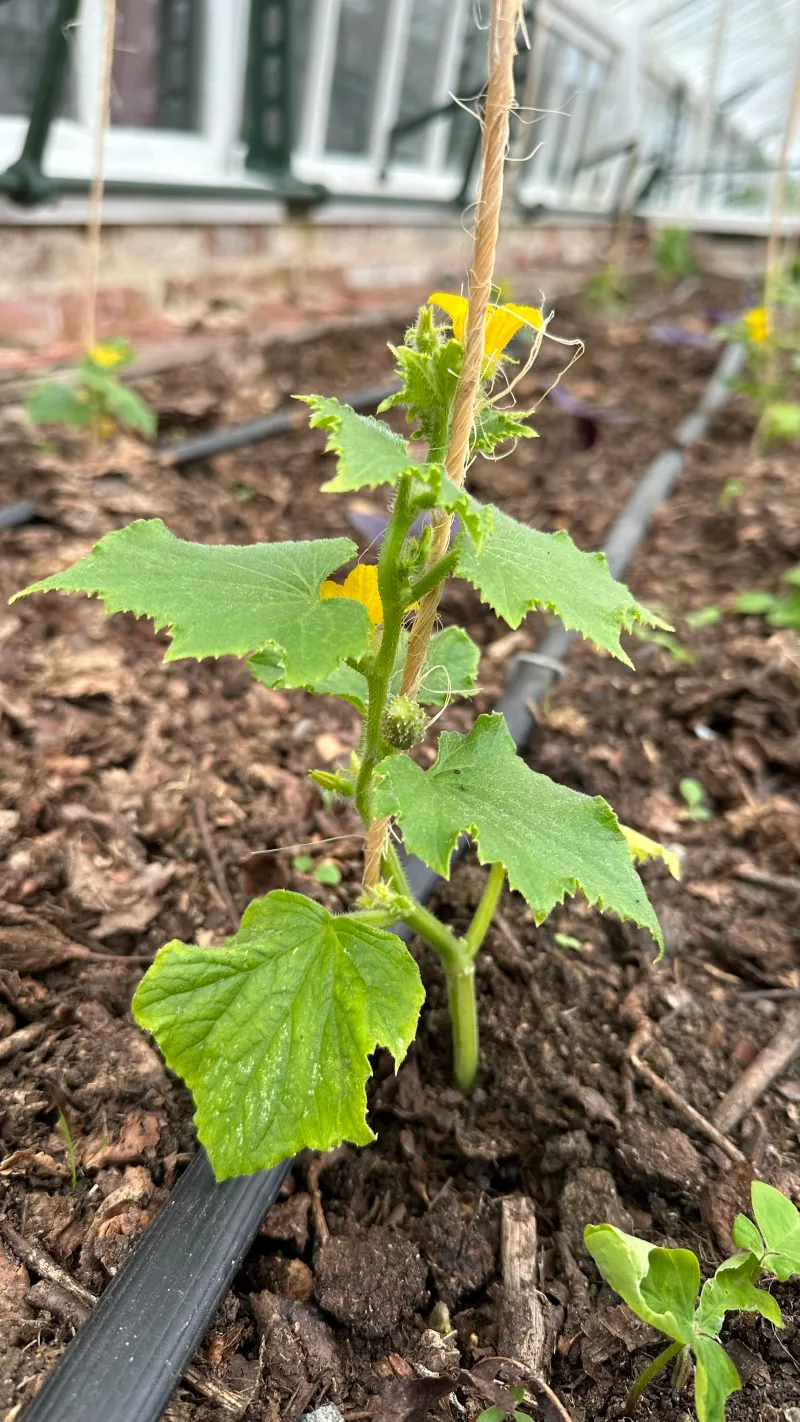
Uneven watering is one of the most common reasons Ohio cucumber vines slow down or produce bitter, oddly shaped fruit during July.
When the soil swings between soaking wet and bone dry, the plant struggles to move water and nutrients up through the vine at a steady pace.
That stress shows up fast in the fruit.
Cucumbers are mostly water by nature, so the plant depends on consistent soil moisture from the moment flowers open through the time fruit matures.
During Ohio’s hot July weather, that window can feel short because the sun pulls moisture out of the soil quickly.
Raised beds and sandy soils tend to dry out even faster than in-ground garden plots.
A good goal is to keep the top six to eight inches of soil evenly moist without letting it become waterlogged. Soggy roots are just as harmful as dry ones, really.
Checking the soil with a finger or a simple moisture meter before reaching for the hose helps gardeners avoid overwatering.
Building a steady watering routine early in July makes it much easier to keep vines producing through the rest of the summer growing season in Ohio.
2. Water Deeply During Dry July Weather
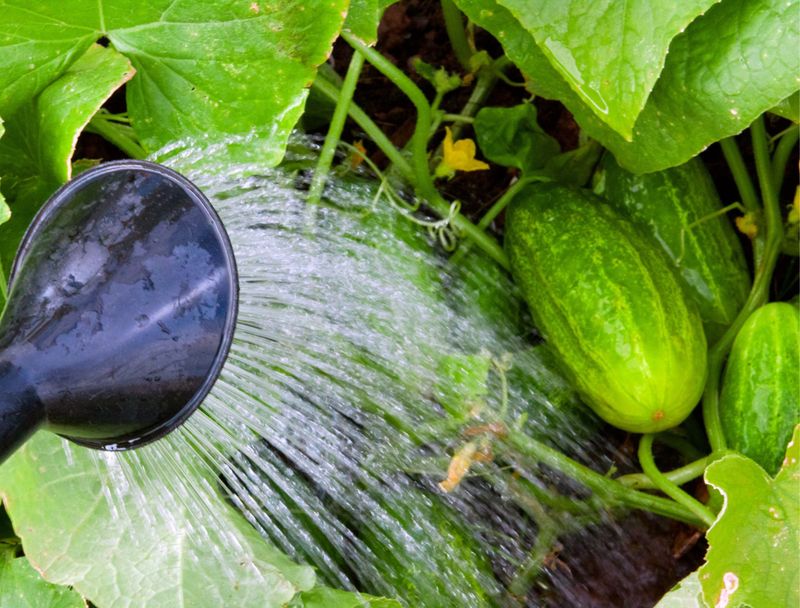
Shallow watering during Ohio’s dry July spells does more harm than most gardeners realize. When only the top inch or two of soil gets wet, roots stay close to the surface where they are exposed to heat and dry air.
Over time, shallow-rooted plants become less stable and far more sensitive to any dry stretch.
Deep watering encourages roots to grow further down into the soil where moisture lasts longer and temperatures stay a bit cooler.
Aiming for about one to two inches of water per week is a reasonable target for Ohio cucumber beds in July, though actual needs vary depending on soil type, sun exposure, and how hot the weather gets.
Watering slowly at the base of the plant gives the soil time to absorb moisture rather than letting it run off across the surface. A soaker hose or drip line works well for this because the water moves directly to the root zone without splashing up onto leaves.
Your Ohio Garden Changes Every Week. Your Plan Should Too.
Gardening in Ohio changes quickly throughout the season. Every Friday you’ll receive a simple weekly plan showing exactly what to plant, prune, fertilize, harvest, and protect so you never miss the right timing.
Hand watering with a wand works fine too as long as the gardener takes enough time to let the water soak in rather than rushing through the bed.
3. Check Soil Before Vines Wilt
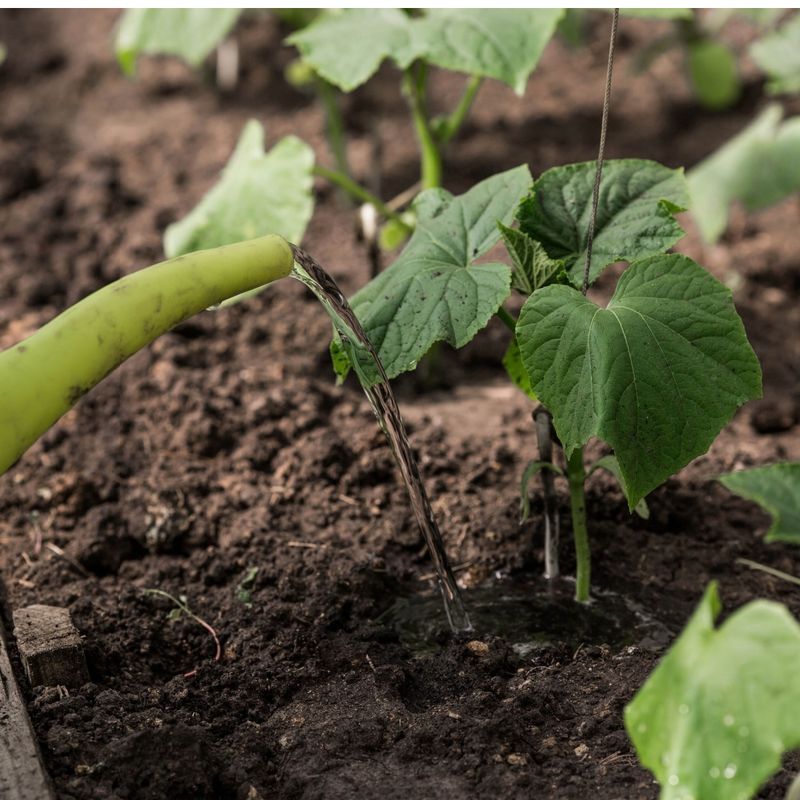
Curling leaves in the afternoon heat do not always mean a cucumber vine is thirsty. During the hottest part of an Ohio July day, cucumber plants sometimes wilt slightly as a natural response to high temperatures, even when the soil has plenty of moisture.
Watering a plant that already has wet roots can lead to overwatering, which causes its own set of problems.
Getting into the habit of checking the soil before turning on the hose is a small step that makes a real difference.
Pushing a finger about two inches into the soil near the base of the vine gives a quick and reliable read on whether the ground is still moist or genuinely needs water.
If the soil feels damp at that depth, the plant likely does not need more water yet.
Checking in the morning rather than the afternoon gives a more accurate picture of actual soil moisture levels.
By midday, surface soil can feel dry even when the deeper root zone still holds moisture from the previous watering.
Ohio gardeners who build this quick check into their morning garden routine tend to water more efficiently and keep their cucumber vines in better shape all month.
4. Mulch To Hold Moisture Around Roots
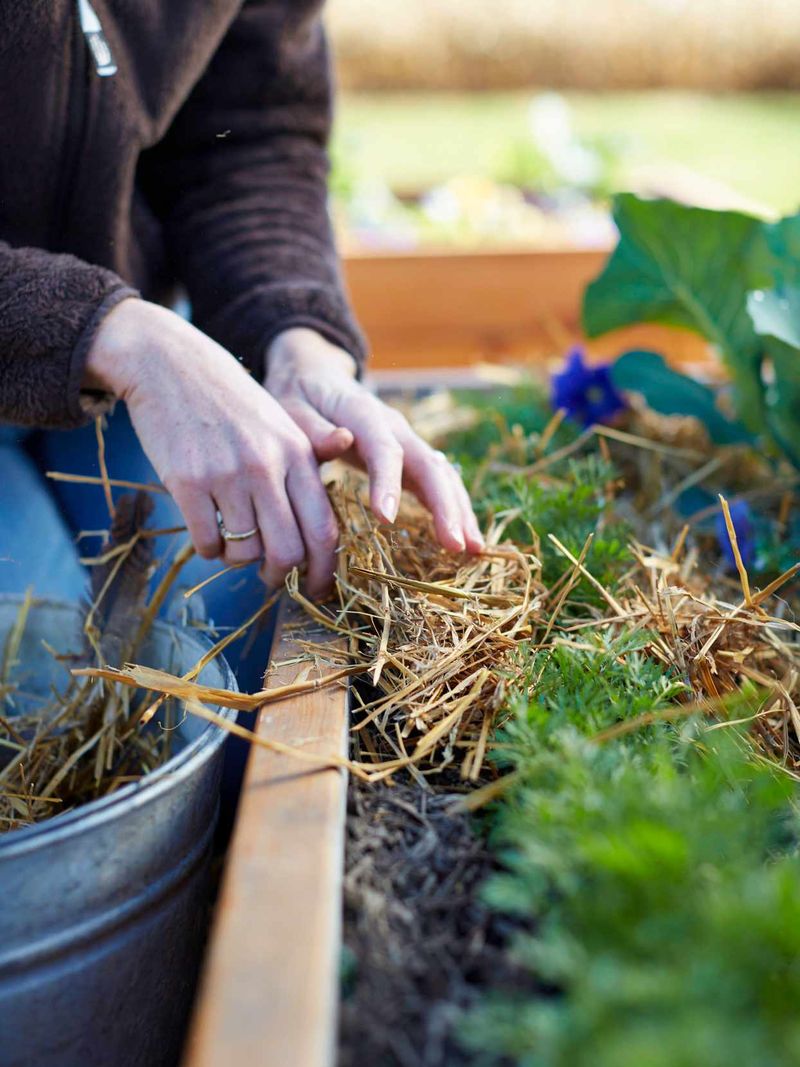
Bare soil bakes quickly under an Ohio July sun, and every time it dries out completely the cucumber roots near the surface feel that stress directly.
Laying a layer of mulch around the base of the vines is one of the most effective ways to slow that moisture loss and keep the root zone cooler during the hottest weeks of summer.
Straw, shredded leaves, and untreated grass clippings all work well as mulch in vegetable beds.
A layer about two to three inches deep is usually enough to make a noticeable difference without smothering the soil or creating a damp environment that invites disease near the stems.
Keeping the mulch a few inches away from the base of the vine helps with airflow around the lower stem.
Mulch also reduces the number of times gardeners need to water each week, which is a practical benefit during a busy Ohio summer.
As organic mulch breaks down over the season, it adds a small amount of organic matter back into the soil, which improves moisture retention over time.
Adding or refreshing mulch in early July, before the driest stretches arrive, gives cucumber beds a real head start on staying productive.
5. Avoid Wetting Leaves When Watering
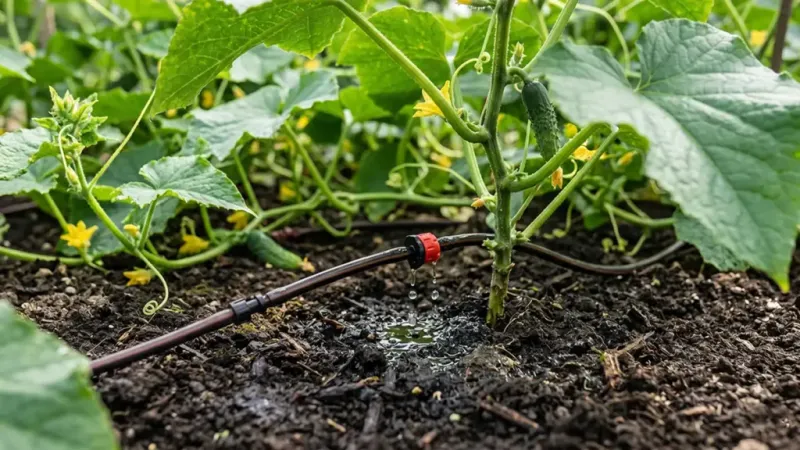
Wet foliage on cucumber plants is an open invitation for fungal problems, and Ohio’s humid July nights give those problems the perfect environment to spread.
When water sits on cucumber leaves overnight, it creates conditions that make diseases like downy mildew and powdery mildew much easier to take hold.
Keeping leaves dry during watering is a simple habit that reduces that risk noticeably.
Overhead sprinklers are one of the most common ways gardeners accidentally wet cucumber foliage. While sprinklers are convenient, directing water to the base of the plant rather than over the top of the canopy is a better approach for cucumbers in particular.
Soaker hoses and drip irrigation both deliver water right at the root zone without touching the leaves at all.
If hand watering is the only option, using a watering wand and pointing it low toward the soil makes it easier to avoid splashing the foliage.
Watering early in the morning also helps because any moisture that does land on leaves has time to evaporate before cooler evening temperatures arrive.
Ohio gardeners who switch from overhead watering to base watering often notice their cucumber plants stay healthier and more productive well into late July and August.
6. Harvest Cucumbers Before They Get Oversized
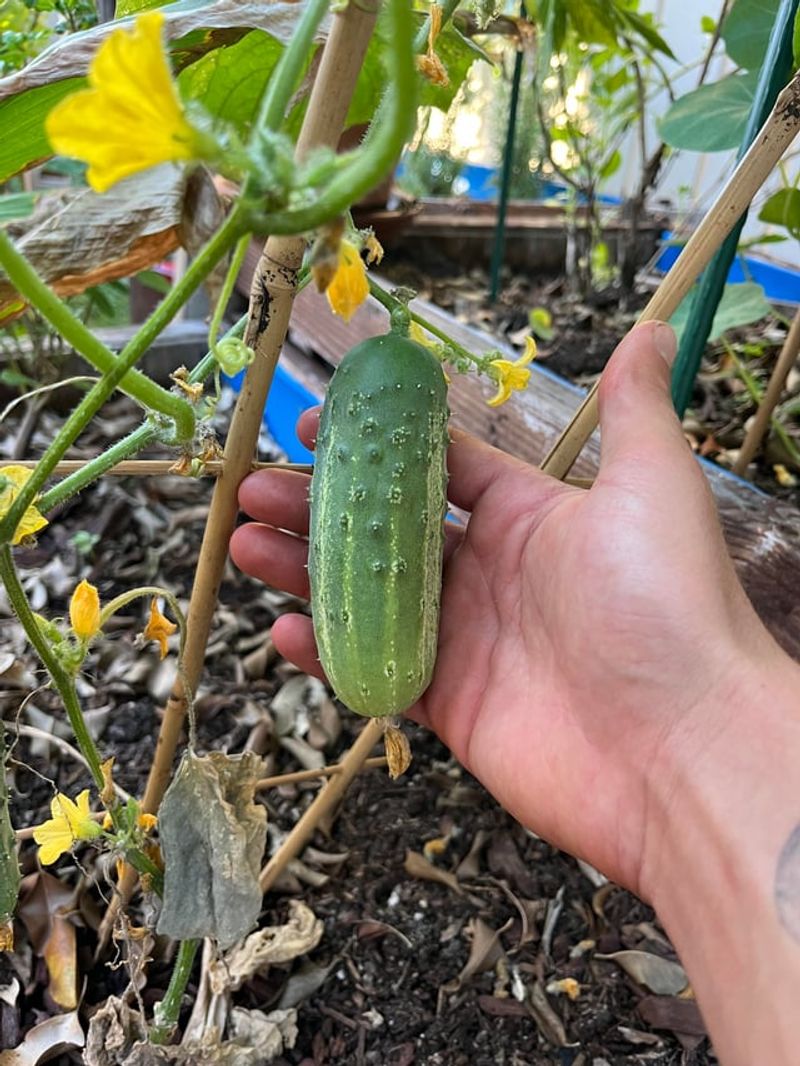
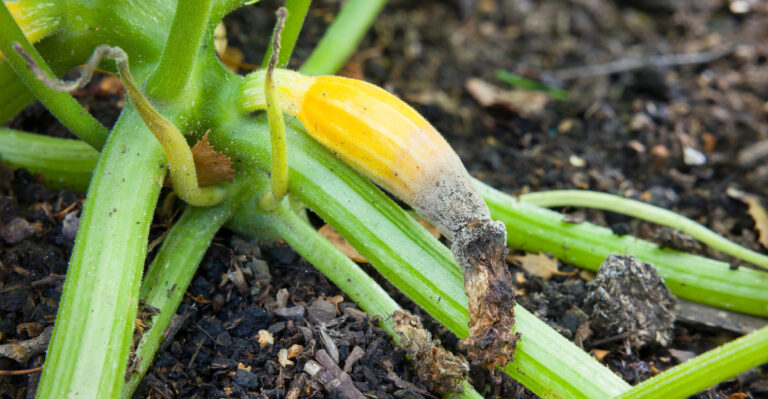
Finding a giant yellow cucumber hiding under the leaves is a familiar moment for Ohio home gardeners, and it usually means the vine has been quietly redirecting energy away from new fruit.
Once a cucumber grows past its ideal harvest size and begins to turn yellow or develop a tough skin, the plant treats it as a mature seed pod and slows down flower and fruit production.
Most slicing cucumbers are ready to pick somewhere between six and eight inches long, depending on the variety. Pickling types are often harvested even smaller.
Pulling fruit at the right size keeps the vine focused on producing new blossoms and setting fresh cucumbers rather than finishing out seeds in an oversized fruit.
Getting into the habit of inspecting the vines every couple of days in July helps catch cucumbers at peak size before they get away from you.
The foliage on a healthy Ohio cucumber plant can be dense and full, making it easy for fruit to hide.
Running a hand gently under the leaves and along the main vine helps find cucumbers that are not visible from above. Harvesting at the right time is one of the most straightforward ways to extend the productive season through July and beyond.
7. Pick Often To Keep Vines Producing
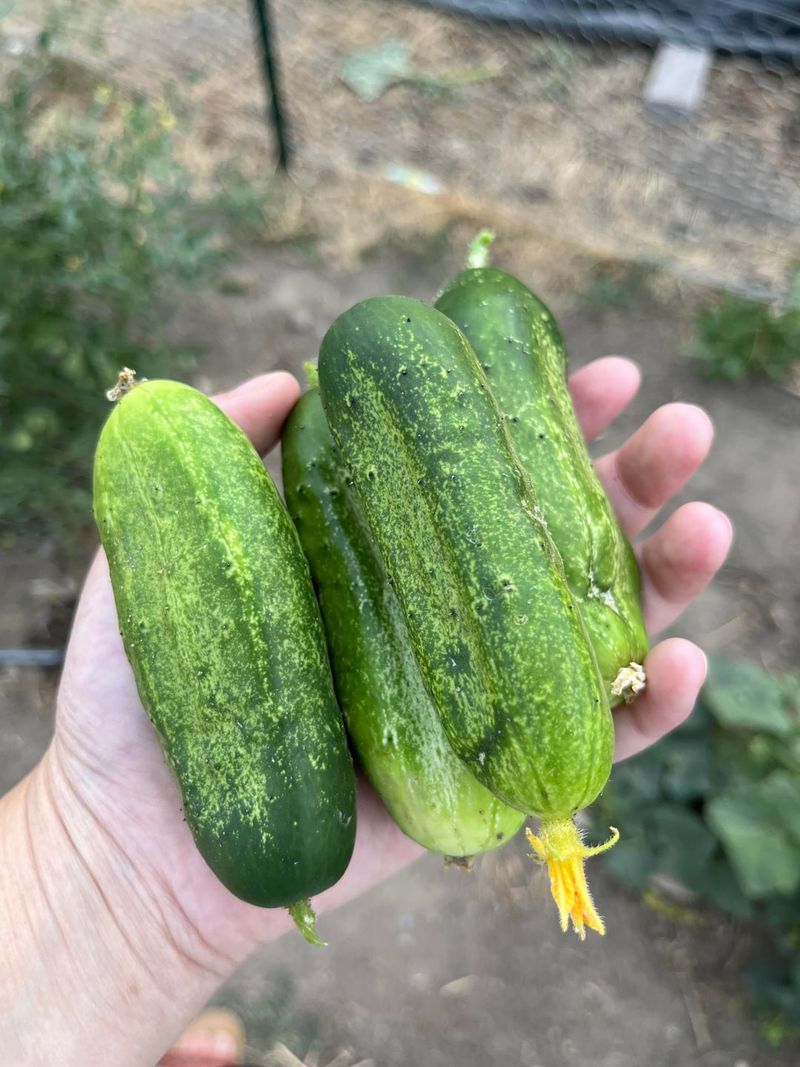
Frequent harvesting might be the most underrated cucumber tip for Ohio gardeners in July. Many people check the garden every few days when the season is young, then start stretching that out to once a week as summer gets busy.
That gap is often all it takes for fruit to overgrow and for the vine to shift its energy away from flowering.
Cucumber vines respond to regular picking by continuing to set new blossoms. When fruit is removed before it reaches full maturity, the plant gets a kind of signal to keep producing rather than winding down.
This is especially true during the peak growing weeks of July when Ohio temperatures and long daylight hours push vines to grow quickly.
Harvesting every two to three days during peak production is a reasonable goal for most Ohio home gardens.
A quick morning walk through the garden with a small basket takes only a few minutes but makes a real difference in how long the vines stay active.
Using a small pair of garden scissors or snips rather than pulling the fruit by hand reduces the chance of accidentally damaging the vine or nearby blossoms. The more you pick, the more the plant tends to give back.
8. Watch For Cucumber Beetles In July

Small, fast-moving insects with yellow and black markings are a familiar sight in Ohio vegetable beds during July, and cucumber beetles are among the most damaging visitors a cucumber vine can have.
Both the striped cucumber beetle and the spotted cucumber beetle feed on leaves, flowers, and fruit, but the bigger concern is that they can spread bacterial wilt from plant to plant as they move through the garden.
Bacterial wilt causes vines to collapse quickly, and once a plant shows full wilt symptoms it rarely recovers. Catching beetle activity early, before populations build up, gives gardeners a better chance of protecting their vines.
Checking the undersides of leaves and around the base of the plant where beetles tend to gather is a useful part of a regular July garden inspection.
Row covers placed over young plants earlier in the season can reduce beetle pressure significantly, though they need to be removed once flowers open so pollinators can reach the blossoms.
For plants already in full production in July, hand-picking beetles in the early morning when they move slowly is a low-input approach some Ohio gardeners find effective.
Keeping the garden tidy by removing old plant debris also reduces hiding spots that beetles favor.
9. Protect Leaves From Downy Mildew
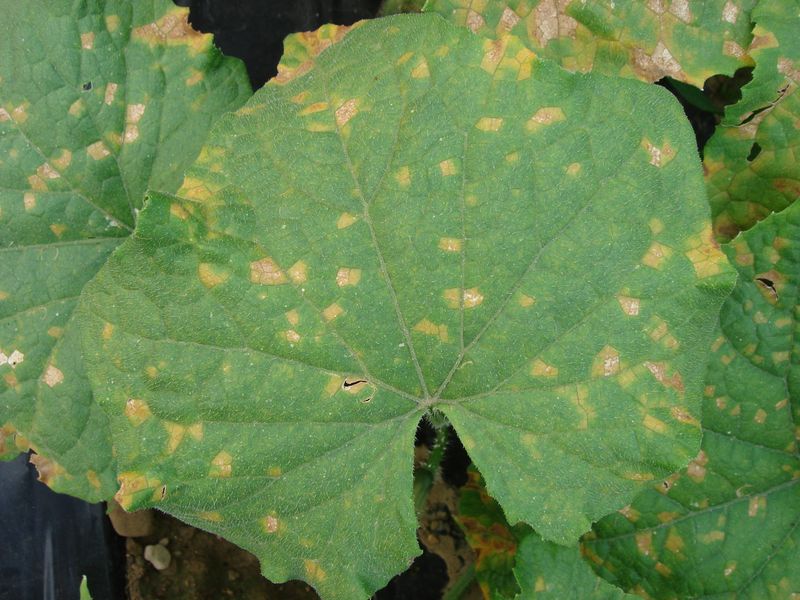
Humid nights and warm days create ideal conditions for downy mildew to spread through Ohio cucumber patches in July.
The disease usually shows up first as pale yellow or light green patches on the upper surface of older leaves, while the underside develops a grayish-purple fuzzy coating.
Once it spreads across most of the canopy, the plant loses much of its ability to produce energy and fruit quality drops noticeably.
Good airflow through the plant is one of the most practical ways to slow the spread of downy mildew. Spacing plants properly, training vines onto a trellis, and removing a few of the densest inner leaves can all help air move more freely through the canopy.
Crowded plants in still, humid conditions are far more vulnerable than well-spaced vines with room to breathe.
Checking leaves regularly through July makes it easier to catch early signs before the disease spreads widely. Removing affected leaves promptly and disposing of them away from the garden bed can slow progression.
Watering at the base rather than overhead, as mentioned earlier, also reduces the leaf wetness that downy mildew needs to take hold.
Ohio gardeners who stay alert to early symptoms tend to keep their vines productive for longer into the late summer season.