Why Arizona Homeowners Should Stop Ignoring Yellowing On Their Desert Shrubs
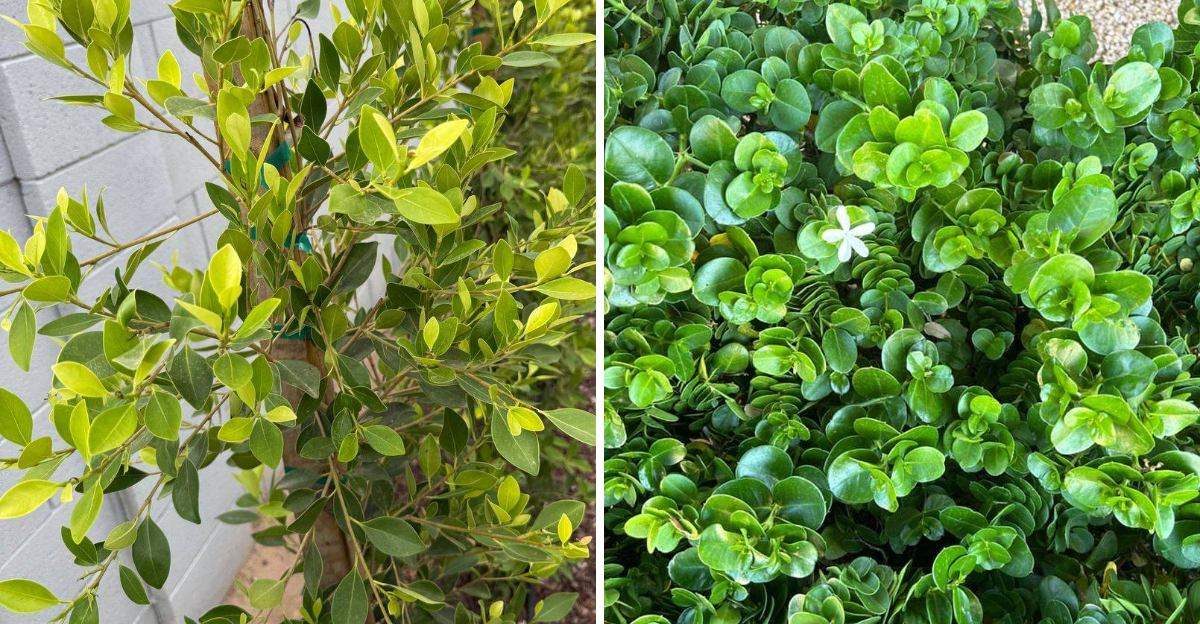
Yellow leaves have a way of grabbing your attention, even when the rest of the shrub still looks healthy. At first, it might only be a few scattered branches.
A week later, the discoloration seems more noticeable, and it becomes harder to tell whether the plant is simply reacting to the season or asking for help. Waiting to see what happens can feel like the easiest option.
Desert shrubs are known for handling tough conditions, but they still respond when something is not quite right. Those early color changes are often one of the first clues that the plant is under stress.
The sooner the cause is identified, the easier it usually is to prevent more serious damage.
In Arizona, yellowing foliage can have several different causes, and too little water is only one possibility.
Learning what those leaves are trying to tell you can help keep your shrubs healthy and looking their best through the hottest part of summer.
1. Yellow Leaves Can Signal Watering Problems
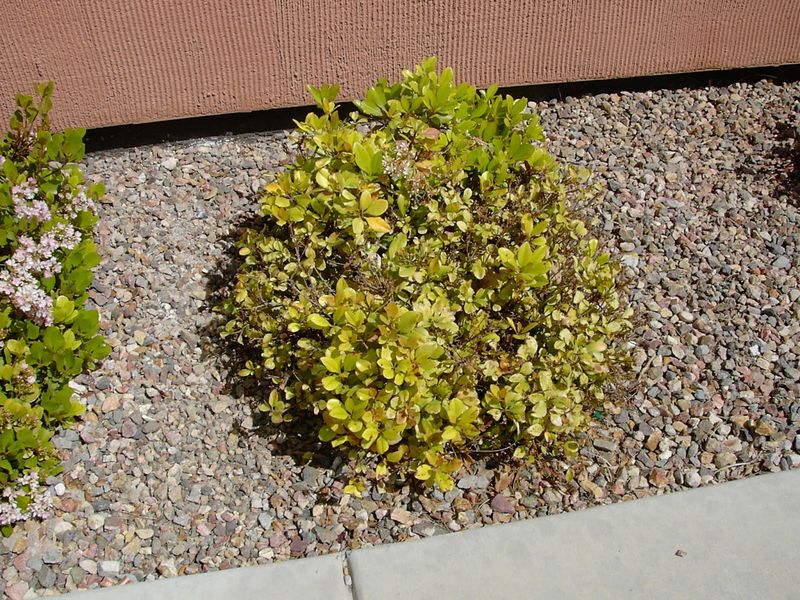
Watering mistakes are behind more yellow shrubs than most people realize. Both too much and too little water can turn leaves yellow, and they can look almost identical from the outside.
Overwatered plants often have soft, mushy stems near the soil line. Leaves may yellow from the bottom up, and the soil stays wet long after watering.
Roots need air as much as they need moisture, and soggy soil cuts off that oxygen supply.
Underwatered shrubs show a different pattern. Leaves tend to crisp at the edges before turning yellow.
Soil pulls away from the container edge or cracks across the surface. Branches may feel lighter than usual and look slightly shriveled.
Check the soil before watering every single time. Push a finger about two inches into the ground near the root zone.
If it still feels damp, hold off. If it is bone dry several inches down, water deeply and slowly.
Desert shrubs are built to handle dry spells, but they still need consistent moisture during the growing season. Irregular watering schedules stress plants just as much as chronic drought.
Set a routine based on the season, not just when the soil looks dry on top.
Fixing your watering habits is often the fastest fix for yellowing. Start there before assuming something more serious is going on.
2. Iron Deficiency Is A Common Cause In Alkaline Soil
Iron chlorosis is one of the sneakiest problems in desert gardening. Leaves turn bright yellow but keep their green veins, creating a very distinct striped look.
That pattern is your clearest clue.
Alkaline soil is extremely common in the Southwest. High pH levels lock up iron in the soil, making it impossible for plant roots to absorb it, even when iron is physically present.
The plant essentially starves for a nutrient that is sitting right next to its roots.
A simple soil pH test can confirm whether alkalinity is your issue. Kits are available at most garden centers and are easy to use at home.
Your Arizona Garden Changes Every Week. Your Plan Should Too.
Gardening in Arizona changes quickly throughout the season. Every Friday you’ll receive a simple weekly plan showing exactly what to plant, prune, fertilize, harvest, and protect so you never miss the right timing.
Ideal soil pH for most desert shrubs falls between 6.0 and 7.5. Anything above 7.5 starts restricting iron uptake.
Chelated iron products are often the most effective treatment for this condition. They are formulated to stay available in high-pH soils longer than standard iron supplements.
Apply according to package directions, and water thoroughly after applying.
Sulfur amendments can gradually lower soil pH over time. Results are slow, often taking several months to show up.
Consistent application across multiple growing seasons gives the best results.
Foliar iron sprays offer a faster short-term fix. Spray directly onto yellowed leaves during cooler morning hours.
Combine foliar feeding with soil treatment for the most complete recovery approach.
3. Poor Drainage Can Damage Healthy Roots
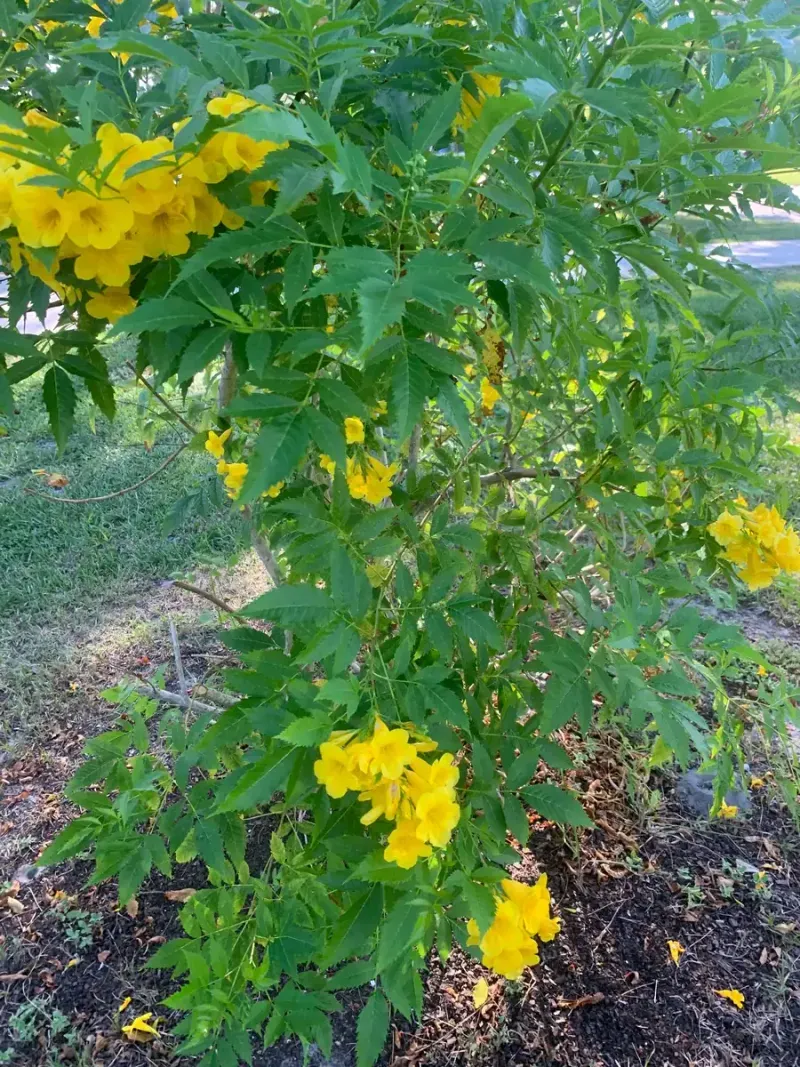
Standing water around a shrub base after irrigation is a red flag. Roots sitting in waterlogged soil begin to break down quickly, and yellowing leaves are often the first visible symptom above ground.
Desert soils vary widely. Some areas have sandy, fast-draining ground, while others have dense clay layers just a few inches down.
Clay holds water far too long for most native shrubs, creating conditions that suffocate root systems over time.
Root rot is a real risk in poorly drained spots. Fungal pathogens thrive in wet, oxygen-deprived soil.
Once root rot takes hold, recovery becomes much harder. Catching drainage problems early makes a significant difference in outcomes.
Check drainage by digging a small hole about twelve inches deep and filling it with water. Time how long it takes to drain completely.
Well-draining soil should empty within an hour. Anything longer points to a drainage issue worth addressing.
Raised planting beds are a practical solution for problem areas. Elevating the root zone above compacted or clay-heavy soil improves drainage significantly.
Adding coarse gravel or decomposed granite to the planting mix also helps water move through faster.
Amending the soil at planting time saves a lot of trouble later. Mixing in perlite or coarse sand helps break up dense soil structure.
Proper drainage from day one keeps roots healthy and productive for years.
4. Heat Stress May Trigger Leaf Discoloration
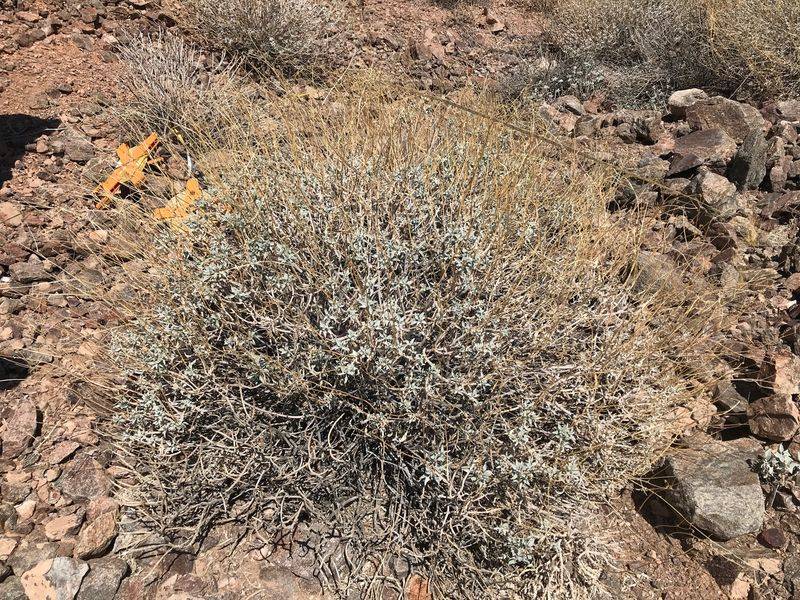
Extreme heat does not just make plants thirsty. It can actually damage the leaf tissue itself, causing discoloration that looks a lot like nutrient deficiency or disease.
Knowing the difference matters.
Heat stress typically shows up on leaves that face west or south. Those are the sides exposed to the most intense afternoon sun.
Yellowing often starts at leaf edges and tips before spreading inward. Bleached or papery patches sometimes appear alongside the yellow.
Reflected heat from concrete, stucco walls, and gravel surfaces intensifies the problem. Surfaces that absorb and radiate heat all afternoon create a much hotter microclimate than the air temperature alone suggests.
Shrubs planted near these surfaces experience significantly higher stress levels.
Shade cloth can provide temporary relief during peak summer months. A 30 to 40 percent shade cloth placed on the west-facing side of a vulnerable shrub reduces heat load without blocking too much light.
Remove it once temperatures drop in fall.
Deep watering in the early morning helps plants build up internal moisture before peak heat hours arrive. Mulching around the base of the shrub keeps soil temperatures lower and reduces moisture loss throughout the day.
Choosing plants suited to the local climate is the most reliable long-term strategy. Native and desert-adapted shrubs handle intense heat far better than plants bred for cooler regions.
Placement matters just as much as plant selection when managing heat stress effectively.
5. Check Leaves Closely For Signs Of Pests
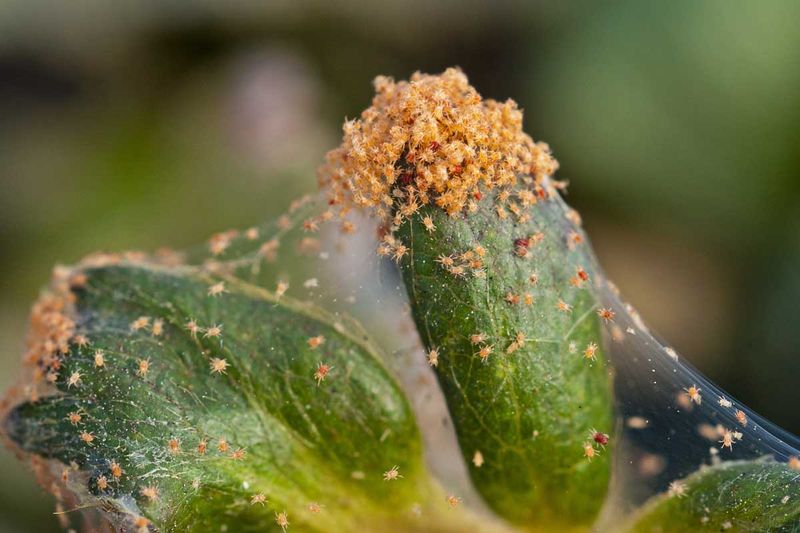
Pests are easy to miss until they have already done serious damage. Tiny insects like spider mites, whiteflies, and scale insects can drain a plant of nutrients slowly and quietly.
Yellow leaves are often the first visible sign something is feeding on your shrub.
Spider mites thrive in hot, dry conditions, making desert gardens a prime target. Look for fine webbing between leaves and a dusty, stippled look on leaf surfaces.
Shake a branch over white paper and watch for tiny moving specks to confirm their presence.
Scale insects look like small bumps along stems and leaf undersides. They are easy to mistake for part of the plant.
Running a fingernail across a stem and feeling raised, removable bumps is a reliable way to identify them.
Whiteflies cluster on leaf undersides and scatter in a white cloud when disturbed. They weaken plants by sucking sap and can spread quickly to neighboring shrubs.
Early detection limits how far an infestation spreads.
Insecticidal soap sprays work well against soft-bodied insects like mites and whiteflies. Apply in the early morning or evening to avoid burning leaves in direct sun.
Repeat applications every five to seven days until activity stops.
Neem oil is another option that works as both an insecticide and a mild fungicide. Mix according to label instructions and coat all leaf surfaces thoroughly.
Consistent treatment over two to three weeks clears most common infestations effectively.
6. Early Action Can Prevent More Serious Damage
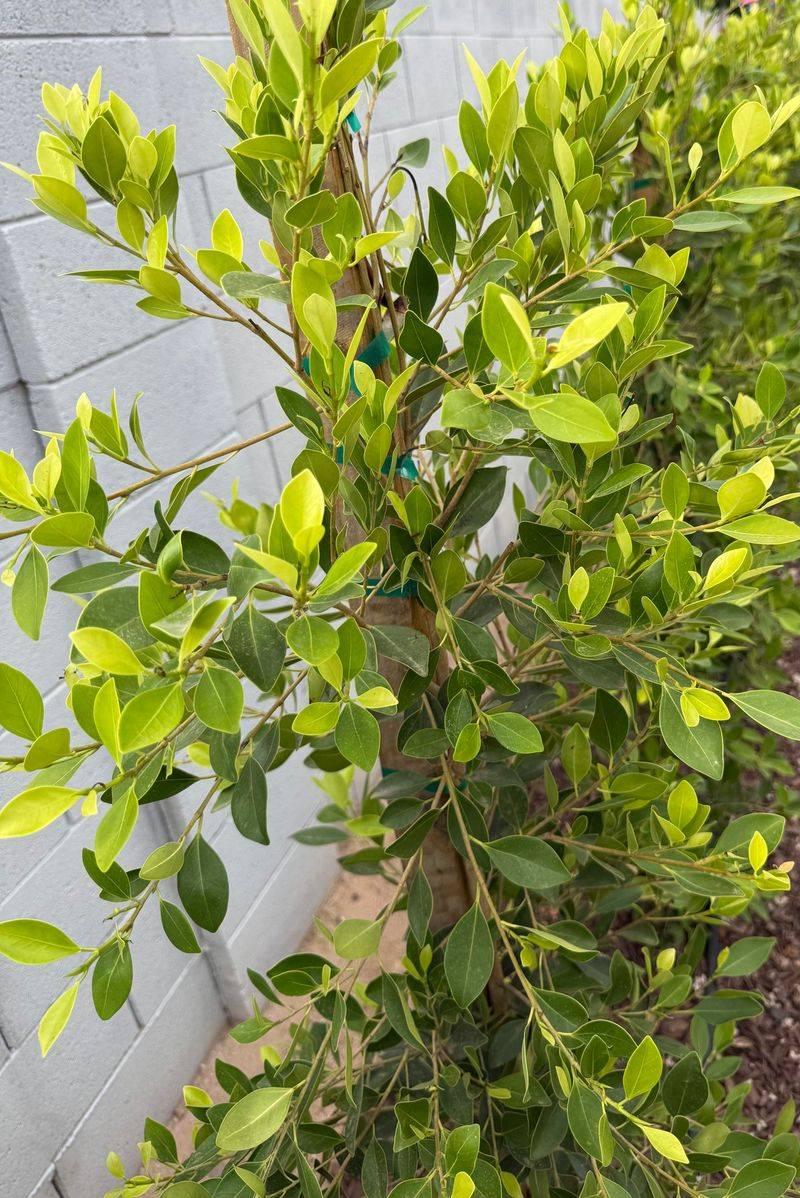
Catching a problem early is always easier than fixing it after it has spread. Yellow leaves rarely appear all at once.
Usually, one or two branches show symptoms first, giving you a window to act before the whole shrub is affected.
A quick weekly walkthrough of your yard takes less than ten minutes. Look at leaf color, check soil moisture, and scan for any unusual spots or webbing.
Consistent observation builds a mental baseline so changes become obvious faster.
Photographing your shrubs every few weeks is a surprisingly useful habit. Comparing photos side by side makes it easy to notice gradual color shifts that are hard to detect in real time.
Small changes become clear when you look at them over a span of weeks.
Treating one affected branch is far simpler than treating an entire shrub. Pruning out the problem area, adjusting watering, or applying a targeted spray is manageable at a small scale.
Waiting until most of the plant is struggling limits your options significantly.
Healthy plants recover faster from stress than weakened ones. Keeping soil nutrients balanced, maintaining consistent watering, and managing pests regularly builds plant resilience over time.
A strong, well-maintained shrub bounces back from setbacks much more reliably.
Do not wait for obvious decline before taking action. Yellow leaves are an invitation to investigate, not ignore.
Acting promptly on early symptoms protects the plant and saves significant effort down the road.
7. Healthy New Growth Helps Confirm Recovery
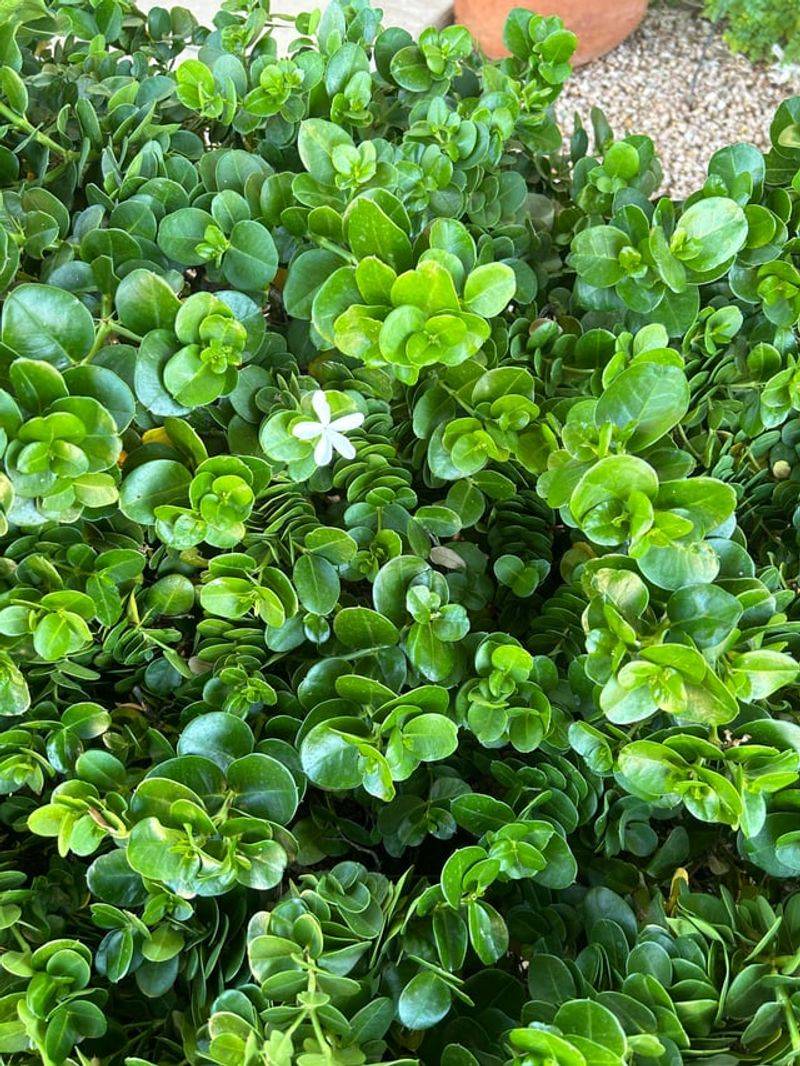
New growth is the clearest sign a struggling shrub is turning a corner. Watching for fresh, green shoots after treatment gives you real confirmation that your efforts are actually working.
Recovery does not happen overnight. Most shrubs take several weeks to show visible improvement after a problem is corrected.
Patience is part of the process, especially in desert climates where plants grow more slowly than in cooler, wetter regions.
Focus on the tips of branches when looking for signs of improvement. New leaves emerge from growing tips first.
Bright, healthy green color at branch ends indicates that the plant is actively pushing energy into new development.
Yellowed leaves that were damaged before treatment will not turn green again. Do not use those old leaves as your progress indicator.
Watch the new growth instead, and let the damaged leaves drop naturally over time.
Pruning heavily yellowed or badly damaged branches after treatment encourages the plant to redirect energy toward healthy growth.
Clean cuts just above a healthy node or bud point give the shrub a clear path forward. Use clean, sharp tools to avoid introducing new stress at the cut site.
Consistent care after recovery keeps the plant on track. Maintain your adjusted watering schedule, stay on top of soil nutrition, and keep monitoring for pest activity.
A shrub that bounces back with strong new growth is a sign your entire care routine is working as it should.