Plant These Arizona Wildflowers Once And They Come Back On Their Own Every Single Year
Every gardener has that one spot in the yard that never seems finished. One season it looks great, and the next it feels like it needs to be replanted all over again.
New flowers are purchased, seeds are scattered, and plans are made for an even better display next year.
Then there are the pleasant surprises.
A flower appears where it was not planted this season. Another pops up nearby.
Before long, color starts returning to familiar places without much help at all. It is one of those moments that makes gardening feel a little more rewarding and a lot less like work.
That is part of the reason wildflowers have earned such a loyal following. Arizona gardeners appreciate plants that can handle challenging conditions while still putting on a memorable show.
When the right wildflowers settle into a garden, they often become something people look forward to seeing year after year.
1. Desert Marigold Reseeds For Future Blooms
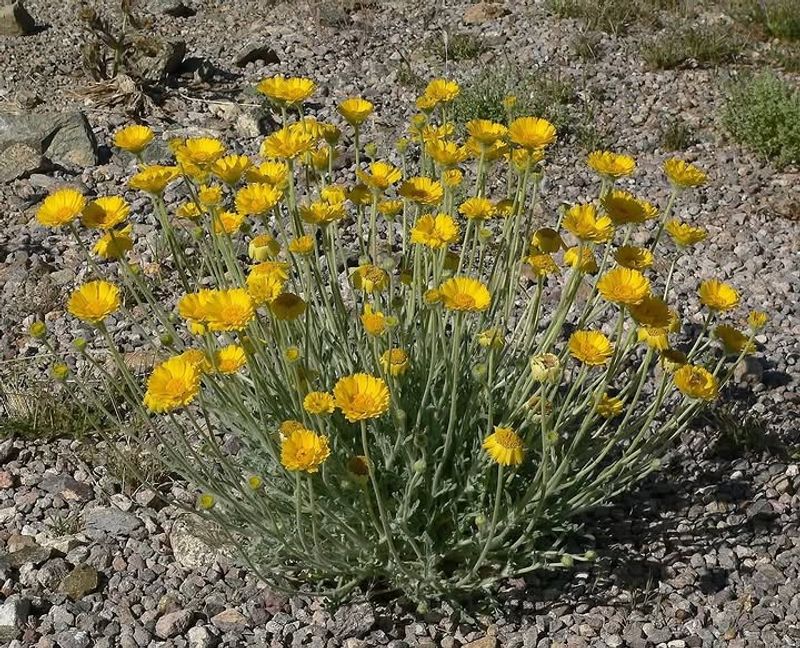
Bright yellow blooms on silvery stems, Desert Marigold is one of the hardest-working self-seeders in the desert landscape. Once established, it produces seed heads almost constantly from spring through fall.
Those seeds drop right where they stand and sprout when rain and temperature cooperate.
Baileya multiradiata thrives in full sun and sandy or gravelly soil with almost no organic matter needed. Richer soil can actually reduce blooming, so skip the compost and let it grow lean.
Plants tend to bloom heavily in spring and again after monsoon rains arrive.
Deadheading is optional. Leaving spent flowers on the plant allows seed to mature and fall naturally.
Wind also helps carry seed short distances, gradually spreading the colony over time.
One thing worth noting: Desert Marigold contains compounds that can cause sensitivity in some livestock and pets, so placement matters if animals graze nearby. Humans generally handle it fine with normal contact.
Expect seedlings to appear in fall or early spring depending on when rain hits. Young plants grow low and fuzzy before sending up flower stalks.
Once you have a patch going, it tends to maintain itself with minimal intervention, making it one of the most reliable self-sowing plants in dry Southwest gardens.
2. California Poppy Returns From Self-Sown Seed
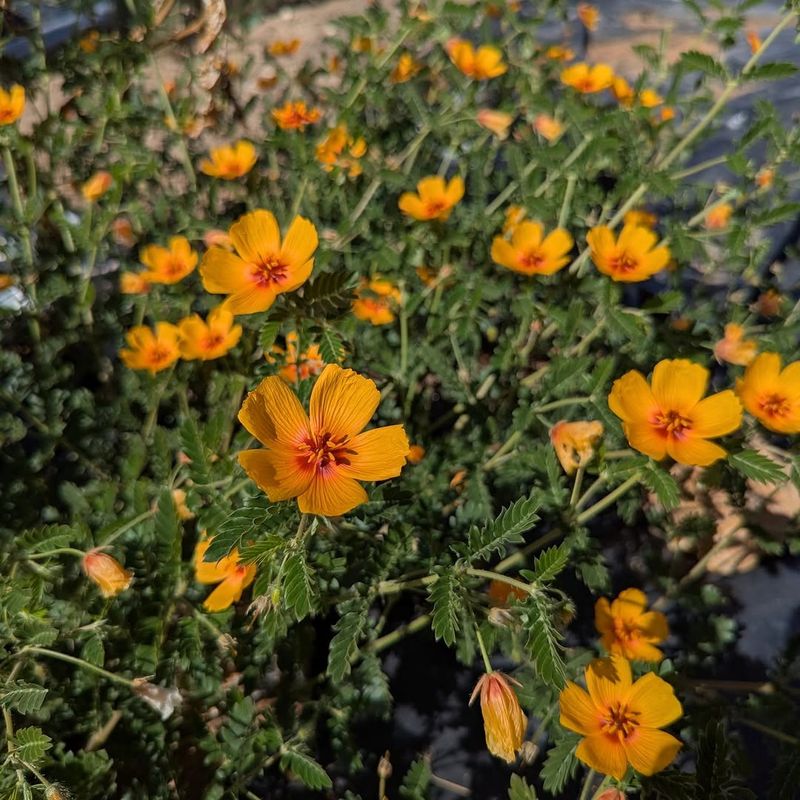
Few wildflowers put on a show quite like the California Poppy. Silky orange petals open wide in full sun and close up tight on cloudy days or at night.
Once you scatter seed in the right spot, the plant takes over from there.
Eschscholzia californica is technically a short-lived perennial in mild climates but behaves as a reseeding annual across most of the desert Southwest.
It sets seed prolifically, and those seed pods snap open when dry, flinging seeds several feet away from the parent plant.
Sandy or rocky soil with sharp drainage is ideal. Soggy soil causes root problems, and heavy clay makes establishment difficult.
A sunny slope or open flat area with little competition from other plants gives seedlings their best shot.
Scatter seed in fall before the first cold snap for the strongest spring bloom. Seeds need a cold period to germinate well, and fall planting mimics what happens naturally in the wild.
Your Arizona Garden Changes Every Week. Your Plan Should Too.
Gardening in Arizona changes quickly throughout the season. Every Friday you’ll receive a simple weekly plan showing exactly what to plant, prune, fertilize, harvest, and protect so you never miss the right timing.
Spring-sown seed can work but may produce fewer flowers in the first season.
Once a colony establishes itself, expect it to return reliably as long as some seed is allowed to mature each year. Avoid pulling all the plants before seed pods ripen.
Leaving even a portion of the patch untouched gives next year’s bloom a solid head start without any extra effort on your part.
3. Globe Mallow Produces New Plants On Its Own
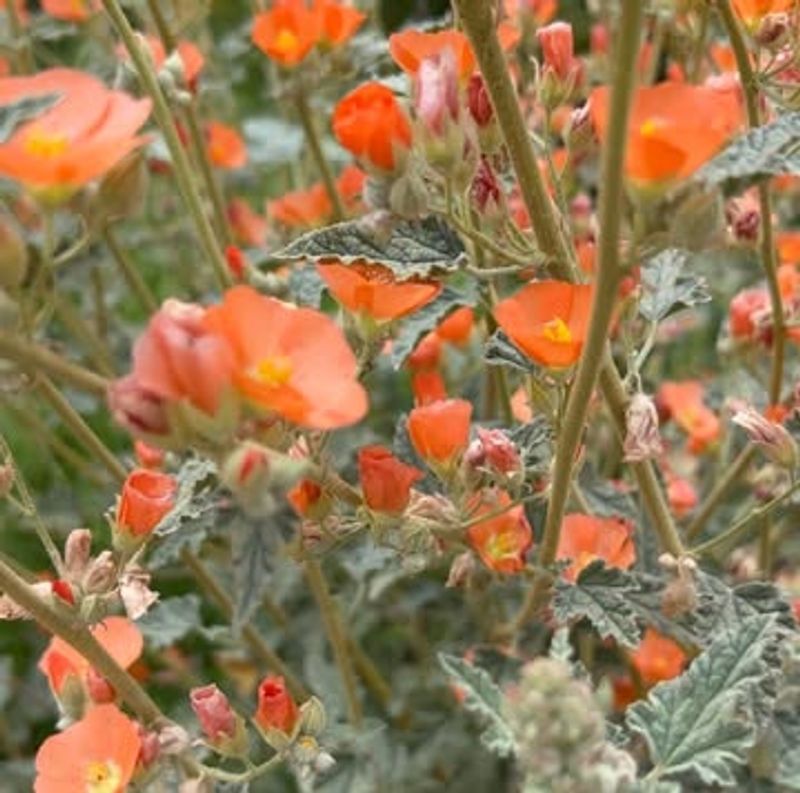
Globe Mallow does not wait for an invitation. Given a patch of disturbed, dry soil and full sun, it moves in, blooms, drops seed, and spreads steadily across open ground.
Roadsides and gravelly yards are some of its favorite spots.
Sphaeralcea ambigua produces cup-shaped flowers in shades of orange, coral, pink, and occasionally white. Bloom time runs from late winter through spring, with a second flush often appearing after summer monsoon rains soak the ground.
Hummingbirds visit regularly, and bees work the flowers hard all season.
Seed production is generous. Each flower leaves behind a ring of small seed capsules that dry out and release seed with a little wind or physical disturbance.
Animals brushing past the plant, or even a strong gust, can scatter seed across a wide area.
Globe Mallow handles poor, compacted soil better than most wildflowers. It does not need amended beds or regular watering once established.
Supplemental water during extended dry stretches can extend the bloom period, but it is not strictly required.
One practical note: tiny hairs on the leaves and stems can irritate skin and eyes, so wear gloves and eye protection when handling plants up close.
Despite that, Globe Mallow is a rugged, rewarding plant that fills dry garden spaces with reliable color and returns faithfully season after season without much help from the gardener.
4. Mexican Gold Poppy Comes Back Without Replanting
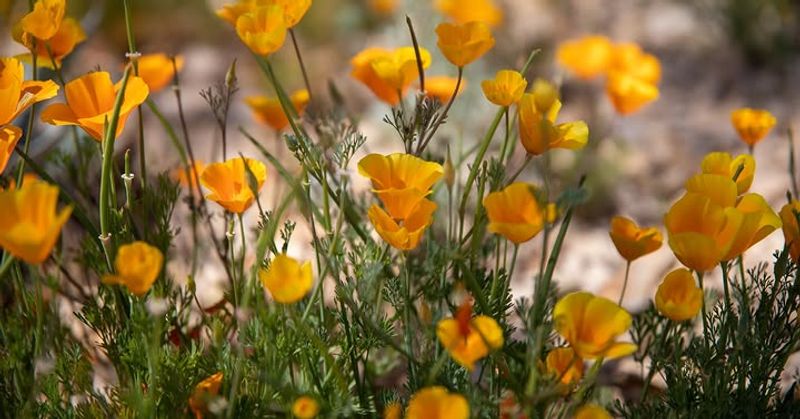
Walk through any Sonoran Desert hillside in a good rainfall year and Mexican Gold Poppy stops you cold. Sheets of deep orange-gold flowers stretch across rocky slopes and wash edges in a way that feels almost unreal.
Eschscholzia mexicana makes that happen with almost zero help.
Closely related to California Poppy but adapted to lower desert elevations, Mexican Gold Poppy thrives in the same lean, fast-draining soils where other plants struggle. Rocky slopes, gravelly flats, and open sandy areas are where it performs best.
Rich amended soil tends to produce more foliage than flowers.
Seed matures fast after bloom and pods burst open when dry, scattering seed a short distance from the parent. Fall rains trigger germination, and plants spend the cool months growing low before shooting up flower stalks in late winter or early spring.
Scatter seed in late October or November on bare ground. Lightly rake or press it into the soil surface without burying it deep.
Consistent fall moisture improves germination rates significantly, and a good monsoon season the prior summer helps condition the soil for strong establishment.
Once a patch is going, it tends to maintain itself as long as you allow seed to ripen before tidying up the garden. Resist the urge to cut spent plants back too early.
Letting them stand through seed drop is the single most important step in keeping the colony going year after year.
5. Plains Coreopsis Scatters Seed For Next Season
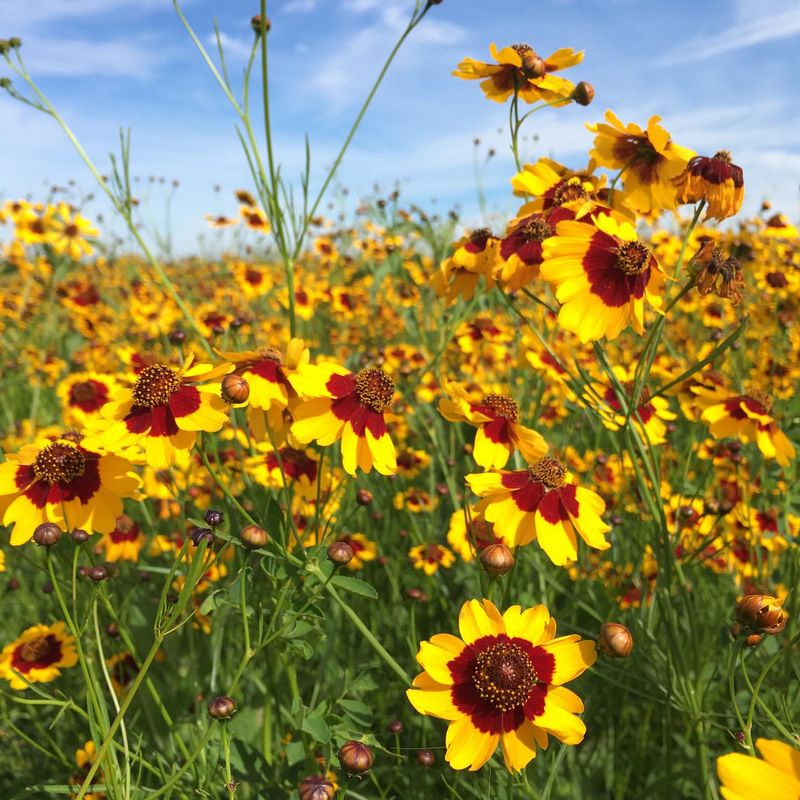
Plains Coreopsis is one of those wildflowers that looks delicate but acts tough. Slender stems hold cheerful yellow flowers with deep burgundy centers, and the whole plant sways easily in a breeze.
Behind that lightweight appearance is a serious seed-producing machine.
Coreopsis tinctoria blooms from late spring into summer and sets seed continuously throughout that period. Seeds are small, narrow, and designed to fall and stick in disturbed soil.
Wind carries them short distances, and rain splash moves them further across open ground.
Full sun and dry to medium moisture soil suit it well. Overwatering reduces bloom quality and can shorten the plant’s productive period.
In desert gardens, natural rainfall combined with occasional deep watering during extended dry spells is usually enough.
Scatter seed in early fall or very early spring directly on raked, weed-free soil. Seedlings are small at first and easy to mistake for weeds, so mark planting areas clearly.
Once stems start developing, growth speeds up noticeably.
Plains Coreopsis attracts native bees, butterflies, and small birds that feed on the seeds. Leaving some spent flower heads standing through late summer feeds wildlife while also allowing seed to fall naturally for next year.
Cutting everything back in midsummer removes that seed bank entirely, which is worth avoiding if you want reliable returns.
A well-established patch can reseed so effectively that it needs thinning every few years to prevent overcrowding and reduced air circulation between plants.
6. Rocky Mountain Bee Plant Reseeds Readily In Open Soil
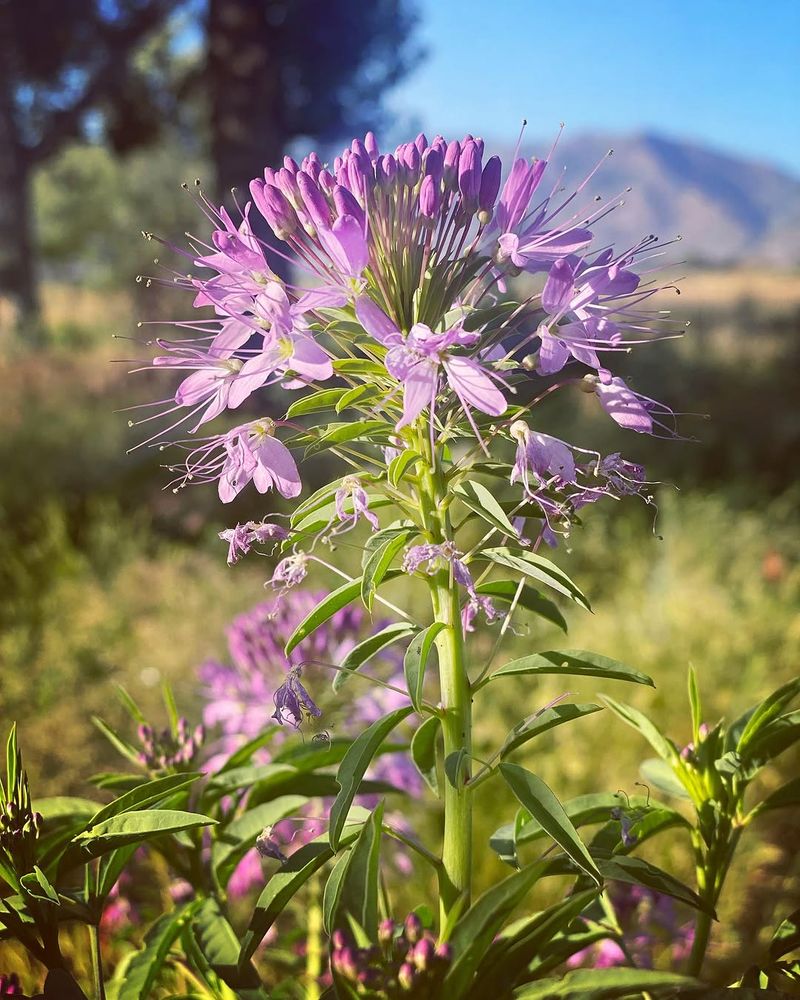
Rocky Mountain Bee Plant is not subtle. Cleome serrulata shoots up to four or five feet tall and covers itself in clusters of pink-to-purple flowers from midsummer through early fall.
It fills vertical space that most low-growing wildflowers cannot touch.
Seed production is prolific. Long, dangling seed pods develop below each cluster of open flowers, ripening and splitting open as the season progresses.
Seeds fall directly below the plant or get carried by wind and foot traffic into surrounding bare soil patches.
Open, disturbed ground is where it establishes most readily. Rocky roadsides, vacant lots, dry washes, and unplanted garden sections are all fair game.
Dense ground cover or heavy mulch can suppress germination, so bare soil or lightly raked areas work best.
Germination happens in spring after seeds experience winter cold. No special treatment is needed; just scatter seed in fall and let winter do the conditioning.
Seedlings emerge looking like small, palmate-leaved plants before the characteristic tall stems develop.
Pollinators go wild for Rocky Mountain Bee Plant. Native bees, honeybees, and butterflies work the flowers constantly during bloom, making it a serious asset in any garden designed to support local pollinator populations.
Established plants handle drought well once roots go deep. Supplemental water in extreme dry stretches can extend bloom time, but established plants in reasonable desert soil generally manage without regular irrigation.
Plan for its height when placing it so shorter plants nearby still receive adequate sunlight.
7. Annual Sunflower Drops Seed For Future Flowers
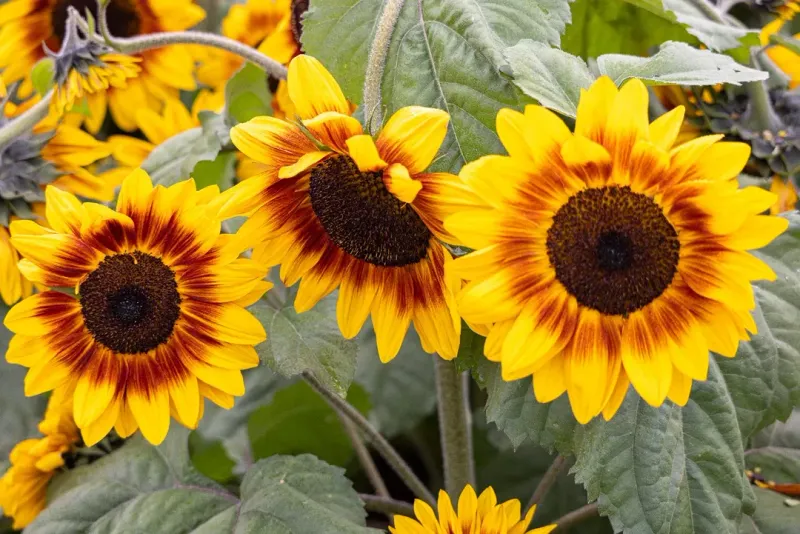
Wild Annual Sunflower earns its place in any low-maintenance desert garden fast. Helianthus annuus grows tall, blooms generously, and produces hundreds of seeds per flower head.
Birds eat a portion of those seeds, but plenty fall to the ground and sprout the following spring.
Native stands of wild sunflower look different from garden varieties. Stems branch widely, flower heads are smaller and more numerous, and the whole plant takes on a loose, open structure that fits naturally in dry, open landscapes.
It reaches six feet or more in good soil with adequate moisture.
Seed dropped in fall sits dormant through winter and germinates when soil warms in spring. Soil disturbance near the base of mature plants actually improves germination rates by exposing mineral soil where seeds can make direct contact.
Heavy mulch over seed-drop zones can reduce sprouting.
Full sun is non-negotiable. Shaded spots produce leggy, weak plants with far fewer flowers.
Sandy loam or even gravelly soil works fine, and supplemental watering during establishment helps roots go deep before summer heat peaks.
Goldfinches, house finches, and doves are regular visitors to seed-heavy flower heads in late summer and fall. Leaving stalks standing through winter feeds birds while also allowing any remaining seed to fall naturally before spring cleanup begins.
Avoid cutting plants to the ground until late winter. Letting the full seed-drop cycle complete before tidying up is what keeps wild sunflower returning reliably without replanting every season.
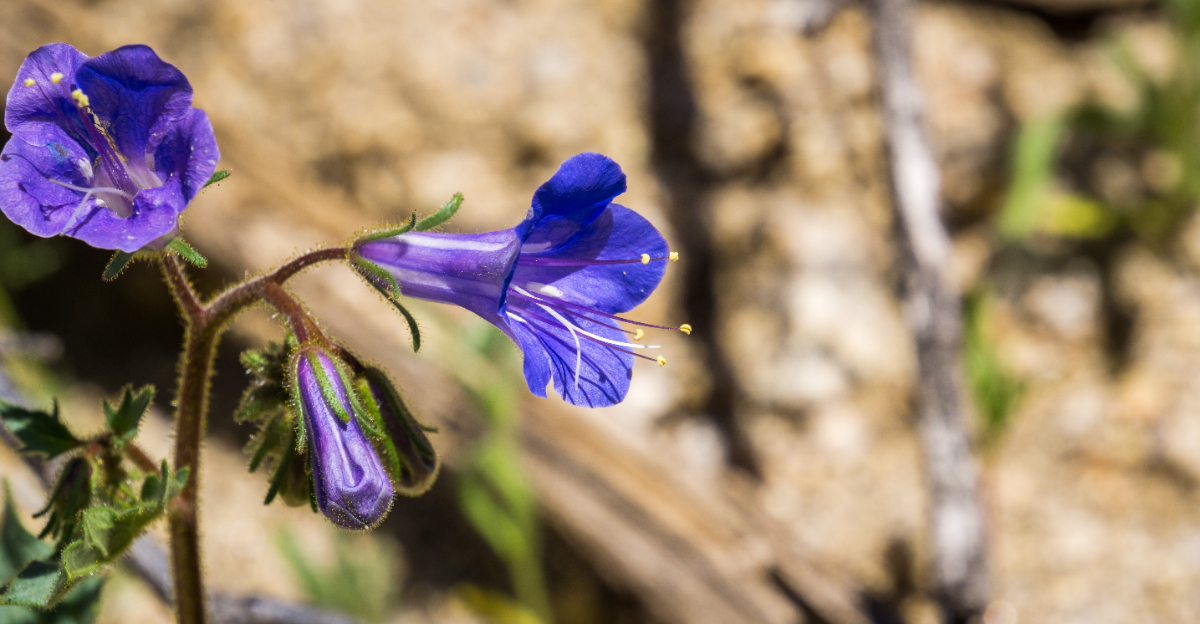
8. Desert Bluebells Grow Back From Fallen Seed
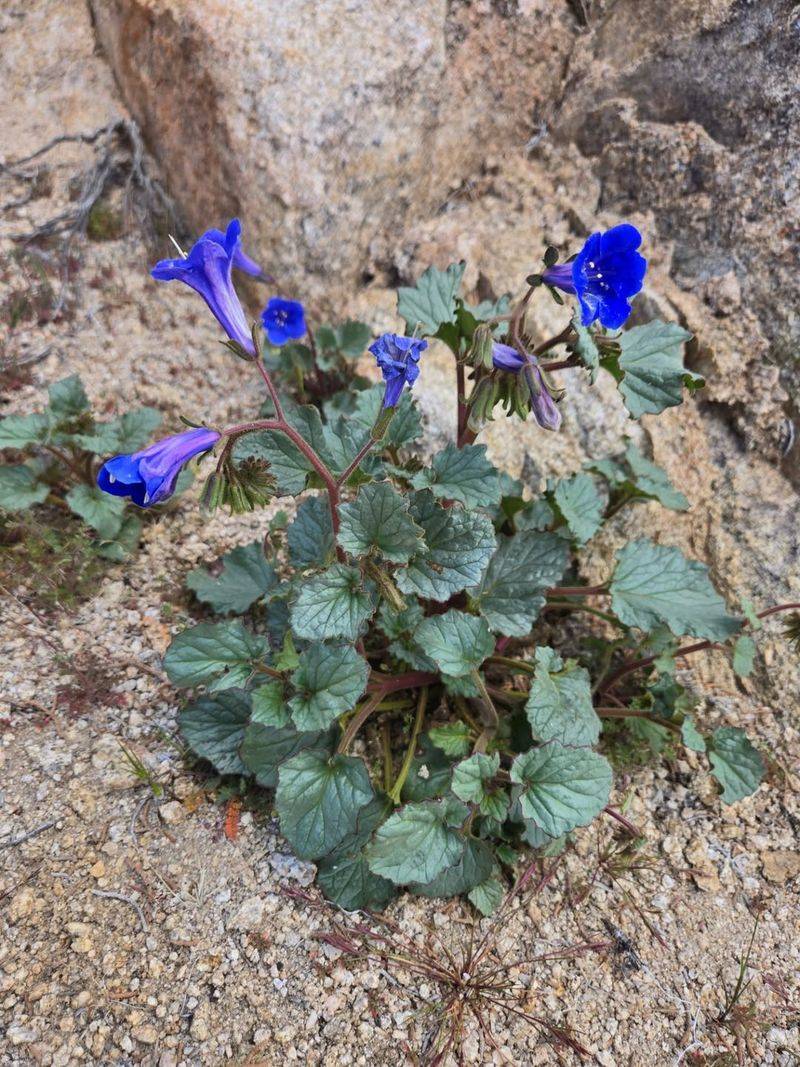
Soft violet-blue bells hanging in loose clusters, Phacelia campanularia catches the eye immediately against pale desert soil. It blooms early in spring, sometimes as soon as late February in lower elevations, filling gaps between rocks and shrubs with cool-toned color.
Desert Bluebells reseed dependably when given a spot with good drainage and full to partial sun. Seeds mature quickly after flowering, and the dry capsules release seed close to the parent plant.
Germination happens in fall or winter when soil moisture and cooler temperatures align.
Scatter seed in October or November directly on bare, raked soil. No burying needed since seed germinates best with light contact against the soil surface.
Covering seed too deeply can prevent sprouting entirely.
Established plants grow low and spreading, rarely exceeding about a foot in height. Foliage has a slightly rough texture that can cause mild skin irritation in sensitive individuals, so light gloves are useful during planting or weeding nearby.
Pollinators absolutely love Desert Bluebells. Native bees visit constantly during peak bloom, and the flowers attract a surprising variety of small insects throughout the season.
Letting plants complete their full cycle without cutting back allows maximum seed to ripen and fall naturally.
In a good rainfall year with well-timed planting, a single packet of seed can establish a patch that returns reliably for several seasons with almost no additional maintenance required from you.