How To Keep Arizona Container Plants Healthy During July Heat
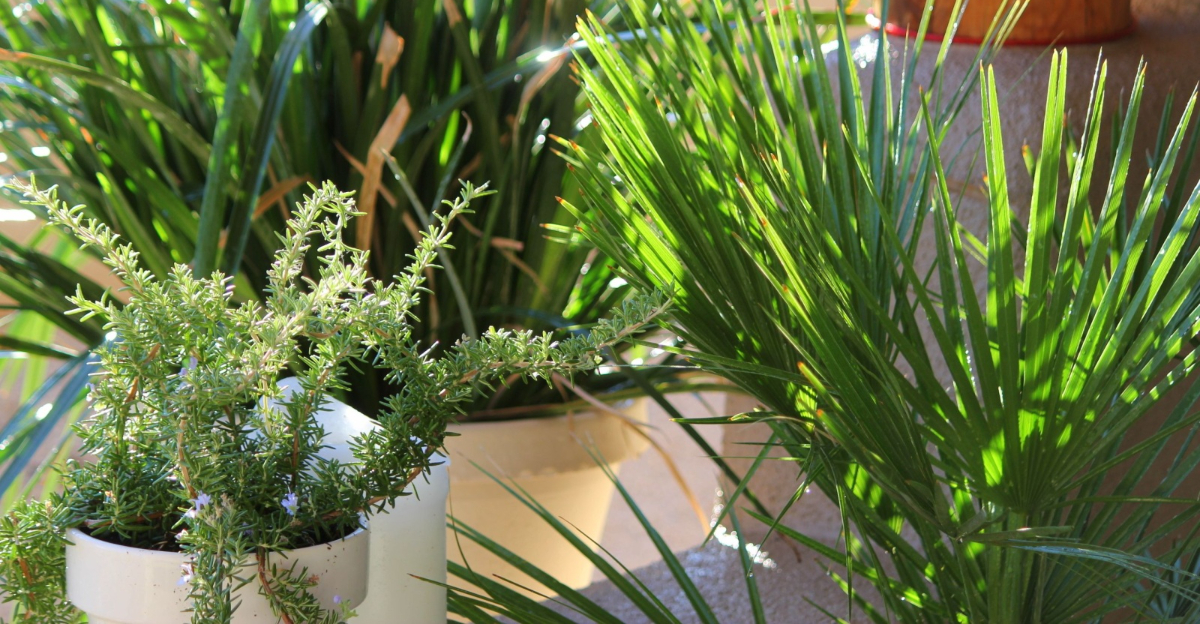
July in Arizona is the month that separates casual container gardeners from the truly committed ones.
The patios turn into ovens, the air is aggressively dry, and potted plants have absolutely nowhere to hide from the heat coming at them from every direction.
Above, below, and sideways off every reflective wall and paver surface within range. It’s a lot.
Unlike in-ground plants that have deep soil to buffer them from the worst of it, container plants are sitting in a small amount of potting mix that heats up fast, dries out faster, and gets stressed in ways that can sneak up on you quickly.
Herbs on the balcony, vegetables on the porch, flowers along the courtyard wall, they all need more attention in July than any other month.
The good news is that a few smart adjustments can make a genuinely dramatic difference.
1. Choose Larger Containers That Hold Moisture Longer
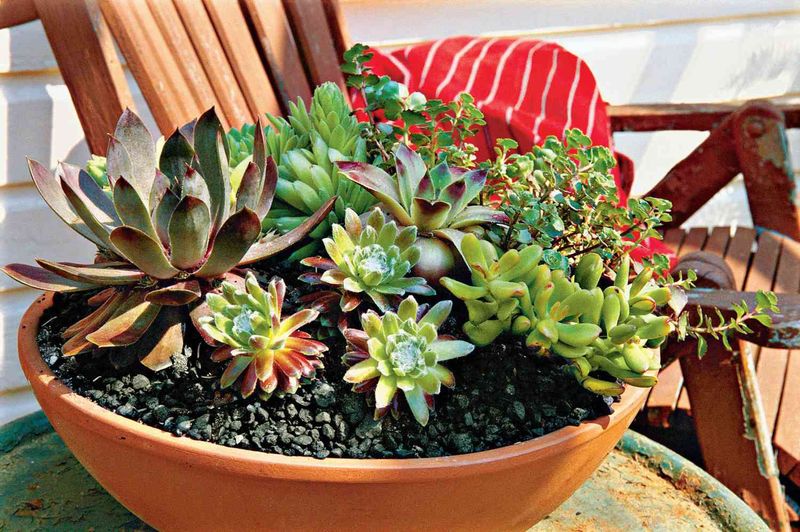
Walking out to a patio full of bone-dry pots on a July morning in Arizona is a frustrating way to start the day. Small containers lose moisture so quickly in desert heat that plants can go from healthy to wilted within hours.
Choosing larger pots is one of the most straightforward ways to slow that process down.
Bigger containers hold more potting mix, which means more water is stored around the roots after each watering session.
A larger volume of soil also buffers root temperature better, which matters a great deal when pavers and concrete are radiating heat upward from below.
Root zones that stay slightly cooler tend to function better and take up water more efficiently.
In Arizona, many experienced container gardeners recommend moving up at least one or two pot sizes before summer arrives. A plant that was comfortable in a 6-inch pot during spring may struggle significantly in that same container once July heat kicks in.
Wider, deeper containers give roots more room to spread and access moisture between waterings.
Dark-colored pots absorb more heat, so lighter colors or insulated containers can also make a noticeable difference in how well plants hold up through the hottest weeks of the year.
2. Use A Well-Draining Potting Mix
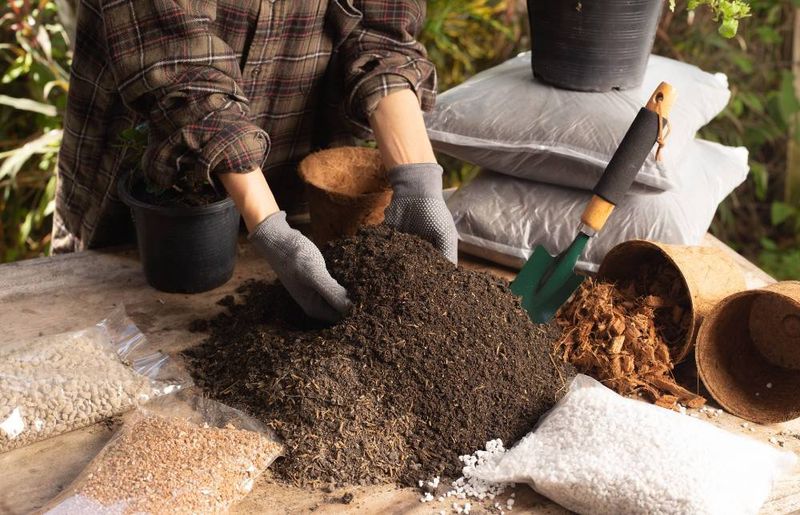
Soggy soil in a container during an Arizona summer might sound unlikely, but it happens more than people expect. When potting mix becomes compacted or stays waterlogged, roots can suffocate just as easily as they can dry out.
The right soil mix keeps moisture available without drowning the roots.
A well-draining potting mix typically contains lightweight materials like perlite, pumice, or coarse sand blended with organic matter.
These ingredients create air pockets that allow excess water to move through quickly while still holding enough moisture for roots to absorb between waterings.
Straight garden soil pulled from the yard tends to compact inside containers and drains poorly, which can lead to stressed or unhealthy plants over time.
For Arizona container gardens, many gardeners find that adding extra perlite to a standard potting mix improves drainage noticeably. Succulents and cacti generally do best in a grittier mix with higher mineral content.
Your Arizona Garden Changes Every Week. Your Plan Should Too.
Gardening in Arizona changes quickly throughout the season. Every Friday you’ll receive a simple weekly plan showing exactly what to plant, prune, fertilize, harvest, and protect so you never miss the right timing.
Herbs, vegetables, and flowering plants often prefer a mix that retains a bit more moisture while still draining freely.
Refreshing old potting mix at the start of each growing season also helps, since used soil tends to break down and compact over time, reducing drainage and airflow around roots.
3. Make Sure Every Pot Has Drainage Holes
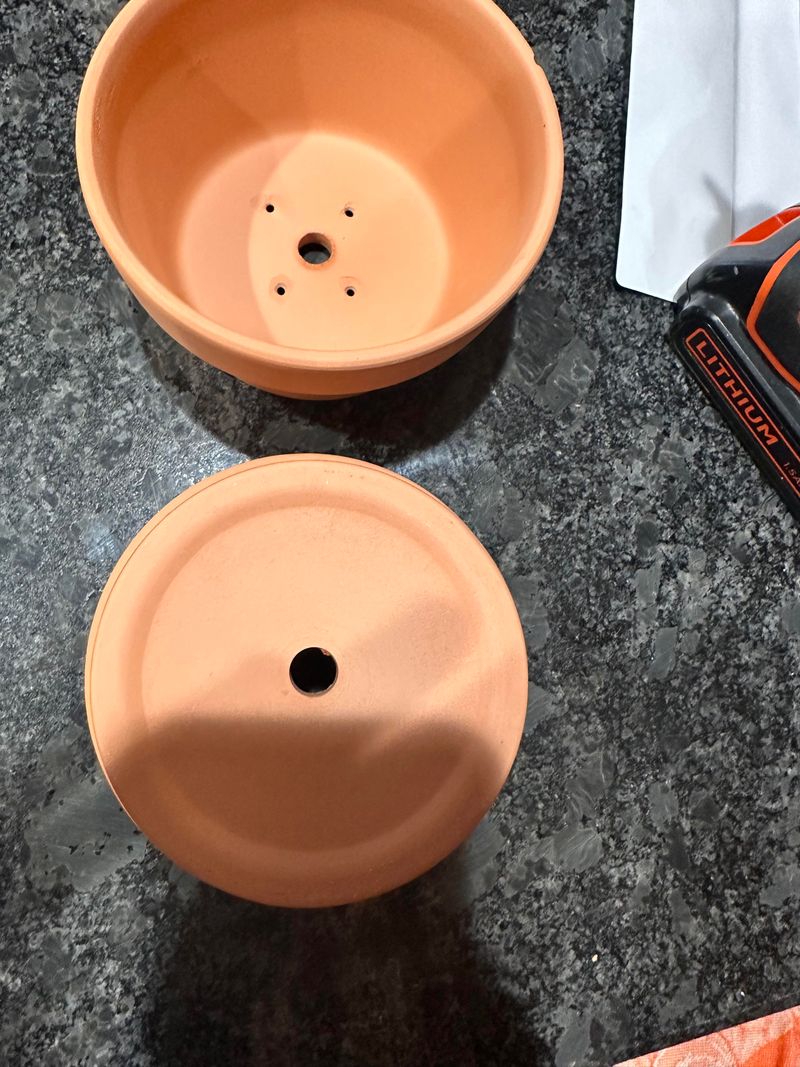
Pots without drainage holes are one of the most common reasons container plants struggle in Arizona summers. Water that cannot escape collects at the bottom of the container, creating a soggy layer that roots cannot tolerate for long.
Even drought-tolerant plants like succulents can suffer when sitting in standing water with nowhere to drain.
Drainage holes allow excess water to flow freely out of the container after watering, which prevents salt buildup and keeps the root zone from becoming waterlogged.
In July, when Arizona gardeners are watering frequently to compensate for rapid evaporation, having functional drainage becomes even more critical.
Without it, the lower portion of the pot stays saturated while the upper portion dries out, creating uneven moisture distribution that stresses roots.
Before placing any plant in a decorative pot, check for drainage holes at the bottom. If a favorite decorative container lacks them, consider using it as an outer sleeve and placing a drilled nursery pot inside.
Drilling holes into ceramic or plastic pots is also a straightforward option for most homeowners.
Placing a small piece of window screen or a coffee filter over drainage holes can prevent potting mix from washing out while still allowing water to flow freely through the bottom of the container.
4. Raise Pots So Water Can Drain And Air Can Circulate
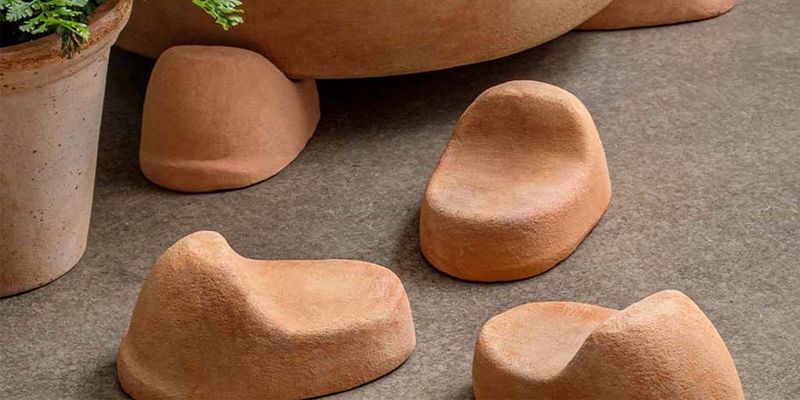
Setting a pot directly on a flat concrete surface might seem harmless, but in an Arizona July it can create a hidden problem.
When a container sits flush against a patio or deck, drainage holes can become partially blocked, slowing water movement and trapping heat beneath the pot.
Raising containers even a small amount makes a meaningful difference.
Pot feet, bricks, wooden risers, or metal plant stands lift containers off the surface, allowing water to drain freely after each watering.
That small gap beneath the pot also lets air circulate around the bottom, which helps reduce the extreme heat that builds up between a container and a sun-baked patio surface.
Roots near the bottom of the pot are less likely to overheat when there is even modest airflow underneath.
On Arizona patios where reflected heat from concrete is intense, raised containers can also stay slightly cooler overall.
The difference may seem minor, but during weeks when daytime temperatures push well past 100 degrees, every small reduction in heat stress adds up.
Lightweight pot feet are inexpensive and easy to find at most garden centers. For heavier containers, sturdy rolling plant caddies work well and have the added benefit of making it easier to move large pots into shade during the hottest afternoons.
5. Check Soil Moisture More Often Than In-Ground Beds
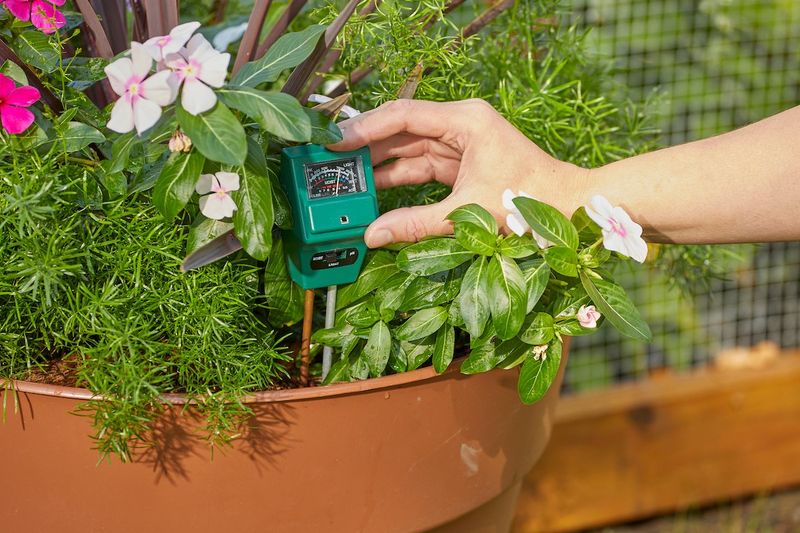
One of the biggest surprises for newer Arizona gardeners is just how fast container soil dries out compared to an in-ground bed.
Ground soil holds moisture longer because it connects to a much larger soil mass, benefits from ground-level shading, and loses water more slowly.
A container sitting in full sun on an Arizona patio in July operates under very different conditions.
Checking soil moisture by pressing a finger an inch or two into the potting mix is one of the most reliable low-tech methods available. If the soil feels dry at that depth, the plant likely needs water.
If it still feels moist, waiting another day is usually fine. Moisture meters are also helpful for deeper pots where finger-checking does not reach the root zone easily.
During the peak of Arizona summer, some containers may need watering once a day or even more frequently depending on pot size, plant type, sun exposure, and wind.
Herbs in small terra cotta pots on a west-facing patio can dry out within hours on a 110-degree afternoon.
Larger glazed ceramic pots in partial shade dry out more slowly. Developing a daily checking habit rather than following a fixed watering calendar tends to produce better results for Arizona container gardens throughout July.
6. Water Thoroughly Until Excess Water Drains Out
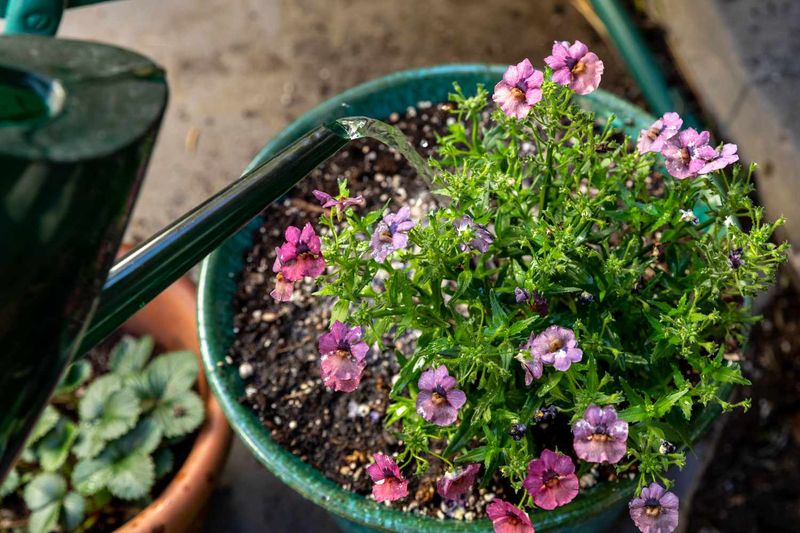
Quick, shallow watering is one of the most common container-plant mistakes made during Arizona summers. When only the top inch or two of potting mix gets wet, the roots sitting deeper in the container never receive adequate moisture.
Over time, shallow watering leads to stressed plants that cannot support healthy growth even when watered frequently.
Watering thoroughly means applying water slowly and steadily until it flows freely from the drainage holes at the bottom of the pot. This approach saturates the entire root zone, pushes out accumulated salts, and ensures that moisture reaches the deepest roots.
In Arizona, where evaporation rates are high and July heat is intense, thorough watering is especially important for maintaining plant health between sessions.
Early morning is generally a good time to water container plants in Arizona.
Watering before the heat of the day allows the soil to absorb moisture before rapid evaporation begins, and wet foliage has time to dry before evening, which can reduce fungal issues.
Watering in the evening is another option that works for many gardeners, though morning watering tends to be more efficient in dry desert climates.
Avoiding midday watering on extremely hot days is worth considering, since water can evaporate quickly before roots absorb much of it.
7. Give Containers Afternoon Shade During Extreme Heat
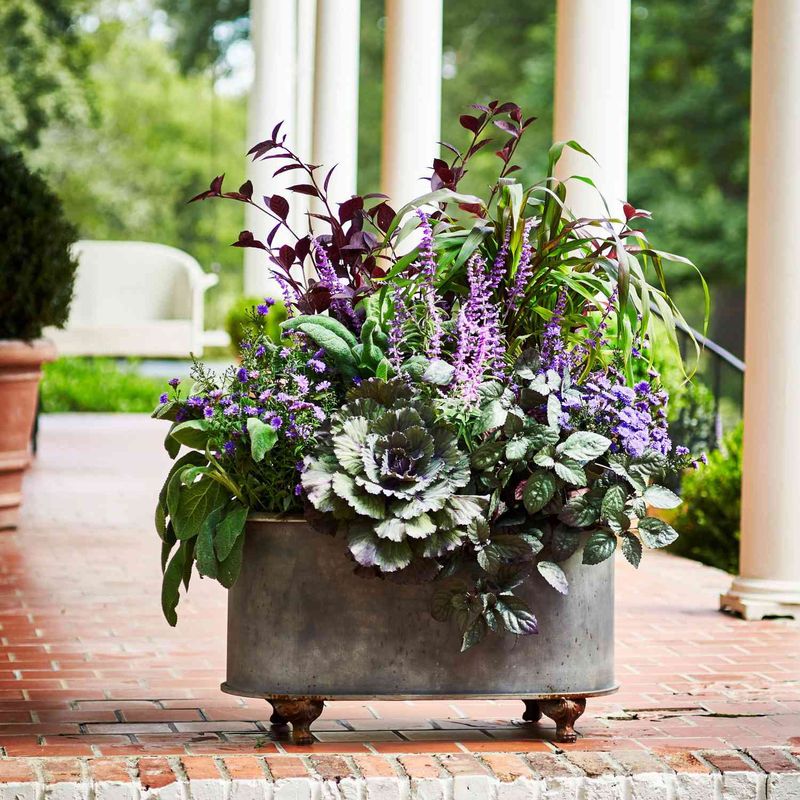
Afternoon sun in Arizona during July is genuinely brutal. Between roughly 1 p.m. and 6 p.m., the combination of high temperatures, intense direct sunlight, and radiant heat from surfaces can overwhelm even sun-tolerant container plants.
Moving pots into a shaded location during those hours can make a noticeable difference in how well they hold up.
Shade from a patio cover, pergola, large tree, or courtyard wall provides relief without eliminating light entirely.
Many plants that thrive in full sun during spring and fall still benefit from some afternoon protection when July temperatures climb past 105 or 110 degrees.
Herbs like basil, mint, and cilantro are especially sensitive to afternoon heat and often do better with filtered light during the hottest part of the day.
Not every Arizona home has a conveniently shaded patio, but there are creative ways to work with the space available. Grouping containers together can create a modest amount of shared shade, with larger plants sheltering smaller ones.
Placing pots near a north-facing or east-facing wall reduces afternoon sun exposure significantly.
Even a few hours of shade during the peak heat window can reduce wilting, slow moisture loss, and give container plants a much better chance of staying healthy through the remainder of July.
8. Use Shade Cloth When Plants Show Heat Stress
Leaves that look bleached, scorched at the edges, or suddenly limp even after watering are often showing signs of heat stress.
In Arizona, July is the month when these symptoms appear most frequently on container plants that were perfectly healthy just weeks earlier.
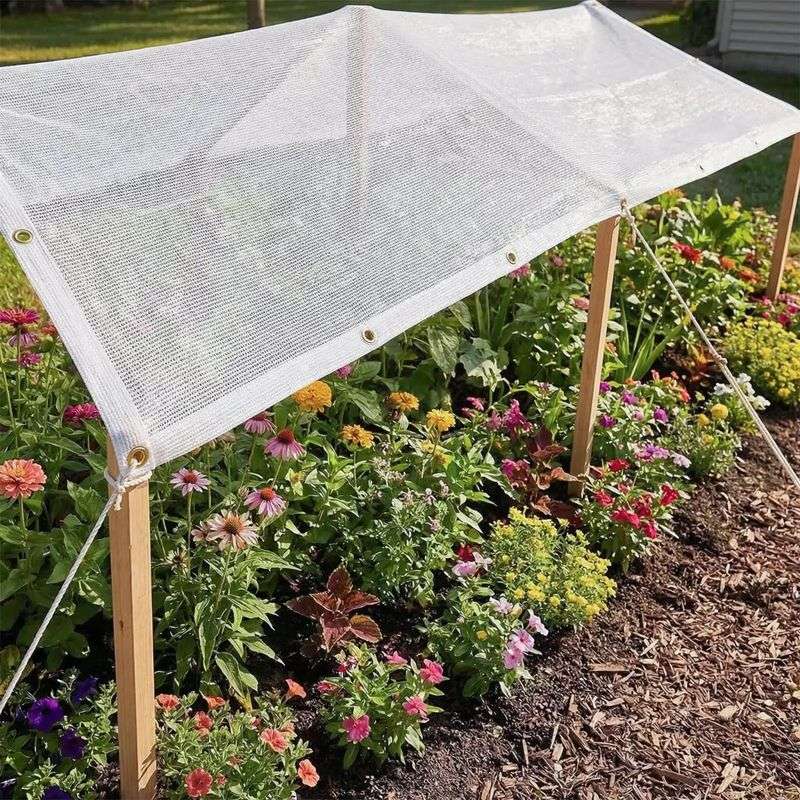
Shade cloth offers a practical solution when natural shade is not available or sufficient.
Shade cloth is a woven or knitted fabric available in different densities, typically measured by the percentage of sunlight it blocks.
For most container plants in Arizona, a cloth that blocks roughly 30 to 50 percent of sunlight can reduce heat stress without cutting off too much light for photosynthesis.
Shade cloth is relatively inexpensive, easy to install over a simple frame or pergola structure, and can be removed or repositioned as conditions change.
Setting up shade cloth over a balcony container garden or a row of vegetable pots on a sunny porch is a manageable weekend project for most homeowners. The material is lightweight and comes in various sizes.
Vegetables like tomatoes and peppers, which are commonly grown in Arizona containers, can benefit from afternoon shade cloth coverage during the hottest weeks.
Checking plants regularly after installing shade cloth helps confirm whether the coverage level is appropriate, since too much shade can slow growth just as effectively as too much direct sun.
9. Move Pots Away From Reflected Heat
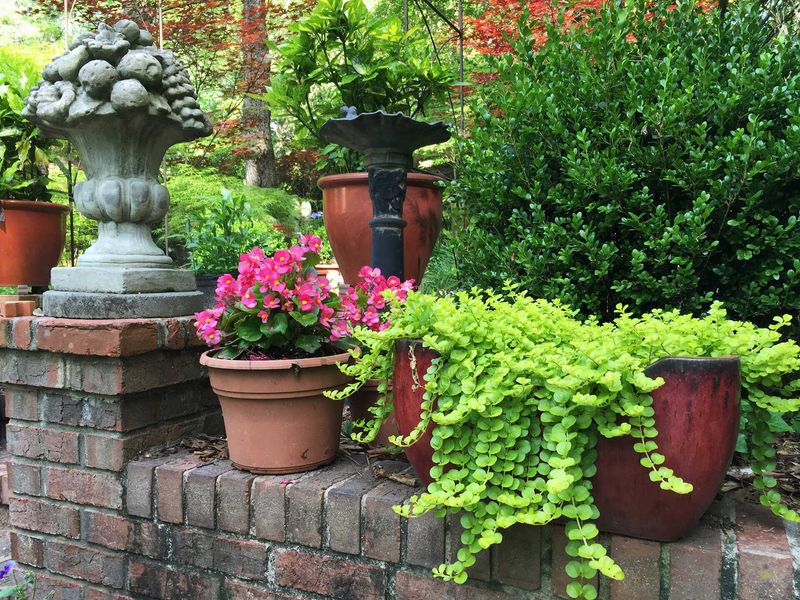
White stucco walls, light-colored concrete block fences, and sun-baked pavers can reflect an enormous amount of heat toward nearby container plants.
On a 108-degree July afternoon in Arizona, a pot sitting within a foot or two of a south-facing or west-facing wall may experience temperatures significantly higher than the ambient air temperature.
That extra heat load pushes plants past their tolerance thresholds faster.
Reflected heat affects soil temperature, air temperature around the foliage, and the rate at which the potting mix dries out.
Container plants near highly reflective surfaces often need watering more frequently than identical plants placed even a few feet away in a more open location.
Moving pots away from walls and pavers during July can reduce heat exposure without requiring any additional shade structure.
Positioning containers on the north or east side of a structure, where they receive morning sun but are protected from afternoon glare and reflected heat, tends to work well for many Arizona plants.
Courtyards with dense plantings and overhead coverage naturally buffer reflected heat better than open patios.
For homeowners who cannot move large or heavy containers easily, placing a layer of insulating material between the pot and the wall, or using plant stands to create some distance, can help reduce the heat that reflects directly onto the container and root zone.
10. Avoid Heavy Pruning Or Fertilizing During Heat Waves
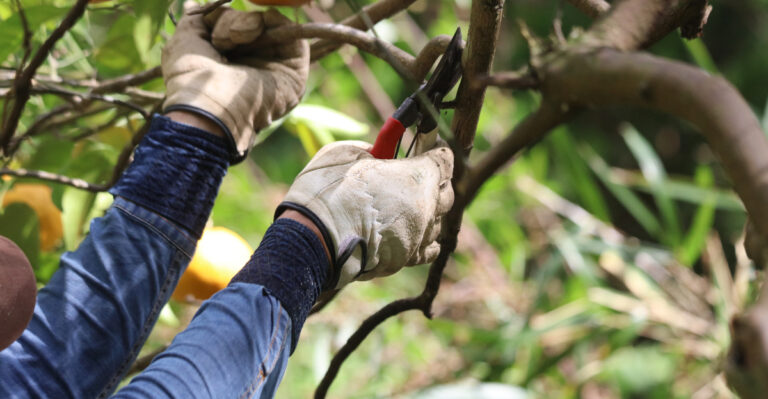
Reaching for pruning shears or a bag of fertilizer during a July heat wave in Arizona can feel productive, but it may actually add stress to plants that are already working hard just to survive the heat.
Both heavy pruning and aggressive fertilizing push plants to redirect energy at a time when their resources are stretched thin.
Removing large amounts of foliage during extreme heat exposes more of the plant to direct sun and reduces the leaf coverage that provides some self-shading.
Light, careful trimming of truly damaged or spent material is generally fine, but major pruning is better saved for cooler months when plants can recover more easily.
Foliage that looks rough in July may bounce back once temperatures moderate in fall.
Fertilizing heavily during a heat wave can also backfire. High concentrations of fertilizer salts in already-stressed soil can draw moisture away from roots through osmosis, making it harder for plants to stay hydrated.
If fertilizing seems necessary, using a diluted, slow-release option and applying it during a cooler part of the day is a more cautious approach.
Waiting until late August or September, when Arizona temperatures begin to ease and plants enter a more active recovery phase, is often the more practical and plant-friendly choice for both pruning and feeding container gardens.