Why Arizona Gardeners Are Choosing Shade Sails Over Patios This Summer
Many Arizona homeowners have done the math on a patio cover at some point. The quotes come back, the timeline stretches out, and the project quietly moves to next year’s list. Again.
Meanwhile, the backyard sits there in June looking like a surface you could fry an egg on, and nobody goes outside until the sun drops below the fence line.
There is a reason that calculation is changing across Phoenix, Tucson, and Scottsdale right now.
Homeowners are discovering something that installs in an afternoon, costs a fraction of the price, and genuinely makes their outdoor space usable again during the worst of the summer heat.
Do you know what your neighbors are putting up while you are still waiting on contractor quotes?
It is not a pergola. It is not an awning. And once you understand how well it actually works in Arizona conditions specifically, the traditional patio cover starts looking a lot less necessary.
The shift happening in Arizona backyards right now is worth paying attention to.
1. Shade Sails Cut Scorching Sun And Make Lounging Pleasant
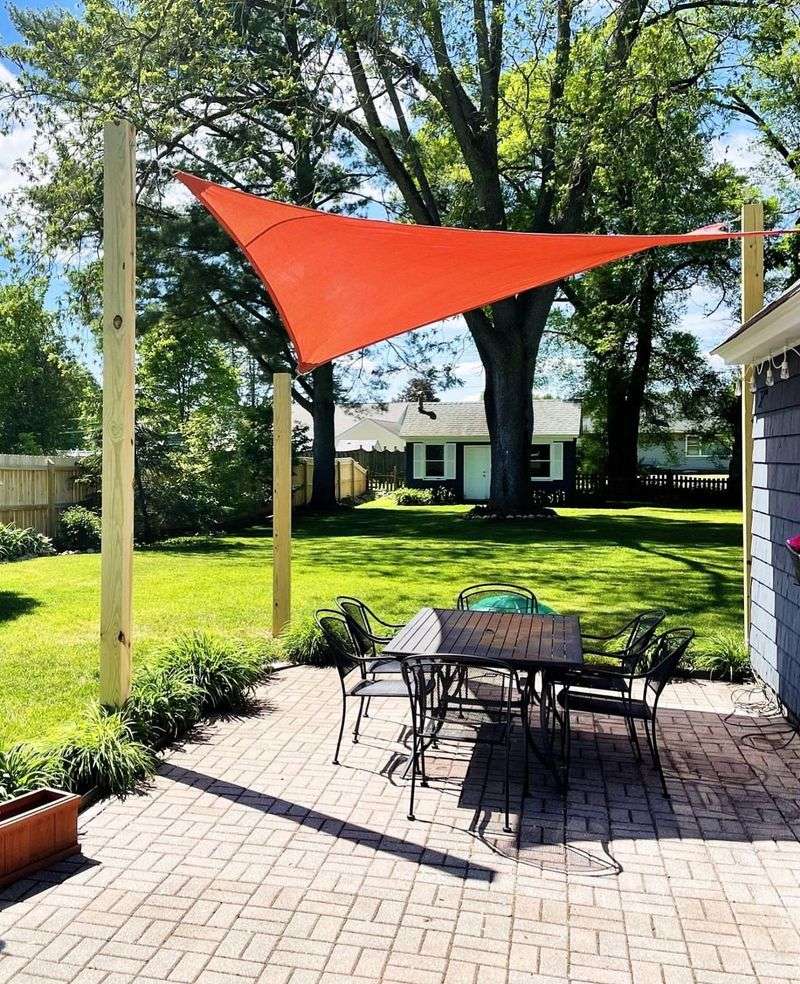
Stepping outside at 2 p.m. in Phoenix and actually wanting to stay there sounds like a fantasy. With a properly installed shade sail, it becomes a fairly normal Tuesday.
Shade sails work by intercepting direct solar radiation before it reaches the ground or the people sitting below.
Shading hardscape surfaces like concrete and pavers can lower surface temperatures by up to 30 degrees Fahrenheit. That single number explains why patios that were unusable for months become comfortable again almost immediately.
High-quality shade cloth typically blocks between 90 and 95 percent of UV rays while still allowing filtered light to pass through. That filtered light keeps the space from feeling dark while dramatically cutting radiant heat buildup from below.
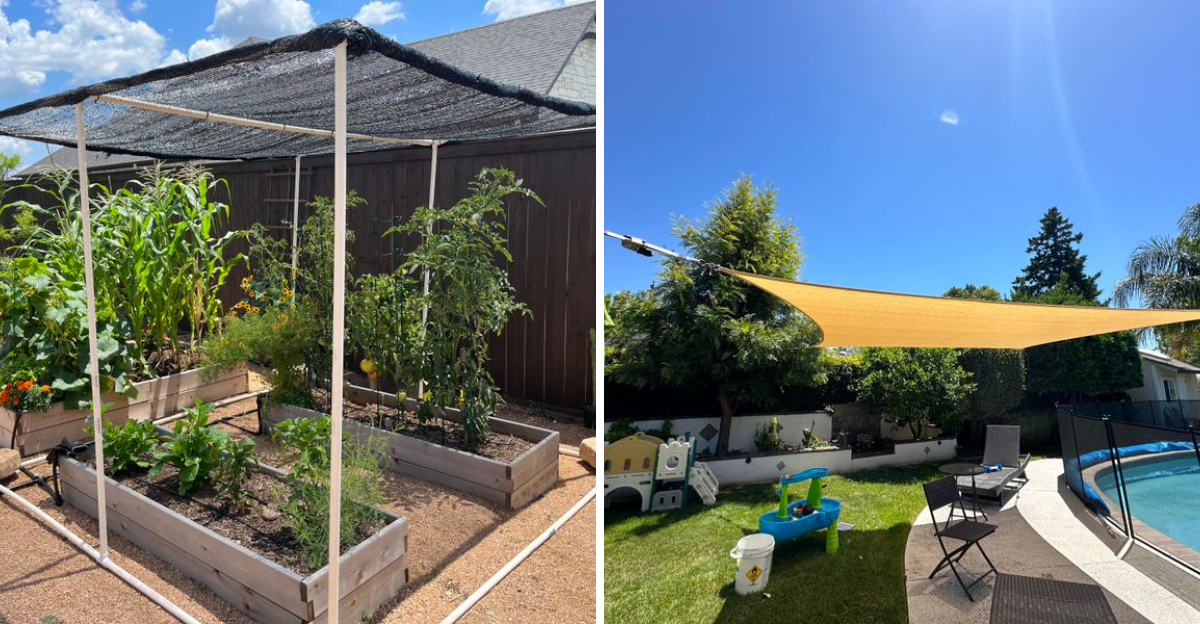
Plants underneath benefit noticeably too. Potted plants, herbs, and vegetable gardens that struggle in direct Arizona sun perform significantly better with overhead protection during peak afternoon hours.
Tomato plants shaded during the hottest part of the day tend to produce more fruit and show less blossom drop than unshaded plants.
Positioning the sail at a20 to 30 degree angle rather than hanging it perfectly flat allows heat to escape from underneath rather than trapping it.
A well-positioned shade sail does not just make the backyard cooler. It makes it a place people actually choose to be during Arizona summer.
Which is the whole point, really.
2. They Block Harsh UV Rays Without Blocking Breezes
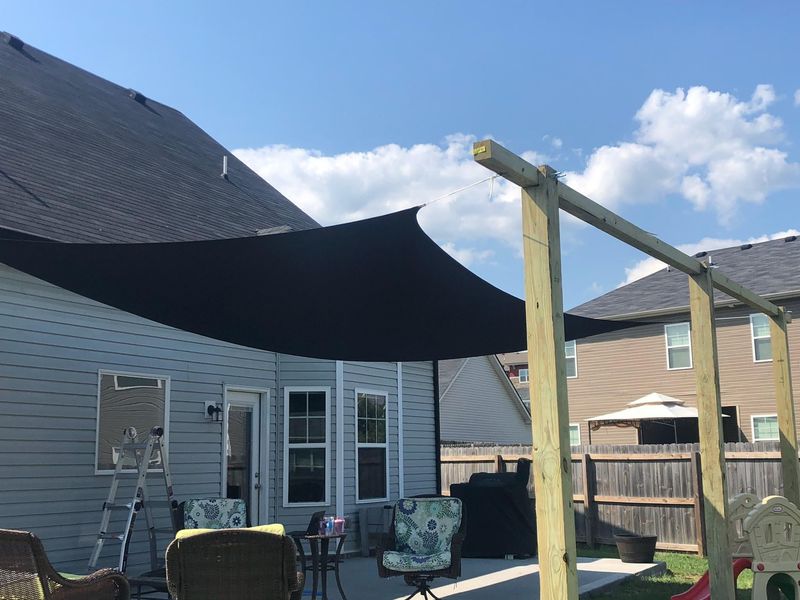
Solid patio covers block the sun well enough. They also stop every breeze that tries to make a July afternoon bearable. On a breezy Arizona afternoon, that trade-off is a significant one.
Shade sails are woven from breathable HDPE fabric, high-density polyethylene, engineered to let wind pass through while blocking the majority of harmful UV rays.
UV exposure in the Sonoran Desert ranks among the highest in the entire country. Fifteen minutes in direct midday sun without protection can cause real skin damage.
A quality shade sail with a tight weave blocks 90 to 95 percent of UV radiation while still letting a cooling breeze move freely through the space underneath.
Your Arizona Garden Changes Every Week. Your Plan Should Too.
Gardening in Arizona changes quickly throughout the season. Every Friday you’ll receive a simple weekly plan showing exactly what to plant, prune, fertilize, harvest, and protect so you never miss the right timing.
That breathability also matters for plants growing below the sail. Solid covers can trap heat and humidity in unpredictable ways.
Shade sail fabric lets air circulate freely around plant leaves, which reduces fungal risk and keeps leaf temperatures lower during the hours when desert heat is most intense.
Shade factor selection makes a meaningful difference. Fabrics rated at 90 percent shade work well for seating areas where people spend extended time.
For plants that still need some direct light, a 70 percent cloth provides protection while allowing enough brightness for healthy growth.
Matching the fabric rating to the specific use makes the whole setup work considerably better than just grabbing whatever is on sale.
The breeze gets through. The UV rays mostly do not. That is a combination Arizona afternoons have needed for a while.
3. Arizona Winds Move Through Fabric Better Than Solid Roofs
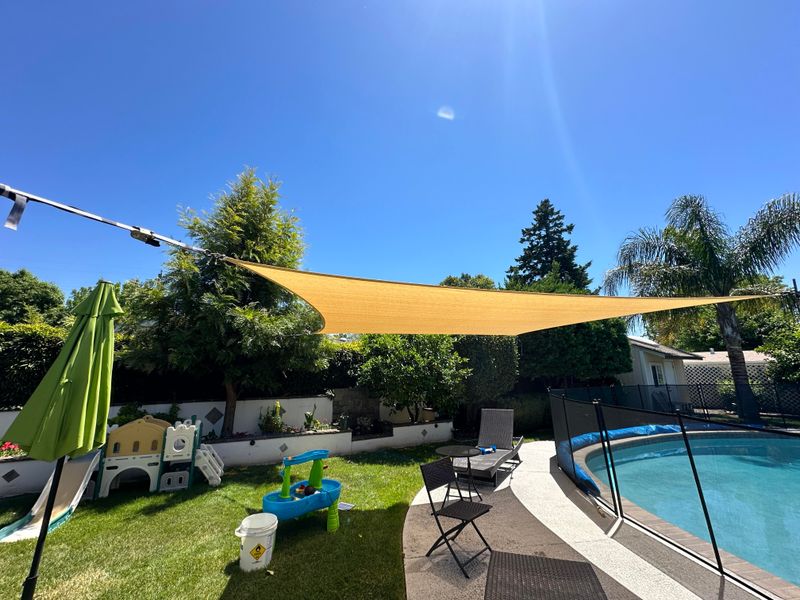
Anyone who has watched a haboob roll across the Phoenix valley knows that Arizona wind is not gentle or negotiable.
Gusts in those storms can exceed 60 miles per hour, and anything that acts like a solid wall or roof panel in that kind of wind is in a genuinely difficult situation.
Shade sails are designed specifically to let wind pass through the fabric itself rather than catching it like a rigid structure would. That design choice reduces the load on attachment points and posts significantly during high-wind events.
Rigid patio covers act like sails in a storm in the worst possible way. They catch full wind force and transfer that stress directly to the structure and its anchors.
Shade sail fabric, woven with open mesh, allows a substantial percentage of wind to pass through rather than accumulating pressure against it.
That said, installation quality matters considerably. Use properly sized posts and footings based on manufacturer instructions, local code, and wind load.
Tension across the sail needs to be firm but not excessive. Attachment hardware should be stainless steel to handle monsoon moisture without corroding.
Many Arizona homeowners take their sails down before major dust storm season or during extended high-wind warnings. With the right hardware, that takes minutes rather than hours.
A permanent patio roof cannot offer that flexibility. Adapting your shade solution to actual conditions rather than assuming everything will be fine is a reasonable approach in Arizona.
The haboob does not care about your patio cover. The shade sail at least knows how to step aside.
4. Sails Add Color And Style To Outdoor Living Areas
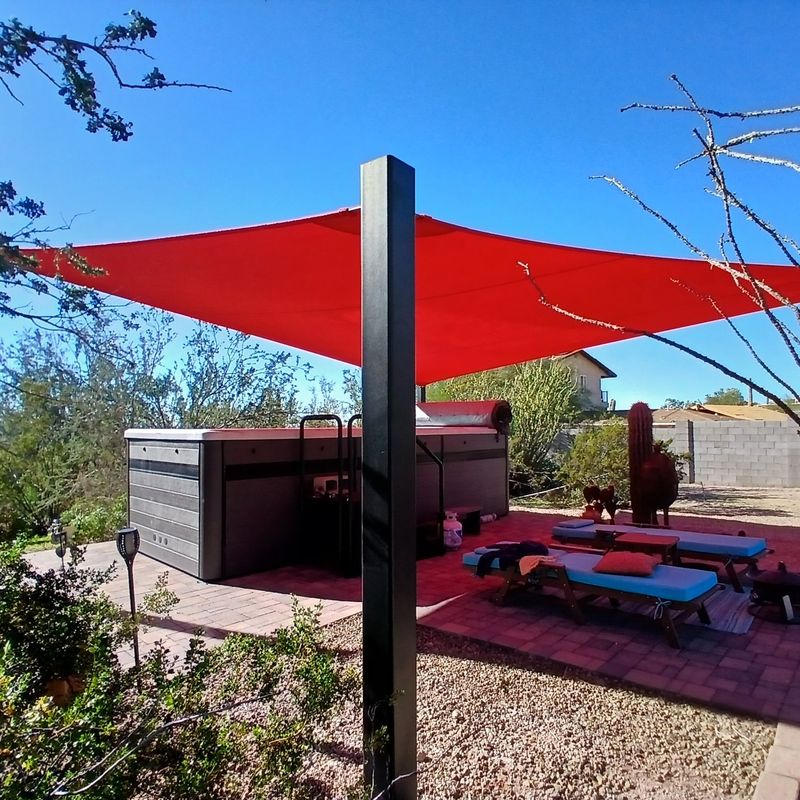
Walk through any Scottsdale neighborhood right now and the shift is visible. Shade sails in deep terracotta, cool slate blue, warm sand, and vibrant coral are turning ordinary backyards into spaces that look genuinely designed rather than just functional.
The aesthetic goes beyond color. Geometric shapes, triangles, squares, and rectangles, can be layered and overlapped to create visual depth and interest that a flat patio cover simply cannot replicate.
Landscape designers in Phoenix often recommend mixing two or three sails at slightly different heights and angles to create a dynamic canopy that looks intentional from every angle.
Color choice carries practical weight too. Darker shades like charcoal and navy absorb more heat within the fabric itself but cast a deeper, cooler shadow underneath.
Lighter colors like sand or white reflect more sunlight and keep the space beneath brighter. Mid-tone colors tend to balance visual warmth with practical cooling performance, which is why they show up most often in Arizona installations.
Shade sails pair naturally with outdoor string lights, potted succulents, and gravel or flagstone flooring. That combination creates an outdoor room aesthetic that feels cohesive rather than assembled from unrelated pieces.
Outdoor living spaces with intentional shade structures consistently rank among the top requested features in Southwest home renovations.
A shade sail is one of the fastest and most affordable ways to change how a backyard looks and feels. No contractor timeline. No waiting until next year.
5. They Give Spot Shade For Plants That Don’t Like Full Sun
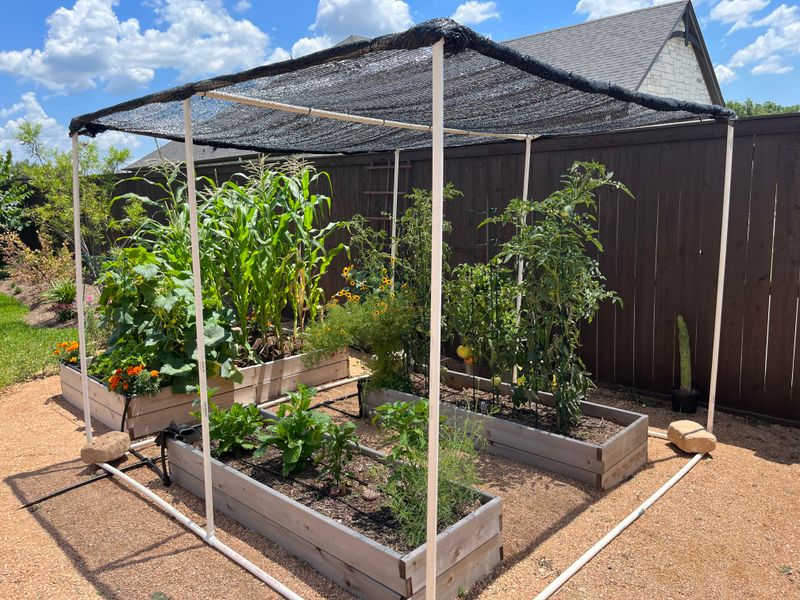
Not every plant wants eight hours of direct Arizona sun daily, and shade sails give gardeners the ability to create custom microclimates exactly where they are needed without any permanent construction.
Herbs like cilantro, parsley, and basil bolt quickly and lose flavor when exposed to intense summer heat.
Positioning a shade sail to cover them during peak afternoon hours extends their productive season by weeks. That alone makes the investment worthwhile for serious kitchen gardeners.
Cool-season crops like lettuce, spinach, and arugula can sometimes continue producing through summer in Arizona’s low desert when given 30 to 50 percent shade during the hottest hours.
A shade sail with the right fabric rating accomplishes exactly that and can be repositioned as the sun angle shifts through the season.
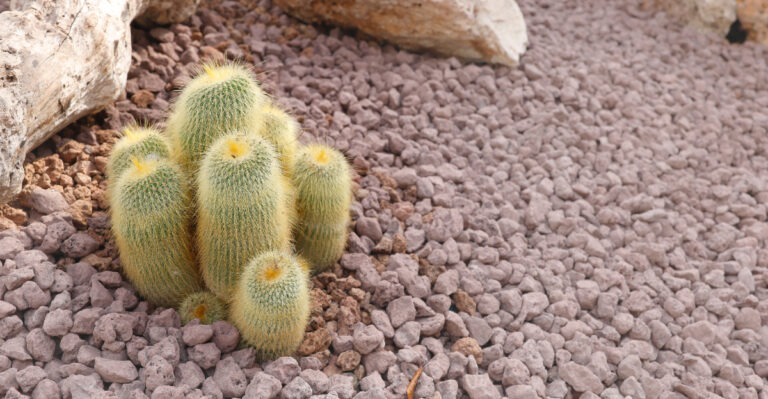
Even desert-adapted plants benefit from partial protection in some situations. Young saguaro cacti and newly transplanted native shrubs are vulnerable to sunscald before their root systems fully establish.
A shade sail overhead for a first summer provides protection without permanently changing the landscape around them.
The advantage over a permanent cover is flexibility. A shade sail can move from a vegetable bed in June to a seating area in August as priorities shift. No fixed structure matches that kind of adaptability.
For serious desert gardeners who want to push the productive season further into summer, shade sails are the most flexible tool available.
The plants will not write you a thank you note, but they will make their appreciation known through continued production.
6. They Help Cool Play Areas Without Permanent Construction
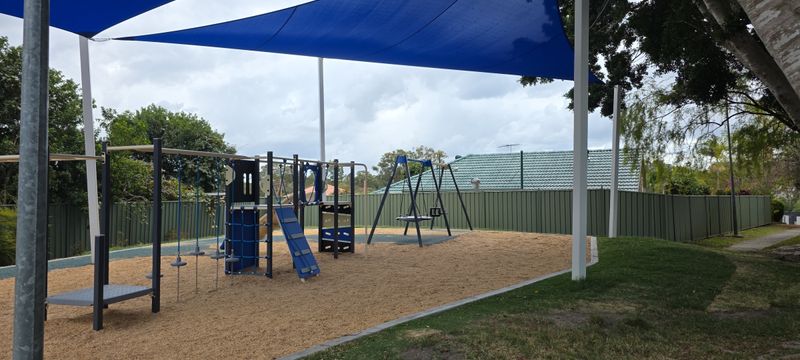
Playground equipment sitting in direct Arizona sun can reach surface temperatures above 150 degrees Fahrenheit. That is hot enough to cause contact burns.
However, a shade sail positioned directly above a swing set or slide reduces equipment surface temperatures significantly within minutes of coverage.
Beyond burn prevention, shade keeps children comfortable enough to actually want to play outside. Children overheat faster than adults because their bodies regulate temperature less efficiently.
Overhead shade allows kids to stay active outdoors longer without the heat exhaustion risk that is genuinely significant in Arizona from May through September.
Installing a shade sail over a play area is typically straightforward. Most kits include hardware for attaching to existing fence posts, walls, or freestanding poles.
For families with wooden play sets, the sail can often be anchored directly to the set’s frame with appropriate hardware.
Prioritize coverage over the slide and any metal components, since those surfaces heat up fastest and stay hot longest after sun exposure.
Parents also appreciate that shade sails come down easily for winter, when full sun is actually desirable in the yard.
Compared to building a permanent structure over a play set, shade sails cost considerably less and reposition easily if the yard layout changes.
An Arizona play set in July without shade is basically an elaborate way to teach kids that outside is not worth it. Shade sails argue otherwise.
7. They Let You Create Outdoor Rooms In Small Yards
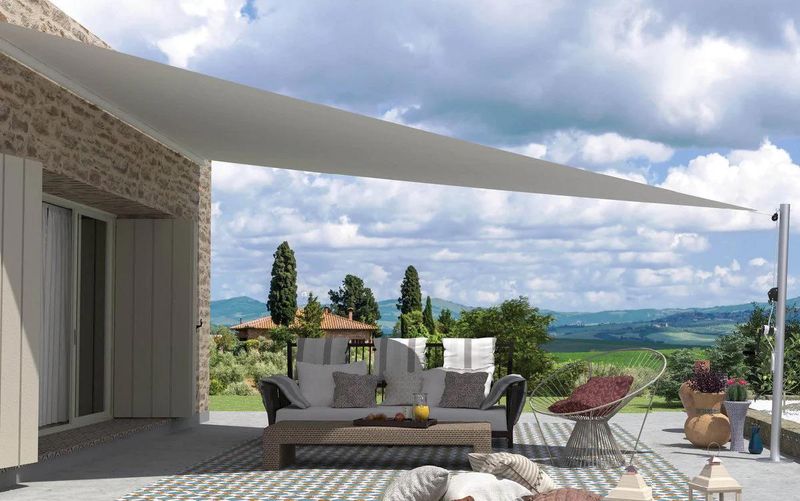
Small yards are actually where shade sails deliver some of their most impressive results.
In a compact space, a single well-placed sail can define a dining area, a reading corner, or a container garden zone without occupying any ground-level square footage at all.
The overhead canopy creates a sense of enclosure and purpose that transforms even a small yard into something that feels designed and intentional rather than just an open patch of gravel.
Landscape designers describe this as outdoor rooms, the principle that a yard functions better when divided into distinct zones with clear purposes.
In Arizona, where compact urban lots are common across Phoenix, Tempe, and Mesa, shade sails let homeowners maximize every square foot available.
A 12-by-12-foot sail over a corner can turn a hot, unused section of gravel into a comfortable sitting area that gets regular use every evening.
Layering multiple sails at different heights adds design flexibility and practical benefit simultaneously. One sail at eight feet creates an intimate ceiling effect. A second sail at ten feet adds visual interest and allows hot air to rise and escape between the layers.
Pairing sails with outdoor rugs, simple furniture, and a few potted plants completes the outdoor room without a full renovation budget.
Small yards in Arizona do not need more space. They need better organization of the space they have, and shade sails are genuinely good at that.
8. They Reduce Heat Stress On Outdoor Furniture And Plants
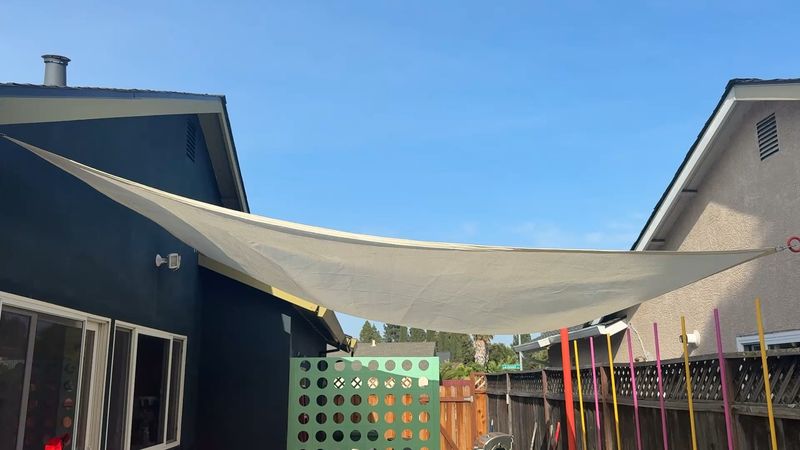
Outdoor furniture left in direct Arizona sun does not last. Cushion fabrics fade within a single season. Wicker frames dry out and crack.
Metal surfaces heat up to temperatures that are uncomfortable to touch and actively degrade the material over time.
Shade sails address all of those problems by removing direct solar exposure from the equation.
UV radiation in the Sonoran Desert degrades most synthetic fabrics considerably faster than in northern climates.
A shade sail blocking 90 percent of UV rays extends the functional life of outdoor cushions, umbrellas, and furniture frames by reducing that degradation rate significantly.
Container plants face a different but related problem. When a pot sits in direct sun, soil inside can exceed 130 degrees Fahrenheit, which effectively shuts down root function and stresses the entire plant.
Shade sails positioned over container plantings during peak afternoon hours keep root zone temperatures in a range where plants can actually function and drink water effectively.
Irrigation systems benefit too. Drip lines and emitters exposed to intense UV become brittle over time and start failing. Keeping them in partial shade extends their working life and reduces maintenance costs.
For Arizona homeowners who have invested in quality plants, furniture, and irrigation systems, a shade sail is not an upgrade. It is protection for what is already there.
Everything outside in Arizona is fighting the sun. The shade sail is just finally fighting back on your behalf.