What It Really Means When Bluebirds Stop Visiting Your North Carolina Yard In Midsummer
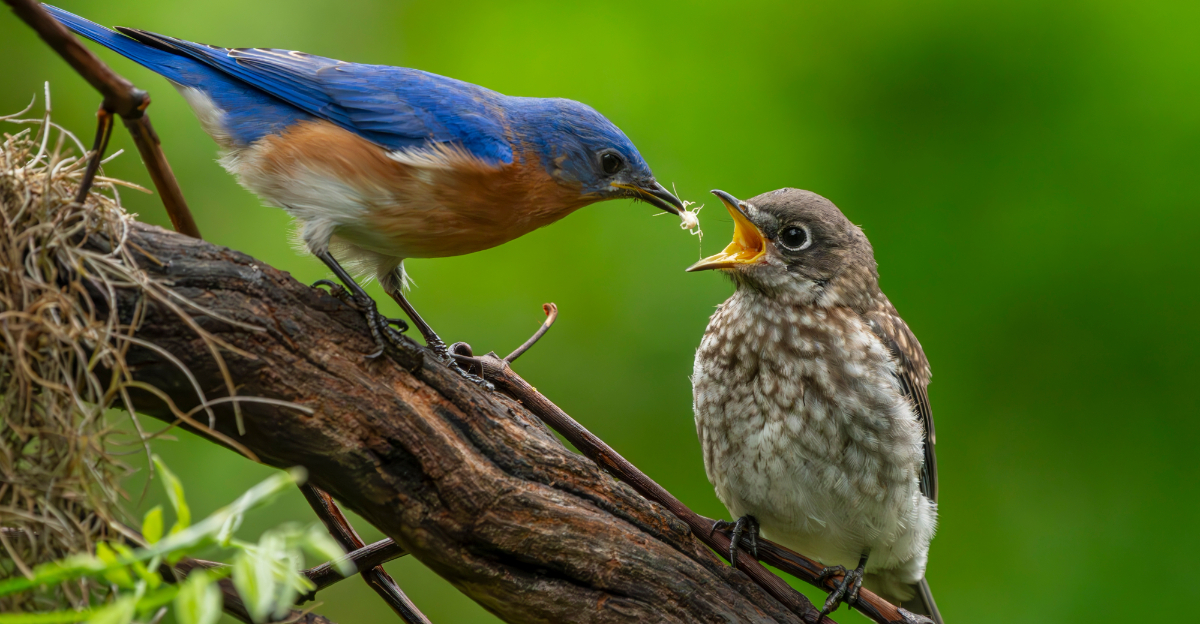
Bluebirds are a consistent and welcome presence in North Carolina yards through spring and into early summer.
When they suddenly disappear from spaces they were visiting regularly, most homeowners assume the birds simply moved on without any particular reason.
There is almost always a specific reason, and it reflects something identifiable about what changed in the yard or the surrounding landscape during that period.
Bluebird behavior shifts predictably through the summer season in response to nesting cycles, food availability, and habitat conditions that fluctuate in ways a yard owner can actually influence.
Understanding what drives that midsummer disappearance reveals practical steps that bring these birds back and keep them returning consistently through the rest of the season.
1. They May Be Busy With A New Brood
Bluebirds in North Carolina are genuinely impressive parents, and midsummer is often when that dedication peaks.
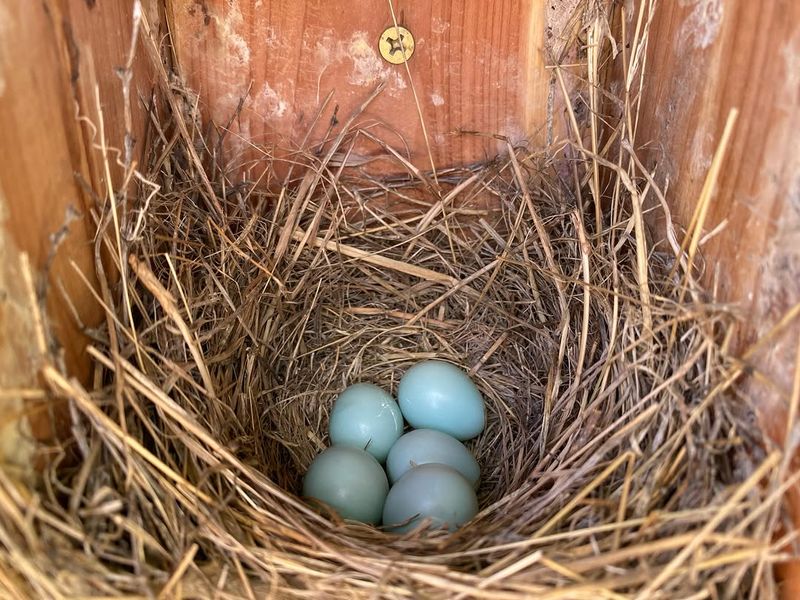
Eastern Bluebirds can raise two or even three broods in a single season, which means the adults you were seeing at your feeder in spring may now be deep into raising a second family.
Their attention shifts completely to nesting duties, feeding chicks, and protecting a new clutch of eggs.
When a pair is actively nesting, they tend to stay much closer to the nest box or tree cavity they have chosen. That spot may not be your feeder.
It could be a nest box across the yard, a natural cavity in a nearby tree, or even a neighbor’s setup a few houses down.
The adults make dozens of trips back and forth to feed hungry chicks, and that tight loop keeps them away from places they visited freely before. Watching carefully near any nest boxes you have in place can confirm this theory.
You may notice the male singing from a nearby perch to defend territory, or the female slipping in and out of the box opening quickly. These are strong signs that a second brood is underway.
Bluebirds can begin a second nesting attempt as early as late June in North Carolina, so a midsummer quiet spell at the feeder may simply mean your resident pair is doing exactly what healthy bluebirds do.
Patience and a little observation go a long way here.
2. Young Bluebirds May Have Moved Into Cover
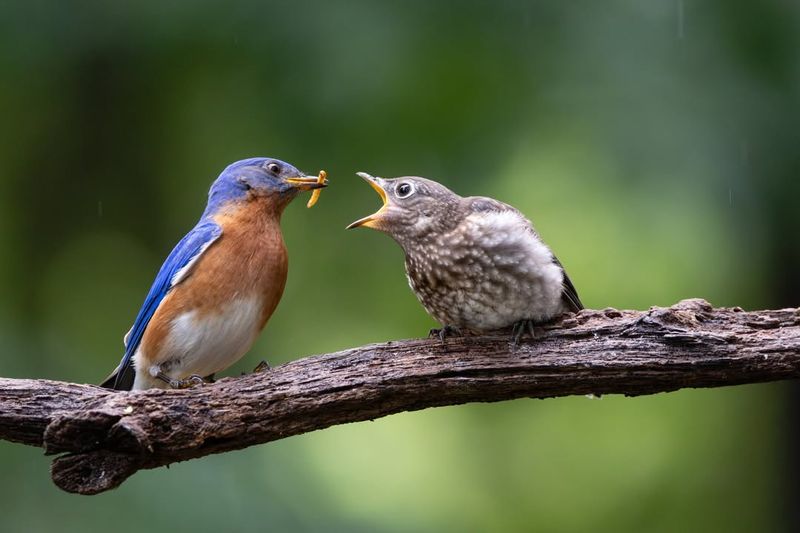
Right after fledgling bluebirds leave the nest, they do not suddenly become confident, open-field birds.
Young bluebirds are cautious and still learning the world around them, so they tend to tuck themselves into shrubs, low branches, and the quieter edges of a yard.
If you have not been looking in those spots, it is easy to assume the bluebirds have simply vanished.
Juvenile bluebirds look noticeably different from adults. They have spotted brown and gray chests with only hints of blue on their wings and tail, which can make them blend in surprisingly well with leafy summer cover.
Adults stay close to the fledglings during this learning period, guiding them toward food sources on the ground and teaching them the hunting technique bluebirds are known for: dropping from a perch to snatch an insect in the grass below.
Your North Carolina Garden Changes Every Week. Your Plan Should Too.
Gardening in North Carolina changes quickly throughout the season. Every Friday you’ll receive a simple weekly plan showing exactly what to plant, prune, fertilize, harvest, and protect so you never miss the right timing.
During this fledgling phase, the whole family unit may avoid open feeder areas because those spots feel exposed and stressful for young birds still figuring out their surroundings.
You might catch glimpses of the group in the early morning, moving quietly through shrubby corners of your yard or along a hedgerow.
Keeping some natural cover in your yard, like native shrubs and low-branching trees, gives young bluebirds the safe landing spots they need.
Fewer feeder visits right after a nesting stage is completely normal behavior, and it usually means the family is healthy and thriving nearby.
3. They May Be Finding More Natural Insects
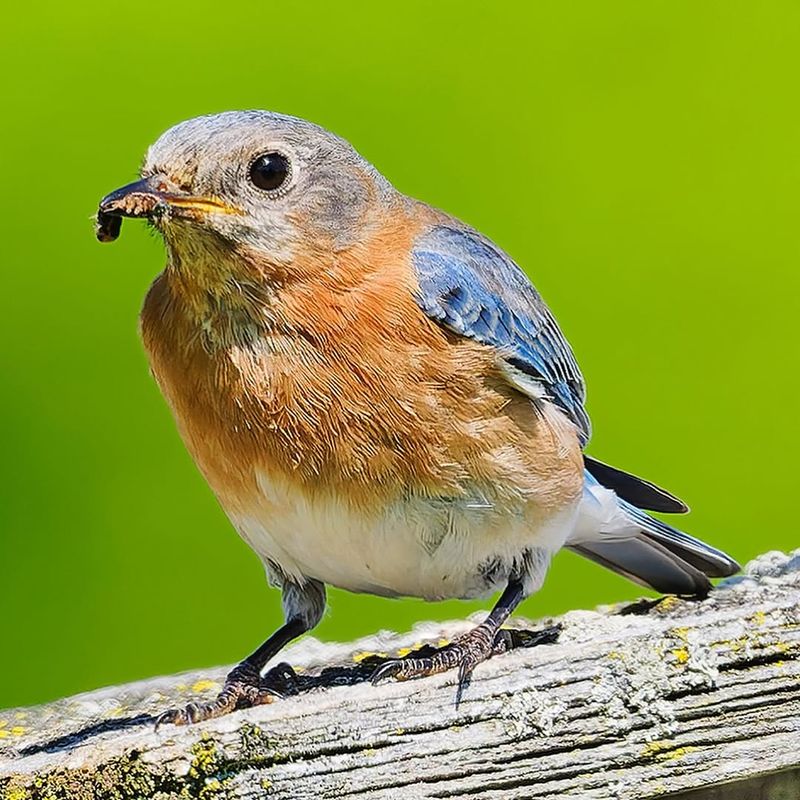
Bluebirds are insect hunters at heart, and North Carolina in midsummer is basically a buffet for them.
Warm lawns, garden edges, open meadows, and even mowed grass strips along fences are loaded with beetles, grasshoppers, caterpillars, and all kinds of soft-bodied insects during the hottest months of the year.
When natural food is this easy to find, a feeder full of mealworms simply becomes less necessary.
The classic bluebird hunting style involves perching on something elevated, like a fence post, utility wire, low branch, or garden stake, and watching the ground below with sharp, focused eyes.
The moment they spot movement in the grass, they drop down, grab the insect, and return to their perch.
This routine can keep a bluebird well-fed all day long without ever needing to visit a feeder, especially when summer insect populations are at their highest.
If your yard has open lawn areas with short grass, you may actually be providing excellent hunting ground without even realizing it.
Bluebirds prefer foraging in areas where the grass is not too thick or overgrown, because dense turf makes it harder to spot insects moving below.
A yard with a mix of short grass, garden beds, and open edges is genuinely attractive to bluebirds even when they are not stopping at a feeder.
Seeing one perch on your fence and scan the yard is a sign they are still very much around and using your space actively.
4. Mealworms May Be Less Important In Midsummer
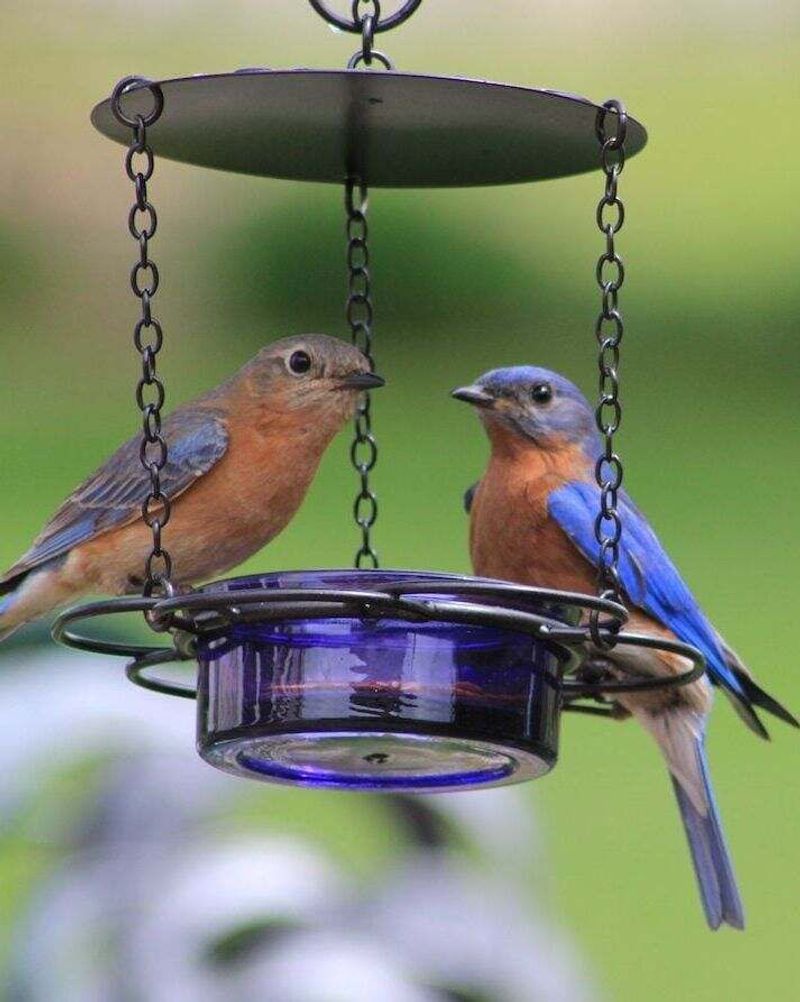
Mealworm feeders are one of the best tools for attracting bluebirds, especially in late winter and early spring when natural food is harder to come by. But midsummer is a completely different story.
The landscape fills up with living insects, soft berries start ripening, and bluebirds shift naturally toward what the season provides. Fewer visits to the mealworm dish can actually be a really encouraging sign.
Think of the mealworm feeder as a helpful supplement rather than a main food source. Bluebirds are smart enough to use it when they need it and skip it when they do not.
During late spring and early summer, when adults are working hard to feed nestlings, the feeder often gets heavy use because parents need quick, reliable food to bring back to hungry chicks.
Once the chicks fledge and summer insects peak, that urgency fades. Keeping the feeder clean, stocked, and available is still a good habit through the season.
There will be days, especially after heavy rain or during stretches of cool cloudy weather, when insects become harder to find and bluebirds return to the feeder with enthusiasm.
Offering a small amount of live or dried mealworms consistently, without overdoing it, keeps the bluebirds familiar with your yard as a resource. The goal is not to replace their natural diet but to be there when they need a boost.
A quiet feeder in midsummer usually means your yard is doing something right.
5. The Yard May Be Too Busy Or Exposed
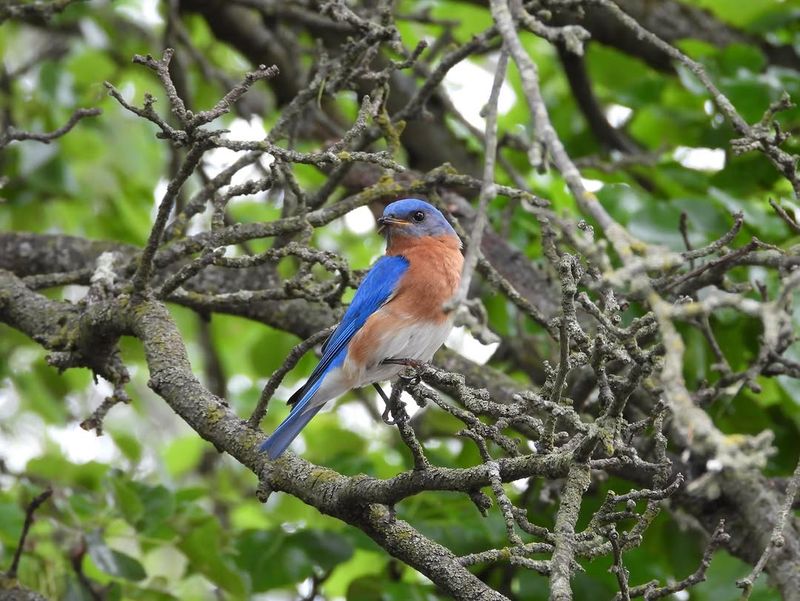
Bluebirds are not skittish in the dramatic sense, but they are genuinely selective about where they feel safe.
If your yard has become busier over the summer, with kids playing outside more, pets roaming freely, lawn equipment running regularly, or increased foot traffic near the feeder, bluebirds may simply choose to spend their time in a quieter corner instead.
Exposed feeder setups can also be a factor. Bluebirds prefer feeding in spots where they have a clear view of their surroundings and a nearby perch to retreat to quickly.
A feeder placed in the wide open without trees, shrubs, or fence lines nearby may feel too vulnerable, especially for a pair raising young birds.
Predator pressure from cats, hawks, or even squirrels moving through the area can make bluebirds recalibrate where they feel comfortable spending time.
Small adjustments can make a real difference. Moving a feeder closer to a fence line or low shrub gives bluebirds a sense of cover without blocking their sightlines.
Keeping pets inside or supervised during early morning hours, when birds are most active, removes a major stress factor. If a particular corner of your yard stays quieter throughout the day, placing a nest box or feeder there could attract bluebirds back.
They are creatures of habit and comfort, and once they find a reliable, low-stress spot, they tend to return to it consistently through the rest of the season.
6. Heat May Change Their Daily Routine
North Carolina summers are no joke when it comes to heat. Temperatures regularly climb into the upper 80s and 90s by midday, and birds feel that just as much as people do.
Bluebirds tend to shift their activity to the cooler parts of the day during a heat wave, which means you might simply be looking at the wrong time and missing them entirely.
Early morning is prime bluebird time in midsummer. Right after sunrise, the air is cooler, insects are more active near the ground, and bluebirds move around with noticeably more energy.
The window from about 6 a.m. to 9 a.m. can be surprisingly productive for bluebird watching in a North Carolina yard. Late afternoon, once the worst of the heat starts to ease up, is another good window to check your yard and feeder.
During the hottest stretch of the afternoon, bluebirds often rest in shaded trees or dense shrubs, staying still and conserving energy. They are there, just not visible from a typical feeder view.
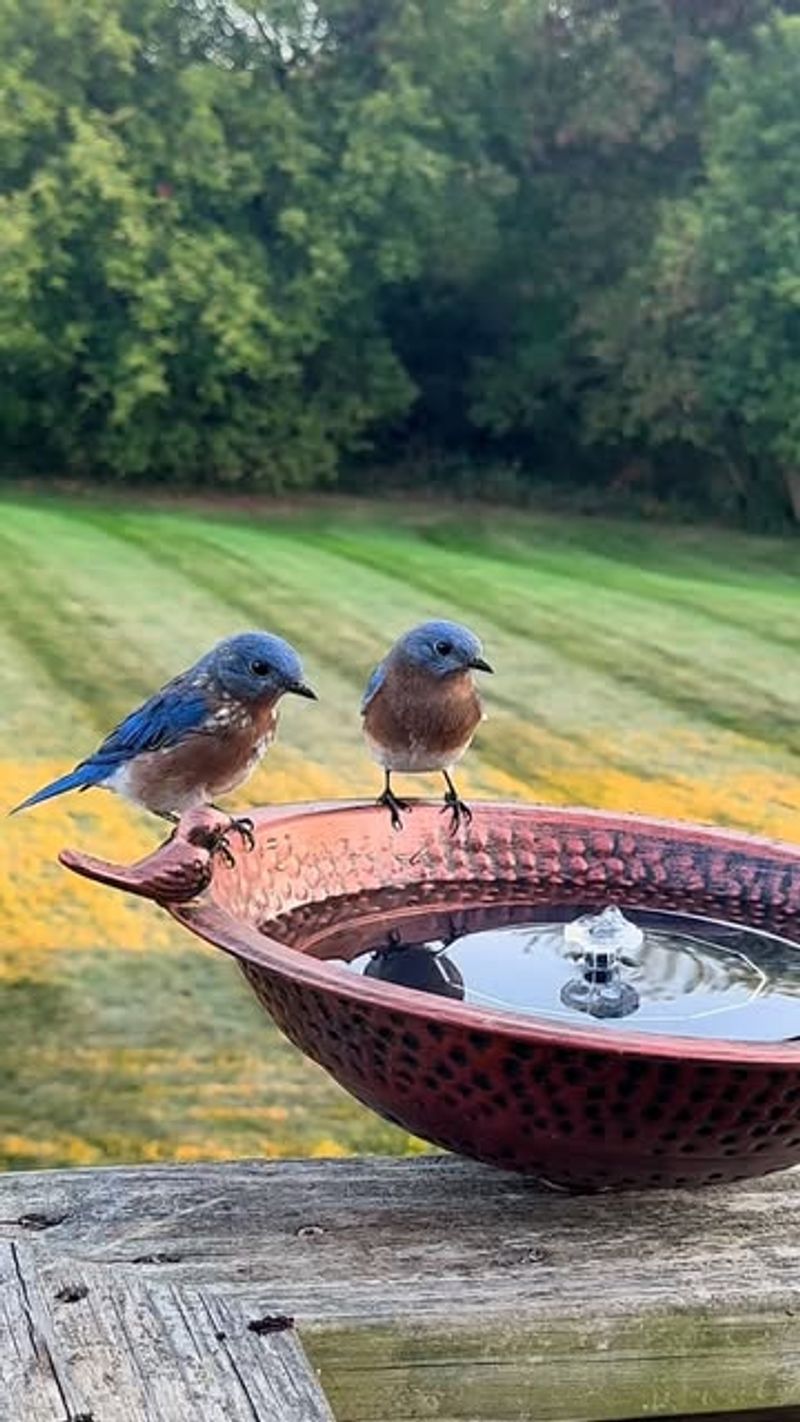
One thing that can genuinely bring them out during the heat is fresh, clean water. A shallow birdbath with moving water, like a small dripper or fountain attachment, is incredibly attractive to bluebirds on hot days.
They drink more frequently and love to bathe when temperatures spike. If you are not seeing bluebirds at the feeder, check near any water sources in your yard first.
That is often exactly where they will be on a sweltering July afternoon.
7. Berry Plants May Be Pulling Them Elsewhere
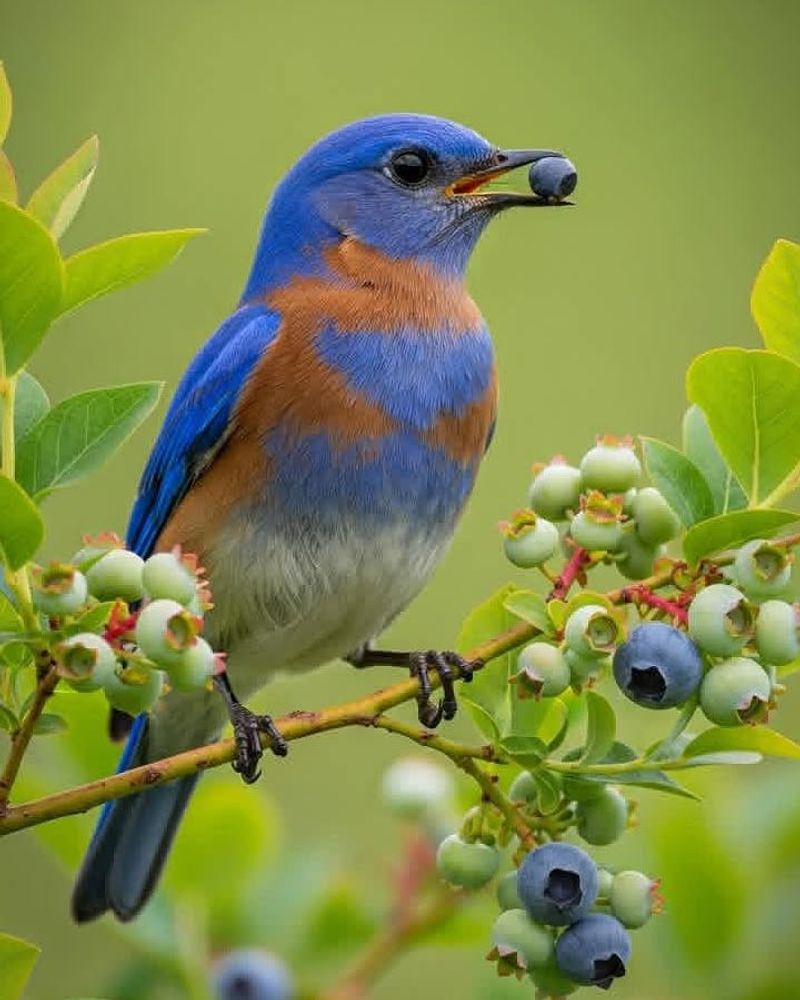
Bluebirds eat far more than insects. Berries and small fruits make up a significant portion of their diet, especially as summer moves along and fruiting plants hit their peak.
In North Carolina, native plants like flowering dogwood, viburnum, and wild cherry ripen during the warmer months, and bluebirds are quick to find and take advantage of those food sources wherever they grow.
If a neighbor’s yard, a nearby woodland edge, or a local park has mature berry-producing plants loaded with ripe fruit, bluebirds may be spending a good chunk of their day there instead of at your feeder.
This is completely natural foraging behavior and a sign that local habitat is supporting them well.
NC Wildlife resources confirm that bluebirds rely heavily on native fruits through summer and fall, sometimes traveling a wider range to follow ripening cycles.
The good news is that this gives you a really practical way to make your yard more consistently appealing. Planting native berry-producing shrubs and small trees is one of the best long-term moves a North Carolina gardener can make for bluebirds.
Viburnums, native hollies, eastern red cedar, and dogwoods all offer fruit that bluebirds actively seek out. Even younger plants that are not yet producing heavy fruit can attract bluebirds to perch and hunt insects in their branches.
Over a few seasons, a yard with a mix of native plantings becomes a reliable stop on the bluebird circuit all year long, not just during feeder season.
8. The Best Response Is Better Habitat
When bluebirds go quiet in midsummer, the most useful thing you can do is look at your yard as a whole rather than focusing only on the feeder.
Creating and maintaining good habitat is the single most effective way to keep bluebirds connected to your space across every season, not just when food is scarce.
A yard that supports their full range of needs will always outperform one that only offers a dish of mealworms.
Start with water. A clean, shallow birdbath refreshed daily, or better yet equipped with a small dripper or wiggler, is one of the most reliable ways to attract bluebirds through the heat of summer.
Next, think about insect support. Avoiding unnecessary pesticide and insecticide sprays keeps the natural food web intact and gives bluebirds the ground-level insects they depend on.
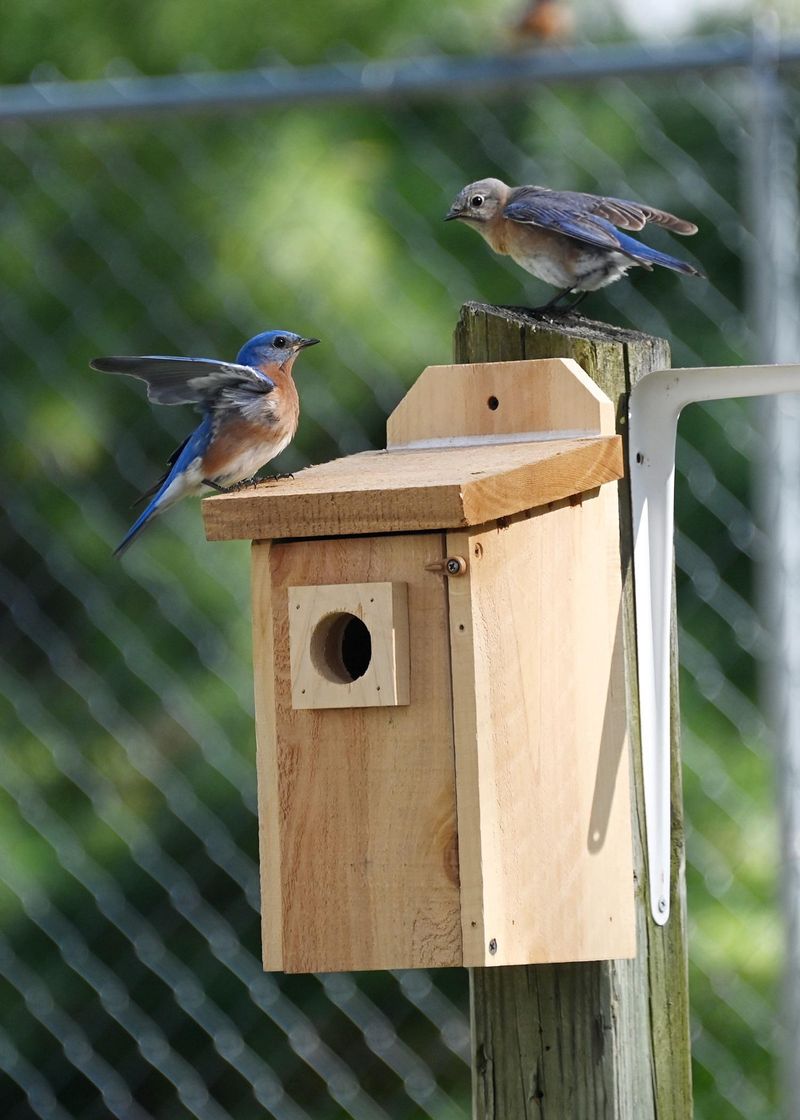
Even reducing spray in just one part of your yard can make a noticeable difference. Nest boxes deserve attention between broods too.
Checking boxes after each nesting cycle, removing old nesting material, and making sure the entrance hole is clear and the box is secure gives the adults a clean, safe option if they decide to raise another brood nearby.
Planting native grasses, low shrubs, and open lawn edges rounds out the picture by giving bluebirds perching spots, foraging ground, and cover all in one place. A yard built with bluebirds in mind does not need to work hard to bring them back.
They will find it on their own, and they will keep returning because it genuinely meets their needs.