8 Summer Care Tips For Native Dogwoods In Maryland’s Piedmont
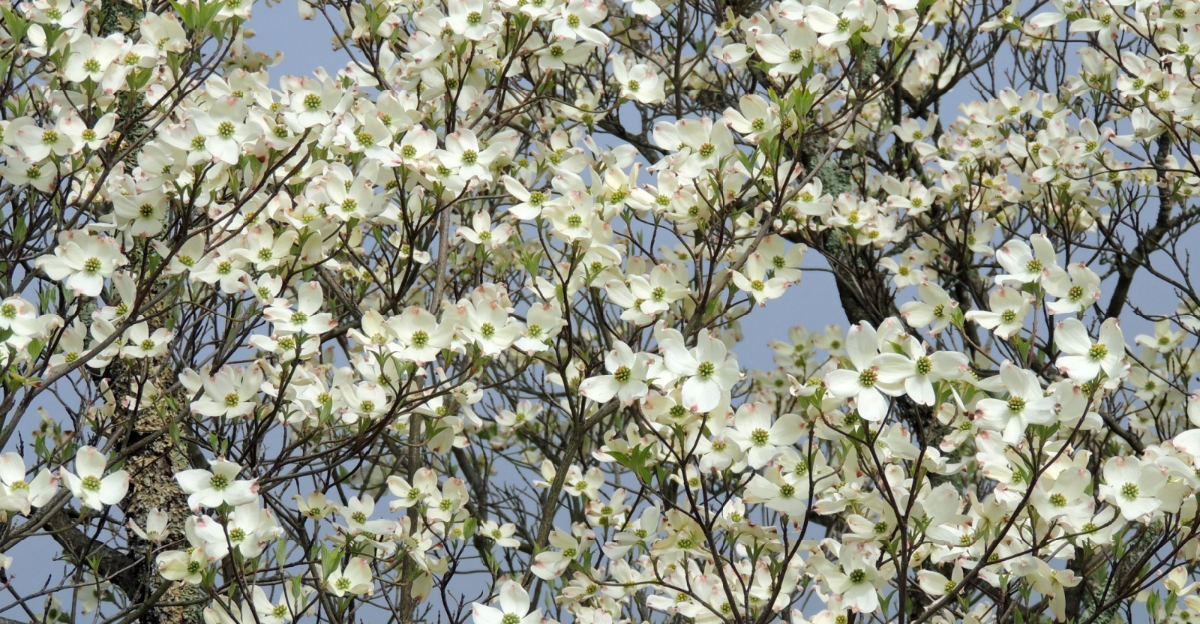
Walk through any Piedmont neighborhood in April and you’ll spot them instantly. Dogwoods lift their white and pink blooms above the understory like they belong there, and honestly, they’ve earned it.
This is Maryland’s unofficial signature tree, woven into front yards, church lawns, and forest edges from Frederick to Westminster.
But here’s what most homeowners miss: the real test of a dogwood’s health happens months after the flowers fade.
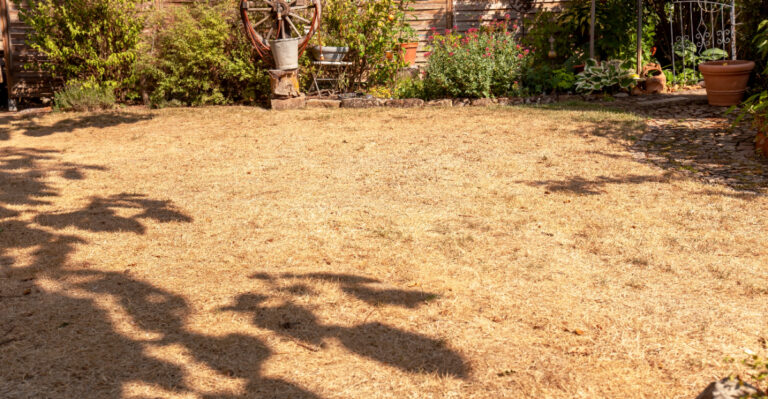
July and August bring intense heat, dry soil, and pests looking for weakened bark to settle into. A tree that looked perfect in spring can slowly struggle by September if nobody’s paying attention.
Maryland’s clay-heavy soil and humid summers create their own set of challenges, different from what dogwood guides written for other regions will tell you.
Get the summer basics right, and your dogwood rewards you with decades of shade, structure, and that unmistakable spring show.
1. Water Deeply During Dry Spells
Shallow watering can work against your tree. It trains dogwood roots to stay near the surface, where summer heat bakes the soil fastest and moisture disappears within hours.
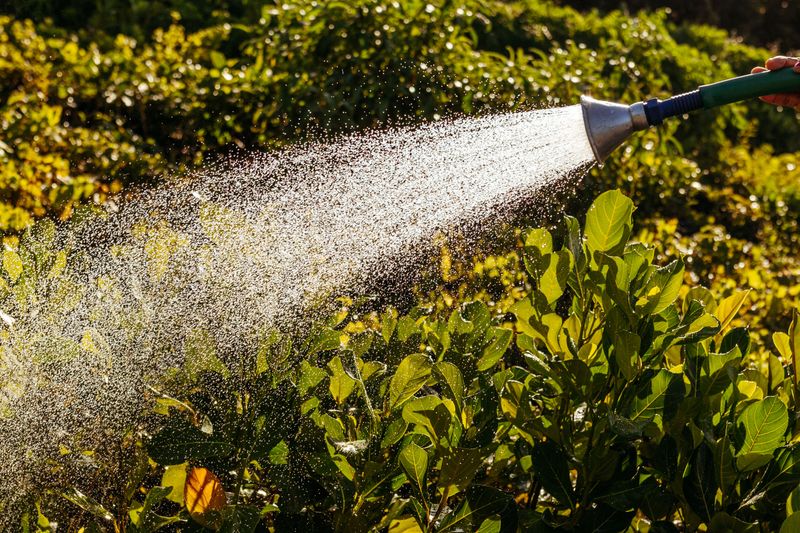
Native dogwoods in the Piedmont prefer deep, infrequent watering over daily sprinkles. Aim for about one inch of water per week during dry spells, adjusting slightly based on rainfall and soil type.
The best time to water is early morning. This lets moisture soak in before the afternoon sun can pull it back out through evaporation, giving roots a real chance to absorb what they need.
Place your hose at the base of the trunk and let it run slowly for 20 to 30 minutes. This encourages roots to grow deeper into cooler, more stable soil layers instead of clustering near the surface.
Sandy soils in parts of the Piedmont drain faster than clay-heavy spots. You may need to water more frequently if your yard dries out quickly after rain, especially during extended dry stretches.
A simple trick is to push a screwdriver six inches into the soil. If it slides in easily, moisture is there. If it resists, your tree is thirsty and needs attention soon.
Avoid wetting the foliage when you water. Wet leaves sitting in summer heat create the perfect conditions for fungal problems to take hold and spread quickly.
Consistency matters more than volume. A steady watering schedule through July and August gives your dogwood the resilience it needs to handle the Piedmont’s unpredictable summer weather with confidence and strength.
2. Mulch The Base With Organic Material
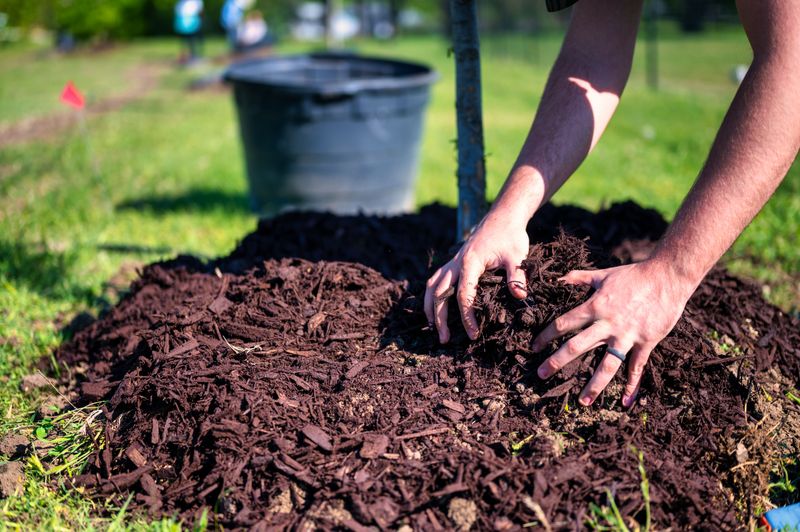
Mulch is like a cool blanket for your tree’s roots. It holds moisture, regulates soil temperature, and slowly feeds the ground as it breaks down.
Organic options like shredded hardwood, wood chips, or leaf litter work best for native dogwoods. They mimic the forest floor conditions these trees evolved in.
Spread mulch in a wide ring around the base of your dogwood. A circle two to three feet out from the trunk is a solid starting point.
Your Maryland Garden Changes Every Week. Your Plan Should Too.
Gardening in Maryland changes quickly throughout the season. Every Friday you’ll receive a simple weekly plan showing exactly what to plant, prune, fertilize, harvest, and protect so you never miss the right timing.
Depth matters too. Aim for two to four inches of mulch. Too thin and it dries out fast. Too thick and it can restrict oxygen to surface roots.
Fresh mulch applied in late spring holds moisture through the driest summer weeks. If yours has thinned out or decomposed, mid-summer is a fine time to refresh it.
Avoid using rocks or rubber mulch near dogwoods. These materials trap heat instead of releasing it, which raises soil temperatures around sensitive roots.
Leaf mulch from your own yard is a free and excellent option. Run fallen leaves through a mower and pile them around the base after raking.
Good mulching can significantly reduce your watering needs. That is a significant saving of both time and water during a hot Piedmont summer that stretches on longer than anyone expects.
3. Keep Mulch Off The Trunk
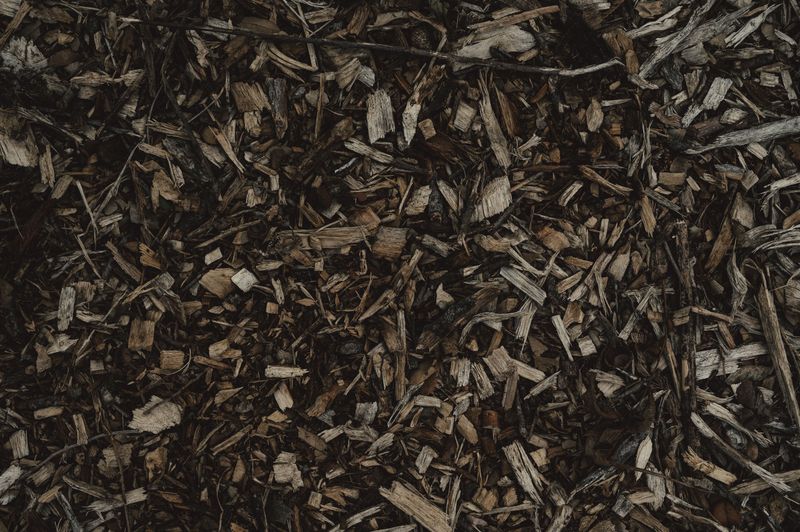
Mulch volcanoes are common in suburban yards. They look tidy, but they can gradually harm tree health over time.
Piling mulch against the trunk traps moisture against the bark. That constant dampness invites rot, fungal disease, and insects looking for an easy entry point.
Native dogwoods are especially vulnerable because their bark is naturally thin. Prolonged trunk contact with wet mulch can cause damage that may not be visible for years.
The fix is simple. Pull mulch back two to four inches from the base of the trunk. You should be able to see where the roots flare out from the soil.
Think of it like leaving breathing room. The trunk needs air circulation to stay dry and healthy through humid summer months in the Piedmont region.
When you check your mulch depth, look at the trunk at the same time. If bark looks dark, soft, or has a musty smell, the mulch has been sitting too close for too long.
New homeowners often inherit mulch volcanoes from previous landscaping. Correcting them is one of the fastest and most impactful things you can do for an established dogwood’s long-term health.
Proper mulch placement costs nothing extra. It just takes a moment of attention and a willingness to break a very common but damaging landscaping habit once and for all.
4. Check Leaves For Powdery Mildew
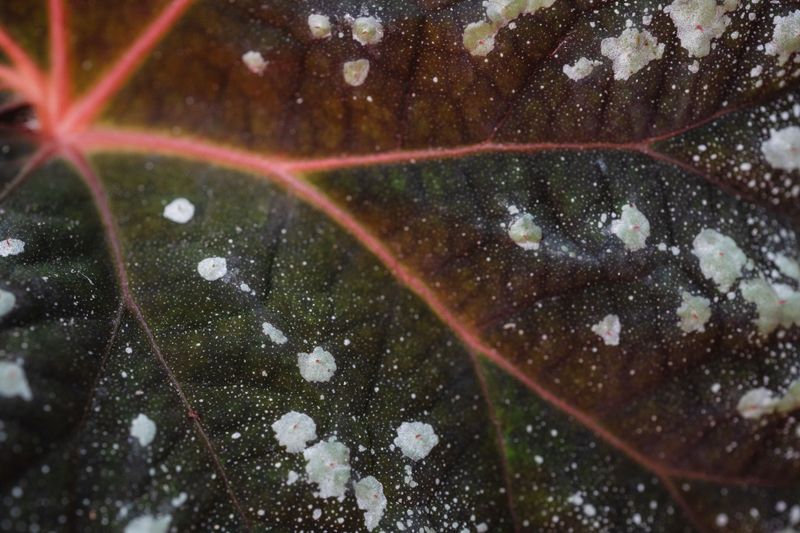
Powdery mildew shows up like someone dusted flour across your dogwood’s leaves. It spreads fast and looks alarming, but it is manageable if you catch it early.
This fungal issue thrives in warm, humid conditions with poor air circulation. The Piedmont’s muggy summers create near-perfect conditions for it to appear each year.
Check the upper and lower surfaces of leaves regularly through July and August. Look for white or gray powdery patches that wipe off but keep returning.
Native dogwoods like Cornus florida are more susceptible than some hybrid varieties. That does not mean you should replace them.
It means you should monitor them more closely. Good air circulation is your first defense. Avoid planting other shrubs too close to your dogwood. Crowded plantings trap humid air and create a mildew-friendly environment.
If you spot an infection, remove affected leaves and dispose of them away from your garden. Do not compost them or the spores can spread to nearby plants.
Neem oil or a baking soda solution can help manage mild outbreaks. Mix one tablespoon of baking soda with one quart of water and a few drops of dish soap.
Severe infestations may need a fungicide labeled for powdery mildew on ornamental trees. Early action keeps a minor cosmetic issue from becoming a real threat to your dogwood’s summer health.
5. Watch For Dogwood Borer Damage
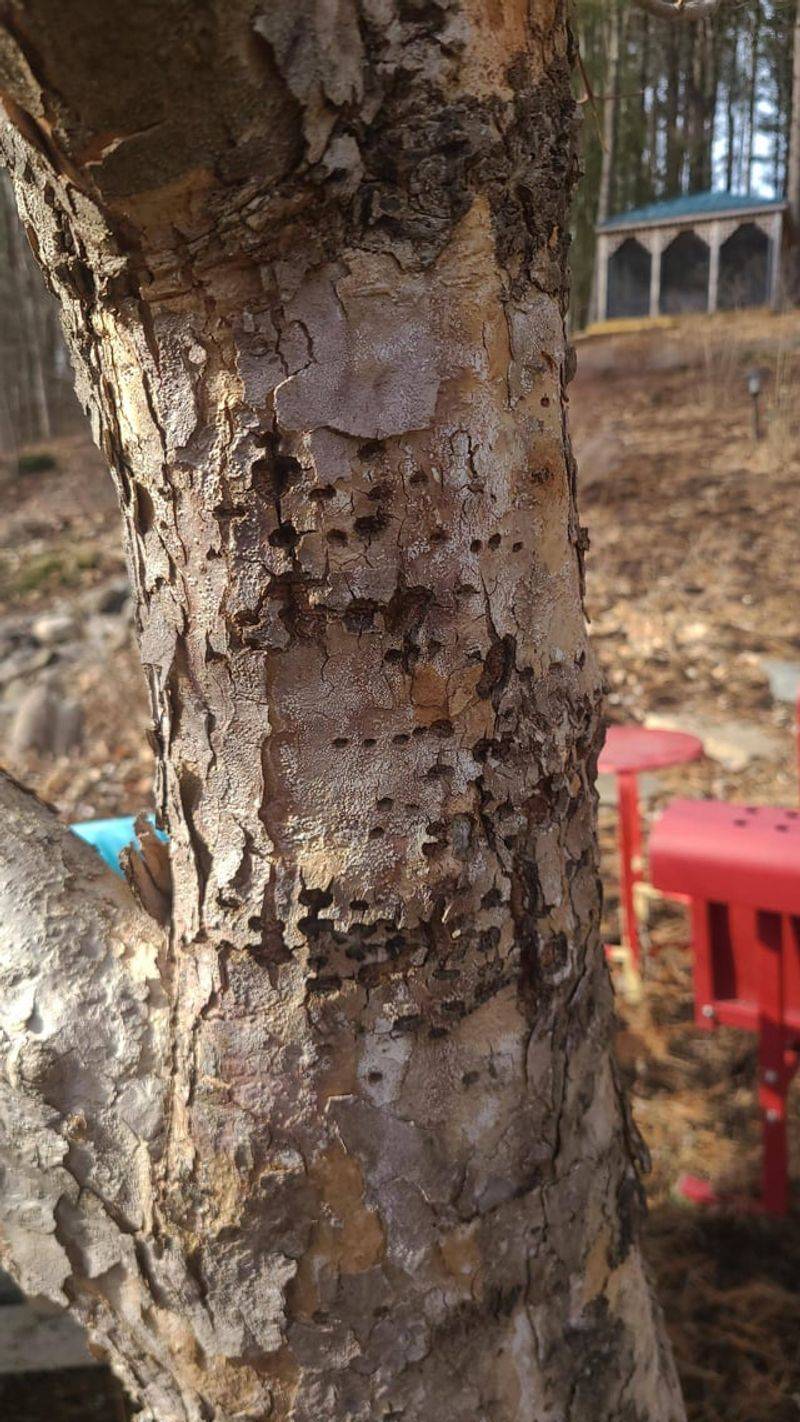
The dogwood borer is small, but its impact on the tree can be significant. This native moth larva burrows under bark and feeds on the living tissue beneath.
Adult borers lay eggs near wounds or rough bark patches in late spring and early summer. By the time you notice the damage, larvae may already be feeding inside the trunk.
Signs of borer activity include sawdust-like frass at the base of the trunk, small entry holes in the bark, and sections of bark that look sunken or cracked.
Stressed trees attract borers more readily than healthy ones. Drought, mechanical wounds from lawn mowers, and poor soil conditions all lower a tree’s natural defenses significantly.
Protecting your dogwood starts with avoiding injury to the trunk. Keep string trimmers and mower blades away from the base.
Even small bark wounds invite egg-laying adults to investigate. Inspect the lower trunk monthly during summer.
Run your hand along the bark and look for soft or hollow-feeling sections. Early detection makes treatment far more effective.
Insecticide applications timed to adult flight periods can reduce egg-laying success. Products containing permethrin or imidacloprid are commonly used, but follow label directions carefully for ornamental trees.
A healthy, well-watered dogwood with intact bark is your strongest line of defense. Good cultural care during summer months in the Piedmont dramatically reduces borer risk over the long term.
6. Trim Only Damaged Or Diseased Branches
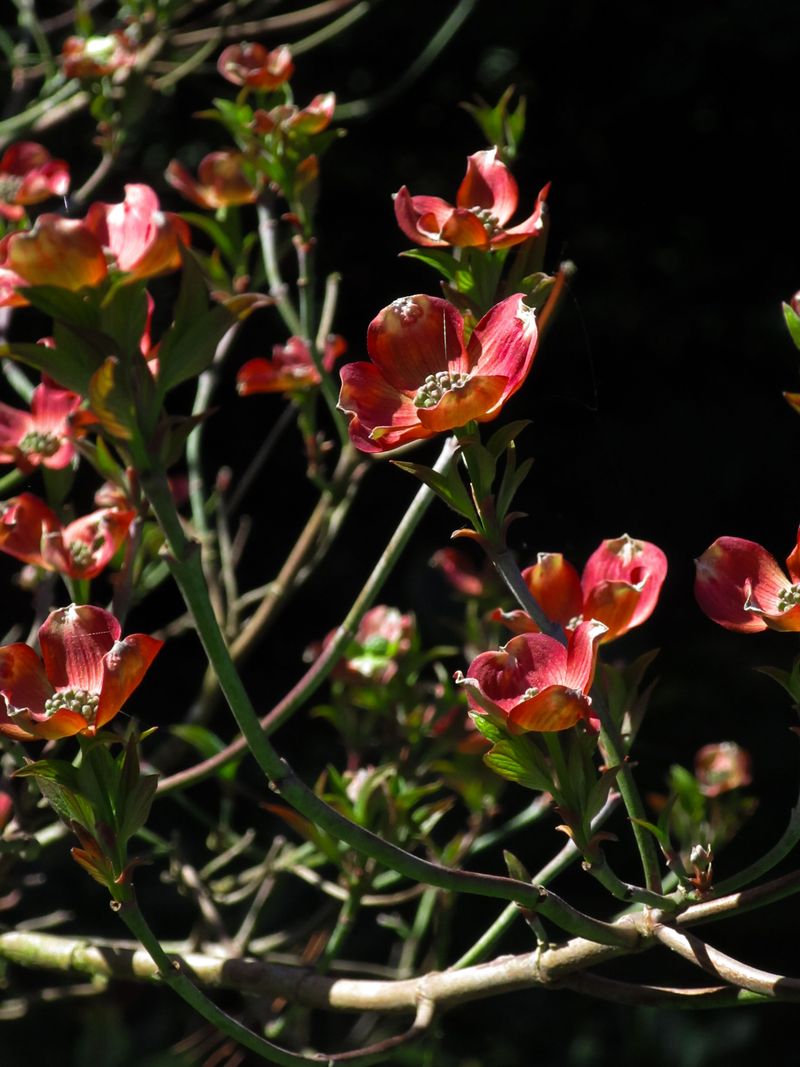
Summer pruning is a tempting habit. The tree is full of leaves and easy to see, but most pruning at this time of year does more harm than good.
Native dogwoods set their buds for next year’s blooms during summer. Heavy pruning now removes those buds and robs you of spring color before the season even begins.
The only branches worth cutting in summer are the ones that are clearly broken, diseased, or rubbing against each other in a damaging way.
Damaged wood is easy to spot. It does not flex when you bend it, the bark looks dry and peeling, and leaves are absent or shriveled.
Always use clean, sharp tools. Dirty or dull pruners can spread disease from one cut to the next. Wipe blades with rubbing alcohol between cuts when removing diseased wood.
Cut just outside the branch collar, which is the slightly swollen area where the branch meets the trunk. Do not cut flush with the trunk or leave a long stub behind.
Avoid sealing cuts with wound paint or pruning sealant. Research shows these products do not speed healing and can actually trap moisture against exposed wood.
A light, purposeful trim removes hazards without stressing the tree. Saving major shaping for late winter or early spring gives your dogwood the best chance of bouncing back strong and blooming beautifully.
7. Skip Fertilizing In Peak Heat
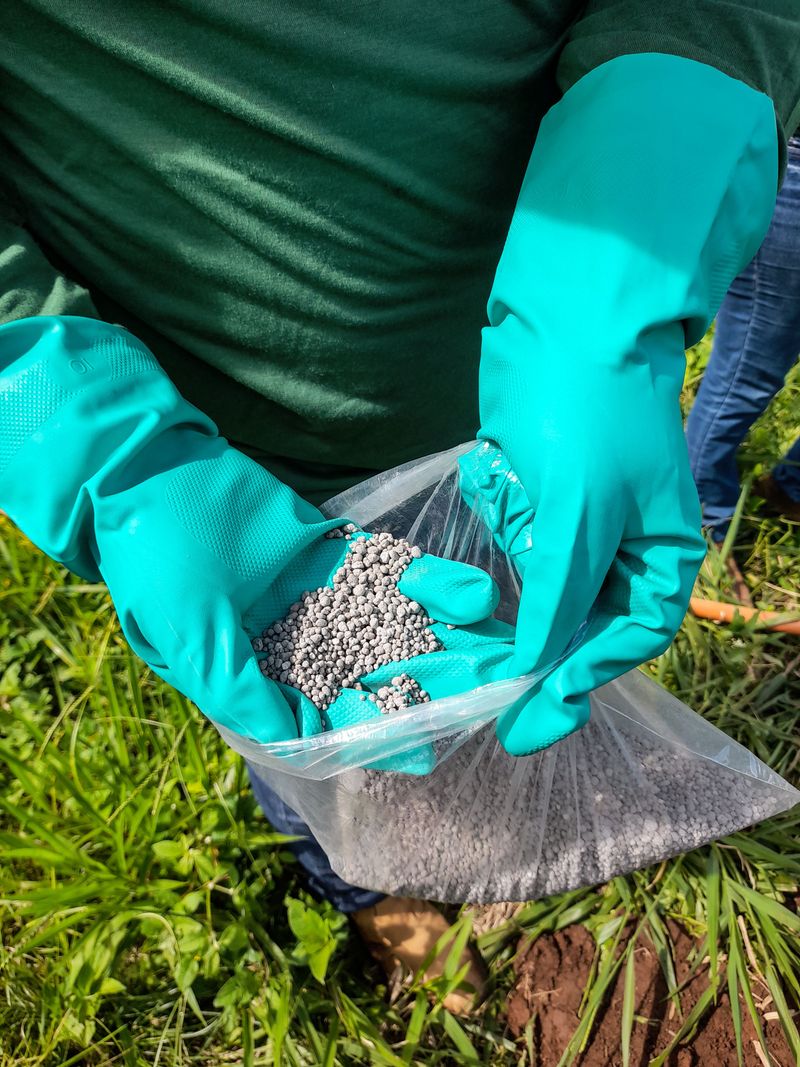
Fertilizing during a heat wave adds stress your tree doesn’t need. It pushes new growth at exactly the wrong moment for your dogwood.
Tender new growth stimulated by fertilizer is vulnerable to sunscald and insect damage. Summer heat can burn soft new shoots before they ever have time to harden off.
Native dogwoods growing in the Piedmont are adapted to relatively low-nutrient woodland soils. They do not need aggressive feeding schedules to perform well over the long term.
If your tree shows signs of nutrient deficiency, like yellowing leaves or very slow growth, get a soil test first. Guessing at fertilizer needs often leads to over-application and root burn.
The best time to fertilize a dogwood is early spring before new growth begins, or in early fall after the summer heat has passed. Timing matters as much as product choice.
Slow-release granular fertilizers are gentler than liquid formulas. They break down over weeks and months, reducing the risk of shocking roots with a sudden nutrient surge during hot conditions.
A thick layer of organic mulch acts as a slow fertilizer all on its own. As it decomposes, it releases nutrients gradually into the soil beneath your tree.
Patience is the real secret here. Holding off on feeding during July and August protects your dogwood and sets it up for a strong, healthy finish to the growing season.
8. Protect Roots From Compaction
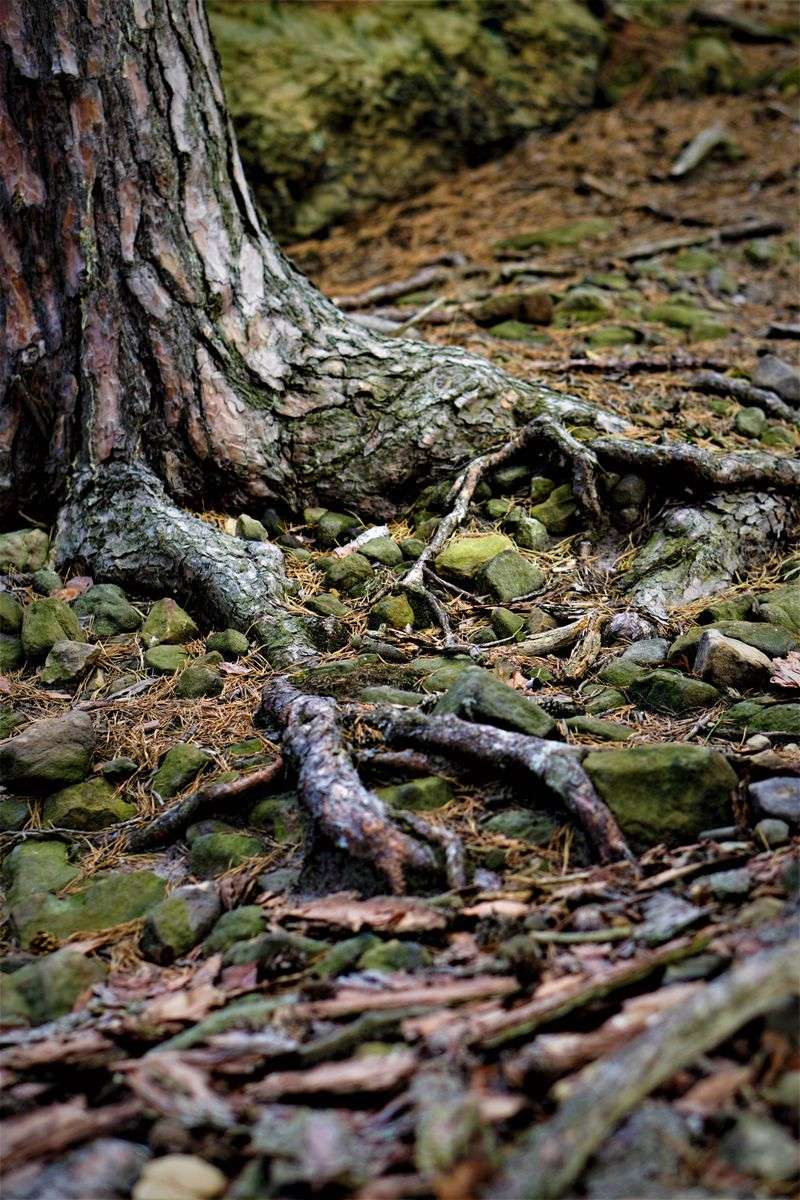
Roots need air just as much as they need water. Compacted soil squeezes out the oxygen that roots depend on to absorb moisture and nutrients effectively.
Summer gatherings, foot traffic, and parked vehicles can compress soil around your dogwood faster than you might expect. Even a few weeks of repeated pressure causes measurable damage to the root zone.
The root zone extends well beyond the drip line of the canopy. Most people underestimate how far out a dogwood’s roots actually spread beneath the surface.
Fencing off the area under the canopy is the most effective solution. A simple ring of garden edging or a low decorative fence keeps foot traffic away during the summer months.
If compaction has already occurred, aeration can help. A hand aerator or garden fork pushed several inches into the soil at regular intervals opens channels for air and water to move through.
Avoid driving vehicles or heavy equipment near dogwoods. The weight of even a small car can compact soil several inches deep in a single pass over moist ground, especially in wetter conditions.
Top-dressing with compost after aerating improves soil structure over time. Work it gently into the holes and let rain carry it deeper into the root zone naturally.
Giving your dogwood’s roots room to breathe is one of the most overlooked summer care tips for native dogwoods in Maryland’s Piedmont, and one of the most rewarding investments you can make.