The Virginia Native Trees That Grow Faster And Live Longer Than Bradford Pear
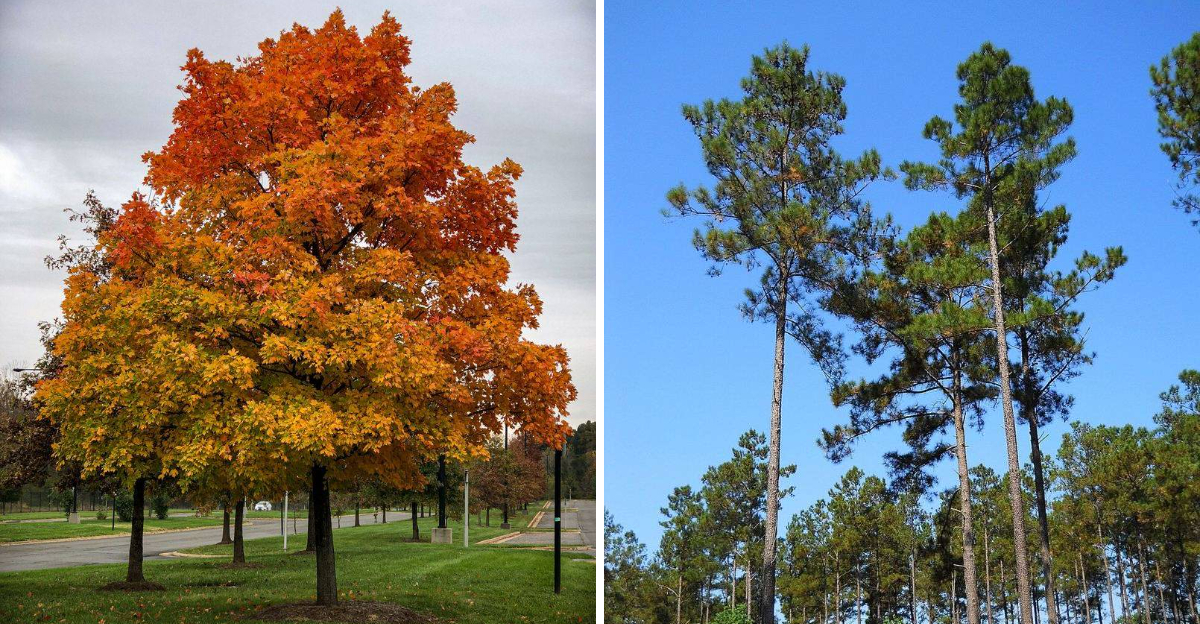
Every spring, Bradford Pear trees turn Virginia streets into a snowy postcard for about two weeks. Then the smell hits, the branches start splitting under their own weight, and homeowners wonder why they planted something so fragile in the first place.
Their tight branch angles crack apart in ordinary storms, their seeds spread into fields and forests where they crowd out plants that belong there, and most don’t make it past two decades before falling apart.
Virginia’s own trees tell a different story. They feed pollinators, shelter birds, and settle into the landscape instead of fighting it.
Swapping a Bradford Pear for a native tree isn’t a downgrade. It’s trading a short, showy fling for something that sticks around and actually earns its spot in your yard.
1. Tulip Poplar
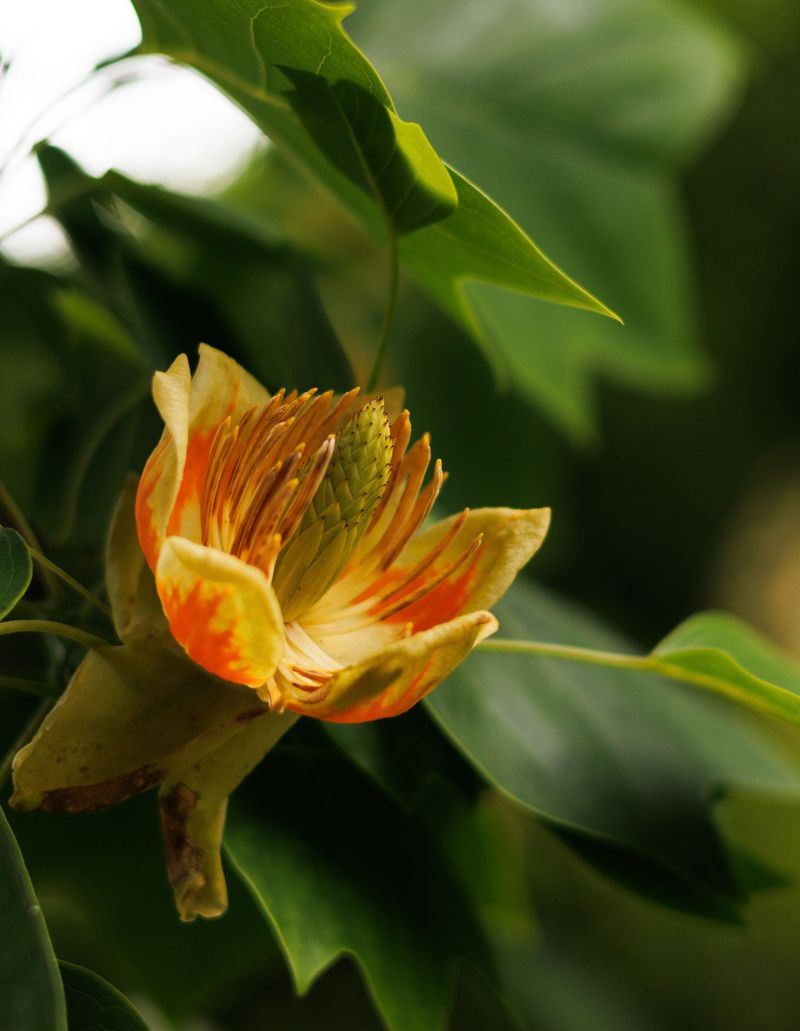
Stand under a Tulip Poplar in late spring and you will never forget it. The flowers look exactly like orange and yellow tulips, blazing against a bright blue sky.
Tulip Poplar is one of the fastest-growing native trees in the eastern United States. It can shoot up three to five feet per year under good conditions, leaving Bradford Pear in the dust.
This tree regularly lives 200 years or more, compared to Bradford Pear’s sad 20-year lifespan. That is ten times the life with none of the drama.
The wood is straight-grained and strong, which is why early American settlers prized it for building log cabins and canoes. George Washington planted Tulip Poplars at Mount Vernon, and some still stand today.
Wildlife absolutely loves this tree. Hummingbirds, bees, and butterflies flock to the nectar-rich blooms every spring without fail.
Tulip Poplar thrives in full sun with moist, well-drained soil. It handles the humid summers of the mid-Atlantic region with ease and grace.
The fall color is a warm golden yellow that lights up your yard like a lantern. Few native trees offer such a reliable and stunning autumn display.
If you have space for a large tree, Tulip Poplar is your best first choice. Plant it once, and your grandchildren will still be sitting in its shade someday.
2. Red Maple
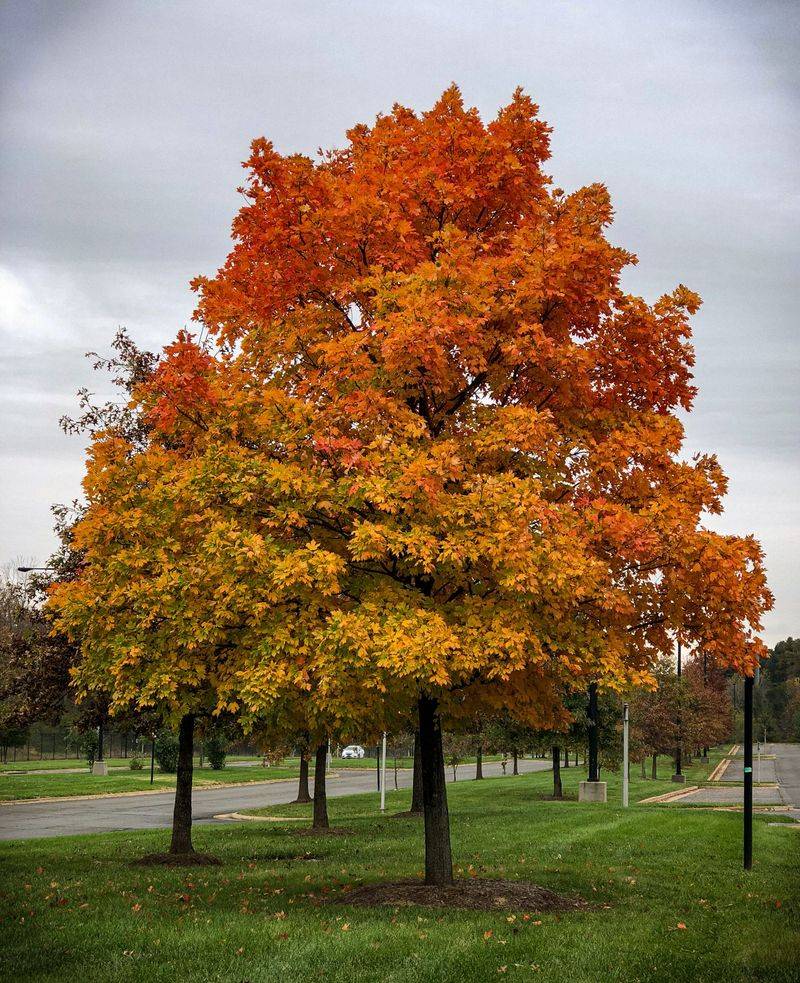
Few sights in nature match a Red Maple on fire in October. The leaves turn blazing red, orange, and crimson while other trees are still deciding what to do.
Red Maple earns its name in every season, not just fall. The red flower clusters appear in late winter, adding color when everything else looks grey and bare.
Growth rate is impressively fast for a native hardwood. Young Red Maples can add three to five feet of height each year with adequate water and sunlight.
Bradford Pear tops out at about 30 feet before breaking apart at the weak branch crotches. Red Maple can reach 70 feet or more and hold together through decades of storms.
This tree is incredibly adaptable. It thrives in wet bottomlands, dry hillsides, and everything in between, making it one of the most flexible trees you can plant.
Your Virginia Garden Changes Every Week. Your Plan Should Too.
Gardening in Virginia changes quickly throughout the season. Every Friday you’ll receive a simple weekly plan showing exactly what to plant, prune, fertilize, harvest, and protect so you never miss the right timing.
Birds love Red Maple seeds, called samaras, which spin like tiny helicopters as they fall. Squirrels, deer, and small mammals also rely on this tree for food and shelter.
Planting is straightforward for most homeowners. Choose a spot with at least six hours of sun and give it a good soaking during the first two summers to establish roots.
Red Maple is a tree that rewards patience without requiring much of it. Within five years of planting, you will have a showstopper that your neighbors will envy every single fall.
3. River Birch
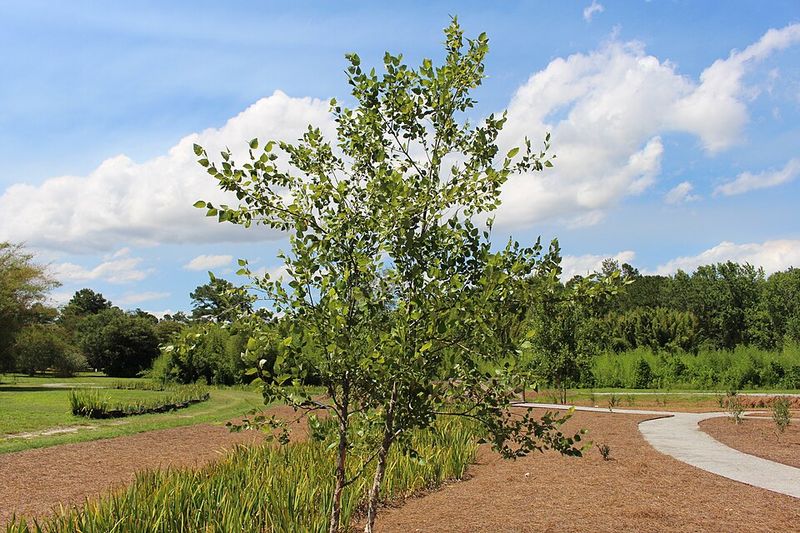
River Birch has bark so beautiful it looks like nature peeled it on purpose. The cinnamon, cream, and salmon layers curl away from the trunk in papery sheets all year long.
Unlike Bradford Pear, which offers nothing interesting in winter, River Birch keeps your yard looking alive even after every leaf has dropped. That exfoliating bark is a showpiece through all four seasons.
Impatient gardeners will appreciate this one. River Birch can grow two to three feet annually, making it one of the fastest native trees you can find.
This tree is particularly tough because it tolerates wet, poorly drained soil better than almost any other landscape tree. If your yard floods seasonally, River Birch will not just survive, it will thrive.
Heat tolerance is another underrated quality. River Birch handles the hot, humid summers of the mid-Atlantic far better than its northern birch cousins, which tend to struggle and decline.
The canopy is graceful and open, casting dappled shade that feels light and airy rather than heavy and dark. That makes it a great choice near patios or garden beds.
Songbirds flock to River Birch for its tiny seeds, and the branches provide excellent nesting sites for warblers and finches. You are essentially hanging a bird feeder that never runs out.
Plant River Birch where you want fast results and year-round visual interest. It is the rare tree that earns its spot in every single month of the year.
4. American Sycamore
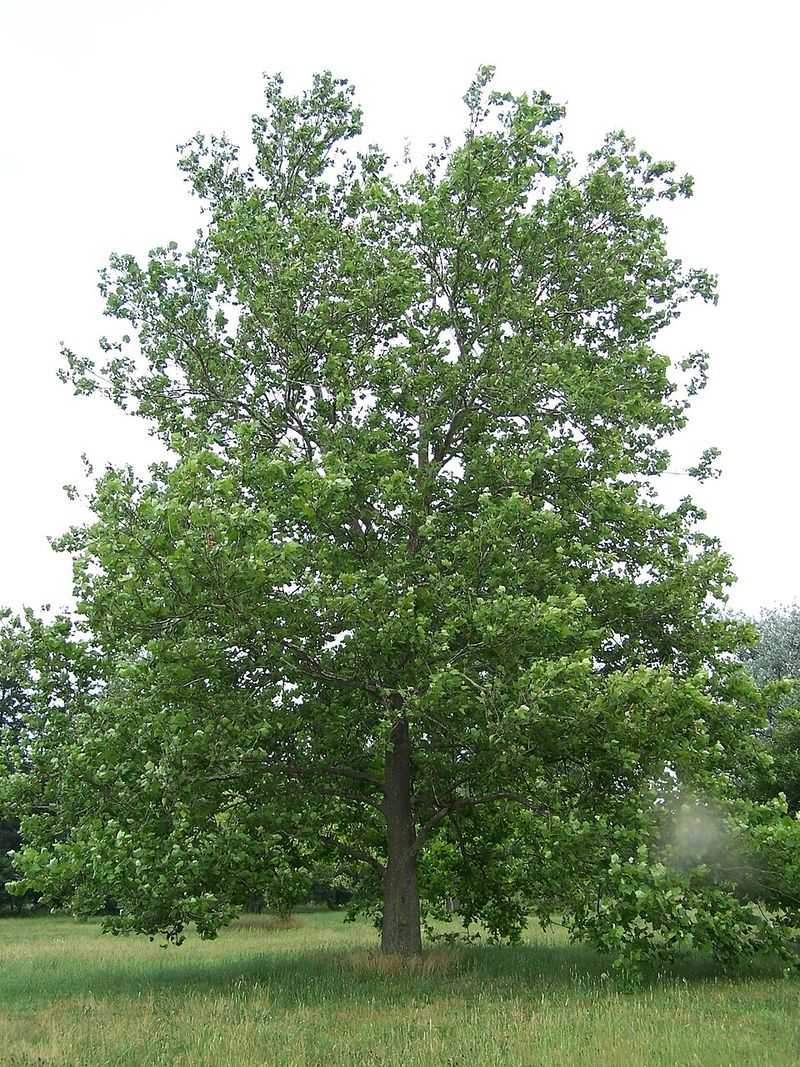
American Sycamore is the giant of the eastern forest, and it knows it. The white and cream mottled bark practically glows in winter sunlight, making it unmistakable from a hundred yards away.
This is one of the largest native trees in North America. Sycamores can reach 100 feet tall with a canopy spreading just as wide, creating shade that covers an entire backyard.
Bradford Pear struggles to make it past two decades before structural failure sets in. Sycamore trees, by contrast, routinely live 500 to 600 years with proper growing conditions.
Don’t let the eventual size fool you into thinking this tree takes forever. Young Sycamores can grow three to six feet per year, quickly establishing a dominant presence in any landscape.
The hollow trunks of old Sycamores historically sheltered Native American families, early pioneers, and explorers who needed emergency overnight protection from harsh weather. That is not a tree, that is a landmark.
Wildlife value is enormous. Sycamores support dozens of bird species, including wood ducks that nest in the hollow cavities of older specimens near water.
Sycamore does best near streams, ponds, or in low-lying areas with moist soil. It is not the right pick for a tiny lot, but for a large property it is absolutely spectacular.
Once established, this tree needs almost no care and asks nothing in return. Planting a Sycamore is one of the most generous things you can do for future generations.
5. Willow Oak
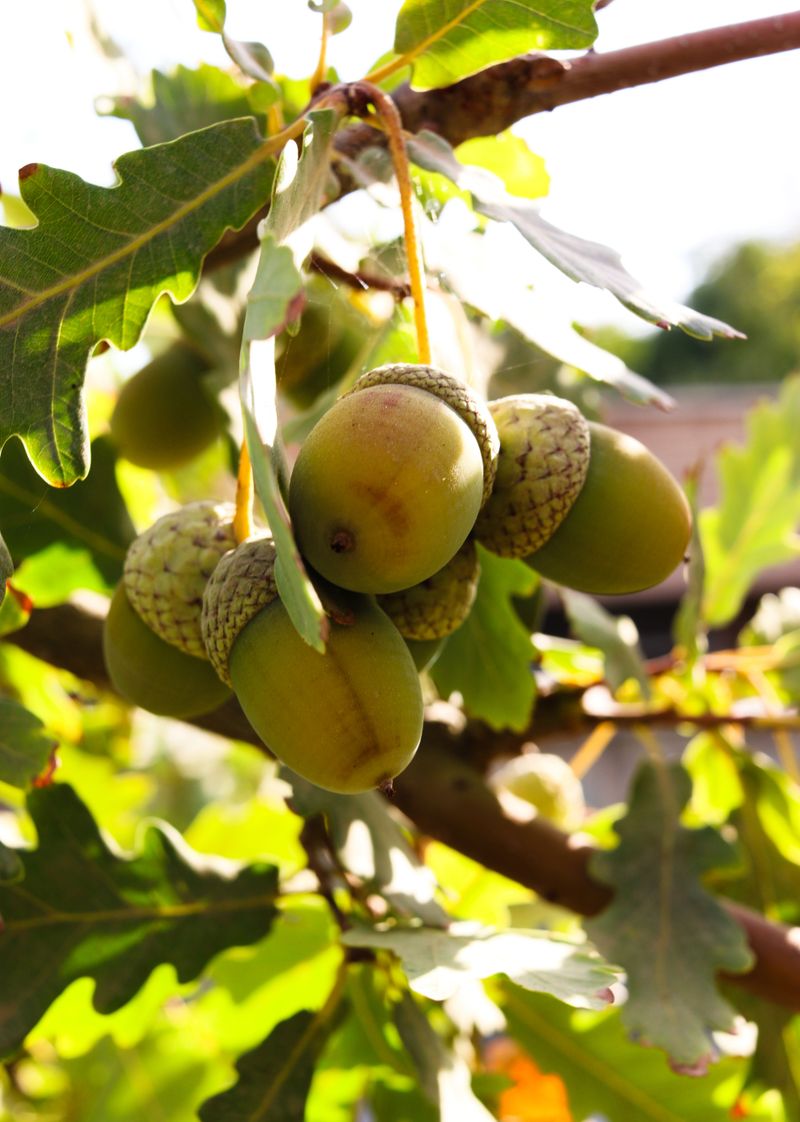
Willow Oak is the quiet overachiever of the native tree world. It looks delicate with its narrow, willow-like leaves, but underneath that soft appearance is a tree built to outlast most trees you’d plant today.
This oak species is a favorite for street and yard planting because its fine-textured leaves create a soft, feathery canopy. It looks elegant without overwhelming the surrounding landscape.
Growth rate beats most people’s expectations for an oak. Willow Oak adds two to three feet per year when young, reaching 60 to 75 feet at maturity over a long, healthy life.
Bradford Pear typically lasts 15 to 25 years before storm damage or disease takes it out. Willow Oak can anchor your yard for over a century without breaking a sweat.
The small acorns produced by this tree are a critical food source for dozens of wildlife species. Deer, wild turkeys, wood ducks, and countless songbirds depend on the acorn crop every fall.
Willow Oak tolerates both wet and moderately dry soils, which makes it flexible enough for most Virginia properties. It also handles urban pollution and compacted soil better than many other oaks.
Fall color is a warm yellow-brown that may not compete with Red Maple, but the sheer scale of the golden canopy is breathtaking in its own quiet way. It is subtle and satisfying.
If you want a tree that looks refined, lasts for generations, and feeds the neighborhood wildlife, Willow Oak is your answer.
6. Eastern White Pine
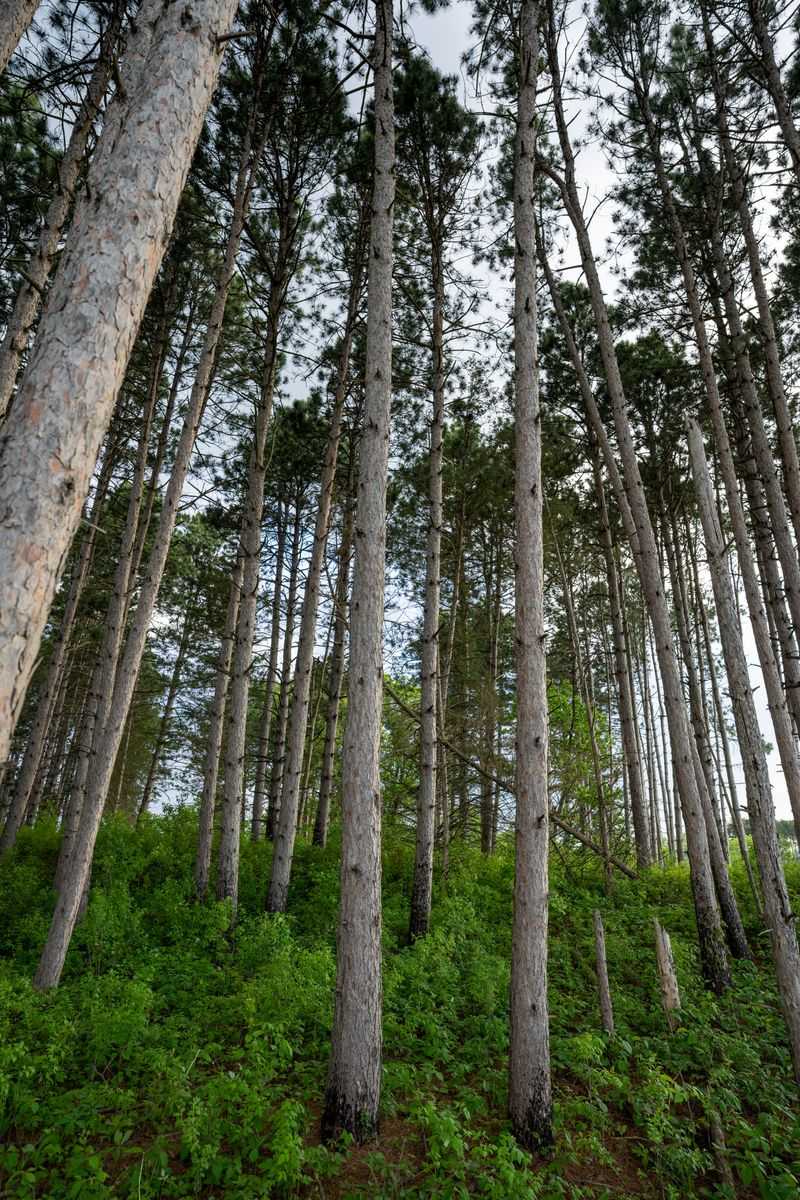
Eastern White Pine is one of the fastest-growing evergreens native to the eastern United States. When planted young, it can surge upward one to two feet per year in good soil.
The long, soft needles are blue-green and feathery, giving the tree a graceful, almost painterly look. In a winter landscape, it stands out as a living sculpture while everything else is bare.
Unlike Bradford Pear, which offers no winter interest after leaf drop, Eastern White Pine stays green, full, and beautiful through every cold month. That is year-round value that Bradford simply cannot match.
This tree can live 200 years or more and reach heights of 80 to 100 feet. Some old-growth specimens in the Appalachian region have topped 150 feet and are still going strong.
Eastern White Pine is the official state tree of Maine, but it thrives just as happily in the valleys and piedmont of the mid-Atlantic. It is tough, adaptable, and surprisingly low-maintenance.
Wildlife benefits are significant. Red squirrels, chickadees, nuthatches, and crossbills all rely on White Pine seeds and the shelter its dense canopy provides in winter storms.
Plant Eastern White Pine in full sun with well-drained, slightly acidic soil for best results. Avoid heavy clay or areas with standing water, and it will reward you handsomely.
Few trees offer this combination of speed, size, and beauty in a single package. Eastern White Pine is a legacy tree worth planting for the long haul.
7. Loblolly Pine
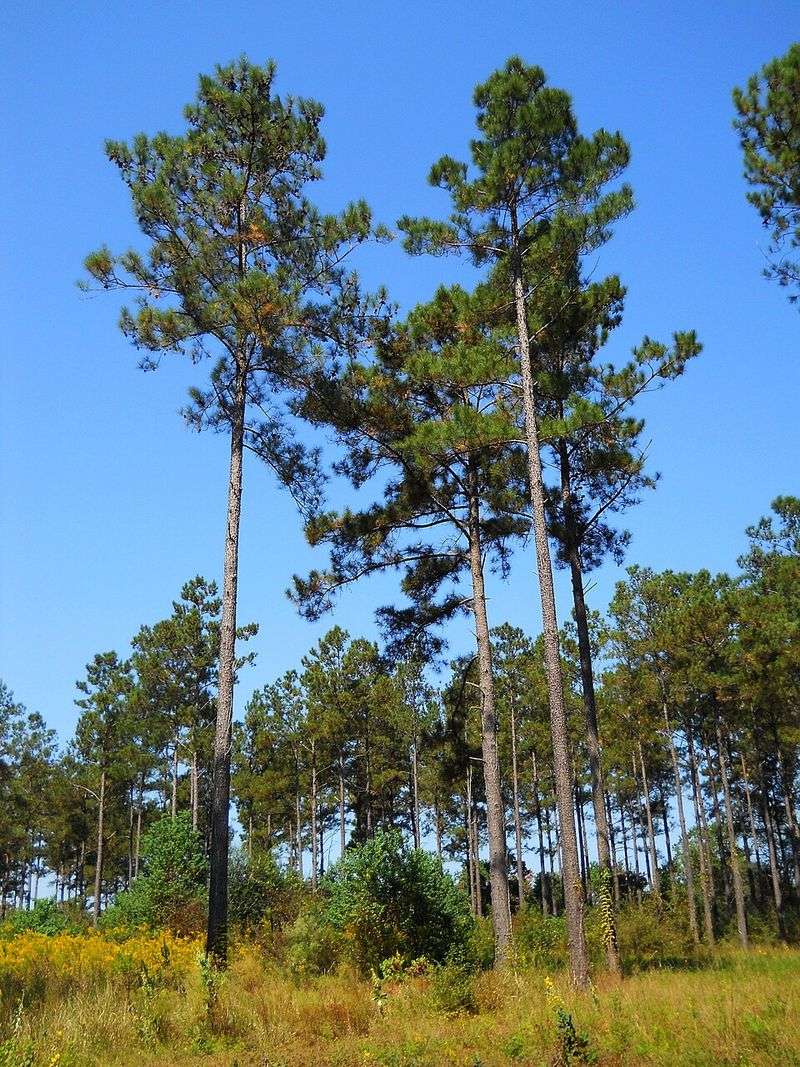
Loblolly Pine is the workhorse of the southern forest, and it grows with an almost reckless enthusiasm. Few trees anywhere in the eastern United States put on height faster than this native pine.
Under ideal conditions, Loblolly Pine can grow two to three feet per year when young. Within a decade, you will have a tree that provides serious shade, windbreak, and privacy screening.
Bradford Pear is often planted for quick results, but Loblolly Pine beats it on speed while also lasting far longer. This pine can live 150 years and reach heights over 100 feet.
The straight, towering trunk and high canopy give Loblolly Pine a cathedral-like presence on any property. Walking beneath a mature stand feels quiet and sacred, like stepping into a natural sanctuary.
Loblolly Pine also supports the endangered Red-cockaded Woodpecker, which prefers old-growth longleaf pine but has adapted to loblolly stands as well. Planting this tree contributes to broader conservation efforts across the region.
The seeds, called pine nuts, feed dozens of bird species including doves, finches, and brown-headed nuthatches. The tree also provides nesting cover for hawks, owls, and osprey.
This pine prefers full sun and tolerates a wide range of soil conditions, including sandy and clay-heavy soils that challenge other species. It is a genuinely tough and forgiving tree to establish.
If speed is your priority and you want a tree that earns its keep immediately, Loblolly Pine delivers results faster than almost anything else you can plant in Virginia native trees territory.
8. Northern Red Oak
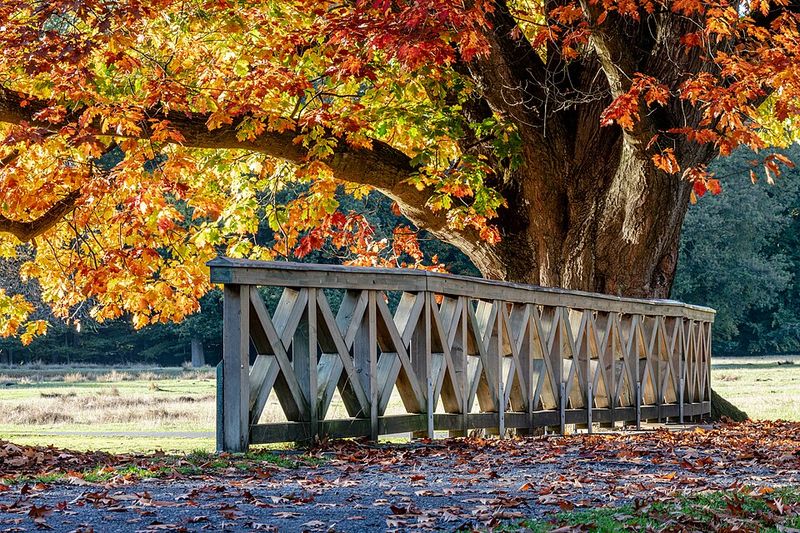
Northern Red Oak has a reputation, and it has earned every bit of it. This is one of the most beloved native oaks in North America, celebrated for its speed, strength, and stunning fall color.
Most oaks take their time, but this one doesn’t get the memo. Northern Red Oak can add two to three feet of height per year, reaching 60 to 75 feet at maturity over a long, productive life.
The fall foliage is spectacular, shifting from dark green to deep burgundy and brilliant scarlet. When the sun hits a mature Red Oak canopy in October, the color is genuinely breathtaking.
Bradford Pear also turns red in fall, but the similarity ends there. Northern Red Oak typically lives 150 to 200 years, with rare specimens reaching 400 years or more, making Bradford’s 20-year lifespan look almost comically short by comparison.
Acorn production is heavy and consistent, beginning when the tree is around 25 years old. Those acorns feed white-tailed deer, wild turkeys, blue jays, squirrels, and black bears across the region.
The bark is dark and deeply furrowed on mature trees, giving Northern Red Oak a rugged, commanding presence that anchors any landscape design with quiet authority. It looks like it belongs there, because it does.
Northern Red Oak adapts well to a variety of soil types, including clay-heavy soils common across much of Virginia. It handles urban conditions and occasional drought with notable resilience.
Choosing Northern Red Oak over Bradford Pear means choosing a tree built for permanence. These Virginia native trees will outlast houses, outlast storms, and outlast every Bradford Pear on the block.