Meet The Culprit Eating Your Virginia Geraniums From The Inside Out
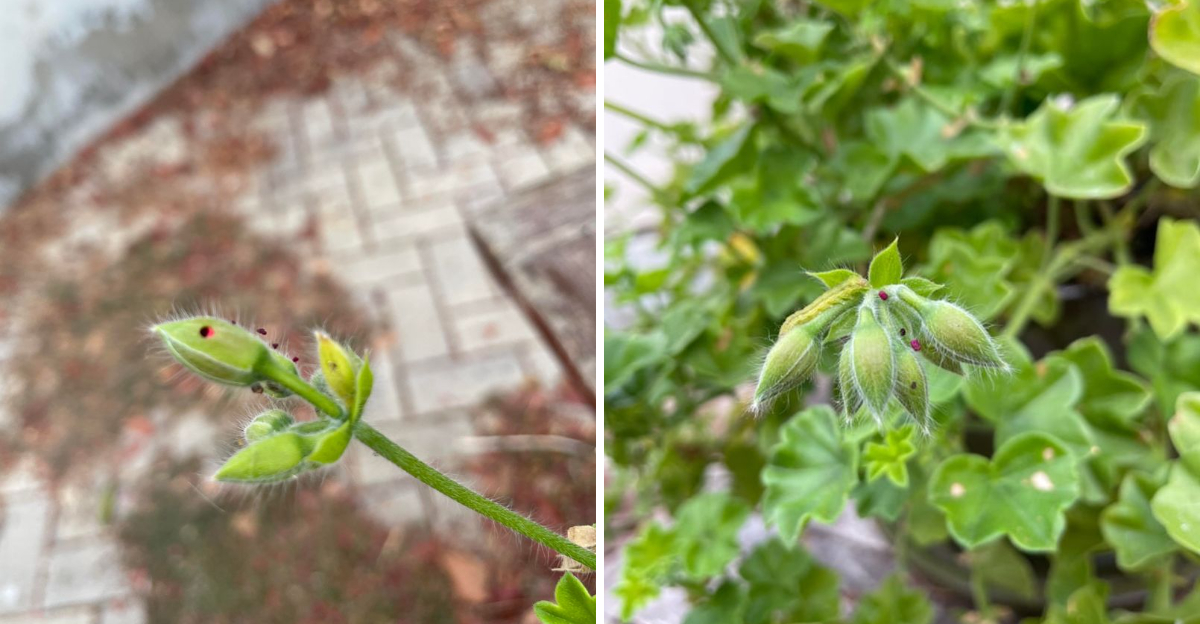
You watered your geraniums Tuesday morning and everything looked fine. Full buds, tight and green, ready to pop open by the weekend. Then Thursday came, and half those buds had holes punched straight through them.
Whatever is doing this does not announce itself. It hides inside the very bud it is destroying, so you rarely catch it in the act. By the time you notice chewed petals or a bud that never opens, the culprit has usually already moved on to the next one.
Virginia gardeners run into this problem constantly, especially once summer heat sets in. Once you learn what the early damage actually looks like, you can catch the problem before it wipes out an entire flush of blooms.
The Pest That Turns Your Geranium Buds To Mush
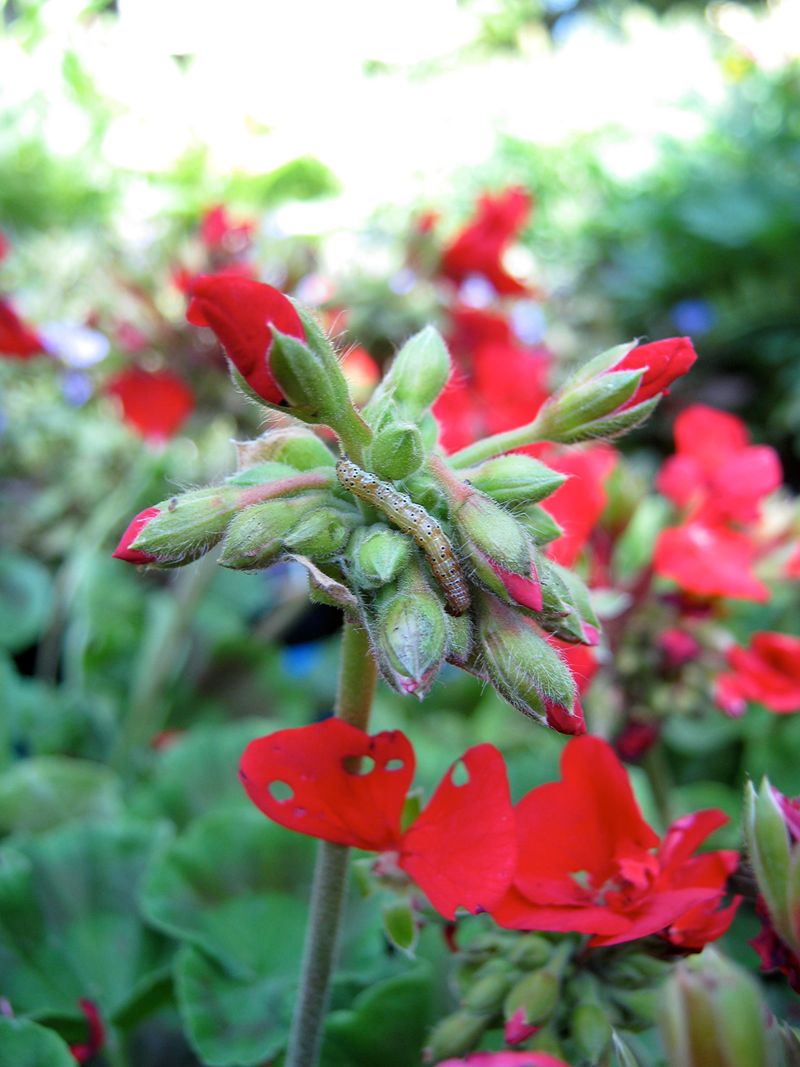
You water your geraniums faithfully, and yet the buds never open. Something is eating them from the inside, leaving behind nothing but mush and tiny black droppings.
The culprit is the tobacco budworm, a caterpillar that hatches from eggs laid by a small brown moth. That moth looks completely harmless, blending into your garden at dusk without a second glance.
The female moth lays single eggs directly on geranium buds. Once hatched, the larva bores straight inside before you ever spot it.
Inside the bud, the caterpillar feeds and grows, completely hidden from view. By the time you notice damage, it has already moved on to the next bud.
Tobacco budworm larvae can range from pale green to reddish-brown. Their color often matches the flower they are feeding on, making them nearly invisible to the naked eye.
Each caterpillar can destroy multiple buds before it drops to the soil to pupate. A single moth can lay enough eggs to damage dozens of buds before you notice anything wrong.
Geraniums are especially vulnerable because budworms prefer them above almost every other garden plant. Petunias and nicotiana are also targets, but geraniums seem to be the clear favorite.
Knowing your enemy is the first step toward saving your blooms. Once you understand the budworm life cycle, the damage stops feeling like a mystery and starts feeling like a solvable problem.
Virginia’s Long Hot Summers Keep Budworm Coming Back Every Year
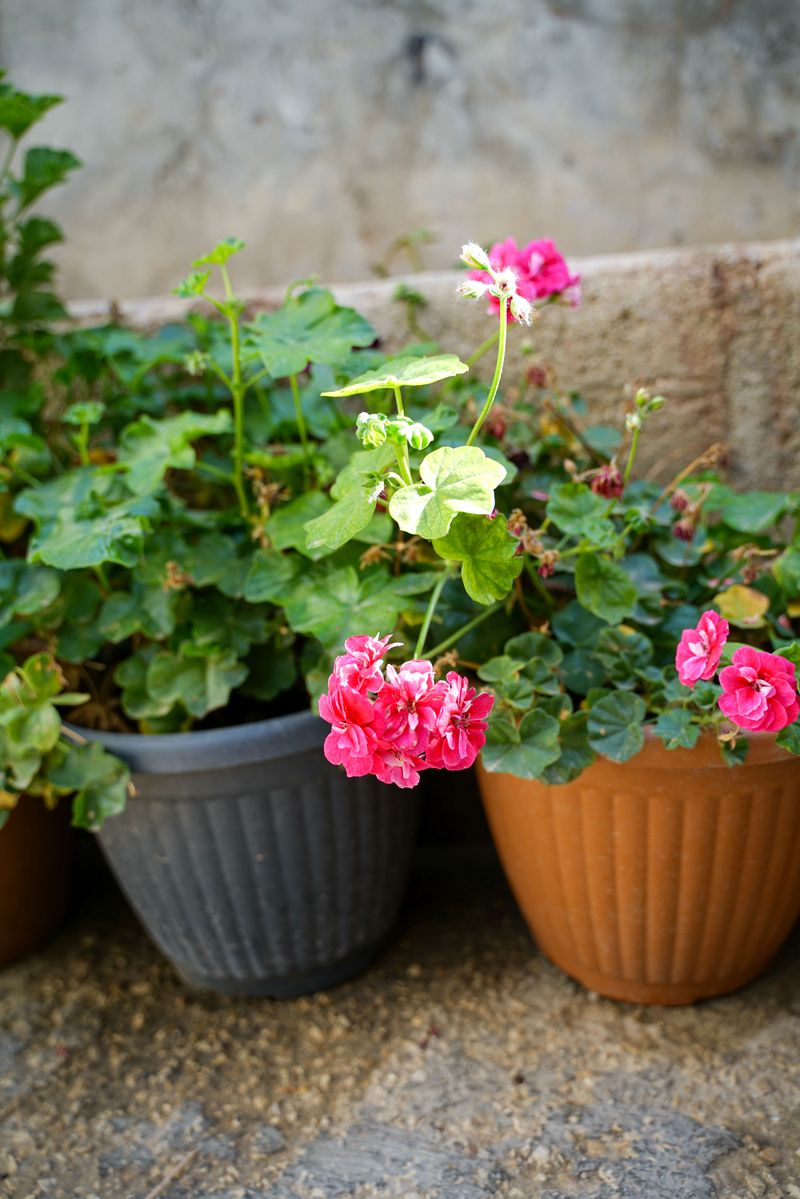
Virginia summers are brutal, and the tobacco budworm absolutely loves that. Warm nights and humid days create the perfect breeding ground for multiple generations each season.
In cooler northern states, gardeners might see one budworm generation per summer. Virginia gardeners can face two or even three overlapping generations between June and September.
Each new generation means a fresh wave of egg-laying moths targeting your geraniums. The problem compounds quickly when you are not watching for early signs of damage.
In colder pockets of Virginia, pupae rarely survive winter, so moths migrating up from the South refresh the population each spring, arriving just as your garden heats up.
By late June, moth populations peak across much of the Mid-Atlantic region. That timing tends to line up with when most gardeners have their geranium containers looking their best.
Your Virginia Garden Changes Every Week. Your Plan Should Too.
Gardening in Virginia changes quickly throughout the season. Every Friday you’ll receive a simple weekly plan showing exactly what to plant, prune, fertilize, harvest, and protect so you never miss the right timing.
The heat also speeds up the caterpillar life cycle considerably. Warmer temperatures mean faster hatching, faster feeding, and faster pupation, which equals more generations packed into one season.
Container geraniums on patios and decks face the highest risk because moths easily locate them. Open, sunny spots with warm microclimates are basically a welcome sign for egg-laying females.
Understanding the seasonal pattern helps you plan ahead instead of reacting in panic. Timing your prevention strategy around Virginia’s climate is the smartest move any geranium grower can make.
Telltale Signs Your Geraniums Are Under Attack
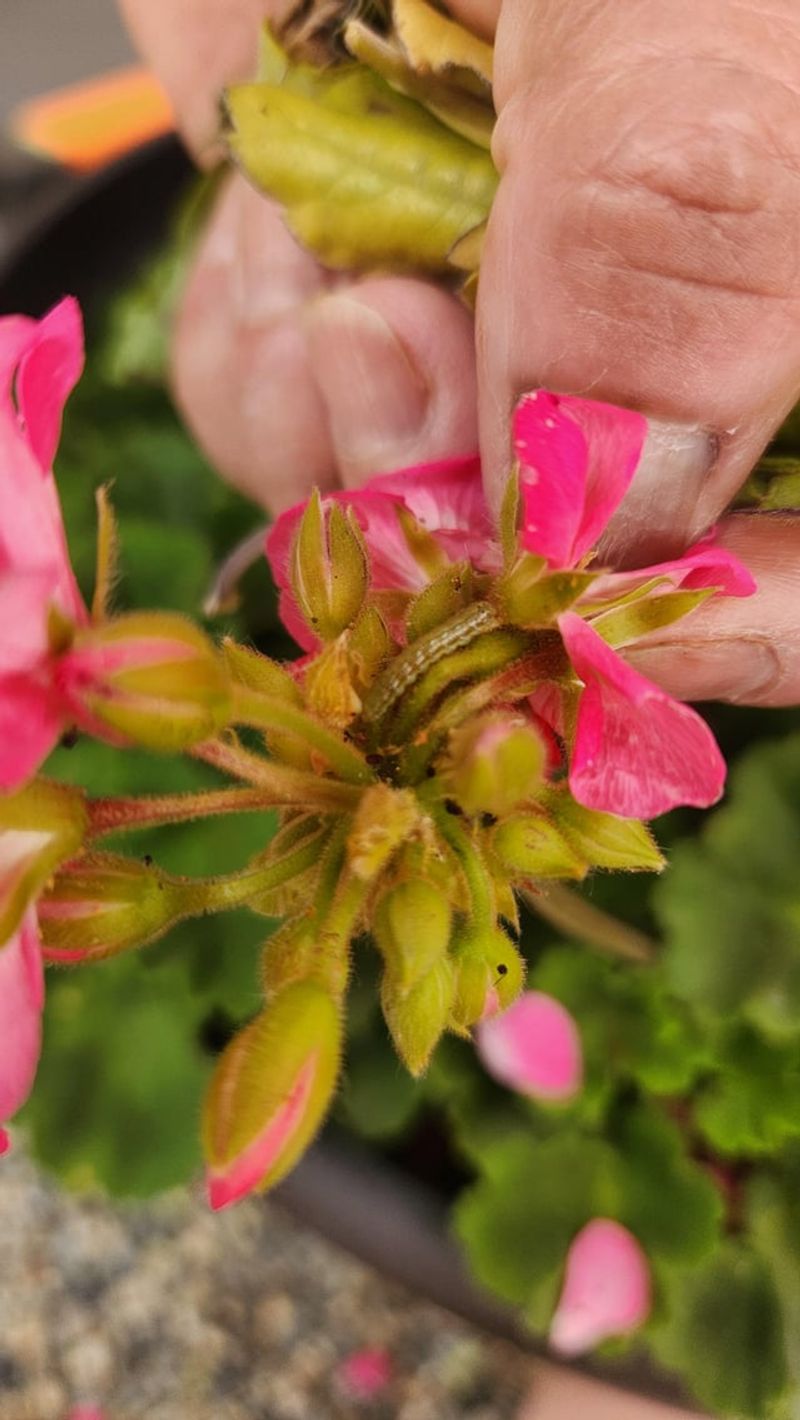
Shredded petals are the most obvious clue, but budworm damage starts even earlier than that. Learning the early warning signs can save your plants before the damage gets out of hand.
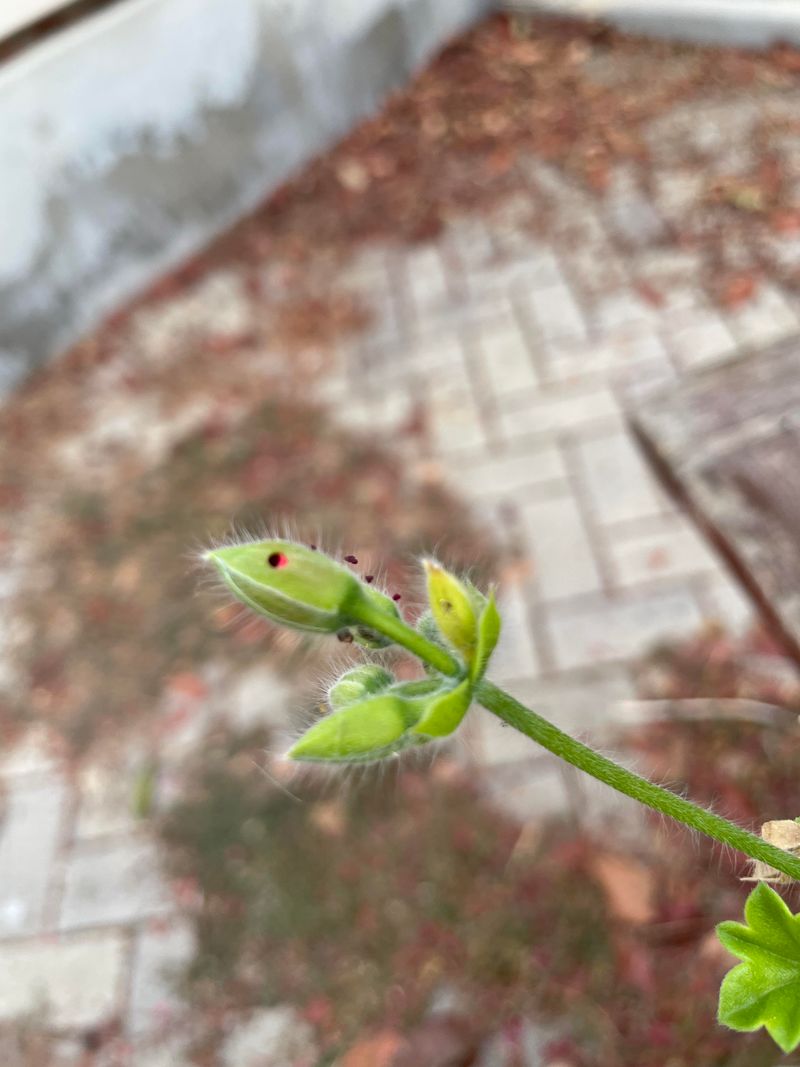
Look for tiny holes bored into closed buds. That small entry point is where the newly hatched larva slipped inside to begin feeding.
Black or dark brown frass, which is caterpillar waste, often collects at the base of buds or on nearby leaves. Spotting that gritty residue is one of the clearest signs of an active infestation.
Buds that fail to open, turn brown, or collapse inward are almost always budworm victims. Healthy geranium buds should swell and open within a predictable number of days.
Check the undersides of leaves and along stems in the early morning. Caterpillars sometimes rest in those spots when they are not actively feeding inside a bud.
You might also notice chewed petals on flowers that did manage to open partially. That means the caterpillar ran out of bud space and started feeding on exposed petals instead.
A flashlight inspection after dark is surprisingly effective for spotting budworm larvae. They tend to move more actively at night, making them easier to catch in the act.
Catching the infestation early changes everything about how well your geraniums recover. The sooner you confirm what you are dealing with, the faster you can take action and protect new growth.
Hand-Picking And Other Chemical-Free Control Methods
Not every pest problem needs a spray bottle. Hand-picking budworm caterpillars is one of the most effective low-effort methods available to home gardeners.
Go out in the evening or early morning with a flashlight and a bucket of soapy water. Pick off every caterpillar you spot and drop it straight into the bucket.
Even removing five or six larvae per plant can dramatically reduce bud damage within a week. Consistency matters more than perfection when hand-picking is your main strategy.
Bacillus thuringiensis, commonly called Bt, is a naturally occurring soil bacteria that targets caterpillars specifically. It’s considered low-risk for pets, kids, and pollinators when used as directed, but works best before larvae tunnel into buds.
Bt only works if it reaches the caterpillar before it bores inside, so spray buds and surrounding foliage every five to seven days during peak season and don’t rely on it once larvae are already tunneled in.
Neem oil is another organic option that disrupts the budworm life cycle without harsh chemicals. It works best as a preventive treatment applied before egg hatching begins in early summer.
Removing spent blooms and damaged buds promptly also helps reduce the local moth population. Fewer hiding spots mean fewer successful egg-laying opportunities for visiting females.
Encouraging natural predators like birds, parasitic wasps, and ground beetles adds another layer of protection. A garden that supports biodiversity is naturally more resistant to pest outbreaks than a bare, isolated planter.
Getting Insecticide Timing Right
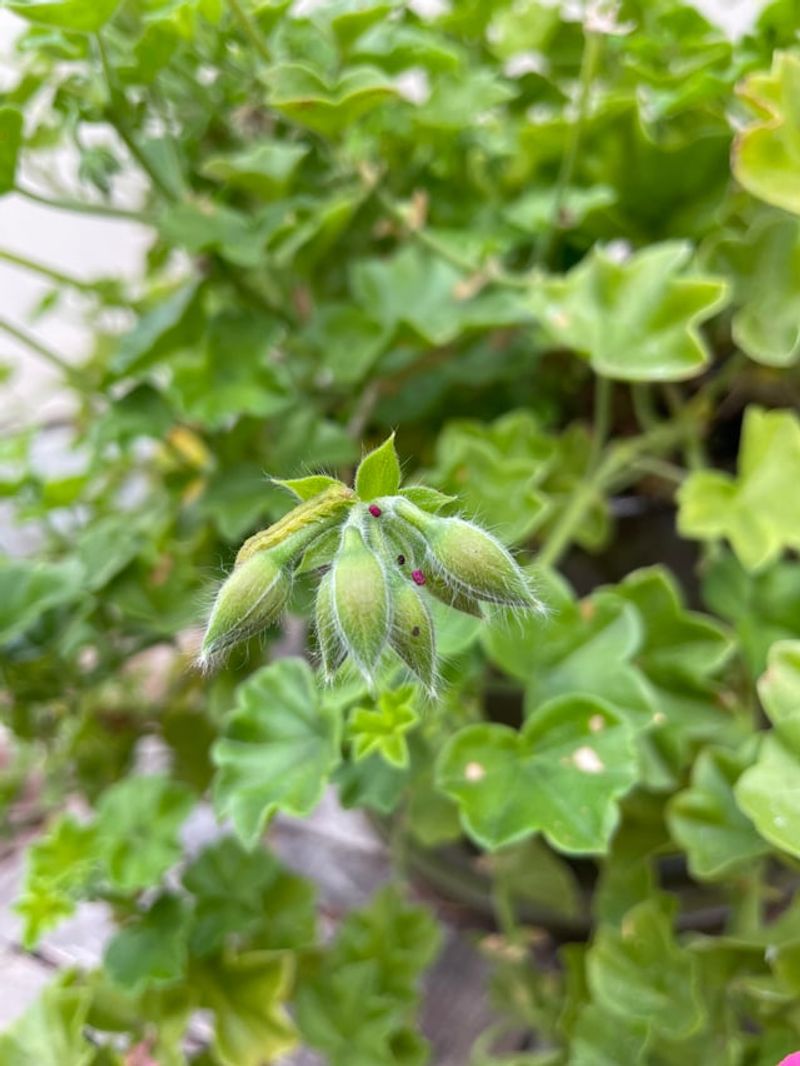
Spraying at the wrong time is almost as useless as not spraying at all. Budworm control with insecticides depends heavily on catching larvae before they disappear inside buds.
Products containing spinosad are among the most effective options for budworm on geraniums. Spinosad is derived from soil bacteria and breaks down quickly in the environment, reducing its impact on beneficial insects.
Apply spinosad in the early evening when moths are most active and egg-laying is happening. Treating at that time puts the product exactly where newly hatched larvae will encounter it first.
Pyrethrin-based sprays can also help against young caterpillars on contact.
Avoid spraying during peak pollinator hours, which typically run from mid-morning to early afternoon. Protecting bees and butterflies while managing pests is entirely possible with smart scheduling.
Repeat applications every seven to ten days are usually necessary throughout the budworm season. One treatment rarely eliminates an entire population, especially when new moths are migrating in regularly.
Always read the product label carefully before applying anything to edible or ornamental plants. Labels exist for safety reasons, and following them protects both your garden and your household.
Rotating between two different products helps prevent resistance from building up over time. Budworms are adaptable, and keeping them off balance with varied treatments keeps your control strategy effective throughout the season.
Skip The Trouble With Ivy Geraniums
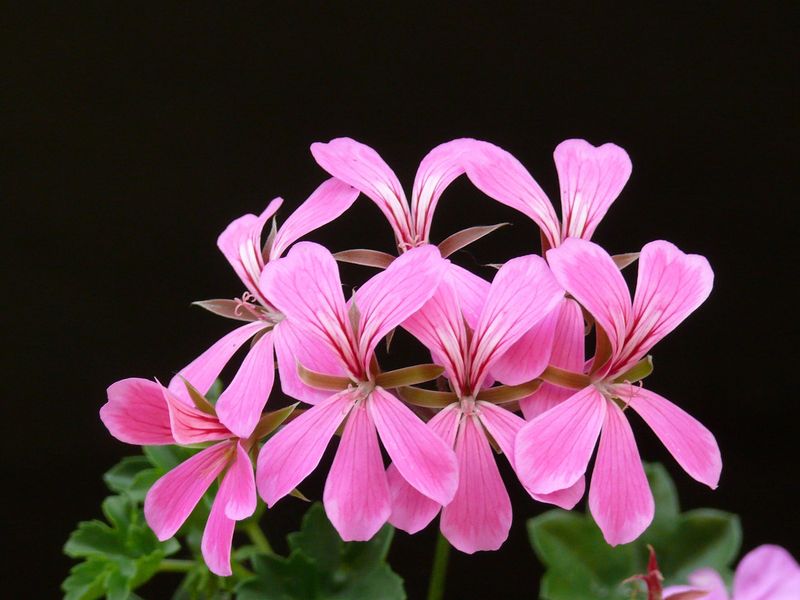
Here is a fun twist on the whole budworm problem: ivy geraniums are significantly less attractive to the tobacco budworm than their zonal cousins. Switching plant types can reduce your headaches considerably.
Zonal geraniums, the classic upright types with round flower heads, are the budworm’s preferred target in Virginia gardens. Ivy geraniums, with their trailing stems and glossy leaves, get far less attention from egg-laying moths.
Researchers point to leaf texture as the likely reason. Ivy geraniums have smooth leaves, while zonal types have sticky hairs on their buds and leaves that seem to attract egg-laying moths.
Swapping even a portion of your zonal geraniums for ivy types can noticeably reduce overall infestation pressure. Less damage means less time spent on pest management and more time enjoying your garden.
Ivy geraniums also perform beautifully in hanging baskets, window boxes, and cascading containers. Their trailing habit adds a different visual dimension that zonal types simply cannot provide.
They tend to tolerate heat and humidity reasonably well, which makes them a practical choice for Virginia summers. Pairing them with heat-tolerant annuals creates a display that stays vibrant even when temperatures soar.
That said, no geranium variety is completely immune to every garden pest. Regular monitoring remains important even with ivy types, especially during peak moth migration periods.
Choosing plants that naturally resist your biggest pest problem is one of the smartest gardening moves you can make. Outsmarting the culprit eating your Virginia geraniums sometimes starts right at the garden center.