Why Michigan Gardeners Who Do This One Thing In July See Far Less Powdery Mildew By August
Powdery mildew in August feels inevitable to Michigan gardeners who have watched it roll through the same beds year after year with depressing consistency. It is not inevitable.
The conditions that allow it to build to damaging levels through August are almost always established during July, which means July is also when those conditions can be interrupted most effectively.
One specific action taken during this month changes the microenvironment around the most vulnerable plants in ways that powdery mildew struggles to overcome.
Gardeners who have made it a consistent July habit describe the difference in their August beds as one of the most noticeable improvements they have made to their entire disease management approach.
1. Open Up Crowded Growth In July
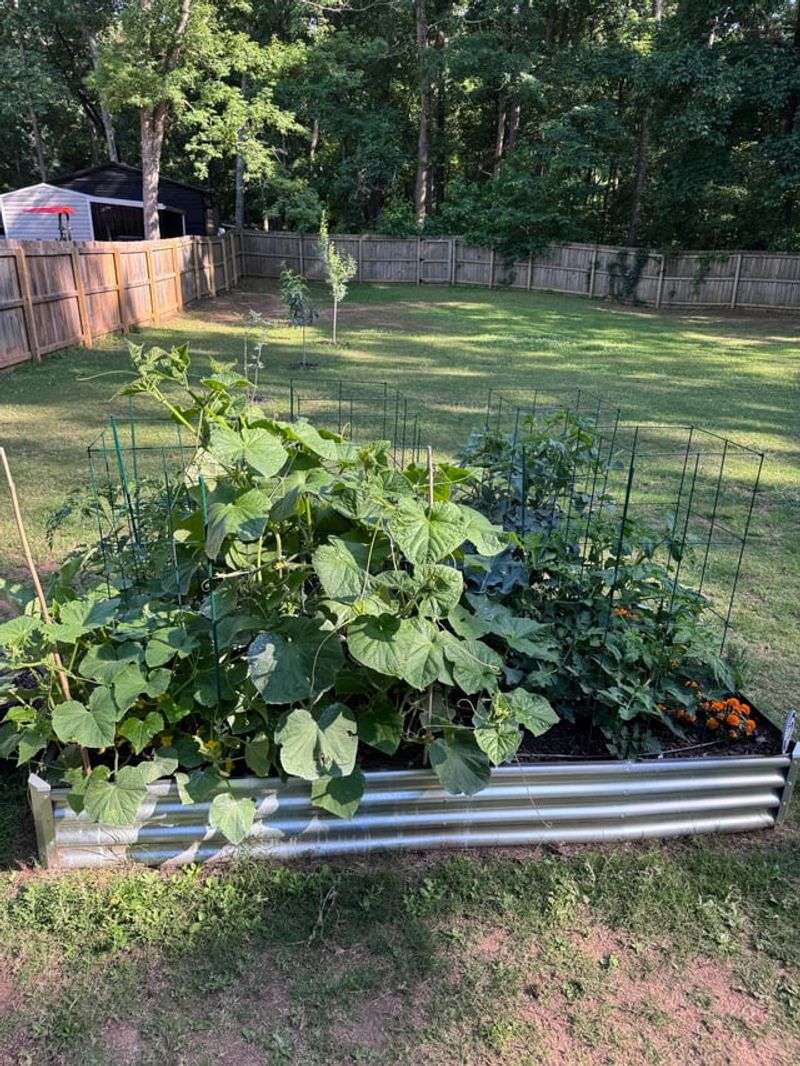
Picture your squash patch in mid-July, so thick with leaves that you can barely see the soil underneath. That lush, green canopy looks impressive, but inside it, moisture is building up with nowhere to go.
Dense plant growth traps humidity close to the leaves, and that warm, wet environment is exactly what powdery mildew spores need to take hold.
Michigan State University research confirms that powdery mildew thrives in conditions of high relative humidity, and that overcrowded or shaded plantings are far more likely to show symptoms.
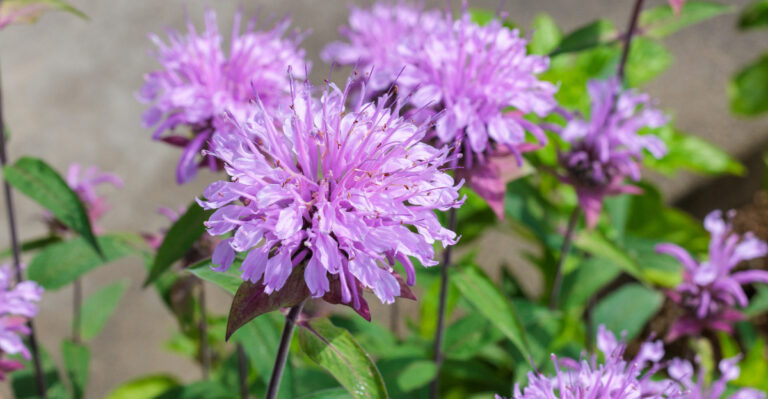
Plants like squash, cucumbers, phlox, bee balm, zinnias, and roses are especially vulnerable when their leaves stay damp and shaded for long stretches of time.
The white powdery patches that appear later in August are often the result of conditions that were set up weeks earlier.
Opening up crowded growth in July means selectively removing stems, leaves, and tangled growth so air can actually move through the bed.
You are not trying to reshape the plant entirely, just creating enough space that a gentle breeze can reach the inner canopy.
Even modest improvements in airflow can reduce how long leaves stay wet after rain or morning dew.
Starting this process in early to mid-July gives plants time to adjust before the hottest, most humid stretch of the Michigan summer arrives.
Acting before you see any white spots means you are working with the plant rather than scrambling to fix a problem that has already spread.
July thinning is genuinely one of the most effective things a Michigan gardener can do.
2. Give Leaves Room To Dry Faster
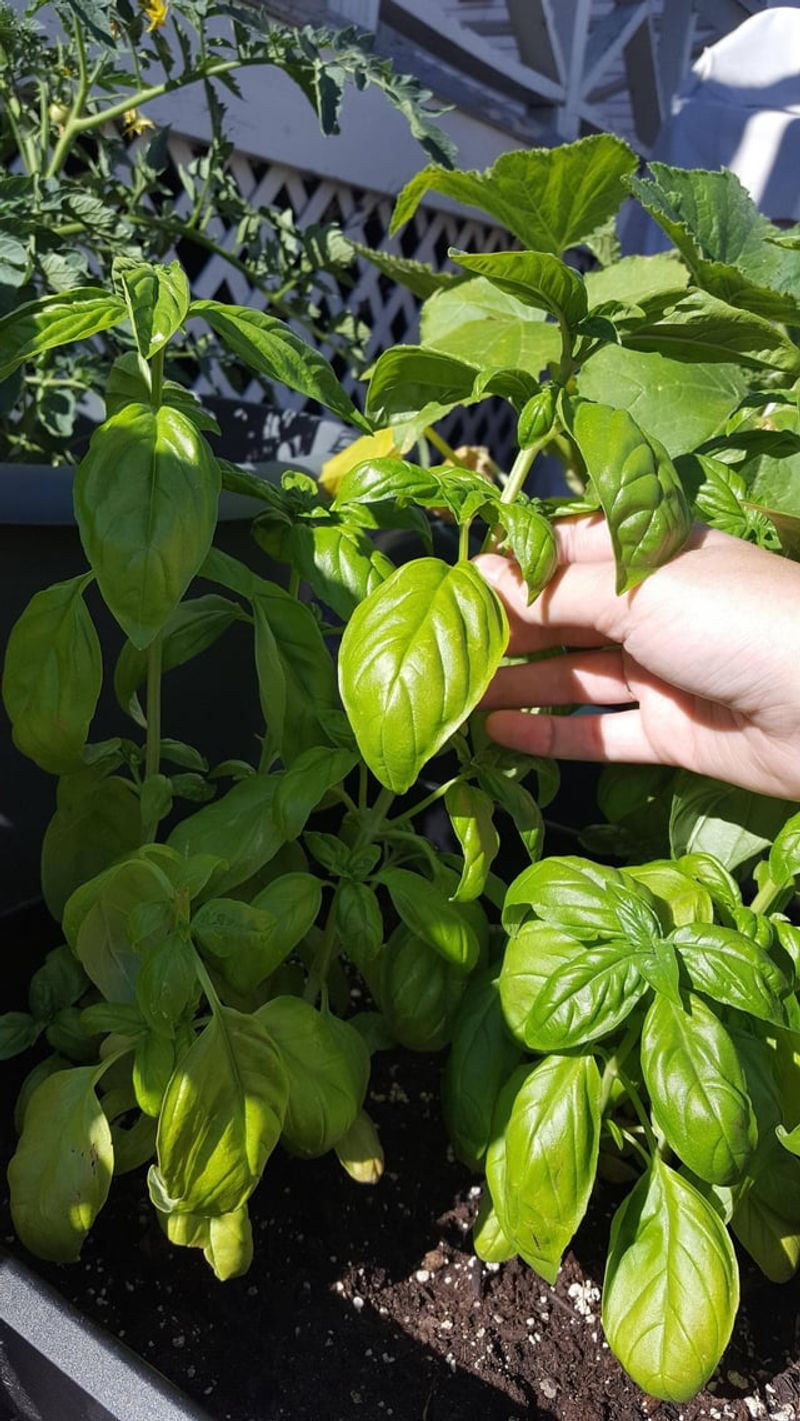
After a summer rain in Michigan, the air feels heavy and the ground stays damp for hours. Inside a thick plant canopy, that moisture clings even longer, coating leaves with a thin film of water that simply does not evaporate quickly when airflow is blocked.
Faster drying is one of the best natural defenses a garden has against powdery mildew.
When stems are thinned and vines are spaced out, air moves through the bed more freely. That movement carries moisture away from leaf surfaces much faster than in a crowded planting.
Michigan summers bring regular rainfall and heavy morning dew, so the difference between leaves that dry in an hour versus leaves that stay damp until afternoon is significant over the course of a whole growing season.
Your Michigan Garden Changes Every Week. Your Plan Should Too.
Gardening in Michigan changes quickly throughout the season. Every Friday you’ll receive a simple weekly plan showing exactly what to plant, prune, fertilize, harvest, and protect so you never miss the right timing.
Weeds growing inside and around your garden beds make this worse. They fill in gaps between plants, slow air movement, and hold onto moisture at the base of the canopy.
Clearing those out as part of your July thinning routine helps the whole bed breathe better.
Spacing vines along a trellis instead of letting them pile up on the ground is another practical move. Vertical growing naturally exposes more leaf surface to moving air and sunlight, which speeds up drying after wet weather.
Even cucumber vines trained loosely up a simple wire fence will dry far faster than the same plant sprawling in a heap on the soil. Small changes in how growth is managed add up to noticeably drier, healthier leaves by the time August humidity peaks.
3. Thin Only What The Plant Can Spare
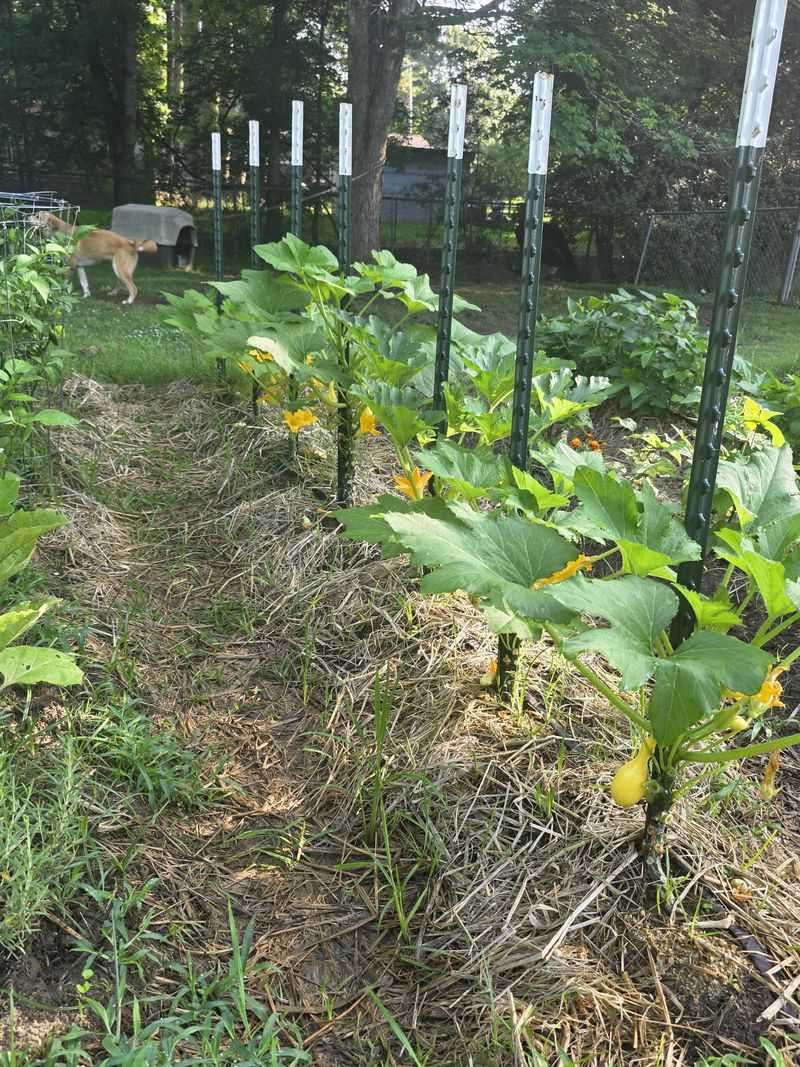
Grabbing a pair of pruners and going to town on your plants might feel satisfying, but thinning done carelessly can stress the plant more than the powdery mildew ever would. The goal is thoughtful, targeted removal, not a dramatic haircut.
Knowing what to take out and what to leave behind makes all the difference.
Focus on stems and leaves that are already shaded, tangled with neighbors, pointing inward, or rubbing against other growth. These are the spots where air movement is most restricted and where moisture tends to linger longest.
Removing them opens up the interior of the plant without reducing the overall canopy that the plant needs for healthy growth and energy production.
For vegetables like squash and cucumbers, removing a few older lower leaves and some of the densest interior growth is usually enough to create noticeable airflow improvement.
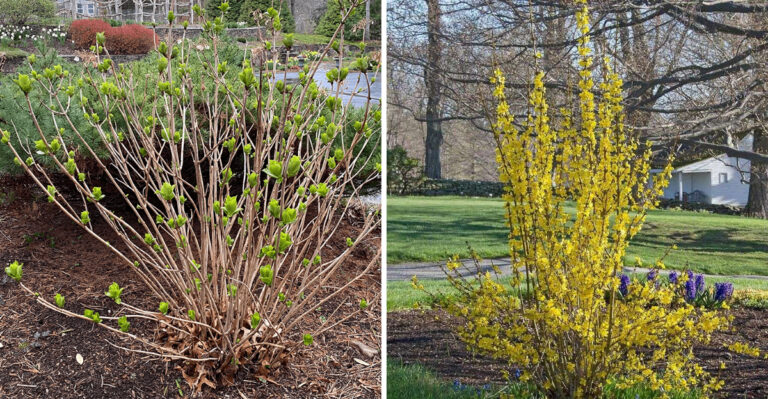
For perennials like phlox and bee balm, cutting out a third of the stems at the base in early July is a well-known technique that reduces crowding while keeping the plant full and flowering.
Roses benefit from removing any crossing or inward-facing canes.
Shrubs and woody perennials need a lighter hand than annuals, since they cannot replace growth as quickly in the same season. Always use clean, sharp tools so cuts heal cleanly rather than leaving ragged edges.
A little careful thinning done right in July protects the plant, improves airflow, and sets up a much cleaner August without white powdery patches spreading across the leaves you worked hard to grow.
4. Remove Weeds That Block Airflow
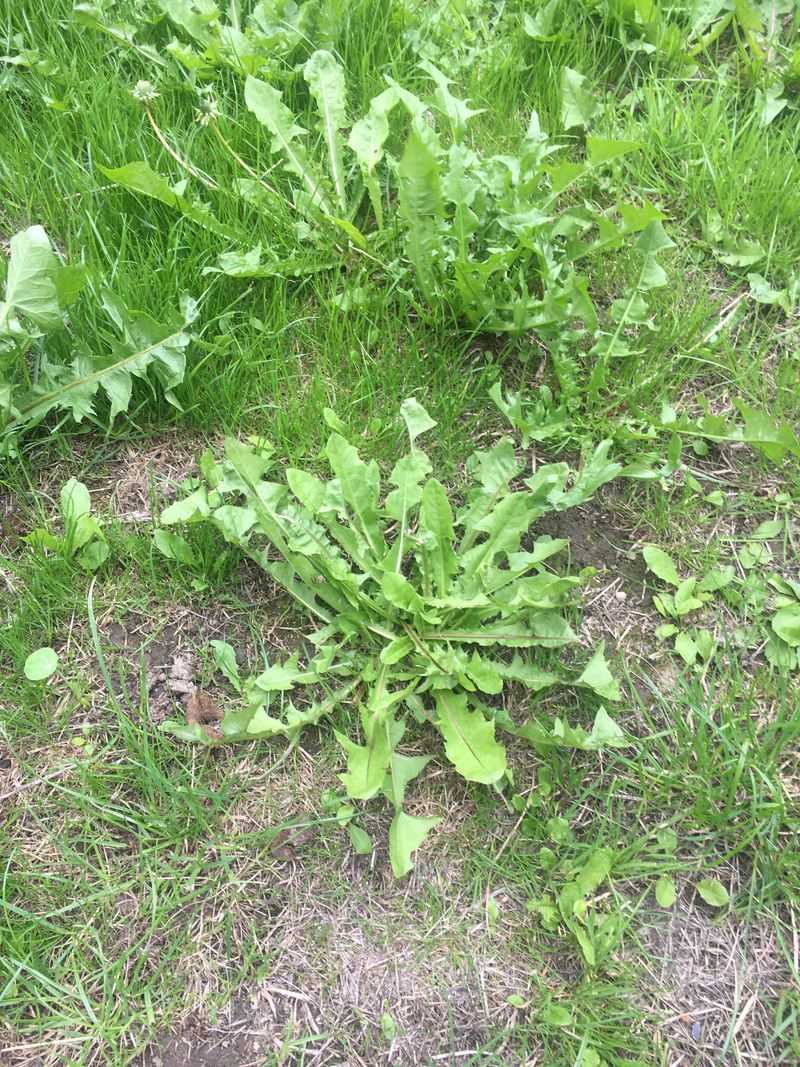
Weeds rarely get credit for how much trouble they cause beyond just competing for nutrients.
In a July garden, a thick mat of weeds growing around squash, cucumbers, tomatoes, or flowering shrubs does something equally damaging: it blocks the low-level airflow that keeps plant bases dry.
That trapped moisture at ground level is a direct invitation for powdery mildew spores to settle in and spread.
Common Michigan summer weeds like crabgrass, purslane, and bindweed grow fast and fill in gaps between plants quickly.
Once they are knee high around your vegetable beds or flower borders, it becomes harder to even see what is happening at the base of your plants.
Scouting for early powdery mildew signs becomes nearly impossible when the lower leaves are buried in a tangle of weeds.
Clearing weeds from around susceptible plants is one of the fastest ways to open up airflow without touching the plants themselves.
Pull them out by the roots so they do not regrow within the week, and try to keep at least several inches of open soil visible around each plant stem.
That open space allows air to circulate at the base of the canopy, where humidity tends to concentrate most.
A layer of mulch after weeding helps slow regrowth and keeps soil moisture more consistent, which reduces the wet-dry swings that can stress plants.
Keeping beds clean and weed-free through July takes regular effort, but it pays off noticeably by August when neighboring gardens are fighting white patches and yours is still looking clean and strong.
5. Avoid Overhead Watering In Crowded Beds
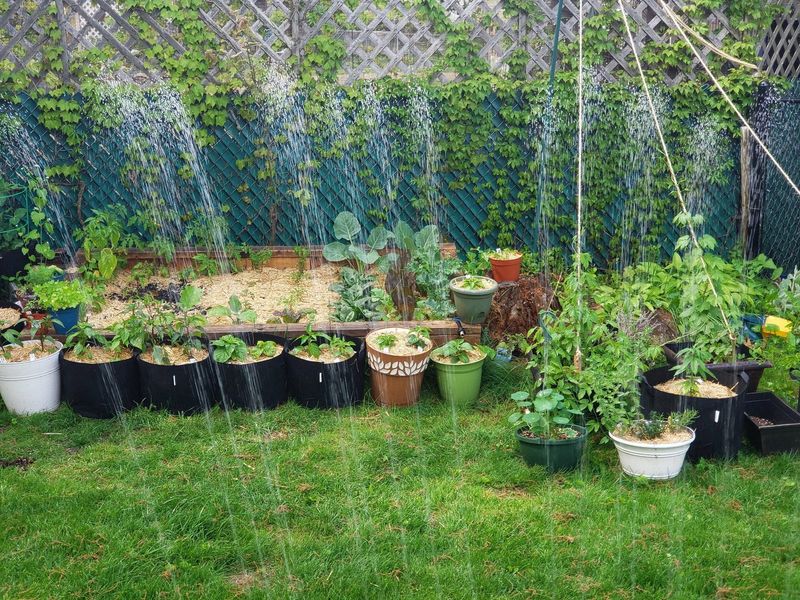
There is something satisfying about standing in the garden with a hose on a warm July evening, spraying water over everything in sight.
Unfortunately, that habit can quietly set up the exact conditions powdery mildew needs to get started, especially in beds where plants are already growing thick and close together.
When water lands on leaves and stays there, it raises the humidity level right inside the plant canopy.
Michigan State University guidance on cucurbit crops specifically recommends avoiding overhead irrigation and using morning watering when overhead methods are the only option available.
The reasoning is straightforward: water that falls on leaves in the evening has all night to sit there, keeping humidity high and giving fungal spores a perfect window to develop.
Soaker hoses and drip lines are the best alternatives because they deliver water directly to the soil where roots can reach it, without wetting leaves at all.
They also use water more efficiently, which is a bonus during dry Michigan summers when conservation matters.
Setting them up early in the season means less adjustment needed in July when growth is at its thickest.
If overhead watering is truly the only practical option, mornings are the right time. Watering early gives leaves most of the day to dry out before temperatures drop and dew starts forming overnight.
Even switching from evening to morning watering without changing anything else can reduce how long leaves stay wet.
Combined with good airflow from thinning and weeding, smarter watering habits make July beds noticeably less welcoming to powdery mildew spores looking for a place to settle.
6. Scout Susceptible Plants Every Week
Airflow improvements and smart watering get you a long way, but they work even better when paired with a habit that takes only a few minutes a week.
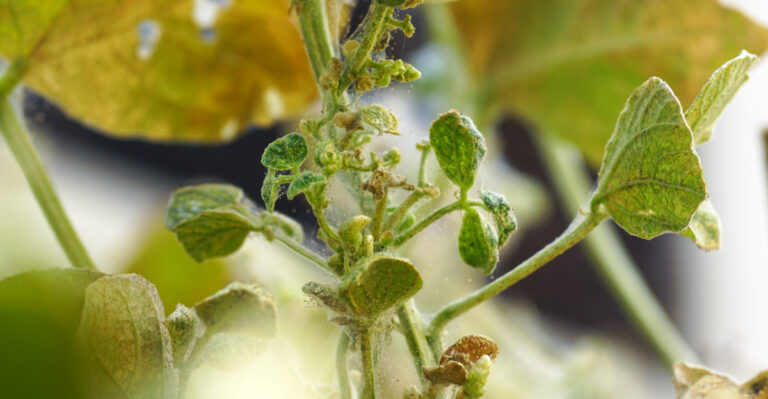
Weekly scouting through July lets you catch powdery mildew at its earliest stage, when it is still just a few small white spots rather than a full-blown coating across the whole plant.
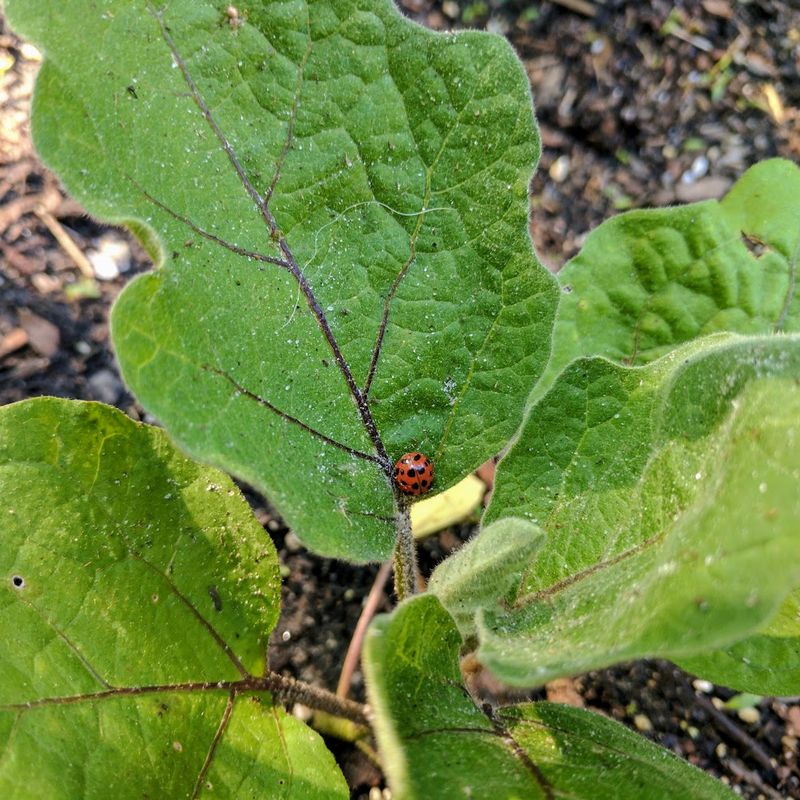
Powdery mildew typically starts on older, lower leaves and on leaves tucked into shaded inner growth where air movement is weakest. Those are the spots to check first.
Flip leaves over, part the inner stems, and look carefully at the surfaces that face away from sunlight.
A small chalky patch the size of a quarter is much easier to manage than discovering the problem after it has moved across half the plant. Catching it early gives you options.
You can remove the affected leaves immediately, improve airflow around that specific area, or apply a targeted treatment like a baking soda solution, neem oil, or a potassium bicarbonate-based product if the problem is progressing.
All of these approaches work better when the fungus has not yet spread widely.
Keeping a simple garden journal or even just a note on your phone helps you track which plants showed signs first and which beds stayed clean.
Over a few seasons, patterns become obvious, and you start to know exactly which corners of the garden need the most attention in July.
That kind of knowledge turns reactive gardening into proactive gardening, and proactive gardening is almost always more rewarding and less stressful come August.
7. Skip Heavy Nitrogen Feeding
Feeding plants feels like the right move when you want a strong, productive garden, but timing and amount matter more than most gardeners realize.
Pouring on heavy nitrogen fertilizer in July, especially when powdery mildew is a recurring issue in your garden, can actually work against you in a way that does not show up immediately.
High nitrogen pushes plants to produce a flush of soft, tender new growth quickly. That young tissue is more vulnerable to fungal problems than mature, hardened leaves.
It also adds volume to the canopy fast, which tightens up the airflow you just worked to improve through thinning. So a well-intentioned midsummer feeding can quietly undo some of the progress you made earlier in July.
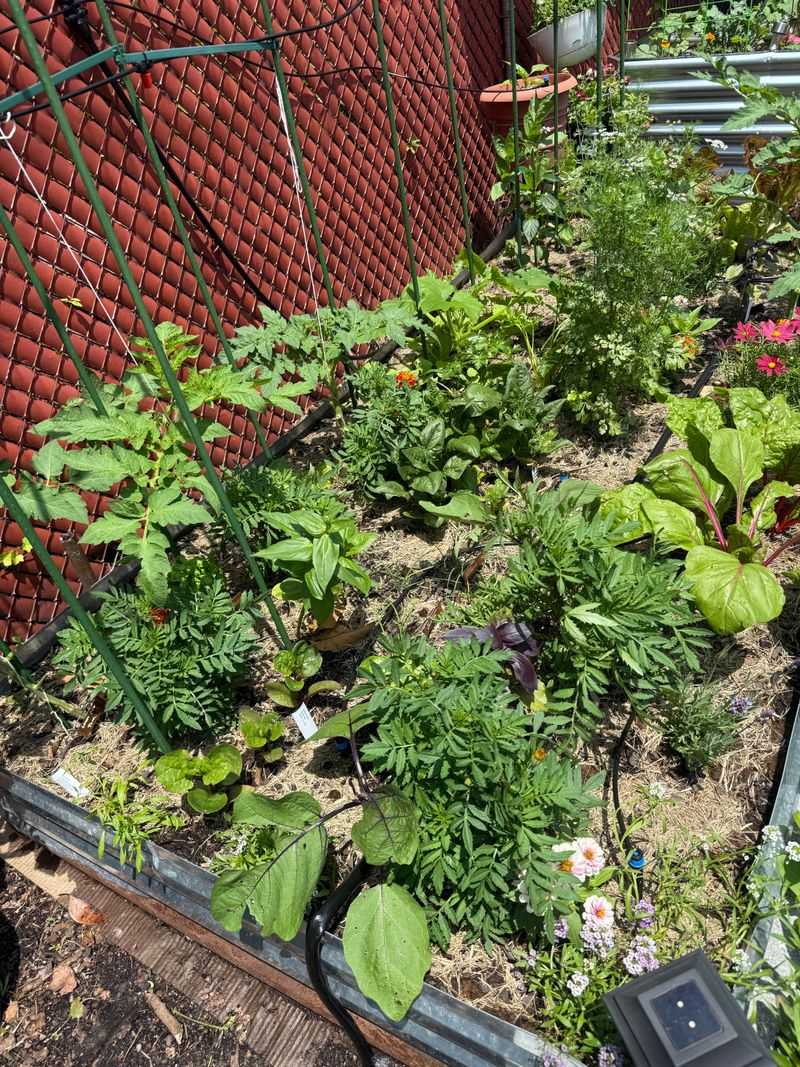
A better approach is to rely on compost worked into the soil before planting or top-dressed lightly around established plants.
Compost releases nutrients slowly and steadily, supporting healthy growth without triggering the sudden soft flushes that heavy synthetic feeding can produce.
If you have done a soil test, use those results to guide any additional feeding rather than guessing.
Steady, consistent moisture is also part of keeping growth balanced. Plants that experience big swings between dry and wet soil tend to produce uneven growth, with soft bursts after watering following dry spells.
Mulching around plants helps even out soil moisture and reduces those swings.
Keeping growth steady, moderate, and well-spaced rather than pushing for maximum lushness in July gives you a healthier, more disease-resistant garden that is far easier to manage through the rest of the season.
8. Make August Easier By Acting Before Spots Appear
Most garden problems feel manageable right up until they are not. Powdery mildew has a way of sneaking past notice in July, then showing up dramatically across the whole garden by the second week of August.
By that point, gardeners are reacting to something that was set in motion weeks earlier, and the options available are fewer and less satisfying than prevention would have been.
July is the window. The plants are big enough to thin meaningfully, the season is warm enough that spores are active, and there is still enough time before peak August humidity arrives to make real improvements.
Waiting until the white patches appear means the fungus has already established itself, and management becomes much harder than prevention ever was.
The core actions all work together: open the canopy so air moves freely, remove weeds that trap moisture and block inspection, water at the soil level or at least in the morning, and walk through the garden every week to catch anything early.
None of these steps requires special equipment or expensive products. They just require attention and follow-through during the right window of the season.
Gardeners who build these July habits into their routine consistently report cleaner plants and fewer problems heading into late summer.
The reward is not just a better-looking garden in August, it is the confidence that comes from knowing you addressed the conditions rather than waiting for symptoms.
A few focused hours in July translate directly into weeks of easier, more enjoyable gardening when the rest of the summer unfolds around a healthy, well-managed space.