How Rooftop Gardening In New York City Differs From Suburban Gardening

A rooftop garden in New York City doesn’t forgive mistakes. Wind sweeps across open ledges with nothing to block it. Sunlight bounces off concrete and glass, and containers can overheat by noon.
Building management adds its own rules, from weight limits to what can sit on the roof. Suburban gardeners skip all that, working with ground-level soil and sheltered corners, their biggest worry a fence line.
There’s no elevator for hauling potting mix, no engineer to consult before a raised bed. Rooftop growers plan around exposure. Suburban growers plan around space. Plants are the only thing they share.
These differences matter before you start. They shape what you buy, what you plant, and how much work it takes to keep anything alive through a New York summer.
Rooftop Gardens Battle Weight Limits Wind And Heat Suburban Yards Skip
You step onto a NYC rooftop and feel the wind hit you hard. Suburban gardeners almost never deal with anything this intense.
Rooftop gardening in New York City comes with three big challenges right away. Weight limits, brutal wind, and trapped heat are a package deal up here.
A suburban backyard sits on solid ground, so weight is rarely a concern. But a rooftop has a load limit, and exceeding it is a serious structural risk.
Wind on a rooftop can snap stems and dry out soil in hours. Suburban plots have fences, trees, and houses acting as natural windbreaks.
Heat is another beast entirely on a rooftop. Dark roofing materials absorb sun all day and radiate it back up through containers.
Suburban soil stays cooler because of natural moisture and ground insulation. Rooftop containers can reach temperatures that stress plant roots badly.
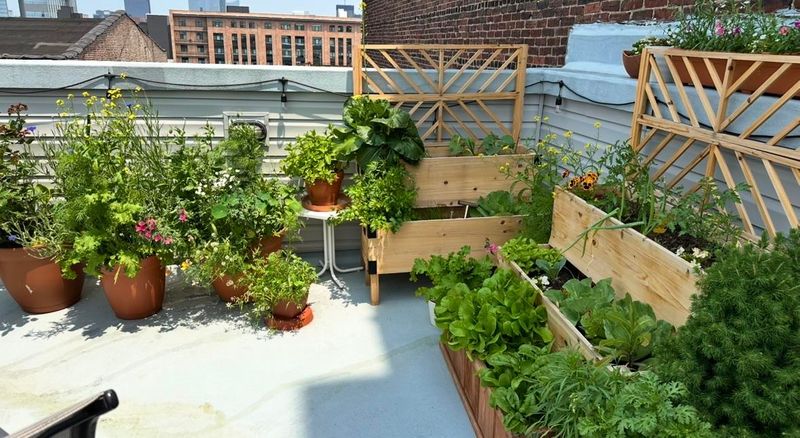
Planning ahead makes a real difference in surviving these conditions. Smart rooftop growers choose low-profile plants, heavy-duty containers, and strategic placement.
None of these adaptations are needed in a typical suburban yard. The ground is forgiving, the wind is gentle, and the soil holds water naturally.
Knowing these differences upfront helps you plan smarter. A rooftop garden can absolutely thrive, but only when you respect its unique demands.
Weight Restrictions Replace Unlimited Ground Space
Suburban gardeners never ask their yard how much it can hold. Rooftop gardeners in NYC have to ask that question before buying a single pot.
Every rooftop has a structural load limit measured in pounds per square foot. Exceeding that number puts the building and everyone inside at serious risk.
For anything beyond a few lightweight pots, it’s wise to have a structural engineer assess your roof first. Landlords and co-op boards often request this before approving a larger setup.
Lightweight growing mediums like perlite blends replace heavy garden soil. These mixes weigh far less but still support healthy root development in containers.
Foam planters and fabric grow bags are popular choices for rooftop setups. Both options cut down on weight without sacrificing growing space or drainage quality.
Suburban gardeners can haul in bags of dense compost without a second thought. Rooftop growers calculate every pound before adding anything new to the space.
Your New York Garden Changes Every Week. Your Plan Should Too.
Gardening in New York changes quickly throughout the season. Every Friday you’ll receive a simple weekly plan showing exactly what to plant, prune, fertilize, harvest, and protect so you never miss the right timing.
Water is also surprisingly heavy, which affects irrigation planning. A fully saturated container weighs significantly more than a dry one, so that math matters.
Spreading weight evenly across the rooftop surface is another key strategy. Clustering too many heavy pots in one spot creates dangerous pressure points on the structure.
Weight planning sounds tedious, but it becomes second nature quickly. Once you know your roof’s limits, you can design a beautiful garden that stays safe all season long.
Wind Exposure Requires Different Plant And Container Choices
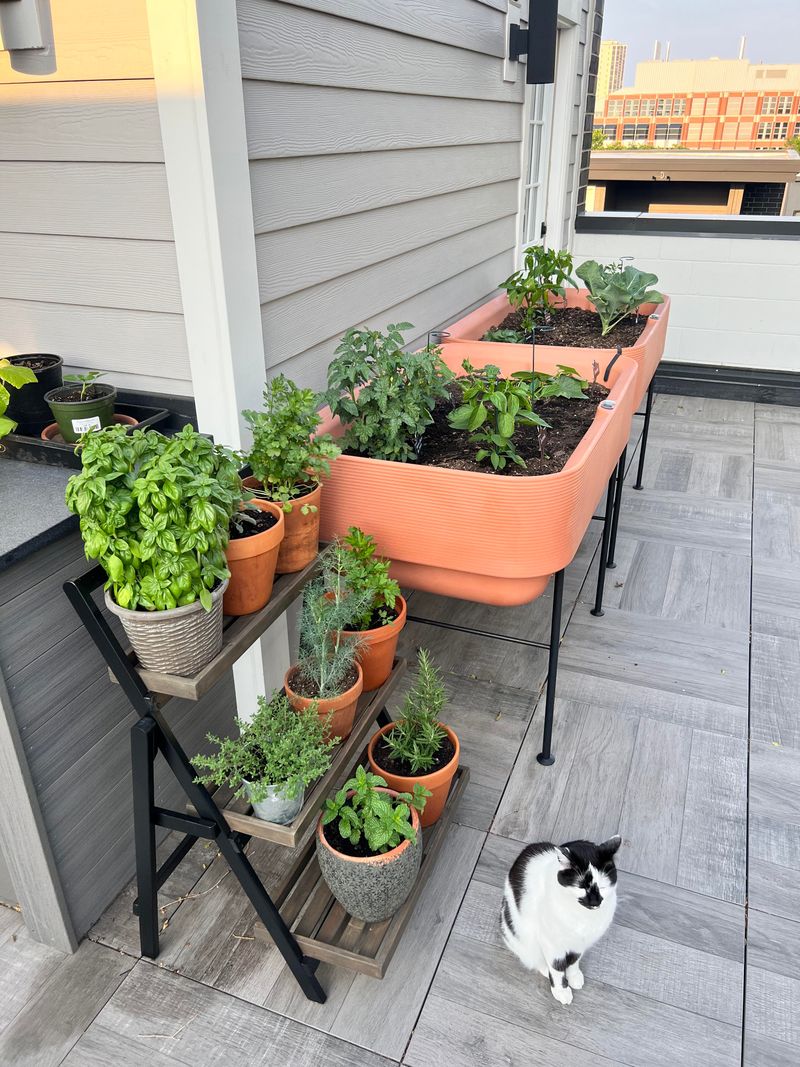
Wind on a New York City rooftop does not play around. On a gusty day, it can knock over containers and shred delicate leaves in minutes.
Suburban gardens sit protected by neighboring structures, hedges, and mature trees. A rooftop offers little in the way of natural barriers, so plants stay mostly exposed.
Choosing the right plants makes all the difference in a windy rooftop environment. Hardy herbs like thyme, rosemary, and chives handle wind far better than tall, leafy vegetables.
Dwarf varieties of tomatoes and peppers also perform well in exposed conditions. Their compact size means less surface area for wind to grab and damage.
Container choice matters just as much as plant selection when wind is involved. Wide, heavy bases keep pots from tipping over during sudden gusts.
Self-watering containers with reservoirs are especially useful on windy rooftops. Wind accelerates moisture loss, and these containers help compensate for that constant evaporation.
Trellises and windscreen panels can be installed to create partial shelter. Even a modest barrier reduces wind speed enough to protect more sensitive crops.
Suburban gardeners rarely think about staking plants for wind protection. On a rooftop, staking tall plants is a basic survival strategy, not an optional extra.
Getting your wind strategy right early saves plants and frustration later. A rooftop garden that respects the wind becomes one of the most rewarding urban spaces you can create.
Rooftop Surfaces Trap Far More Heat Than Suburban Soil
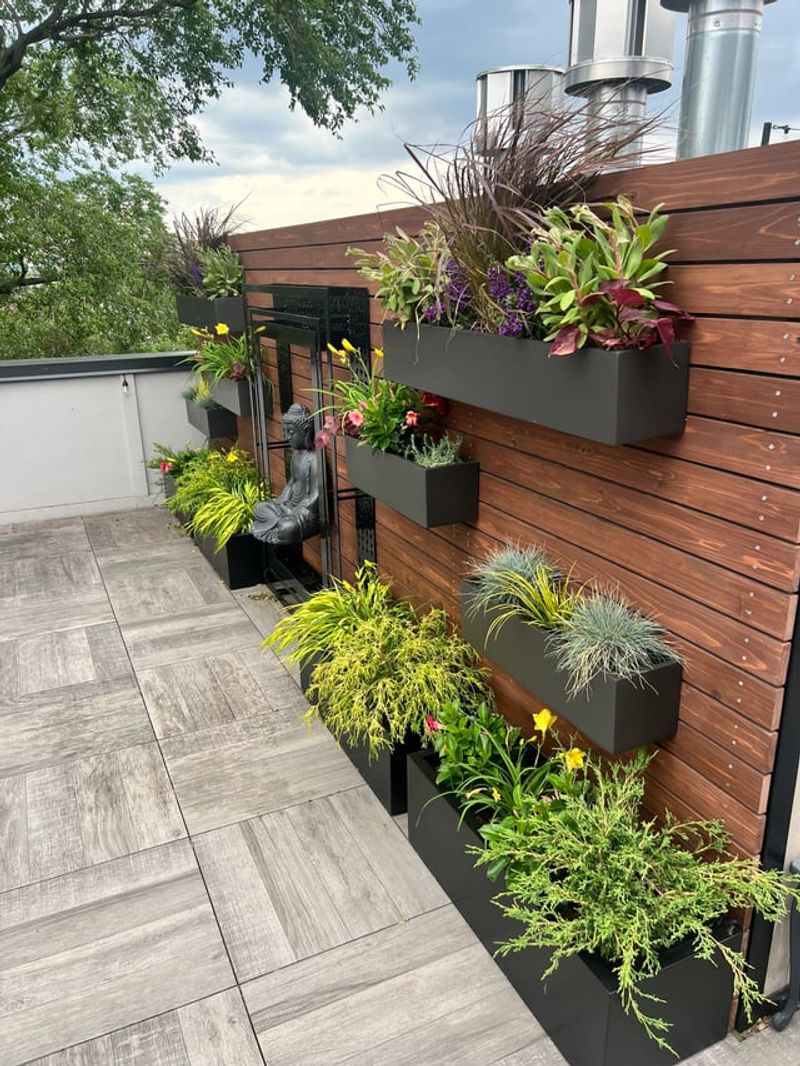
Touch a dark rooftop surface on a July afternoon in NYC and you will yank your hand back fast. The heat stored in that material is intense and relentless.
Suburban soil absorbs heat during the day but releases it slowly through natural moisture cycles. Rooftop surfaces have no such cooling mechanism working in their favor.
Black rubber membranes and tar surfaces are common on NYC rooftops. These materials absorb solar radiation all day and push that heat back up into containers sitting on top.
Root zone temperatures in rooftop containers can soar well above what most vegetables tolerate. When roots get too hot, plants stop absorbing water and nutrients effectively.
Light-colored container materials reflect heat better than dark plastic pots. Choosing white or tan planters is a simple but powerful way to reduce root stress.
Placing containers on wooden pallets or foam insulation boards adds a buffer layer. That small gap between the container and the hot surface makes a measurable difference.
Mulching the top of containers also helps lock in moisture and regulate temperature. A thick layer of straw or wood chips shields soil from direct sun exposure.
Suburban gardeners benefit from the natural cooling effects of ground moisture and shade. Those advantages are much harder to come by on a sun-baked city rooftop in peak summer.
Managing heat is one of the most underrated skills in rooftop gardening. Master it, and your plants will reward you with strong growth even on the hottest days.
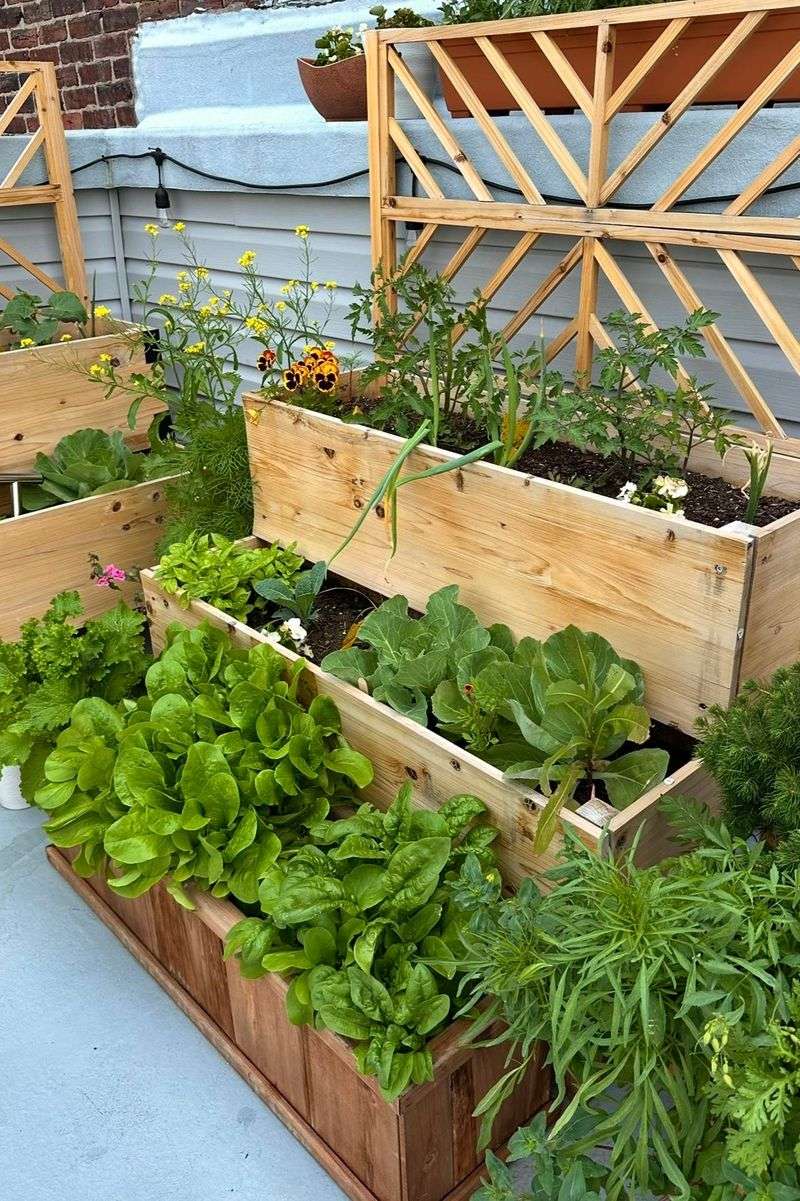
Containers Replace In-Ground Planting Entirely
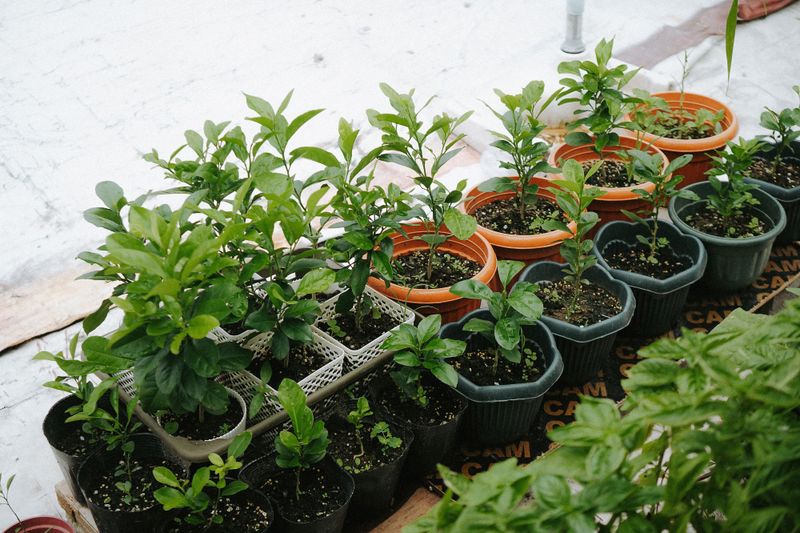
Forget digging a single hole. On a NYC rooftop, containers do almost all the work, which changes how you approach gardening from the ground up.
Suburban gardeners can amend soil, expand beds, and plant deeply rooted trees with ease. Rooftop growers work within the boundaries of their containers.
Container size directly determines what you can grow and how well it produces. A tomato plant needs at least a five-gallon container to develop a strong enough root system.
Root vegetables like carrots and beets require deep containers to develop properly. Shallow pots limit their growth and result in stubby, underdeveloped harvests.
One advantage of container gardening is full control over your growing medium. You choose exactly what goes into each pot, which means you can optimize for each specific crop.
Drainage is a critical factor that suburban gardeners rarely stress over. Containers must have adequate holes at the bottom, or roots will rot quickly in standing water.
Mixing perlite, compost, and coconut coir creates a light but nutrient-rich blend. This combination drains well, holds enough moisture, and keeps container weight manageable.
Suburban gardeners can rely on earthworms and natural soil biology to do much of the work. Container growers must replenish nutrients manually through regular fertilizing schedules.
Containers also mean you can rearrange your entire garden layout in an afternoon. That flexibility is one of the unexpected joys of rooftop gardening in New York City.
Watering Needs Are Far More Frequent And Less Forgiving
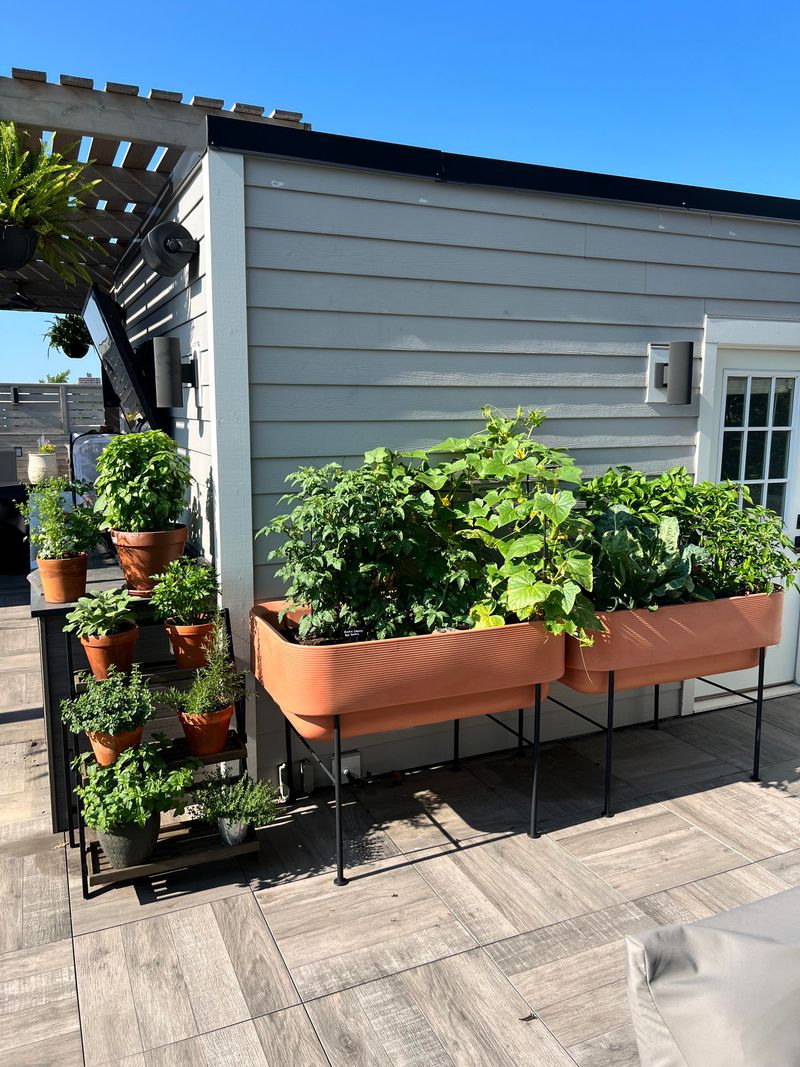
Miss one watering session in a suburban garden and your plants will probably be fine. Miss one on a NYC rooftop in July and you may come back to crispy leaves.
Containers dry out much faster than in-ground soil because they have limited volume. There is no deep water table for roots to reach when the top layers get dry.
Rooftop conditions accelerate moisture loss in ways suburban gardens rarely experience. Wind, reflected heat, and direct sun all pull water from containers at a rapid pace.
Watering once a day is often the minimum during hot summer months. Some exposed rooftop gardens need a second pass in the late afternoon to survive peak heat.
Drip irrigation systems save time for rooftop growers with busy schedules. A timer-controlled setup delivers consistent moisture without requiring daily manual effort.
Self-watering containers with built-in reservoirs are another smart solution. They provide a steady supply of water from below, which encourages deeper root growth.
Suburban gardeners often water by feel, checking soil moisture with a finger. Rooftop growers benefit from using moisture meters to get accurate readings in each container.
Overwatering is also a real risk if drainage is poor in your setup. Soggy roots in a sealed container cause rot just as quickly as drought stress does.
Dialing in your watering routine is the foundation of rooftop gardening success. Get this right, and rooftop gardening in New York City becomes far more manageable and rewarding than you ever expected.