Why This Sweet Corn Season Stands Out For Illinois Home Gardeners
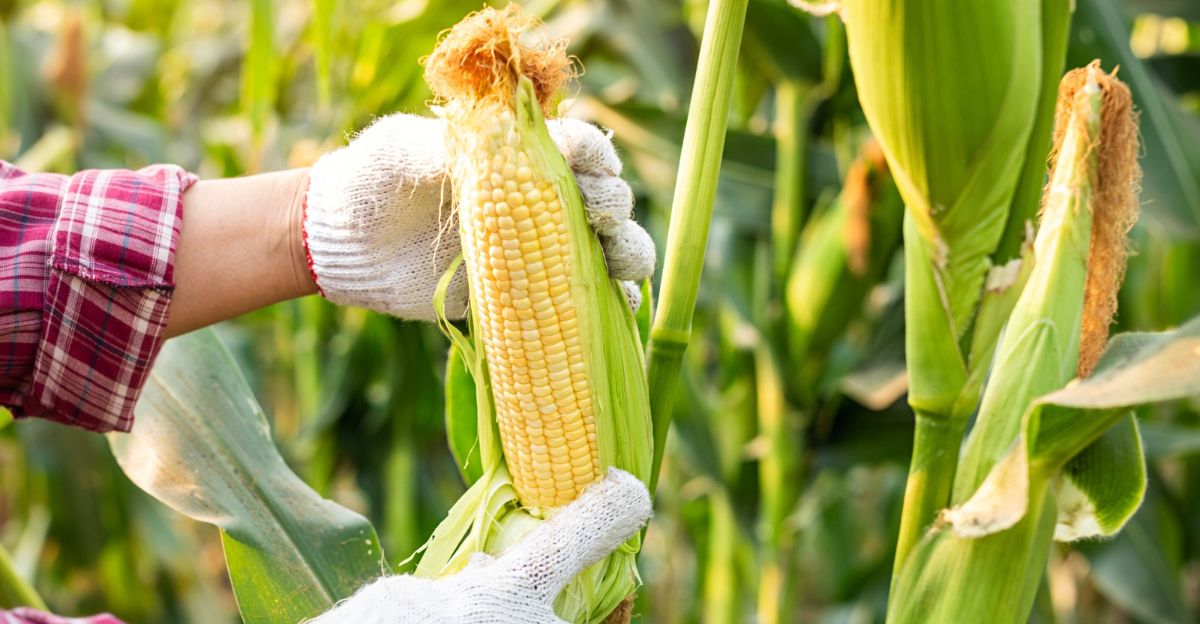
Illinois backyards produced an unusually sweet corn season this summer. Gardeners are walking rows of stalks, snapping cobs, and biting into corn so sweet it barely needs butter.
Nobody planned for this level of flavor. It just happened, and now everyone wants to know why. Turns out the answer is not magic. It is timing.
Rain landed when the roots needed it most. Warm nights pushed sugar straight into the kernels instead of letting it fade away.
Gardeners who planted early, spaced their rows right, and paired corn with the right neighbors got rewarded for it. Illinois soil did its part too, holding moisture just long enough to matter.
If your cobs came out bland this year, do not worry. This season was not a random accident nobody can repeat.
Illinois growers who take notes now will taste the same candy-sweet corn next August. The details make all the difference, and next season starts with what you learn from this one.
1. Rains Soaked Soil And Broke The Drought
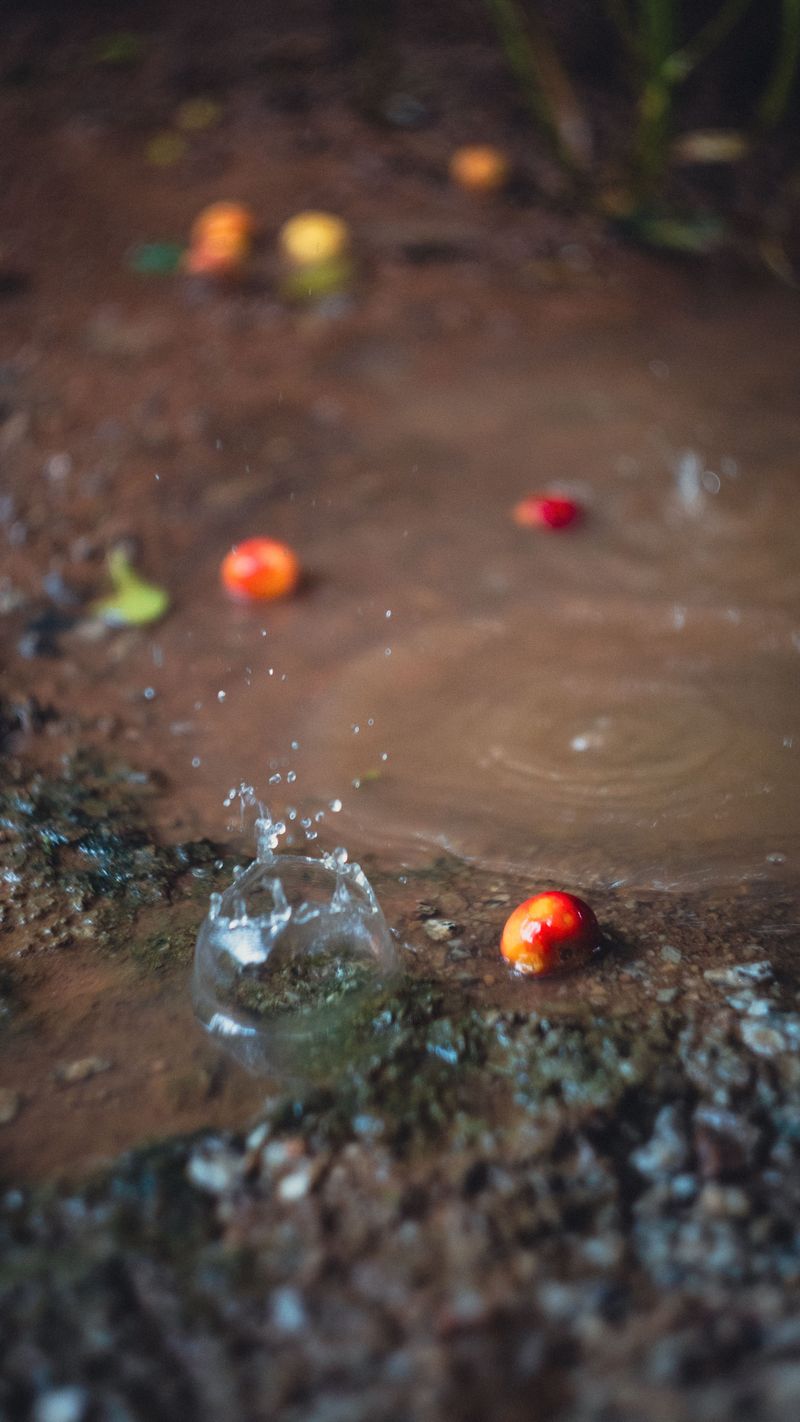
The dry ground finally soaked up much-needed moisture. After a long dry stretch, spring rains finally soaked deep into the soil across Illinois gardens, ending a drought that had stressed plants for months.
Corn roots thrive when moisture reaches far below the surface. Shallow watering just does not cut it, but a slow, steady rain does something a garden hose never can.
When the drought broke, gardeners noticed their soil changed color overnight. Dark, rich earth replaced the pale, dusty patches that had been there for weeks.
That deep moisture set the stage for everything else. Corn seeds need consistent hydration to germinate evenly, and this year the soil delivered exactly that.
Gardeners who had been hauling hoses for weeks finally got a break. The rain did the heavy lifting, and the corn responded fast.
Root systems spread wider and deeper than in dry years. Wider roots mean better nutrient uptake, and better nutrients mean sweeter ears at harvest time.
The drought breaking also softened compacted soil layers. Looser soil lets roots breathe, and breathing roots fuel faster, healthier growth above ground.
Many gardeners reported that their corn looked visibly different just two weeks after the rains arrived. Stalks stood taller, leaves stayed greener, and growth accelerated noticeably.
One good soaking rain can change an entire season’s outcome. This year, Illinois gardens got several, and the corn soaked up every single drop.
2. April Warmth Sped Up Germination
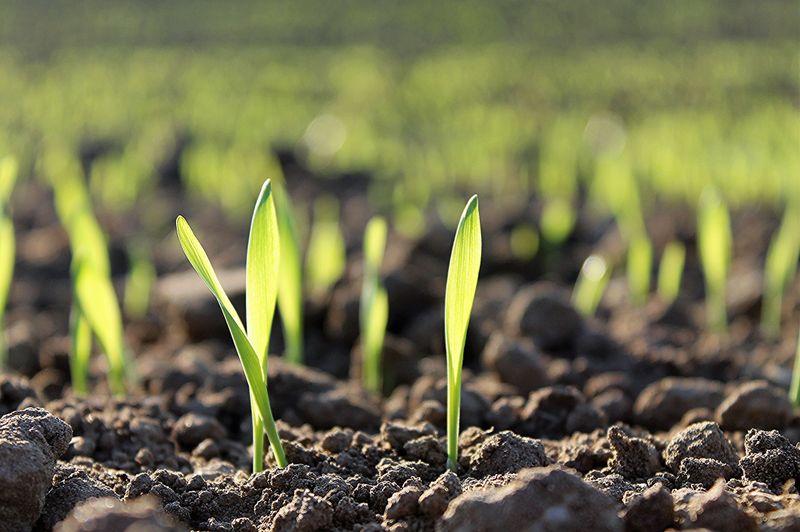
Warm April days felt like a gift. Soil temperatures climbed earlier than usual this year, and corn seeds wasted no time responding to that gentle heat.
Corn needs soil temps above 50 degrees Fahrenheit to germinate well. When April pushed those numbers higher than expected, seeds cracked open days ahead of schedule.
Earlier germination means a longer growing window. More days on the stalk equals more time for sugars to develop inside each ear.
Gardeners who planted in mid-April hit a sweet spot this season. The warmth was steady, not scorching, which gave seedlings a calm and confident start.
Your Illinois Garden Changes Every Week. Your Plan Should Too.
Gardening in Illinois changes quickly throughout the season. Every Friday you’ll receive a simple weekly plan showing exactly what to plant, prune, fertilize, harvest, and protect so you never miss the right timing.
Uneven germination is one of the biggest frustrations in a corn patch. When soil temps are inconsistent, some seeds sprout while others rot, leaving bare gaps in rows.
This April, the warmth stayed reliable long enough for nearly every seed to sprout at roughly the same time. Even stands make for even harvests.
An even stand also helps with pollination later in the season. When all the tassels appear at once, pollen transfer becomes much more efficient across the patch.
Gardeners who tracked their planting dates noticed germination happened nearly twice as fast as last year. That head start compounded into big advantages by midsummer.
April warmth is not something you can control, but you can time your planting to take advantage of it. Soil thermometers are cheap and worth every penny.
3. Moisture Held Steady Through Pollination
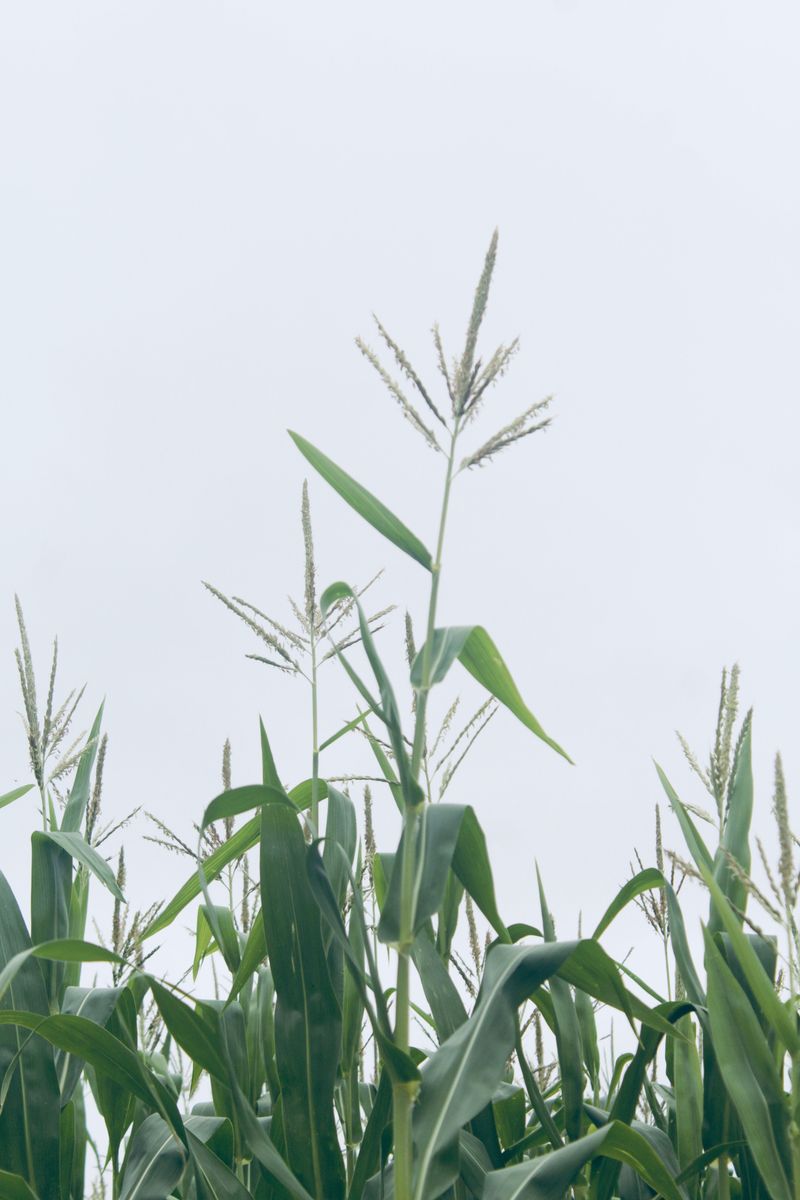
Pollination week is the make-or-break moment for corn. If the weather turns dry or too hot during those few critical days, you end up with patchy, poorly filled ears.
This season, moisture levels stayed impressively consistent right through the pollination window. That reliability made a massive difference in ear quality across backyard gardens.
Corn is wind-pollinated, which means pollen from the tassels must fall onto the silks below. Dry, stressed silks do not catch pollen as effectively as hydrated ones do.
When silks stay moist and sticky, pollen grains cling on contact. Each grain that lands and fertilizes a silk becomes one juicy kernel on the finished ear.
Incomplete pollination leaves gaps on the cob, those frustrating rows of missing kernels that ruin an otherwise beautiful ear. Steady moisture this year kept those gaps rare.
Gardeners who mulched heavily around their corn plants helped lock in ground moisture during this window. That extra layer of protection paid off in fuller ears.
Even a few days of soil stress during pollination can significantly reduce kernel count. This year, many gardeners avoided that stress thanks to steadier rainfall.
Checking silk color is a great way to monitor pollination progress. Green silks mean the process is still active, while brown silks signal it is wrapping up.
Full, heavy ears hanging off strong stalks were the reward. Steady moisture through pollination turned a good season into a genuinely great one.
4. Gardeners Dodged The Planting Delays Farmers Faced
Big farm fields faced a rough spring. Wet, compacted acres kept commercial equipment out of the fields for weeks, pushing planting dates dangerously late across the region.
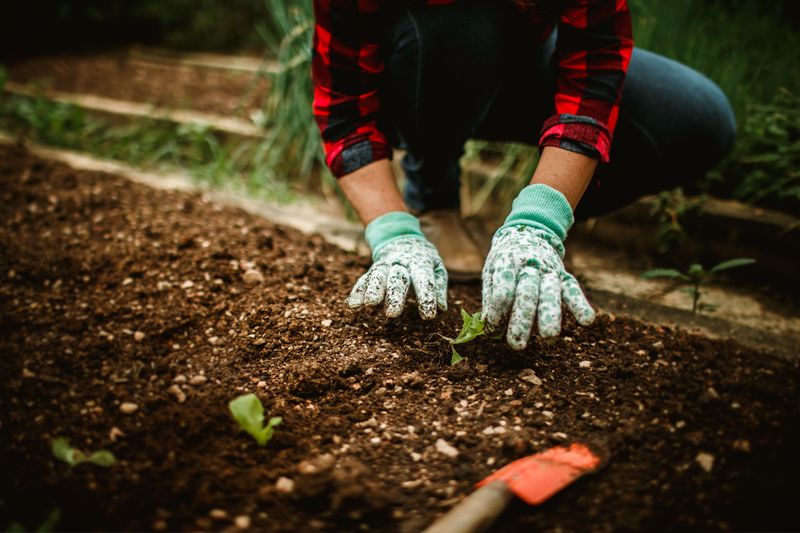
Backyard gardeners had a completely different experience. Small plots dry out faster than large fields, and a pair of boots causes far less soil compaction than a tractor.
Getting corn in the ground on time is one of the most important factors in end-of-season sweetness. Late planting means late harvest, and late harvests often collide with fall frosts.
Home growers who planted in the second week of April locked in a timeline that gave their corn maximum growing days. That timing advantage was hard to replicate at a commercial scale.
Smaller plots also warm up faster in spring sunlight. A twenty-by-twenty garden bed absorbs heat differently than a thousand-acre field, and that heat difference shows up in germination speed.
Gardeners could also respond quickly to weather windows. When a dry, warm day appeared between storms, a person with a hand trowel could plant in an hour.
Farmers waited on equipment, logistics, and field conditions to align. That waiting cost many of them two to three critical weeks of growing time. The flexibility of home gardening is one of its biggest underrated advantages.
You can move fast when conditions are right, and this spring, moving fast made all the difference. Timing really is everything with sweet corn. This year, backyard growers nailed it.
5. Soil Moisture Stayed Close To Ideal For Much Of The Season
Consistent soil moisture is the quiet hero of any great harvest. It does not make headlines, but it absolutely makes the difference between bland corn and sweet corn worth bragging about.
This growing season delivered something rare: moisture levels that stayed close to ideal through much of the state. Extreme dry spells and waterlogged stretches were far less common than usual.
Corn under moisture stress produces more starch and less sugar. That is the science behind why drought years often yield tough, chewy ears instead of tender, sweet ones.
When roots always have access to water, the plant focuses energy on sugar production. Stressed plants redirect that energy toward staying alive instead of flavor development.
Gardeners who installed drip irrigation had an extra advantage. Drip systems deliver water directly to the root zone without wasting moisture on leaves or pathways.
Even gardeners without fancy systems benefited from the season’s natural rainfall patterns. Rain arrived at regular intervals, keeping soil from swinging between extremes.
Checking soil moisture is simple with a finger test. Push a finger two inches into the soil, and if it feels damp but not soggy, your corn is happy.
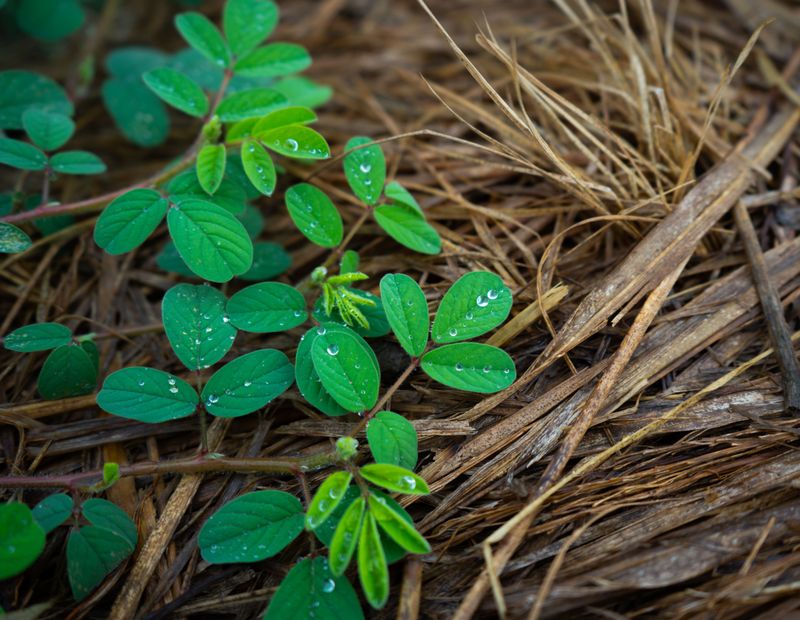
Mulching around stalks helped lock in that moisture between rain events. A three-inch layer of straw or wood chips slows evaporation dramatically on hot days.
The sweetest corn in years came from plants that never had to beg for water. A well-hydrated garden is a generous garden.
6. Covers And Mulch Gave Transplants A Boost
Row covers changed the game for early starters. Gardeners who laid lightweight fabric over their young corn plants created a warm microclimate that sped up early growth noticeably.
Even a few extra degrees of warmth at the soil level makes a measurable difference for young plants. Covers trap heat from the sun and hold it close to the roots overnight.
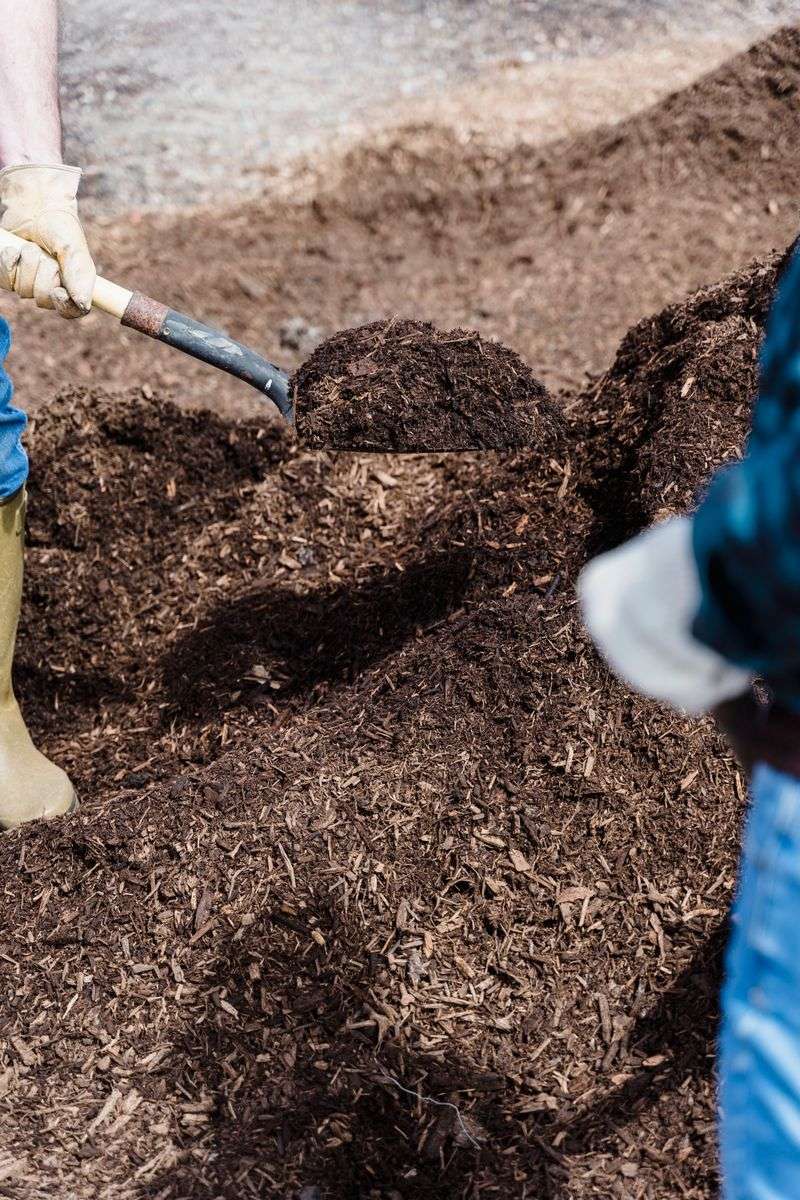
Mulch worked alongside covers to create a complete protective system. Straw, shredded leaves, and wood chips all help regulate soil temperature and reduce moisture loss simultaneously.
Corn transplants can be tricky because the roots are sensitive to disturbance. Gardeners who handled them gently and mulched immediately after planting saw much higher success rates.
A good mulch layer also suppresses weeds without chemicals. Fewer weeds mean less competition for water and nutrients, and corn roots respond with faster, stronger growth.
Some gardeners used black plastic mulch to warm the soil even further in early spring. That extra warmth under the plastic pushed germination and early root development ahead of schedule.
The combination of covers above and mulch below created a protected growing environment that mimicked warmer climate conditions. Plants inside that system simply outperformed exposed ones nearby.
Removing covers at the right time matters too. Once plants are established and nighttime temps stay above 50 degrees, covers can come off without setback.
Smart protection early in the season builds momentum that pays off at harvest. This year, that momentum showed up in every bite.
7. Companion Planting Kept Pests Away
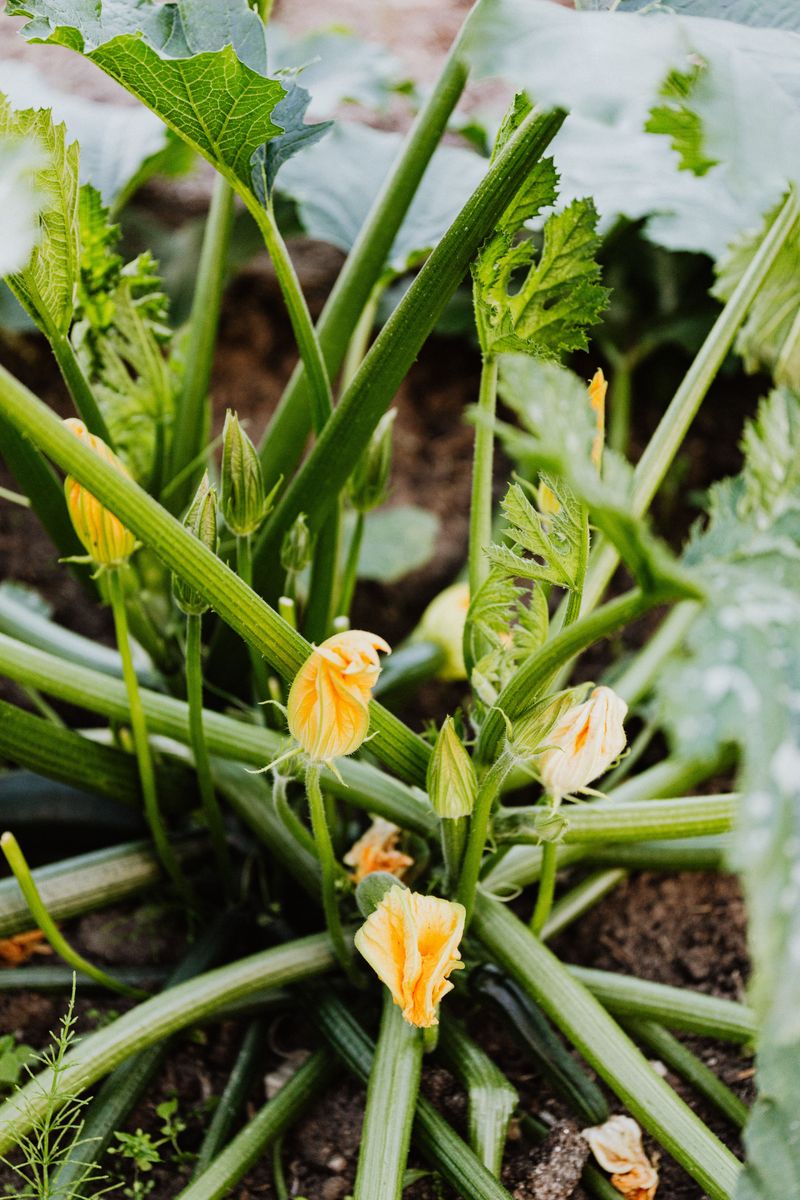
Corn has some excellent neighbors in the garden. Planting the right companions nearby this season helped many Illinois growers keep pests under control without reaching for a single spray bottle.
The classic Three Sisters combination of corn, beans, and squash has been used for centuries. Squash leaves shade the ground, beans fix nitrogen, and corn provides a trellis for the beans to climb.
That shading effect from squash leaves does double duty. It keeps soil cool and moist while also blocking the bare ground that certain beetles and borers love to hide in.
Marigolds planted at the border of a corn patch may help deter aphids and other soft-bodied pests, thanks to their strong scent.
Nasturtiums attract aphids away from corn and toward themselves, acting as a sacrificial trap crop. Gardeners who used this trick reported noticeably less aphid damage on their corn plants.
Dill and basil planted nearby draw in beneficial insects like parasitic wasps. Those wasps prey on caterpillars and borers that would otherwise tunnel right into corn ears.
Companion planting works best when you plan the layout before planting season begins. Spacing matters, and crowding companions too close can create humidity problems instead of solving pest ones.
Less pest damage means more energy stays in the plant for flavor development. Healthy, unbothered corn simply tastes better than stressed, damaged plants ever could.
Companion planting is a long-used, low-chemical approach to pest control. This year, many gardeners leaned on it with good results.
8. Heat Stayed Mostly Moderate During Key Growth Stages
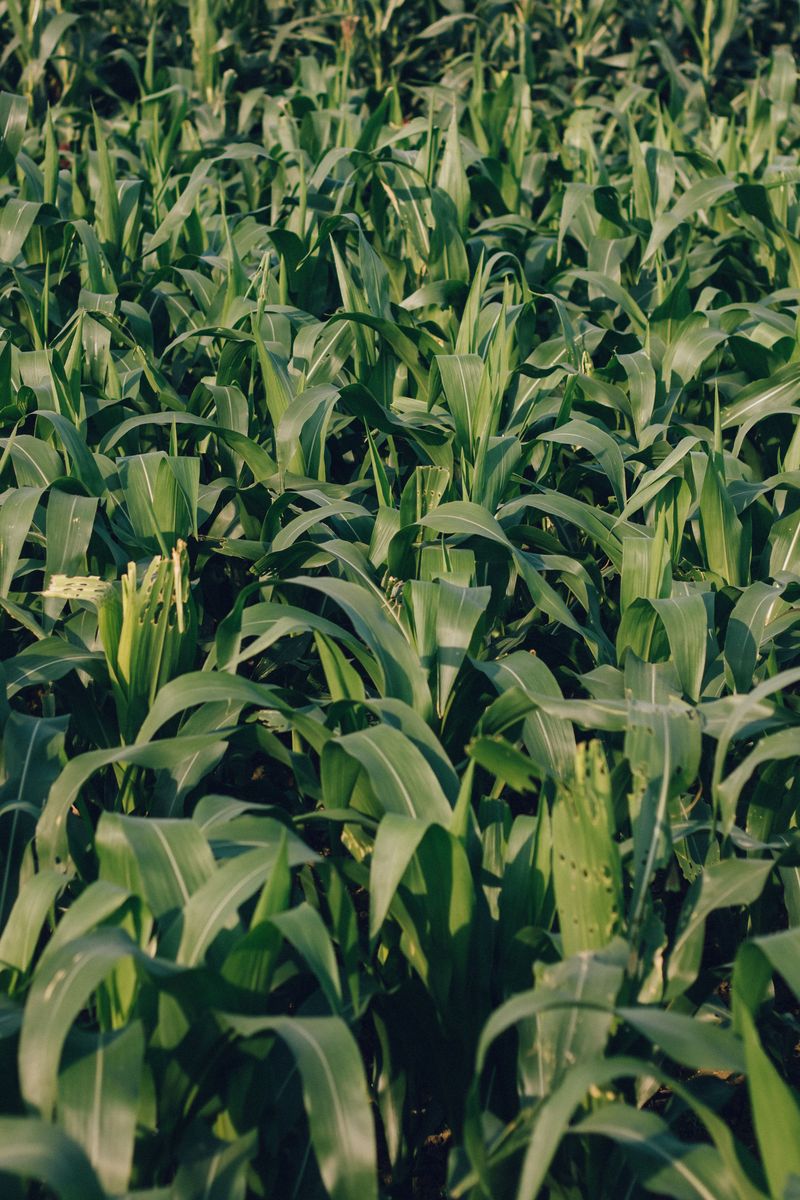
Extreme heat is corn’s worst enemy during ear development. When temperatures spike above 95 degrees Fahrenheit for several days in a row, sugar conversion inside the kernels slows dramatically.
This season, heat stayed manageable during the most critical weeks across much of the state. Temperatures climbed, but in many areas they stayed below the danger zone that can ruin flavor and texture in sweet corn.
Corn that matures under moderate heat produces higher sugar content than corn that endures heat waves. The science is straightforward: enzymes that create sweetness work best in moderate warmth.
Gardeners noticed that their ears filled out more evenly this year than in past summers. Even kernel development from tip to base is a clear sign of stable growing temperatures.
Night temperatures also stayed reasonable throughout the growing season. Cool nights allow corn plants to recover from daytime activity, storing sugars instead of burning through reserves.
When nights are too warm, plants keep respiring through the dark hours. That respiration burns off sugars that would otherwise concentrate inside the developing kernels.
Shade cloth can help protect corn during unexpected heat events. A lightweight cloth draped over plants during the hottest afternoons can lower leaf temperature by several degrees.
Watering in the early morning also helps buffer against heat stress later in the day. Plants that start the day fully hydrated handle afternoon temperatures far better than thirsty ones.
The sweetest corn in years grew in a season that stayed cool enough at the right time in many parts of the state. That balance is rare, and Illinois gardeners made the most of it.