The Oregon Lavender Pruning Window Gardeners Should Not Miss
Oregon gardeners know that lavender can be a little tricky to keep in great shape year after year.
Between wet winters, cool springs, and the temptation to grab the shears too early or too late, it is easy to miss the window that makes the biggest difference.
Many gardeners who end up with woody, lopsided, or split lavender plants made the same few mistakes, and almost all of them come down to timing.
Pruning lavender at the right moment in Oregon keeps plants full, healthy, and blooming strong.
Get it wrong in either direction and you end up with bare woody stems that will not regenerate, or fresh cuts exposed to late frost that set the plant back for most of the season.
The good news is that lavender is remarkably forgiving when you work with its natural rhythms instead of against them.
Oregon’s climate adds some interesting wrinkles to the standard pruning calendar, and understanding those regional nuances makes all the difference between a lavender bed that looks better every year and one that slowly falls apart.
Eight things every Oregon gardener should know about the lavender pruning window.
1. Early March Opens The Main Window
Many Oregon gardeners start eyeing their lavender plants right around early March, and for good reason.
The worst of the winter cold is usually winding down by then, and the soil starts to wake up. That shift in the season is your first signal that the main pruning window is cracking open.
Oregon’s climate varies quite a bit depending on where you live.
The Willamette Valley tends to warm up earlier than the coast or higher elevations in the Cascades.
Gardeners in Portland or Salem might feel comfortable starting in early March, while those in cooler spots may want to wait until mid-March or even closer to the end of the month.
The key is not to go by the calendar alone.
Watch the weather and check your local frost forecast before picking up your shears. A late cold snap after you have cut back your plants can stress them, especially if fresh cuts are exposed to freezing temperatures.
Oregon State University Extension recommends waiting until the risk of hard frost has clearly passed before doing your main pruning.
That advice lines up well with the early March window for most lower-elevation Oregon gardens.
Staying patient for just a few extra days can protect your plants from unnecessary stress and give them a much stronger start heading into the growing season ahead.
2. New Green Growth Gives The Signal
Forget the calendar for a moment.
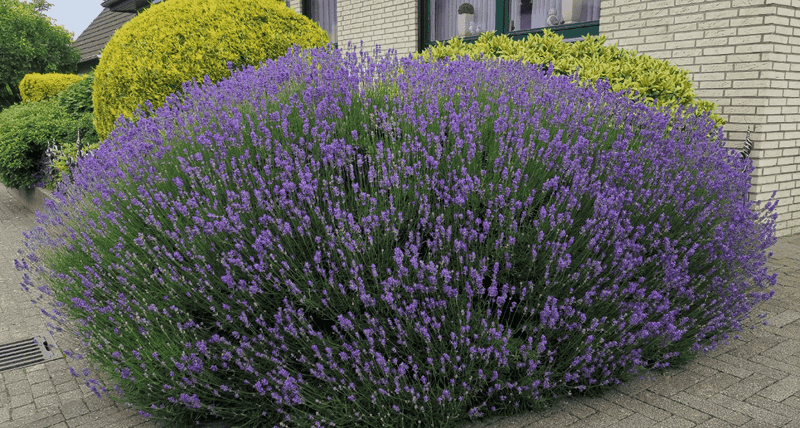
The single most reliable sign that your lavender is ready to be pruned is the appearance of new green growth pushing up from the base and along the stems.
That fresh color is the plant telling you it is alive, actively growing, and ready to handle a trim.
When you see those small green shoots emerging near the base of the woody stems, the plant has enough energy to recover from pruning quickly.
Your Oregon Garden Changes Every Week. Your Plan Should Too.
Gardening in Oregon changes quickly throughout the season. Every Friday you’ll receive a simple weekly plan showing exactly what to plant, prune, fertilize, harvest, and protect so you never miss the right timing.
Cutting before that growth appears means you are working on a plant that has not yet fully woken up from winter dormancy, which can slow its recovery significantly.
This growth cue is especially useful in Oregon because spring weather can be unpredictable.
Some years, March feels almost summery. Other years, cold rain lingers well into April. Watching for green growth rather than relying on a fixed date keeps you in sync with what your specific plants are actually doing in your specific garden.
Take a walk through your lavender bed every few days starting in late February.
Crouch down and look at the lower stems where the gray wood meets the soil. Even tiny hints of green at the nodes are a good sign that pruning time is close.
Once you see steady new growth across most of your plants, you can move forward with confidence.
3. Cut The Top Third With Confidence
One of the most common questions lavender growers ask is how much to cut.
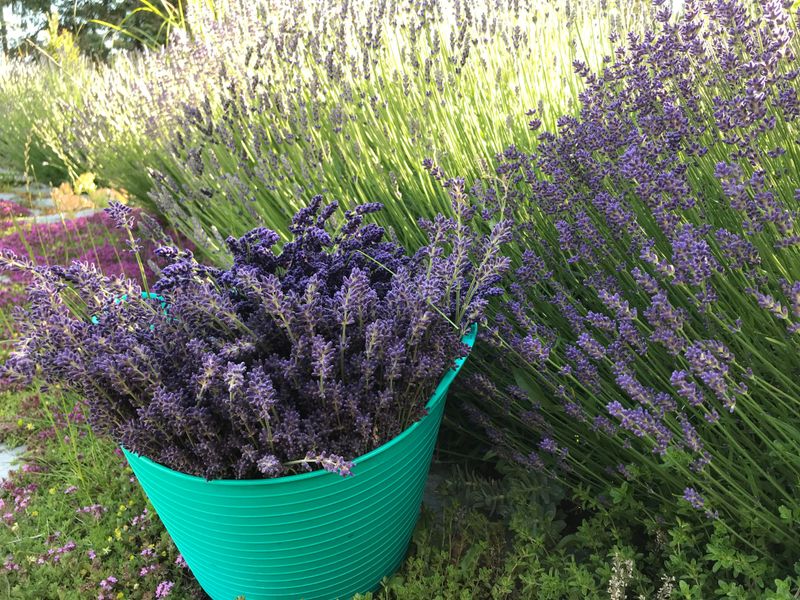
The answer that works well for most established Oregon lavender plants is roughly one-third of the overall plant height. That amount of trimming encourages fresh growth, keeps the plant compact, and sets it up for a strong bloom season.
Start by looking at the overall shape of your plant.
Hold your shears at a point that is about one-third of the way down from the top. You want to cut into the green growth zone, where you can still see living foliage and small green shoots on the stems.
This is the active part of the plant where new growth will push out after pruning.
Use clean, sharp shears to make smooth cuts rather than ragged ones. Dull blades can crush stem tissue and make it harder for the plant to seal the wound cleanly.
Wiping your shears with rubbing alcohol between plants is also a smart habit to avoid spreading any disease from one plant to another.
Do not worry too much about making every cut perfectly even.
A slightly rounded mound shape is both attractive and practical because it helps shed Oregon’s frequent spring rain rather than trapping moisture in the center of the plant.
Aim for a gentle dome and you will be in great shape going into the growing season.
4. Leave Woody Stems Alone
Here is the mistake that trips up even experienced gardeners.
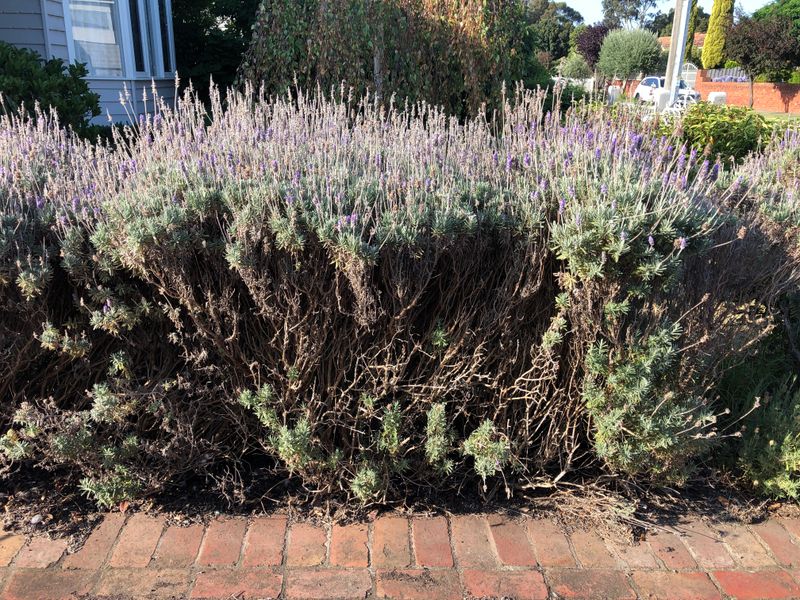
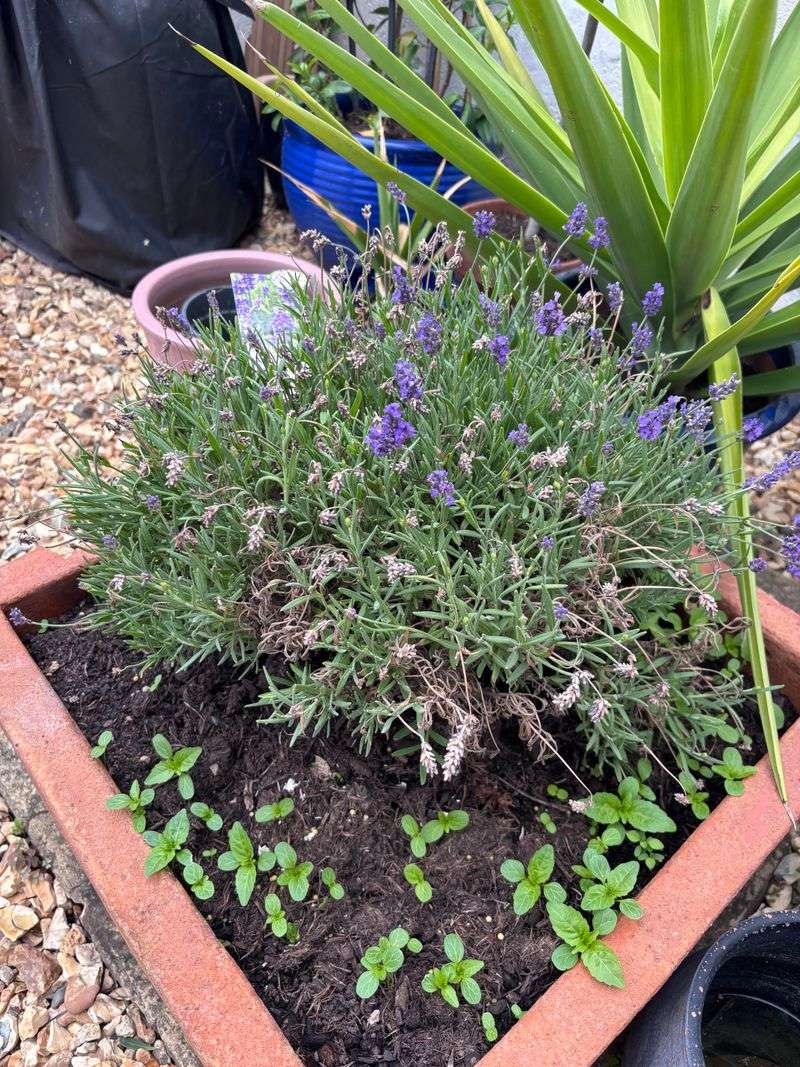
When a lavender plant gets large and a little wild-looking, it can be tempting to cut it back hard, all the way down to the thick gray woody stems near the base.
That kind of aggressive pruning almost always creates problems that are very difficult to fix.
Old woody lavender stems do not regenerate new growth the way younger green stems do.
Once you cut into bare wood with no visible green buds or foliage, there is a real chance that section of the plant simply will not regrow. You can end up with permanent bare gaps that make the plant look sparse and uneven for years.
Oregon State University Extension and most regional lavender specialists are consistent on this point: always keep some green growth on whatever you cut.
The green zone is the safe zone. The bare gray wood is the no-cut zone. That simple rule saves a lot of frustration.
If your lavender has already become very woody and open in the center, the best approach is gradual renewal over two or three seasons rather than one dramatic cutback.
Each year, take the top third as usual and encourage the plant to fill in slowly. Some gardeners find that replacing extremely woody plants with new starts is more practical than trying to rescue a plant that has lost most of its green growth zone entirely.
5. Save July For Flower Harvests
July is a wonderful month in an Oregon lavender garden.
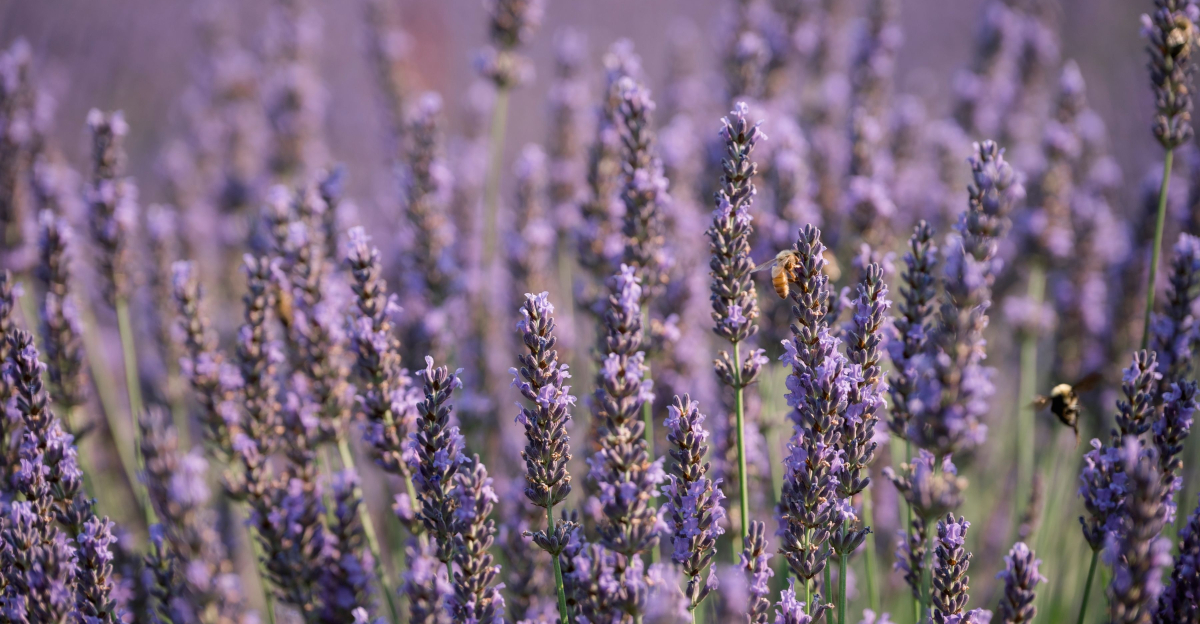
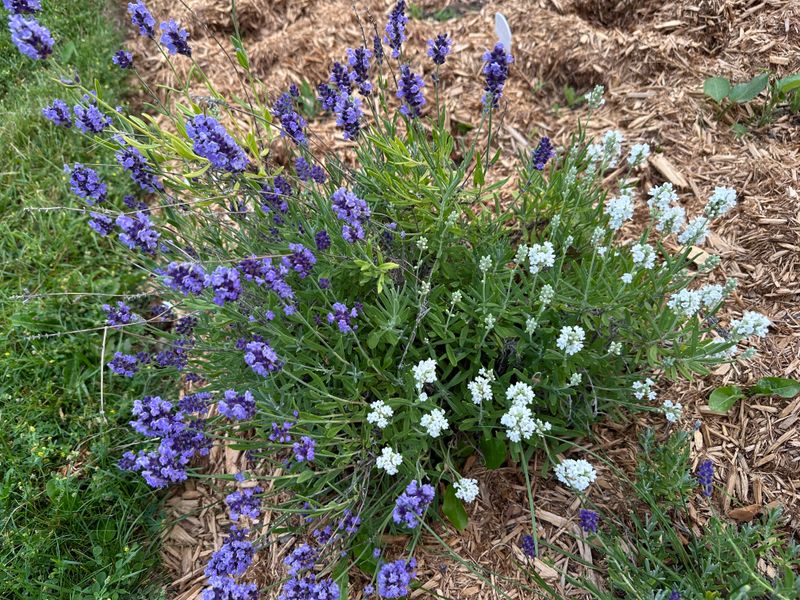
The blooms are at their peak, the fragrance is incredible, and it is the perfect time to cut flower stems for drying, crafts, or simply bringing that purple beauty indoors.
What July is not the right time for is heavy reshaping or structural pruning.
When you harvest flower stems in summer, you are making shallow cuts that remove the bloom stalks above the foliage.
That kind of cutting is perfectly healthy and actually encourages the plant to tidy itself up naturally. It is very different from the deeper structural pruning you do in early spring, which shapes the entire plant and removes significant growth.
Harvesting flower stems is easy and satisfying.
Snip the stems just above the first set of leaves below the flower spike, which keeps the cut within the green growth zone.
Harvesting in the morning after dew has dried but before the afternoon heat sets in gives you the freshest, most fragrant bundles.
Some Oregon lavender farms time their harvest events around the third week of July when blooms are fully open and the essential oil content is highest.
Home gardeners can use the same timing as a rough guide. The goal in summer is to enjoy and harvest, not to reshape the plant.
Save the structural work for early spring when the plant is best prepared to respond and recover from more significant pruning.
6. Shape Lightly After Bloom
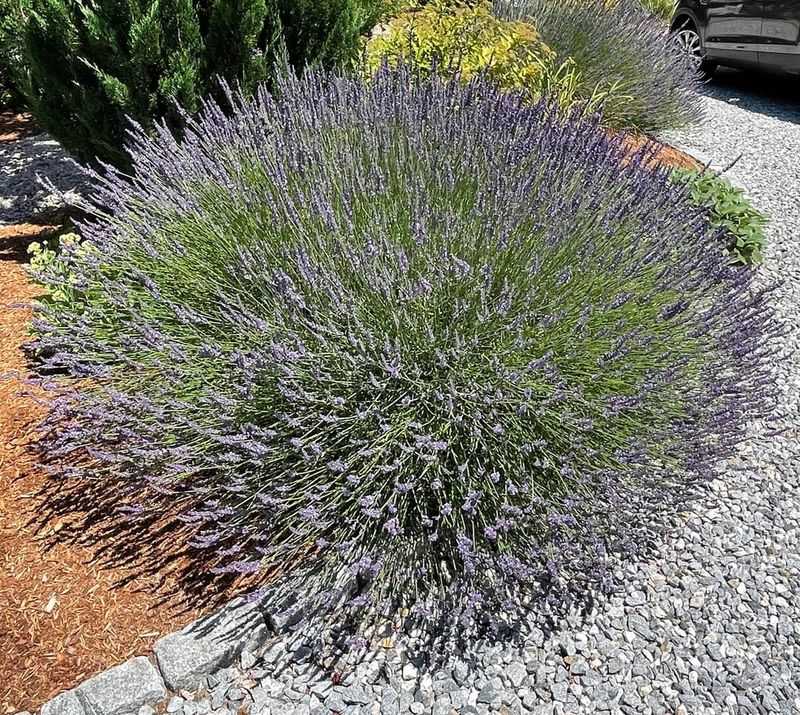
Once your lavender has finished blooming, usually sometime in late July or August in Oregon, a light tidy-up trim can do a lot of good.
This is not a major pruning session. Think of it more like a quick haircut to neaten the plant and remove any spent flower stalks that are starting to look brown and ragged.
A post-bloom shaping helps the plant look presentable heading into fall.
It also removes flower material that can hold moisture against the stems during Oregon’s wet autumn months. Keeping the plant tidy reduces the risk of fungal issues that sometimes develop in dense, damp lavender foliage.
For this trim, you are only cutting lightly into the upper green growth zone.
Remove the spent bloom stalks and any stems that are sticking out awkwardly from the overall shape. You are not trying to take off one-third of the plant the way you do in spring. Just a gentle pass to clean things up is all you need.
The post-bloom trim is maintenance rather than transformation.
A few minutes with clean shears can make a real difference in how your lavender looks from late summer through fall.
It also sets the plant up well for the following spring by keeping the foliage open and reducing the buildup of old plant material in the center of the mound.
Keep it light, keep it quick, and let the plant rest for the season.
7. Stop Before Cold Weather Moves In
Timing matters on both ends of the pruning calendar.
Just as pruning too early in winter can expose fresh cuts to damaging cold, pruning too late in the season pushes the same problem.
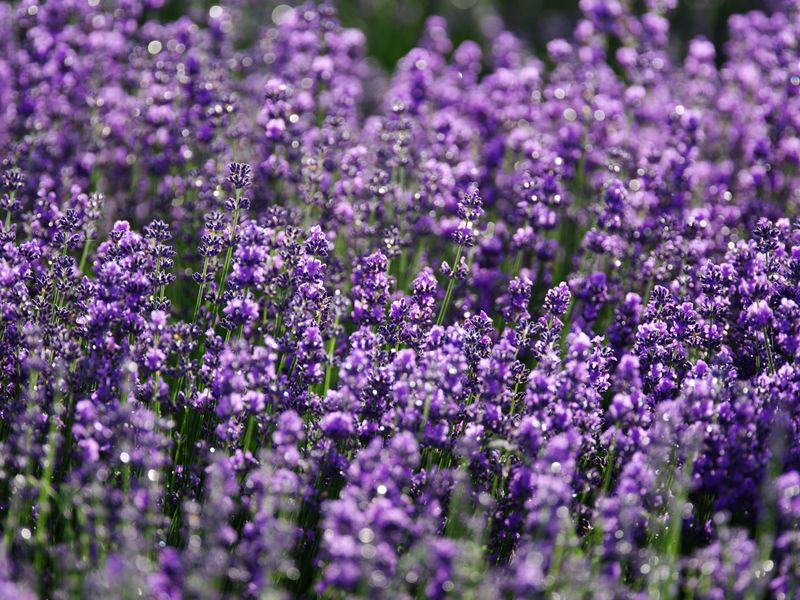
Any significant pruning done in late September or October can trigger a flush of tender new growth right before Oregon’s cold, wet weather arrives.
That new growth is soft and vulnerable.
It has not had time to toughen up before temperatures drop, and cold nights can damage or set back the fresh shoots.
Instead of giving your plant a head start, late-season pruning can actually weaken it going into winter and leave it more stressed than if you had simply left it alone.
A good rule of thumb is to finish any meaningful pruning no later than early to mid-August at the most.
That gives new growth enough time to harden off before the cooler temperatures of fall settle in. After mid-August, the safest approach is to leave your lavender alone until the following spring.
Oregon winters can bring heavy rain, frost, and occasionally snow depending on your location.
Lavender that goes into winter with a stable, hardened structure handles those conditions much better than a plant that was recently cut and is pushing out soft new shoots.
Resist the urge to tidy up your plants in fall and let them rest. The spring pruning window will come around soon enough, and your plants will thank you for the patience you showed in the fall.
8. Annual Pruning Keeps Lavender From Splitting
Skipping a year of pruning might not seem like a big deal, but lavender plants have a way of reminding you quickly when they have been neglected.
Without regular annual trimming, lavender tends to get top-heavy, open up in the center, and eventually split apart at the base.
That split shape is hard to reverse and makes the plant look tired and ragged for years before most gardeners figure out what went wrong.
Annual pruning keeps the plant working toward a compact, rounded mound.
Each year’s trim encourages fresh growth to fill in from the sides and top, which keeps the center from becoming bare and woody.
Plants that are pruned consistently year after year simply look better and stay healthier longer than those that are only occasionally cut back.
Think of annual pruning as a small investment of time that pays off with years of strong blooms and a plant that stays attractive in your garden.
A single pruning session in early spring takes maybe ten to fifteen minutes per plant. That is a very small amount of effort for the difference it makes over the life of the plant.
Oregon lavender growers who tend their plants every year often report that their established plants look better at ten years old than neglected plants do at four or five years.
Consistency is the real secret behind a lavender bed that keeps performing season after season.
Make annual pruning a spring habit and your lavender will reward you with fuller growth, better blooms, and a shape that stays strong for many years ahead.