When To Water Your Garden During A Virginia Heat Wave
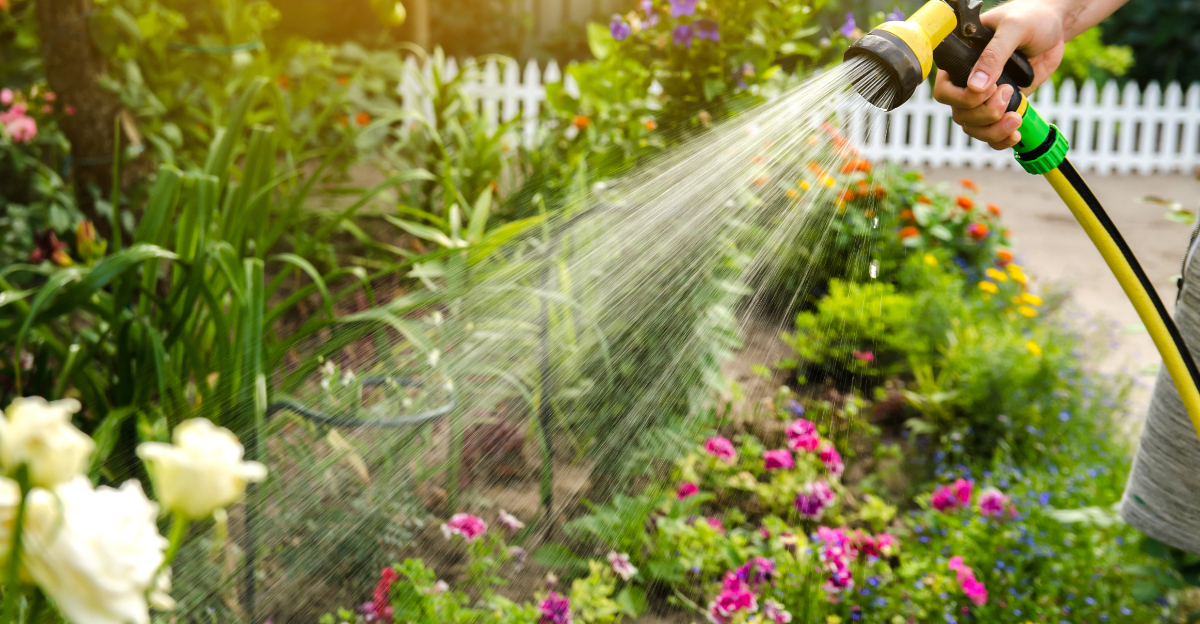
Virginia summers don’t ease you in. One week you’re planting tomatoes in mild spring air, and the next you’re watching the thermometer climb toward the mid-90s while your soil turns to powder.
Gardens feel that shift fast. Leaves curl by early afternoon, mulch dries out overnight, and containers can lose moisture before lunch.
Watering on a schedule sounds simple until the heat actually arrives. What worked in May often falls short in July, and plants left thirsty during a heat wave rarely bounce back the same way.
The trick isn’t watering more. It’s watering smarter, at the right hour, in the right amount, so roots stay cool and steady instead of scrambling to survive.
Get this timing figured out, and your garden can handle a Virginia summer without looking like it went through one. Miss it, and even hardy plants start showing the strain within days.
1. Water Early Morning During A Heat Wave
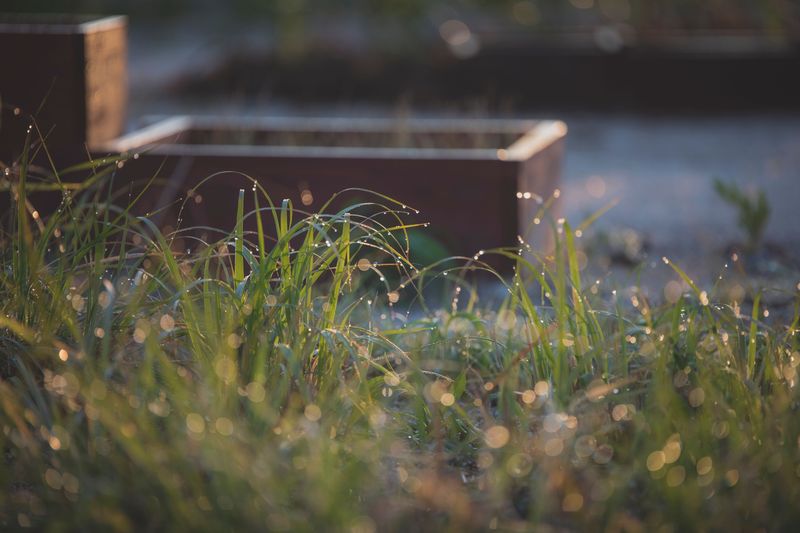
Your alarm goes off at 5 AM and the garden is already calling your name. Early morning is one of the best windows to water once temperatures start climbing.
Between 5 and 9 AM, temperatures are cooler and winds are calmer. Water soaks deep into the soil before the sun has a chance to evaporate it.
Plants absorb moisture most efficiently when heat stress is low. That morning window gives roots hours of good drinking time before midday scorches everything.
Watering at dawn also means foliage dries quickly as the day warms up. Wet leaves in cool air dry fast, which helps prevent disease from taking hold.
Skip the 10 AM slot if you can. By then, the sun is already aggressive and moisture evaporates almost instantly from the soil surface.
Think of early watering like feeding your plants breakfast. They need fuel before the hard work of surviving a blazing afternoon begins.
A soaker hose set on a timer makes this routine almost effortless. Set it for 6 AM, go back to sleep, and wake up to a well-hydrated garden.
Consistency matters more than volume during a heat wave. Watering at the same time each morning trains roots to grow deeper toward reliable moisture.
When you water your garden during a Virginia heat wave, that early morning habit becomes your single most powerful tool against heat damage.
2. Water Deeply At The Soil Level Instead Of Lightly Overhead
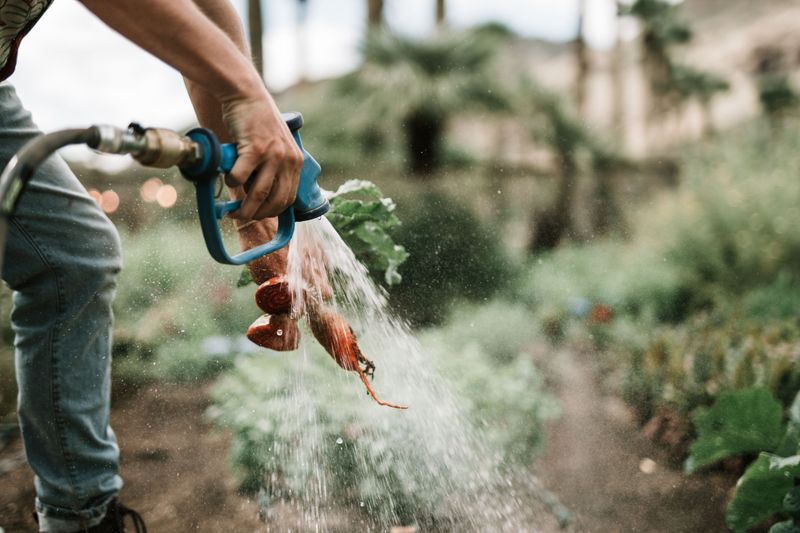
Sprinkling the tops of your plants on a hot day feels helpful, but it barely scratches the surface. Shallow watering during a heat wave actually trains roots to stay near the top of the soil.
Roots that stay shallow are the first to suffer when temperatures spike. Deep watering encourages them to grow downward, where the soil stays cooler and holds moisture longer.
Aim to soak the soil at least 6 inches deep with each watering session. That depth keeps moisture available even when the top layer bakes dry within hours.
Drip irrigation and soaker hoses are your best friends here. They deliver water directly to the root zone without wasting a drop on leaves or open air.
Your Virginia Garden Changes Every Week. Your Plan Should Too.
Gardening in Virginia changes quickly throughout the season. Every Friday you’ll receive a simple weekly plan showing exactly what to plant, prune, fertilize, harvest, and protect so you never miss the right timing.
Overhead sprinklers lose a surprising amount of water to evaporation on hot afternoons. On a 95-degree day, a significant percentage of sprinkler water never even reaches the roots.
Slow and steady wins the race when it comes to deep watering. Run your soaker hose for 30 to 45 minutes rather than blasting plants for five minutes at high pressure.
After watering, press a finger or a screwdriver into the soil to check depth. If moisture stops at 2 or 3 inches, your plants are still thirsty at the root level.
Watering deeply when temperatures spike means fewer sessions overall, which saves both time and water while keeping your garden genuinely nourished.
3. Check For True Wilting Before Watering Again
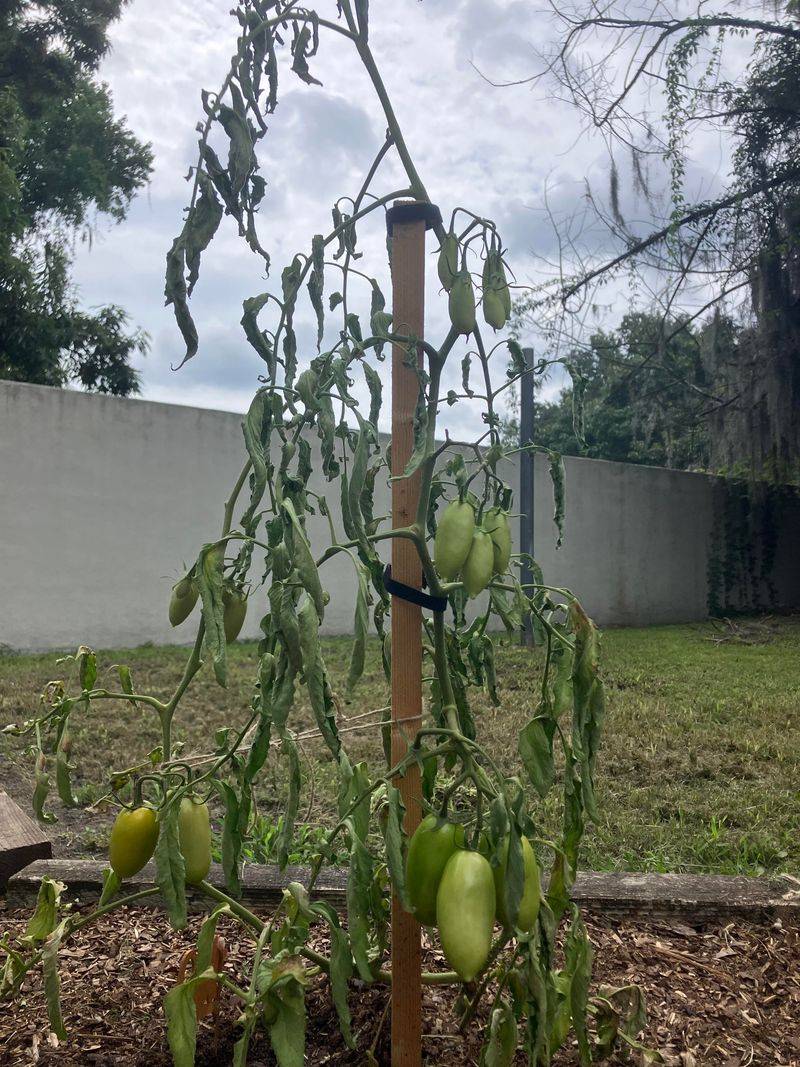
Not every droopy plant is a thirsty plant. On blazing afternoons, many plants wilt simply because they cannot pull water up fast enough to keep pace with the heat.
This is called heat wilt or midday wilt, and it is fairly common. Plants often perk back up on their own once the sun drops and temperatures ease.
True wilting looks different from heat wilt. If your plants are still drooping in the early morning before the sun gets intense, that is a genuine cry for water.
Check the soil before you reach for the hose. Stick a finger two inches into the ground near the plant base and feel for moisture.
If the soil feels damp at that depth, hold off on watering. Adding more water to already moist soil can suffocate roots and cause rot.
Overwatering during a heat wave is a surprisingly common mistake. Gardeners see stressed plants and panic, flooding soil that was actually fine just hours earlier.
Learn to read your plants by time of day. A wilted plant at noon needs rest, not necessarily water, while a wilted plant at 7 AM needs a drink.
Yellowing lower leaves, mushy stems, or a sour smell from the soil are signs of too much water. Adjust your schedule when you spot those clues.
Smart observation before watering helps you conserve water and keep plants genuinely healthy no matter how high the mercury climbs.
4. Give New Transplants Priority Over Established Plants
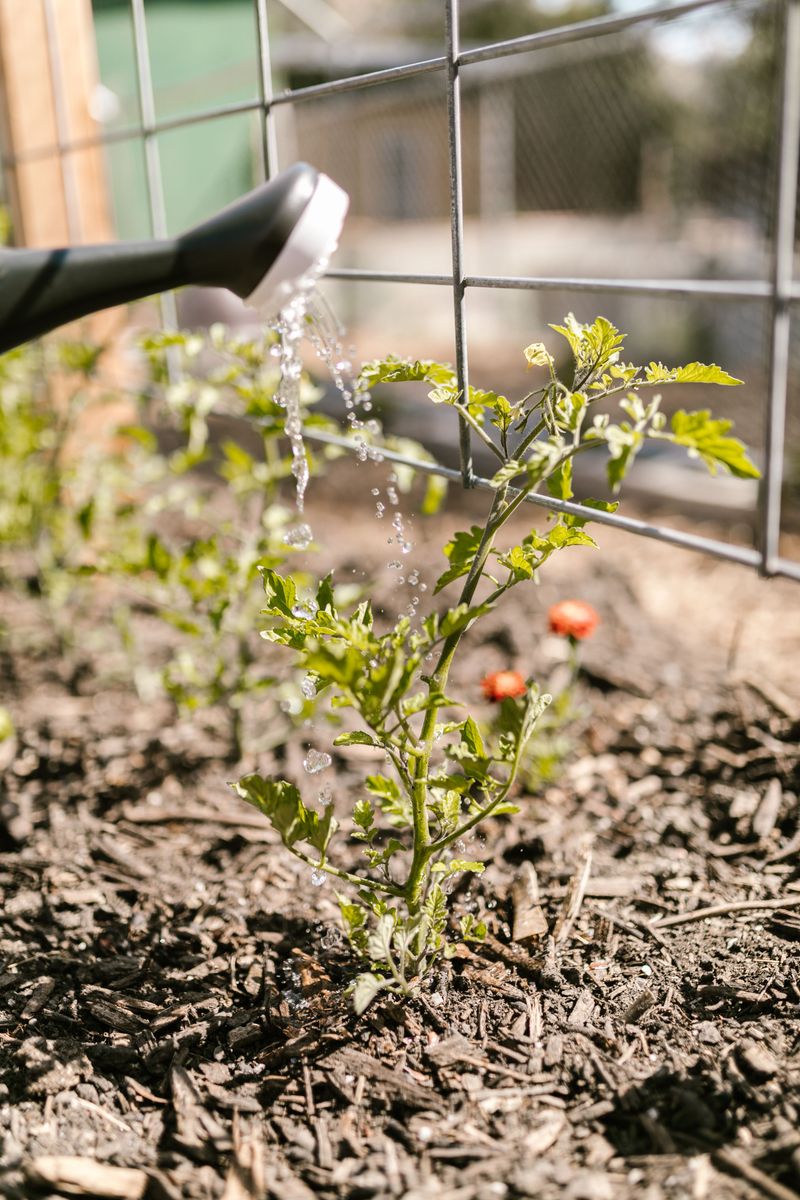
Fresh transplants are the most vulnerable members of your garden during a heat wave. They have not yet developed the deep root systems that help established plants cope with heat stress.
A tomato plant you set in the ground last week has far less resilience than a three-year-old shrub with an established root system. Prioritizing new arrivals can save weeks of effort.
Transplants need water at the base daily during extreme heat, sometimes twice a day in the first week. Their roots are still shallow and the surrounding soil dries out fast.
Established perennials and shrubs often manage fine with every-other-day watering during a heat wave. Their root systems reach deep enough to find moisture that newer plants cannot access.
Shade cloth placed over fresh transplants during the hottest afternoon hours reduces their water needs significantly. Blocking direct sun from noon to 4 PM cuts heat stress dramatically.
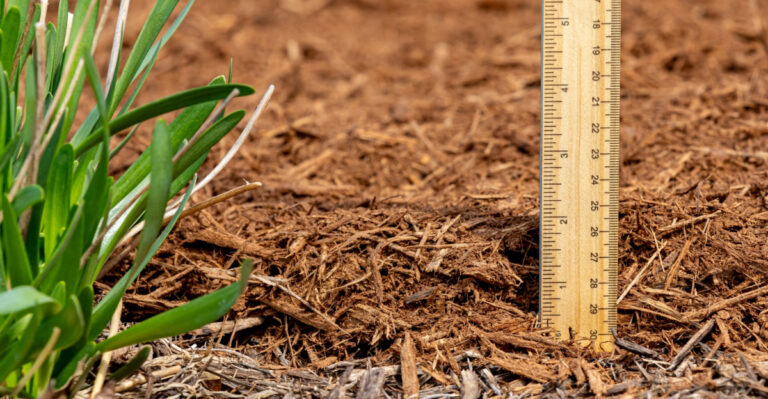
Mulch is a transplant’s best ally in summer heat. A two-to-three-inch layer of wood chips or straw around new plants locks in soil moisture and keeps roots cooler.
Check transplants by gently tugging a leaf in the morning. If the plant feels firm and upright, it made it through the night in good shape.
Once the mercury climbs, think of new transplants as the babies of the group and give them extra attention until they find their footing.
5. Increase Frequency For Container Plants
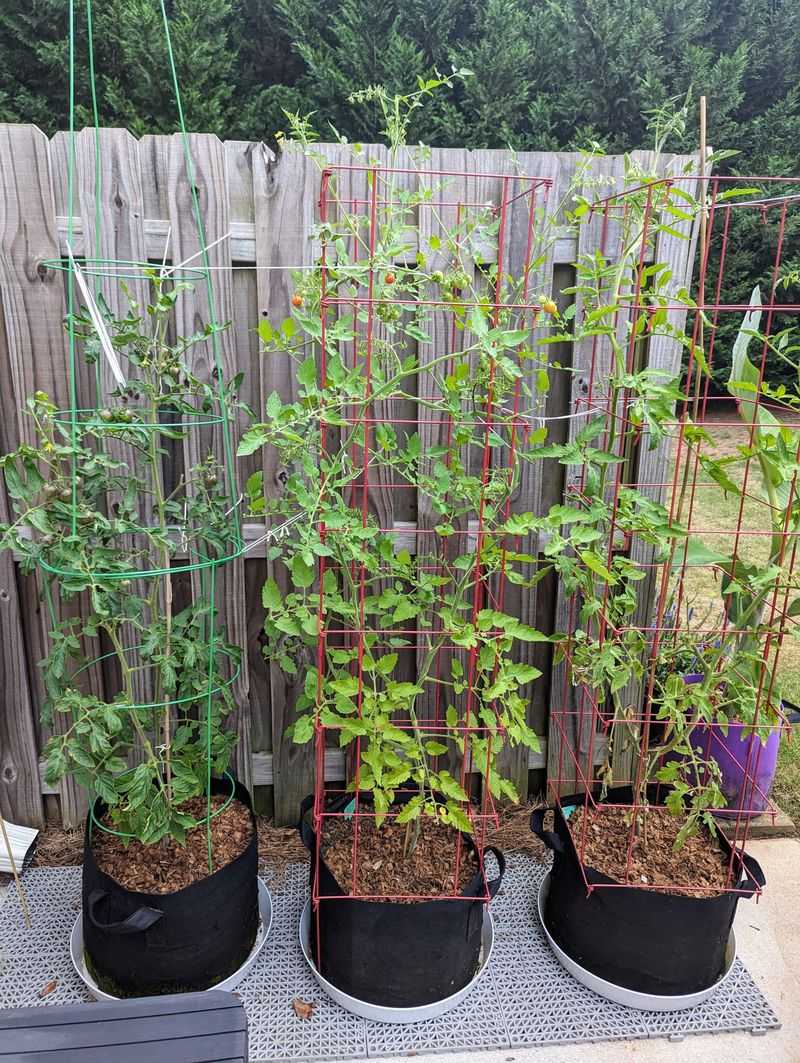
Container plants live a harder life than anything growing in the ground. Their entire root system is packed into a small amount of soil with nowhere else to go for moisture.
During a heat wave, a pot sitting in full sun can dry out within hours. What feels like enough water in the morning may be gone by early afternoon.
Most containers need watering at least once a day during extreme heat, and larger pots or terracotta containers may need it twice. Check them every morning without skipping a day.
A simple trick: lift the pot after watering and feel how heavy it is. When you lift it again later and it feels light, it is time to water again.
Self-watering containers are a smart investment for Virginia summers. They hold a reservoir of water at the bottom that roots can tap into between your regular watering sessions.
Group containers together in a shaded spot during the hottest stretch of a heat wave. Clustered pots lose moisture more slowly than isolated ones sitting in direct sun all day.
Adding water-retaining crystals or gel to potting mix before planting can reduce how often you need to water. These crystals absorb and slowly release moisture around roots.
Container herbs like basil and mint show thirst fast, wilting noticeably within a short time. Keeping them consistently moist during a heat wave keeps both the plants and your cooking on point.
6. Avoid Evening Watering To Prevent Fungal Disease
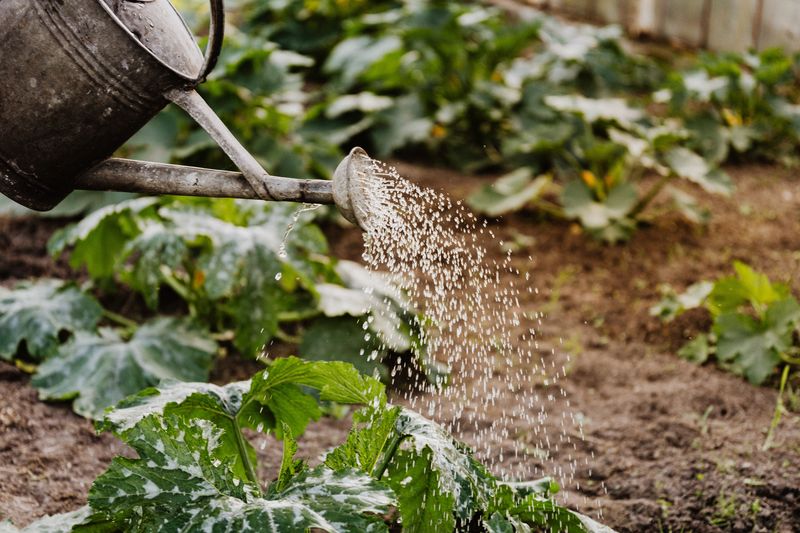
Watering at night feels like a logical move when you get home from work exhausted and the garden looks parched. It is actually one of the riskiest habits during humid Virginia summers.
When leaves stay wet overnight, fungal diseases like powdery mildew and leaf blight find perfect conditions to spread. Warm, humid nights give spores exactly what they need to thrive.
Virginia summers are already humid enough without adding nighttime moisture to the mix. Evening watering stacks the odds against your garden when fungal pressure is already high.
If morning watering is truly not possible, aim for late afternoon before 4 PM. That timing gives foliage enough time to dry before darkness falls.
Focus any late-day watering strictly at the soil level. Using a drip hose or watering can at the base of plants keeps leaves dry even when you water later in the day.
Fungal infections spread fast and can seriously damage a garden within days. Once powdery mildew or blight takes hold, controlling it takes far more effort than preventing it.
Look for signs of fungal trouble early: white powdery patches, brown spots with yellow halos, or leaves that curl and drop without obvious cause. Catching problems early makes treatment manageable.
Protecting your garden means more than just adding water at the right time. Once triple-digit afternoons roll in, avoiding evening watering matters just as much as any other step in your routine.