The Arizona Plant Many Gardeners Grow Around Patios During Mosquito Season
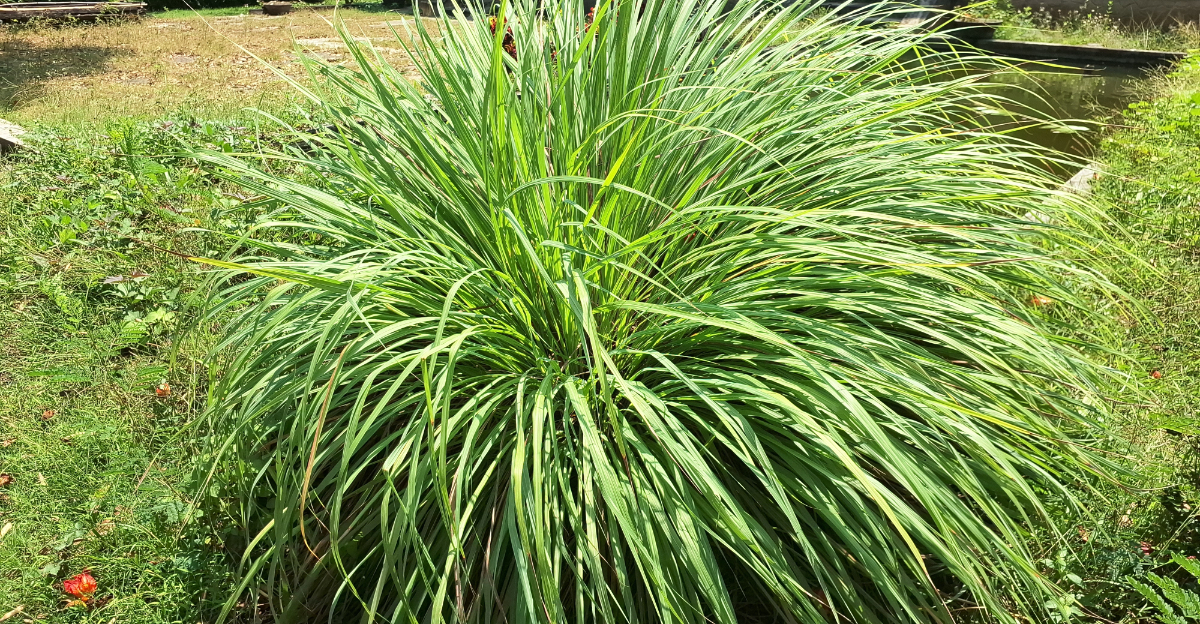
Not every patio plant is chosen just for its flowers. Some earn a permanent spot because they add fragrance, thrive through the heat, or bring an extra benefit beyond good looks.
When summer arrives, even small changes around an outdoor seating area can make the space feel much more enjoyable during the evening.
A beautiful container or garden bed can do more than brighten the yard. The right plant can add color for months while becoming a practical part of the landscape.
Although no plant can completely stop mosquitoes from showing up, certain varieties have become well known for their place in mosquito-conscious gardens.
One plant, in particular, stands out during mosquito season in Arizona. It handles the climate well, looks right at home around patios, and has become a favorite addition to many outdoor spaces.
Its popularity is about much more than appearance, which is exactly why it continues to earn a place in so many summer landscapes.
1. Lemongrass Deserves A Spot By Every Patio
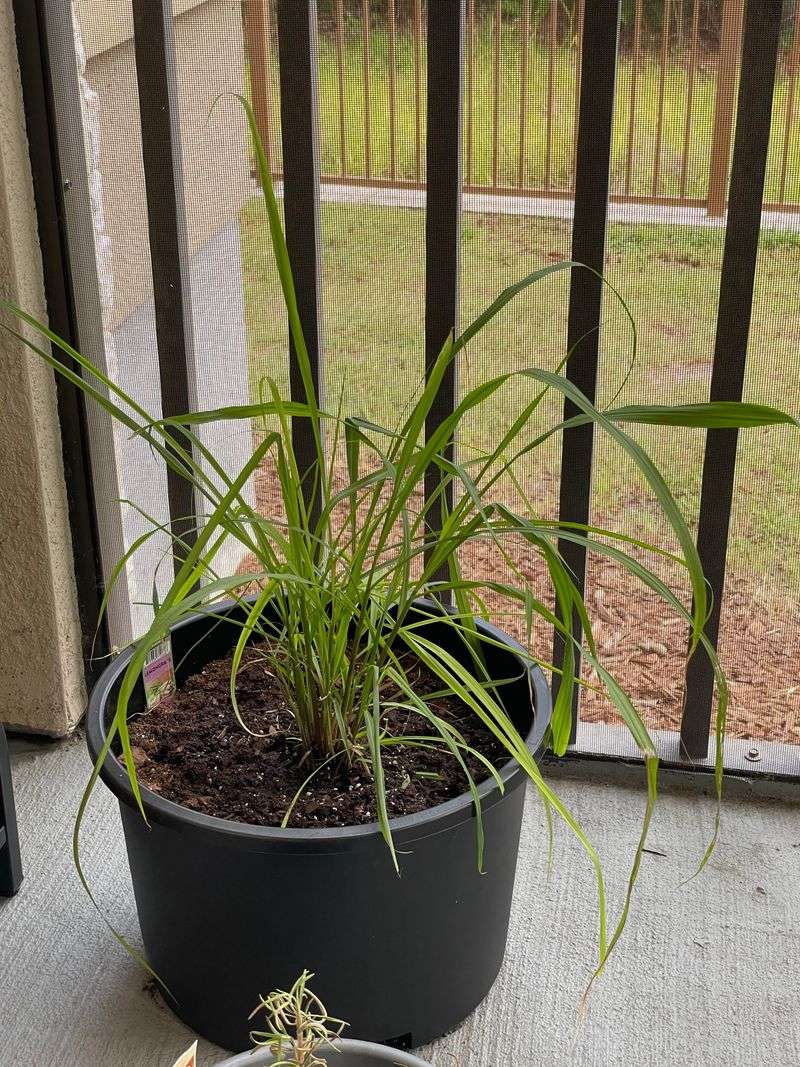
Forget tiki torches and citronella candles. Lemongrass brings the real thing straight from the ground up.
Cymbopogon citratus is the botanical name, but most gardeners just call it a game changer. It produces natural citronella oil in its leaves and stalks.
Crushing a leaf releases that sharp, lemony scent that mosquitoes genuinely avoid.
Placed near seating areas, it creates a natural buffer. Two or three large clumps around a patio can make a noticeable difference during peak mosquito hours at dawn and dusk.
Arizona summers are brutal, but lemongrass handles the heat well. It actually prefers full sun and warm soil, making it a strong fit for desert yards.
Potted plants can be moved right next to chairs or outdoor sofas for maximum effect.
Beyond pest control, the plant adds a tropical feel to any outdoor space. Stalks grow between three and five feet tall, creating a natural visual screen.
It looks intentional, not just functional.
Fresh lemongrass also works in soups, teas, and marinades, so the plant pulls double duty. Snap off a stalk before firing up the grill and toss it into a pot of water for a simple herbal drink.
Growing something that repels bugs and flavors dinner is a practical win for any patio gardener.
2. Strong Growth Starts With Plenty Of Sunshine
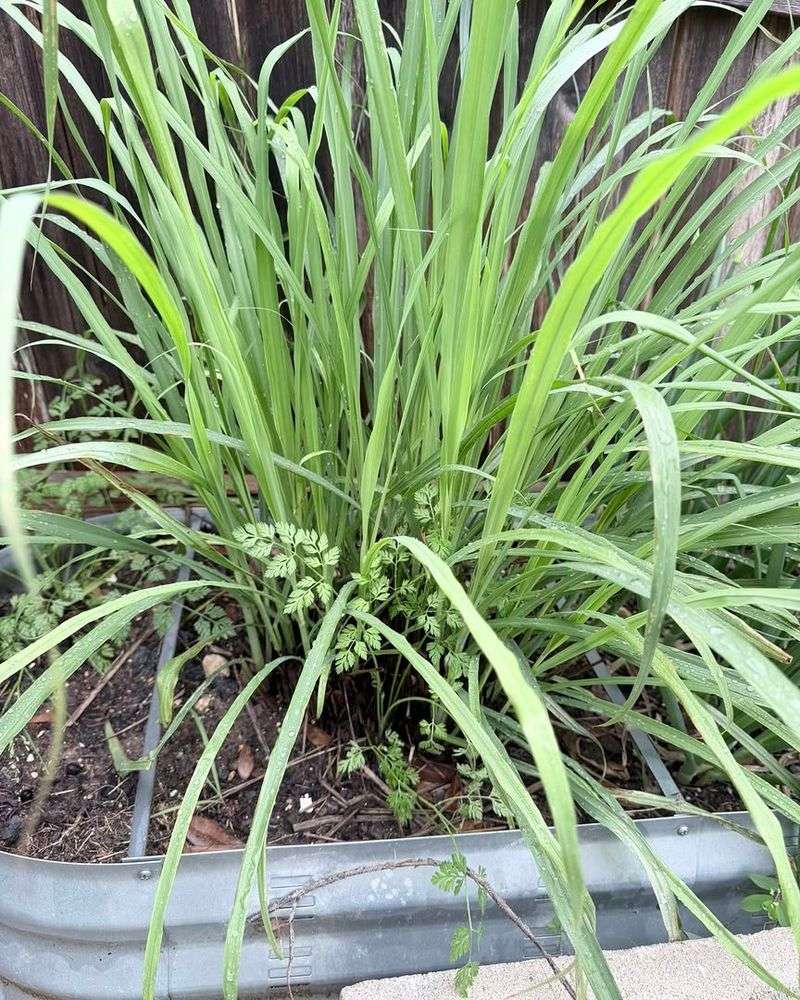
Shade is the enemy of lemongrass. Cut the sunlight, and the plant stalls fast.
Full sun means at least six hours of direct light daily. In most parts of Arizona, that is easy to achieve from spring through fall.
Lemongrass thrives under those conditions and grows aggressively when placed in the right spot.
Partial shade causes the stalks to stay thin and weak. Weak stalks produce less citronella oil, which means less natural mosquito protection.
Placement matters more than most gardeners expect.
South-facing spots work best in desert climates. West-facing locations can also work, though afternoon heat sometimes scorches younger plants before they establish.
Giving new transplants a few days of morning sun only helps them settle in without stress.
Your Arizona Garden Changes Every Week. Your Plan Should Too.
Gardening in Arizona changes quickly throughout the season. Every Friday you’ll receive a simple weekly plan showing exactly what to plant, prune, fertilize, harvest, and protect so you never miss the right timing.
Established plants handle intense summer heat without much trouble. Mature clumps have deep enough roots to pull moisture from the soil even when surface temperatures spike.
Younger plants need more attention during the first few weeks after planting.
Container plants benefit from being moved to follow the sun. A wheeled pot stand makes repositioning easy throughout the season.
Tracking where the sun falls in your yard during June and July helps identify the best permanent spot for in-ground plants.
Strong, upright stalks are a sign the plant is getting enough light. Drooping or yellowing at the base usually means too much shade or too little sun exposure overall.
3. Soggy Soil Can Lead To Root Problems
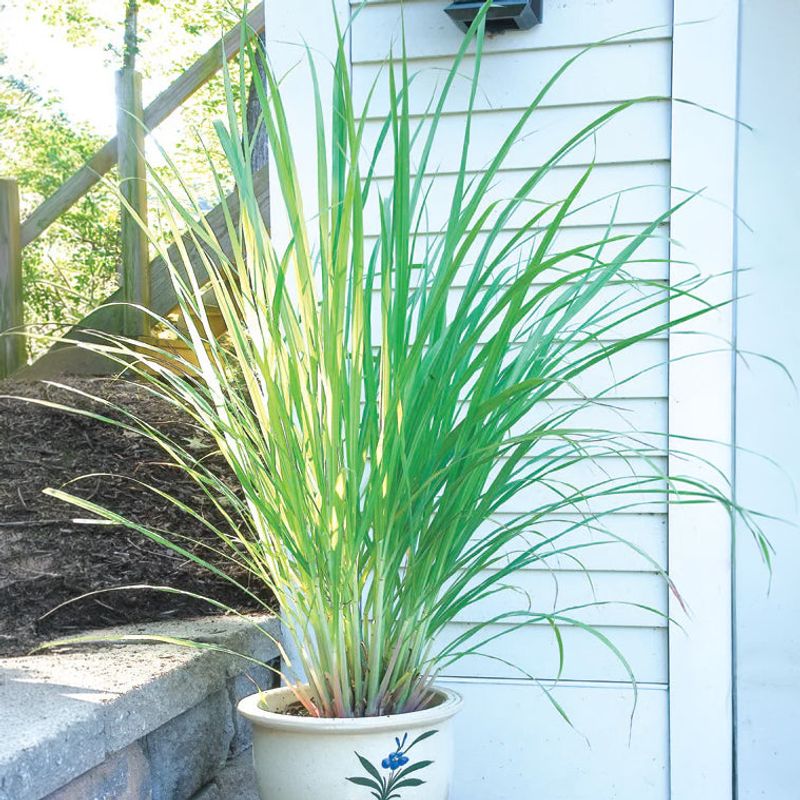
Overwatering lemongrass is one of the most common mistakes backyard gardeners make. Roots sitting in wet soil break down quickly.
Well-draining soil is non-negotiable. Sandy or loamy mixes allow water to pass through without pooling around the root zone.
Heavy clay soil holds too much moisture and creates problems fast.
Raised beds work well in areas with naturally dense soil. Building up the planting zone with a sandy mix gives roots room to breathe.
Adding perlite to container soil improves drainage without reducing moisture retention too much.
Watering frequency should match the season. During cooler months, lemongrass needs far less water than during peak summer heat.
Checking the soil about two inches down before watering prevents unnecessary moisture buildup.
Containers need drainage holes, and those holes should never be blocked. Pot saucers that collect standing water should be emptied after rain or irrigation.
Letting a pot sit in pooled water for more than a day causes root stress.
Signs of overwatering include yellowing lower leaves and a mushy base near the soil line. Catching these signs early allows recovery.
Reducing watering frequency and improving drainage usually corrects the problem within a few weeks.
Desert gardens naturally drain faster than humid-climate yards, which actually benefits lemongrass. Sandy native soil mixed with compost creates a solid base.
Healthy roots produce healthier stalks, which means more natural oil and better mosquito protection all season long.
4. A Bigger Pot Makes A Noticeable Difference
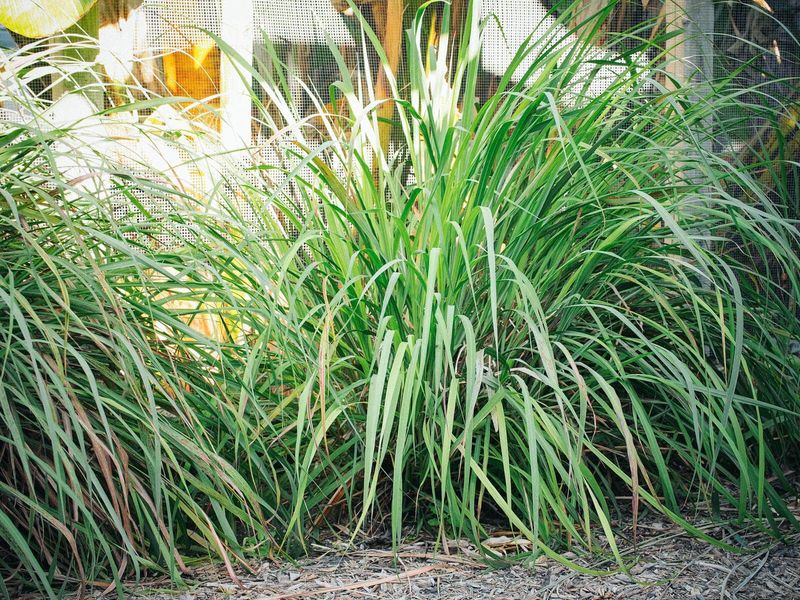
Small pots hold lemongrass back in a big way. Roots need space to spread, and cramped containers slow everything down.
A pot at least 12 inches wide and 12 inches deep gives a single plant enough room to establish properly. Going up to 15 or 18 inches wide allows the clump to expand and produce more stalks over time.
More stalks mean more leaf surface releasing citronella oil into the air.
Terra cotta pots work well because they breathe. Moisture evaporates through the walls, which helps prevent root issues in humid conditions.
Plastic pots retain moisture longer, which can be an advantage during the driest summer weeks.
Repotting every two years keeps growth strong. Lemongrass clumps can become root-bound fairly quickly.
When roots start pushing out of drainage holes, it is time to move the plant into something larger.
Heavy pots stay more stable in wind, which matters during Arizona monsoon season. Lightweight containers tip over easily and can stress or damage mature clumps.
Filling the bottom few inches with gravel adds weight and improves drainage at the same time.
Grouping two or three large pots together near a seating area creates a denser scent barrier. Arranged near patio corners or along a fence line, they form a natural boundary.
Bigger containers give the plant room to perform at its best, and that translates directly into better results outdoors.
5. Regular Harvests Keep New Leaves Coming
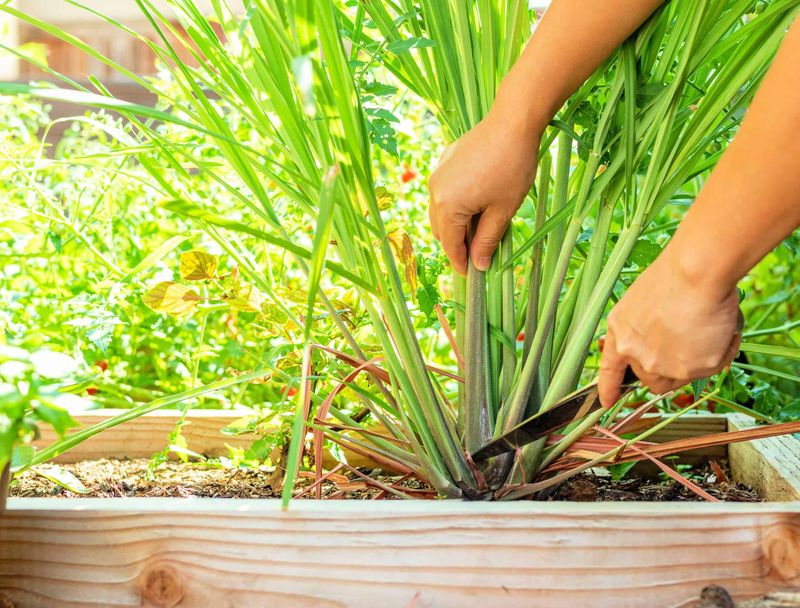
Lemongrass rewards the gardener who actually uses it. Harvesting regularly pushes the plant to produce fresh new growth continuously.
Cutting outer stalks at the base encourages the center of the clump to push out new shoots. Leaving inner stalks untouched protects the growing core.
Harvest the thickest outer stalks first, selecting ones that are at least a half-inch wide at the base.
Frequency matters. Harvesting every two to three weeks during the growing season keeps the plant active and productive.
Letting stalks go untouched for months causes the outer growth to age and dry out without adding new material.
Fresh-cut stalks work immediately in cooking. The lower white portion is the part used in recipes, while the upper green leaves can be dried for tea or simply composted.
Nothing goes to waste with regular harvesting cycles.
Rubbing a freshly cut stalk on your skin provides a short burst of natural citronella scent. It is not a replacement for repellent, but it adds a layer of protection during outdoor evening meals.
Guests often notice the scent and ask about the plant.
Overgrown clumps that have not been harvested in a long time benefit from a harder cutback. Trimming the entire plant down to about six inches above the soil in early spring encourages vigorous new growth.
New stalks come in stronger, greener, and more fragrant than older neglected growth would ever be.
6. Healthy Plants Start With Consistent Watering
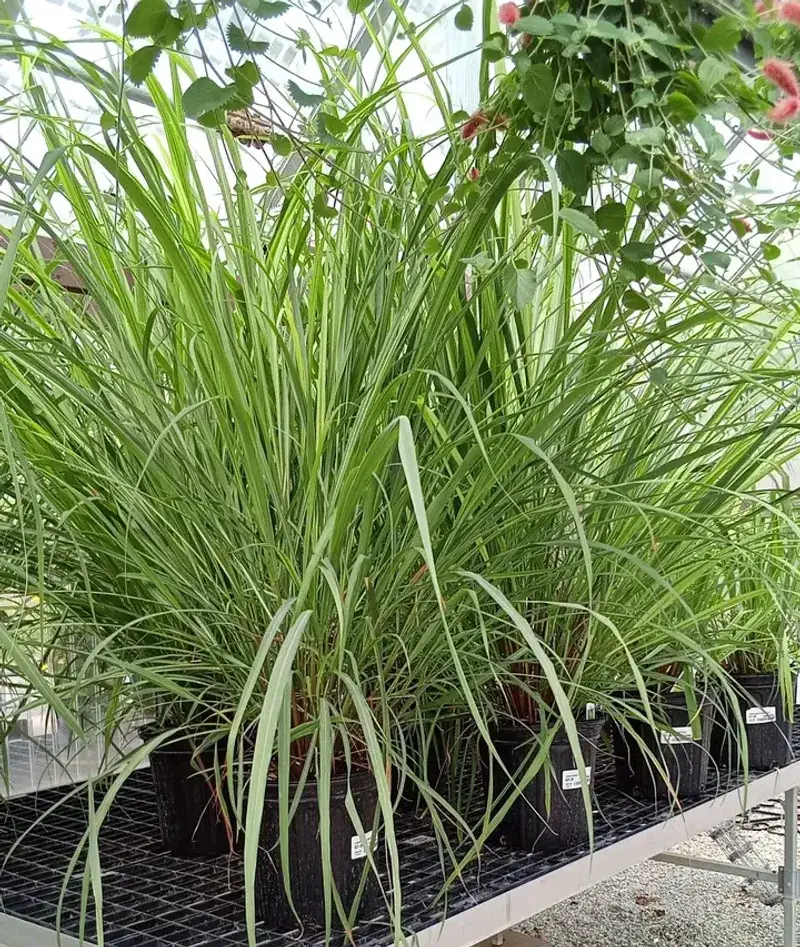
Lemongrass does not like guessing games when it comes to water. Irregular watering stresses the plant and slows down growth noticeably.
During peak summer heat, established in-ground plants generally need water every two to three days. Container plants dry out faster and may need water every day during the hottest weeks.
Checking soil moisture before watering prevents both overwatering and drought stress.
Morning watering works best. Water applied early in the day gives the soil time to absorb moisture before afternoon heat pulls it away through evaporation.
Evening watering can leave surface moisture sitting overnight, which is not ideal in humid monsoon conditions.
Drip irrigation works well for lemongrass planted in the ground. Consistent, slow delivery directly to the root zone keeps moisture levels steady without wetting the foliage.
Wet leaves during hot afternoons can contribute to minor fungal issues over time.
Mulching around the base of in-ground plants helps retain soil moisture between watering sessions. A two-inch layer of wood chip mulch reduces evaporation significantly during dry stretches.
Keep mulch pulled back slightly from the base to allow airflow near the root crown.
Younger plants need more frequent attention during their first growing season. Once established, lemongrass becomes more drought-tolerant than many gardeners expect.
Building a consistent watering schedule early on sets the plant up for stronger performance throughout the long, hot growing season in the desert Southwest.
7. Good Airflow Helps Plants Stay Healthier
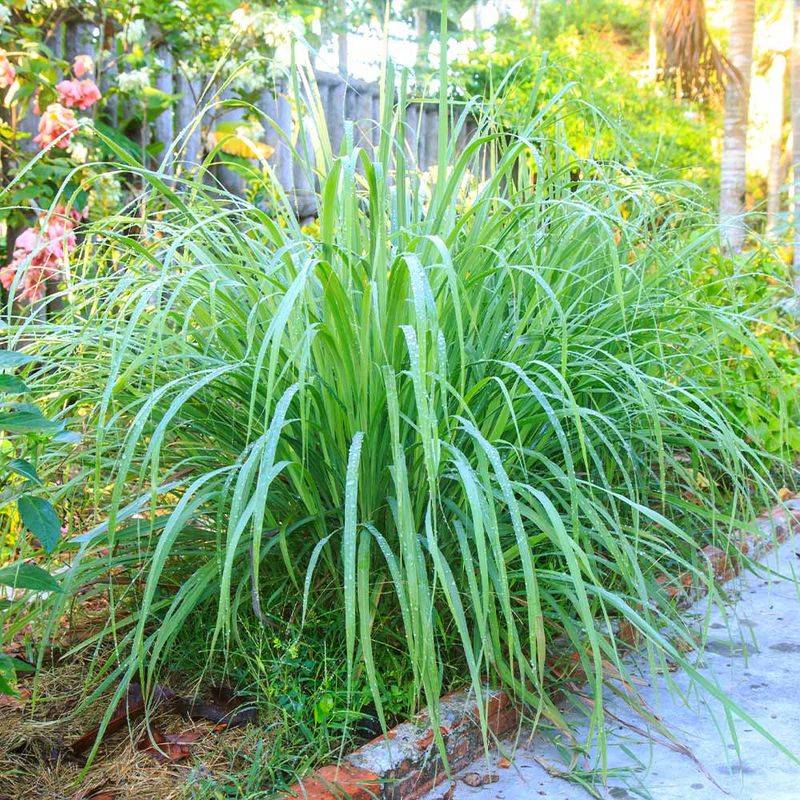
Crowded plants invite trouble. Lemongrass needs room around it to stay strong and resist common fungal issues.
Spacing plants at least three feet apart allows air to move freely between clumps. Good airflow keeps the base of the plant drier, which reduces the chance of fungal growth developing near the root crown.
Tight spacing traps humidity and warmth in ways that create problems over time.
Dense plantings also compete for nutrients and water. Roots from neighboring plants overlap and fight for the same resources.
Keeping adequate space between clumps means each plant gets what it needs without competition.
During Arizona monsoon season, humidity spikes fast. Outdoor spaces that normally stay dry can feel surprisingly damp during storm cycles.
Plants with good spacing handle those humidity swings better than tightly packed groupings.
Thinning overgrown clumps improves airflow from the inside out. Removing older, dried outer stalks opens up the center of the plant.
Better internal air circulation keeps new growth coming in clean and upright rather than matted and tangled.
Patio placement also affects airflow. Avoid pushing pots directly against walls or fences with no gap.
A few inches of clearance behind each container allows air to circulate around the entire plant rather than just the front-facing side.
Healthy airflow is one of the simplest things to get right. It costs nothing and requires no extra products.
Smart spacing from the start pays off throughout the entire growing season.