What Willamette Valley Gardeners Should Do In July That Coastal Oregon Homeowners Skip
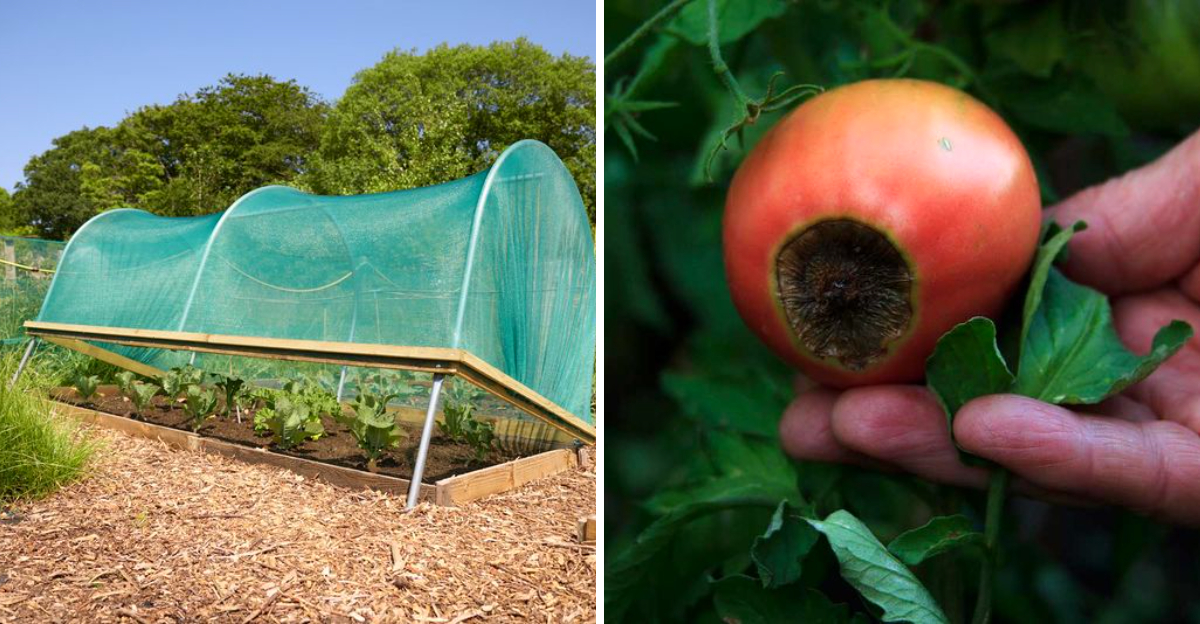
July in the Willamette Valley and July on the Oregon coast are practically two different seasons happening at the same time.
Coastal gardeners are out there in light jackets enjoying natural moisture and fog-cooled afternoons while inland valley gardeners are dealing with cracked soil, scorching afternoons, and vegetable beds that seem to need water every single time you turn around.
The contrast is almost unfair, honestly.
But that dry summer heat the Willamette Valley delivers every July is also what makes tomatoes so rewarding here and what pushes gardeners to get really good at irrigation, mulching, and timing.
There are specific tasks that matter most during this stretch of the season, and getting them done before the heat peaks rather than after makes the rest of summer dramatically easier to manage.
1. Water Deeply Before July Heat Builds
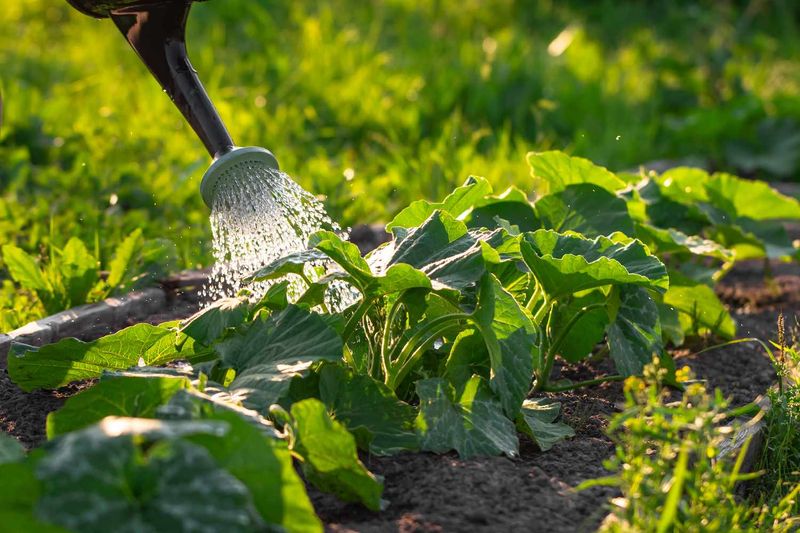
Dry July soil in the Willamette Valley can fool you. The surface might look fine in the morning, but by early afternoon the ground beneath your raised beds can be pulling moisture away from roots faster than a light sprinkling can replace it.
Coastal Oregon gardens often benefit from cooler summer temperatures and occasional marine fog that slows soil moisture loss. That natural buffer is mostly absent inland, where July afternoons can push into the 90s and soil dries out quickly between waterings.
Watering deeply a few times a week encourages roots to follow moisture down into cooler soil layers. This makes plants more resilient when heat spikes hit mid-month.
Shallow daily watering tends to keep roots near the surface, where they are more vulnerable to heat stress.
A good rule of thumb is to water until the soil is moist at least six to eight inches down. You can check this by pushing a finger or a wooden dowel into the bed after watering.
Doing this in the early morning helps reduce evaporation and gives foliage time to dry before evening, which can lower the risk of fungal issues in Oregon’s summer garden.
2. Mulch Beds To Slow Moisture Loss
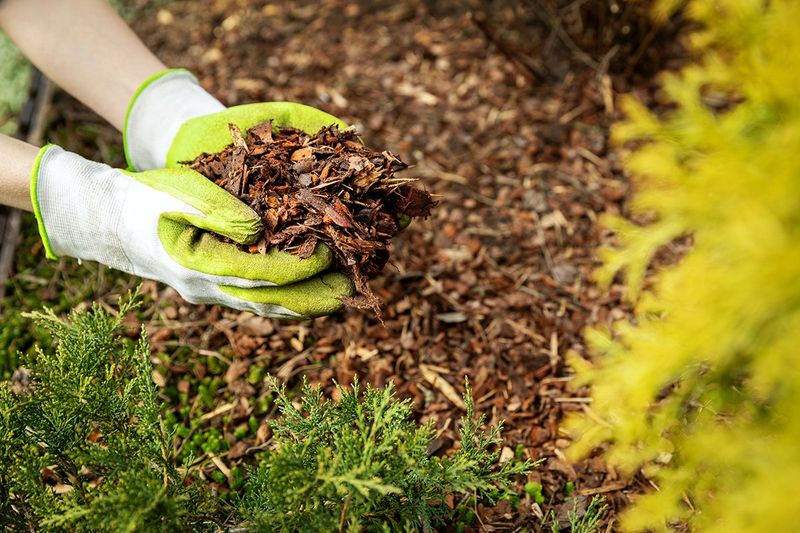
Few things make a bigger difference in an Oregon summer garden than a good layer of mulch.
Spread two to three inches of straw, wood chips, or shredded leaves around your vegetable plants and you can noticeably slow how fast your soil dries out between waterings.
Coastal Oregon gardeners do use mulch, but their timing and priorities can differ. Cool, damp coastal soil combined with mild summers and slug pressure sometimes makes gardeners there more cautious about heavy mulch in early summer.
Inland, the equation tips the other way. By July, the Willamette Valley is typically entering its driest stretch, and bare soil loses moisture rapidly under direct sun.
Mulch also moderates soil temperature, which matters for root health during heat waves. When soil gets too warm, beneficial microbial activity slows and roots under stress can struggle to absorb water efficiently even when moisture is present.
Pull mulch slightly away from plant stems to avoid rot at the base. Organic mulch will gradually break down and feed the soil over time, which is an added benefit for Oregon vegetable beds.
Your Oregon Garden Changes Every Week. Your Plan Should Too.
Gardening in Oregon changes quickly throughout the season. Every Friday you’ll receive a simple weekly plan showing exactly what to plant, prune, fertilize, harvest, and protect so you never miss the right timing.
Refreshing the layer mid-season helps keep the benefits consistent through the rest of summer.
3. Use Drip Irrigation In Vegetable Beds
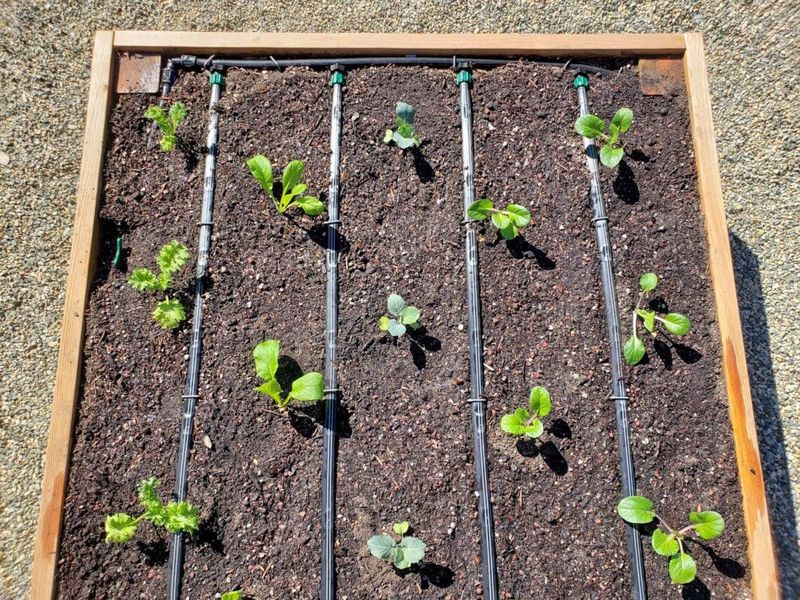
Soaker hoses and drip lines are genuinely useful tools in both coastal and inland Oregon gardens, but their value really stands out in the Willamette Valley during July.
When temperatures climb and rainfall disappears for weeks at a time, getting water directly to the root zone without waste becomes one of the most practical things a vegetable gardener can do.
Overhead sprinklers lose a noticeable amount of water to evaporation on hot inland afternoons, and wet foliage can invite problems like powdery mildew and early blight on tomatoes.
Drip systems sidestep both of those issues by keeping water at soil level where roots can actually reach it.
Coastal gardeners may rely more on hand watering or overhead irrigation because cooler conditions reduce evaporation pressure. Inland Oregon vegetable beds in July simply do not have that luxury when the mercury climbs.
Setting up a basic drip system does not have to be complicated or expensive. Many Oregon garden centers carry starter kits that work well for raised beds and in-ground rows.
Pair a drip line with a simple timer and your vegetable garden can get consistent moisture even when your schedule gets busy during the summer months.
4. Check Containers More Often
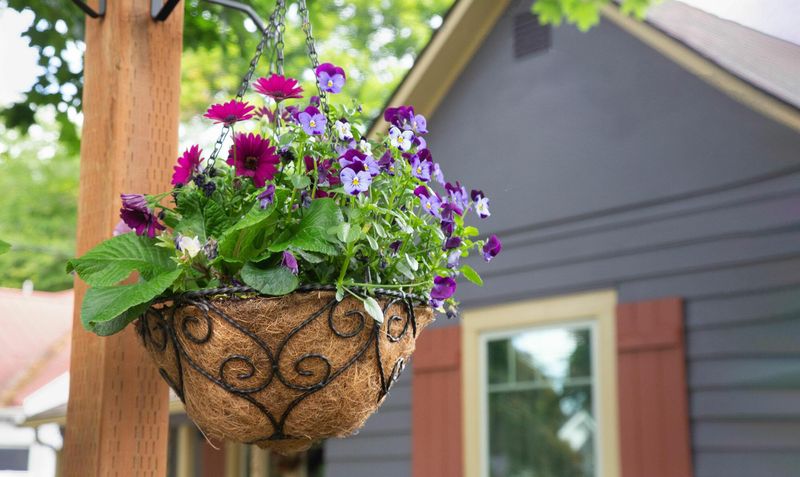
Hanging baskets and containers can go from perfectly moist to bone dry in just a few hours on a hot Willamette Valley afternoon.
Unlike in-ground plants that can pull moisture from deeper soil layers, potted plants are limited to whatever is inside that container, and July heat drains it fast.
Near the Oregon coast, containers still need attention, but the cooler temperatures and higher humidity mean they typically hold moisture longer between checks.
Inland gardeners often find that what worked fine in May or June suddenly feels inadequate once July heat settles in.
Tomatoes, peppers, herbs, and flowering annuals in pots are especially vulnerable.
Wilting in the afternoon does not always mean a plant is in serious trouble, but consistent wilting that does not recover by morning is a sign the plant is genuinely stressed and needs more frequent watering or a move to a shadier spot.
Checking containers at least once each morning and again in the evening during hot stretches is a reasonable habit for Willamette Valley gardeners in July.
Self-watering containers can help reduce the frequency, and adding water-retaining crystals to potting mix is another option worth trying in your Oregon summer garden.
5. Protect Greens From Inland Heat
Lettuce bolts. Spinach turns bitter.
Cilantro shoots up and flowers almost overnight. These are the realities of growing cool-season greens in the Willamette Valley once July heat arrives, and they catch a lot of gardeners off guard each year.
Coastal Oregon gardens often stay cool enough through summer that leafy greens can continue growing with minimal intervention. Fog, wind, and mild temperatures near the Pacific give coastal gardeners a real advantage with crops like lettuce, arugula, and chard.
Inland, those same crops need a little help to survive July.
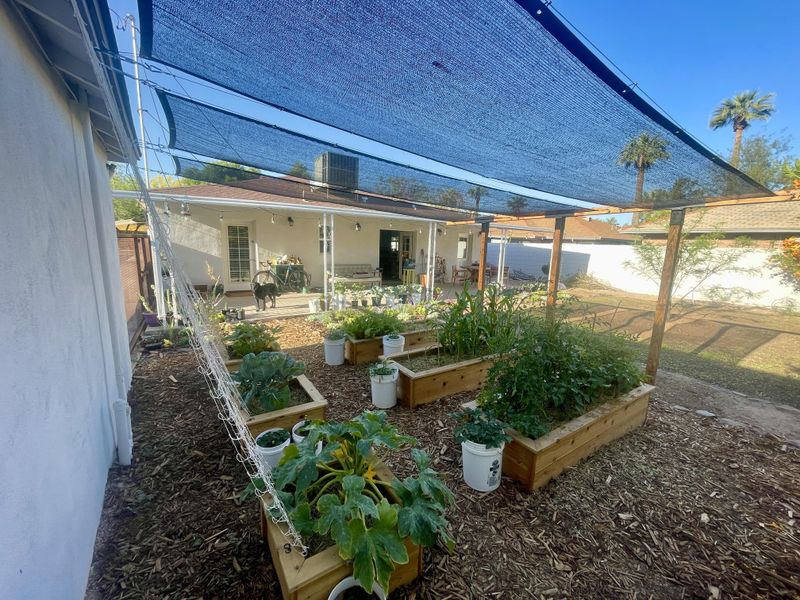
Shade cloth rated at 30 to 40 percent is a practical solution. Stretched over hoops or a simple frame above your greens, it can lower the temperature beneath by several degrees, which is sometimes enough to slow bolting and keep leaves from turning tough and bitter.
Consistent soil moisture also helps. Stressed, dry plants bolt faster than well-watered ones.
Succession planting earlier in spring and again in late summer, with a gap during the hottest weeks, is a strategy many experienced Oregon vegetable gardeners use to keep salad greens on the table without battling peak July heat head-on.
6. Vent Cloches On Hot Valley Days
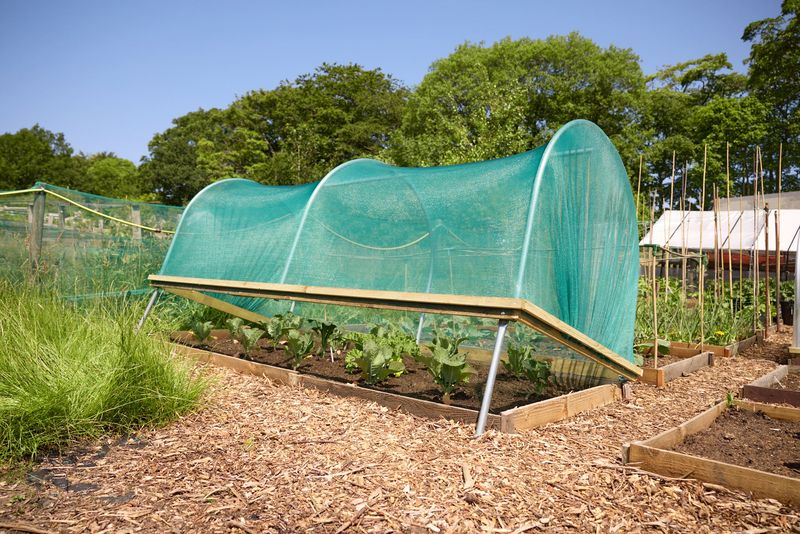
Cloches and row covers are genuinely helpful tools in Oregon gardens, but the same cover that protects tender plants from coastal wind and chill can become a heat trap in the Willamette Valley during July.
A closed cloche on a sunny inland afternoon can push temperatures inside to damaging levels surprisingly quickly.
On the Oregon coast, gardeners often rely on cloches and low tunnels to add warmth and protect plants from wind and cool marine air well into summer.
That kind of protection is less often needed inland, where summer heat builds reliably and the concern shifts toward preventing overheating rather than adding warmth.
If you use cloches or row covers over peppers, melons, or other heat-loving crops in the Willamette Valley, check them on mornings when temperatures are expected to rise above 85 degrees.
Venting the ends or removing covers entirely during the hottest part of the day can prevent heat stress and scorched foliage.
A simple way to manage this is to set a reminder to check your covers mid-morning on warm days. Lightweight floating row cover fabric breathes better than solid plastic and is generally a safer choice for July use in Oregon’s inland valleys during heat spells.
7. Watch Tomatoes For Drought Stress
Tomatoes in the Willamette Valley can look fine one day and show signs of stress the next when July heat and dry conditions combine.
Leaf curl, blossom drop, and uneven fruit development are common signals that moisture levels are not staying consistent enough for the plants to thrive.
Coastal Oregon tomato growers face a different set of challenges. Getting enough heat for fruit to set and ripen is often the bigger concern near the Pacific, where cool summers and fog can slow development.
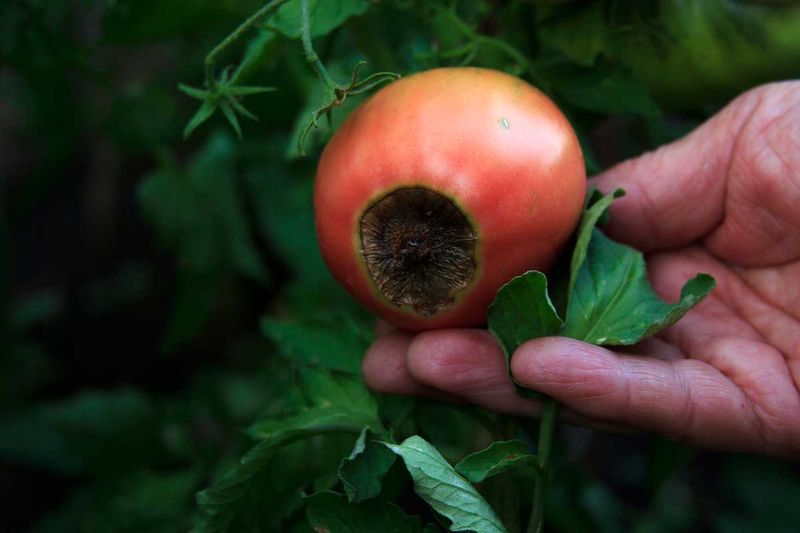
Inland, tomatoes get the warmth they need, but they also face the risk of irregular watering leading to problems like blossom end rot and cracked fruit.
Blossom end rot is not caused by a lack of calcium in the soil so much as by inconsistent moisture that prevents the plant from moving calcium into developing fruit.
Keeping soil moisture steady, rather than swinging between wet and dry, is one of the best ways to reduce this problem in Oregon vegetable gardens.
Mulching around tomato plants and using drip irrigation together can make a real difference. Check the soil near the base of your plants every couple of days and water before the soil gets fully dry rather than waiting for visible wilting to appear.
8. Start Fall Crops With Steady Water
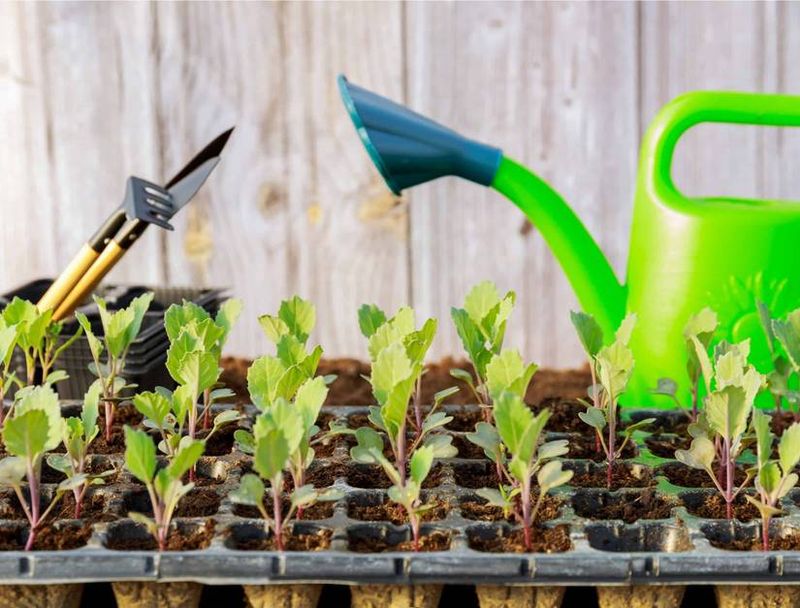
July is actually a productive time to start thinking about fall in the Willamette Valley.
Broccoli, kale, cabbage, and other cool-season crops sown in mid to late July can mature nicely before Oregon’s fall rains return, but getting them started successfully requires some attention to soil moisture during germination.
Coastal Oregon gardeners may find fall crop timing feels less urgent in July because their cooler, more consistent summer conditions give seeds a longer comfortable window for germination.
Inland, the challenge is keeping the seedbed moist enough for seeds to sprout when July temperatures are high and surface soil can dry out within hours of watering.
A light shade cloth over newly seeded areas can slow evaporation and reduce soil surface temperature just enough to improve germination rates.
Watering lightly and more frequently than you would for established plants helps keep the top inch of soil consistently moist without waterlogging the bed.
Once seedlings emerge and develop their first true leaves, they become more resilient.
Gradually reducing watering frequency and increasing the depth of each watering helps young transplants build stronger root systems before the cooler Oregon fall weather arrives and takes over the heavy lifting.
9. Choose A July Lawn Strategy
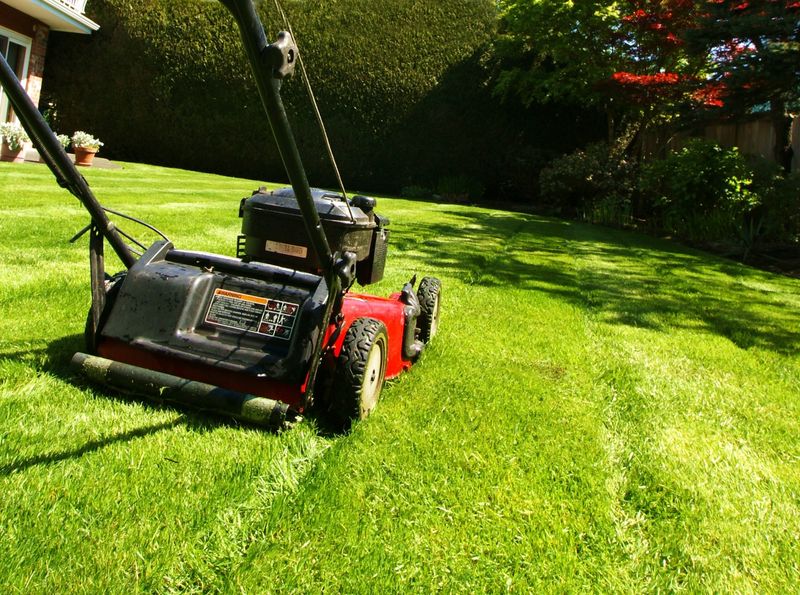
Every July, Oregon homeowners with lawns face a choice that does not come up in quite the same way on the coast. Irrigate through the dry season to keep grass green, or let it go dormant and brown until fall rains return.
Neither option is wrong, but making a deliberate decision rather than drifting into one by accident tends to produce better results.
Coastal Oregon lawns often stay greener through summer naturally because of cooler temperatures and occasional fog moisture.
Willamette Valley lawns, on the other hand, can begin showing stress and dormancy patches by early July without supplemental irrigation.
If you plan to irrigate, doing so deeply and infrequently encourages deeper root growth, which helps grass handle heat better. Watering lightly and often tends to produce shallow roots that struggle more during hot spells.
Most Oregon turf grasses need about an inch of water per week during summer, applied in one or two sessions rather than daily sprinklings.
If you choose to let your lawn go dormant, avoid heavy foot traffic on dormant grass and do not fertilize during this period. Grass that goes dormant naturally will typically green up again when fall rains arrive in Oregon without permanent damage to the lawn.
10. Group Plants By Water Needs
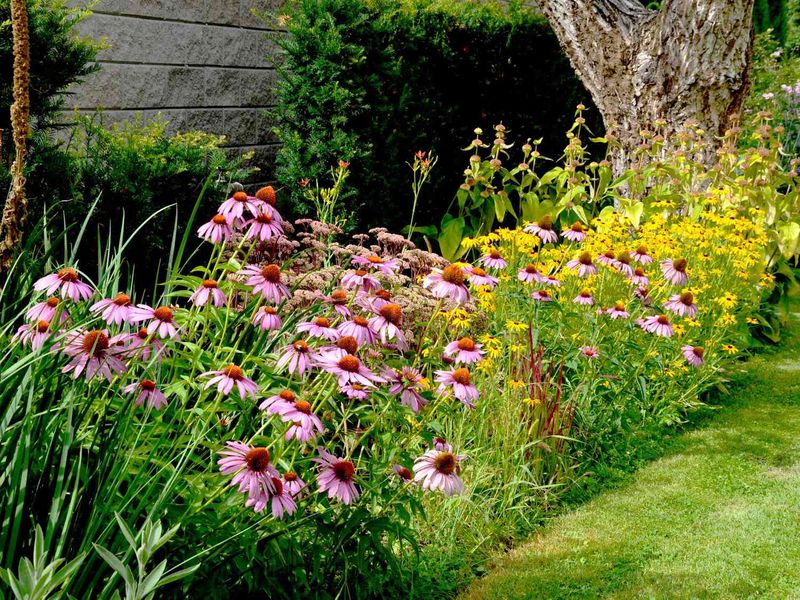
Walking your Oregon garden in July with fresh eyes can reveal a lot about how water is actually moving through your landscape.
Some areas may be staying moist while others dry out fast, and plants with very different water needs sometimes end up sharing the same irrigation zone by accident rather than by design.
Coastal Oregon gardeners may not feel this tension as sharply in July because cooler conditions reduce the contrast between thirsty and drought-tolerant plants.
Inland, that contrast becomes more obvious when heat is on and every gallon of irrigation water counts.
July is a good time to notice which plants are struggling and which ones seem comfortable, and to think about whether grouping thirsty plants together might make irrigation more efficient.
This does not mean redesigning your entire landscape mid-summer, which would add more stress to plants already dealing with heat.
Instead, treat it as an observation period. Take notes or even a few photos so you have a record when fall planting season arrives and you have more flexibility to move things around.
Small adjustments over time, like relocating a drought-sensitive shrub to a spot with more consistent moisture, can make July watering in your Oregon garden noticeably easier each year.