These Drought-Tolerant Grasses Are Great Alternatives For Fescue Lawns In New Jersey
Your sprinkler sits coiled in the garage, useless. The township just posted watering restrictions, and your fescue already looks like toast left in too long. If this feels like your summer on repeat, you’re not alone.
Across New Jersey, backyards are struggling under the same relentless sun. Homeowners are finally asking the question they should have asked years ago: why keep feeding a lawn that resists the climate instead of working with it.
Native grasses suited to the mid-Atlantic don’t falter when the rain disappears. They send roots deep, hold their color, and stay steady through the kind of heat waves that turn traditional turf into straw.
New Jersey’s clay soil and humid summers are exactly the conditions these grasses evolved for, so the switch isn’t a gamble. It’s an upgrade.
Ditching thirsty fescue this season might be the single smartest move your yard sees all year, and your water bill will thank you too.
1. Pennsylvania Sedge
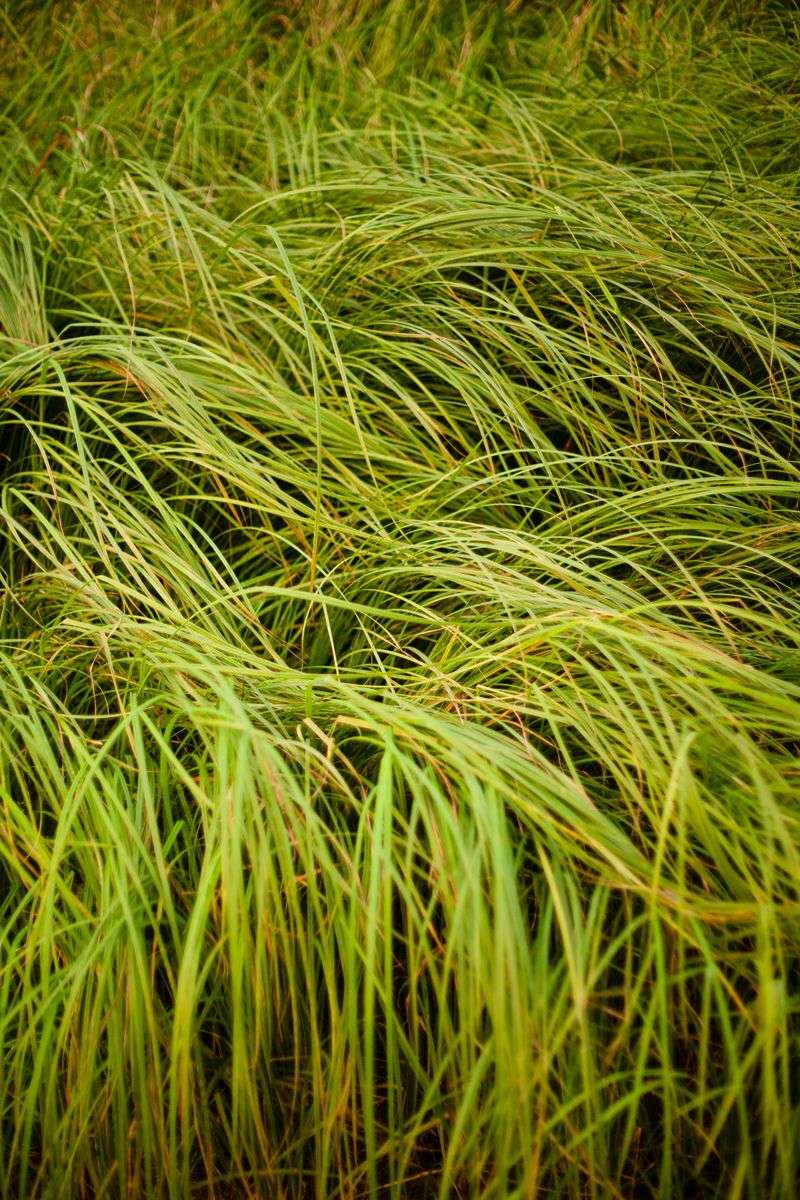
Forget everything you thought you knew about sedge. Pennsylvania Sedge looks like a fine fescue lawn but tolerates drought conditions that would stress fescue.
This low-growing native spreads slowly to form a soft, dense carpet under trees and in shady spots. It stays a tidy 6 to 8 inches tall without mowing, which saves you serious time and fuel.
Homeowners across the region are replacing shaded fescue patches with this plant and never looking back. It handles dry shade better than most traditional lawn grasses, a combination that few turf options can match.
Pennsylvania Sedge works beautifully as a no-mow lawn alternative for areas under large oaks or maples. The blades are fine-textured and bright green, so it still looks polished and intentional from the curb.
These New Jersey native grasses are great alternatives for fescue lawns under drought warning, and Pennsylvania Sedge leads that conversation. It roots deeply once established, pulling moisture from lower soil layers when the surface dries out fast.
Planting is straightforward: space plugs about 12 inches apart in fall or early spring. Within two seasons, you will have a lush, connected groundcover that needs almost no irrigation.
Birds and native insects also love the habitat it creates. Choosing Pennsylvania Sedge means your yard does double duty as both a lawn and a mini wildlife corridor.
2. Little Bluestem
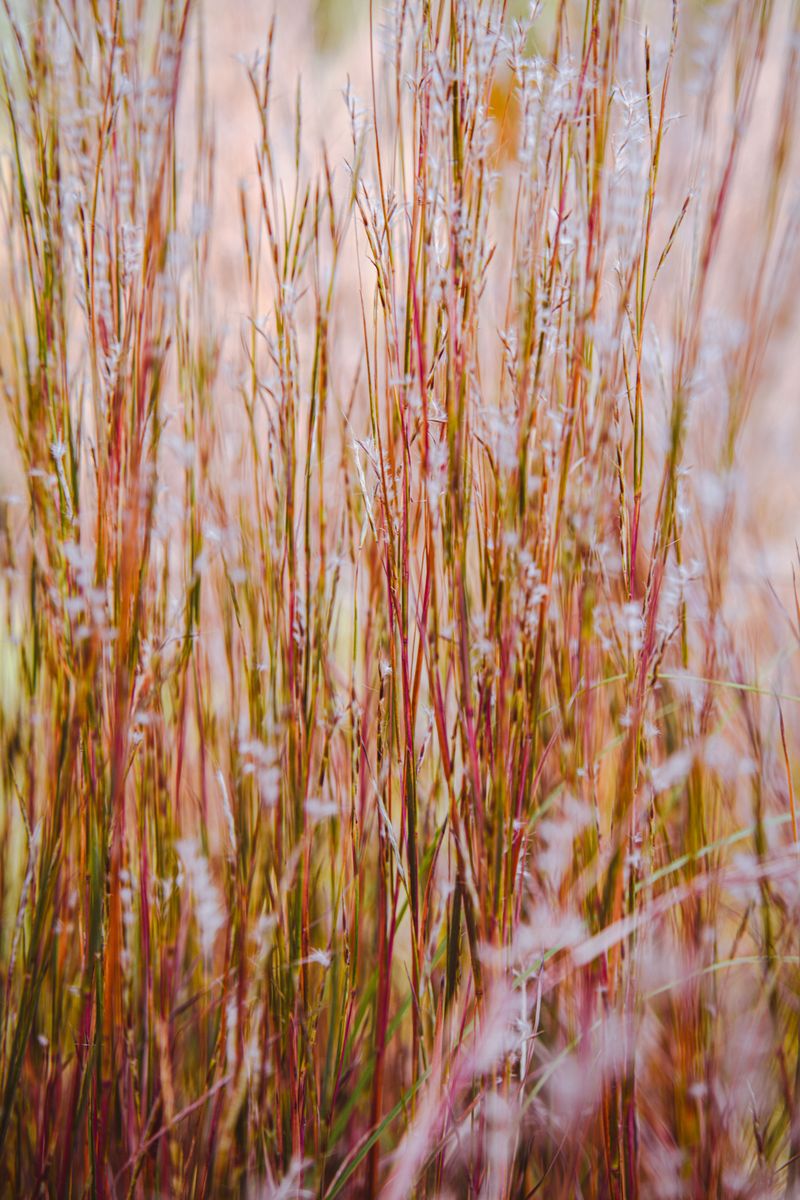
Walk past a patch of Little Bluestem in October and you’ll notice the color shift right away. The steel-blue summer blades shift into a blazing copper-red that rivals any ornamental shrub in your yard.
This warm-season native is one of the most drought-tolerant grasses on the entire East Coast. Once its roots settle in, it tolerates summer heat that would scorch a fescue lawn within days.
Little Bluestem grows in clumps about 2 to 4 feet tall, making it perfect for meadow-style borders or mass plantings along driveways. The feathery white seed heads catch morning light and wave gently in the breeze all winter long.
Birds absolutely flock to it during cold months, eating the seeds and sheltering inside the clumps. You get a living bird feeder without spending a single dollar on seed.
Your New Jersey Garden Changes Every Week. Your Plan Should Too.
Gardening in New Jersey changes quickly throughout the season. Every Friday you’ll receive a simple weekly plan showing exactly what to plant, prune, fertilize, harvest, and protect so you never miss the right timing.
These New Jersey native grasses are great alternatives for fescue lawns under drought warning, and Little Bluestem proves that beauty and toughness are not mutually exclusive.
It thrives in poor, sandy, or rocky soils where fescue would struggle to last through a single dry season.
Plant it in full sun and give it one good watering during establishment. After that first summer, step back and let it do its thing on its own.
Gardeners who go native rarely regret it. Little Bluestem is the kind of plant that makes your whole yard look like it was designed by someone who really knew what they were doing.
3. Buffalo Grass
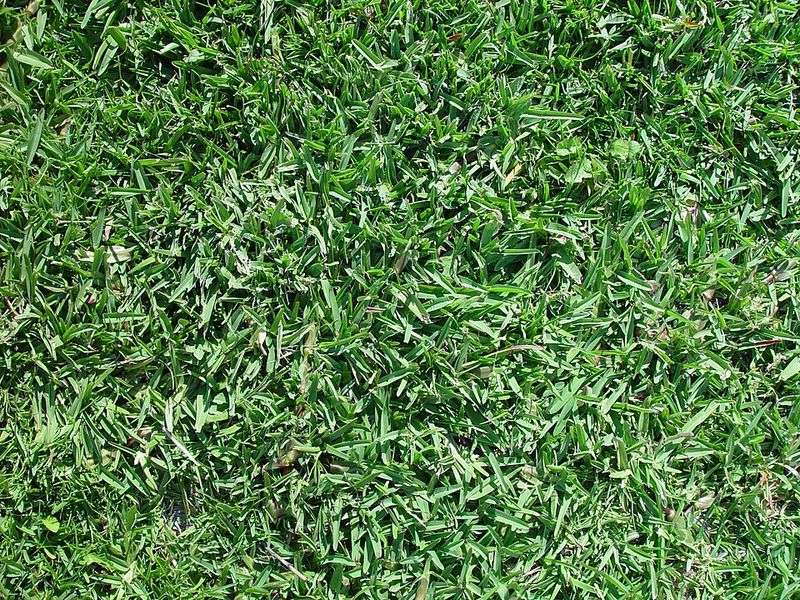
Buffalo Grass thrived on the Great Plains for thousands of years without a single irrigation line. While it’s not native to New Jersey, bringing it to a suburban yard in the Garden State is an especially low-maintenance approach to drought management.
This warm-season grass stays naturally short, usually around 4 to 6 inches, without regular mowing. That means less equipment time, less noise, and a lot less weekend work for you.
The blades have a soft blue-green color that creates a calm, meadow-like appearance in full sun. It spreads through stolons, filling in bare patches on its own over time without any help from you.
Buffalo Grass performs best in clay or loamy soils with good drainage and full sun exposure. Sandy soil can work too, but adding a bit of compost at planting gives it a stronger start in drier conditions.
Homeowners who have replaced fescue with Buffalo Grass report lower water bills during summer.
The deep root system, which can reach several feet underground in ideal conditions, helps it access moisture that surface-rooted grasses cannot, though root depth may vary in New Jersey’s clay-heavy soils compared to its native prairie range.
It does go dormant and turn tan during extended dry spells, but green returns quickly after any rain. That dormancy is an adaptive strategy, not a failure, and it bounces back stronger each time.
Buffalo Grass is a practical, low-input option for fescue lawn replacement, though it’s a Great Plains native, not a mid-Atlantic one. You may notice a visible difference compared to neighboring lawns by mid-July.
4. Purple Lovegrass
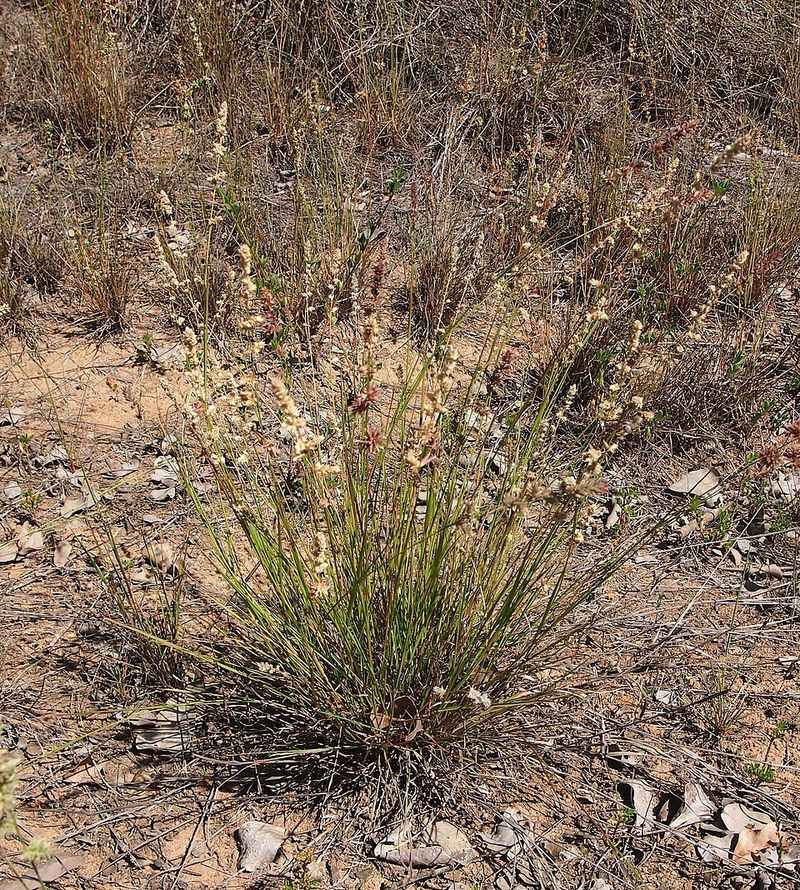
Purple Lovegrass earns its name the moment it flowers. A cloud of tiny purple-pink seeds floats above the base like smoke frozen in mid-air on a calm August evening.
This warm-season native is a showstopper in late summer when most other grasses look tired and washed out. It brings drama, movement, and color to spots where fescue would have already given up weeks earlier.
Growing about 1 to 2 feet tall, Purple Lovegrass works well as a border plant, a slope stabilizer, or a mass planting in a sunny open area. The fine blades stay green and lush even during dry spells that stress traditional turf grasses.
It actually prefers poor, sandy, or disturbed soils, which makes it ideal for spots in your yard where nothing else seems to want to grow. Overly rich soil can make it flop, so skip the fertilizer and let it be scrappy.
Pollinators love the blooms, and the seed heads attract finches well into fall. Planting a swath of Purple Lovegrass near a garden bed turns a dry problem area into a wildlife magnet.
Establishing it is easy: direct seed in spring or plant plugs after your last frost date. Water lightly during the first month; after that, it requires little intervention as it establishes.
Among the native grasses recommended as fescue alternatives under drought warning, this one delivers the most visual payoff per square foot planted.
5. Prairie Dropseed
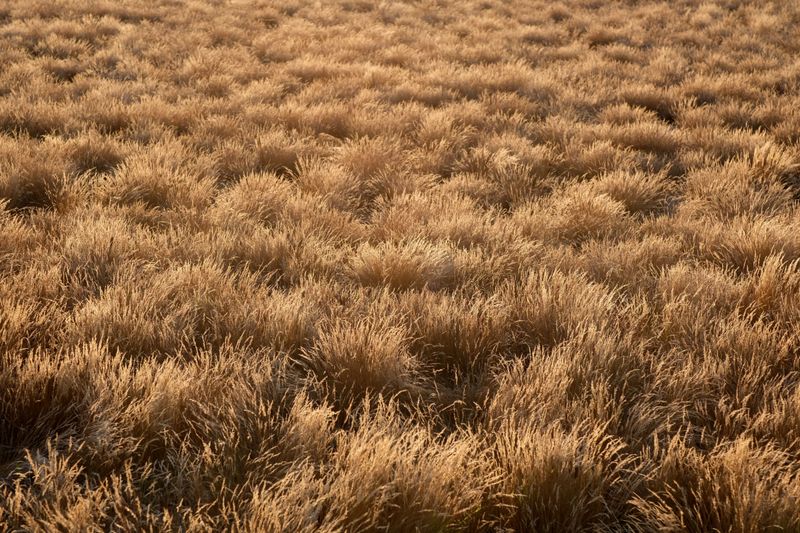
Prairie Dropseed has a distinctive scent resembling buttered popcorn when it blooms in late summer, a documented and often surprising trait for garden visitors.
Beyond its quirky fragrance, this grass is one of the most elegant warm-season options for replacing fescue in open, sunny areas. The blades are incredibly fine-textured and arch outward in a perfect fountain shape.
It grows slowly at first, spending its early energy building a deep, fibrous root system. By year two or three, Prairie Dropseed is fully established and needs almost no water, even during the hottest stretches of summer.
The delicate white seed heads rise above the foliage in August and shimmer in sunlight. Fall brings a warm golden-orange color that holds beautifully well into November before fading gracefully.
Native to central and Midwestern prairies, Prairie Dropseed is well-adapted to New Jersey conditions, thriving in full sun and well-drained soil, and tolerating both dry sandy ground and heavier clay soils.
It does not spread aggressively, so you can plant it in tight spaces without worrying about takeover.
Spacing clumps about 18 inches apart creates a flowing, naturalistic effect across a sunny slope or lawn replacement area. Combine it with Little Bluestem or Sideoats Grama for a layered planting that handles drought beautifully.
Choosing Prairie Dropseed means investing in a grass that rewards patience with long-term resilience. For fescue lawns struggling under drought warning, this swap is a genuinely satisfying upgrade.
6. Switchgrass
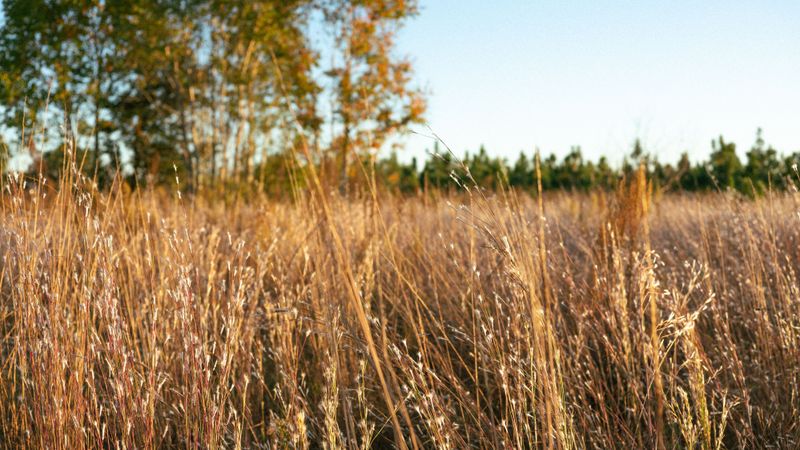
Switchgrass is the backbone of the American prairie, and it brings that same unshakable toughness to suburban yards across the mid-Atlantic. Few grasses can match its combination of height, movement, and drought endurance.
Growing anywhere from 3 to 6 feet tall depending on the cultivar, it creates a bold vertical statement in the landscape. The airy seed panicles turn pink, then red, then catch snow in winter like a living sculpture.
Cultivars like Shenandoah and Prairie Fire offer stunning red fall color that rivals ornamental shrubs in intensity. These compact selections stay around 3 to 4 feet, making them easier to manage in a residential setting.
Switchgrass roots can reach 10 feet deep into the soil, pulling moisture from layers that surface-planted fescue cannot touch. During a drought warning, that depth is not just impressive, it is the difference between green and brown.
It grows best in full sun but tolerates partial shade better than most warm-season natives. Wet or dry soil, clay or sand, Switchgrass adapts easily and requires minimal upkeep.
Cut it back to about 4 to 6 inches in late winter before new growth emerges. That single annual chore is basically the only maintenance it requires throughout the entire year.
Among these native grasses recommended as fescue alternatives under drought warning, Switchgrass offers the most dramatic presence per square foot. Plant it where you want people to stop and stare.
7. Sideoats Grama
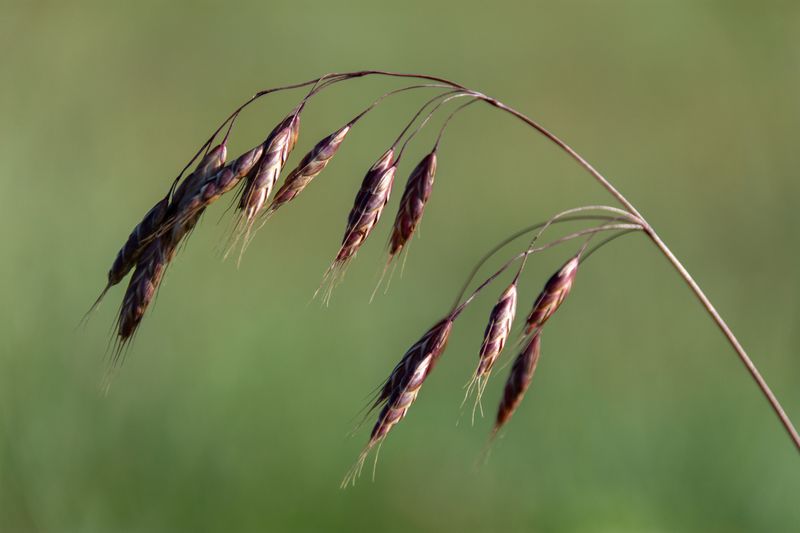
Sideoats Grama is the official state grass of Texas and native to the Great Plains, but it adapts well to mid-Atlantic conditions when temperatures climb and rain disappears for weeks. It is tough, compact, and quietly beautiful.
The name comes from its seed heads, which dangle in a neat row along one side of each stem like tiny oat grains on a string. That detail alone makes it one of the most visually distinctive grasses you can plant in a naturalistic garden.
Growing about 1 to 2 feet tall, it fits naturally into rock gardens, meadow borders, or as a low-maintenance fescue replacement in sunny spots. The blue-green blades turn orange-red in autumn, adding seasonal color without any extra effort.
Sideoats Grama establishes quickly from seed or plugs in well-drained, sunny areas. It handles poor soil with ease, making it a strong candidate for slopes, edges, or areas with compacted ground.
Pollinators visit the blooms, and songbirds pick through the seed heads during fall and winter. Planting a stretch of it along a fence line creates a low-water habitat strip that works hard for local wildlife.
Watering needs drop to a minimum once roots are established, usually within the first full growing season. That fast establishment timeline makes it one of the most practical options when a drought warning is already in effect.
Sideoats Grama proves that drought-tolerant grasses can be both functional and genuinely eye-catching in any sunny yard setting.
8. Poverty Oatgrass
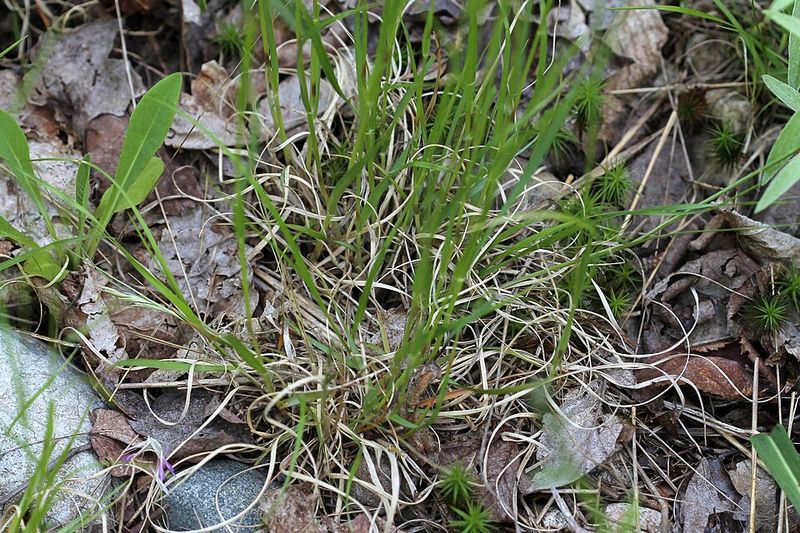
The name sounds discouraging, but Poverty Oatgrass is actually a hidden gem for tough, low-input landscapes. It earned that name by thriving in the poorest, driest soils where most grasses simply refuse to grow.
This cool-season native is one of the few grasses that handles both drought and low-nutrient soil without skipping a beat. Sandy barrens, rocky slopes, and compacted edges are exactly the conditions where it feels most at home.
Growing about 1 to 2 feet tall, Poverty Oatgrass forms loose, airy clumps with delicate oat-like seed heads that sway in the lightest breeze. The pale green blades have a soft, wispy quality that adds texture to naturalistic plantings.
It works especially well as a transition grass between a maintained lawn area and a wild meadow or wooded edge. That blended look softens hard landscape boundaries and creates a more natural, layered appearance overall.
Fertility actually hurts this grass, so skip the fertilizer and let the lean soil do the work. Overfeeding causes floppy growth and reduces the tidy, upright form that makes it so appealing in the first place.
Establishment from seed is reliable when sown in early fall, giving roots time to anchor before summer heat arrives. Once established, it requires little beyond an occasional trim in late winter to remove spent growth.
For homeowners replacing fescue lawns under drought warning with New Jersey native grasses, Poverty Oatgrass is an underused but reliable option worth considering.