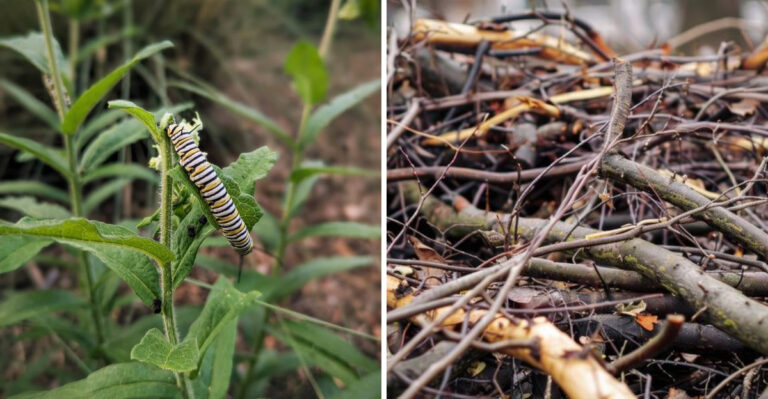
The Tick-Eating Backyard Bird Texas Gardeners Should Know About
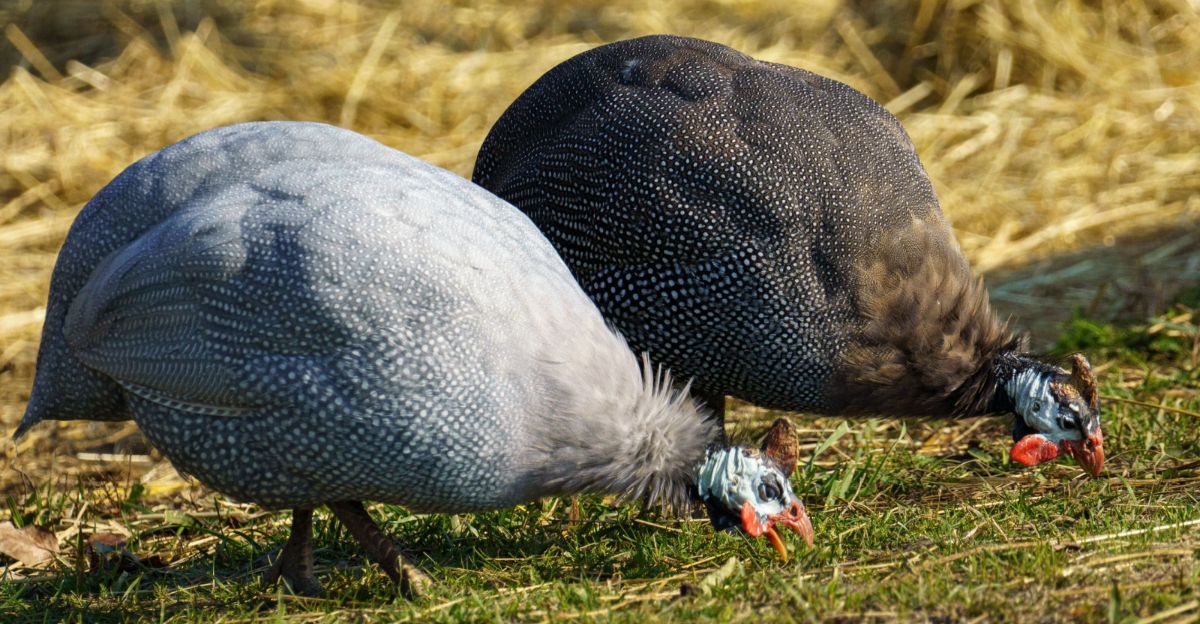
Guinea Fowl are one of those backyard additions that sound like a brilliant idea the moment you hear about them.
Tick control? Check. Pest management? Apparently yes. Entertainment value from watching a flock of dramatically opinionated birds roam your property? Absolutely, and that part is completely free.
Texas gardeners and rural property owners have been paying a lot more attention to these quirky birds lately, and it is easy to understand why.
Ticks along fence lines, wooded edges, and brushy corners are a genuine frustration, and the idea of a natural solution that also happens to be alive and wandering around your yard has real appeal.
But before you order a flock, it is worth getting a clear picture of what Guinea Fowl can realistically offer, what they actually need to thrive in a Texas setting, and why tick management still takes a broader approach than birds alone.
1. Guinea Fowl Bring Natural Foraging To The Yard
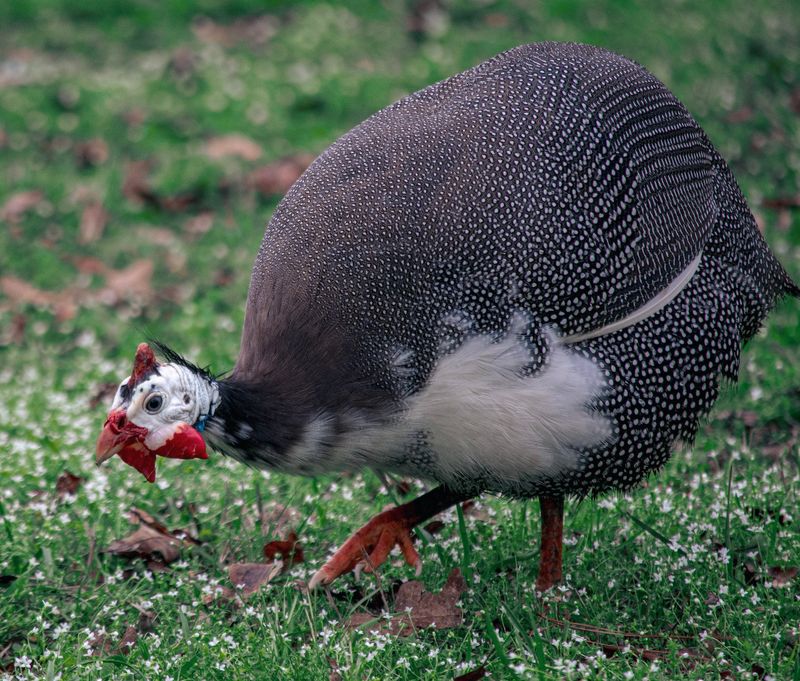
Watching a flock move through a yard in steady, focused lines is one of the first things Texas property owners notice about Guinea Fowl.
These birds are relentless foragers, covering ground methodically as they search for insects, seeds, and small arthropods hiding in the grass and soil.
Their foraging style is different from chickens, which tend to scratch and dig. Guinea Fowl walk and peck across wider areas, which makes them well-suited to patrolling open lawns, garden edges, and pasture borders.
In Texas, where summers are long and outdoor activity peaks in warm months, having birds that naturally roam and forage can feel like a useful addition to a property.
They tend to cover more ground when given the space to roam freely rather than being confined to a small run.
Larger Texas lots, rural acreage, and properties with open pasture tend to give these birds more opportunity to do what they do naturally.
Their foraging behavior does bring them into contact with ticks and other insects that live in grass and leaf litter. That contact does not mean every tick gets eaten, but it does mean the birds are regularly moving through areas where ticks tend to be active.
For gardeners curious about adding a layer of natural pest activity to their yard, Guinea Fowl foraging habits are one of the more genuinely interesting things to consider before starting a flock.
2. Some Ticks May Become Part Of Their Diet
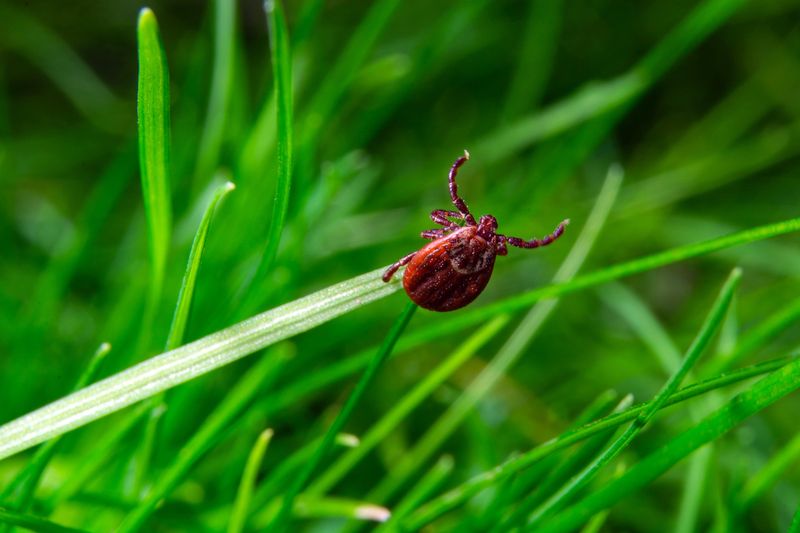
Ticks hiding in tall grass, brushy fence lines, and shaded leaf litter along pet paths are a real concern for Texas families who spend time outdoors. Guinea Fowl do eat insects and arthropods while foraging, and ticks can end up in that mix.
Studies and extension resources have noted that Guinea Fowl may consume ticks they encounter while moving through infested areas.
How much that actually reduces tick populations depends on a range of factors including flock size, property size, tick species, and the specific habitat conditions on your land.
What researchers and poultry extension specialists tend to agree on is that Guinea Fowl should not be treated as a standalone tick-control solution.
Your Texas Garden Changes Every Week. Your Plan Should Too.
Gardening in Texas changes quickly throughout the season. Every Friday you’ll receive a simple weekly plan showing exactly what to plant, prune, fertilize, harvest, and protect so you never miss the right timing.
The birds may reduce some tick exposure in areas they actively patrol, but they cannot reach every corner of a yard, especially around dense brush, wooded edges, and shaded garden beds where ticks tend to cluster.
Expecting a small flock to clear a large Texas property of ticks on its own is not a realistic goal.
Still, the fact that Guinea Fowl forage actively and may eat ticks along the way makes them an interesting piece of a broader pest-awareness approach.
For property owners who already manage their yards well, adding Guinea Fowl can feel like a natural complement rather than a fix.
Thinking of them as curious, active birds that may reduce some tick encounters is a more grounded way to set expectations from the start.
3. Pest Patrol Works Best With Realistic Expectations
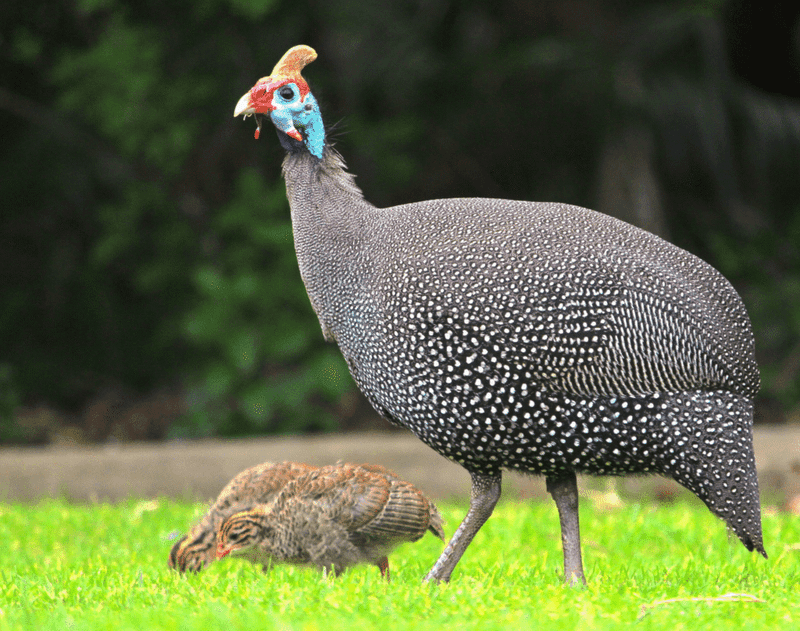
Noisy calls near a garden or along a fence line are often the first sign that Guinea Fowl are actively working an area.
These birds do cover ground and do eat insects, but pest management researchers and extension services consistently point out that no single method controls ticks reliably on its own.
Guinea Fowl are one piece of a larger picture, not a guaranteed solution for Texas yards dealing with heavy tick pressure.
Tick populations in Texas can be surprisingly resilient.
Species like the lone star tick and black-legged tick thrive in brushy edges, wooded corners, and areas with dense leaf litter, which are exactly the spots where Guinea Fowl foraging may be limited by terrain or flock behavior.
Even a well-managed flock on a Texas property will not patrol every shaded corner, crawl under dense brush, or search through thick leaf piles where ticks shelter during dry or hot periods.
Realistic expectations actually make Guinea Fowl more enjoyable to keep.
When property owners understand that the birds bring natural foraging activity and may reduce some pest encounters without being a complete solution, they tend to appreciate what the flock genuinely offers.
Combining Guinea Fowl with regular mowing, brush clearing, leaf litter management, proper tick checks after outdoor time, and labeled tick products when needed gives gardeners a much stronger overall approach than relying on any one strategy alone.
4. Active Foraging Can Add Backyard Benefits
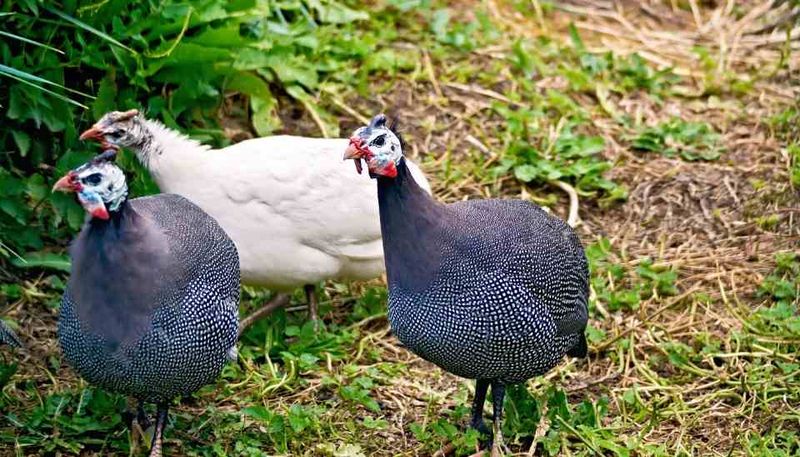
Beyond ticks, Guinea Fowl pick up a wide range of insects as they forage, including grasshoppers, beetles, flies, and other arthropods that can bother Texas gardens and pastures.
For gardeners dealing with insect pressure on vegetables, herbs, or ornamental beds, having birds that naturally patrol those areas can add a layer of pest activity that feels genuinely useful.
They tend to be less destructive to garden plants than chickens, which scratch aggressively and can uproot seedlings.
Guinea Fowl are also known for alerting other animals and people to unfamiliar activity around a property. Their loud calls when something unusual enters the yard have earned them a reputation as natural alarm systems on Texas rural properties.
That extra awareness can be a bonus for property owners who also keep other poultry or livestock nearby.
The backyard benefits Guinea Fowl bring are most noticeable on properties where the birds have enough space to move freely and forage across varied terrain.
Texas yards with a mix of open lawn, garden edges, and pasture tend to give the birds more opportunity to express their natural behavior.
Smaller lots in suburban neighborhoods may not offer enough room for a flock to roam comfortably, and noise levels can become a concern for neighbors in more densely populated areas.
Checking local ordinances before starting a flock is always a practical first step for any Texas property owner considering Guinea Fowl.
5. A Larger Yard Gives Guinea Fowl More Room To Roam
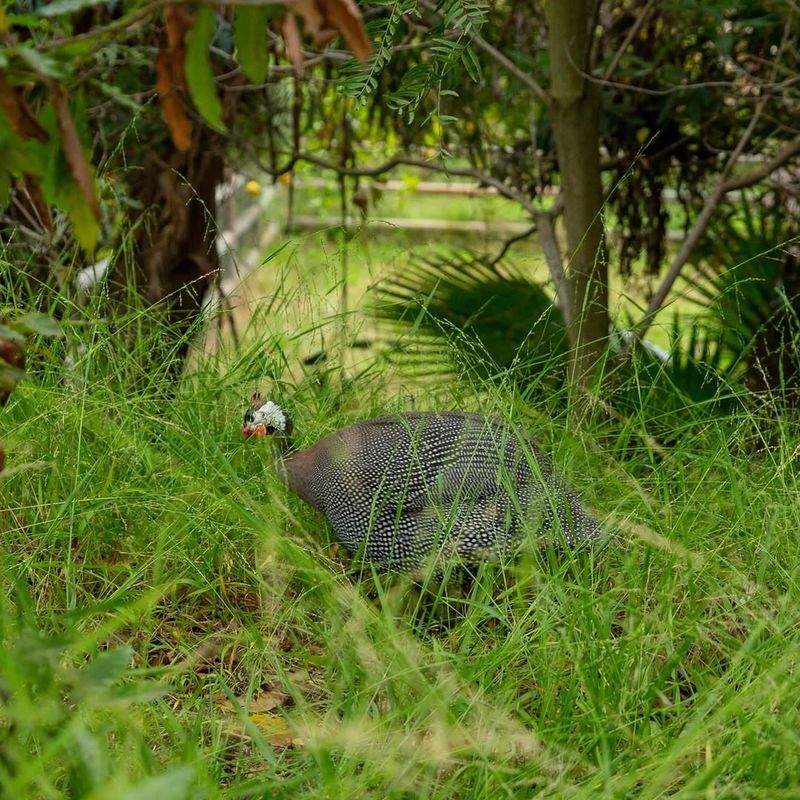
Property size matters more with Guinea Fowl than with many other backyard poultry. These birds are naturally active rovers that prefer to cover wide stretches of ground throughout the day.
On a small suburban Texas lot, a flock may quickly exhaust the available foraging area, become restless, or wander beyond property lines in search of more space.
Larger rural Texas properties, acreage with open pasture, and big suburban lots with varied terrain tend to suit Guinea Fowl much better.
When Guinea Fowl have room to roam, their foraging behavior becomes more consistent and wide-ranging.
They tend to patrol fence lines, move through garden borders, and work across open lawn in patterns that naturally bring them into contact with insects and ticks in those zones.
That roaming behavior is one of the things that makes them interesting from a pest-awareness standpoint, but it also means property owners need to think carefully about boundaries and containment.
Guinea Fowl are not easy to confine to a small area without a fully enclosed run, and even then their natural instinct to roam can make management more challenging than with other poultry breeds.
For property owners with the acreage to support free-ranging birds, Guinea Fowl can be a rewarding addition.
For those with smaller yards or close neighbors, the space requirements and noise levels are worth weighing carefully before committing to a flock. Honest planning from the start leads to a much better experience overall.
6. Smart Habitat Care Helps Lower Tick Pressure
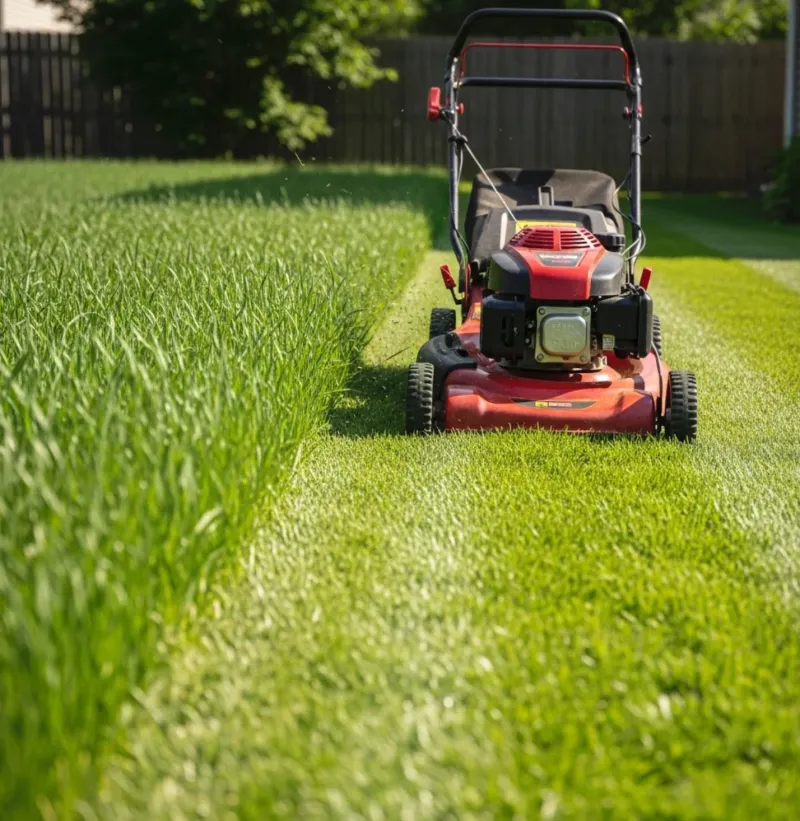
Shaded leaf litter near pet paths, brushy corners along back fences, and tall grass at the edge of a Texas garden are exactly where ticks tend to wait for a host.
Managing those areas is one of the most effective things a Texas property owner can do to lower tick pressure, and it works whether or not Guinea Fowl are part of the plan.
Regular mowing, brush clearing, and leaf litter removal reduce the habitat ticks depend on to survive and reproduce.
Guinea Fowl foraging can complement habitat management efforts, but the birds work best in areas that are already reasonably maintained.
Dense brush, thick leaf piles, and heavily wooded edges are harder for Guinea Fowl to patrol effectively, and those are also the spots where tick populations tend to be highest.
Clearing those areas first makes the foraging activity of a flock more likely to encounter and reduce ticks in the zones that matter most.
Gardeners who treat habitat management as the foundation of their tick-reduction approach tend to see better results than those who rely on a single method.
Combining regular mowing with brush clearing, removing leaf litter from areas where pets and people spend time, and checking for ticks after outdoor activity builds a practical routine.
Adding Guinea Fowl to a well-maintained Texas yard gives the birds a better environment to forage in and gives property owners a more realistic chance of seeing meaningful pest activity from the flock.
7. Good Fencing And Shelter Support A Safer Flock
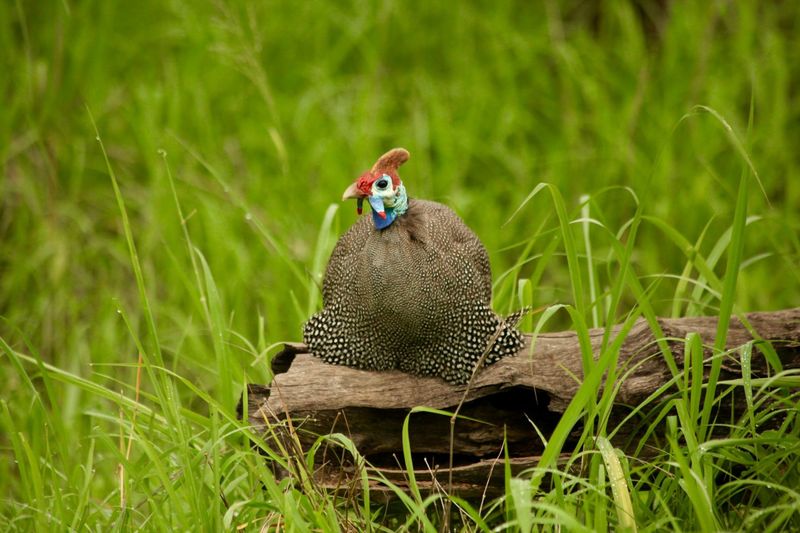
A coop beside a rural Texas yard that is built with care can make a real difference in how well a Guinea Fowl flock thrives long-term.
These birds need secure nighttime shelter to protect them from predators common across Texas properties, including raccoons, foxes, opossums, and birds of prey.
A well-constructed coop with sturdy hardware cloth, a solid roof, and a secure latch provides the basic protection a flock needs to stay safe overnight.
Fencing is equally important for Guinea Fowl that free-range during the day. While these birds tend to return to their coop at dusk, they can wander farther than expected, especially on larger Texas properties with open borders.
Perimeter fencing helps keep the flock within the intended area and reduces the chance of birds wandering onto neighboring land or into roadways.
On Texas rural acreage, a combination of open-range daytime access and secure nighttime housing tends to work well for most flocks.
New Guinea Fowl need time to learn where home base is before being allowed to free-range. Keeping birds confined to their coop and run for several weeks after arrival helps them establish a sense of home territory.
Once they are comfortable with their shelter location, they are more likely to return on their own each evening.
Good fencing, a reliable shelter routine, and consistent care from the start give Guinea Fowl flock the best foundation for long-term success on the property.
8. Guinea Fowl Fit Best Into A Bigger Tick Plan
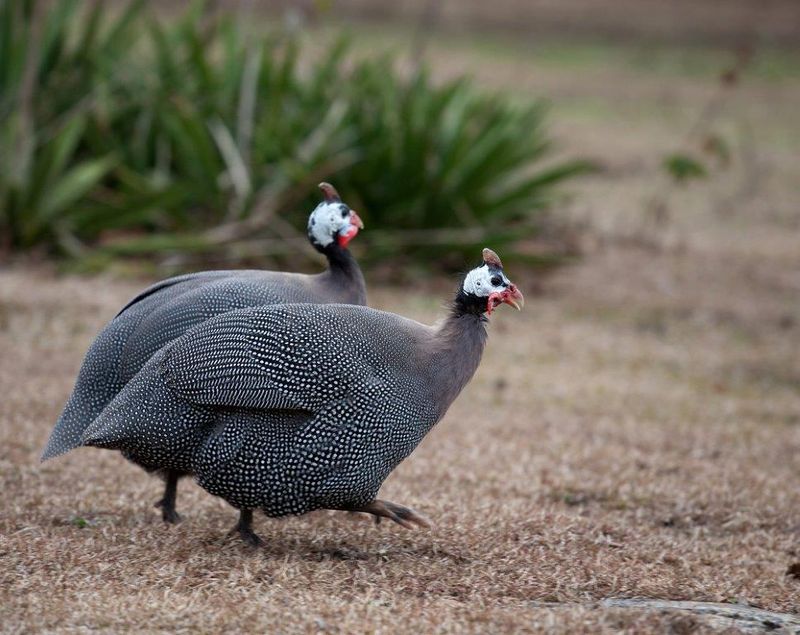
Poultry roaming near a pasture edge or patrolling a garden fence line can feel like a satisfying and natural part of managing a Texas outdoor space.
Guinea Fowl genuinely add activity, foraging energy, and some pest-reduction potential to properties where they are well-suited.
But the strongest tick management plans in Texas rely on a combination of strategies rather than placing all the responsibility on one approach, no matter how appealing it seems.
Mowing regularly, trimming back brushy edges, managing leaf litter, and using properly labeled tick treatments in high-risk areas all remain important tools for Texas property owners.
Protecting pets with vet-recommended tick products and checking people after spending time outdoors round out that approach and keep the whole family safer.
Guinea Fowl can be part of that broader effort, adding natural foraging activity to the mix without replacing the practical steps that research consistently supports.
Thinking of them as a complement rather than a substitute keeps expectations grounded and realistic.
Gardeners and rural property owners who go into Guinea Fowl ownership with a clear picture of what the birds can and cannot do tend to enjoy the experience far more than those who expect a quick fix.
These birds are active, interesting, and genuinely useful in the right setting, but they work best alongside thoughtful habitat management and a layered approach to tick awareness.
Building a plan that includes multiple strategies gives any Texas outdoor space the strongest possible foundation for keeping ticks at bay throughout the year.