This Texas Tick Species Gets Less Attention Than A Rattlesnake But Transmits More Disease Per Bite
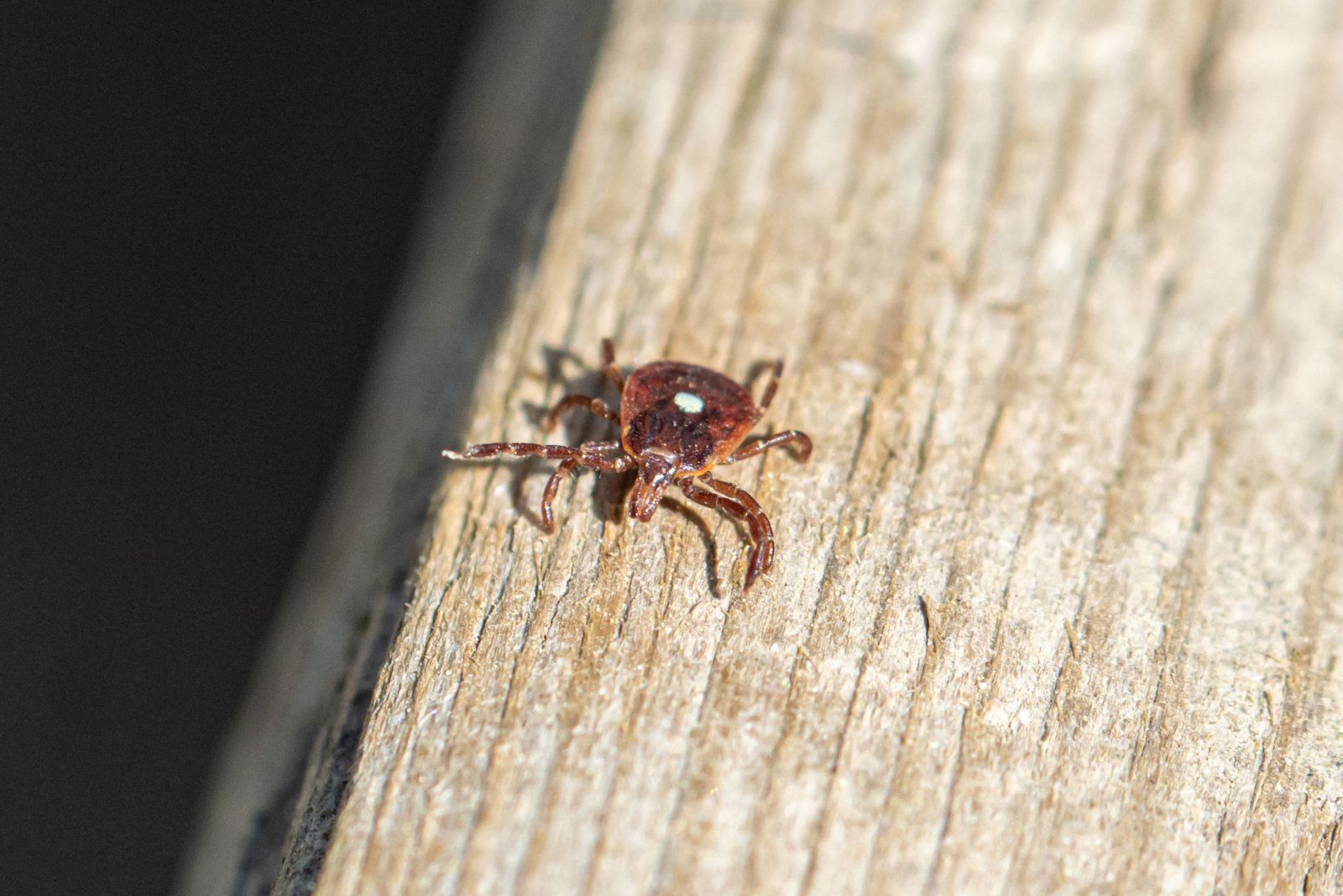
What if the most dangerous wildlife encounter you could have in Texas isn’t with a rattlesnake at all? Rattlesnakes get all the attention.
They’re visible, dramatic, and at least give you a warning. But there’s a creature sharing Texas landscapes that quietly transmits more disease per encounter than a rattlesnake ever could, and most people barely give it a second thought.
It’s a tick. And not just any tick. This particular Texas tick species is one of the most medically significant in the entire country. The diseases it can transmit in a single bite are serious, and in some cases, life altering.
Yet because it’s small and makes no noise, it moves through yards, trails, and gardens with almost no attention from the people most at risk of encountering it. Awareness alone can make a real difference here.
Knowing what this tick looks like, where it hides, and how to protect yourself is genuinely important information for anyone spending time outdoors in Texas.
Lone Star Tick Carries More Risk Than Many Gardeners Realize
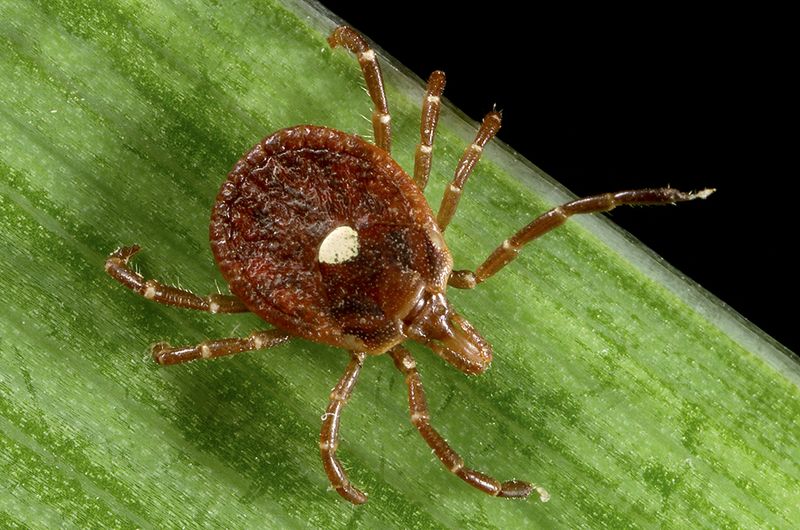
Somewhere between pulling weeds and pruning shrubs, most Texas gardeners never think twice about ticks. Yet the lone star tick is one of the most active and widespread tick species across the entire state, and it deserves far more attention than it typically gets.
Rattlesnakes are easy to spot and easy to fear. They rattle, they coil, and they look dangerous.
A tick, on the other hand, is barely the size of a sesame seed. It crawls quietly onto your skin, bites without pain, and can go completely unnoticed for hours or even days.
That invisibility is exactly what makes the lone star tick such a serious concern for anyone spending time outdoors in Texas. These ticks are not just a nuisance.
They can carry multiple diseases that affect humans and pets alike. They are found in backyards, garden edges, hiking trails, and anywhere that deer, dogs, or birds pass through regularly.
Unlike mosquitoes that buzz or fire ants that sting right away, a tick gives no warning at all. Many people only discover one after a shower or when they notice itching hours later. By then, the tick may have already been feeding for quite some time.
Texas gardeners spend hours in exactly the kind of environments where lone star ticks thrive.
Knowing this tick exists, understanding its behavior, and taking simple prevention steps can make a real difference in keeping your outdoor time safe and enjoyable all season long.
How To Recognize A Lone Star Tick
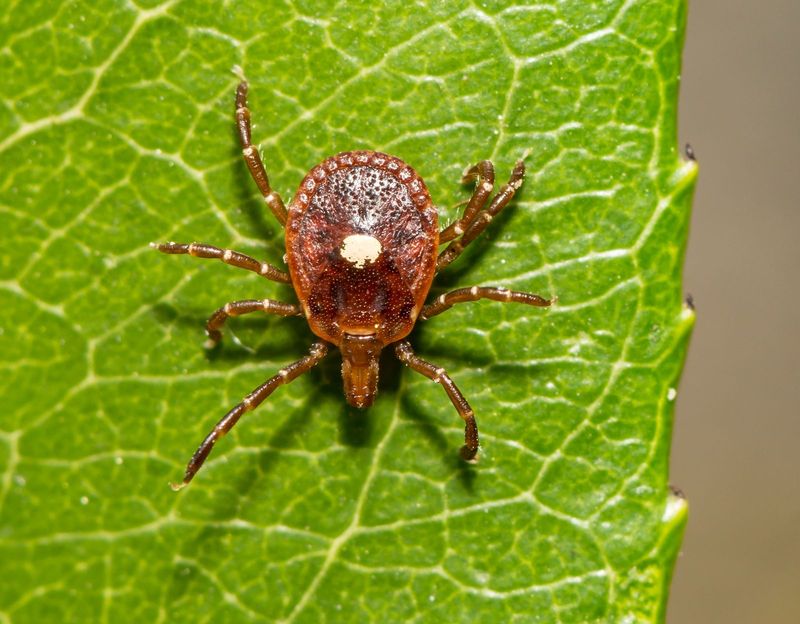
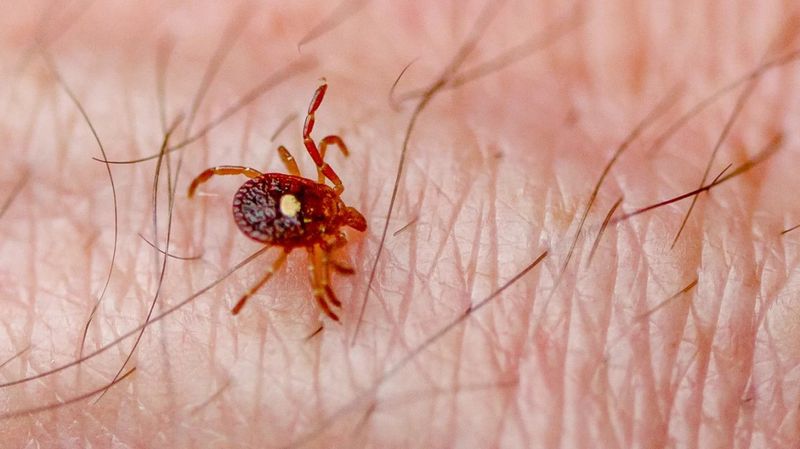
Spotting a lone star tick is easier when you know exactly what to look for. The adult female is the most recognizable of the group.
She has a reddish-brown, oval-shaped body with one clear, pale white or silvery dot right in the center of her back. That single dot is what gives this tick its name, and it really does look like a tiny lone star.
Males are a bit trickier to identify. They are smaller than females and do not have that single obvious spot.
Your Texas Garden Changes Every Week. Your Plan Should Too.
Gardening in Texas changes quickly throughout the season. Every Friday you’ll receive a simple weekly plan showing exactly what to plant, prune, fertilize, harvest, and protect so you never miss the right timing.
Instead, they may show faint streaks or lighter markings along the edges of their bodies. Relying only on the star marking to identify this tick can lead to missed identifications, especially with males or younger ticks.
Immature lone star ticks, called nymphs and larvae, are even harder to see. Nymphs are about the size of a poppy seed, and larvae are nearly invisible to the naked eye. Both can still bite and potentially carry pathogens, so size alone does not signal safety.
All stages of the lone star tick have eight legs, which separates ticks from insects that have only six. Their bodies are flat when unfed but swell noticeably after feeding, sometimes growing several times their original size.
A fully fed female tick can look almost like a small gray or greenish grape. Knowing these physical details helps gardeners and outdoor enthusiasts recognize a tick quickly, even without the signature white dot.
When in doubt, any small crawling creature found on skin after being outdoors should be treated as a potential tick and removed carefully right away.
Where Lone Star Ticks Hide Around Texas Yards
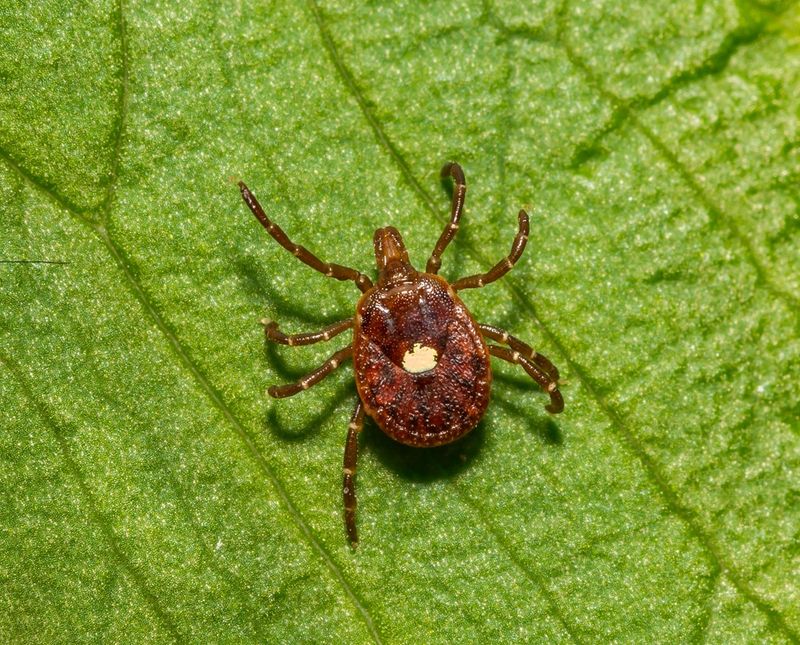
Lone star ticks are not random wanderers. They have favorite hangout spots, and many of those spots are found right in or around a typical Texas yard.
Knowing where they tend to gather makes it much easier to protect yourself before you even step outside.
Brushy, shaded, and humid areas are their preferred zones. Tall grass along fence lines, piles of fallen leaves, stacked firewood, and dense shrubs all create the kind of moist, sheltered environment where ticks feel right at home.
If your yard borders a wooded area or open field, the edge between those two zones is especially active tick territory.
Wildlife plays a big role in spreading lone star ticks around neighborhoods. Deer, raccoons, foxes, and even birds carry ticks from wild areas into suburban yards without anyone noticing.
Once ticks drop off those animals, they wait on low vegetation for their next host, which could be your dog, your child, or you. Lone star ticks do not jump or fly. Instead, they use a behavior called questing.
They climb up onto grass blades or low branches and hold out their front legs, waiting to grab onto anything warm that brushes past. Walking through unmowed grass or pushing through shrubs puts you right in their path.
Garden beds with thick mulch, compost piles, and areas where pets rest outdoors are also common tick spots. Even a short walk along a shaded garden path can result in picking up a tick.
Staying aware of these hidden zones is the first step toward reducing your exposure every time you head outside.
Why One Bite Can Be A Bigger Problem Than You Think
Not every tick bite leads to illness, and that fact is worth keeping in mind. But the lone star tick has a longer list of potential health concerns connected to it than most people realize, and that list includes some conditions that are genuinely surprising.
Ehrlichiosis is one of the most common illnesses linked to lone star tick bites in Texas. Symptoms can include fever, headache, muscle aches, and fatigue, and they usually appear within one to two weeks of a bite.
Catching it early and getting medical treatment makes a significant difference in recovery. Tularemia is another concern. It is a bacterial infection that can cause skin sores, swollen lymph nodes, and flu-like symptoms.
Though less common than ehrlichiosis, it is serious enough to warrant prompt medical attention if symptoms appear after a tick bite or contact with wildlife.
STARI, which stands for Southern Tick-Associated Rash Illness, can cause a rash that looks similar to the rash seen with Lyme disease.
Researchers are still studying what exactly causes STARI, but lone star ticks are the primary suspect in transmitting whatever triggers it.
Perhaps the most unexpected condition linked to lone star ticks is alpha-gal syndrome. A bite from this tick can trigger an allergic reaction to red meat in some people.
Yes, that means a tick bite could make someone allergic to beef, pork, or lamb. The reaction can range from mild hives to a severe allergic response.
Checking for and removing attached ticks quickly reduces the chance of illness significantly. The longer a tick feeds, the greater the potential risk of transmission.
What Texas Gardeners Should Do After Working Outside
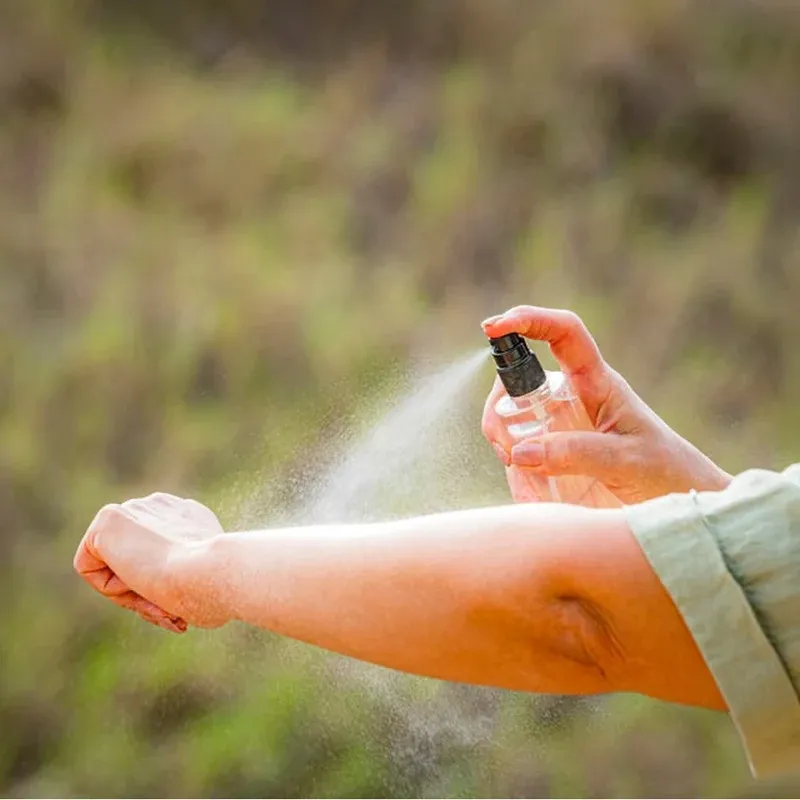
Getting outside in a Texas garden is one of life’s simple pleasures, but a few smart habits before and after your time outdoors can go a long way toward keeping ticks off your skin. Prevention does not have to be complicated or time-consuming.
Before heading out, wear long pants and tuck them into your socks when working near tall grass, brush, or wooded edges. Light-colored clothing makes it easier to spot any ticks crawling on you before they reach your skin.
Apply an EPA-registered tick repellent to exposed skin and clothing, following label directions carefully.
After gardening or any outdoor activity, do a full-body tick check as soon as possible. Ticks are sneaky about where they attach.
They favor warm, hidden spots like behind the knees, along the waistband, in the armpits, around the hairline, behind the ears, and even between the toes. Check children and pets thoroughly too.
Showering within two hours of coming indoors has been shown to reduce the risk of tick-borne illness. The warm water helps wash off any unattached ticks, and the process of showering encourages a closer look at your own skin.
Toss your gardening clothes into the dryer on high heat for at least ten minutes. Ticks can survive a washing machine cycle, but they cannot survive the heat of a dryer.
That simple step can eliminate any ticks hiding in the fabric of your clothes before they ever get a chance to find your skin again.
Staying consistent with these habits throughout tick season, which in Texas can stretch from early spring through late fall, makes outdoor time much safer for everyone in the household.
How To Make Your Garden Less Tick-Friendly

Your garden does not have to be a tick paradise. A few regular yard-management habits can make your outdoor space noticeably less welcoming to lone star ticks without requiring a lot of effort or expense.
Start with the basics. Keep your lawn mowed short and trim any overgrown shrubs or weeds, especially along fence lines and garden borders.
Ticks thrive in tall, shaded vegetation, so removing that cover reduces the places they can hide and wait for a passing host.
Rake and remove leaf litter regularly. Piles of fallen leaves are prime tick habitat because they hold moisture and warmth.
Clearing them away from garden beds, walkways, and the edges of your yard eliminates one of their favorite resting spots.
Creating a barrier between your lawn and any wooded or brushy areas nearby is one of the most effective yard-management strategies around.
A three-foot-wide strip of wood chips or gravel between the grass and the treeline makes it harder for ticks to migrate from wild areas into your maintained yard.
Wildlife management also matters. Deer, raccoons, and other animals that wander through yards bring ticks with them.
Discouraging wildlife from bedding or feeding near your home by securing trash, removing bird feeders during peak tick season, and using fencing where practical can reduce tick introduction significantly.
Check your pets every time they come indoors. Dogs and cats are excellent tick transporters and can bring lone star ticks right into your living space. Talk to your vet about tick prevention products designed specifically for pets.
Quick removal and steady prevention beat panic every single time. Small, consistent actions add up to a much safer garden season.