A Common July Watering Mistake Hurting Missouri Flower Beds
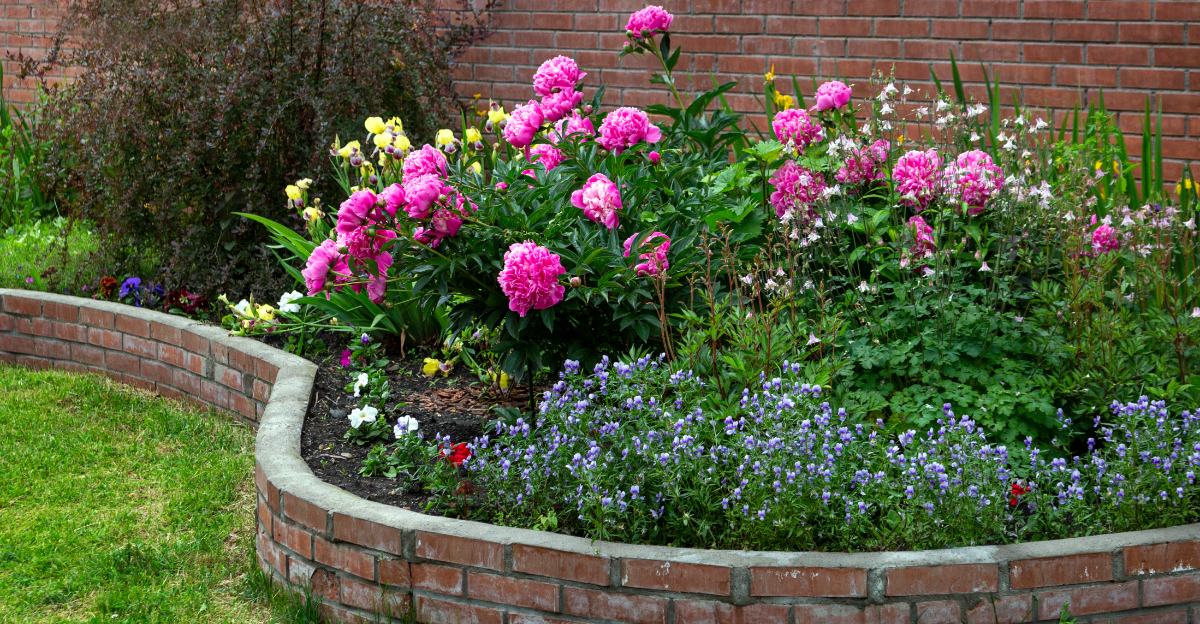
Missouri summers do not ease into the heat, they slam into it. One week your flower beds look lush, and the next, the soil cracks and leaves droop by noon. Panic sets in, and the instinct is to grab the hose more often.
That instinct is exactly what turns healthy blooms into stressed, struggling plants. Frequent light watering trains roots to stay near the surface, where they bake in the first real heat wave.
The result is a flower bed that looks thirsty no matter how much water goes down. If your garden thrived through spring and now seems to be fighting for its life, the watering schedule is likely the culprit.
Missouri’s clay-heavy soil and unpredictable July storms only make the problem worse. The fix is not complicated, but it does mean rethinking everything you learned about watering in spring.
There’s A Watering Habit Quietly Weakening Your Flower Beds
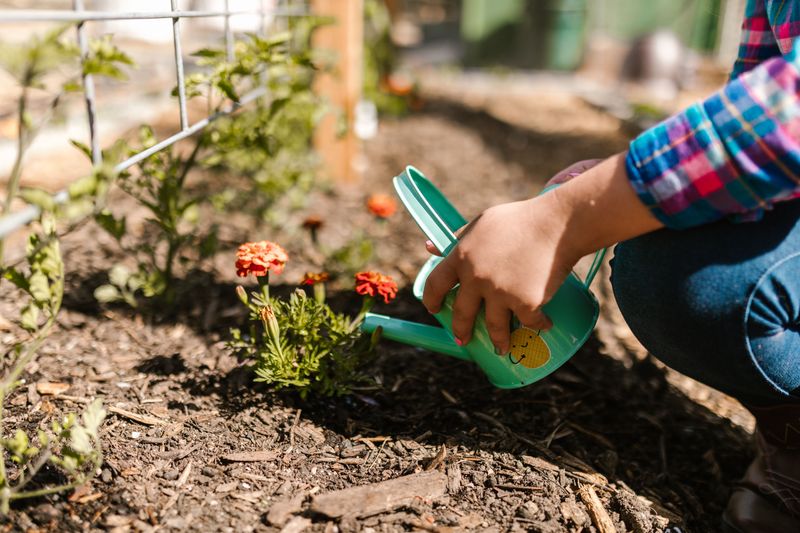
Your flowers are thirsty, but not for more water. The real problem is how the water is being delivered to the soil.
Shallow watering means moisture only soaks an inch or two into the ground. Roots follow water, so they stay near the top layer of soil instead of growing deep.
When roots live close to the surface, they are exposed to intense summer heat. Soil near the top dries out in hours during a July afternoon in the Midwest.
That common July watering mistake causes plants to look wilted even right after watering. Gardeners see drooping leaves and immediately reach for the hose again, making the cycle worse.
Frequent shallow watering also encourages fungal growth on leaves and crowns. Wet foliage combined with humid July nights creates the perfect environment for disease to spread fast.
Roots that stay shallow cannot access the cooler, moisture-rich soil that sits several inches below the surface. Those deeper layers hold water much longer than the top crust ever could.
Experienced gardeners know that strong flower beds start underground. A healthy root system anchors the plant and feeds it through the toughest weeks of Missouri summer heat.
The fix does not require new tools or expensive products. It only requires changing when and how long you water each session.
Small shifts in your watering schedule can transform struggling flower beds into thriving ones. Your blooms deserve a root system built for the long haul.
Shallow Watering Habits Leave Roots Weak And Exposed
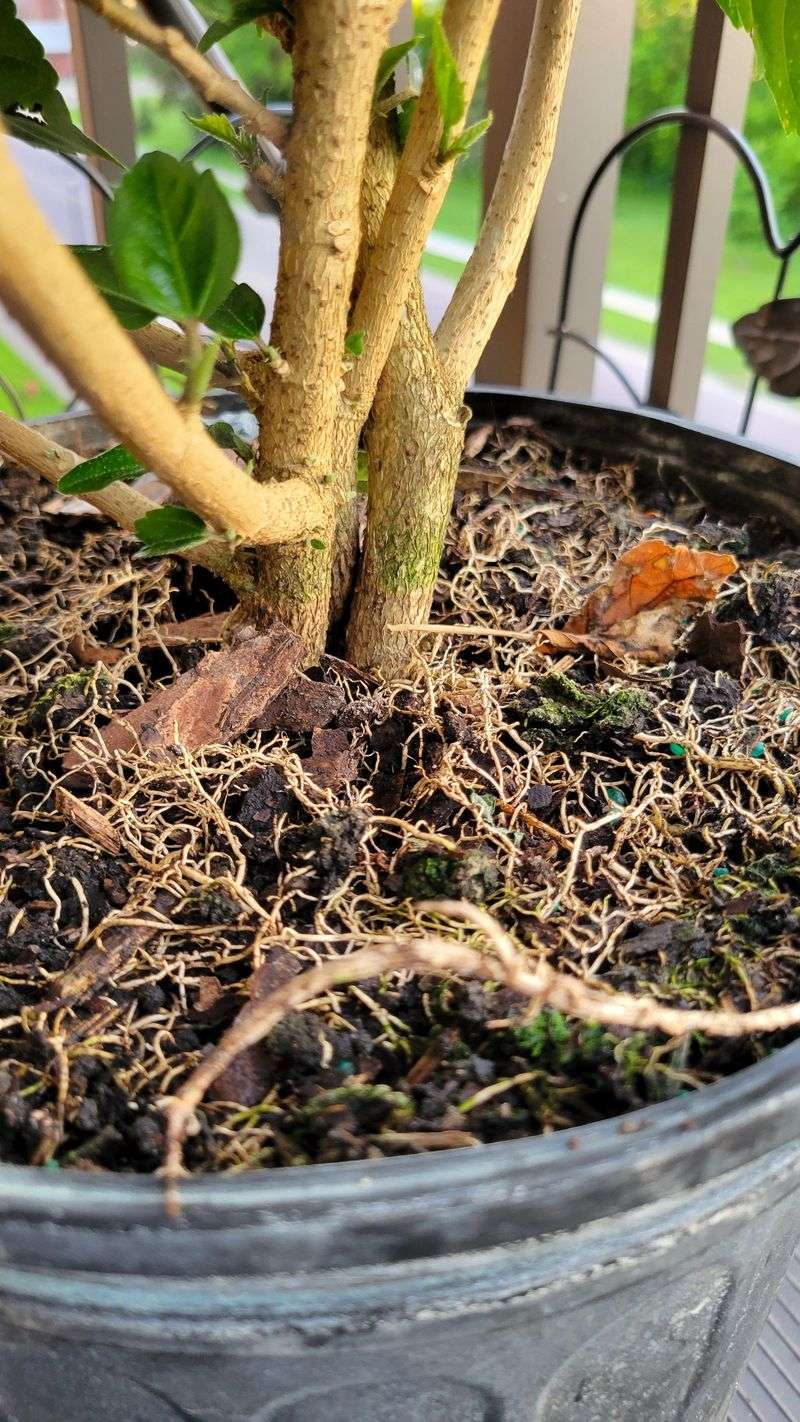
Roots are smarter than most people think. They grow toward water, and if water never goes deep, neither do the roots.
When you water lightly every single day, roots cluster right below the surface. That top inch of soil heats up quickly in July and dries out within hours of watering.
Shallow roots cannot stabilize a plant during dry spells. They also struggle to pull nutrients that tend to concentrate deeper in the soil profile over time.
Think of roots like muscles. Muscles that never get challenged stay weak, and roots that never need to reach downward stay short and fragile.
Your Missouri Garden Changes Every Week. Your Plan Should Too.
Gardening in Missouri changes quickly throughout the season. Every Friday you’ll receive a simple weekly plan showing exactly what to plant, prune, fertilize, harvest, and protect so you never miss the right timing.
Deep roots, on the other hand, tap into cooler and more consistently moist zones. Those zones buffer plants against temperature swings and short dry stretches between rain events.
Many university extension programs point to infrequent, deep watering as a way to encourage stronger root architecture than daily light watering. Plants with deep roots survive summer stress far better than those with shallow systems.
Annuals like zinnias, marigolds, and petunias are especially vulnerable to this problem. Their roots respond quickly to watering patterns, good or bad, within just a few weeks of planting.
Perennials suffer too, even if they seem tougher on the surface. Repeated shallow watering over several summers gradually trains their roots to stay near the top.
Breaking that cycle now sets your flower beds up for stronger growth. Deep roots are the foundation every thriving Missouri summer garden quietly depends on.
Watering Too Often Weakens Flower Beds Against July’s Worst Heat
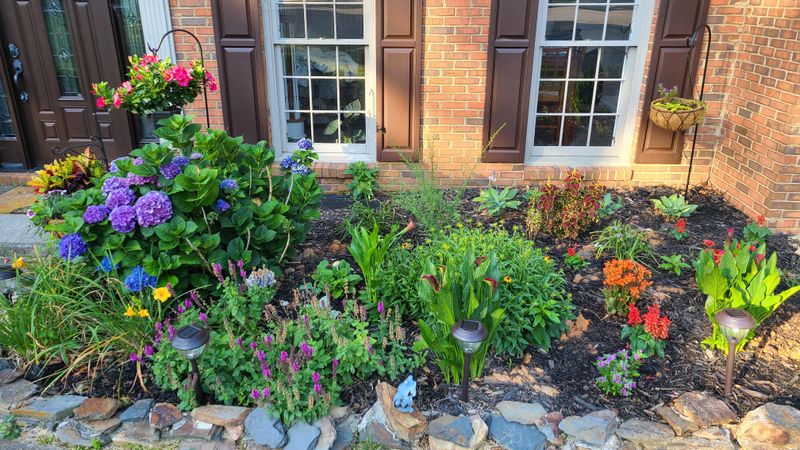
July heat in the Midwest hits differently than spring warmth. Soil temperatures near the surface can exceed 100 degrees Fahrenheit on a clear afternoon.
When roots only live in that top layer, they are essentially baking. Plants pull water faster than shallow roots can supply it, leading to visible stress within hours.
Moisture evaporates from the top inch of soil incredibly fast during peak summer. A light morning watering can disappear before noon on a hot, breezy July day.
Flower beds with deep roots stay cooler because they tap into insulated soil layers. Deeper soil holds moisture longer and stays several degrees cooler than the surface.
Heat stress shows up as brown leaf edges, drooping stems, and faded blooms. Gardeners often mistake these signs for a lack of water when the real issue is root depth.
Watering more frequently in response to heat stress only reinforces the shallow root pattern. Each light watering pulls roots upward instead of encouraging them to grow down.
That common July watering mistake turns a manageable heat wave into a plant emergency. Flower beds that could have handled the heat with deep roots start struggling badly.
Mulching helps slow moisture loss from the soil surface. But mulch alone cannot compensate for a root system that never learned to go deep.
Addressing root depth before the hottest weeks arrive gives plants a fighting chance. A little preparation now prevents a lot of heartbreak when temperatures peak.
The Weekly Watering Amount Missouri Flower Beds Actually Need
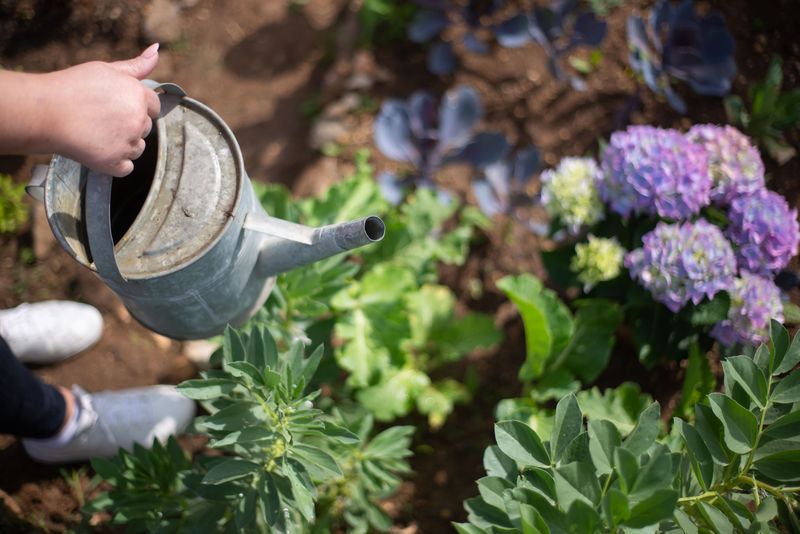
Most flower beds need about one inch of water per week during Missouri summer. That amount can come from rain, irrigation, or a combination of both.
One inch of water sounds simple, but delivery method matters just as much as volume. Spreading that inch across seven daily sessions is far less effective than giving it in one or two deep soakings.
A deep soak means water penetrates six to eight inches into the soil. At that depth, roots can access moisture for two to three days even during intense heat.
To check how deep water is reaching, push a wooden dowel or long screwdriver into the soil after watering. It should slide easily through moist soil and stop when it hits dry ground.
If that tool stops at two inches, the watering session was too short. Extend the next session and test again until the moisture consistently reaches six inches down.
Watering early in the morning gives moisture time to soak in before heat peaks. Evening watering leaves foliage wet overnight, which invites fungal problems in humid July conditions.
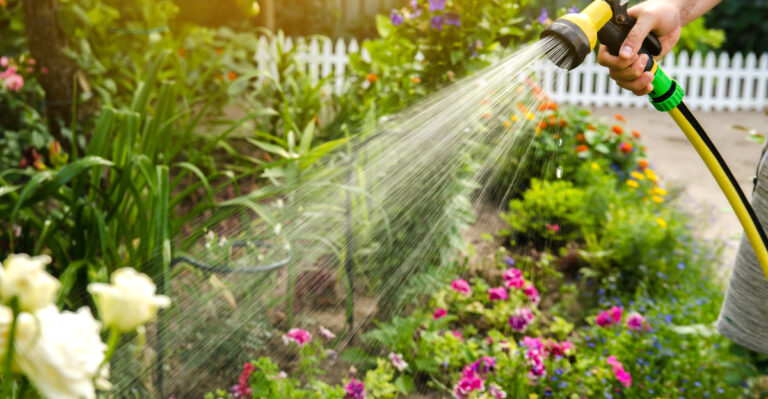
Drip irrigation and soaker hoses deliver water directly to the root zone. These tools reduce evaporation and target moisture where plants actually need it most.
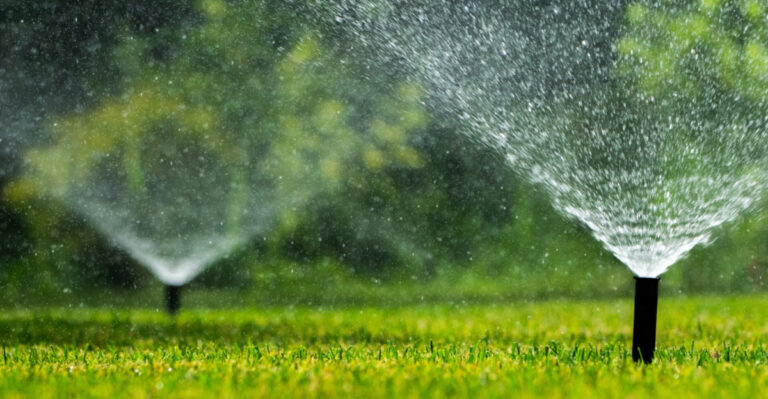
Overhead sprinklers lose a significant amount of water to evaporation before it even hits the ground. Switching to ground-level watering tools can dramatically improve efficiency and root health.
Knowing exactly what your flower beds need removes the guesswork. Precision beats frequency every single time.
Signs Your Flower Bed Has Been Watered Too Shallowly
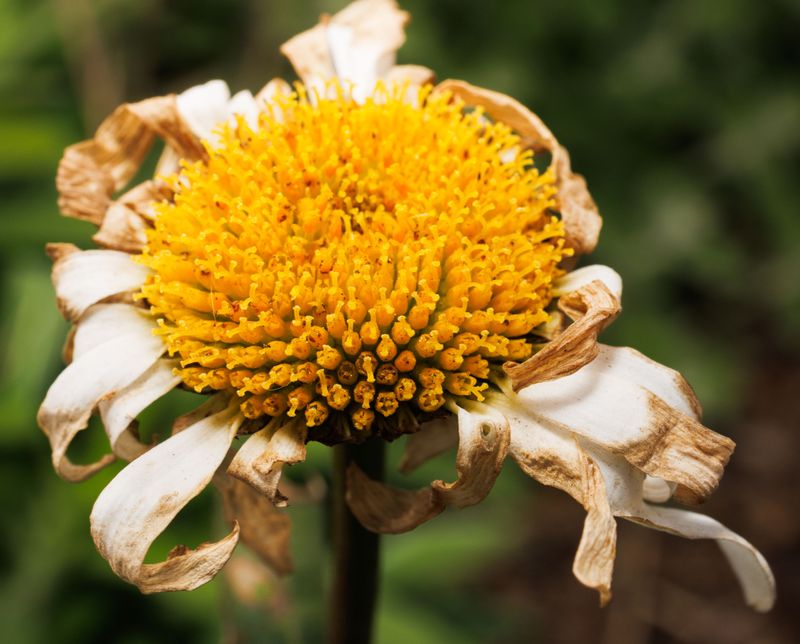
Sometimes the garden tells you exactly what is wrong. You just have to know how to read the signals it is sending.
Wilting in the afternoon is one of the clearest signs of shallow root stress. Plants with deep roots can handle afternoon heat far better than those anchored near the surface.
If flowers perk back up in the evening after temperatures drop, that is a clue. It means the plant is surviving but not thriving, relying on cooler air rather than a strong root system.
Yellowing leaves that are not caused by disease or pests often point to moisture stress. Shallow roots struggle to pull consistent nutrition from soil that dries and rewets unevenly.
Another warning sign is soil that looks dry just a day after watering. That rapid drying tells you moisture is staying near the surface and evaporating quickly rather than soaking in.
Crusty, compacted soil near the base of plants is a red flag too. Water is running off or evaporating before it can penetrate, which is a direct result of too-frequent light watering.
Stunted growth in mid-summer, even with regular watering, suggests roots are struggling. Plants need deep moisture access to push new growth during the hottest and most demanding weeks.
Checking soil moisture at six inches deep takes about thirty seconds. That quick test reveals far more than the surface appearance ever could.
Catching these signs early gives you time to correct course. Your flower bed is trying to communicate, and it pays to listen closely.
Switching To Deep, Infrequent Watering Made Simple
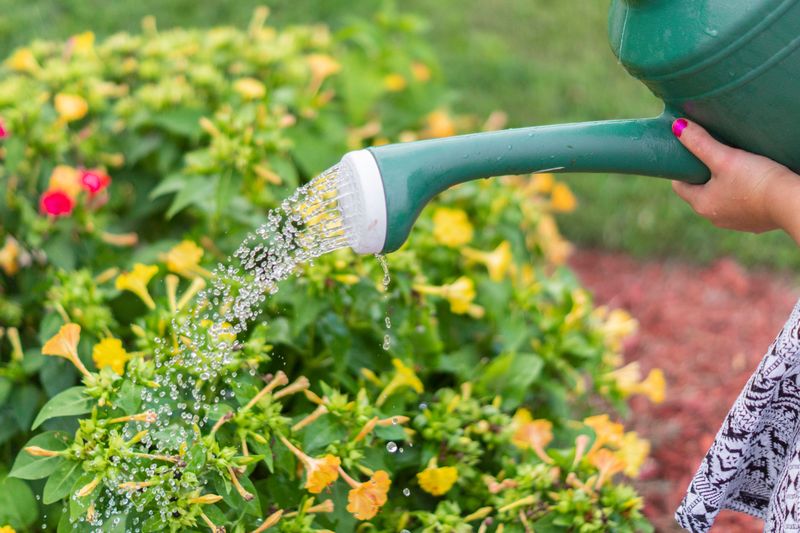
Switching your watering routine does not have to feel overwhelming. A few deliberate changes make a big difference within just one or two weeks.
Start by watering deeply two or three times per week instead of lightly every day. Each session should run long enough to push moisture six to eight inches into the soil.
Use a timer to keep sessions consistent. Most flower beds need about 30 to 45 minutes of steady watering from a soaker hose to reach the right depth.
Add two to three inches of mulch over the soil surface after a deep watering session. Mulch slows evaporation dramatically and keeps that deep moisture locked in between sessions.
During the first week of switching, your plants may look slightly stressed as roots begin adjusting. That is normal, and it passes quickly as roots start following moisture downward.
Avoid the urge to revert to daily watering if plants look droopy on a hot afternoon. Check soil moisture at depth first before adding more water to the bed.
Falling back into that habit is easy when plants look stressed on a hot afternoon. Staying consistent with deep watering builds the root strength that prevents stress in the first place.
Group plants with similar water needs together when replanting or redesigning beds. That simple step makes deep watering sessions more efficient and easier to manage long term.
Deep, infrequent watering is one of the best gifts you can give your garden. Strong roots mean strong flowers, and strong flowers make July worth every bit of effort.