Do These 9 Things To Save Your Missouri Tomatoes From Leaf Curl
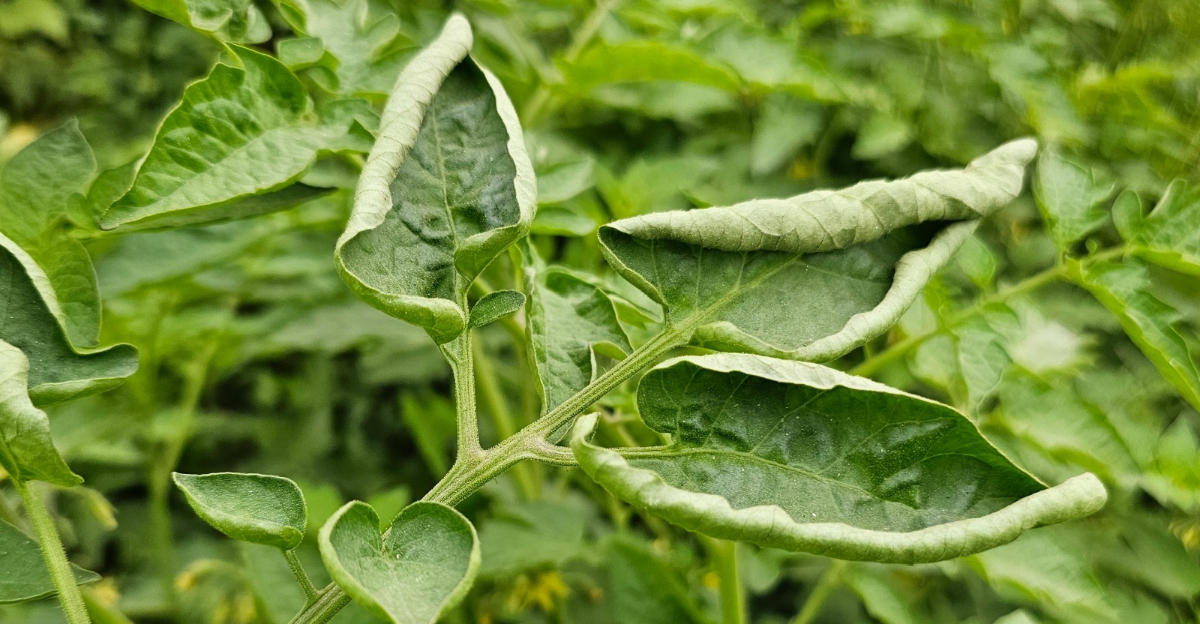
Tomato leaves curl overnight, without warning, and suddenly your healthiest plant looks like it is bracing for a fight.
Missouri heat does not ease into the season, it arrives like a freight train in June and does not let up.
I watched my entire back row of Better Boys go from thriving to twisted in less than 48 hours. No disease. No pests. Just pure heat stress doing its silent damage.
What actually separates a plant that bounces back from one that collapses under pressure? The answer lives in details most gardeners rush past.
Curling leaves are a signal, not a sentence. Pests hide under leaves in plain sight. Watering habits that worked in spring quietly become the enemy by July.
Missouri summers do not give struggling plants much room to recover, and every day without a fix is a day the season slips further away.
Each cause has a pressure point, and once you find it, the plant tells you exactly what it needs. Know the cause, and the fix becomes obvious.
1. Water Early In The Morning
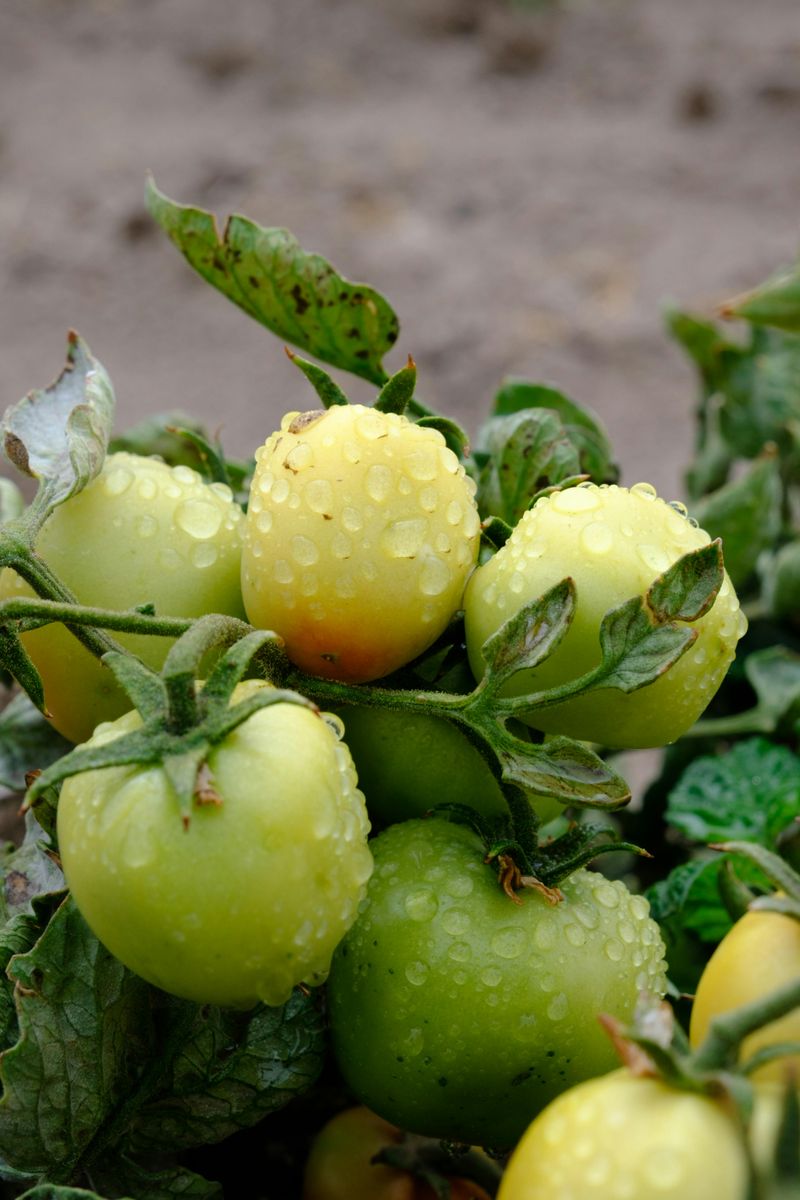
Timing your water matters more than most Missouri gardeners realize. Morning watering is one of the simplest habits that separates thriving tomato plants from struggling ones.
When you water in the early hours, the soil soaks it up before the afternoon heat has a chance to evaporate it all. Tomato leaf curl often signals that roots are not getting steady moisture throughout the day.
Watering in the morning gives roots a full tank to draw from during the hottest stretch of the afternoon. If you water in the evening instead, moisture lingers on leaves overnight.
That lingering moisture can invite fungal problems that make leaf curl even worse. Consistency is the real secret here.
Tomatoes need about one to two inches of water per week. They do best when that water comes in deep, steady sessions rather than quick daily sprinkles.
Missouri summers drain soil moisture fast, and shallow watering leaves roots near the surface where heat stress hits hardest.
A simple drip hose or soaker hose set on a timer can make morning watering almost automatic.
These tools deliver water directly to the base of the plant, keeping foliage dry and roots happy at the same time.
In a Missouri garden, you do not need fancy equipment to get this right, just a reliable routine that your plants can count on every single day.
2. Cut Back Watering If Leaves Curl Downward
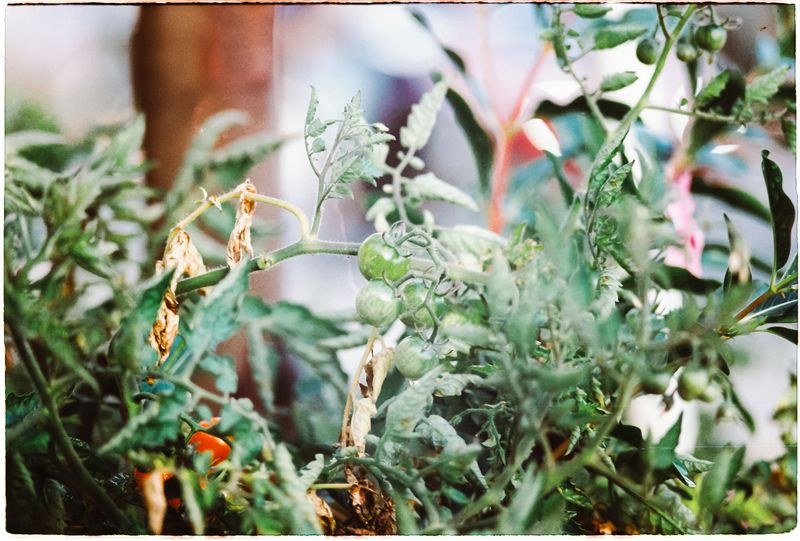
Downward curling leaves are your tomato plant waving a white flag. Most gardeners panic and reach for the hose, but more water is often the last thing an overwatered plant needs.
When roots sit in soggy soil for too long, they struggle to absorb oxygen. The plant responds by curling its leaves inward as a stress signal.
Push your finger about two inches into the soil near the base of the plant. If it feels wet or even just cool and damp, hold off on watering for a day or two.
Your Missouri Garden Changes Every Week. Your Plan Should Too.
Gardening in Missouri changes quickly throughout the season. Every Friday you’ll receive a simple weekly plan showing exactly what to plant, prune, fertilize, harvest, and protect so you never miss the right timing.
The goal is soil that feels moist like a wrung-out sponge, not muddy or soaking wet. Missouri summers can throw off your watering schedule in a hurry.
A few days of heavy rain followed by blazing heat can confuse even experienced gardeners about how much moisture is actually in the ground.
A cheap soil moisture meter from any garden center takes the guesswork out of the equation completely. Cutting back on water when leaves curl downward can feel counterintuitive, but it works.
Give the soil a chance to dry out slightly between sessions and watch how the plant responds.
New growth typically responds within several days to a week once roots can breathe again. That steady improvement is a clear sign you are on the right track.
3. Mulch Around Plants
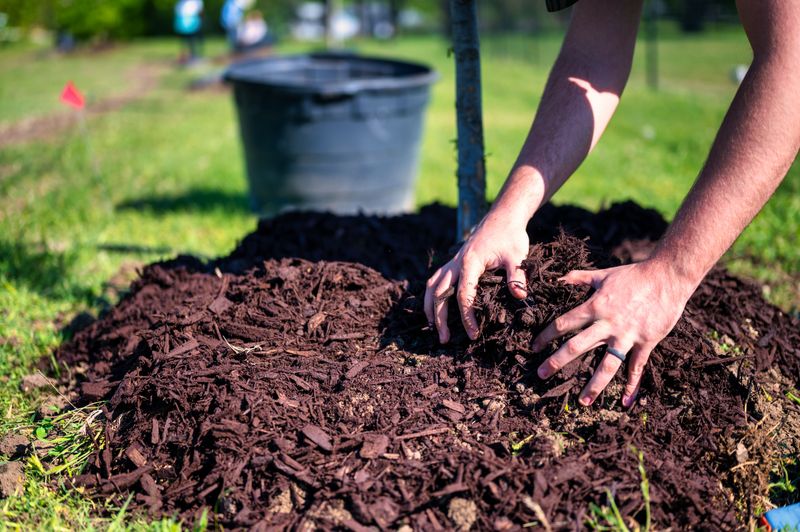
Bare soil is a slow trap for tomato roots. Without mulch, the ground heats fast, moisture vanishes, and roots hit stress before the afternoon even peaks.
A good layer of mulch acts like a buffer between your plants and everything the Missouri summer throws at them. Straw, shredded leaves, and wood chips all work well as mulch materials.
Spread a two to three inch layer around the base of each plant. Keep it a couple of inches away from the stem to prevent rot.
This simple step can significantly reduce soil moisture loss, which makes a real difference on a hot July afternoon.
Mulch also helps regulate soil temperature, keeping roots cooler during heat waves. Cooler, steadier soil means more consistent water and nutrient uptake.
That directly reduces the kind of stress that causes leaf curl. It is one of those garden habits that pays off in multiple ways at once.
Another bonus is that mulch suppresses weeds that compete with your tomatoes for water and nutrients. Fewer weeds mean less competition, and less competition means healthier, more resilient plants overall.
A single afternoon of spreading mulch around your garden could protect your entire tomato crop from a season of stress-related problems.
4. Provide Afternoon Shade In Hot Weather
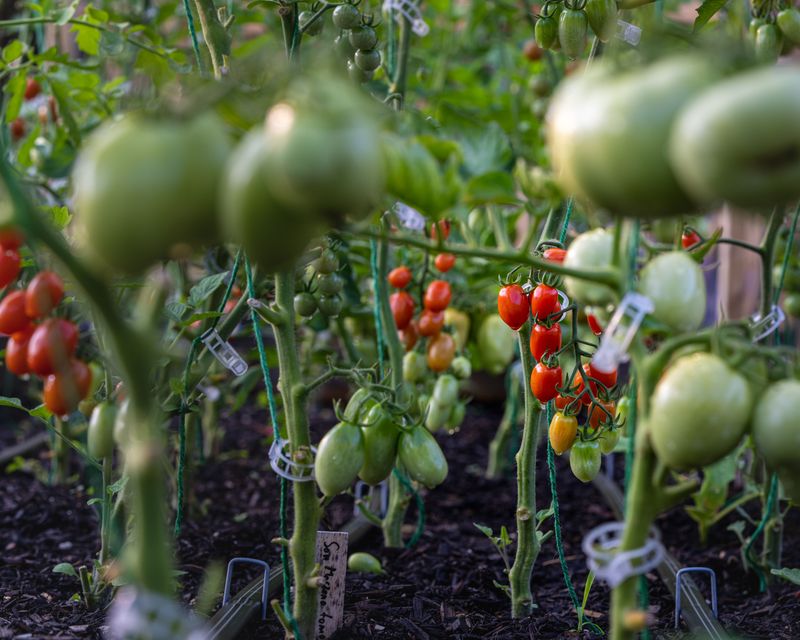
Afternoon sun in Missouri can hit like a furnace door swinging open. Temperatures regularly climb past 90 degrees Fahrenheit in July and August.
Leaf surface temperatures can climb even higher than the air around them. At that intensity, plants curl inward to reduce the surface area exposed to sunlight.
That is a survival reflex, and it signals serious stress. Shade cloth is one of the most underrated tools in the summer garden.
A 30 to 40 percent shade cloth stretched over your tomato rows during peak afternoon hours can drop leaf temperature without cutting off the light plants need for photosynthesis.
You can find it at most garden centers or online, and it is reusable season after season. If shade cloth feels like too much of a project, a simpler option is to plant taller crops nearby.
Sunflowers, corn, or a row of pole beans on a trellis can cast enough afternoon shadow to take the edge off for your tomatoes.
Nature-based solutions like this have been used by gardeners for generations, and they still work beautifully. The most intense solar radiation typically hits between noon and four in the afternoon.
That is the window you want to focus on. Protecting your plants during just those few hours can stop heat-driven leaf curl and keep your tomatoes producing strong through the rest of the season.
5. Avoid Excessive Nitrogen
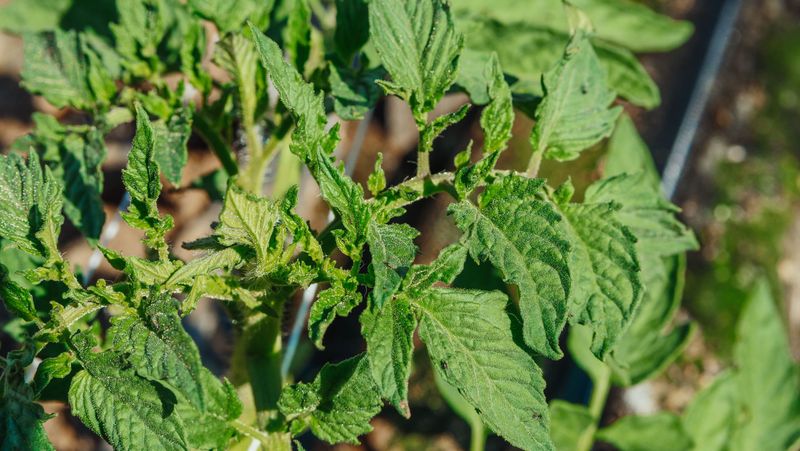
More fertilizer does not always mean more tomatoes. Nitrogen is the nutrient most responsible for lush, leafy green growth, but too much of it sends plants into overdrive in all the wrong ways.
When tomatoes get a nitrogen overload, the leaves often curl tightly and turn an unusually dark shade of green. It looks healthy at first glance but signals a real imbalance beneath the surface.
Many gardeners fertilize heavily early in the season and then wonder why their plants look stressed and curled by midsummer.
High nitrogen pushes rapid vegetative growth, which means the plant pumps energy into leaves and stems rather than flowers and fruit.
The result is a big, bushy plant that produces far fewer tomatoes than expected. Check your fertilizer label before you apply anything.
A product heavy in nitrogen, like a lawn fertilizer, is not designed for fruiting plants and can throw off the entire nutrient balance in your soil.
Tomatoes do best with a balanced or slightly phosphorus-forward formula, especially once they start setting flowers. If you have already applied too much nitrogen, do not panic.
Deep watering helps flush excess nitrogen from the root zone over time. Compost introduced to the soil brings beneficial microbes that naturally restore nutrient balance.
Adjusted habits going forward will give your plants a real chance to recover and bounce back stronger.
Herbicide drift and contaminated amendments are another cause of leaf curl and distortion. Tomatoes are extremely sensitive to common lawn, pasture, and farm herbicides.
This is especially relevant in Missouri, where treated fields and lawns are common near home gardens.
Contaminated compost, hay, straw, or manure can carry herbicide residues directly into your soil. You may never have sprayed anything yourself, yet the damage still shows up.
Clemson Extension specifically lists herbicide damage as one of the major causes of tomato leaf rolling.
The distortion it causes is often mistaken for disease or a nutrient problem. If your leaves are curling and your fertilizer habits seem fine, look at what went into your soil last.
6. Use A Balanced Fertilizer
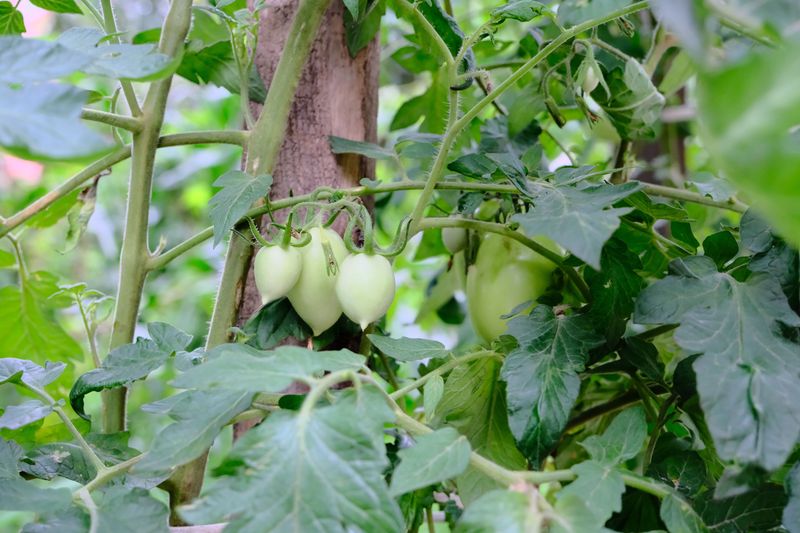
Tomatoes are not fussy feeders, but they do need the right balance. Equal parts nitrogen, phosphorus, and potassium give them steady, even nourishment without pushing any one process too hard.
It avoids pushing any one process too hard. Think of it like a well-rounded meal instead of loading up on just one food group.
Tomatoes are heavy feeders, meaning they pull a lot of nutrients from the soil throughout the growing season.
Starting with a balanced formula early in the season and then shifting to a lower-nitrogen option once flowering begins helps match the plant’s changing nutritional needs.
This shift encourages the plant to direct its energy toward fruit production rather than endless leaf growth. Organic options like fish emulsion, kelp meal, or compost tea deliver nutrients more slowly and gently than synthetic fertilizers.
Slow-release feeding reduces nutrient spikes that stress roots and trigger leaf curl, which matters most when summer heat is already pushing plants to their limit.
Always follow the application rate on the label. More is not always better with fertilizer, and over-application can cause as much damage as not feeding at all.
A steady, moderate feeding schedule keeps your tomato plants well-nourished and resilient throughout the season.
Plants that get consistent, balanced nutrition are far less likely to show the curling leaves that signal something has gone wrong underground.
7. Check Undersides Of Leaves For Pests
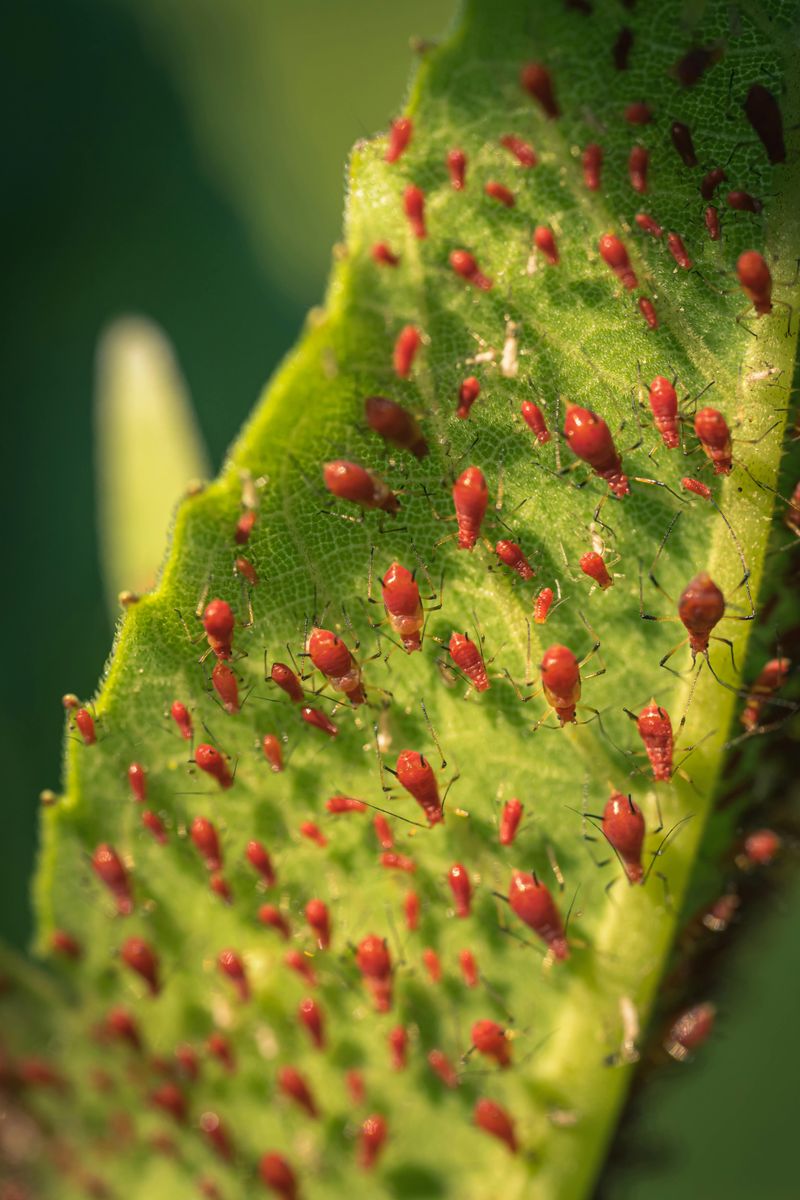
The insects damaging your tomato leaves are not hiding. They are right there on the undersides, completely out of plain sight.
You can walk past a heavily infested plant a dozen times and never notice a thing until the damage is already serious.
Aphids, spider mites, and whiteflies are the most common culprits in Missouri gardens. Aphids cluster in soft green colonies that blend in with the leaf tissue.
Spider mites leave tiny speckling marks and fine webbing that looks like dust if you are not looking closely. Whiteflies scatter in a cloud when you brush the plant, which is usually a dramatic giveaway.
Make it a habit to flip leaves over during your regular garden walks, at least twice a week during peak summer. Bring a small magnifying glass if tiny insects are hard to spot.
Early detection is everything with pest management. A small colony is easy to handle, while a large one can overwhelm a plant quickly.
Look at both the upper and lower surfaces of leaves on multiple parts of the plant, not just the newest growth at the top. Some pests prefer older, lower leaves while others target tender new shoots.
Knowing exactly what you are dealing with before you treat anything makes the entire process faster, cheaper, and far more effective.
8. Treat Pests With Insecticidal Soap Or Neem Oil
Once you find pests on your tomato plants, acting quickly makes a real difference. Insecticidal soap and neem oil are two of the safest, most effective tools available to home gardeners.
Both work without harsh chemicals that can harm beneficial insects like bees and ladybugs. They are also inexpensive, easy to find, and simple enough for anyone to apply correctly.
Insecticidal soap works by breaking down the outer coating of soft-bodied insects like aphids and spider mites, causing them to dehydrate.
Mix it according to the label directions and spray directly on the affected areas, making sure to coat the undersides of leaves thoroughly.
It only works on contact, so coverage is everything. A second application three to five days later helps catch any newly hatched insects.
Neem oil is a plant-based product pressed from the seeds of the neem tree. It disrupts the feeding and reproductive cycles of insects rather than attacking them directly.
Many gardeners prefer neem oil because it also has antifungal properties, making it a two-in-one solution for plants dealing with both pest pressure and early fungal issues. Spray either product in the early morning or late evening to avoid burning leaves.
Insecticidal soap should not be applied above 90 degrees Fahrenheit, and neem oil limits vary by formulation, so check your label before applying.
A steady two-week treatment cycle can help significantly reduce even a stubborn infestation and restore healthy, curl-free growth.
9. Remove And Dispose Of Virus-Infected Plants
Not every curling leaf traces back to water or pests. Tomato mosaic virus and cucumber mosaic virus go deeper, twisting leaves and mottling color in ways no routine care will fix.
Once a plant is infected with a virus, there is no treatment that will reverse the damage or stop the spread.
Virus-infected tomato plants can spread to neighboring plants through aphids, contaminated tools, or even your hands after touching an infected stem.
The longer an infected plant stays in the ground, the greater the risk of the virus jumping to your healthy plants nearby.
Removing it quickly is not an overreaction, it is the smartest move you can make for the rest of your garden. Pull the infected plant, bag it immediately, and put it in the trash, not the compost pile.
Composting infected material can allow the virus to survive and re-enter your garden through finished compost the following season.
Wash your hands and clean any tools you used before touching other plants in the garden. After removing the plant, consider planting a resistant variety in that spot next season.
Many modern tomato varieties are bred with built-in resistance to common viruses. Choosing one of these for your Missouri garden can save a lot of heartbreak down the road.
Protecting your healthy plants by acting decisively on the infected ones is one of the most empowering things you can do for your entire garden this season.