What Dry Weather Means For Japanese Beetles In Pennsylvania Gardens This July
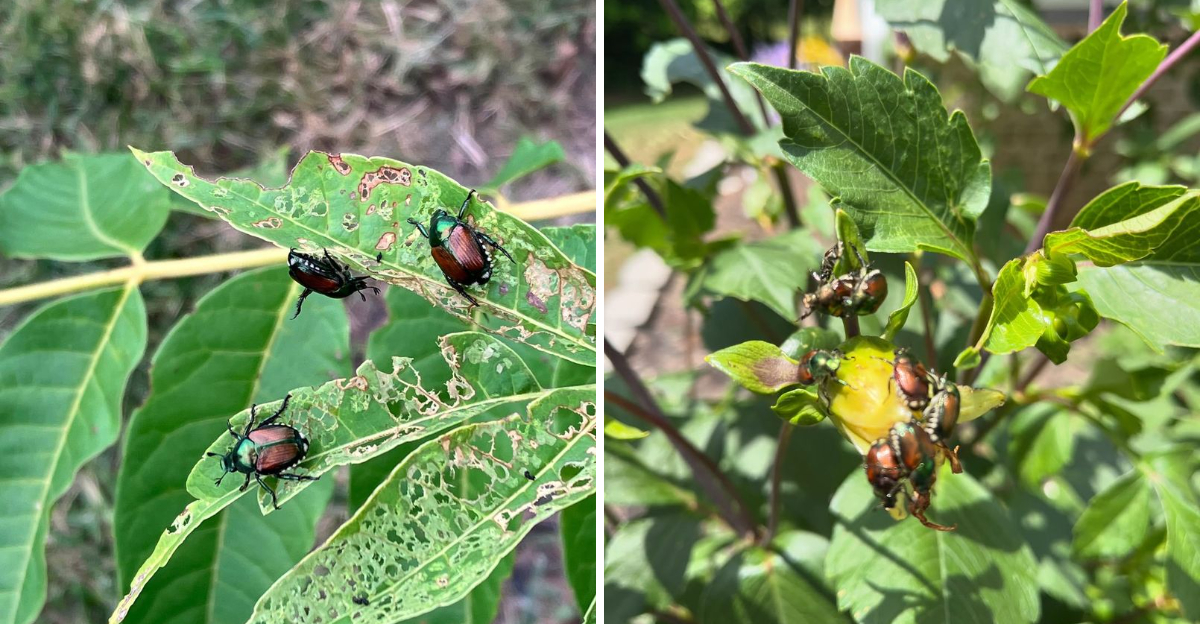
July in Pennsylvania means one thing for gardeners: Japanese beetles are here.
These shiny, copper-and-green insects show up every summer to chew through roses, grapes, linden trees, and plenty of other plants.
This year, dry weather has many gardeners wondering whether the heat and lack of rain will slow the beetles down.
The short answer is that adult beetles still show up even when lawns are parched. But dry conditions do change what happens underground, which matters a lot for what comes next.
The story playing out right now in your yard has two chapters: the adults feeding on your plants above ground, and the eggs being laid in your soil below it.
Understanding how drought affects both tells you something useful about how to respond right now and what to watch for in late summer when the real turf damage tends to appear.
From irrigated lawns to stressed flower beds, every part of your yard tells a different story when July turns dry in Pennsylvania.
Eight things worth understanding about Japanese beetles, dry weather, and your garden this month.
1. Adult Beetles Still Arrive In July
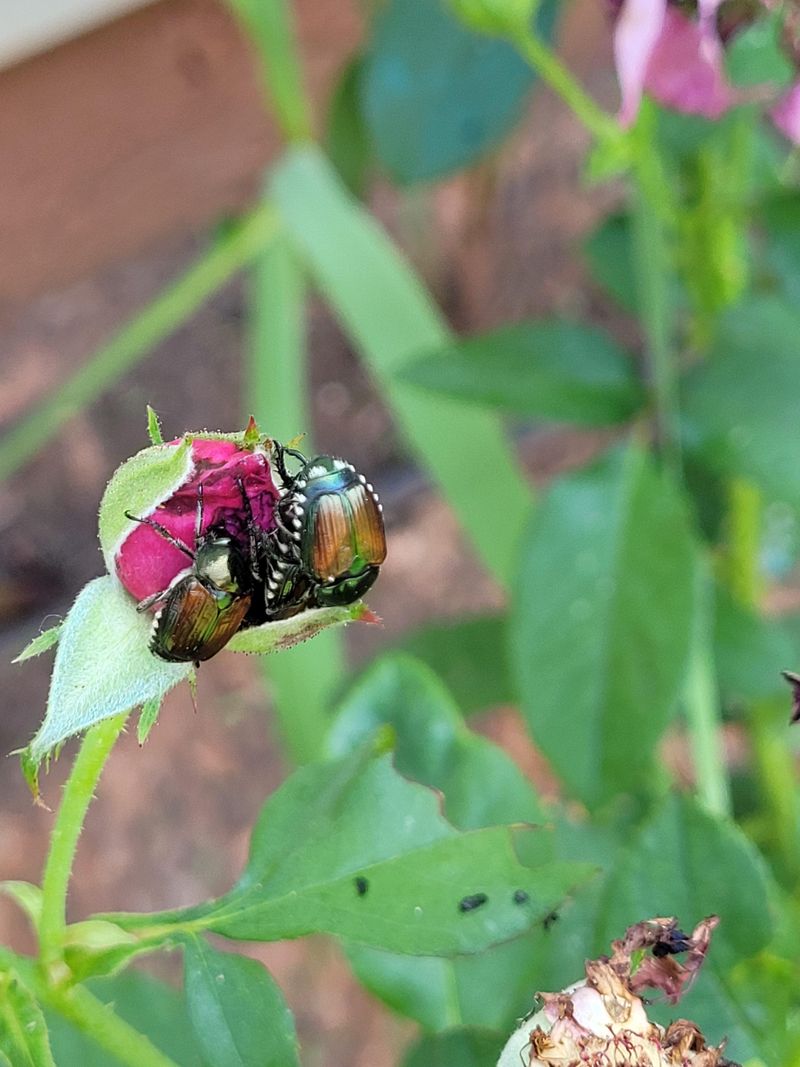
Every July, Pennsylvania gardeners brace themselves for that familiar wave of shiny, metallic beetles landing on their favorite plants.
Dry weather does not stop that wave from arriving. Adult Japanese beetles emerge from the soil based mostly on soil temperature and the time of year, not rainfall.
Once the ground warms enough in late June and early July, adults push up through the surface and start flying, regardless of whether the lawn looks brown or green.
Penn State Extension confirms that adult emergence typically peaks in Pennsylvania between late June and early August.
During a dry July, you may still see heavy feeding on roses, grapes, raspberries, and linden trees. The beetles are mobile, meaning they can fly from a dry yard to a neighbor’s irrigated garden with no trouble at all.
Dry conditions do not trap them underground or delay their season in any meaningful way.
Checking your most vulnerable plants every morning is the best habit to build right now. Roses with open blooms, grape leaves, and fruit tree foliage are prime targets.
Do not let dry weather give you a false sense of security that beetles will skip your yard this season.
2. Dry Soil Can Reduce Egg Success
Once adult Japanese beetles mate, females begin searching for a place to lay their eggs.
They prefer moist, grassy soil because moisture helps the tiny eggs survive and hatch. When the ground is bone dry, eggs are far less likely to develop successfully into young grubs.
This is actually one of the few ways that a dry summer can work in a gardener’s favor.
Penn State Extension notes that soil moisture is a key factor in Japanese beetle egg and early grub survival.
Eggs laid in very dry soil have a lower chance of hatching, and young grubs that do hatch struggle to find enough moisture to survive their first few weeks underground.
Your Pennsylvania Garden Changes Every Week. Your Plan Should Too.
Gardening in Pennsylvania changes quickly throughout the season. Every Friday you’ll receive a simple weekly plan showing exactly what to plant, prune, fertilize, harvest, and protect so you never miss the right timing.
A prolonged dry stretch in July can naturally reduce the number of grubs that establish themselves in lawns and garden beds.
However, this is not a guarantee that your yard will be grub-free come fall.
A single rain event or a neighbor’s sprinkler running nearby can create just enough moisture in a small patch of lawn for eggs to survive.
Grub populations are also patchy, meaning one section of a yard can be heavily affected while another stays clean.
Watching your lawn carefully in August and September will give you a clearer picture of how dry weather this month actually played out underground.
3. Irrigated Lawns Become Better Nursery Sites
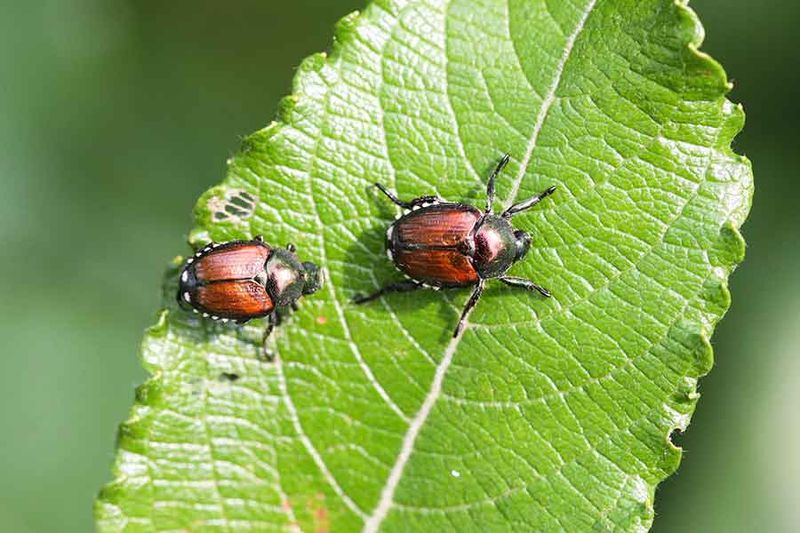
If your lawn is the only green patch on the block this July, beetles may notice.
Female Japanese beetles are drawn to moist, healthy turf when they are ready to lay eggs.
A regularly watered lawn stands out in a dry neighborhood, and that lush, soft grass is exactly what a female beetle is looking for when she pushes down into the soil to deposit her eggs.
This does not mean you should stop watering your lawn or let your grass suffer.
It does mean you should be aware of the tradeoff. Penn State Extension notes that well-irrigated lawns in dry summers can end up with higher grub populations than surrounding unwatered areas.
One practical step is to water deeply but less frequently rather than running sprinklers every single day.
Deep watering encourages grass roots to go deeper, which supports turf health without keeping the surface soil constantly moist and soft.
Avoiding late evening watering can also help, since damp turf overnight is particularly attractive to egg-laying beetles.
You do not have to choose between a healthy lawn and lower grub risk, but being thoughtful about your watering schedule this month can make a real difference when grub season arrives in late summer and early fall.
4. Garden Feeding May Look More Obvious
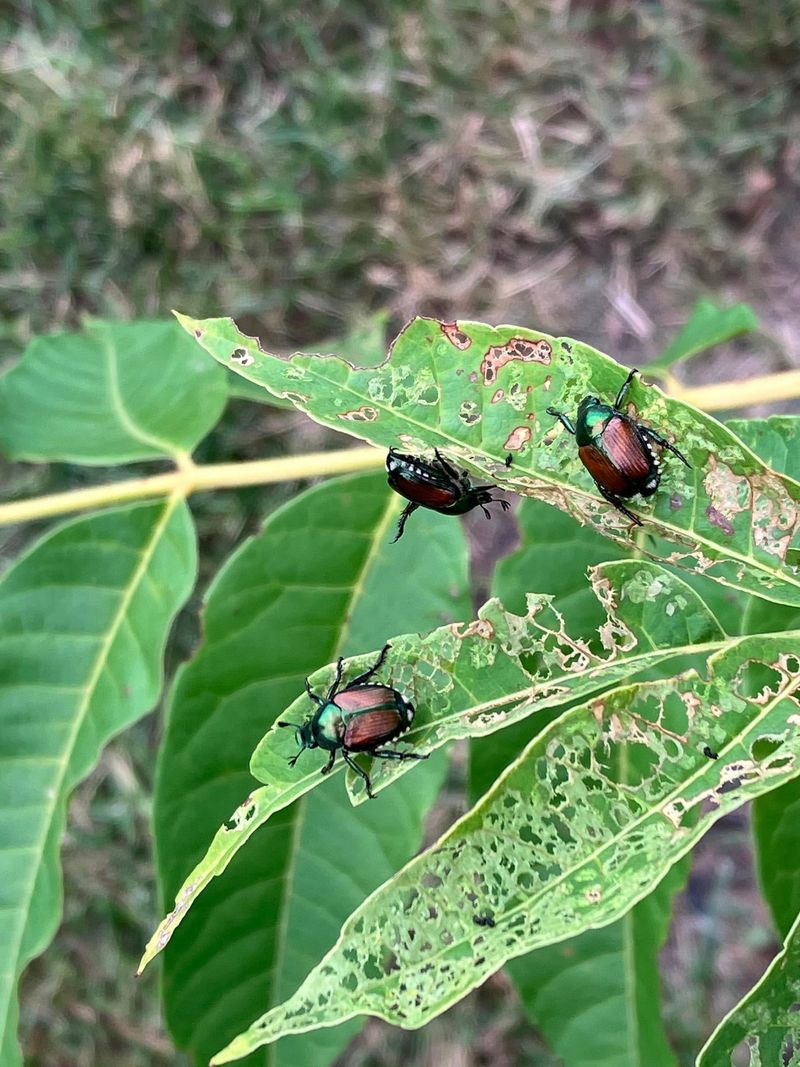
Walk through any Pennsylvania garden in July and you might notice that beetle feeding looks especially brutal this year.
Dry conditions can make feeding damage appear more dramatic than it would on a well-watered, healthy plant.
When leaves are already stressed by heat and low moisture, even a modest amount of insect feeding can leave them looking tattered and brown much faster.
Japanese beetles skeletonize leaves, eating the soft tissue between the leaf veins and leaving behind a lacy, see-through pattern.
On a healthy plant with plenty of water, new growth can sometimes partially compensate for lost leaf tissue.
On a drought-stressed plant, there is no cushion. The damage shows up quickly and spreads fast because the plant has fewer resources to recover with.
Roses are a perfect example.
A rose bush fighting low moisture is already putting energy into basic survival. Add a cluster of beetles chewing through blooms and leaves, and the plant can look devastated within days. Grapes, linden trees, and raspberries face the same challenge.
Keeping an eye on your most beetle-prone plants during dry spells is especially important this month.
If you can provide a little extra water to your most valuable plants, even just a deep soak every few days, it helps them handle feeding pressure better.
5. Grub Pressure Shows Later In Turf
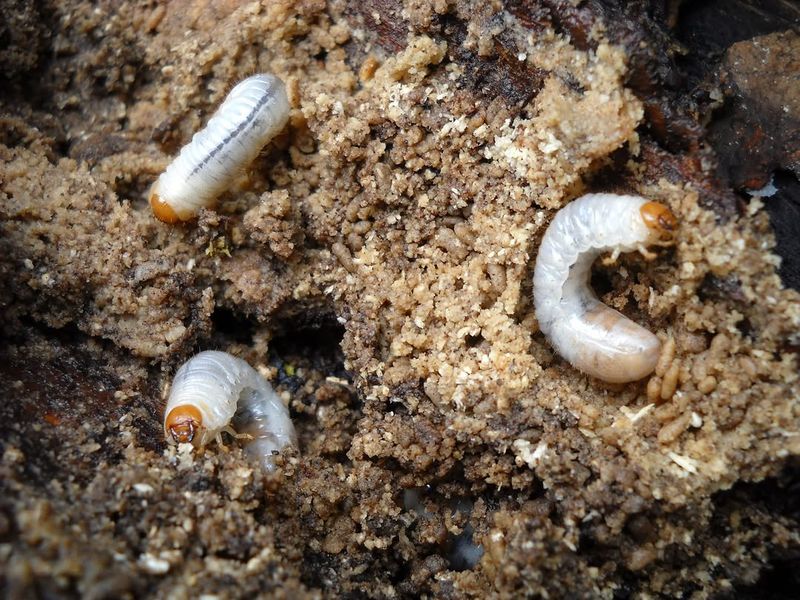
Right now in July, the grub story is just beginning.
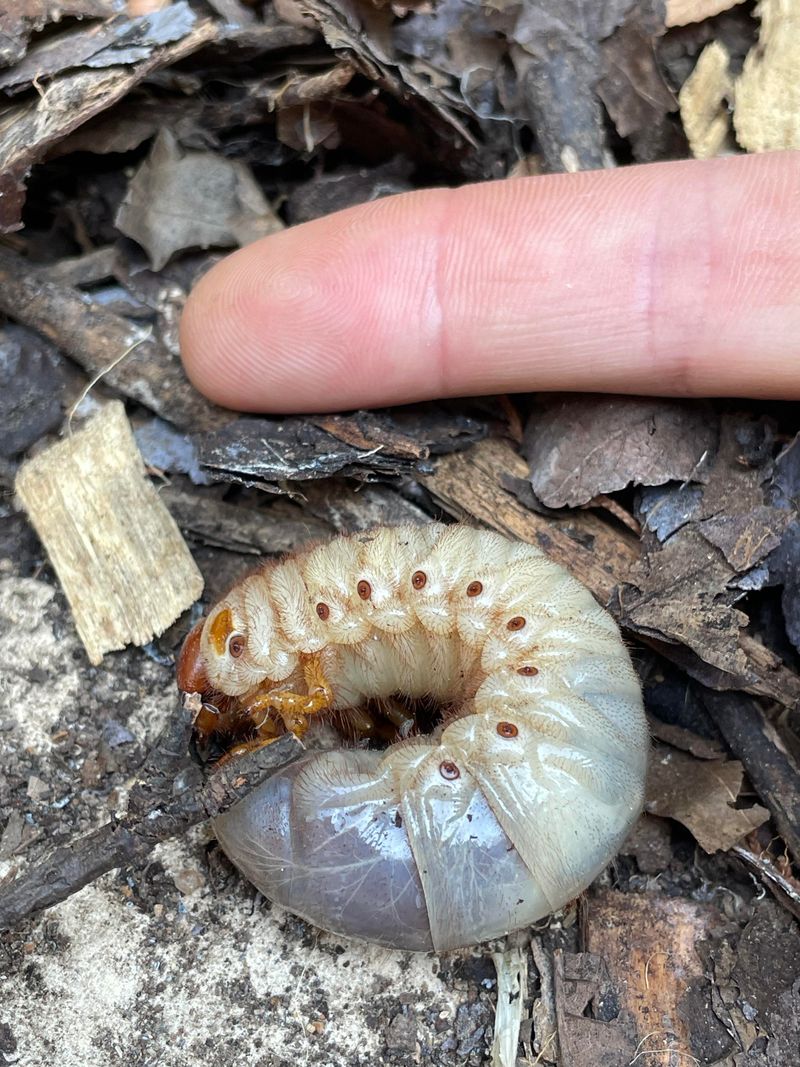
The damage grubs cause to lawns does not show up immediately. Eggs are being laid, and the young grubs that hatch will spend the coming weeks feeding on grass roots underground.
Many Pennsylvania homeowners will not see obvious turf damage from this year’s grub generation until late August or September at the earliest.
Grubs feed on the roots of turfgrass, and as their populations grow through late summer, sections of lawn can begin to turn brown and feel spongy underfoot.
A classic sign is turf that peels back like a carpet because the roots holding it in place have been consumed.
Birds, skunks, and raccoons digging up your lawn are also signs that grubs are present, since these animals follow the food source underground.
Dry conditions this July may reduce how many grubs establish, but the outcome will not be clear until fall arrives.
Penn State Extension recommends checking turf in late August by cutting a small section of sod and counting grubs per square foot. More than ten grubs per square foot in a given area usually warrants treatment.
Patience is key because the full picture of this summer’s grub pressure takes months to develop.
6. Stressed Plants Show Damage Faster
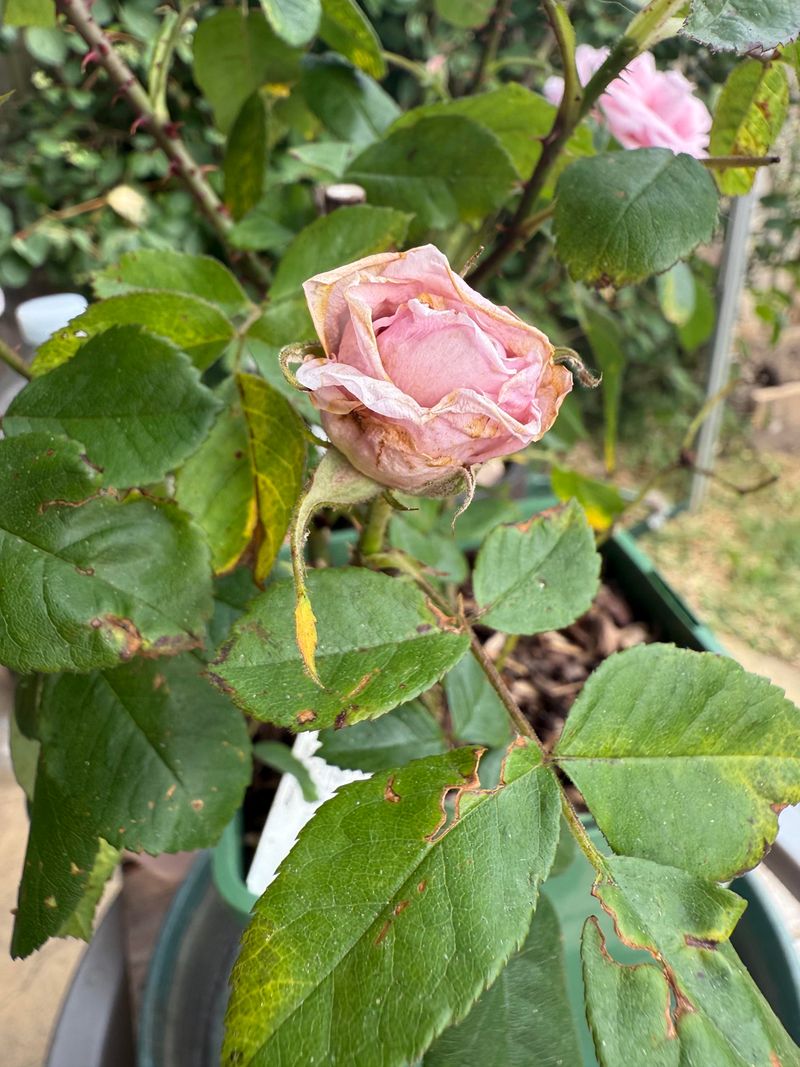
There is a reason beetle damage feels more personal when the whole garden is already struggling.
A plant under drought stress has its defenses down. It is using every resource it has just to stay upright and keep its leaves from curling.
When beetles arrive and start feeding, a stressed plant simply cannot respond the way a well-hydrated one can.
Healthy plants produce defensive compounds, push out new leaves, and redirect energy to recover from light insect feeding.
Drought-stressed plants skip those steps because they do not have the reserves. The result is that feeding damage looks worse and spreads faster on stressed plants than on those receiving regular moisture.
This applies to more than just roses.
Fruit trees, grape vines, garden shrubs, and even vegetable plants are all more vulnerable to feeding damage when they are thirsty. Prioritizing water for your most beetle-prone plants right now is a practical and worthwhile step.
A deep soak around the root zone every few days during dry spells helps more than a light daily sprinkle.
Mulching around the base of plants also holds soil moisture longer, giving plants a buffer during hot, dry stretches.
Stronger plants stand up to beetle season with far less visible harm than those already running on empty.
7. Traps Can Make The Crowd Worse
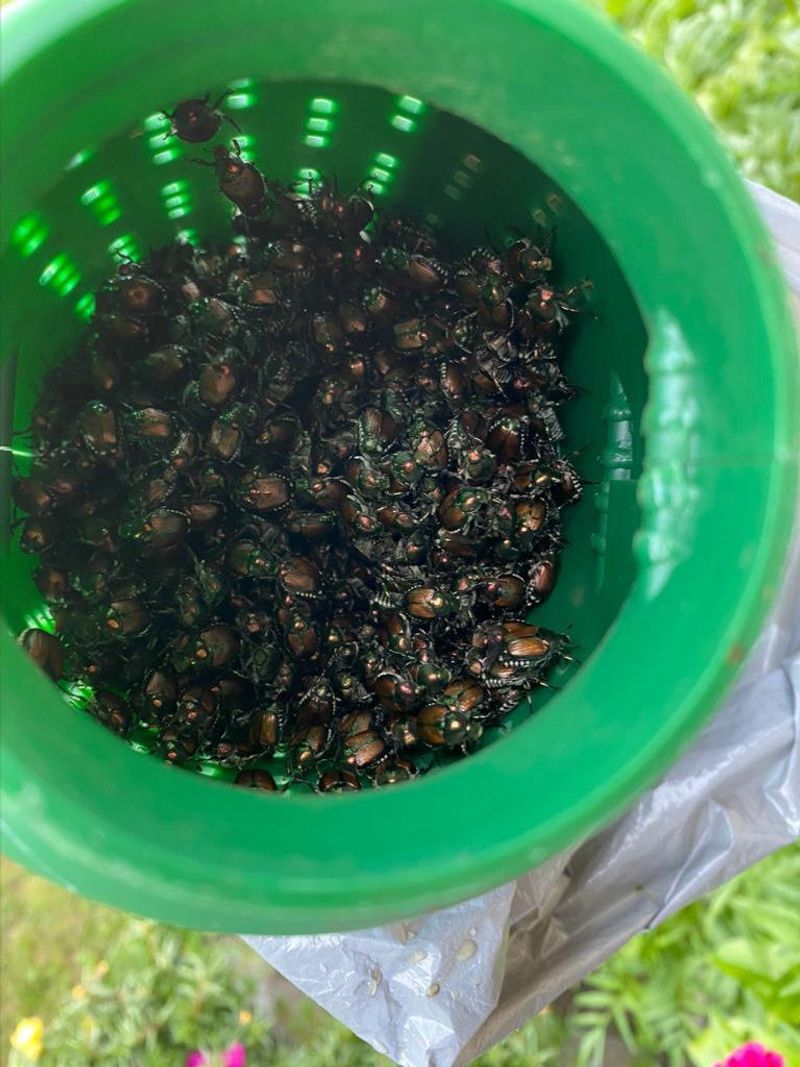
Beetle traps are sold everywhere in summer, and the idea behind them sounds reasonable.
Hang a trap, attract beetles with a lure, and collect them in a bag. The problem is that research has consistently shown these traps attract far more beetles than they actually capture.
The lure used in most commercial traps is extremely powerful and draws beetles from a wide area, including from neighboring properties that might otherwise not have been a problem for your garden.
Penn State Extension and university researchers have found that gardens near beetle traps often experience more feeding damage than gardens without them.
The trap pulls beetles toward your yard, and many of those beetles stop to feed on your plants before they ever reach the trap itself.
During a dry summer when beetle populations may already be concentrated around irrigated areas and healthier plants, adding a trap can feel like sending out a dinner invitation.
Traps can work in very large properties where they can be placed far from any desirable plants, but for most suburban Pennsylvania gardens, the tradeoff is not worth it.
Skipping the trap entirely and focusing on hand picking or targeted treatments is a more effective strategy for keeping beetle pressure manageable in a typical backyard or garden space this July.
8. Morning Hand Picking Still Works Best
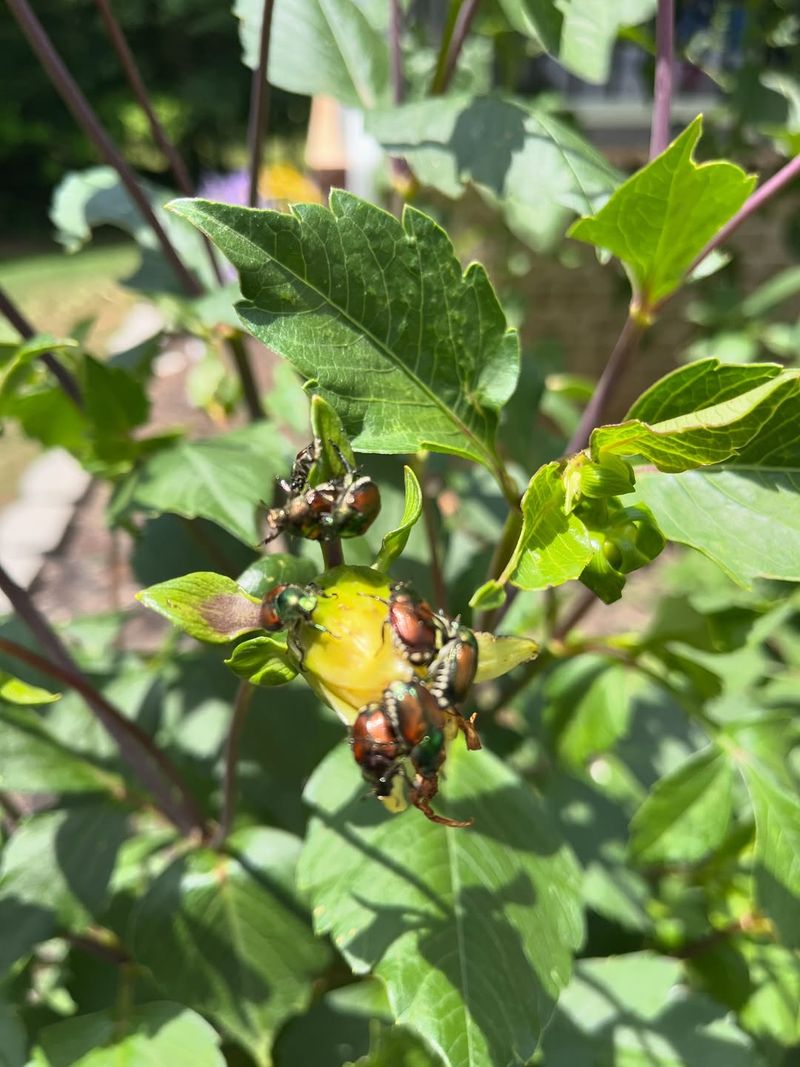
Old-fashioned as it sounds, hand picking Japanese beetles in the early morning is still one of the most effective controls available for small Pennsylvania gardens.
Beetles are cold-blooded, and in the cooler morning hours they move slowly and are much easier to knock off plants into a container. A wide, shallow bucket with a few inches of soapy water is all you need to get started.
The best time to go out is right after sunrise, before the day heats up and beetles become more active.
Hold the bucket directly under a cluster of beetles and give the branch or stem a sharp tap. Beetles drop straight down into the water rather than flying away.
This works especially well on roses, grape vines, and raspberry canes where beetles tend to gather in groups.
Doing this every morning during peak season, which in Pennsylvania typically runs from late June through August, can noticeably reduce the number of beetles feeding on your most valued plants.
Hand picking will not protect every plant in a large garden, but for a few prized roses or a small grape arbor, it is genuinely worthwhile.
Consistency matters more than any single session. Going out every morning for two or three weeks during peak activity makes a real dent in local beetle numbers.
Combine this habit with keeping your most vulnerable plants well-watered and healthy, and you give your garden the best chance of getting through beetle season looking its best.