North Carolina Camellias May Skip Their Fall Bloom If You Miss This One Step In July
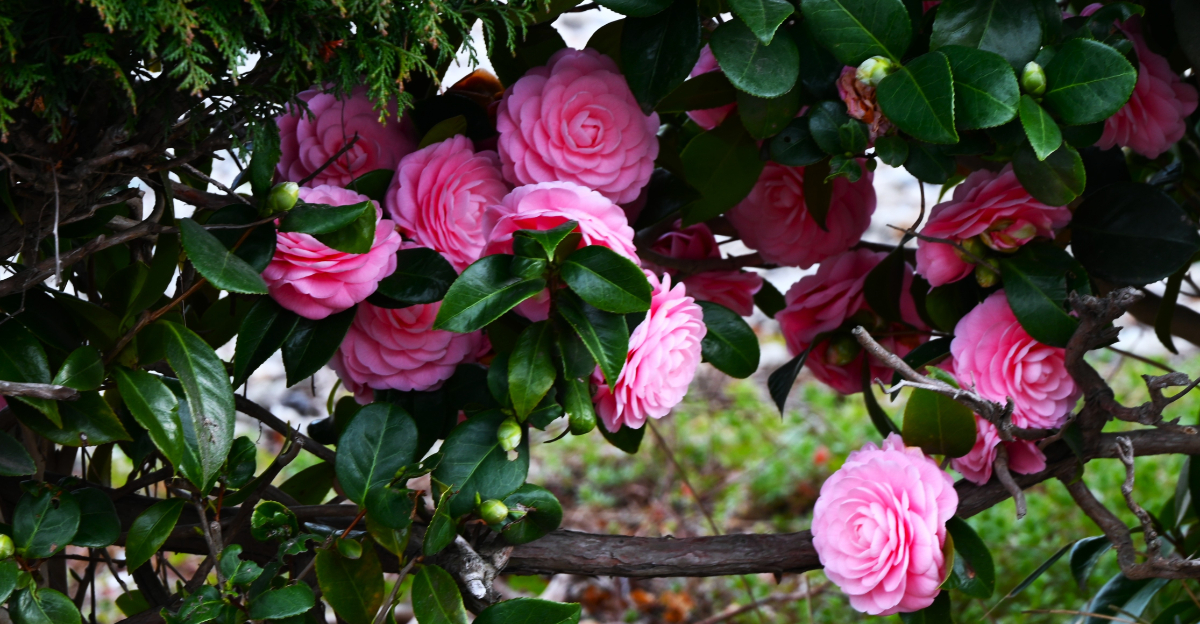
Every fall, North Carolina gardeners wait for their camellias to bloom.
Some yards fill with flowers in October. Others produce bare branches and a quiet, familiar disappointment that is hard to explain to anyone who has not experienced it.
The difference between those two outcomes is usually decided in July, weeks before a single bud becomes visible.
Right now, camellias are doing invisible work. The tiny flower buds that will either open beautifully in fall or drop before they get the chance are being formed during this exact stretch of summer.
Many gardeners have no idea that window exists, and they miss it entirely.
The plants look fine from the outside. That is the problem.
A camellia under moisture stress in July does not wave a flag or drop its leaves. It just quietly scales back on bud production, and you find out in October when the branches come up empty.
One step, practiced consistently through summer, changes that outcome entirely.
Eight things North Carolina camellia growers need to understand about what is happening right now, and why July is the month that determines whether fall delivers or disappoints.
Keep July Moisture Steady
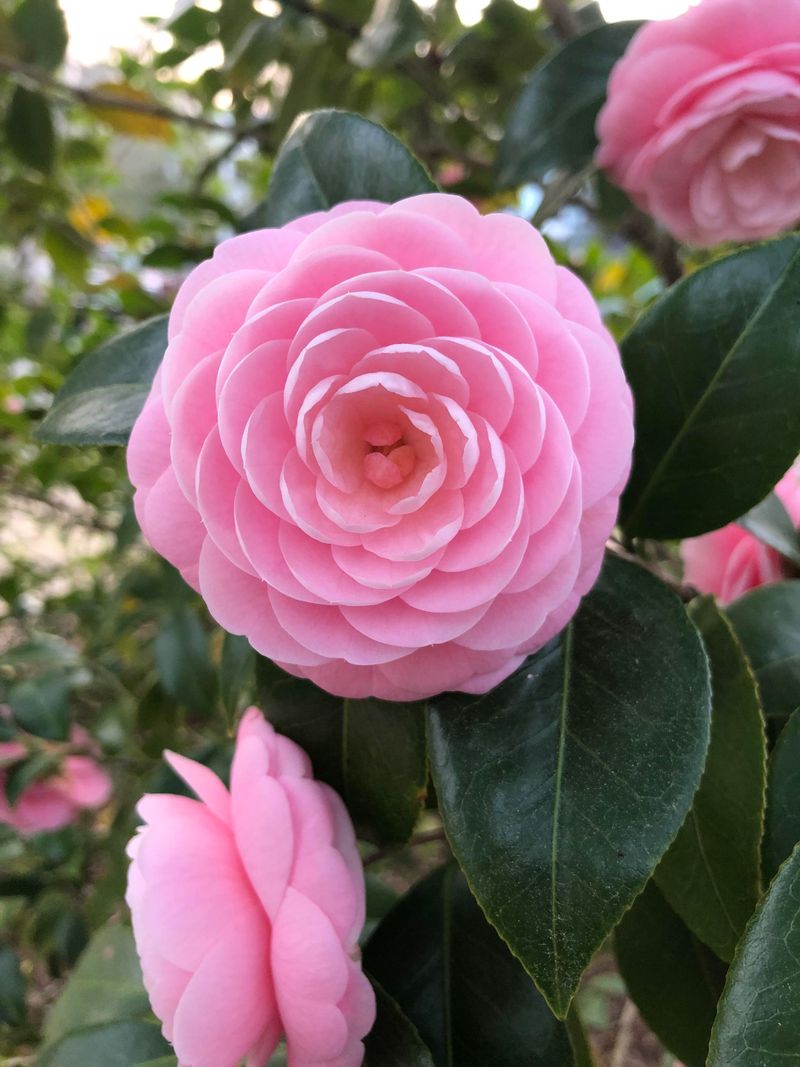
Steady moisture in July is the single most important thing you can do for your camellias right now.
This is not the time to water only when you remember or only when the lawn looks parched. Camellias are quietly building their flower buds during July, and any interruption in moisture can throw that process completely off course.
NC State Extension points out that camellias are sensitive to moisture stress during bud initiation.
When the soil dries out too much, the plant shifts its energy away from flower development and toward basic survival. That means fewer buds, smaller buds, or buds that form but drop before they ever open.
The goal is to keep the soil consistently moist but not soggy.
You are not trying to flood the root zone. You are trying to avoid the wet-dry roller coaster that North Carolina summer weather can create all on its own.
Aim to water deeply two to three times per week if rain is not helping out.
Stick your finger two inches into the soil near the base of the plant. If it feels dry at that depth, it is time to water. Small, dependable efforts in July pay off with armloads of blooms come fall.
Flower Buds Form Before You Notice
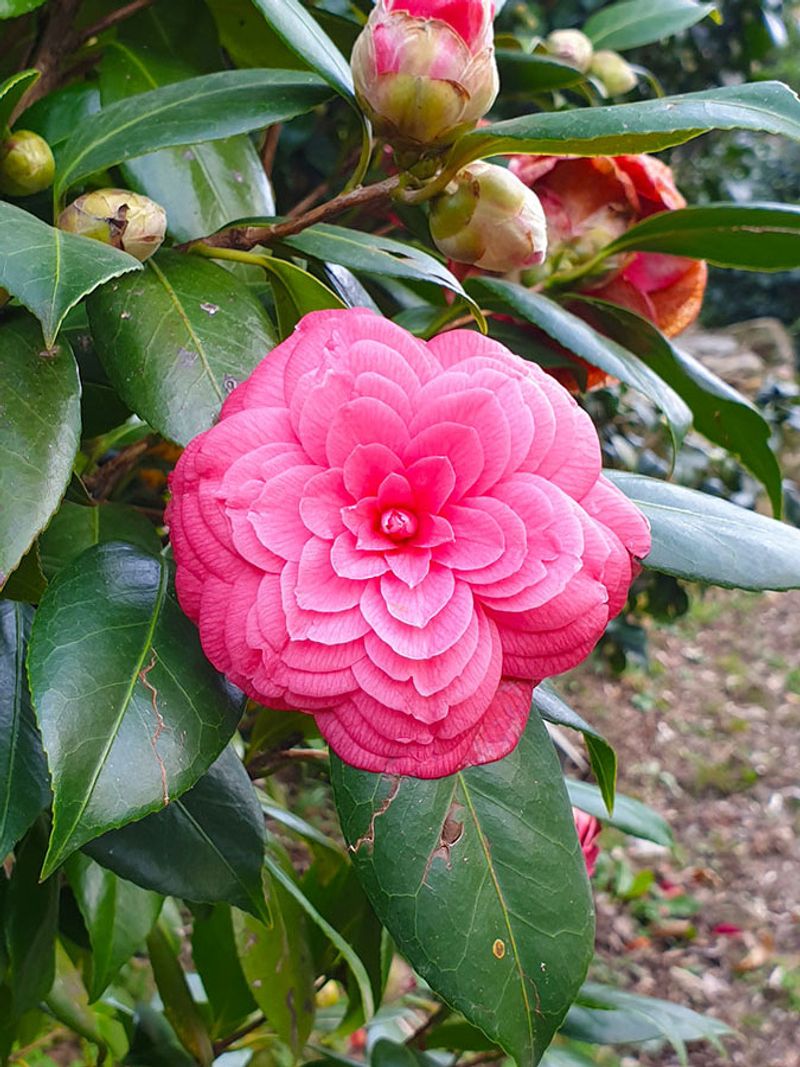
Many gardeners do not realize that camellia buds start forming long before anything looks different on the plant.
By the time you can see a visible bud swelling on the branch, the process has already been underway for weeks. July is exactly when that invisible work is happening, and it deserves your full attention.
Bud initiation in fall-blooming camellias typically begins in midsummer.
The plant is responding to day length and temperature signals, deciding how many buds to set based largely on the resources available right now.
If water, nutrients, and light are all in good supply during this window, the plant commits to a generous bud set.
Your North Carolina Garden Changes Every Week. Your Plan Should Too.
Gardening in North Carolina changes quickly throughout the season. Every Friday you’ll receive a simple weekly plan showing exactly what to plant, prune, fertilize, harvest, and protect so you never miss the right timing.
If any of those resources are lacking, the plant hedges its bets and sets fewer buds.
A camellia under stress in July is essentially choosing to save its resources rather than bloom. That is a completely logical response from the plant’s perspective, but a frustrating one for any gardener looking forward to fall color.
Paying attention to what the plant needs right now, even when it looks perfectly fine from the outside, is what separates a good camellia season from a disappointing one.
The buds are coming. Your job is to make sure conditions are ready for them.
Dry Swings Push Buds Off Track
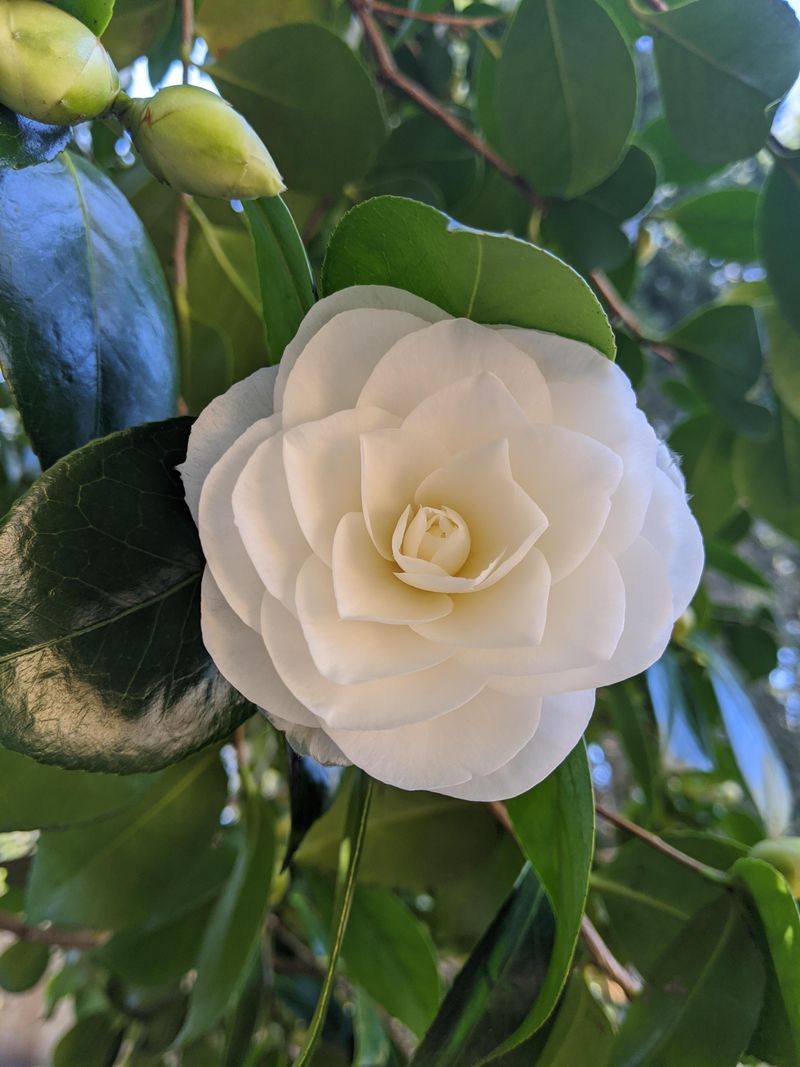
North Carolina summers can swing hard between heavy rain and dry stretches that last for weeks.
That kind of inconsistency is genuinely tough on camellias, especially when bud development is already underway.
Wet-dry cycles during July and August are one of the most common reasons gardeners see bud drop in the fall, and the stress often starts long before the buds are even visible.
When a camellia gets soaked after a long dry spell, the plant experiences a kind of shock.
Roots that have been struggling to pull moisture from dry soil suddenly get flooded, and that rapid change can disrupt the hormonal signals that control bud development.
Irregular watering is a leading cause of camellia bud drop, alongside temperature extremes and root disturbance.
The frustrating part is that the damage from a dry swing in July may not show up until October or November.
By then, the window to fix it has long passed. Preventing these moisture swings is far easier than troubleshooting bud drop after the fact.
A simple rain gauge can help you track how much water the garden is actually getting.
If a week goes by without at least an inch of rain, step in with the hose. Your goal is to smooth out the peaks and valleys so the plant never feels like it is scrambling to survive. Steady conditions produce steady blooms.
Deep Water Beats Quick Sprinkling
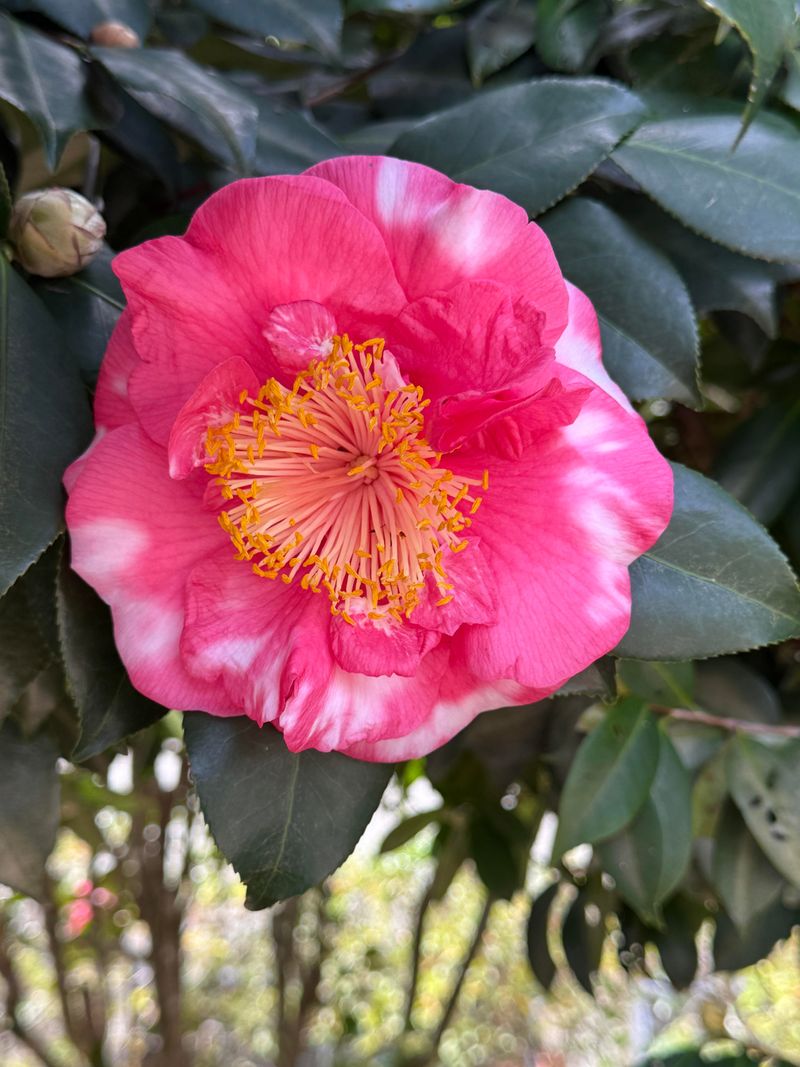
Quick surface watering might make the garden look refreshed, but it rarely reaches the roots that actually need the moisture.
Camellias have a fairly shallow root system, but those roots still extend outward well beyond the base of the plant. A light sprinkle wets the top inch of soil and evaporates quickly in July heat, leaving the root zone just as dry as before.
Deep watering means letting water soak slowly into the soil until it reaches a depth of at least six to eight inches.
You can check this by pushing a wooden dowel or a long screwdriver into the soil after watering. If it slides in easily to that depth, the water has penetrated far enough. If it stops at two inches, the roots are not getting what they need.
Soaker hoses and drip irrigation are excellent tools for this because they deliver water slowly and directly to the root zone.
Watering in the morning also gives the soil time to absorb moisture before the afternoon heat drives evaporation rates up.
Evening watering can work in a pinch, but wet foliage overnight can invite fungal issues in humid North Carolina summers.
If you are hand-watering, let the hose run slowly at the base of the plant for several minutes rather than giving it a quick blast.
Your camellia will reward that patience with a fuller set of buds this fall.
Mulch Protects The Shallow Roots
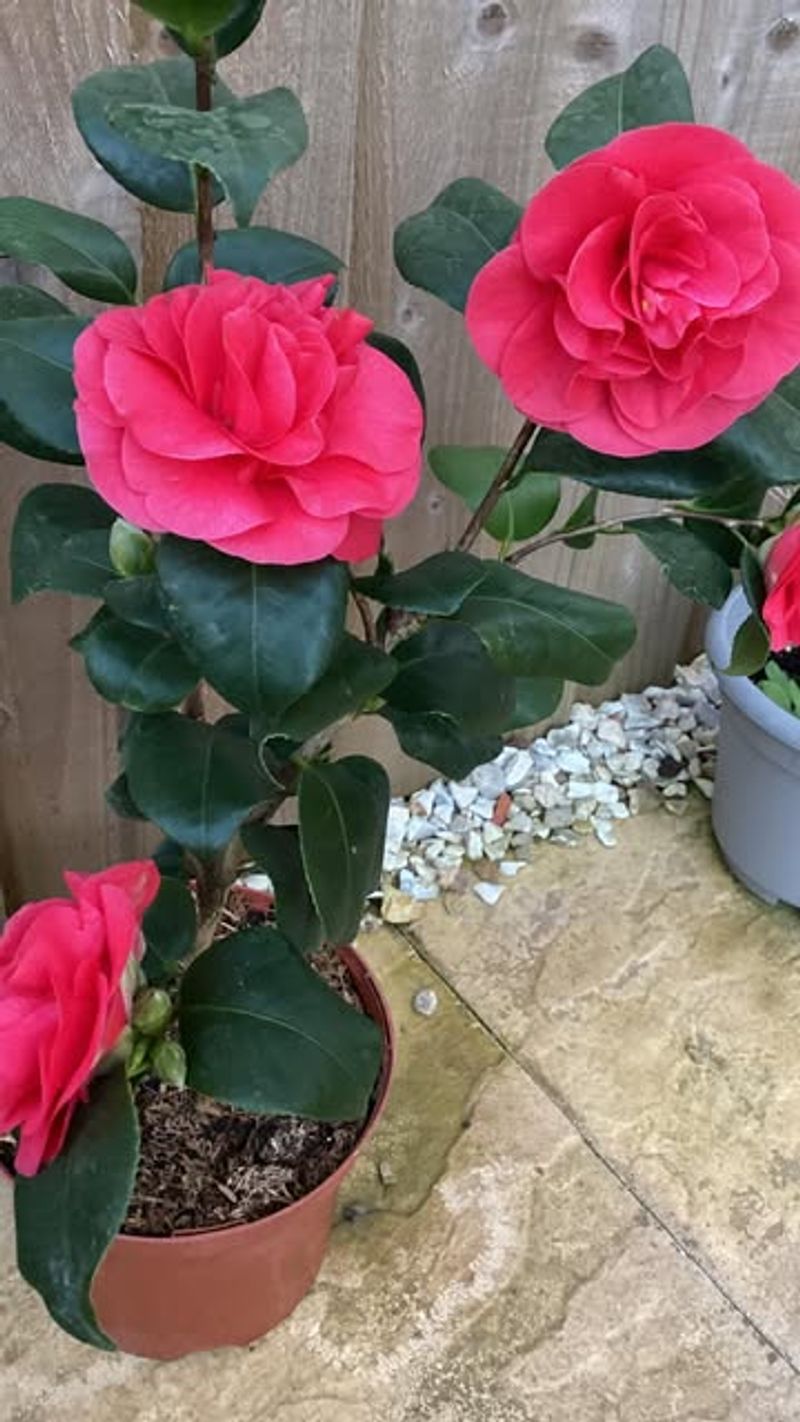
Pine straw is practically a North Carolina tradition, and it turns out camellias love it.
A good layer of mulch around your camellia insulates the soil from the brutal July heat, slows down evaporation, and helps keep that steady moisture level you are working so hard to maintain.
It also suppresses weeds that would otherwise compete with your camellia for water and nutrients during the most critical weeks of the growing season.
Apply two to three inches of organic mulch around camellias, keeping it pulled back a few inches from the main stem.
That last part matters more than many people realize.
Piling mulch against the crown of the plant traps moisture against the bark and can lead to rot and fungal problems. You want the benefits of mulch without smothering the base of the plant.
Pine straw, shredded hardwood bark, and pine bark nuggets are all solid choices.
Pine straw has the added bonus of breaking down slowly and contributing a mild acidity to the soil over time, which camellias genuinely appreciate.
Refresh your mulch layer in early July if it has thinned out from winter and spring.
A fresh application right before the hottest weeks of the year can make a noticeable difference in how well the soil holds moisture.
It is one of the simplest, most affordable steps you can take to support your camellia through the summer stretch.
Late Pruning Removes Future Flowers
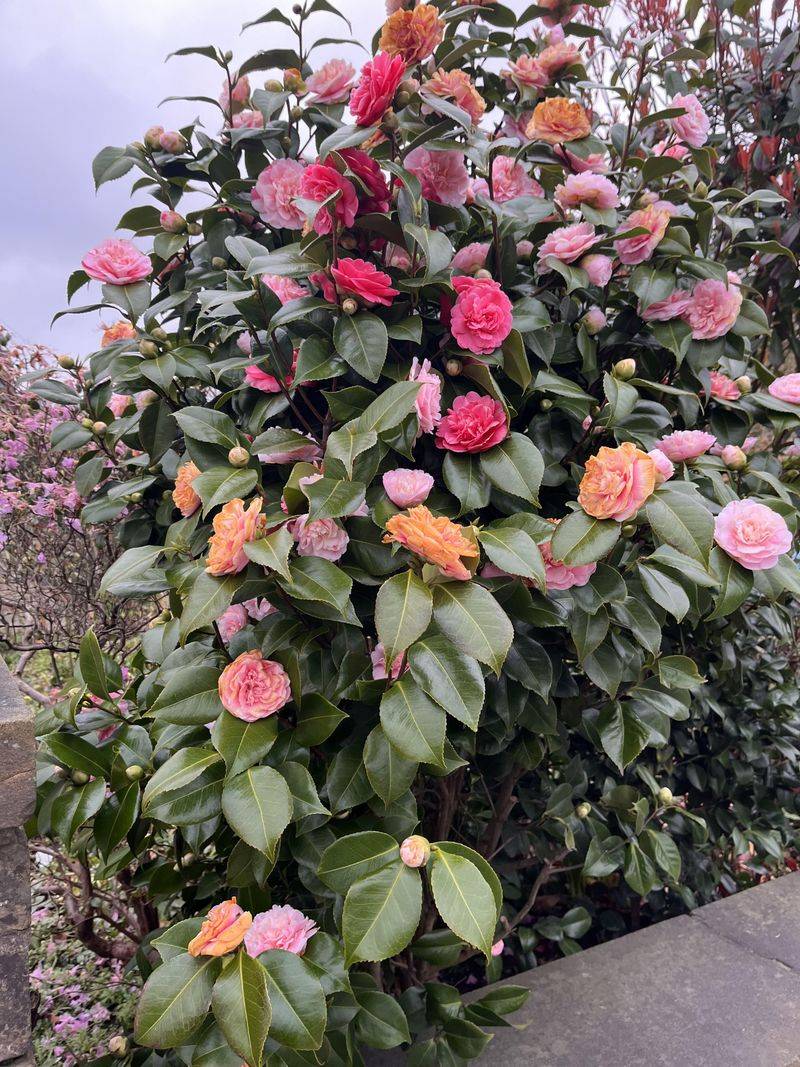
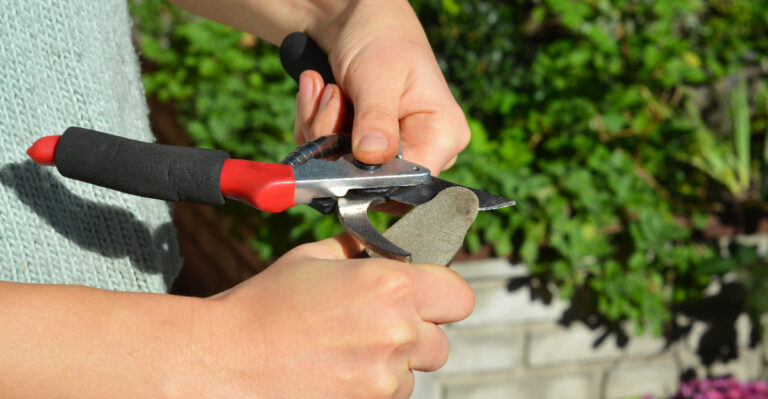
Grabbing the pruning shears in midsummer feels productive, but for camellias it can quietly cost you the entire fall bloom.
By July, many camellia varieties have already begun setting buds on the tips of their branches.
Any pruning done after late spring removes those developing buds along with the stems, and there is simply no getting them back before fall.
The American Camellia Society recommends pruning fall-blooming camellias immediately after they finish blooming, which typically means late winter or early spring in North Carolina.
That window gives the plant the entire growing season to push out new growth and set buds on those fresh stems. Pruning in June, July, or August cuts off the very growth that would have carried your fall flowers.
If you notice dead wood, crossing branches, or a branch that looks diseased, you can remove those carefully without doing too much damage to the overall bud set.
The key is to be conservative and targeted rather than doing a full shaping trim. Save the shaping for after bloom season.
Mark your calendar for late winter so pruning becomes a habit at the right time of year rather than an impulse on a summer afternoon.
A camellia that blooms well is always worth the wait.
Acid Soil Keeps Leaves Working
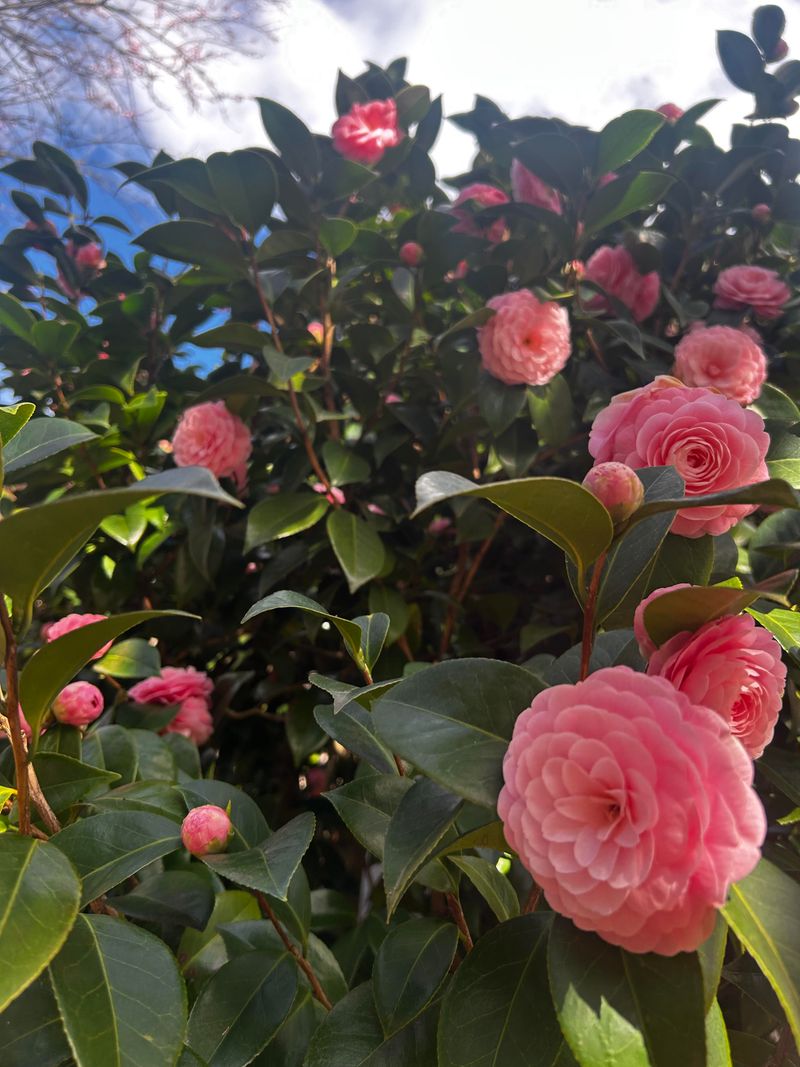
Healthy leaves are not just pretty. They are the engine that powers bud development.
Camellias rely on photosynthesis to produce the energy needed to set and sustain flower buds, and that process only works well when the leaves are healthy and fully functional. Soil pH plays a direct role in whether those leaves can do their job.
Camellias thrive in acidic soil with a pH between 5.5 and 6.5.
When the soil pH climbs too high, the plant cannot absorb iron and other nutrients properly, even if those nutrients are present in the soil.
The result is a condition called chlorosis, where leaves turn yellow between the veins while the veins themselves stay green.
A chlorotic camellia is a stressed camellia, and a stressed camellia in July is one that may not have enough energy to support a full bud set.
NC State Extension offers free or low-cost soil testing through your county cooperative extension office.
If your soil pH is too high, sulfur-based acidifiers can bring it down gradually over time. Holly-tone and similar acid-forming fertilizers can also help maintain the right range.
Avoid applying heavy fertilizer in July, as late-season nitrogen pushes soft new growth that can be vulnerable to stress.
Healthy, deep green leaves in July are a good sign that your camellia has the fuel it needs to carry a beautiful bloom into fall.
Morning Checks Catch Stress Early
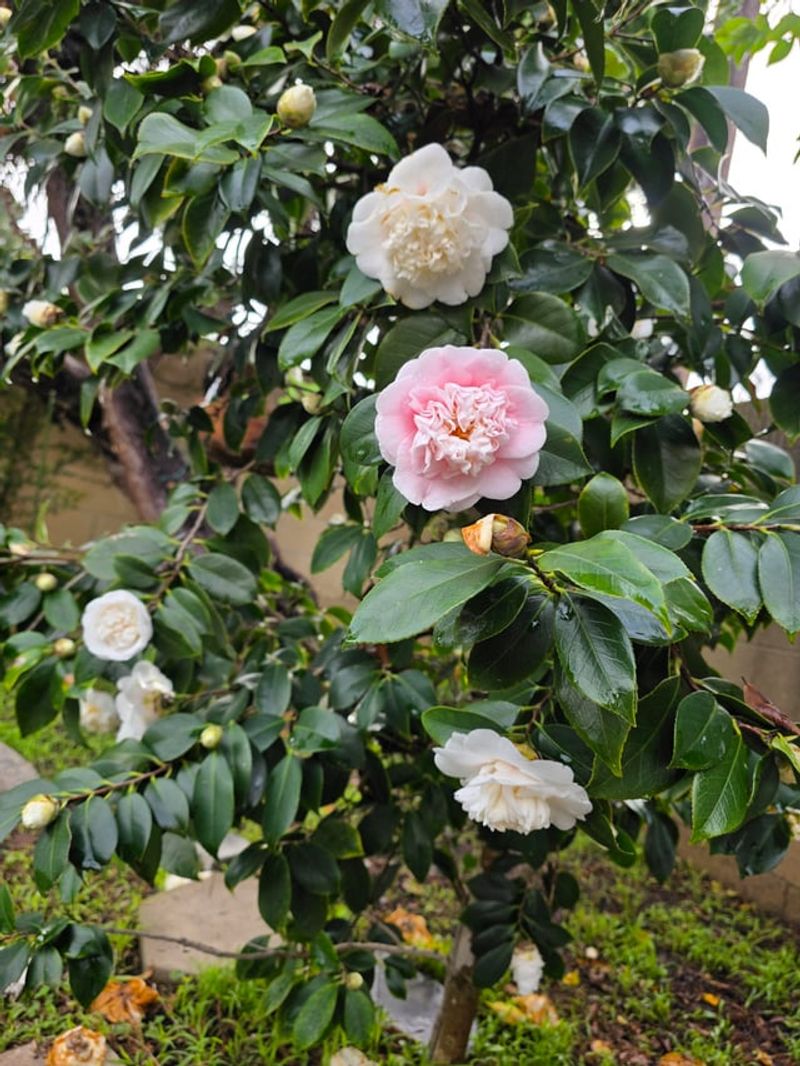
There is something genuinely useful about walking through the garden in the morning.
The light is better, the air is cooler, and plants that are struggling tend to show their first signs of stress before the heat of the day sets in.
For camellias in July, a quick morning check can mean the difference between catching a problem early and discovering it too late to do anything about it.
Look at the leaves first.
Healthy camellia leaves should be deep green, firm, and slightly glossy. Leaves that look dull, slightly gray-green, or are beginning to curl at the edges are often signaling heat stress or moisture shortage.
Wilting in the morning, before temperatures climb, is a more serious warning sign than afternoon wilting.
Press two fingers into the soil about two inches deep near the outer edge of the root zone.
Dry, crumbly soil in the morning means the plant went through the night without adequate moisture, which is not ideal during bud formation.
Also watch for any early bud drop, discolored patches on leaves, or unusual yellowing that might point to pest pressure or pH issues.
Catching these signals in July gives you time to respond before stress accumulates.
A five-minute morning walk through your garden is one of the most effective tools you have for protecting your fall bloom. Keep it a habit all through the summer.