The Overlooked Texas Porch Plant That Helps Deter Pests And Impresses Guests
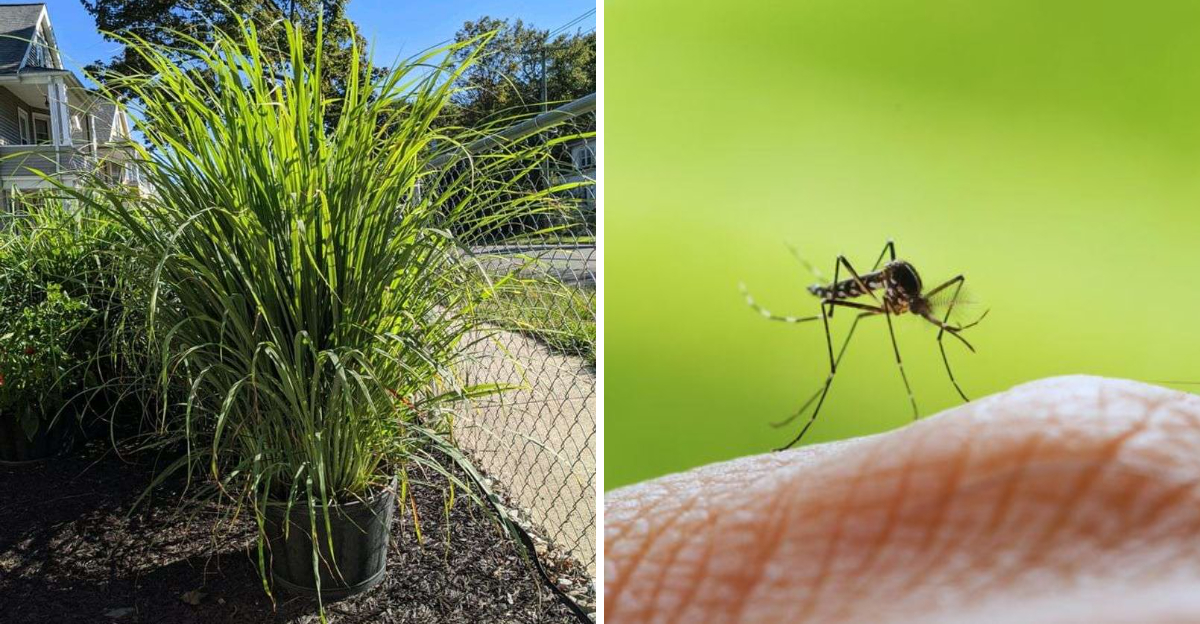
If your Texas porch is missing something and you can not quite put your finger on what, lemongrass would like to make its case.
This tall, grassy herb is striking enough to work as a genuine statement plant, smells like a fresh citrus dream on warm summer evenings, and carries a reputation for making outdoor spaces feel a little less inviting to pests.
That is a pretty impressive resume for something that grows happily in a container.
Lemongrass is a natural fit for Texas porches, apartment balconies, and sunny patio edges, and it handles the heat with the kind of confidence you want from a warm-weather plant.
It is not a force field against every flying pest in the neighborhood, full transparency there, but as a stylish, fragrant, and genuinely useful patio addition, it is hard to beat.
1. Lemongrass Brings A Fresh Citrus Scent To The Porch
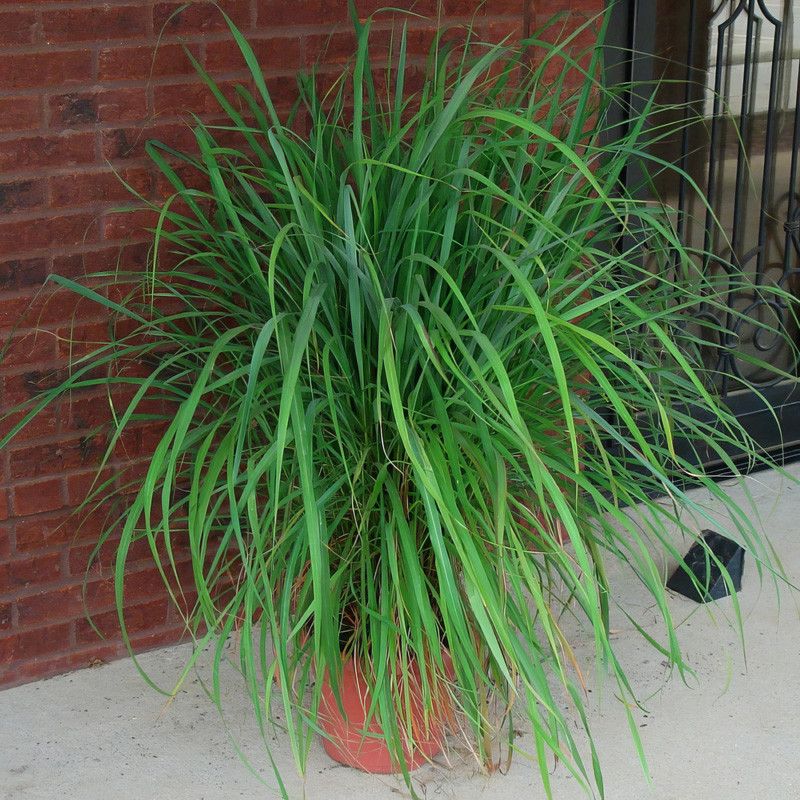
Settling into a porch chair after a long Texas day and catching a light citrus scent drifting from a nearby container is one of those small pleasures that makes outdoor living feel genuinely enjoyable.
Lemongrass releases that kind of fragrance naturally, especially when a breeze brushes across its long green blades.
The scent is clean, bright, and a little tropical, which many people find far more pleasant than heavy floral smells.
The aroma comes from natural compounds found in the plant’s stalks and leaves, the same types of compounds associated with citronella-based products used in mosquito management.
A living lemongrass plant will not fill your entire Texas porch with repellent-level fragrance, but it does add a noticeable freshness to the area around it.
Placing the container near seating or an outdoor dining table gives you the best chance of enjoying that scent up close.
Texas summers can be intense, and outdoor spaces sometimes pick up less pleasant odors from heat, food, or nearby standing water. Having a fragrant herb nearby adds a sensory layer that feels welcoming to guests.
The citrus note is subtle enough to blend into the background without being overwhelming, making lemongrass a pleasant companion for patios, screened porches, and sunny balconies across Texas.
2. Tall Grassy Foliage Makes Containers Look Impressive
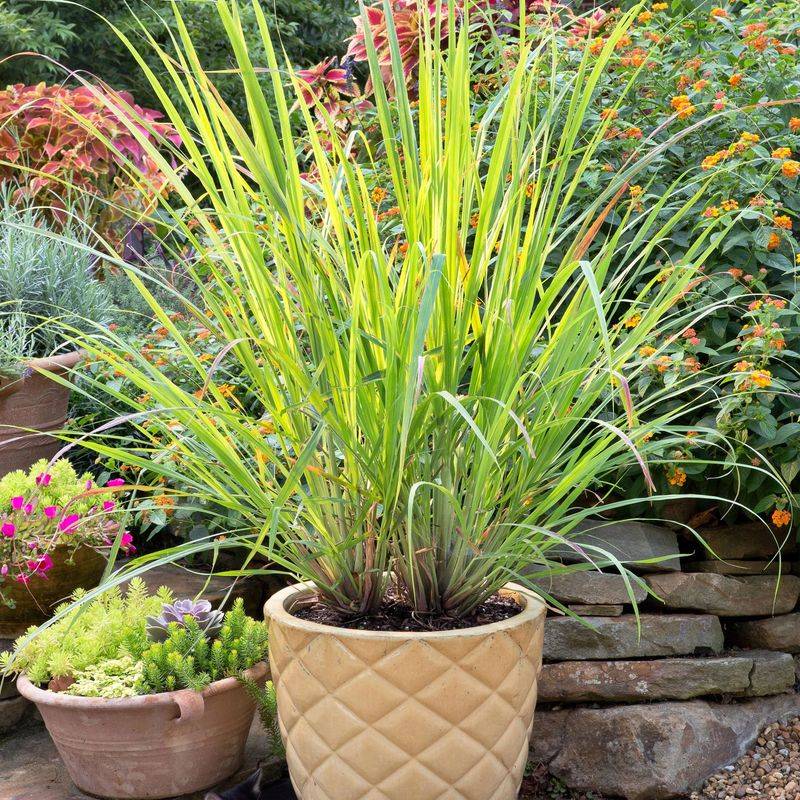
Guests stepping onto a porch and spotting a container plant that towers confidently beside a chair or along a railing tend to stop and take notice. Lemongrass has that effect.
Its long, arching green blades can reach three to five feet tall in a good-sized pot, giving it a bold, sculptural presence that most flowering annuals simply cannot match.
That height and texture fill vertical space in a way that feels intentional and designed. On a Texas porch where you might have low furniture, flat railings, and a lot of open sky, a tall container plant creates a sense of enclosure and coziness without blocking airflow.
Lemongrass foliage moves gently with the breeze, which adds a relaxed, almost tropical feeling to the space.
Container choice matters when growing lemongrass for visual impact. A wide, deep pot in a complementary color can make the plant look even more intentional and polished.
Your Texas Garden Changes Every Week. Your Plan Should Too.
Gardening in Texas changes quickly throughout the season. Every Friday you’ll receive a simple weekly plan showing exactly what to plant, prune, fertilize, harvest, and protect so you never miss the right timing.
Terracotta, dark matte ceramic, and large woven planters all work well against the bright green of lemongrass foliage.
Grouping the container with lower plants nearby creates a layered look that feels like a thoughtfully designed porch garden rather than a random collection of pots.
For Texas homeowners who want their outdoor spaces to feel curated and inviting without spending a lot on landscaping, a single large lemongrass container can make a noticeable difference.
3. The Fragrance May Help Make Pests Less Welcome
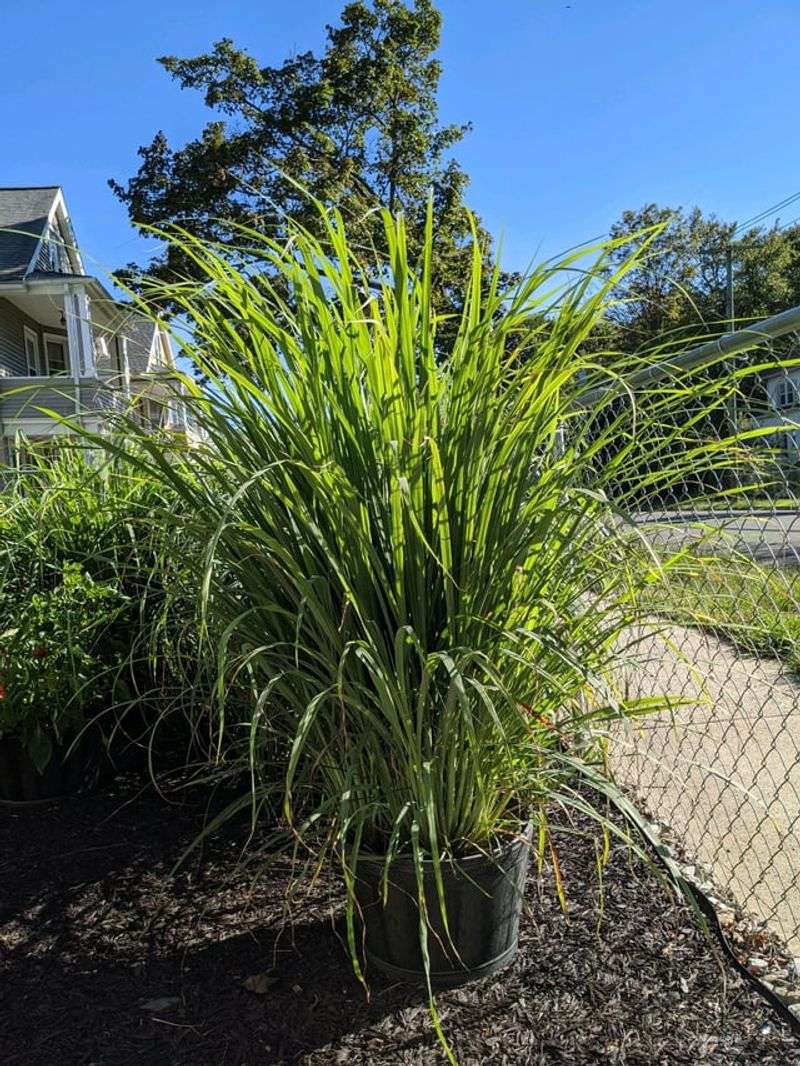
Citronella candles and sprays are familiar tools for anyone who spends time outdoors in Texas, and most of those products get their mosquito-associated reputation from oils found in Cymbopogon grasses, the same plant family as lemongrass.
That connection is real, and it is part of why lemongrass gets mentioned so often in conversations about porch plants and pest awareness.
A potted lemongrass plant releases some of those natural compounds into the air, particularly when leaves are brushed or the plant is touched.
The passive fragrance from an undisturbed plant is relatively mild compared to a burning candle or a topical spray.
Researchers have studied citronella-type compounds in controlled settings, and results suggest that while these compounds can influence mosquito behavior, a single living plant placed on a porch is unlikely to create a wide pest-free zone around your seating area.
That said, having a fragrant plant near your chair or dining table may contribute to a slightly less inviting environment for some insects, especially when combined with other smart porch habits.
Think of lemongrass as one small piece of a larger outdoor comfort strategy rather than a standalone solution.
For Texas patios where mosquito pressure can be significant during humid months, pairing lemongrass with other practical measures gives you a much better result than relying on any single plant alone.
4. Crushed Leaves Release More Scent Than A Passive Plant
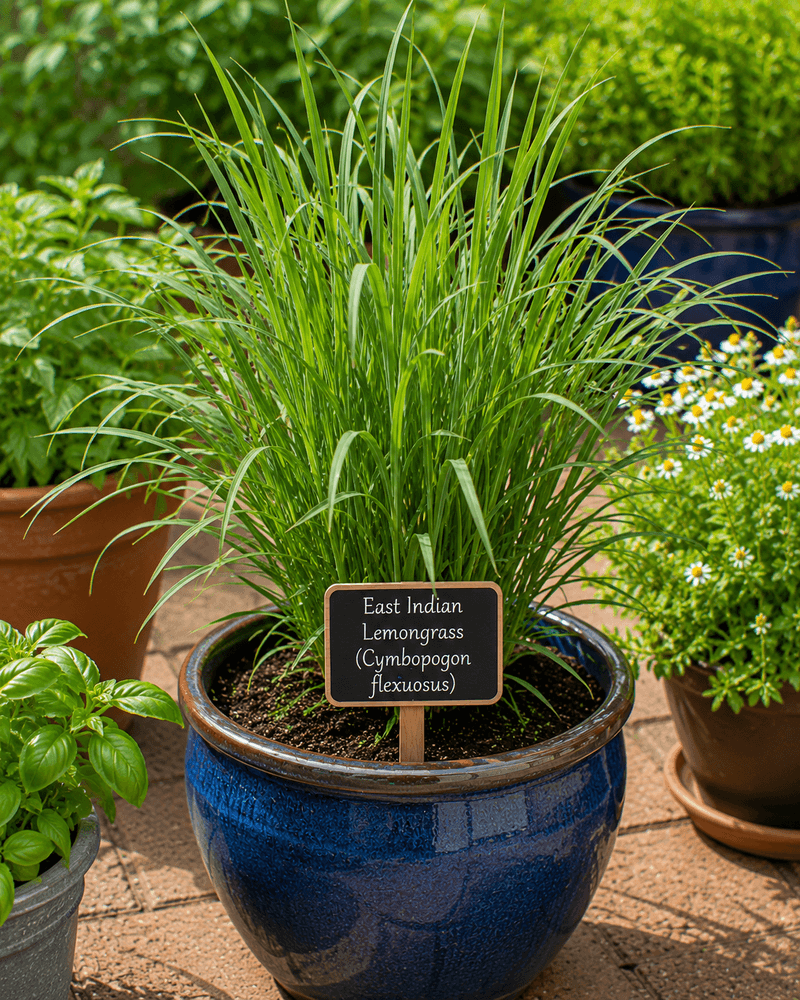
Brushing your hand across a lemongrass blade as you walk past the container is one of those small moments that reminds you why you planted it in the first place.
The leaves release a noticeably stronger citrus burst when they are touched, rubbed, or lightly crushed, compared to the gentle background scent the plant gives off on its own.
This happens because the essential oil compounds responsible for lemongrass fragrance are stored in the plant’s tissue. When the leaf surface is broken, those compounds release more freely into the air around you.
Placing a lemongrass container near a spot where guests naturally brush past it, like along a walkway, beside a gate, or next to a frequently used chair, means the plant gets touched more often and releases more of its scent naturally.
Some Texas porch gardeners also keep a small bundle of freshly trimmed lemongrass leaves nearby during outdoor gatherings, lightly crushing a few blades and setting them on the table to add fragrance to the seating area.
This is a simple and practical trick that costs nothing extra once the plant is growing.
It also gives guests something to interact with, which tends to spark conversation.
Just remember that while crushed lemongrass smells wonderful, it still works best as part of a broader approach to making your Texas porch more comfortable rather than as a primary pest-control method.
5. Containers Help Keep Lemongrass Manageable
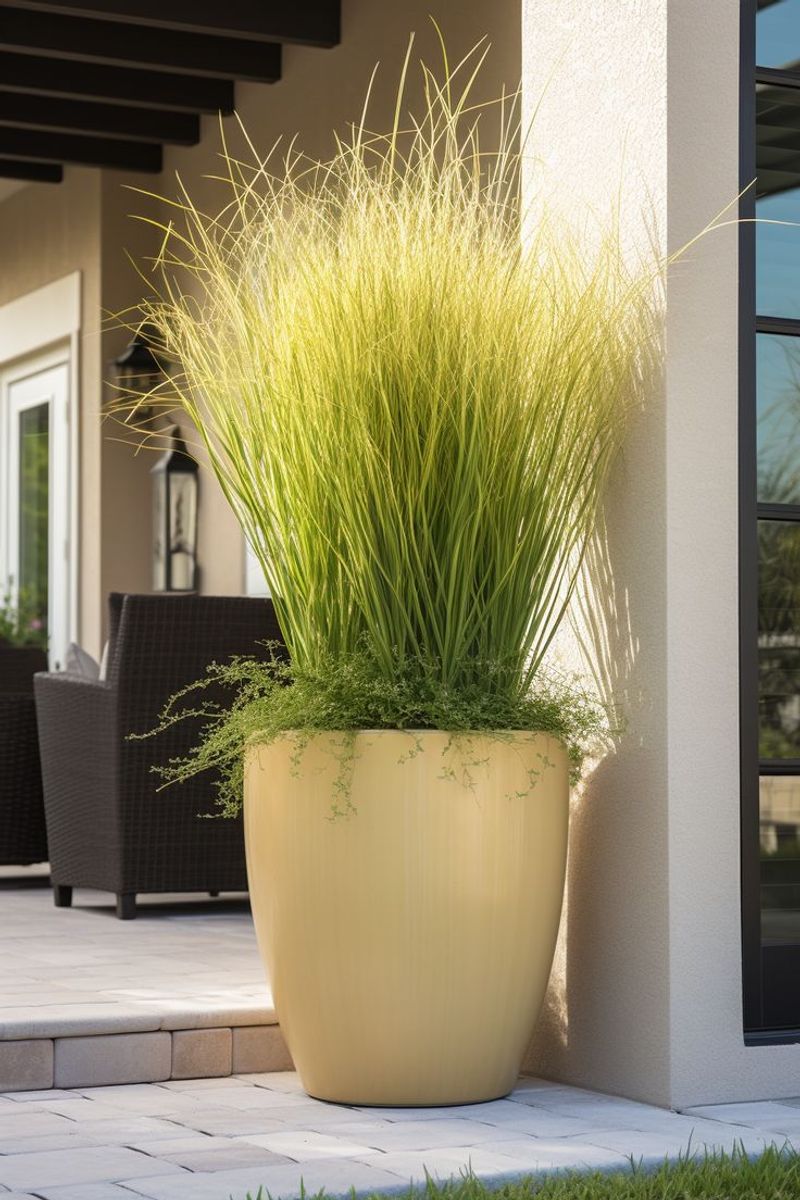
Anyone who has planted lemongrass directly in the ground in a warm climate knows how quickly it can spread into a wide, dense clump that takes over far more space than originally planned.
Growing it in a container on your Texas porch solves that problem neatly, keeping the plant contained to exactly the space you choose for it.
Containers also make lemongrass much easier to manage through the seasons. In most parts of Texas, lemongrass can survive mild winters outdoors, but during unusually cold snaps it appreciates being moved to a sheltered spot or indoors temporarily.
A container makes that kind of seasonal adjustment straightforward, which is something you simply cannot do with an in-ground planting.
Choosing the right container size matters for both plant health and visual appeal.
Lemongrass grows from a clumping base that expands over time, so starting with a pot that is at least twelve to fourteen inches wide and equally deep gives the roots enough room to establish without becoming crowded too quickly.
As the clump grows larger over one or two seasons, dividing the plant and repotting it into fresh soil refreshes its growth and gives you extra plants to share or place in other spots around your Texas porch or patio.
Container growing keeps lemongrass practical, portable, and well suited to outdoor living spaces of nearly any size.
6. Texas Heat Can Suit Lemongrass With Enough Water
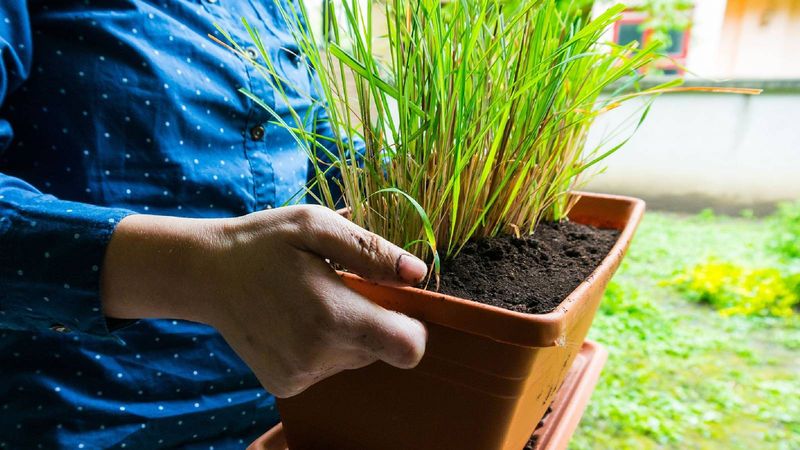
A patio pot sitting in full Texas sun during July can become surprisingly warm, and many plants struggle to stay healthy under that kind of intense heat.
Lemongrass, however, is naturally adapted to hot, humid tropical climates, which means it tends to respond well to the warmth and sunlight that Texas summers provide in abundance.
The key is consistent watering. Lemongrass in a container dries out faster than an in-ground planting because the pot limits how much moisture the roots can access.
During the hottest months in Texas, containers may need watering more frequently, sometimes every day or every other day depending on pot size, sun exposure, and whether the pot sits on a heat-absorbing surface like concrete or tile.
Checking the soil before watering rather than following a fixed schedule helps avoid both underwatering and overwatering.
A layer of mulch or moss on top of the container soil can help slow moisture loss between waterings, which is especially useful during dry Texas summers.
Placing the container where it receives morning sun and some afternoon shade can also reduce stress on the plant during the most intense heat of the day.
With reasonable attention to watering and placement, lemongrass tends to reward Texas porch gardeners with lush, vigorous growth that looks full and healthy throughout the warm season and into early fall.
7. Standing Water Still Matters More Than Fragrance
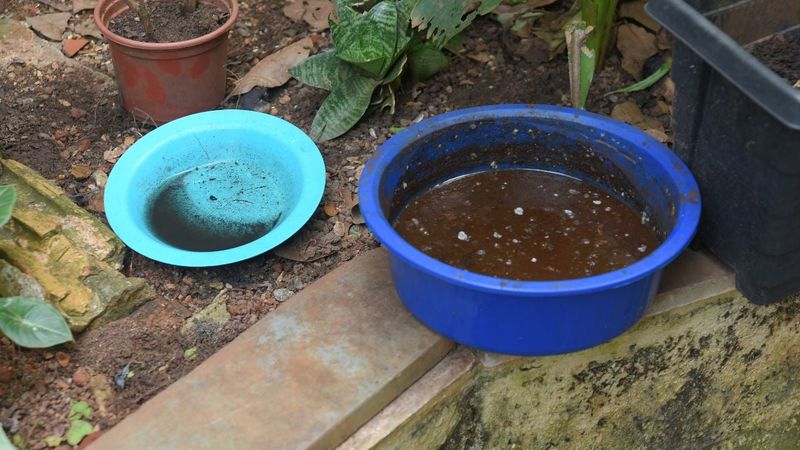
Mosquitoes need standing water to complete their breeding cycle, and even a small amount, like what collects in a pot saucer, a clogged gutter, a forgotten cup, or a low spot on the porch, can support a surprising number of them.
No fragrant plant, including lemongrass, changes that biological reality.
For Texas porches where mosquito pressure is a real concern, eliminating standing water is one of the most effective steps you can take.
Emptying saucers under containers after rain or watering, checking for pooled water on furniture cushions, and clearing out any objects that hold moisture are all practical habits that directly reduce mosquito breeding near your seating area.
These steps matter far more than what plants you choose to grow nearby.
Lemongrass can still be a valuable part of your porch setup, but understanding where it fits in the bigger picture helps you use it wisely.
Pair it with good sanitation habits, remove standing water consistently, consider screened porch options if mosquito pressure is severe, and keep properly labeled repellent products on hand for times when you really need them.
In Texas, where warm and humid conditions can make mosquito season feel long and relentless, layering multiple practical strategies gives you a much more comfortable outdoor experience.
Depending on any single approach, no matter how pleasant it smells, rarely delivers the results most people are hoping for.
8. Lemongrass Works Best With Smart Porch Pest Habits

Food left on the table after an outdoor meal is one of the fastest ways to attract ants, flies, and other unwanted porch visitors in Texas. Lemongrass sitting nearby does not change that.
Wiping down surfaces, covering food, and clearing away scraps promptly after eating are habits that make a genuine difference in how comfortable your porch feels during and after gatherings.
Thinking of lemongrass as one element in a broader porch pest strategy rather than a standalone fix makes it much more useful.
Alongside the plant, consider adding a citronella candle or torch for outdoor dining evenings, keeping porch lights on a timer or switching to yellow bulbs that attract fewer flying insects, and making sure screens on doors and windows are in good repair.
Each of these steps adds another layer of comfort to your Texas outdoor space.
Air movement also plays a role. Mosquitoes are weak fliers, and a simple outdoor fan placed near seating can significantly reduce how often they land on you.
Combining a fan, good sanitation, standing water removal, and a fragrant lemongrass container creates a porch environment that feels genuinely more comfortable and inviting. Lemongrass brings the citrus scent, the visual height, and the herb-garden charm.
The smart habits bring the real pest-management results. Together, they make your Texas porch a place guests actually want to linger on long after the sun goes down.