More Roadrunners Near Your Texas Home Means Fewer Scorpions (Here’s How To Attract Them)
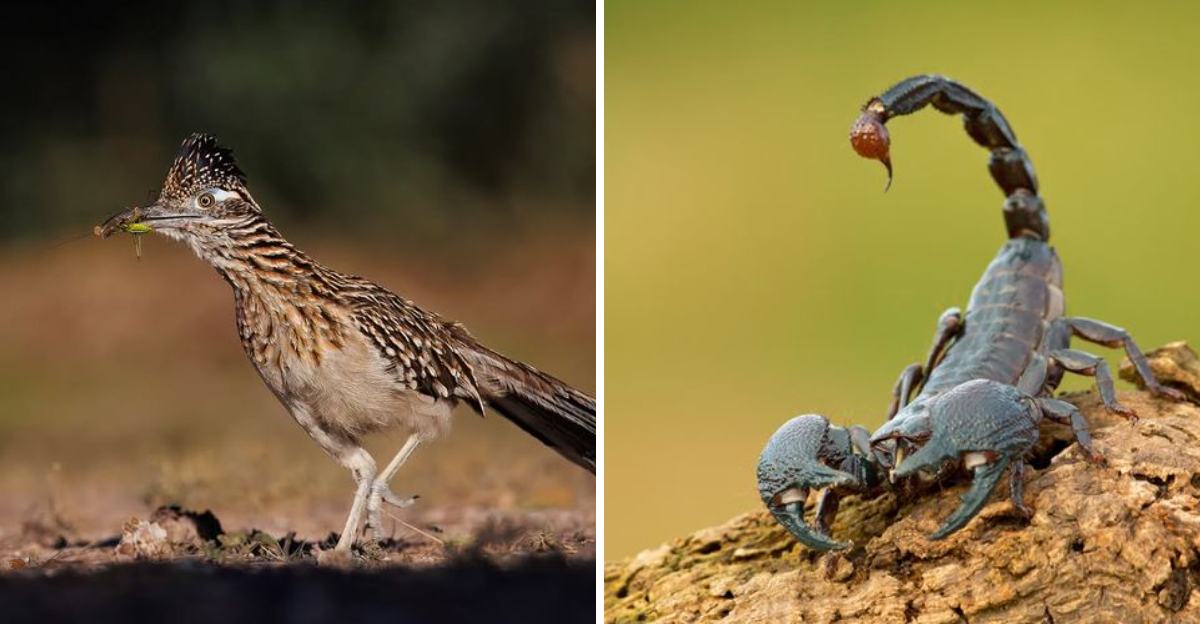
Roadrunners have a reputation that mostly comes from cartoons, but the real bird is considerably more impressive and considerably more useful than that association suggests.
In Texas, where scorpions are a genuine and persistent household concern, having roadrunners in the vicinity of your property is one of the more effective forms of natural pest control available.
These birds are skilled and enthusiastic hunters of scorpions, snakes, lizards, and large insects, and a roadrunner that decides your property is worth patrolling regularly will work through the surrounding area with a thoroughness that no spray treatment replicates.
The challenge is that roadrunners have specific habitat preferences, and most standard Texas yards do not naturally provide what they need to stick around.
Creating the right conditions is more achievable than most homeowners expect, and the payoff goes well beyond scorpion reduction into the kind of daily wildlife encounter that makes spending time in a Texas yard genuinely interesting.
1. Provide Open Ground For Foraging
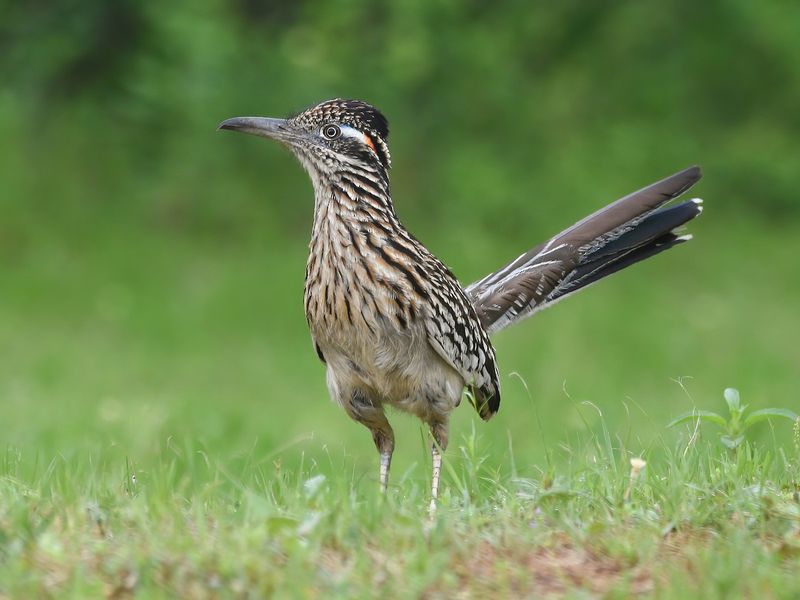
Roadrunners are natural-born hunters, and they need room to work. Open ground gives them the space to sprint, pivot, and snatch up prey before it escapes.
If your yard is packed with thick grass or dense ground cover, a roadrunner will likely skip right past it and move on to easier hunting territory.
Gravel patches, bare soil, and sparsely vegetated areas are exactly what these birds love. Think of it like a running track for a world-class sprinter.
Roadrunners can reach speeds of up to 20 miles per hour, and they use that speed to chase down scorpions, lizards, and large insects. They need clear paths to do this effectively.
Start by clearing out overgrown sections of your yard, especially near fence lines or the edges of your property. You do not need to remove everything.
A mix of open ground and low native plants is actually ideal. This combination gives roadrunners both the hunting space and the occasional cover they need to feel comfortable.
Gravel landscaping is a smart choice for Texas homeowners because it also conserves water and reduces maintenance. As a bonus, it creates the kind of terrain roadrunners prefer most.
Avoid thick mulch or dense ground covers like mondo grass, which can hide scorpions but make it harder for roadrunners to spot and catch them.
Even a small patch of open, gravelly ground near your home can make a big difference. Roadrunners are curious and bold, and once they discover a good hunting spot, they tend to return regularly.
Give them the open space they need, and they will reward you with natural pest control you can count on.
2. Plant Native Shrubs And Low Bushes
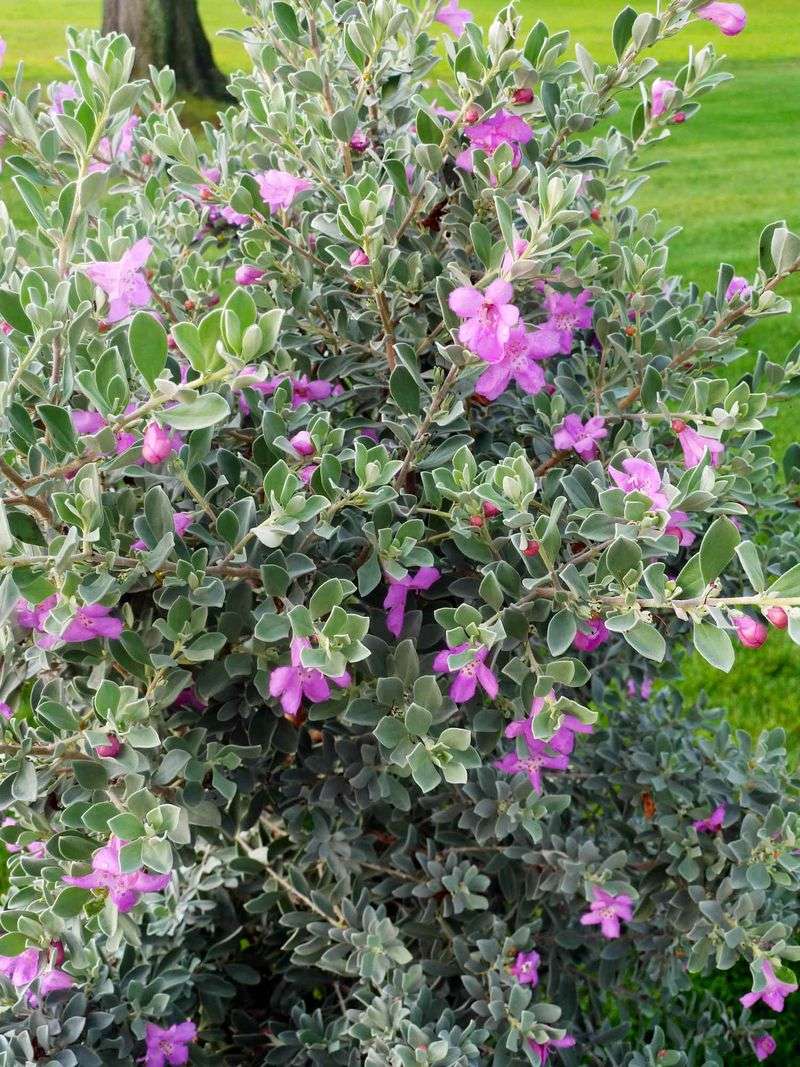
Not every part of your yard needs to be wide open. Roadrunners also need shelter, and native Texas shrubs are the perfect solution.
Plants like Texas Sage, Coral Honeysuckle, and Flame Acanthus give these birds a place to perch, rest, and keep an eye out for their next meal without feeling exposed to danger.
Your Texas Garden Changes Every Week. Your Plan Should Too.
Gardening in Texas changes quickly throughout the season. Every Friday you’ll receive a simple weekly plan showing exactly what to plant, prune, fertilize, harvest, and protect so you never miss the right timing.
The key is to keep shrubs low and spread out rather than tall and dense. Roadrunners are ground-level hunters.
They like to be able to see through and around the plants in your yard. If shrubs are too thick or too tall, they block sight lines and make hunting much harder. A roadrunner that cannot see clearly is a roadrunner that will move somewhere else.
Native plants are also a smarter choice for your yard overall. They need less water, attract local insects, and support the broader food web that roadrunners depend on.
Flame Acanthus, for example, draws hummingbirds and butterflies, which in turn attract other insects that roadrunners will happily snack on.
Try planting shrubs along the edges of your open foraging areas. This creates a natural border that mimics the kind of habitat roadrunners evolved in: open scrubland with scattered low brush.
Avoid non-native ornamental plants that grow thick and tall, as these tend to create hiding spots for scorpions rather than hunting opportunities for birds.
Spacing matters too. Give each shrub enough room to grow without crowding its neighbors.
A well-spaced native garden looks beautiful, supports local wildlife, and creates exactly the kind of semi-open environment that roadrunners find irresistible. It is a win for your yard and a win for natural pest control.
3. Avoid Pesticides In Your Yard
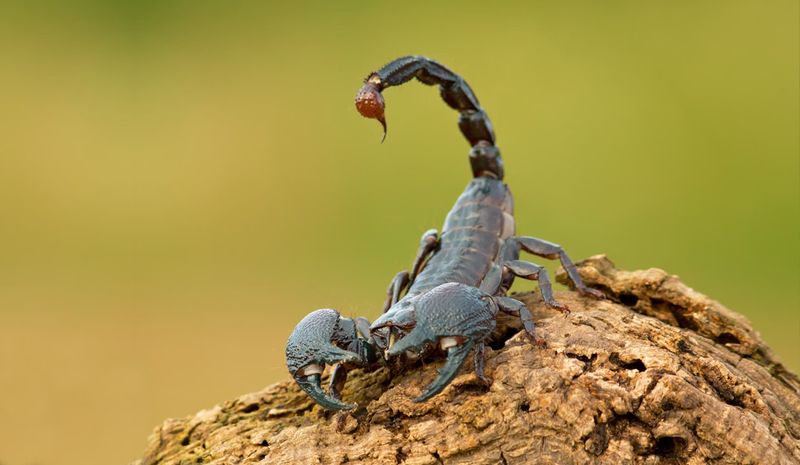
Here is something that surprises a lot of homeowners: using pesticides to fight scorpions can actually make your scorpion problem worse over time. When you spray chemicals around your yard, you wipe out the insects and small creatures that roadrunners feed on.
Without a reliable food source, these birds have no reason to visit your property. Roadrunners eat a wide variety of prey. Scorpions are just one item on their menu.
They also go after grasshoppers, beetles, centipedes, small lizards, and even snakes. A yard full of this kind of natural prey is a roadrunner paradise. A yard soaked in pesticides is basically an empty buffet table.
Beyond driving away roadrunners, pesticides can also harm these birds directly. If a roadrunner eats an insect that has been exposed to chemicals, those toxins can build up in the bird’s body over time.
This is called bioaccumulation, and it is a serious issue for predatory animals at the top of the food chain.
Going pesticide-free does not mean letting your yard run wild. It means trusting the natural system.
When you attract roadrunners and other beneficial wildlife, they handle pest control for you. Birds, lizards, and toads all work together to keep insect and scorpion numbers in check without any chemical help needed.
Start small if you are nervous about cutting pesticides completely. Try eliminating sprays in one section of your yard and see what happens.
You may be surprised how quickly wildlife moves in when the chemicals are gone. Over time, a pesticide-free yard becomes a living, balanced ecosystem that manages itself far better than any spray bottle ever could.
4. Set Up Fresh Water Sources
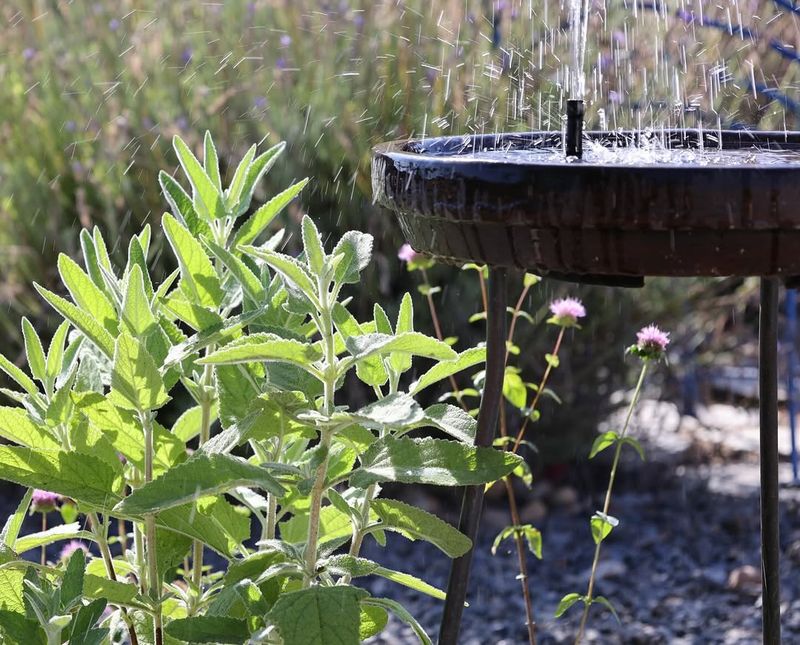
Texas summers are brutal, and even tough, heat-adapted birds like roadrunners need reliable access to fresh water.
A simple shallow birdbath or small water feature can make your yard significantly more attractive to these birds, especially during the hottest months of the year when natural water sources dry up fast. Roadrunners prefer shallow water. They are not swimmers.
A birdbath that is no more than one to two inches deep works perfectly. Make sure the edges are easy to stand on, since roadrunners like to wade in carefully rather than jump in all at once.
A rough or textured surface inside the bath helps them keep their footing without slipping.Placement matters a lot.
Put your water feature in a spot that is open enough for the bird to see approaching threats but close enough to low shrubs so it can retreat quickly if needed.
Roadrunners are cautious creatures, and they will avoid water sources that feel exposed or unsafe.
Change the water every couple of days to keep it clean and fresh. Stagnant water can grow algae and attract mosquitoes, which is the last thing you want.
A small solar-powered fountain or dripper can help keep the water moving, which also makes the feature more attractive to a wider range of birds and wildlife.
Water features do more than just hydrate roadrunners. They attract the insects and small creatures that roadrunners hunt, turning your yard into a complete habitat rather than just a rest stop.
Once a roadrunner discovers a dependable water source at your home, it is very likely to return again and again throughout the season.
5. Create Safe Nesting Opportunities
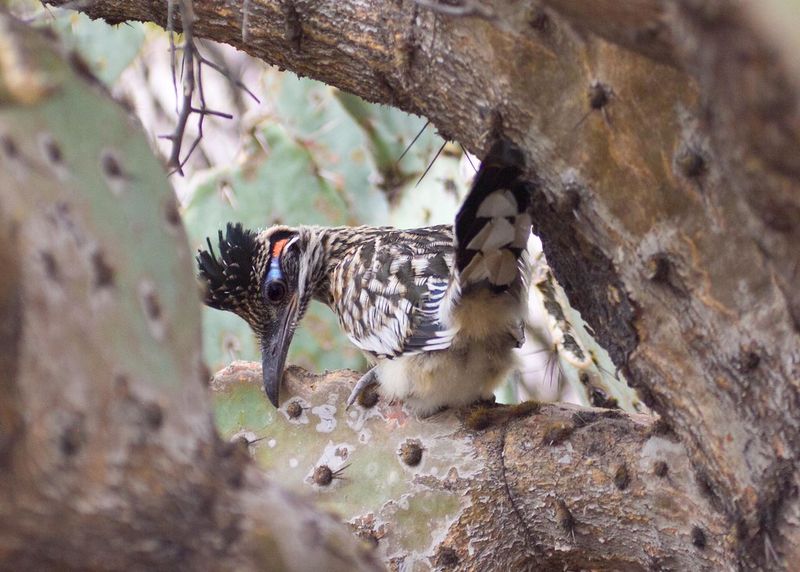
Roadrunners that nest near your home are roadrunners that stick around all year. And a resident roadrunner is far more effective at controlling scorpions than one that just passes through occasionally.
Creating safe nesting spots is one of the most powerful things you can do to build a long-term relationship with these birds.
In the wild, roadrunners nest in low thorny shrubs, small trees, and dense brush piles. They like spots that are hard for predators to reach but still give them a clear view of the surrounding area.
Mimicking this setup in your yard is easier than you might think. Leave brush piles in a quiet corner of your yard. A pile of sticks, branches, and dried plant material about two to three feet high is ideal.
Add a thorny native shrub nearby, like a Lotebush or Agarita, and you have created a natural nesting zone that roadrunners will find very appealing.
Keep nesting areas away from high-traffic parts of your yard. Roadrunners are not shy birds, but they do prefer to raise their young in a low-disturbance area.
Avoid placing nesting habitat near your driveway, back porch, or anywhere pets and children spend a lot of time playing.
Once a pair of roadrunners successfully nests in your yard, they often return to the same spot the following year. Over time, you could have a family of roadrunners that patrols your property season after season.
That kind of consistent, natural scorpion management is hard to beat. A little patience and a well-placed brush pile can pay off for years to come.
6. Keep Predators Away From Roadrunner Zones
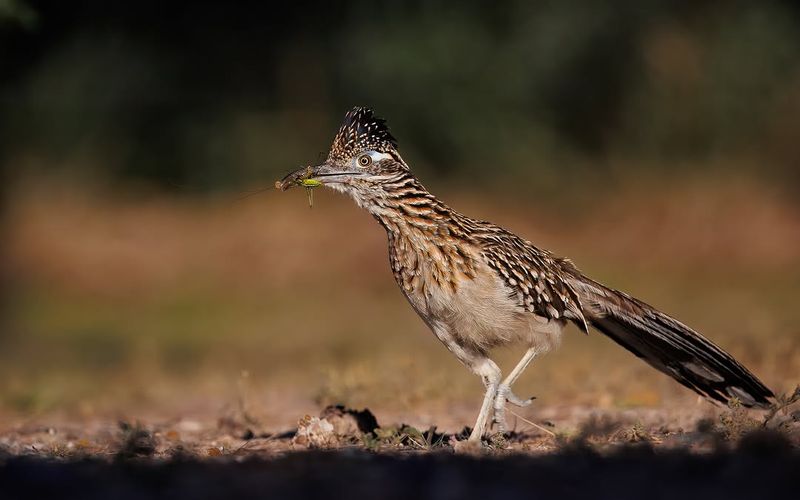
Roadrunners are brave birds. They will take on a rattlesnake without hesitation. But even the boldest roadrunner will avoid a yard where it feels constantly threatened by domestic cats, large dogs, or heavy human foot traffic.
If you want these birds to hunt and nest on your property, you need to give them a sense of security.
Outdoor cats are one of the biggest threats to ground-dwelling birds across the United States. Even a well-fed house cat will stalk and chase a roadrunner out of pure instinct.
If you have cats, try keeping them indoors during the early morning and late afternoon hours when roadrunners are most active. This small change can make a huge difference.
Dogs can also disrupt roadrunner behavior, especially large or energetic breeds that like to chase anything that moves. Consider designating one section of your yard as a low-disturbance zone where pets are not allowed to roam freely.
A simple garden fence or natural plant barrier can create this separation without a lot of effort or expense.
Human activity matters too. Roadrunners can get used to people over time, but they need to feel safe first.
Avoid making sudden movements or loud noises near areas where you have spotted roadrunners foraging. Watching quietly from a distance is the best way to observe them without causing stress.
A roadrunner that feels secure in your yard will spend more time hunting, which means more scorpions and insects being removed from your property every single day. Reducing disturbances is not just about being kind to wildlife.
It is a practical strategy that directly improves the effectiveness of your natural pest control system.