The Most Underrated Florida Yard Plant That Keeps Roaches Away From The Property
Roaches in Florida are a year-round reality, and most homeowners fight them from the inside out. Sprays along the baseboards, traps behind the appliances, products that handle the problem once it has already crossed the threshold.
That approach works on what is inside. It does nothing about what is still deciding whether to come in.
The yard is where that decision gets made. Certain plants create an environment roaches find off-putting before they ever reach the foundation.
Most homeowners have never thought about pest deterrence in those terms. That is exactly why the plants that could help are sitting largely unplanted in yards across the state.
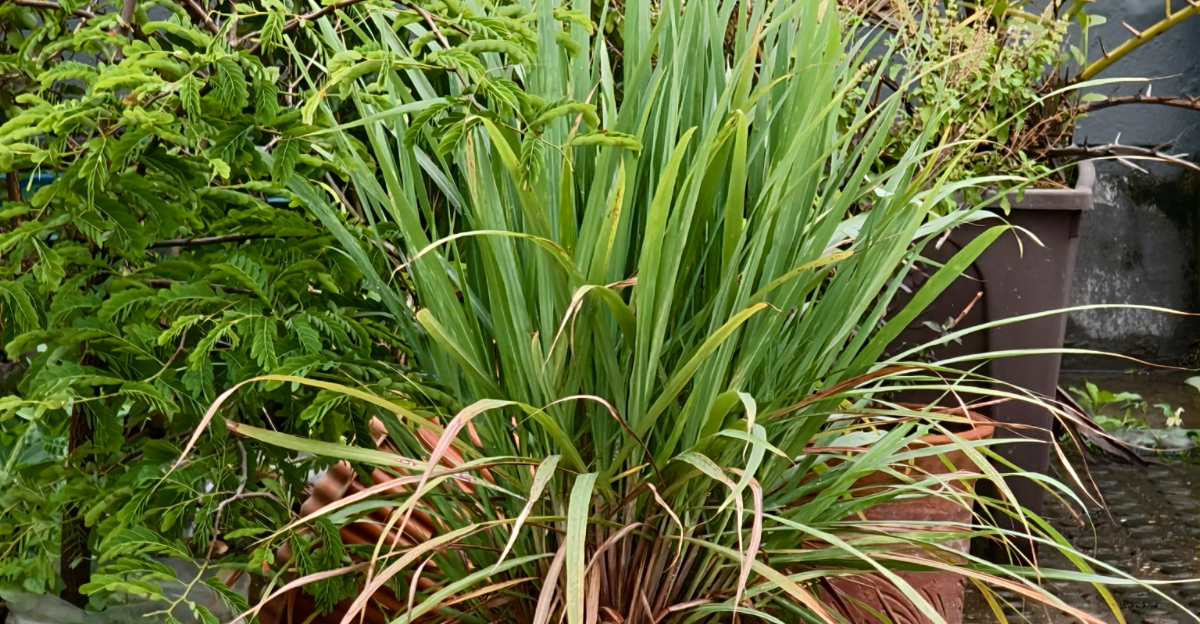
One in particular has a scent that roaches genuinely avoid. It thrives in Florida’s climate, looks good in a container or a bed, and earns its spot in the yard regardless of the pest benefit.
Most Florida yards are missing it entirely.
1. Lemongrass Makes A Cleaner Border Near The House
Picture the edge of your house where the yard meets the foundation. That strip of ground is one of the first places roaches look for shelter, moisture, and cover.
Planting lemongrass along that border can change how that space looks and functions.
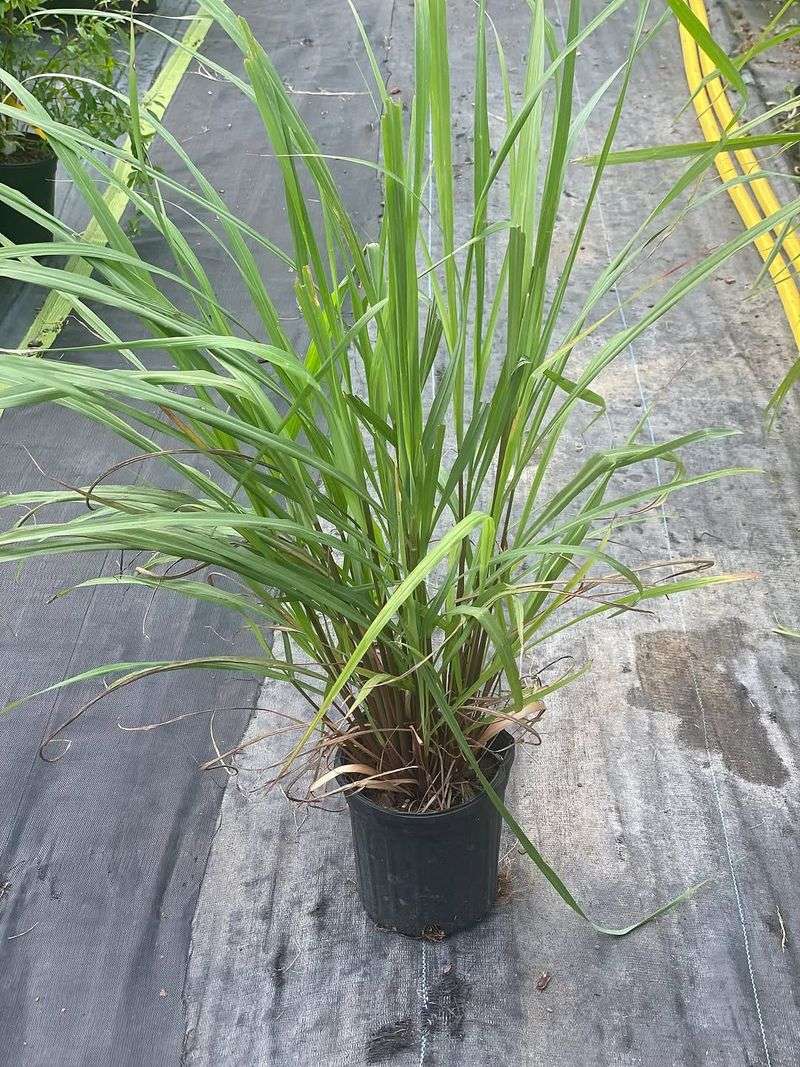
Lemongrass grows in dense, upright clumps that can reach four to six feet tall in warm-weather landscapes. Its tall, arching blades create a bold visual border that makes a yard edge look planned and polished.
It thrives in full sun and well-drained soil, which are exactly the conditions that make a foundation bed less attractive to roaches.
The plant does not create a guaranteed roach barrier. No single plant does.
What lemongrass does is help Florida homeowners build a cleaner, drier, more visible edge near the home. A well-maintained lemongrass border is easier to inspect, harder for pests to hide in, and more pleasant to look at than a cluttered, shaded bed.
It works best in spots that get at least six hours of direct sun and drain well after rain. Pair it with good drainage and a tidy bed, and you have a foundation edge that is far less welcoming to roaches than a dark, damp corner.
2. The Scent Helps The Story But Not As A Guarantee
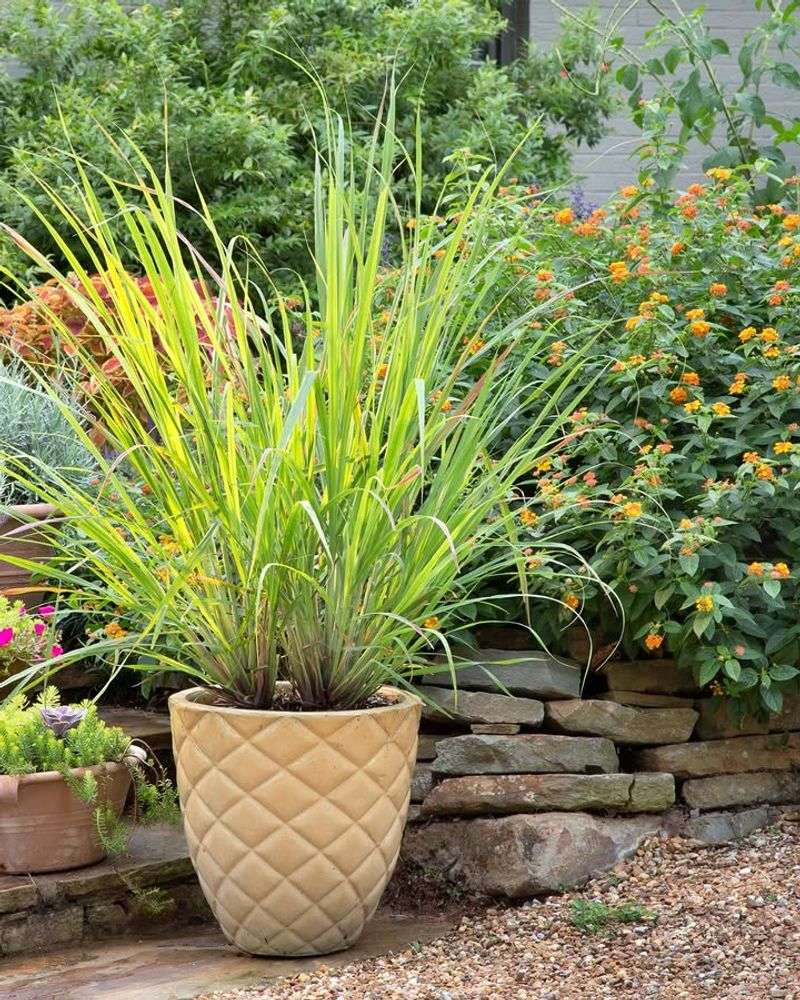
Walk past a healthy clump of lemongrass and brush your hand across the blades. That sharp, citrusy smell hits immediately.
It is one of the reasons people have long connected lemongrass with pest-discouraging ideas, and the connection is not completely unfounded.
Lemongrass contains citronellal and geraniol, compounds found in many commercially formulated pest-repellent products. Studies on extracted plant oils have shown some repellent activity in controlled conditions.
That sounds promising, but there is an important difference between a formulated product and a living plant growing in your yard.
A potted or in-ground lemongrass plant releases scent naturally through its blades, especially when cut, brushed, or trimmed. That scent is real, but it is not concentrated enough to act as a reliable roach barrier across an entire yard.
Open-air conditions, wind, heat, and rain all reduce how far the scent travels and how long it lingers. Think of the fragrance as a bonus feature rather than the main defense.
Your Florida Garden Changes Every Week. Your Plan Should Too.
Gardening in Florida changes quickly throughout the season. Every Friday you’ll receive a simple weekly plan showing exactly what to plant, prune, fertilize, harvest, and protect so you never miss the right timing.
Scent adds to the experience of a well-kept yard, but habitat management, not plant aroma alone, is what actually makes a yard less roach-friendly. The scent supports the strategy; it does not replace it.
3. Dry Edges Matter More Than Plant Myths
Roaches are not randomly wandering your yard. They are searching for specific things: moisture, warmth, shelter, and organic material to feed on.
A damp, shaded foundation bed checks every box on that list.
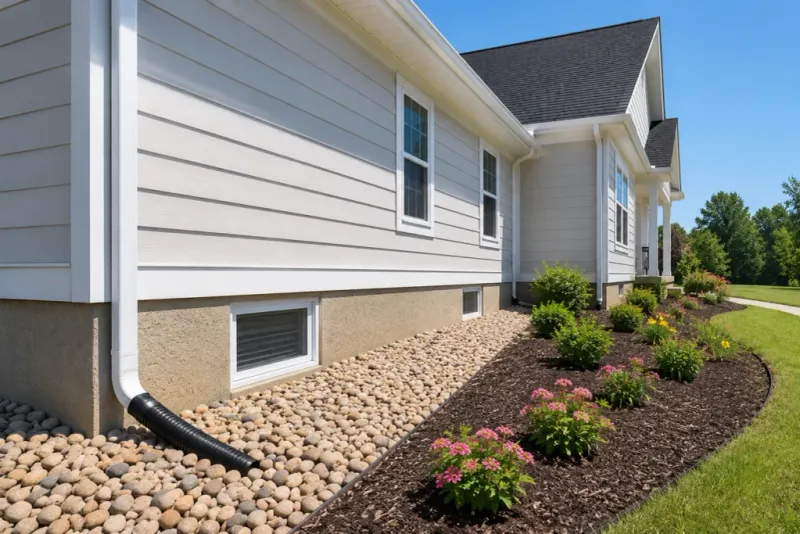
Fixing irrigation overspray near the house and repairing leaky hose bibs can reduce roach pressure. Improving drainage in low spots near the foundation does more than any plant alone.
When the ground near your home stays consistently wet, roaches have little reason to move on. Even a fragrant plant like lemongrass will not make much difference if it sits in a soggy, poorly drained bed.
A dry, visible foundation edge is one of the most effective changes a Florida can make. It removes the moisture roaches depend on and makes the area easier to inspect for pest activity.
Keep sprinkler heads aimed away from the house, check for pooling after rain, and let the soil near the foundation dry out between waterings. Lemongrass actually supports this goal because it prefers well-drained, sunny conditions.
Planting it in the right spot reinforces a dry edge naturally. Combine good drainage with the plant, and you have a foundation bed that works against roach settlement rather than inviting it.
4. Thin Mulch Before Roaches Find Shelter
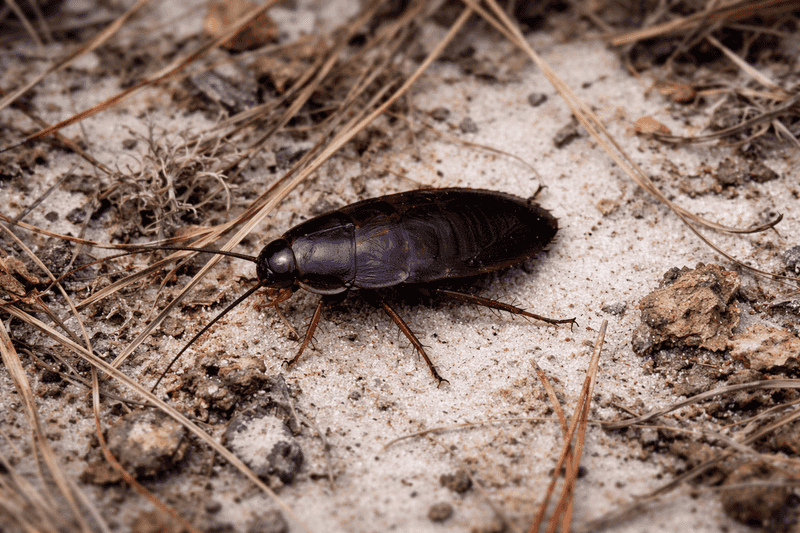
Mulch is one of the most useful materials in a Florida warm-weather yard. It holds moisture, moderates soil temperature, and reduces weeds.
But when it piles up too deep near the foundation, it creates exactly the kind of cover roaches love most.
A thick layer of damp, decaying mulch pressed against the siding or vents of a home offers roaches a warm, protected hiding spot with plenty of organic material nearby.
German and American cockroaches both use dense mulch beds as shelter, especially during cooler nights or dry spells when they need a stable environment.
The problem gets worse when mulch touches the wall directly or covers a vent opening.
Keep mulch no deeper than two to three inches near the foundation. Pull it back at least six inches from the wall, siding, or any vent openings.
Let that strip of ground near the house stay dry and visible. You do not need to remove mulch from the entire yard; just manage it carefully near the home.
Lemongrass planted at the outer edge of a mulched bed can help define that border and signal where the tidy, well-managed zone begins. Used this way, the plant and the mulch strategy work together rather than against each other.
5. Keep Fallen Blades From Becoming Cover
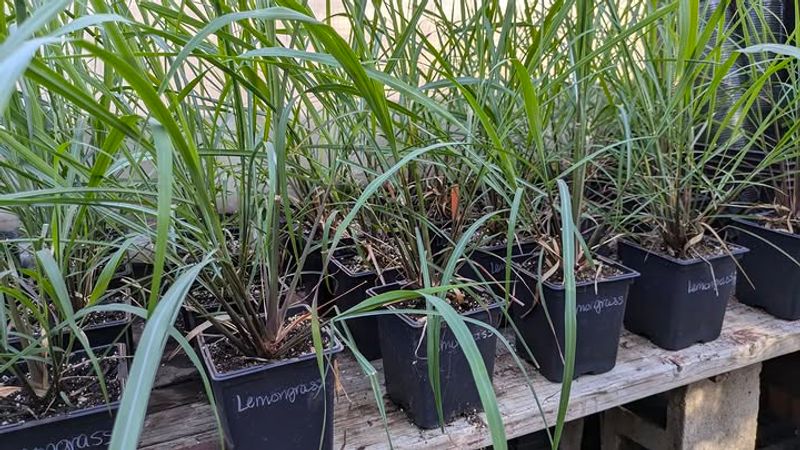
Lemongrass is a low-maintenance plant, but low-maintenance does not mean no maintenance. The outer blades of a mature clump naturally turn brown and dry out over time.
This is especially common after storms, heavy growth spurts, or cooler stretches in the panhandle communities.
Those fallen blades can pile up around the base of the plant if left alone. A dense layer of deceased, damp leaf material at the base of any plant creates a sheltered microhabitat that roaches and other insects find appealing.
Ironically, a plant added to the yard for its clean, open appearance can become a clutter problem if the deceased material is not managed.
Trim the outer blades back regularly, especially after rainy periods or seasonal growth flushes. Clear away the cut material and do not let it decompose in a pile near the foundation.
A light cleanup after each trimming session keeps the base of the plant open, dry, and easy to inspect. The goal is a tidy clump with visible soil around it, not a mound of layered debris.
Well-maintained lemongrass looks intentional and structured. Neglected lemongrass becomes just another hiding spot.
A few minutes of trimming every few weeks keeps the plant working in your favor rather than against you.
6. Plant It Where Airflow Can Do Its Job
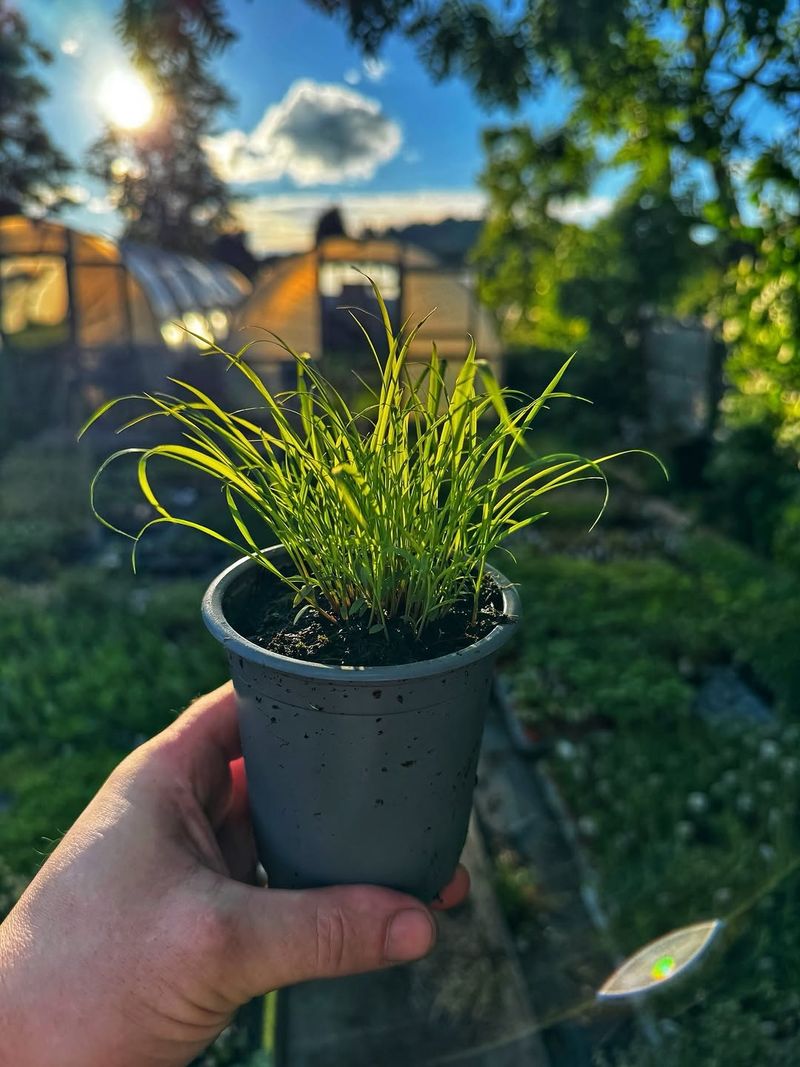
Placement matters more than most Florida gardeners realize. Lemongrass performs best in a spot that gets full sun, drains well, and allows air to move freely around the clump.
That is also where it contributes most to a pest-discouraging yard.
Cramped, shaded foundation corners are the wrong spots for this plant. Roaches prefer areas where humidity stays high and air circulation is poor.
Crowded plantings trap moisture against the wall and make it harder to spot pest activity at the base of the vegetation. Even a well-chosen plant becomes less useful when it is jammed into a corner with no breathing room.
Leave at least twelve to eighteen inches between the base of a lemongrass clump and any wall, vent, or structure. Keep surrounding shrubs trimmed so they do not create a solid wall of greenery that blocks light and airflow.
An open, airy border is easier to maintain, easier to inspect, and far less attractive to roaches than a dense, shaded mass of plants. The Sunshine State’s heat and humidity make airflow a real consideration in any yard design.
Lemongrass fits naturally into a well-spaced, sunny border where its upright shape adds structure without closing off the foundation from light and air movement.
7. Seal Entry Points Before Roaches Move Inside
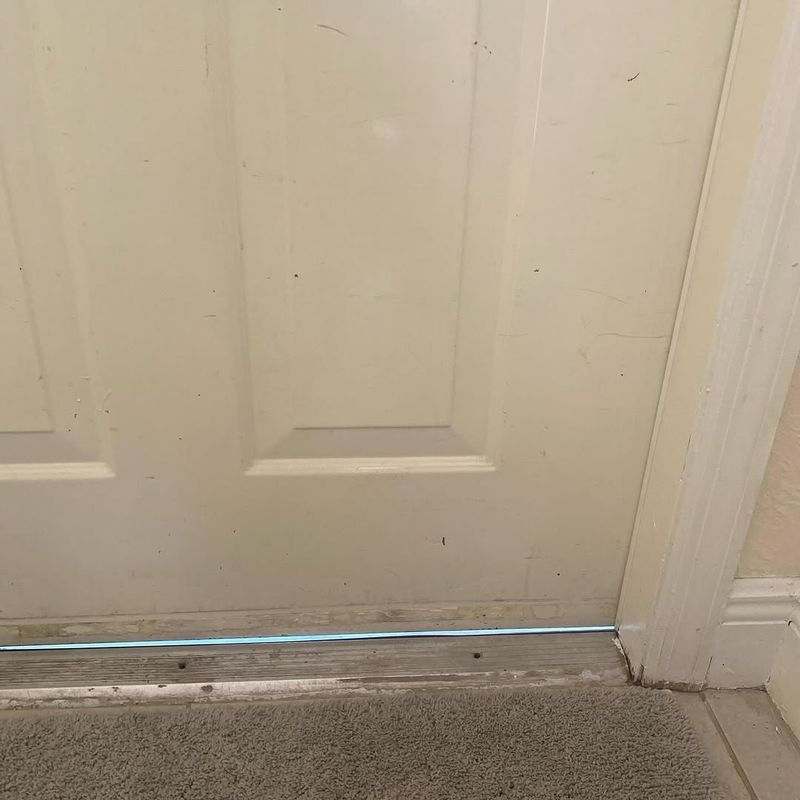
Even the most carefully maintained yard has limits. Outdoor roach pressure becomes a real problem the moment pests find an open path into the house.
Gaps around pipes, torn window screens, missing door sweeps, and cracks near utility lines are all common entry points that go unnoticed until roaches are already inside.
Planting lemongrass along the foundation does not seal those gaps. A fragrant border and a well-drained bed reduce how welcoming the outside is.
They cannot stop a roach from walking through a half-inch gap under a garage door or slipping past a torn screen. Exclusion is the piece of pest prevention that outdoor plants simply cannot cover.
Walk the perimeter of your home and check every possible entry point. Add door sweeps to exterior doors that have visible gaps at the bottom.
Replace torn or bent window screens. Seal spaces around utility pipes with an appropriate caulk or foam rated for outdoor use.
Check dryer vents and crawl space screens for damage. These fixes are inexpensive, straightforward, and highly effective.
Pair them with your yard cleanup routine, and the result is a property that is harder to enter from both the outside and the perimeter. Lemongrass works best when the house itself is already well sealed.
8. Use Lemongrass As Part Of A Smarter Yard Plan
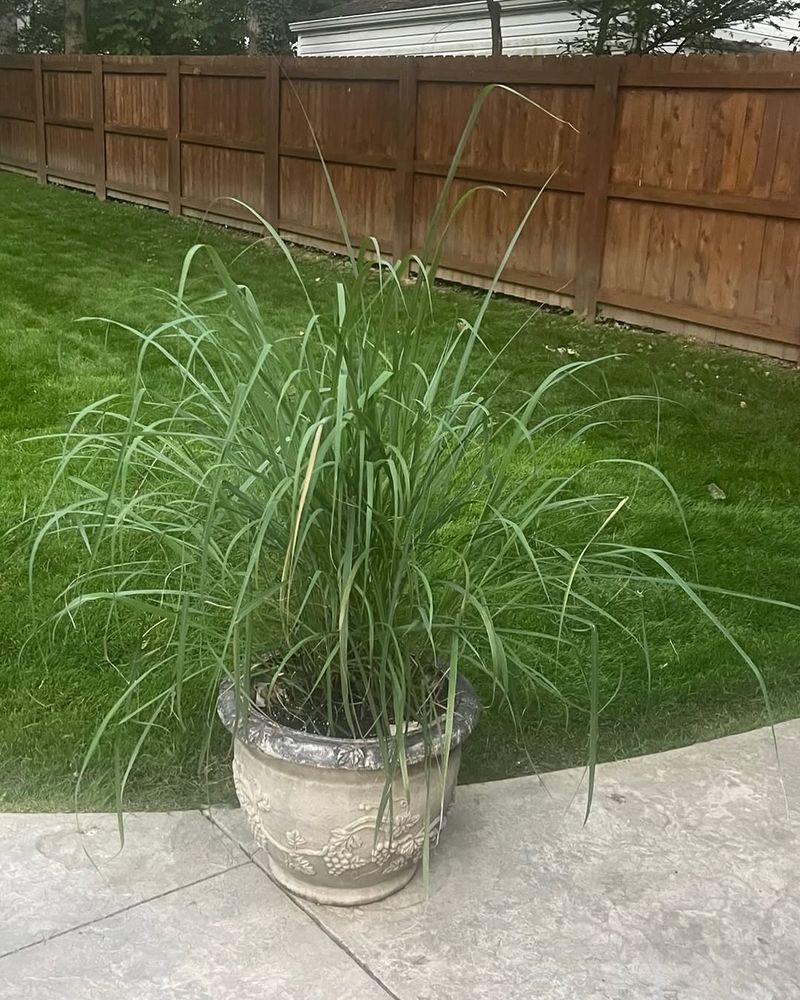
No single plant, product, or trick creates a roach-free property. What actually works is a combination of habits that make the yard consistently less comfortable for roaches to use as a base.
Lemongrass fits naturally into that kind of plan.
Use it as a border plant in full sun along the foundation, patio edge, or driveway strip. Keep the mulch in that bed thin and dry.
Pull organic debris away from the base of the plant after storms. Leave space between the clump and the wall so air can move through and the area stays easy to inspect.
Trim nearby shrubs so they do not create shaded hiding spots. Clean up leaf litter regularly, especially near vents and corners.
Add exclusion work to the routine. Seal gaps, check screens, and make sure the house itself does not offer easy access.
Reduce clutter in the yard, including stacked pots, old boards, and debris piles that give roaches a sheltered place to settle. Lemongrass brings beauty, structure, and a clean citrusy scent to the yard.
It signals that the space is cared for and intentional. The yard becomes less roach-friendly because the conditions improve all around it.
The plant is a visible part of that effort, not the whole solution, but a genuinely useful one.