These Native Ohio Plants Handle Hot Dry Slopes Like They Were Made For It
Hot, dry slopes in Ohio are some of the toughest spots in any yard or garden.
The sun beats down all day, rain runs off before the soil can soak it up, and mowing those steep angles feels like a workout with zero reward.
Most ornamental plants give up on ground like that within a season or two, leaving the slope bare, eroded, and looking worse than before you tried.
Ohio’s native plants grew up on exactly these kinds of sites. A handful of them are practically built for baking hillsides, thin soils, and zero irrigation.
Their deep root systems grip the soil and slow erosion, while their drought tolerance means you are not dragging a hose up a hillside every week wondering why nothing is working.
Worth noting: plants alone may not be enough for severe erosion problems. Steep or heavily damaged slopes may also need drainage improvements or terracing before planting.
For most average slopes, though, these eight Ohio natives will do more than survive.
They will thrive, look genuinely beautiful through the seasons, and support the butterflies, bees, and birds that make a yard feel alive rather than just maintained.
1. Little Bluestem Grips Hot Hillsides
That bare, baked slope where nothing seems to stay put might just be the perfect home for little bluestem.
This native grass is a true Ohio original, and it has been holding down dry prairie soils for thousands of years. It does not need rich soil or regular rain to look good.
In fact, it thrives on neglect in a way that makes it almost unfair to other plants.
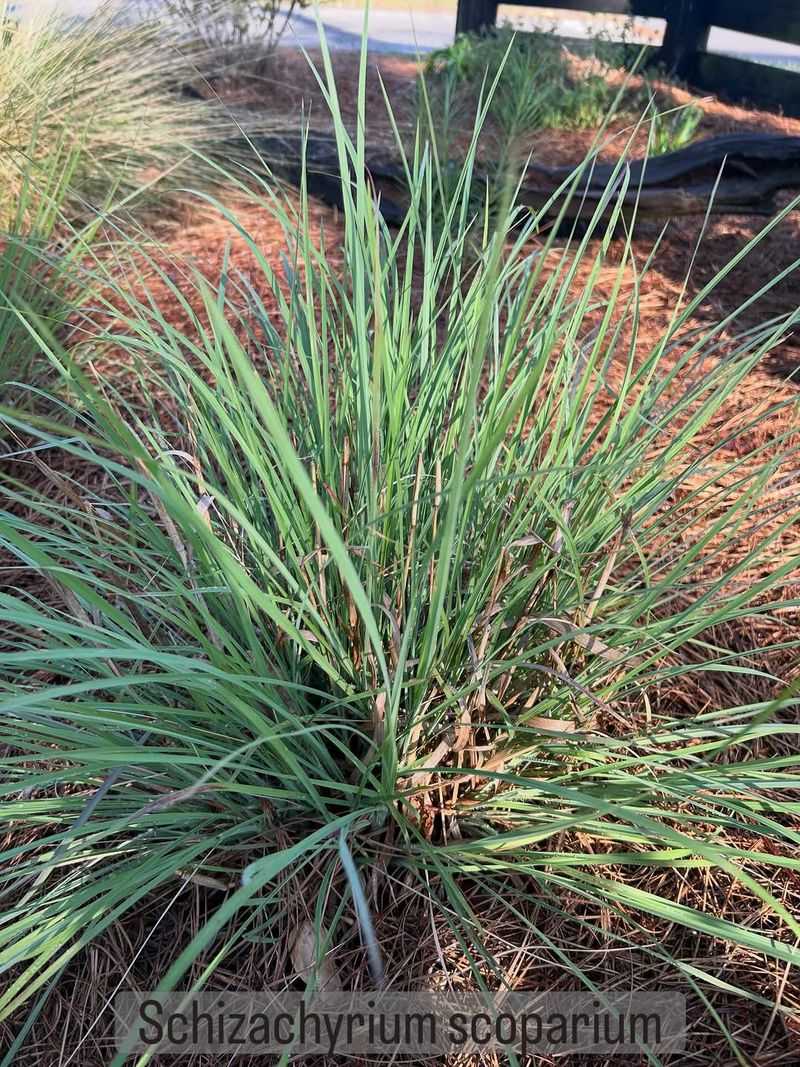
Little bluestem grows in tight, upright clumps that reach about two to four feet tall. Those clumps send roots deep into the slope, well past the surface layer that tends to wash away after a hard rain.
Some roots push down three feet or more, anchoring soil that would otherwise creep downhill season after season.
Through summer, the foliage is a cool blue-green color that stands out nicely against dry ground.
Then fall arrives and little bluestem transforms into something almost magical. The stems turn copper, bronze, and burgundy, and they hold that color well into winter. Even after a frost, the dried plumes catch the light beautifully against snow.
Plant little bluestem in full sun and lean, well-drained soil.
Skip the fertilizer entirely. Rich soil actually makes it flop and look messy. Space plants about eighteen inches apart on your slope and give them one season to establish.
After that first year, they are largely self-sufficient, and birds love the seeds through winter as a bonus.
2. Butterfly Weed Loves Dry Sunny Ground
Few plants put on a show quite like butterfly weed on a hot, sun-soaked slope.
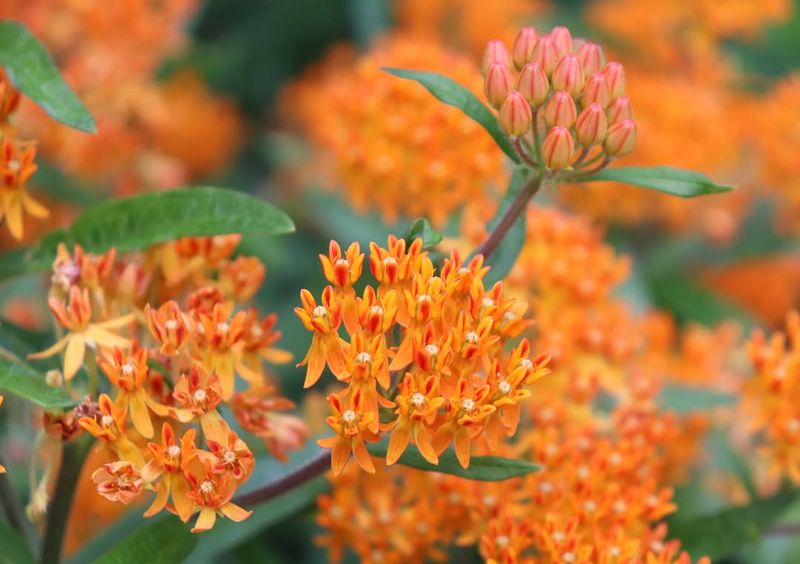
That intense orange color is almost electric against dry summer grass, and it pulls in monarchs, fritillaries, and native bees from surprising distances.
Watching pollinators work a patch of butterfly weed on a warm July afternoon is genuinely one of summer’s best moments.
Your Ohio Garden Changes Every Week. Your Plan Should Too.
Gardening in Ohio changes quickly throughout the season. Every Friday you’ll receive a simple weekly plan showing exactly what to plant, prune, fertilize, harvest, and protect so you never miss the right timing.
Butterfly weed is a native milkweed, which means it is a host plant for monarch butterflies.
Female monarchs lay eggs directly on the leaves, and the caterpillars feed there before forming their chrysalises.
Planting it on a slope is not just a landscaping decision. It is an actual conservation act that supports a species that needs every bit of help it can get right now.
What makes this plant special for slopes is its deep taproot.
That taproot drills straight down into dry, rocky, or clay-heavy soil and holds the plant firmly in place. It is also what makes butterfly weed drought-tolerant once established.
Do not try to move it after it is settled in. That taproot does not appreciate being disturbed.
Give butterfly weed full sun and sharp drainage.
It handles gravelly or sandy soil better than most plants. Plants may take two full seasons to establish, so be patient if yours looks slow the first year.
By year three, expect a full, blooming clump that returns reliably and spreads slowly from seed. Worth every bit of the wait.
3. Purple Coneflower Keeps Slopes Colorful
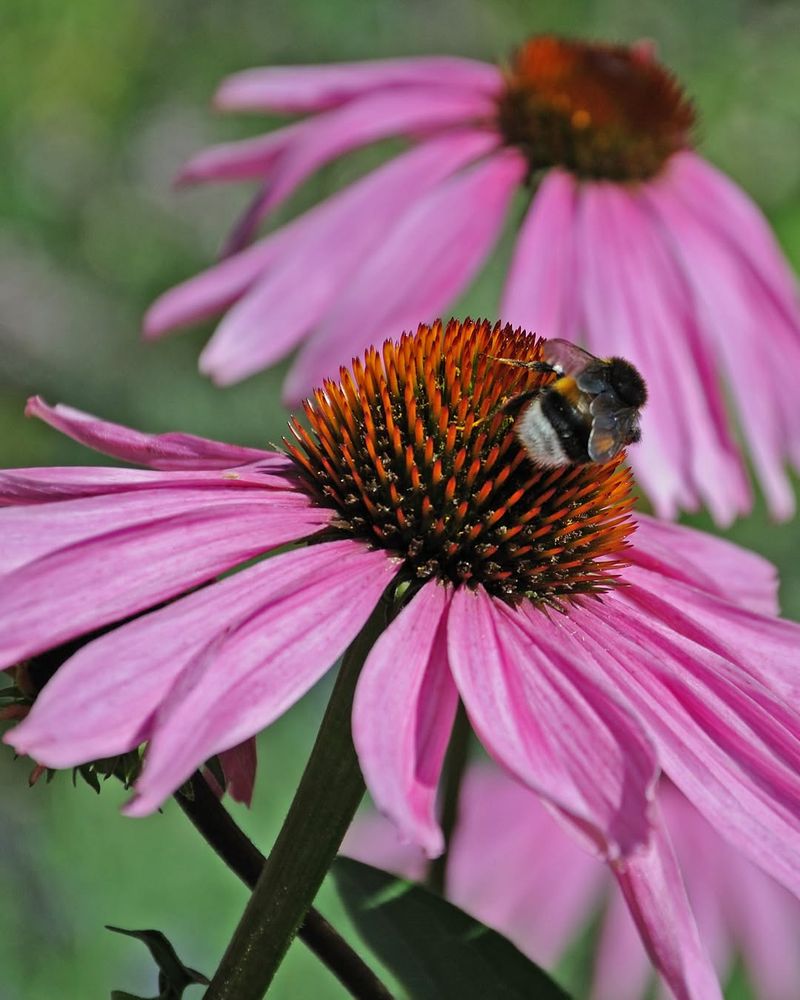
A slope without color can feel like a problem waiting to be solved, and purple coneflower is one of the most dependable answers Ohio gardeners have found for that exact situation.
It blooms from late June through August, fills in nicely around other natives, and asks for very little in return.
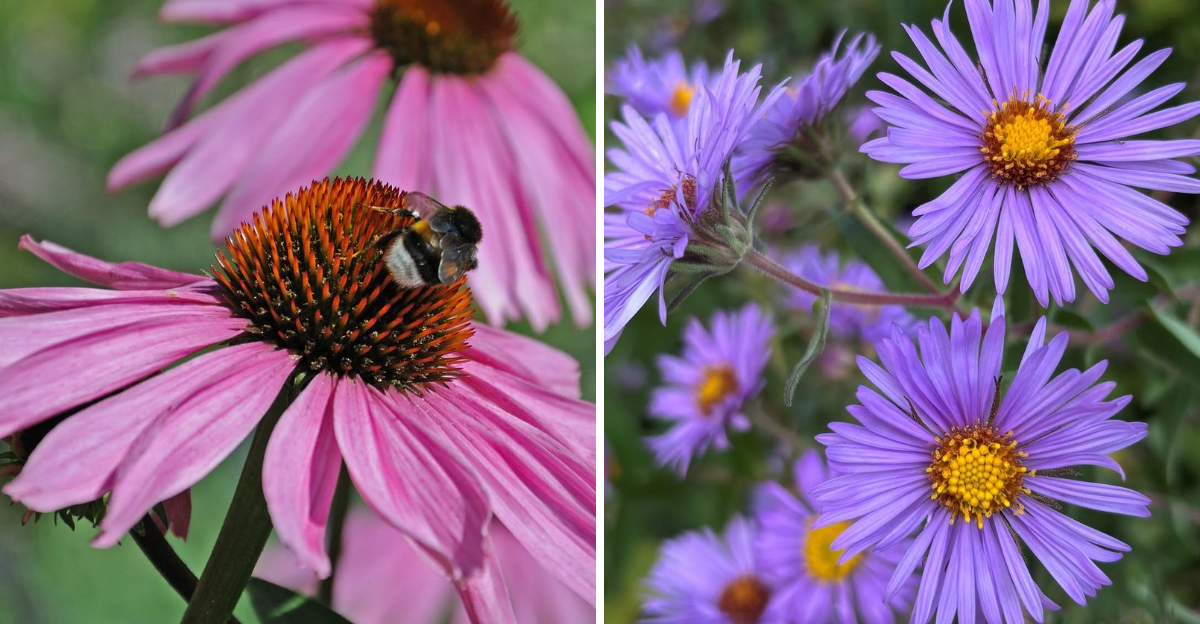
The flowers are a warm pinkish-purple with a spiky orange-brown center that gives them a bold, textured look against dry summer ground.
Coneflower handles lean, dry soil without complaint.
It actually performs better in low-fertility ground than it does in rich garden beds, where it can get leggy and flop over. On a slope with thin topsoil and good sun exposure, it stays upright, blooms heavily, and looks tidy throughout the season.
Beyond the color it brings, purple coneflower supports an impressive range of wildlife.
Bees and butterflies work the flowers throughout summer. Then when the petals drop and the seed heads form, goldfinches arrive to pick them apart through fall and early winter.
Leaving the seed heads standing is one of the easiest ways to support birds without doing anything extra.
Plant coneflower in full sun for the best bloom production.
Water new transplants through their first summer, then step back.
Established plants handle Ohio drought conditions well, and they self-seed gently, which means your slope planting will slowly fill in over the years without any extra effort from you.
4. Black-Eyed Susan Fills Bare Patches Fast
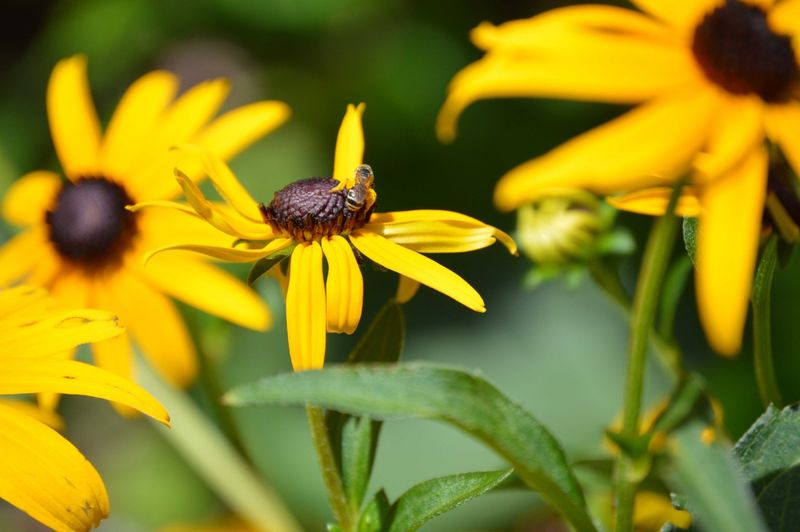
Bare soil on a slope is an open invitation for weeds, and black-eyed Susan is one of the fastest native options for closing that invitation before opportunistic plants move in.
It germinates quickly from seed, establishes in its first season, and covers ground in a way that feels almost eager.
That cheerful golden yellow with the dark brown center is one of Ohio’s most recognizable wildflower faces, and it earns that recognition.
What makes black-eyed Susan so useful for slopes is its flexibility.
It handles poor, dry, compacted, and rocky soils without needing any amendments. You can scatter seed on a bare slope in early spring or late fall and expect reasonable germination without much preparation.
For faster results, plant transplants and water them in for the first few weeks. After that, they largely take care of themselves through the summer heat.
Black-eyed Susan is technically a short-lived perennial, but it self-seeds so freely that it behaves like a permanent fixture.
New plants pop up near the original clumps each year, filling gaps and spreading slowly across the slope. This self-seeding habit is actually one of its best features on a rough site where ground cover is the goal.
It pairs beautifully with little bluestem and purple coneflower, creating a layered meadow effect that looks intentional and polished.
Birds visit the seed heads regularly. Bees love the open flowers. For a plant that asks almost nothing of the gardener, black-eyed Susan delivers a remarkable amount of color, coverage, and wildlife value across a full season.
5. Wild Bergamot Handles Lean Soil
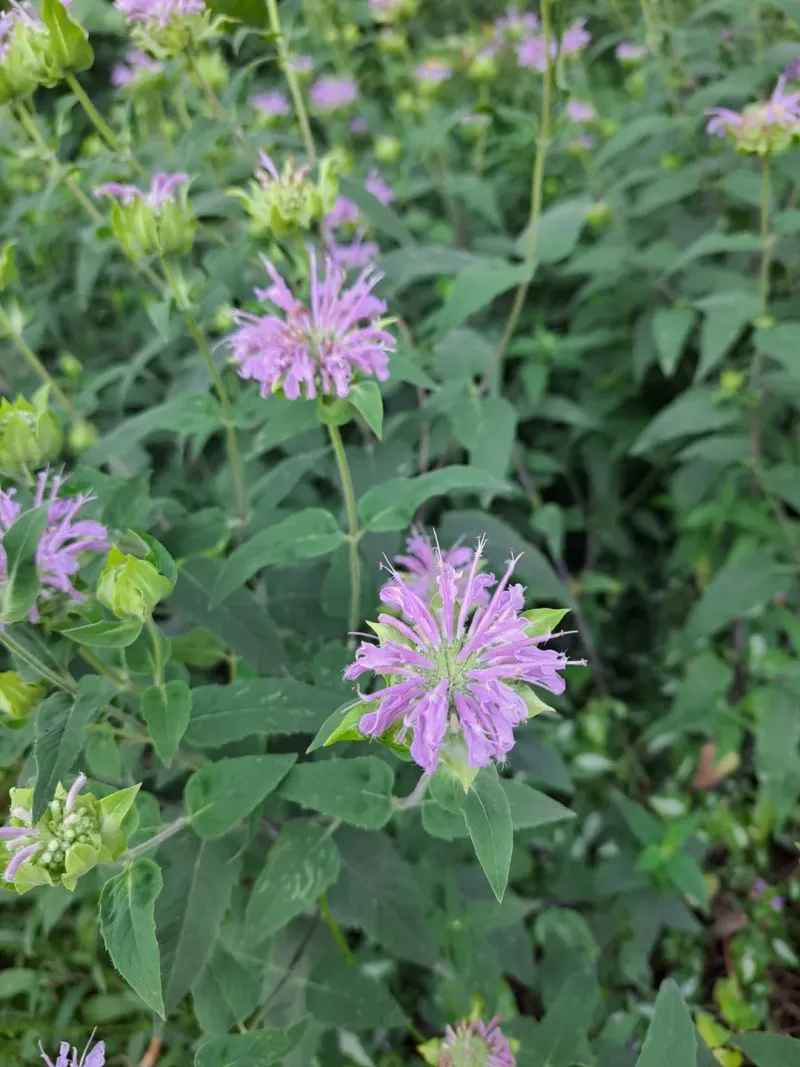
There is something almost buzzing about a patch of wild bergamot in full bloom.
The lavender-purple flower heads are shaggy and full of texture, and they attract a stunning variety of native bees, bumblebees, hummingbirds, and butterflies all at once.
On a warm July afternoon, a well-established bergamot patch sounds alive. That kind of pollinator activity on a previously bare slope feels like a genuine transformation.
Wild bergamot is a member of the mint family, and you can smell it when you brush past the leaves.
That aromatic quality is part of what makes deer and rabbits less interested in nibbling it, which is a real advantage on open slopes where browsing pressure can be heavy.
On dry, sunny slopes with lean soil, wild bergamot performs consistently well.
It does not need fertilizer and actually spreads more aggressively in poor ground than in rich soil. Expect it to slowly expand through underground rhizomes, creating a low mat of stems that covers the slope gradually over several seasons.
That spreading habit helps stabilize soil and crowd out weeds without any intervention from you.
Plant wild bergamot in full to partial sun.
It tolerates clay and rocky soil as long as drainage is reasonable. Water new plants through their first summer.
After establishment, drought does not slow it down much. Cut plants back to a few inches in late winter to keep the clumps tidy and encourage fresh growth.
6. Prairie Dropseed Softens The Slope
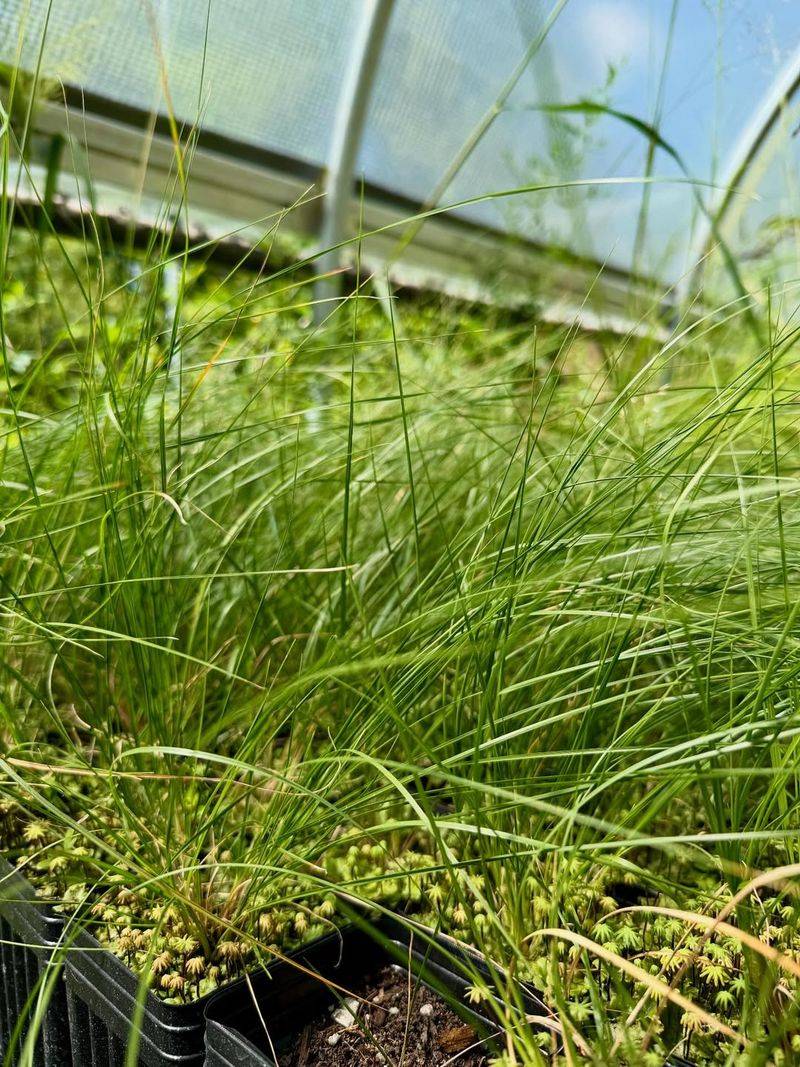
Not every slope plant needs to be bold and showy. Sometimes what a rough hillside really needs is something fine-textured and graceful.
Prairie dropseed does exactly that. Its narrow, arching leaves form neat, fountain-like mounds that look elegant even on the most unforgiving terrain.
On a slope that has only seen scrubby grass or bare soil, a row of prairie dropseed clumps feels like a small revelation.
Prairie dropseed is a warm-season grass native to Ohio’s original prairies.
It grows slowly at first, but once established it is extremely long-lived and incredibly tough. Plants that have been in the ground for five or ten years develop a dense, fibrous root system that holds soil remarkably well.
In late summer, prairie dropseed sends up delicate, open seed heads that float above the foliage like a fine mist.
The seeds have a surprising fragrance, often described as buttery or popcorn-like, which is one of those small details that makes gardening feel genuinely rewarding.
Goldfinches and sparrows work the seed heads through fall and winter, so leaving them standing is always a good idea.
Full sun and dry to medium soil suit prairie dropseed perfectly.
Space plants about eighteen to twenty-four inches apart to allow for their mounding habit. Avoid overwatering during establishment.
Trim back the old foliage in late winter before new growth emerges. On a slope that needs structure without bulk, there is simply nothing better.
7. Aromatic Aster Saves The Late Season
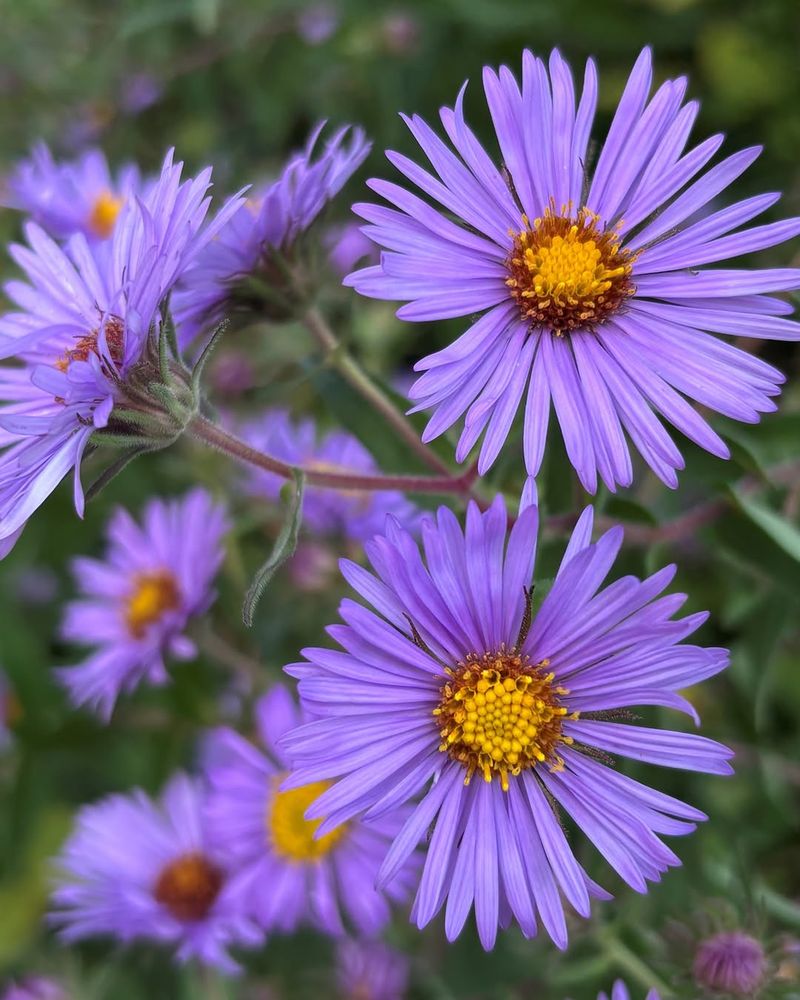
By late September, most slopes look tired.
The summer flowers have faded, the grasses have gone golden, and the whole hillside feels like it is winding down. Aromatic aster has other plans.
It holds its buds through most of the season and then blooms just when everything else is calling it a year. That timing is not an accident. It is one of the most valuable things this plant brings to a slope planting.
The flowers are small, violet-blue daisies with golden yellow centers, and they cover the plant so completely that the foliage nearly disappears beneath them.
A fully bloomed aromatic aster in October is a genuinely striking sight, especially against the warm tones of little bluestem and dried coneflower seed heads nearby. The color combination feels like fall in the best possible way.
For pollinators, aromatic aster is a critical late-season resource.
Migrating monarchs fuel up on the nectar before heading south. Native bees that are still active in cooler weather rely on it heavily when other flowers are gone.
Planting it on a slope means those pollinators have a reliable stop on an otherwise bare hillside.
Aromatic aster handles dry, rocky, and lean soil with ease.
It spreads slowly by rhizomes and self-seeds lightly, which helps it fill in a slope over time without becoming aggressive.
Shear plants back by half in late May to encourage a fuller, more branched shape and even heavier fall flowering.
8. Leadplant Belongs On Tough Sunny Banks
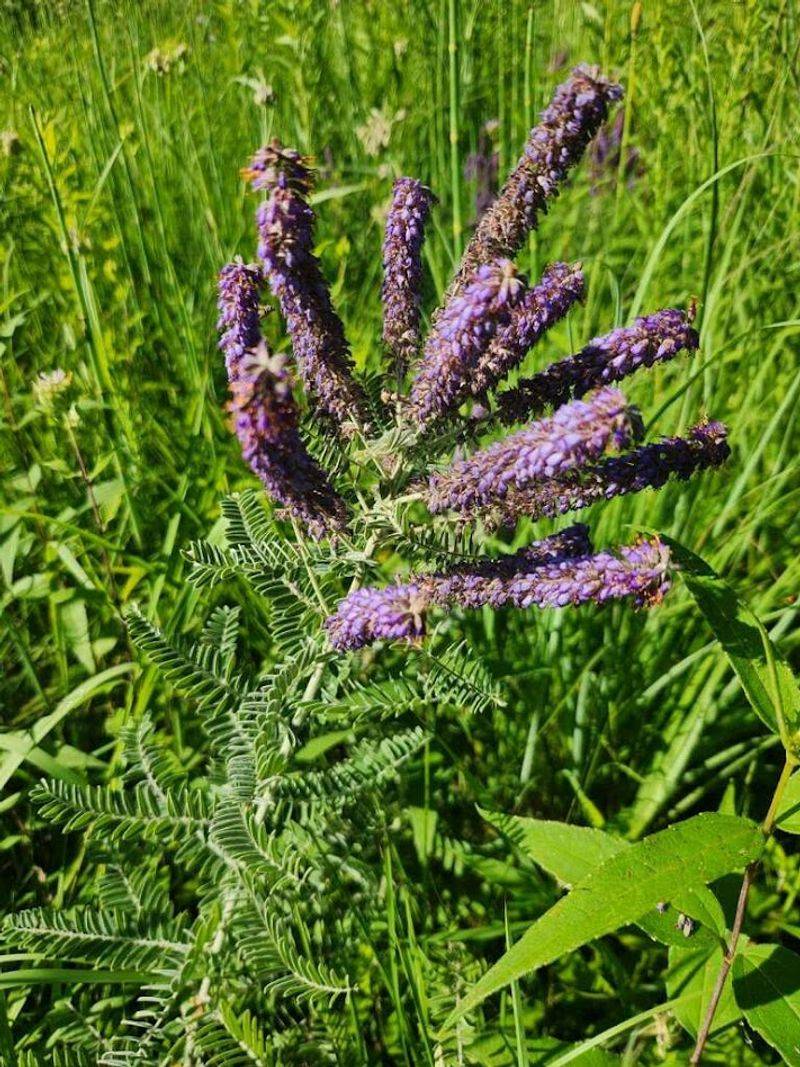
Some plants look tough because they are tough, and leadplant is exactly that kind of plant. Walk past it on a hot August afternoon and you will notice the silvery, gray-green leaves first.
That color comes from fine hairs covering the foliage, a natural adaptation that reflects intense sunlight and reduces water loss. On a baking south-facing bank, that kind of built-in protection matters enormously.
Leadplant is a native prairie shrub that grows two to four feet tall and wide.
It blooms in late June and July, producing slender spikes of tiny purple flowers with bright orange anthers that create a striking two-tone effect.
The blooms are not showy in the way coneflowers are, but they are genuinely beautiful up close and extremely attractive to native bees. Bumblebees in particular seem to seek them out.
The real power of leadplant is underground.
Its root system reaches down eight to fifteen feet in loose prairie soil, making it one of the most deeply anchored plants you can put on a slope.
That root depth is not just about drought tolerance. It is what makes leadplant a serious erosion fighter on banks that see heavy rain runoff. Shallow-rooted ornamentals simply cannot compete with that kind of grip.
Plant leadplant in full sun and well-drained soil.
It handles clay and gravel with equal confidence. Young plants grow slowly for the first two or three seasons while they invest energy in root development.
Once established, they are essentially permanent fixtures that improve with age. Cutting plants back hard every few years keeps them dense and vigorous rather than woody and open.