Why Brown-Edged Hosta Leaves Appear In New York And What Causes Them
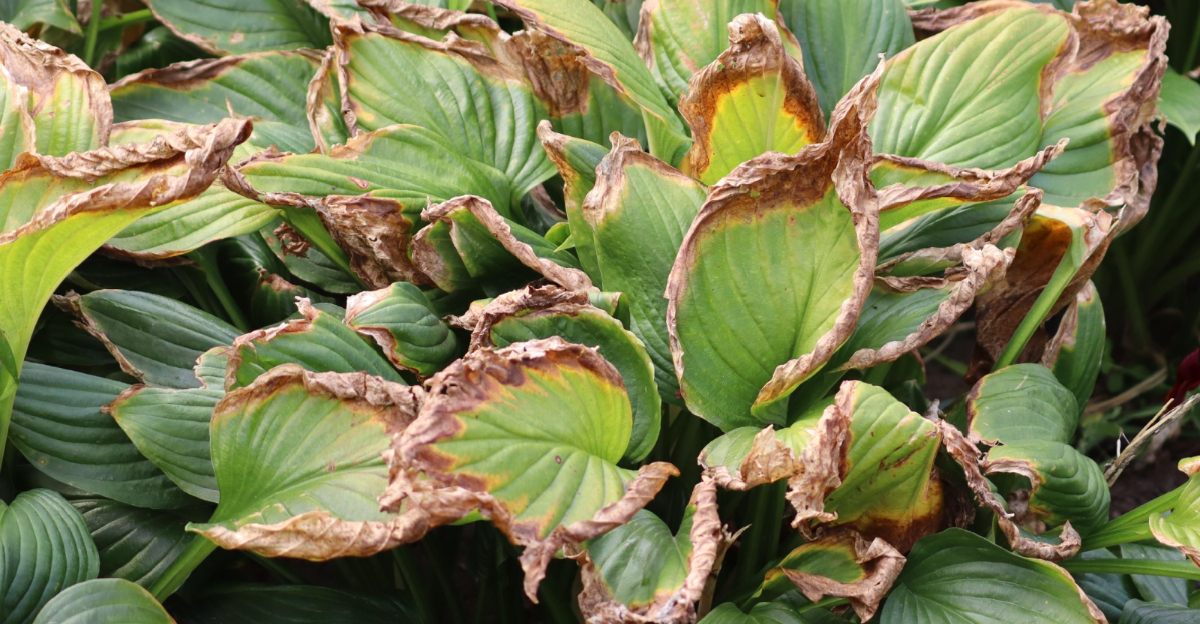
Some mornings you wander into the backyard and there they are: your hostas, once so full and glossy, now sporting crispy brown tips like they’ve been kissed by a tiny flame.
If this sounds familiar, you’re in good company. New York gardeners deal with this exact headache season after season, and it rarely means your green thumb has failed you.
Hostas have earned their reputation as the reliable workhorses of shady yards, filling in gaps with big, cool toned leaves that ask for almost nothing in return.
So when their edges start crackling and curling, it feels personal, like the plant is holding out on you. It isn’t.
There’s usually a clear culprit behind that damage, and once you spot it, fixing it is far simpler than you’d expect. Let’s dig into what’s actually happening beneath those wilting leaf margins.
Sun Scorches Leaf Margins During Intense Afternoon Heat
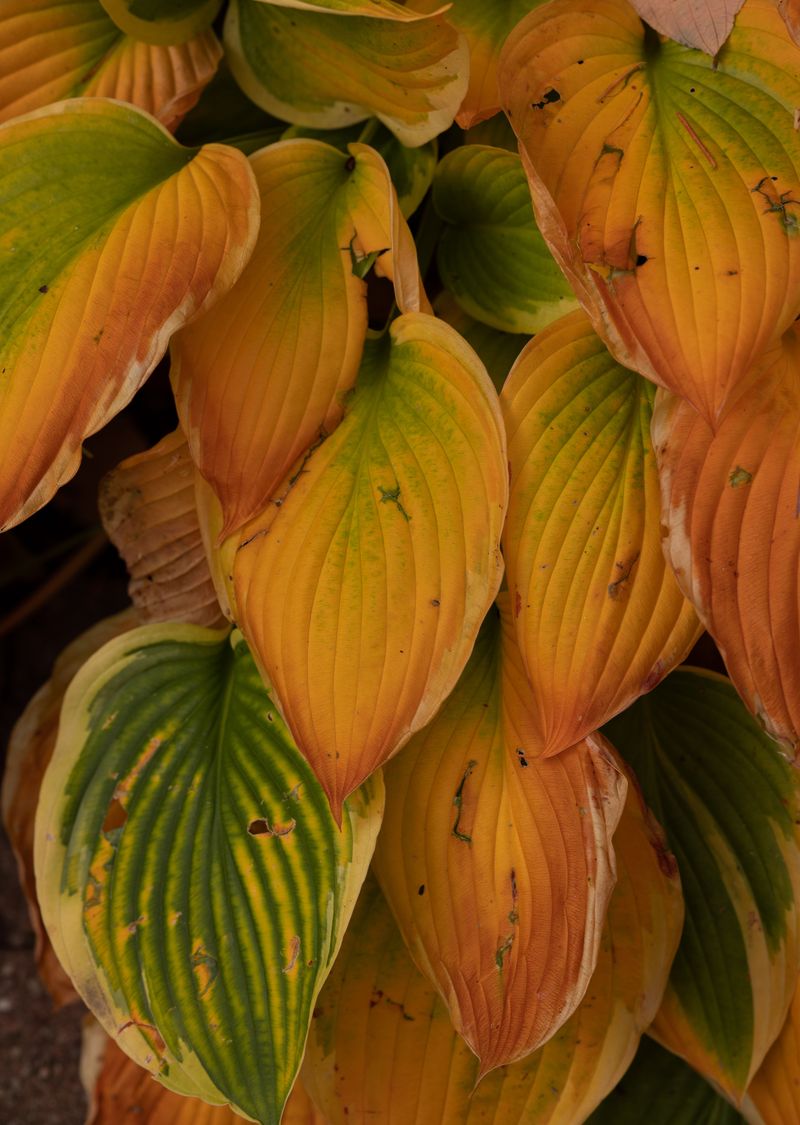
Your hostas generally need shade. When afternoon sun hits those broad, soft leaves, the edges cook faster than the rest of the leaf can handle.
Hostas evolved in woodland settings, where filtered light was the norm. Full afternoon sun in a New York summer can push temperatures past what these plants tolerate comfortably.
The browning starts at the very tips and margins first. That pattern is a classic sign of sun scorch, not a disease or pest problem.
South-facing garden beds carry higher risk during July and August. A few hours of direct midday sun can cause damage that persists through the growing season.
Moving hostas to a spot with morning light and afternoon shade makes a huge difference. East-facing beds often work well because they get gentle early sun without intense afternoon exposure.
If relocation is not an option, try using a shade cloth during peak heat hours. A 30 to 50 percent shade cloth draped over nearby supports can protect the leaves without blocking all light.
Mulching around the base also helps by keeping soil temperatures lower. Cooler roots mean the plant stays more hydrated, which reduces stress on the leaf margins.
Brown-edged hosta leaves caused by sun scorch will not recover on that same leaf. But protecting the plant now means new growth will come in clean and healthy next season.
Drought Stress From Insufficient Watering Triggers Browning
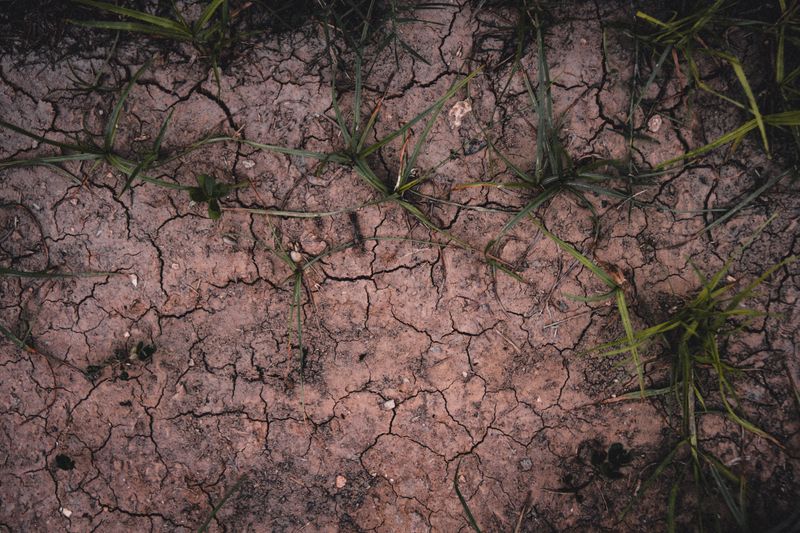
During a two-week dry spell, soil can become hard and compacted, leaving hostas visibly stressed. Drought stress is one of the fastest ways to end up with brown-edged hosta leaves in a New York garden.
Hostas need consistent moisture, especially during hot summer stretches. When roots cannot pull enough water from dry soil, the plant rations what little it has, and the leaf edges show the damage first.
New York summers can swing between heavy rain and dry spells within the same month. That inconsistency makes it harder to know when your hostas actually need water.
A good rule of thumb is one inch of water per week. Stick your finger two inches into the soil near the base of the plant to check moisture levels before watering.
Your New York Garden Changes Every Week. Your Plan Should Too.
Gardening in New York changes quickly throughout the season. Every Friday you’ll receive a simple weekly plan showing exactly what to plant, prune, fertilize, harvest, and protect so you never miss the right timing.
Watering deeply once or twice a week beats shallow daily watering every time. Deep watering encourages roots to grow downward, where soil stays moist longer even during dry stretches.
Morning is the best time to water hostas. Watering at night can leave foliage damp too long, which invites other problems like mold or mildew.
Adding a two to three inch layer of mulch around your hostas helps lock in soil moisture between waterings. Shredded bark or wood chips work great and also keep weeds down.
Once you fix the watering routine, new leaves will emerge healthy and full, free from those frustrating brown-edged hosta leaves.
Overfertilizing Burns The Delicate Leaf Edges
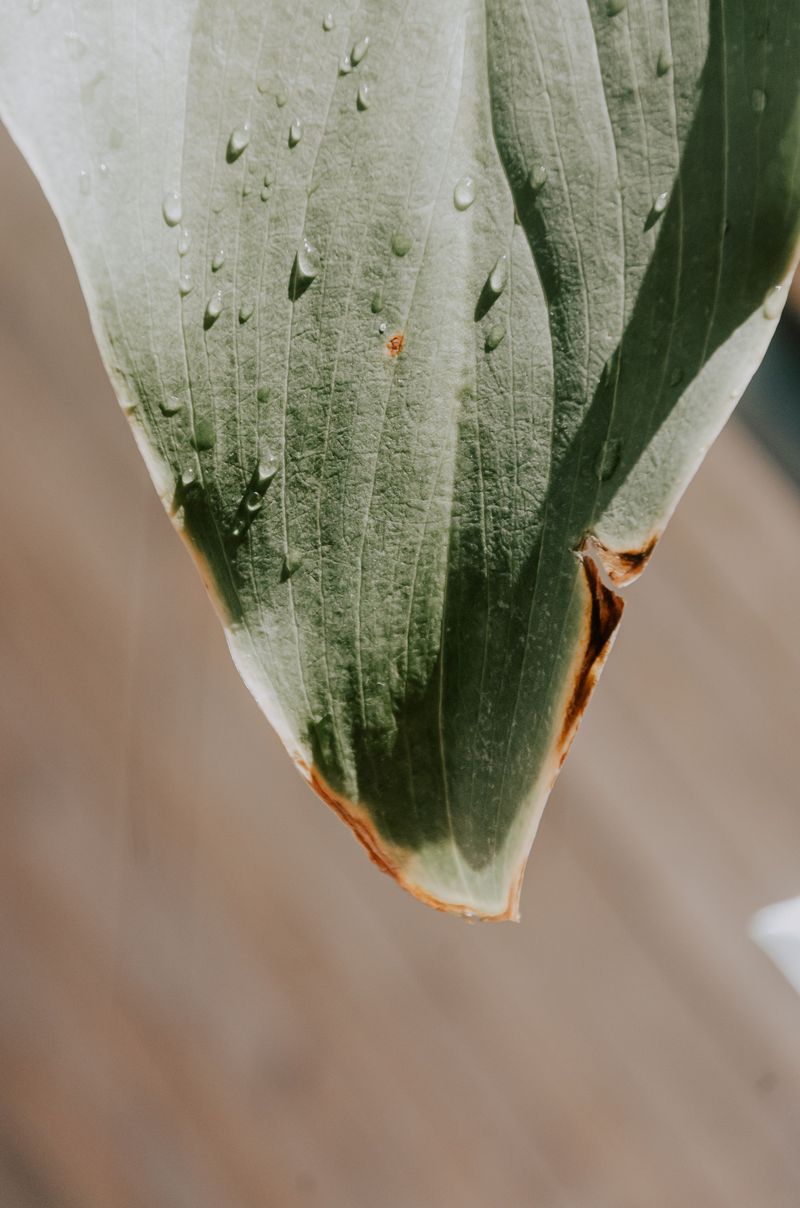
More fertilizer does not always mean healthier plants. Overfertilizing is one of the less obvious causes of brown-edged hosta leaves, and it can happen even with careful gardening.
When too much fertilizer sits near the roots, it pulls moisture out of the plant through a process called salt burn. The leaf edges show the damage first because they are the farthest from the water supply inside the plant.
Granular fertilizers are especially risky when applied too heavily or too close to the base of the plant. Always follow package directions, and when in doubt, use less than recommended.
Hostas are not heavy feeders. A single application of slow-release balanced fertilizer in early spring is usually all they need for the whole growing season.
Liquid fertilizers can also cause burning if applied at full strength during hot weather. Always dilute liquid fertilizers and apply them when temperatures are cooler, like early morning.
If you suspect fertilizer burn, flush the soil with deep, slow watering for several days. This helps move excess salts away from the root zone and gives the plant a chance to recover.
Avoid fertilizing hostas after midsummer. Late-season feeding pushes tender new growth that will not harden off before cold weather arrives in New York.
Once fertilizer levels balance out in the soil, your hostas will stabilize and stop showing new browning. Patience and restraint with fertilizer go a long way toward keeping foliage clean.
Aging Causes Older Leaves To Naturally Brown
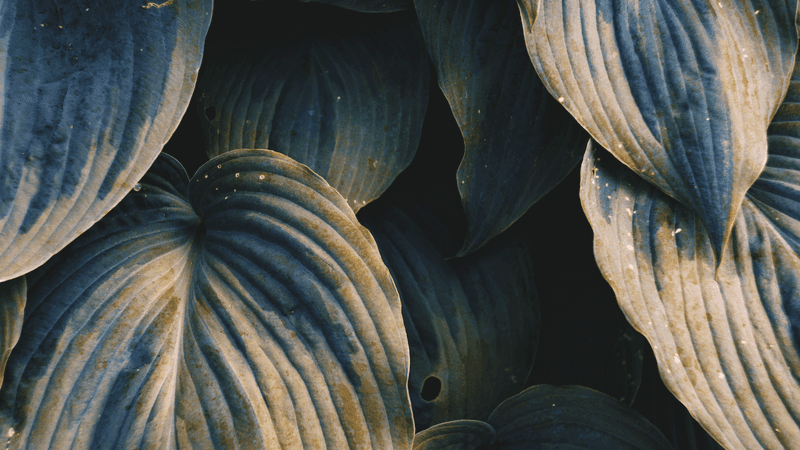
Not every brown edge is a crisis. Sometimes your hosta is simply doing what all plants do: letting go of its oldest leaves as the season rolls on.
Leaf senescence is the natural process where older leaves break down and return nutrients to the plant. It is completely normal, and it happens every single year without fail.
The bottom leaves of a hosta clump tend to brown first because they are the oldest. They also get less light and airflow than the upper leaves, which speeds up the aging process.
You can tell natural aging from other problems by the pattern. Aging browning usually starts at the leaf tip and moves inward gradually, without any spotting or unusual discoloration in the center of the leaf.
Removing these older leaves keeps the plant looking tidy and improves airflow around the base. Simply pull them gently away from the crown or use clean scissors to snip them off.
Do not panic if this happens in late summer or early fall. Hostas begin preparing for dormancy in August and September, and some leaf decline is completely expected during that window.
Feeding the plant lightly in spring helps it push strong new foliage each year. Healthy plants tend to hold their leaves longer before the natural aging process kicks in.
Think of it as the plant editing itself. Brown-edged hosta leaves from aging are the plant’s way of making room for next year’s fresh, green growth.
Mineral And Salt Buildup In Water Can Stress Hosta Tissue
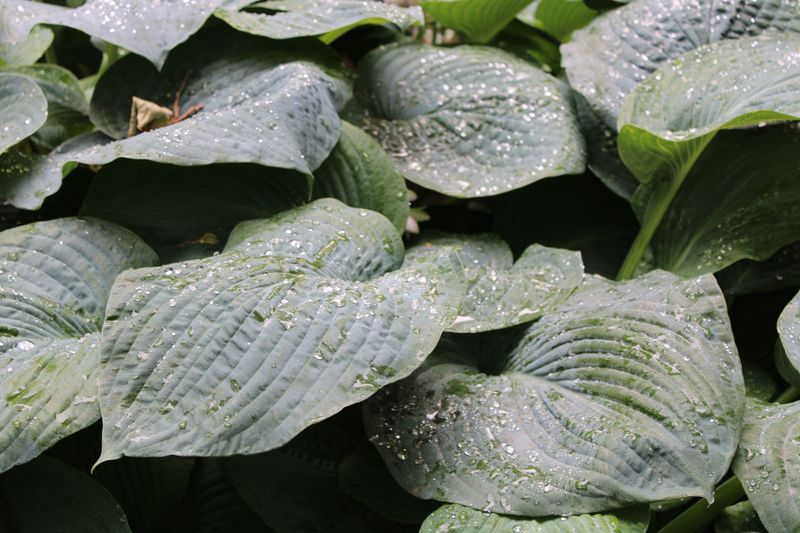
Here’s a less commonly discussed factor: the water coming out of your hose could be affecting your hostas.
New York tap water may contain fluoride and, in some cases, elevated mineral or salt content, which can accumulate in soil over time. However, evidence linking fluoride specifically to hosta damage is limited.
It looks a lot like drought stress but happens even when watering is consistent. Salt buildup from water or road runoff creates a similar problem.
Excess salt in the soil pulls moisture away from plant roots, causing the same kind of edge browning you would see during a drought.
Container hostas are at higher risk because salts have nowhere to go. In-ground plants have more soil volume to dilute buildup, but containers concentrate the problem fast.
Flushing containers with extra water every few weeks helps push excess salts out through the drainage holes. For in-ground plants, a deep watering session once a month serves the same purpose.
Collecting rainwater for your hostas is one of the best solutions available. Rainwater is naturally soft and much gentler on sensitive foliage than treated tap water.
Choosing fertilizers formulated for sensitive ornamentals can also help reduce mineral buildup in your soil. Read labels carefully to find the right option for your plants.
Once you switch water sources and flush the soil, brown-edged hosta leaves from mineral buildup often stop appearing within a few weeks.
Poor Drainage Creates Root Stress That Shows As Browning
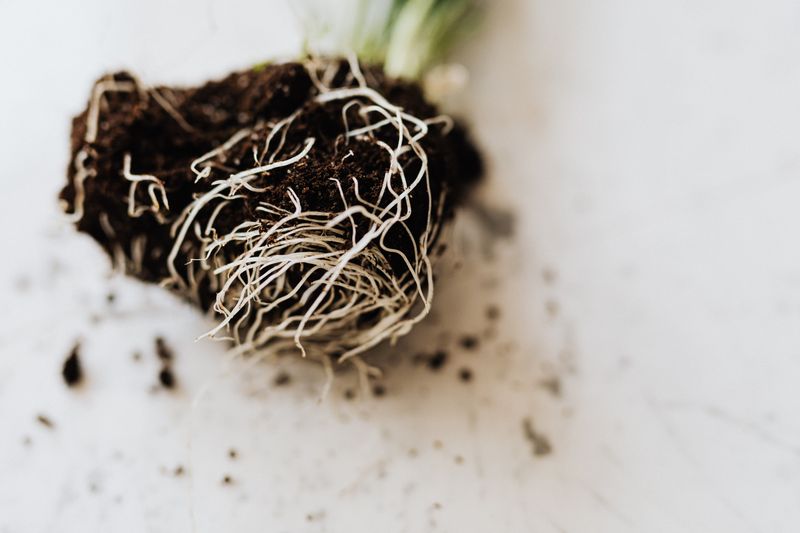
Standing water is not a friend to hostas. Poor drainage keeps roots sitting in soggy soil, which cuts off oxygen and leads to root stress that eventually shows up as brown leaf edges.
Some parts of New York, particularly older suburban neighborhoods, have clay-heavy soil, though soil type varies significantly across the state.
Clay holds water long after rain, creating conditions that slowly deprive hosta roots of oxygen from below.
When roots struggle, the plant cannot move water and nutrients effectively. The leaf edges, being the farthest point from the roots, show signs of stress before anywhere else on the plant.
Waterlogged roots can also lead to root rot, a fungal condition that makes the problem much worse. Rotted roots cannot absorb nutrients effectively, so the plant is deprived of nourishment even in wet soil.
Improving drainage starts with amending the soil. Mixing compost, perlite, or coarse sand into heavy clay beds opens up air pockets and helps water move through more freely.
Raised beds are another excellent fix for persistent drainage issues. Elevating the planting area even six inches gives roots access to well-draining soil above the waterlogged zone below.
Check that your garden beds are not sitting in low spots where water collects after storms. Regrading the area slightly or adding a simple French drain can redirect water away from your hostas.
Fixing drainage takes some effort upfront, but the results are worth it. Healthy roots mean healthy foliage, and those brown-edged hosta leaves will become a distant memory.
Wind Exposure Dries Leaves Faster Than Roots Can Replenish
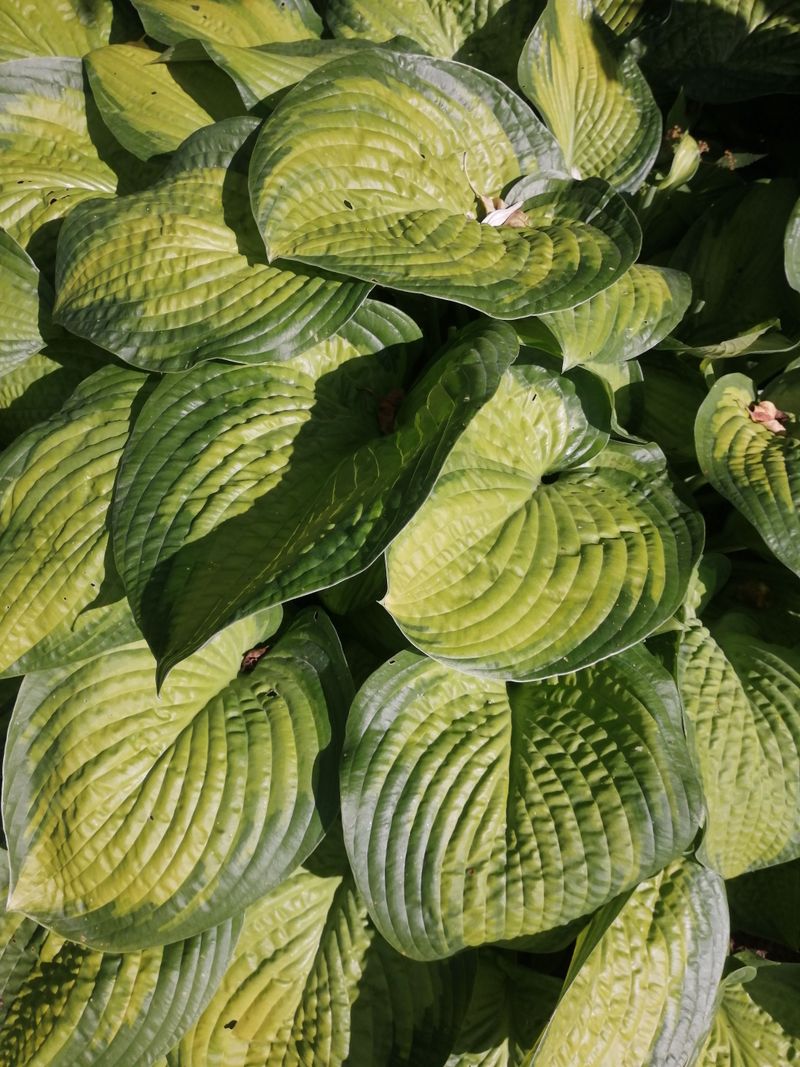
Wind might seem harmless, but it’s an often-overlooked cause of browning. Strong or consistent wind pulls moisture out of hosta leaves faster than the roots can replace it, leaving those edges crispy and brown.
This is called desiccation, and it is especially common in New York gardens near open lots, rooftops, or areas funneled between buildings. Urban wind corridors can be particularly harsh on sensitive foliage.
Hostas in exposed spots often show browning on one side of the leaf, the side facing the prevailing wind. That directional pattern is a solid clue that air movement is the culprit.
Spring winds are particularly damaging because new hosta leaves are still soft and thin. They have not yet developed the tougher texture they gain later in the season.
Planting hostas near a fence, hedge, or garden wall creates a natural windbreak. Even a few feet of protection can dramatically reduce moisture loss from wind exposure.
Companion planting with taller shrubs or ornamental grasses on the windward side also helps. The surrounding plants absorb the brunt of the wind before it reaches your hostas.
Keeping soil consistently moist during windy periods gives roots a fighting chance to keep up with moisture loss. Mulching heavily around the base slows evaporation from the soil surface as well.
Once sheltered from constant air movement, hostas recover beautifully, and new foliage grows in without the telltale brown-edged hosta leaves that wind exposure causes.
Fungal Or Bacterial Infections Spread Discoloration Along Edges
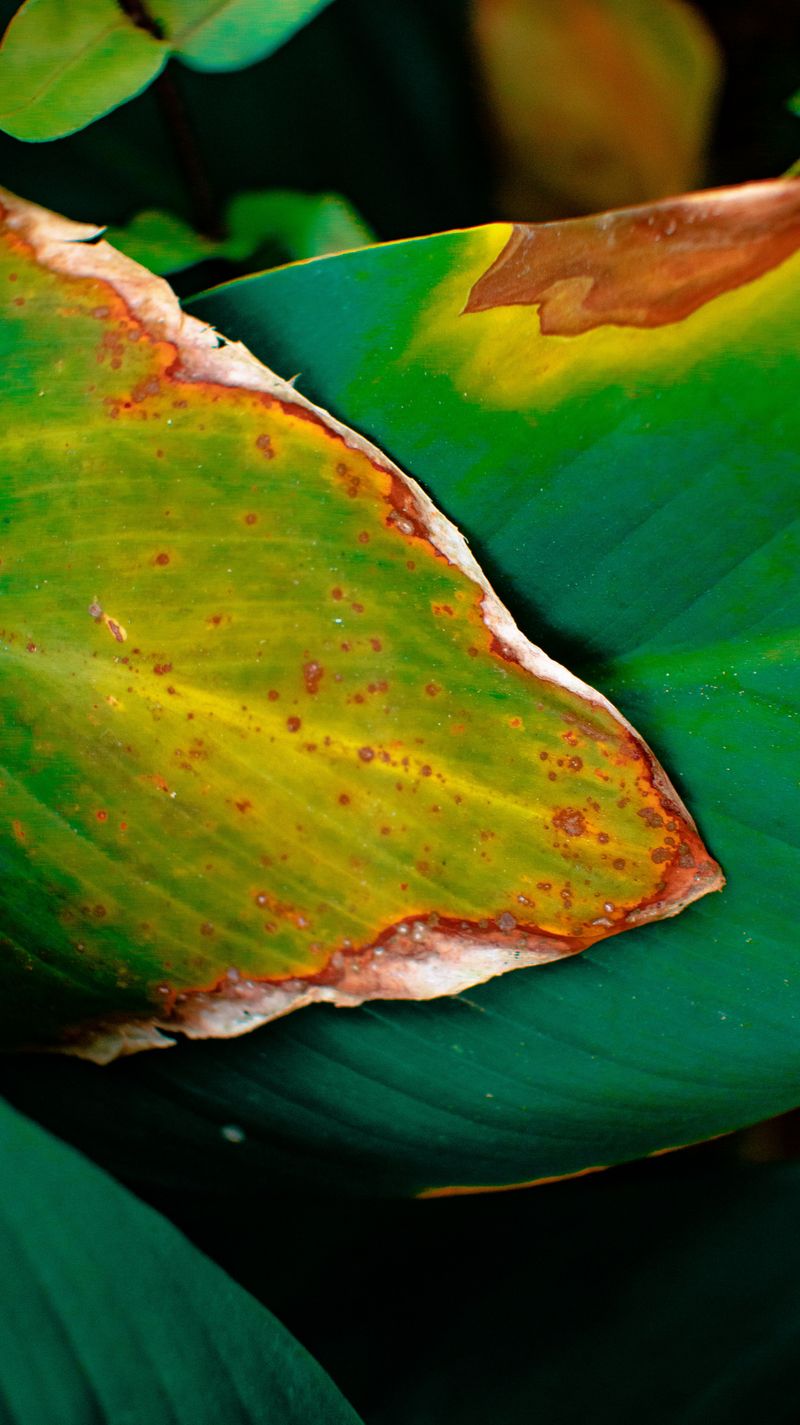
Sometimes the browning on your hostas is not about water or sun at all. Fungal and bacterial infections can creep along leaf edges and cause discoloration that looks a lot like environmental damage but spreads differently.
Anthracnose is one of the most common fungal problems affecting hostas in humid New York summers. It causes irregular brown spots that often have a water-soaked appearance before they dry out and turn papery.
Petiole rot is another disease worth knowing about, and it tends to move fast, often affecting multiple leaves in a clump within a short time.
Bacterial leaf scorch is more commonly documented in trees and is less established as a hosta-specific issue. Humidity and poor airflow around the base of the plant create perfect conditions for fungal growth.
Hostas planted too close together or surrounded by thick mulch touching the crown are especially vulnerable.
Removing infected leaves promptly is the most important step. Do not compost them, because the spores or bacteria can survive and spread back into your garden next season.
Thinning out crowded clumps improves airflow and reduces humidity at the leaf level. Dividing large clumps every three to four years also keeps plants vigorous and less susceptible to disease.
Copper-based fungicides can help manage active infections when used according to label directions. Apply early in the morning so the solution dries quickly and does not linger on wet foliage.
Staying on top of plant hygiene is your best defense against brown-edged hosta leaves caused by infection, and a clean garden is a healthy one.