How To Revive Heat-Damaged Bird Of Paradise In Florida Without Cutting It All The Way Back
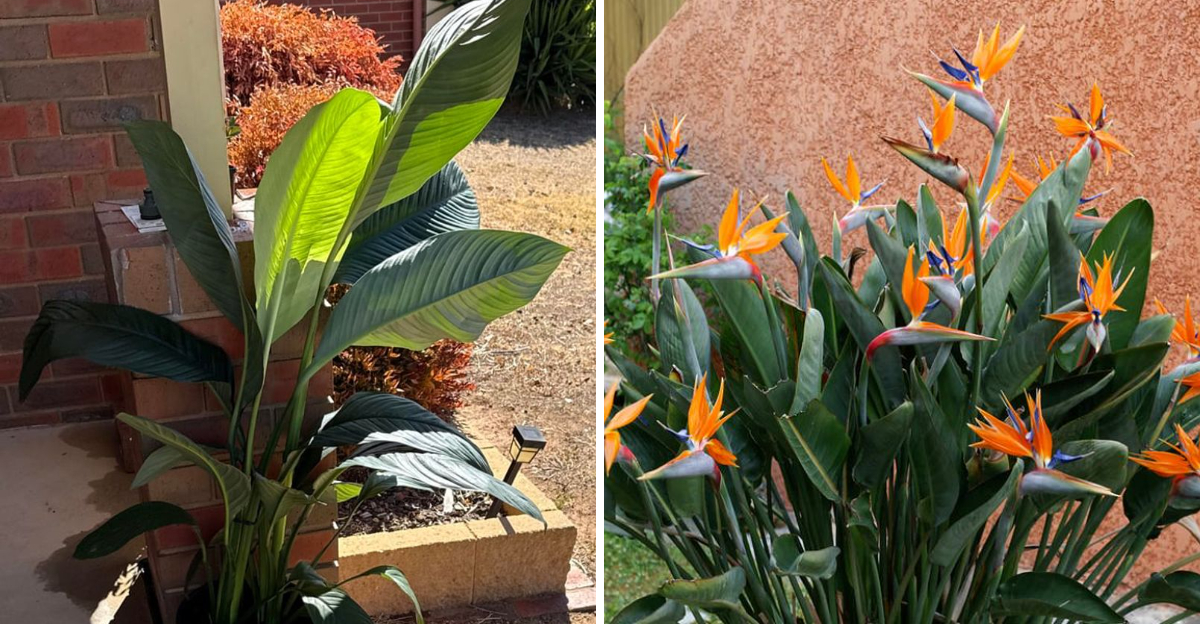
Bird of paradise handles Florida heat better than most plants and worse than it looks from the outside. A serious heat stretch leaves marks.
Scorched leaves, brown edges, that bleached out look that makes a plant that was turning heads two months ago seem like it has given up entirely. The instinct is to cut it back hard and start fresh.
That instinct is usually wrong, and in the middle of a Florida summer it can set a struggling plant back further than the heat damage ever did. Recovery without aggressive cutting is possible, and for bird of paradise it is almost always the better path.
The plant holds more reserve in its root system than the damaged top suggests. The right approach draws on that reserve rather than eliminating what the plant still has to work with.
What that approach actually looks like is more straightforward than most Florida gardeners expect.
1. Stop Before You Cut The Whole Plant Down
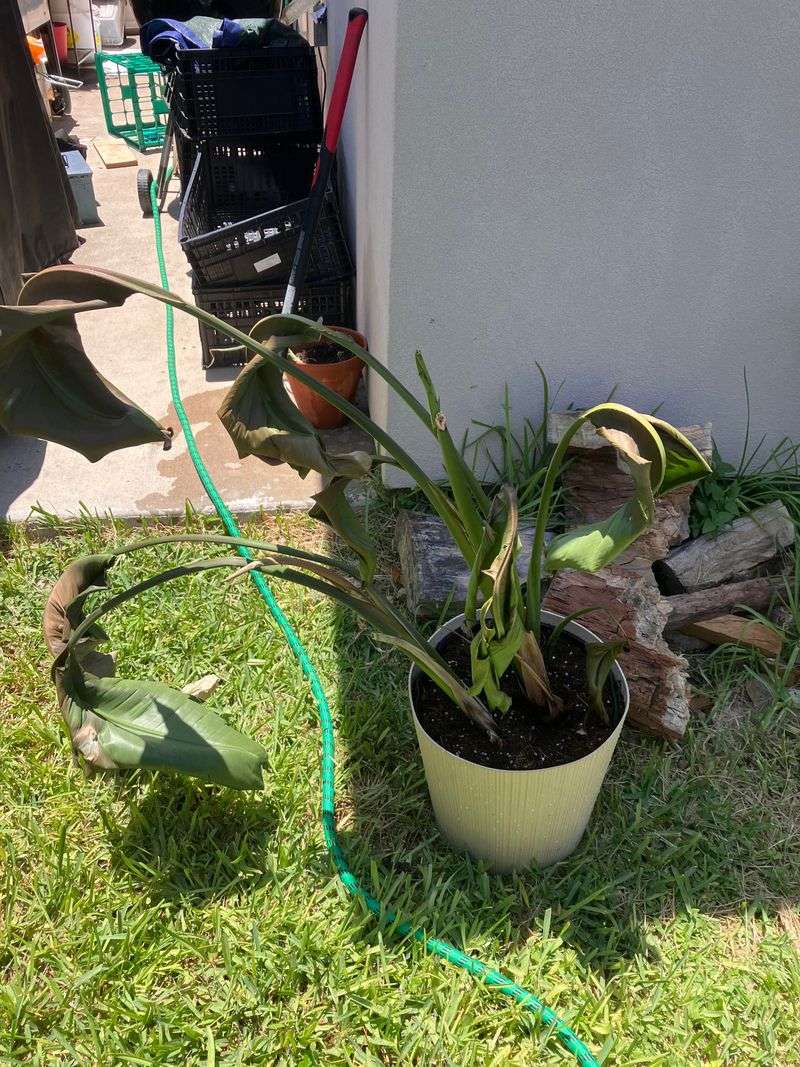
Reaching for the pruning shears after a brutal Florida summer is a completely understandable reaction. The plant looks rough, the leaves are curled or scorched, and the whole thing seems like a lost cause.
But cutting a heat-damaged Bird of Paradise all the way to the ground is usually the wrong first move, and it can slow recovery more than the heat itself did.
Green leaves, even partly green ones, are still working. They absorb sunlight and help the plant produce energy through photosynthesis.
When you remove all that leaf area at once, the plant loses its ability to fuel new growth. A messy-looking plant is not the same as a finished plant.
The most common mistake homeowners make is treating dramatic appearance as proof that the plant cannot come back. Scorched edges and torn foliage look alarming, but they do not always mean the roots or crown are in serious trouble.
Pause before cutting. Walk around the plant.
Look at what is still green, what is still upright, and whether the center of the plant looks active.
Selective removal is almost always a better starting point than a full cutback. Pull away only what is clearly finished, and give the rest a chance to support recovery.
Patience at this stage protects the plant and gives it the best possible foundation to rebuild.
2. Check Whether The Crown Still Looks Strong
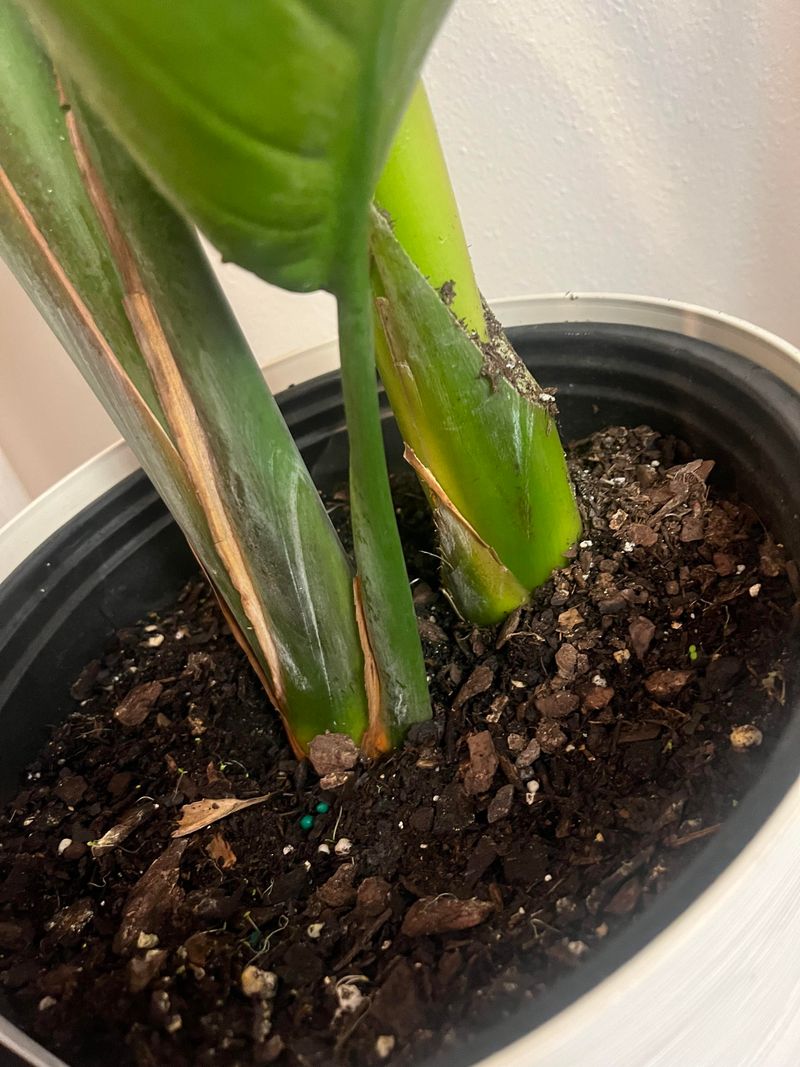
Before making any decisions about pruning or treatment, crouch down and take a close look at the base of your plant.
The crown is the central growing point where new leaves emerge, and its condition tells you more about recovery potential than anything happening on the outer leaves.
A healthy or recovering crown feels firm. New leaves may be tightly rolled or just beginning to push upward.
The tissue at the center should look green or pale green, not mushy, dark, or slimy. If you notice a foul smell, spreading softness, or tissue that collapses when gently touched, that is a more serious warning sign worth monitoring closely.
Your Florida Garden Changes Every Week. Your Plan Should Too.
Gardening in Florida changes quickly throughout the season. Every Friday you’ll receive a simple weekly plan showing exactly what to plant, prune, fertilize, harvest, and protect so you never miss the right timing.
Do not dig aggressively around the roots to inspect them. Light, careful examination near the surface is enough to get a general sense of what is happening.
Disturbing the root zone during stress can add pressure to a plant that is already working hard to stabilize.
A strong, firm crown with any sign of new leaf movement is a genuinely encouraging signal. It means the plant is still pushing energy upward, even if the outer foliage looks worn.
Southern regions of the Sunshine State tend to see Bird of Paradise stay active year-round. Plants in central or northern regions may slow down more noticeably after intense heat.
Either way, crown health is your clearest early clue.
3. Remove Only Leaves That Are Truly Finished
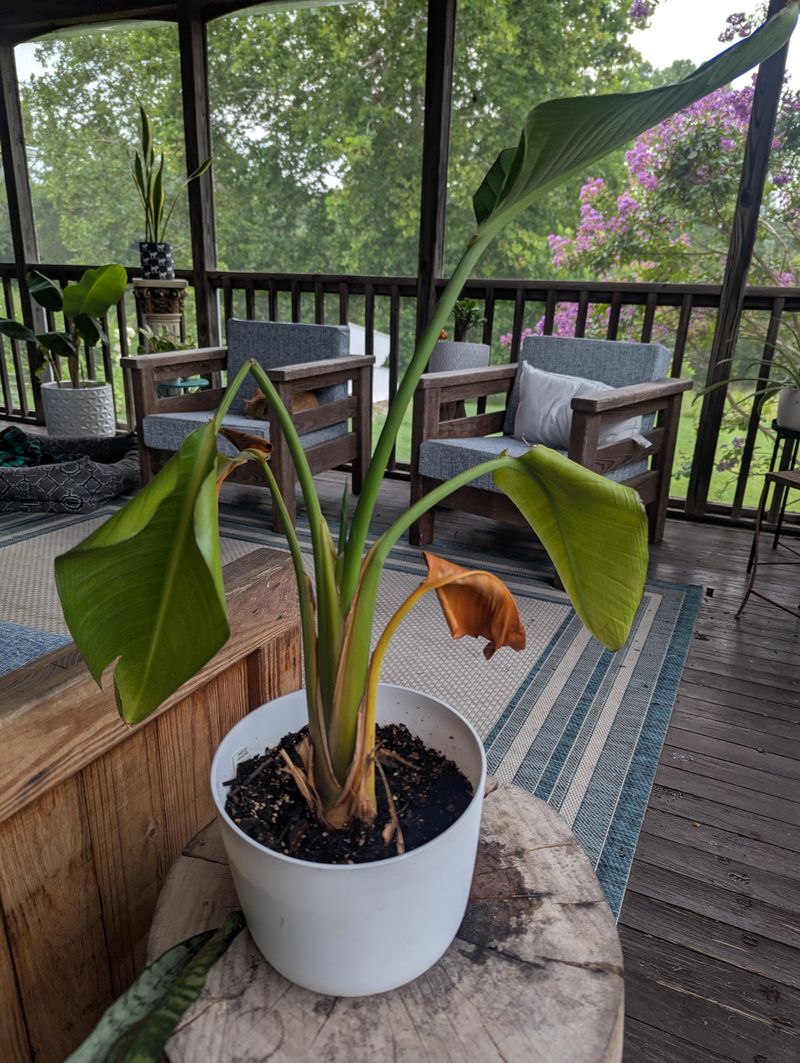
Selective cleanup is one of the most helpful things you can do for a heat-stressed plant, as long as you are honest about what actually needs to go. Fully brown, collapsed, shredded, or completely dry leaves are finished.
They are not contributing to recovery, and removing them reduces clutter, improves airflow, and makes the plant easier to monitor.
Partly green leaves are a different story. Even a leaf that is half brown along the edges may still be producing energy in the green sections.
Removing those leaves just to make the plant look tidier takes away resources the plant needs. Leave them in place unless they are completely spent or are creating conditions that trap moisture and encourage rot.
Old flower stalks that have fully dried out can be removed at the base without any concern. Spent foliage that has gone completely flat and papery is also safe to clear away.
Use clean, sharp tools every time you cut. Dirty or dull blades can introduce pathogens to open cuts, which is especially risky in Florida’s warm, humid conditions.
Cut each leaf as close to the base as possible without digging into the crown. Avoid tearing or yanking, since rough removal can damage nearby healthy tissue.
Work slowly, remove only what is clearly finished, and step back often to reassess. Thoughtful cleanup helps without setting the plant back further.
4. Water Deeply Without Keeping Roots Soggy
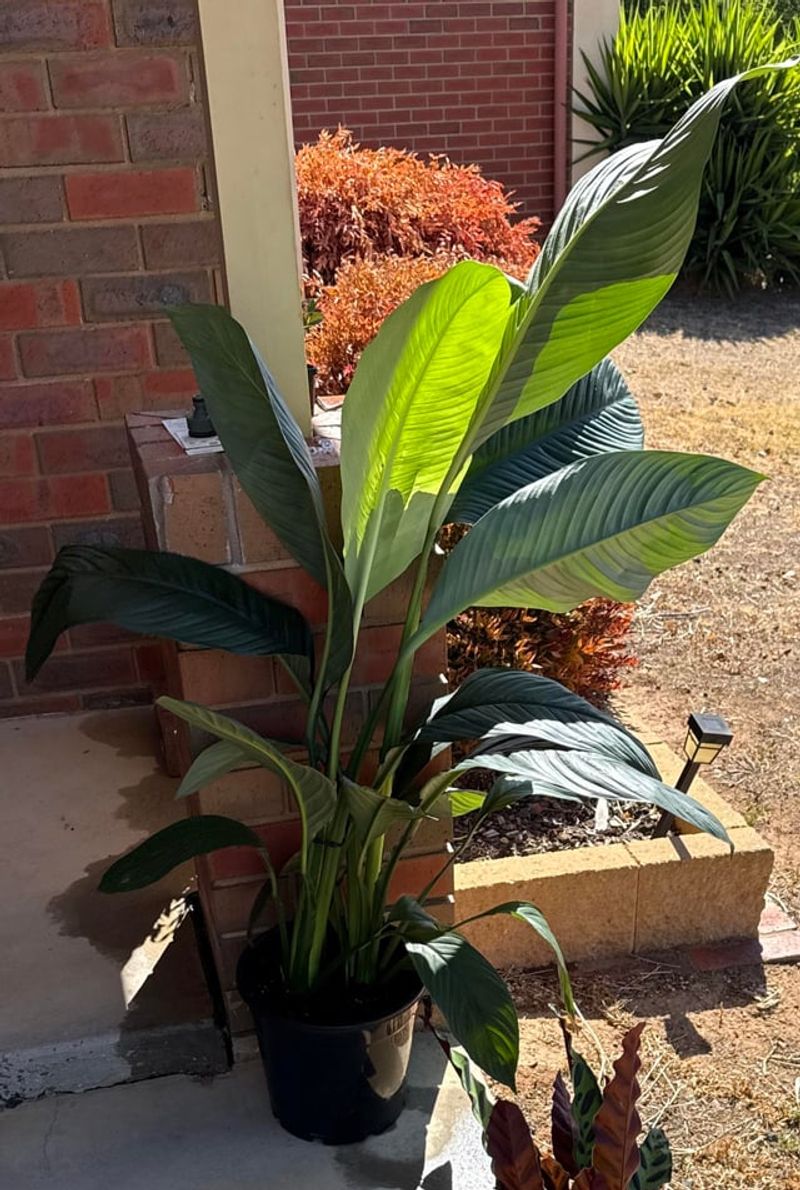
Heat stress and drought stress often look almost identical, so water is one of the first things to reassess after a hot stretch. A heat-stressed Bird of Paradise needs steady, consistent moisture at the root zone.
Flooding the soil or watering on autopilot can create an entirely new set of problems.
Before each watering session, check the soil moisture a few inches below the surface. Sandy soil, which is common throughout much of the Sunshine State, drains quickly and may need more frequent attention than heavier soil types.
On the other hand, heavy clay or poorly draining soil can stay wet long after a summer rainstorm, putting roots at risk of oxygen deprivation.
Water slowly and deeply, directing the flow toward the root zone rather than spraying the foliage. Wet leaves in Florida’s humidity can encourage leaf spot and other fungal issues, especially when the plant is already under stress.
After watering, check that the area drains well and does not stay soggy for hours.
Container plants dry out faster than in-ground plants, especially on sunny patios or pool decks where heat radiates from the surface. Check pots more frequently during hot spells.
Roots need both moisture and oxygen to function, so the goal is soil that stays evenly moist without becoming waterlogged. Adjust your schedule after heavy rain rather than watering on a fixed timer.
5. Shield Stressed Leaves From Harsh Afternoon Sun
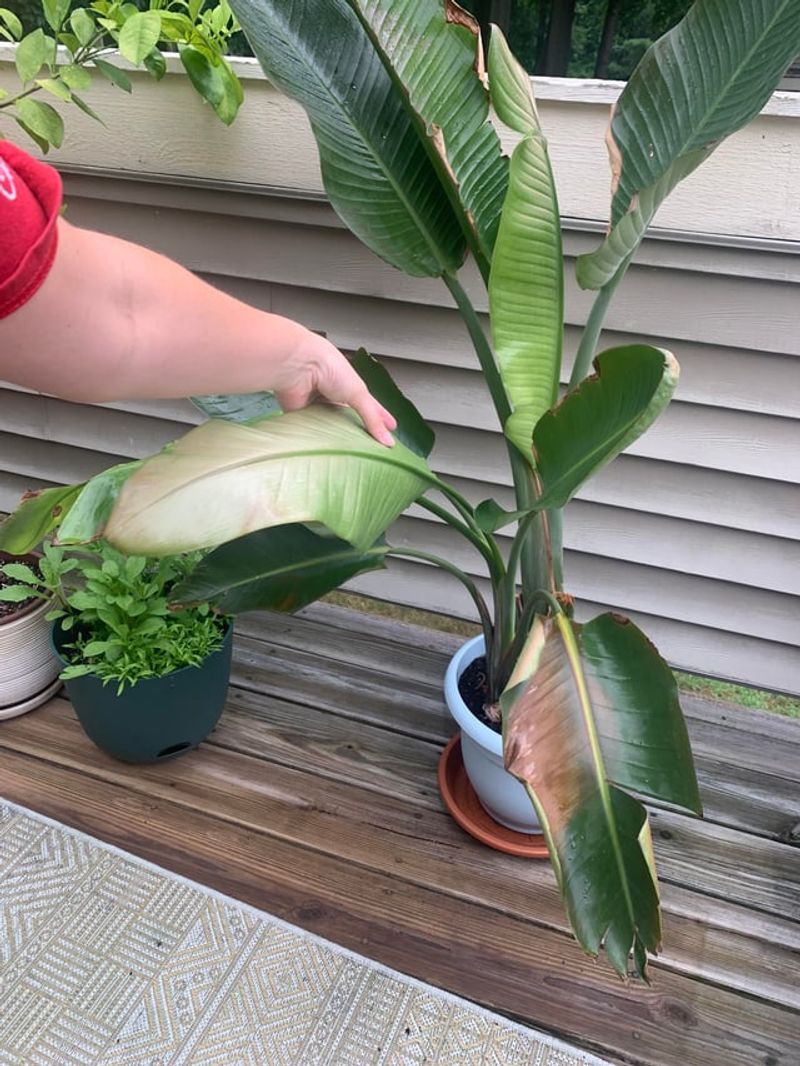
Afternoon sun in Florida can be brutal, and a plant already stressed from heat does not need full exposure to the harshest rays while it is trying to recover.
Reflected heat from pool decks, concrete driveways, stucco walls, and light-colored pavement can raise the temperature around a plant.
That temperature may climb well above the already intense air temperature.
For container plants, moving to bright indirect light or morning sun with afternoon shade can help stressed leaves stabilize. That gives relief without forcing the plant into low-light conditions.
Make the move gradually if possible. Sudden shifts from full sun to deep shade can confuse the plant and slow growth just as much as the heat did.
In-ground plants are harder to relocate. Temporary shade cloth, a lightweight fabric row cover, or even a strategically placed patio umbrella can reduce afternoon exposure during recovery.
These are short-term tools, not permanent solutions. Bird of Paradise needs strong light to grow well and bloom reliably, so the goal is protection during stress, not long-term shading.
Once new growth appears and the plant looks more stable, you can gradually reduce the shading and allow it to re-acclimate to its normal exposure. Watch the new leaves for signs of fresh scorching as you make adjustments.
Recovery is a process, and protecting the plant during the most vulnerable weeks gives it a real advantage.
6. Skip Heavy Fertilizer Until Recovery Starts
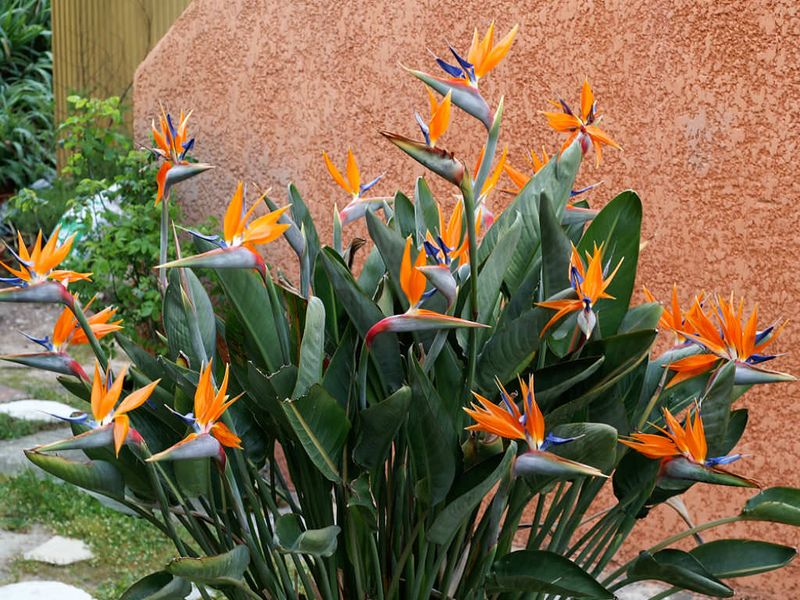
Fertilizer feels like a logical fix when a plant looks weak or damaged, but applying it too soon can actually work against recovery.
A Bird of Paradise under heat stress is already dealing with compromised root function, limited water uptake, and reduced energy production.
Pushing it with heavy fertilizer before it stabilizes adds pressure rather than support.
High-nitrogen fertilizers applied during stress can stimulate weak, soft growth that is more vulnerable to further damage. Soluble fertilizers can also build up salt concentration in the soil, which stresses roots that are already struggling to absorb moisture efficiently.
This is especially relevant in sandy soils common across much of Florida. Nutrients can move through the root zone quickly, but salts can also accumulate near the surface.
Wait until the plant shows clear signs of active recovery before feeding. New leaf emergence, firmer stems, and improved color are good indicators that the plant is ready to use nutrients productively.
At that point, a balanced, slow-release fertilizer applied according to UF/IFAS or county extension guidelines is a reasonable next step.
Avoid random bloom boosters or heavy fertilizer cocktails based on informal advice. If you are unsure about timing or product selection, your local county extension office can offer guidance specific to your soil type and region.
Fertilizer works best as a growth tool, not a rescue treatment. Let the plant show you it is ready before you feed it.
7. Watch For Rot And Leaf Spot After Rain
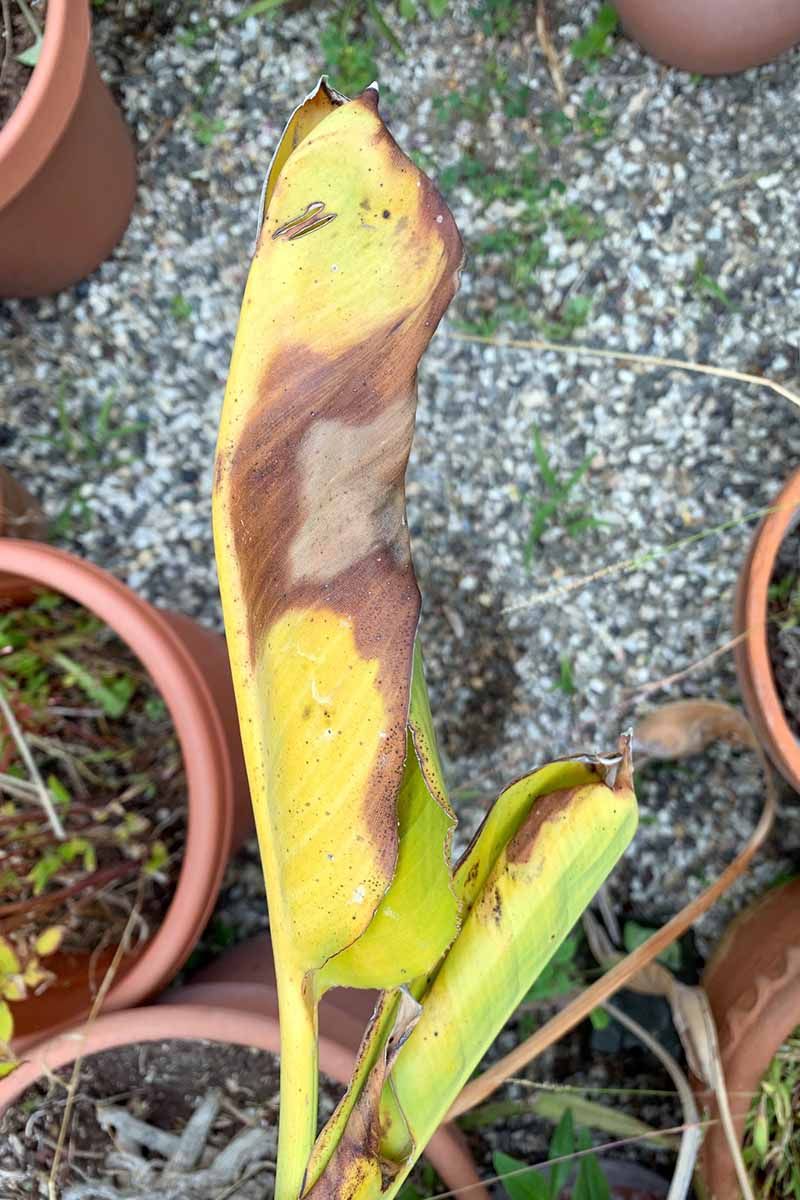
Florida summers bring intense rain on top of intense heat, and that combination creates a secondary risk for plants already stressed from sun exposure.
Once heat damage has weakened foliage, fungal pathogens and bacterial issues can move in more easily, especially when leaves stay wet for extended periods.
Leaf spot diseases often appear as small brown or dark circular marks on the leaf surface, sometimes surrounded by a yellow halo. They tend to spread in warm, wet conditions with poor airflow.
Crowded foliage, overhead irrigation, and slow-draining soil all increase the likelihood of these problems taking hold during recovery.
Improving airflow around the plant helps more than most people expect. Removing fully damaged leaves, spacing out nearby plants, and avoiding overhead watering when possible are all practical steps.
Check the base of the plant and the crown area after heavy rain. Soft, discolored, or foul-smelling tissue at the base can signal rot, which is a more serious concern that warrants closer attention.
Do not apply random fungicide products without identifying the specific issue first. Some products are not labeled for use on Bird of Paradise, and applying the wrong treatment can cause additional stress.
If leaf spots spread rapidly, the crown softens, or drainage problems persist despite adjustments, do not guess. Contact your local UF/IFAS extension office for accurate diagnosis and guidance.
Early identification leads to better outcomes than guessing.
8. Let New Growth Prove The Plant Is Recovering
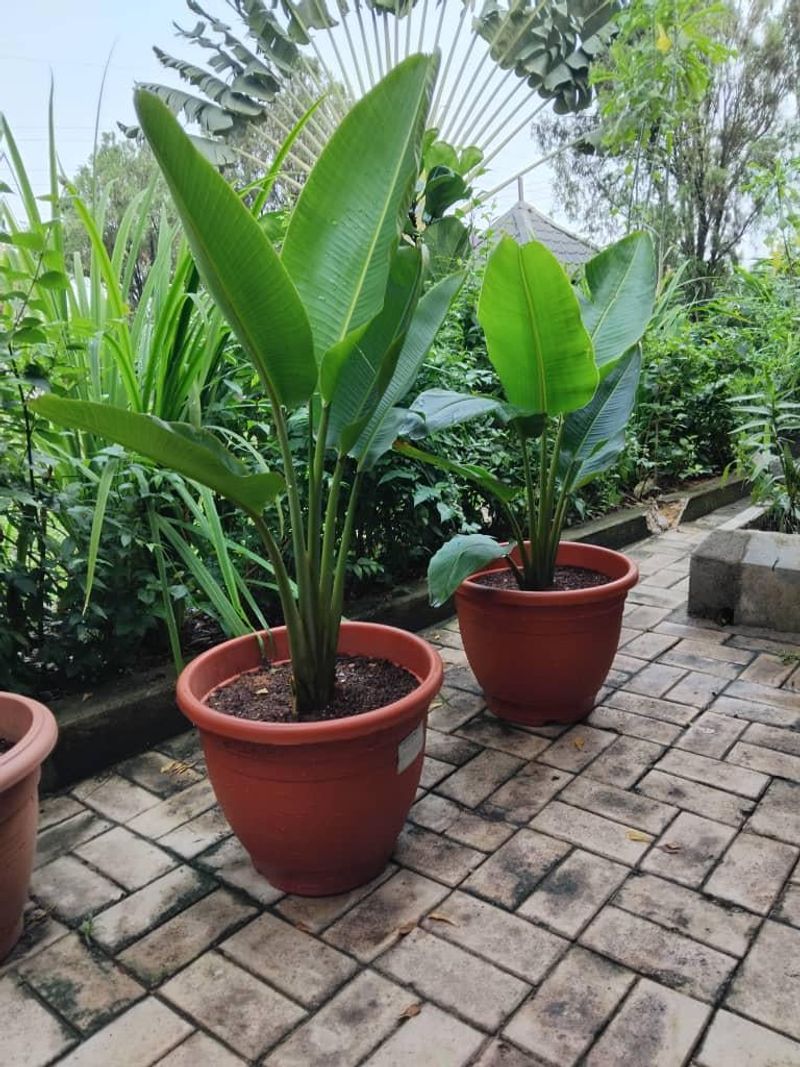
Recovery from heat damage is not always fast, and that is completely normal for a plant working to rebuild after a stressful season. The most reliable sign that your Bird of Paradise is on the right track is not the condition of the older damaged leaves.
It is the appearance of fresh new growth from the crown.
New leaves emerge tightly rolled and pale green before they unfurl and deepen in color. When you see that kind of movement from the center of the plant, it means the crown is active and the root system is functioning well enough to support upward growth.
That is the progress marker worth watching for.
Old damaged leaves may never look perfect again. Scorched edges, brown patches, and torn foliage are permanent on the leaves that experienced the damage.
Do not judge recovery by whether those leaves improve. Judge it by what is coming in fresh from the base.
If new leaves are emerging with good color and no immediate scorching, the plant is rebuilding.
Keep care steady during this period. Maintain consistent moisture, avoid heavy pruning, monitor drainage, and protect new growth from the harshest afternoon exposure until the plant is clearly stable.
Recovery from serious heat stress can take several weeks to a few months depending on root health and conditions. Stay patient, keep the crown protected, and let the plant set its own pace rather than forcing it with dramatic interventions.