Florida Homeowners Are Swapping Flooded Sod For This Tough Ground Cover
Florida rain can turn a backyard into a soup bowl before breakfast. You step outside, see soggy sod, sour soil, and grass that looks like it wants a transfer to another state.
That familiar patch has been replaced once, maybe twice, and the forecast is already laughing. At some point, the lawn stops feeling like a project and starts feeling like a prank.
So what do Florida homeowners plant when turf keeps losing the wet-yard argument? The answer is low, native, tougher than it looks, and surprisingly popular with pollinators.
It creeps over bare ground, softens muddy edges, and handles moisture with far more grace than standard grass.
It will not fix a serious drainage problem by itself, and it should not be sold as magic. But for a yard that floods, dries, then floods again, this plant changes the conversation.
The best part? It asks for less while giving the yard more life, more flowers, and fewer sod tantrums during the messiest stretch of the wet season each year.
Frogfruit Handles The Wet Yard Shift
After a summer storm rolls through a Florida neighborhood, most lawns show the damage fast.
Sod lifts at the edges, puddles sit for days, and the grass turns yellow in the spots that stayed wet longest. Frogfruit tends to shrug it off.
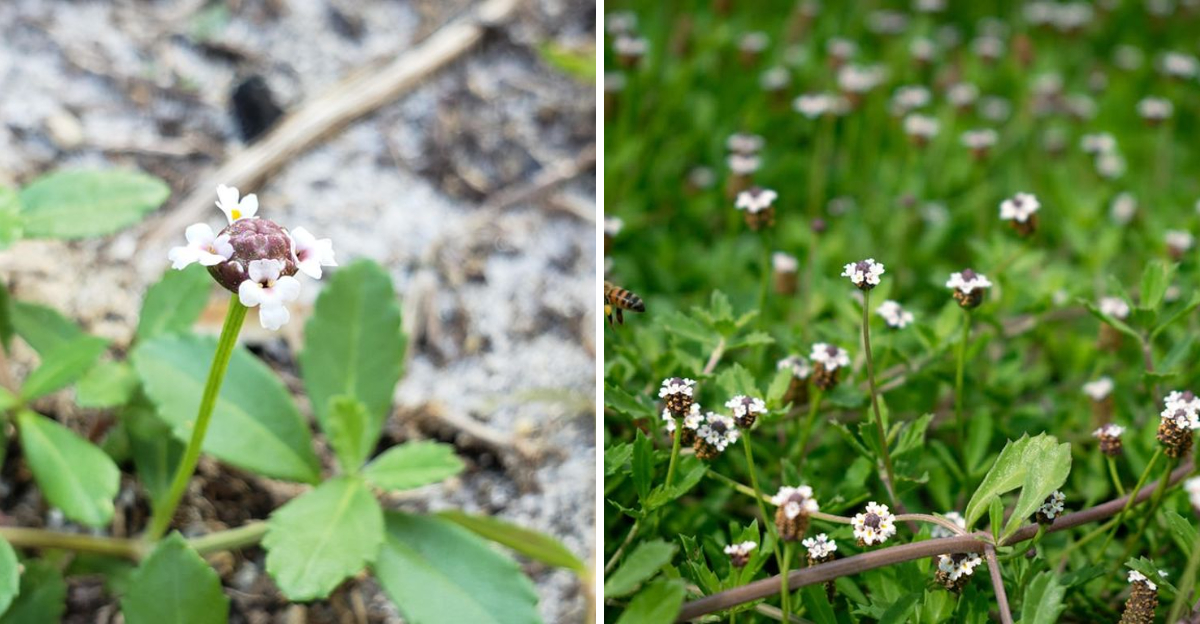
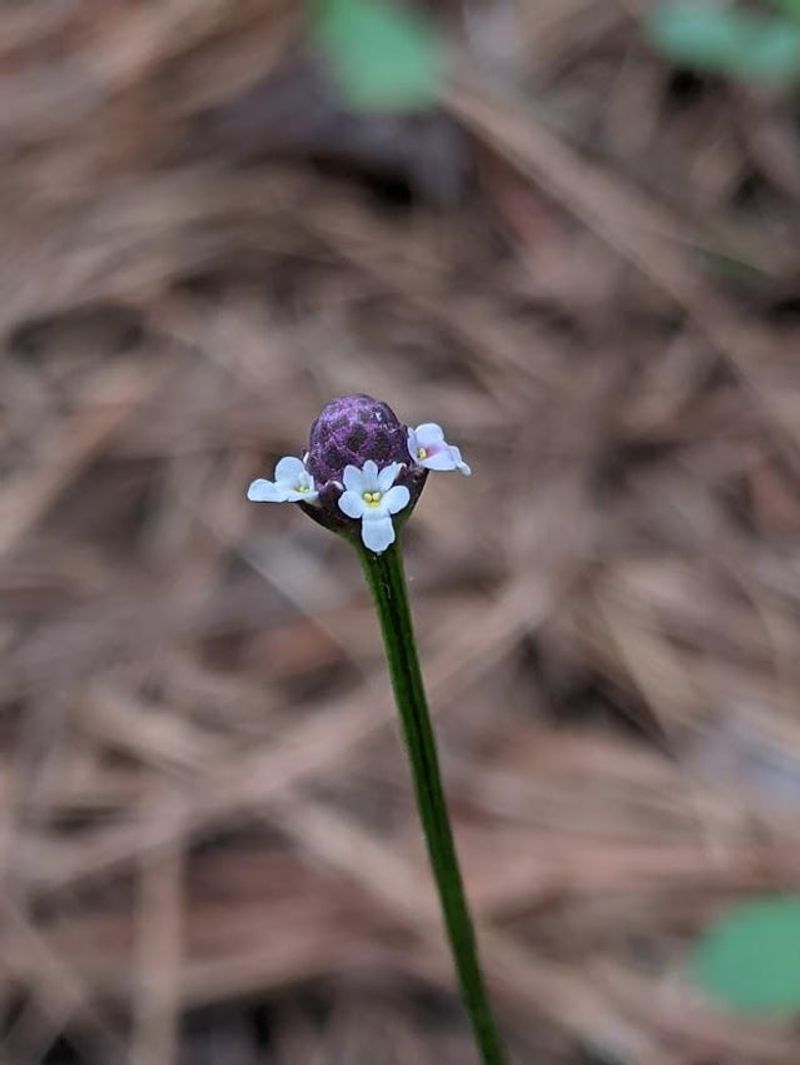
Phyla nodiflora is a Florida native plant that UF IFAS Extension recommends as a low-maintenance lawn alternative, especially in yards with poor drainage or recurring wet spots.
It grows naturally along roadsides, pond edges, and disturbed areas across the state, which tells you something important about its tolerance for tough conditions. This plant earned its reputation in real Florida soil, not just in a greenhouse.
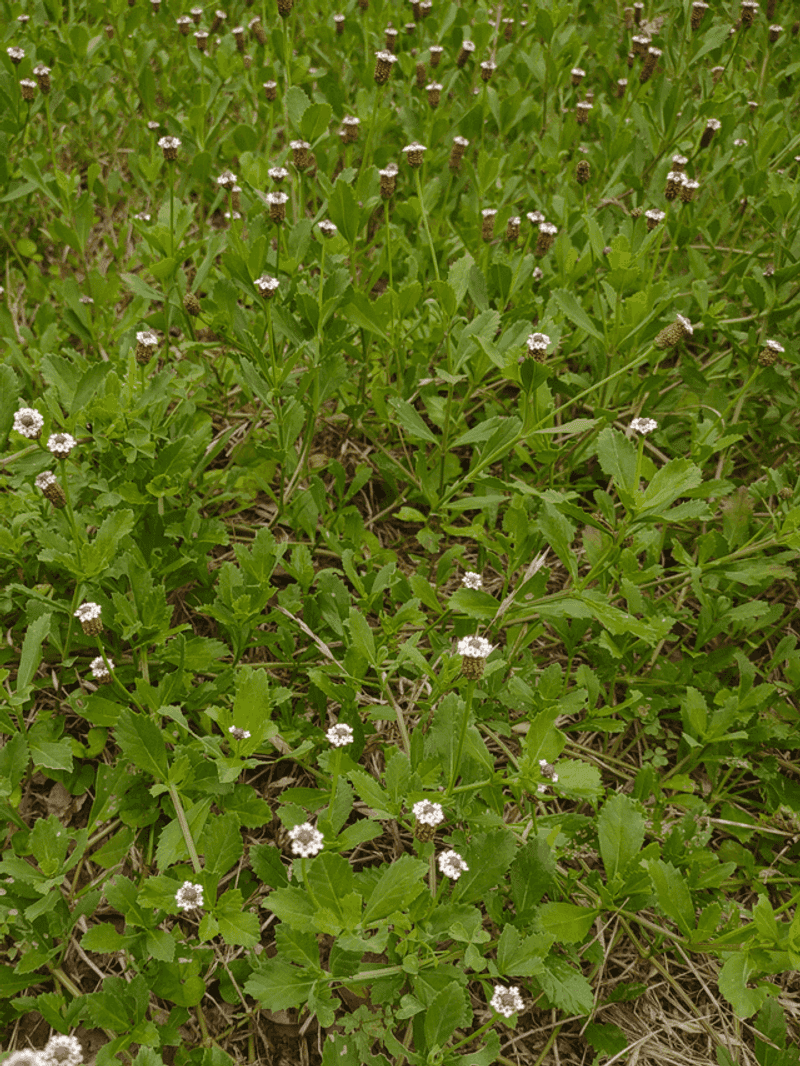
Frogfruit stays low, usually under three inches tall, and forms a dense mat that covers bare ground surprisingly well.
It handles brief flooding and bounces back faster than most warm-season grasses after water recedes. That said, it is not designed to sit in standing water indefinitely. Proper drainage still matters for long-term success.
What makes frogfruit a smart swap is its adaptability.
It grows well in full sun to partial shade, tolerates sandy and clay soils, and requires far less irrigation once it is established.
For Florida homeowners exhausted by the cycle of replanting sod every rainy season, frogfruit offers a refreshingly practical solution that works with Florida weather instead of fighting it.
Flooded Sod Leaves Room For A Better Mat
Soggy sod is one of the most frustrating problems Florida homeowners face.
You water it carefully, fertilize it on schedule, and then one heavy rainstorm washes all that effort away. Grass roots need oxygen, and when soil stays saturated for days, those roots suffer and the sod starts to fall apart.
St. Augustine and Bahia grass, two of the most common Florida lawn grasses, both struggle with extended wet conditions.
Their root systems are relatively shallow, and waterlogged soil creates the perfect environment for fungal diseases like gray leaf spot and brown patch. Once those set in, recovery is slow, patchy, and expensive.
Your Florida Garden Changes Every Week. Your Plan Should Too.
Gardening in Florida changes quickly throughout the season. Every Friday you’ll receive a simple weekly plan showing exactly what to plant, prune, fertilize, harvest, and protect so you never miss the right timing.
Repeated flooding also compacts soil over time.
Each time water rushes across a lawn, it pushes soil particles together, reducing the air pockets that roots depend on.
The result is a hard, dense surface that drains poorly and makes it even harder for new grass to take hold. It becomes a frustrating cycle that many homeowners replay season after season.
That cycle is exactly what frogfruit can help break.
Because it spreads through creeping stems rather than relying on deep, dense root systems, it handles soft and compacted surface soil better than traditional turf.
When sod fails and leaves bare patches behind, those open spots become prime real estate for a ground cover that is actually built for Florida conditions.
Choosing frogfruit is less about giving up on your yard and more about finally playing to its strengths.
Creeping Stems Fill Bare Spots Fast
Bare patches in a Florida yard have a way of multiplying fast.
One flooded section leads to another, weeds move in, and before long the lawn looks more patchwork than polished. Frogfruit has a clever answer for that problem built right into its biology.
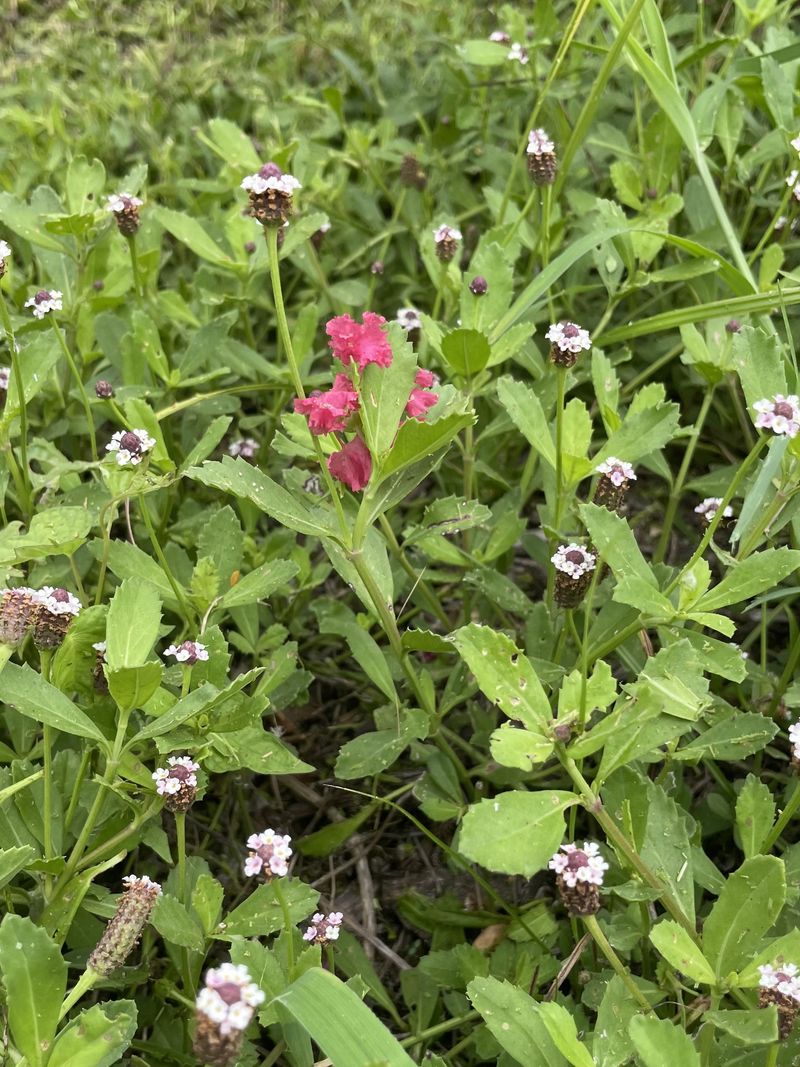
This plant spreads through stolons, which are horizontal creeping stems that travel along the soil surface and root down at their nodes.
That means wherever a stem touches bare ground and finds a little moisture, it can anchor itself and start a new plant.
UF IFAS Extension notes that this spreading habit makes frogfruit an effective cover for disturbed or open areas in Florida landscapes.
In warm, moist soil with good sunlight, frogfruit can cover several feet of bare ground within a single growing season.
Homeowners who plant plugs six to twelve inches apart often find those gaps filled in within a few months during Florida’s warm growing season.
Keep the area moist during the first few weeks after planting.
The stems need consistent moisture to root successfully at their nodes. Once established, frogfruit becomes much more self-sufficient.
Think of the early watering as a short-term investment. You put in a little effort upfront, and the plant does the spreading work for you.
It is one of the more satisfying things to watch happen in a Florida yard.
Tiny Blooms Bring Pollinators Along
Many Florida homeowners never think about their lawn as a wildlife habitat.
A flat stretch of St. Augustine grass does not offer much to bees, butterflies, or other beneficial insects. Frogfruit quietly changes that equation with its small but mighty flowers.
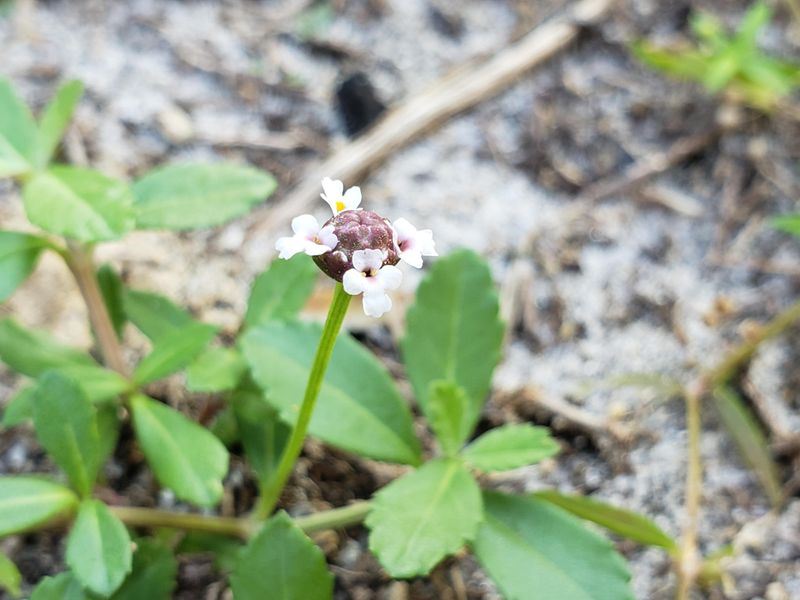
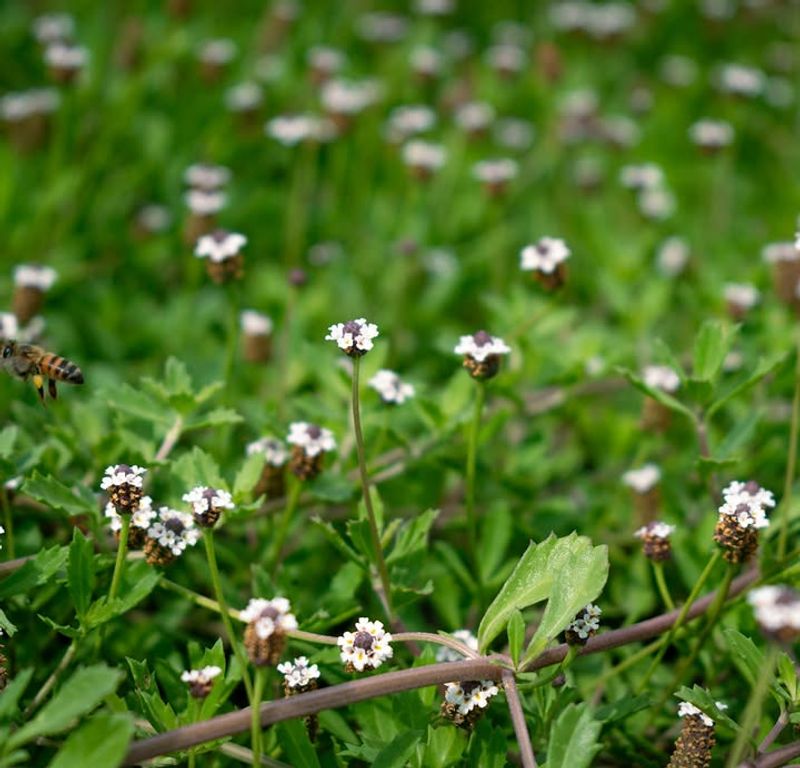
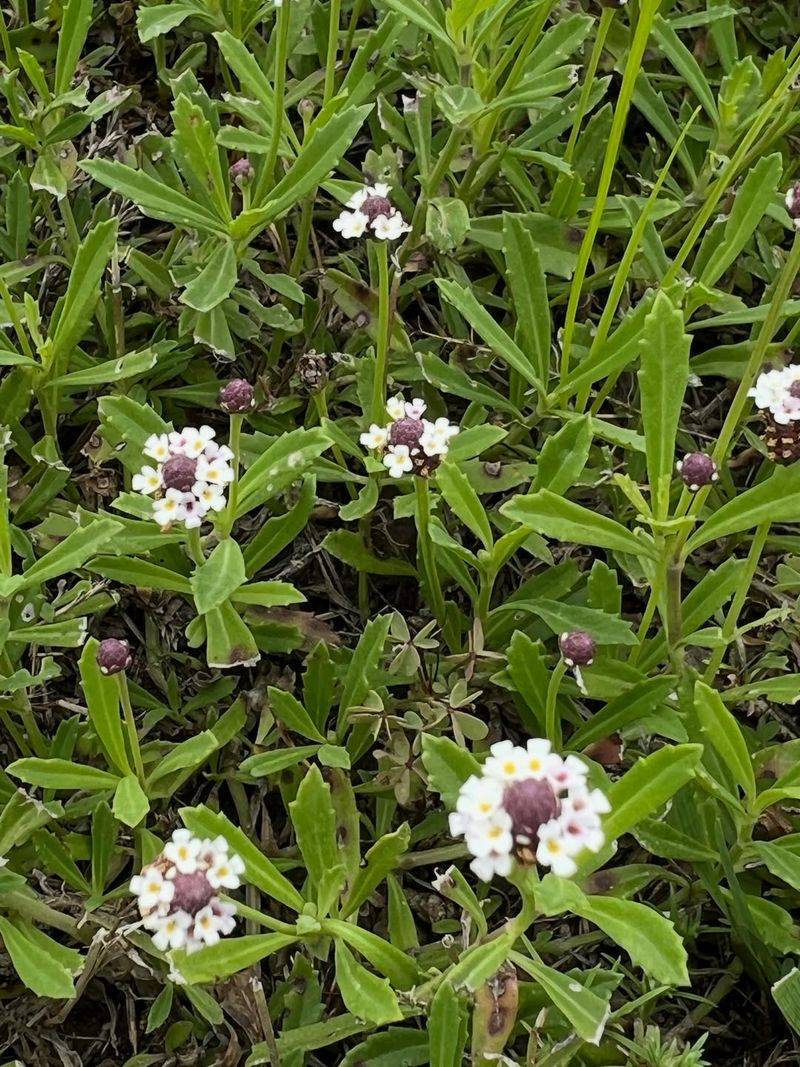
The blooms are tiny, barely the size of a pencil eraser, and they appear in clusters on short stems above the leaf mat.
They range from white to pale pink and open continuously through Florida’s long warm season. Small as they are, these flowers are pollinator magnets.
UF IFAS Extension highlights frogfruit as an important nectar source for native bees and several butterfly species, including the white peacock and phaon crescent butterflies, both of which use it as a larval host plant.
Swapping sod for frogfruit is essentially adding a functional wildlife corridor to your yard.
Honeybees, bumblebees, and tiny native sweat bees all visit the flowers regularly. That kind of biodiversity does not happen with a traditional turf lawn, no matter how well maintained it is.
For homeowners interested in Florida-friendly landscaping principles, this pollinator value is a real bonus.
Your ground cover does double duty. It covers soil and supports local wildlife at the same time. Frogfruit proves that low and slow can still be lively.
Shallow Roots Help Cover Soft Soil
After repeated flooding, Florida yard soil often turns soft and unstable. The top layer becomes loose, silty, and prone to washing away during the next rain event.
Getting something to grow on that kind of surface is a real challenge, and traditional sod usually struggles to anchor itself before conditions shift again.
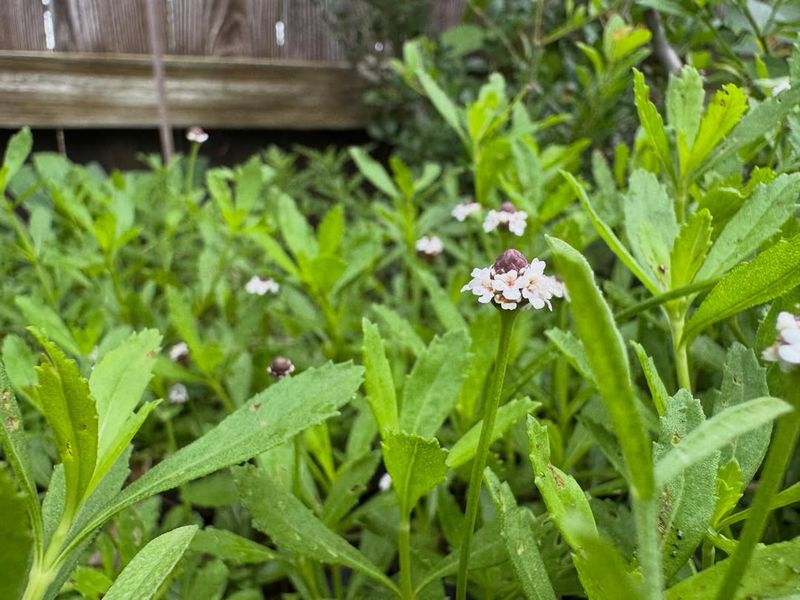
Frogfruit’s shallow, fibrous root system is actually well matched to this kind of surface soil.
The roots do not need to go deep to get established. They spread laterally and hold the top layer of soil together, reducing surface erosion in spots where water tends to sheet across the yard.
UF IFAS Extension notes that native ground covers like frogfruit can help stabilize disturbed or erosion-prone areas in home landscapes.
It is worth being clear about what this means in practice.
Frogfruit is not an engineering solution. It will not fix a yard with serious grading problems, failed drainage infrastructure, or a high water table. Those issues need professional attention.
What frogfruit does well is protect soft soil from surface erosion and give bare ground a living cover that can handle light moisture stress.
Once the mat fills in, rain has a harder time washing soil away because the stems and roots are holding things together. For flood-prone Florida yards in recovery mode, that surface stability is genuinely useful.
Less Mowing Makes Recovery Easier
Running a heavy lawnmower over wet Florida soil is one of the worst things you can do after a flood.
The wheels sink in, the blades tear up soft roots, and the weight compacts the soil even further. Mowing a soggy lawn can set back recovery by weeks.
Frogfruit sidesteps that problem almost entirely.
It grows naturally low, typically staying under three inches without any mowing at all. UF IFAS Extension notes that frogfruit can be maintained without regular mowing, which makes it a strong candidate for low-maintenance Florida landscapes.
Some homeowners choose to mow it occasionally to keep it tidy, but it is genuinely optional rather than required.
Skipping the mower means the soil under your ground cover gets a real chance to recover after wet periods.
No compaction from heavy equipment. No root damage from blades cutting too close to soft ground. The plant just keeps spreading and covering while the soil underneath slowly improves its structure.
Florida homeowners spend significant money on lawn care every year.
Reducing mowing frequency saves fuel, equipment wear, and hours of weekend labor. For anyone managing a yard that floods regularly, that relief is not small.
Less mowing is not laziness. It is smart land management, and frogfruit makes it easy.
Light Foot Traffic Still Needs Planning
Frogfruit handles a surprising amount of wear for such a small plant.
It recovers from occasional foot traffic reasonably well, which is part of why UF IFAS Extension describes it as a lawn alternative rather than just an ornamental ground cover.
But there is an honest conversation to have about what light traffic actually means.
If your yard is where kids play every afternoon, where dogs sprint laps, or where guests regularly cut across to reach the patio, frogfruit alone will not hold up.
It tolerates occasional walking and light activity, but high-traffic zones need something more durable or a smarter layout.
Planning ahead makes the difference between a ground cover that thrives and one that develops worn-out paths through the middle.
Stepping stones are one of the smartest tools you can use alongside frogfruit. Place flat stones or pavers along the routes people naturally walk, and let frogfruit fill in around them.
This approach protects the plant from concentrated wear while still giving your yard that lush, green, covered look. It also adds visual interest to what might otherwise be a plain flat mat.
Realistic expectations make frogfruit a success story rather than a disappointment.
It is a ground cover, not a sports turf.
Use it in the right spots, give high-traffic areas proper hardscape support, and you get the best of both worlds: a yard that looks great, handles Florida’s wet seasons, and does not demand constant replanting every time the rain rolls in.