This Is The Easiest Fruit Tree Florida Gardeners Aren’t Growing Yet
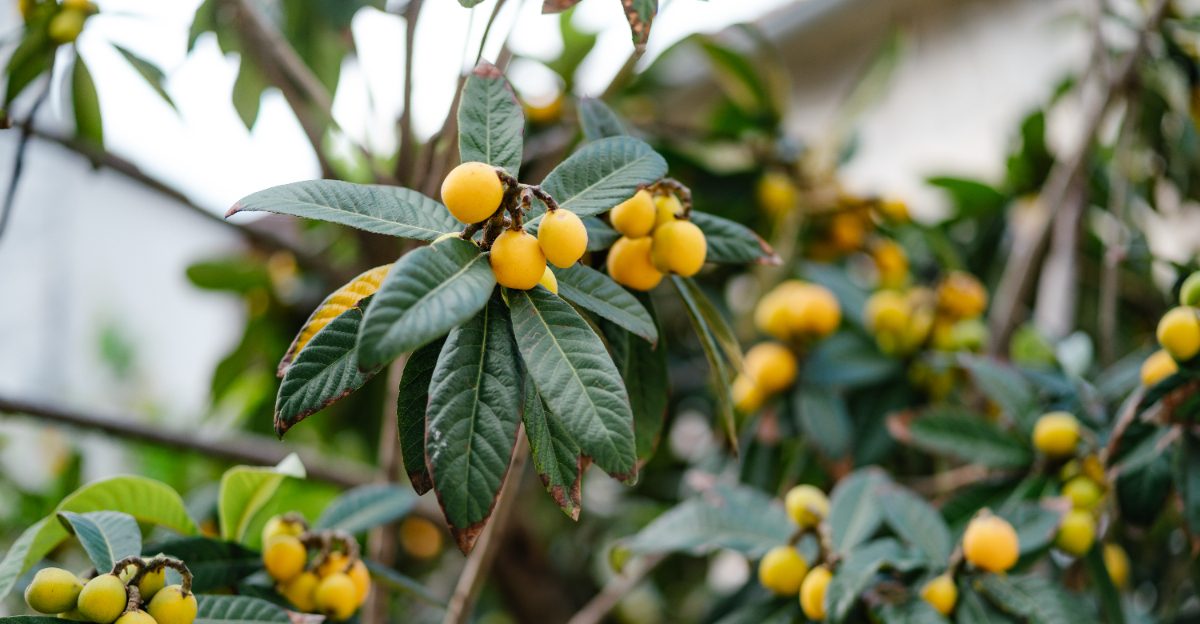
Florida gardeners chase citrus, wrestle with avocado, and spend real money on mango trees that take years to produce. Meanwhile, one of the easiest fruit trees available for this climate sits largely ignored.
You have probably seen it in older Florida neighborhoods without knowing what it was. It fruits in winter, which alone should make it extraordinary in a state where most fruit trees peak in summer.
No brutal heat to fight through harvest. No competing with everything else the garden is doing.
Low maintenance does not begin to cover it. This tree is genuinely forgiving in ways that most Florida fruit trees are not, and it produces more than most households know what to do with once it hits its stride.
The question is not whether it belongs in a Florida yard. It is why so few people are already growing it.
1. Meet The Loquat Before Everyone Else Does
Walk past a loquat tree in your neighborhood and you might not even realize it produces fruit. That happens more often than you would think.
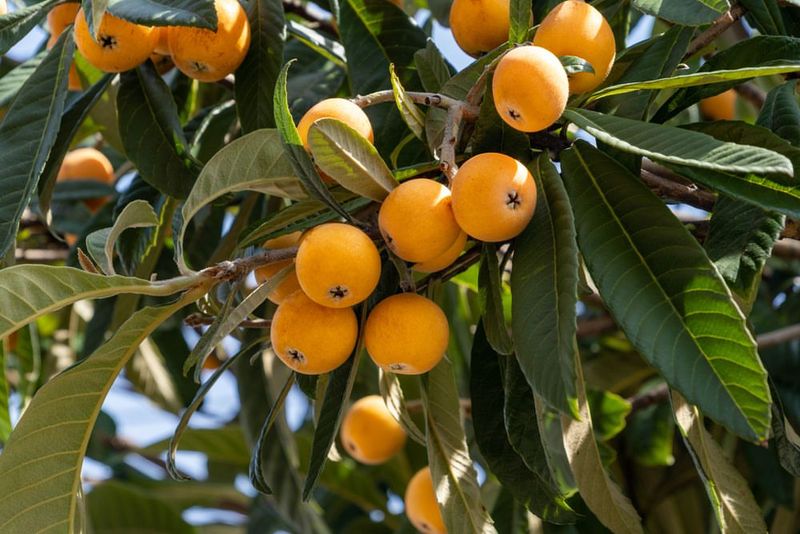
Many Florida gardeners pass by loquat trees for years without connecting the lush, leafy canopy to the fruit. Those clusters of small, sweet-tart fruit appear each late winter or early spring.
Loquat is not a citrus tree and should not be confused with kumquat, even though the names can sound similar to new gardeners. Loquat belongs to the rose family and is botanically known as Eriobotrya japonica.
According to UF/IFAS, loquat is well suited to many parts of this state and has a solid reputation as a low-maintenance, adaptable landscape tree.
What makes it stand out is that it does several things well at once. It stays green year-round, produces fragrant clusters of small white flowers in fall or winter, and follows up with edible fruit before spring fully arrives.
The flavor can range from mildly sweet to pleasantly tart depending on variety and ripeness. Loquat is not a secret tree, but it is one that far too many home gardeners overlook when planning their backyard orchard.
2. Plant It For Fruit And Year Round Beauty
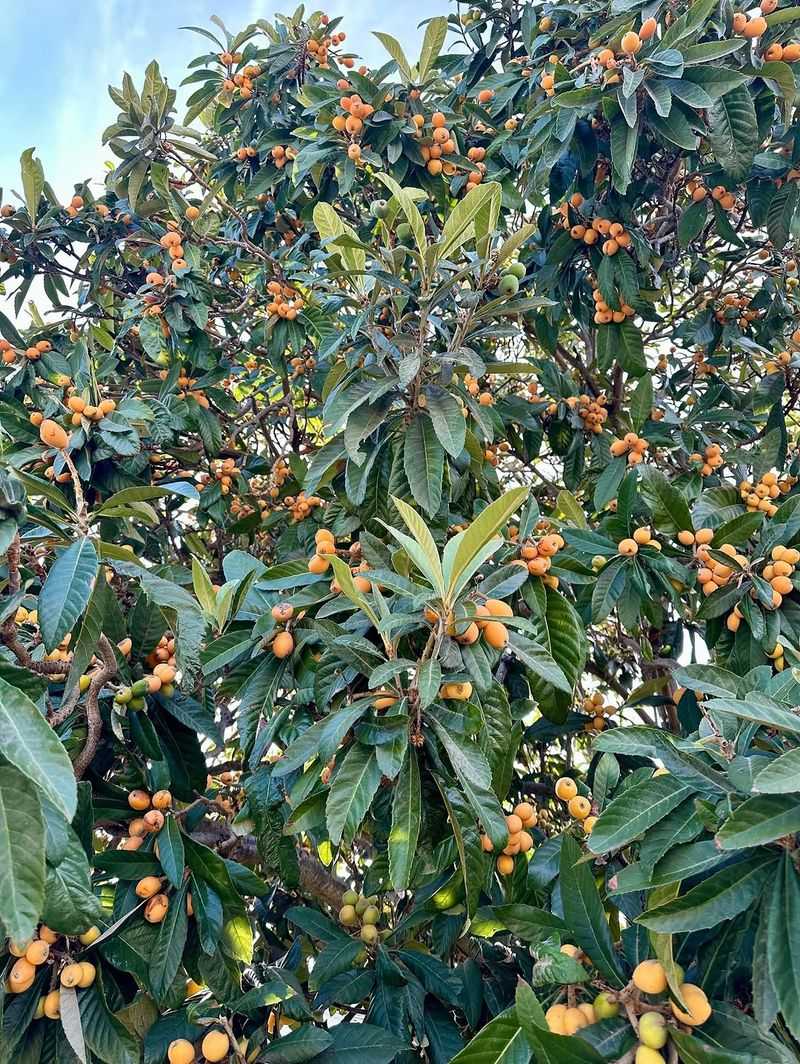
Some fruit trees look bare, spindly, or just plain forgettable outside of harvest season. Loquat is different.
Its large, deeply veined leaves stay on the tree all year, giving the canopy a bold, tropical-looking texture that works well in many home landscapes.
The leaves themselves can reach up to twelve inches long, and their dark green upper surface contrasts nicely with the pale, fuzzy underside. That texture gives the tree visual weight even when it is not fruiting.
In fall and early winter, clusters of small white flowers open with a sweet fragrance that can carry through a yard on a calm evening.
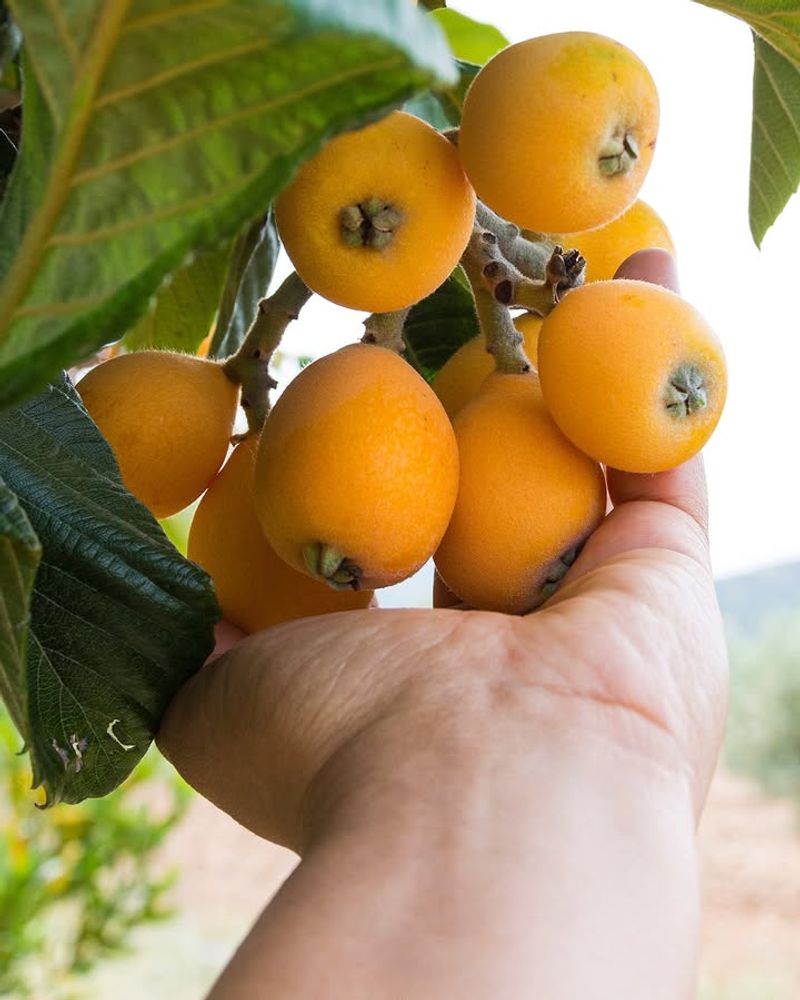
Then come the fruit, small clusters of yellow to orange globes that add warm color to the canopy before most other trees have even started budding. Birds notice them quickly, which adds a layer of backyard wildlife activity that many homeowners enjoy.
Even after harvest, loquat provides shade, structure, and a clean evergreen look that earns its place in a well-planned yard.
Your Florida Garden Changes Every Week. Your Plan Should Too.
Gardening in Florida changes quickly throughout the season. Every Friday you’ll receive a simple weekly plan showing exactly what to plant, prune, fertilize, harvest, and protect so you never miss the right timing.
For gardeners who want both edible harvests and year-round visual appeal, loquat offers a combination that very few fruit trees can match in warm-weather landscapes.
3. Give It Sun And Room To Spread
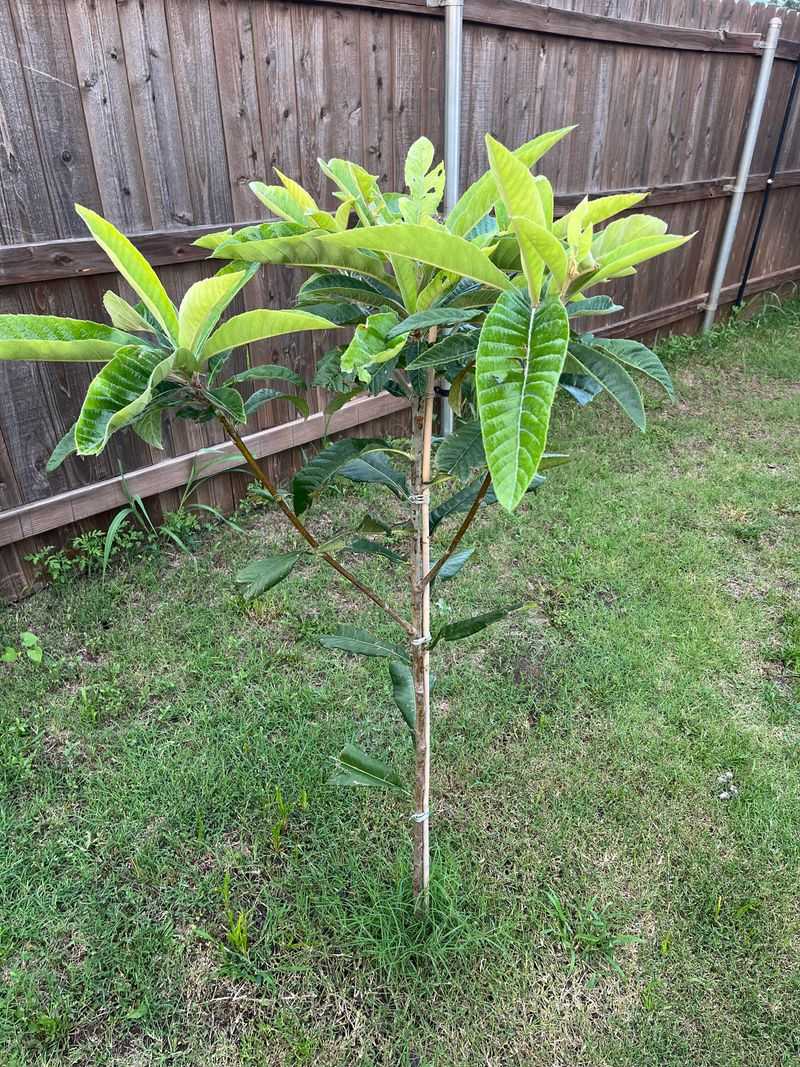
Picking the right spot before planting saves a lot of headaches later. Loquat grows best in full sun, which generally means at least six to eight hours of direct sunlight each day.
Shady spots under larger trees or near tall fences tend to reduce flowering and fruit production, so open areas work best.
Mature loquat trees can reach fifteen to thirty feet tall and spread nearly as wide, depending on the variety and how much pruning is done.
That size means planting too close to a house foundation, driveway edge, pool deck, or overhead utility line creates problems over time.
Give the tree enough horizontal space to develop its natural rounded canopy without crowding.
Good drainage is also important. Loquat does not perform well in low spots where water pools after rain.
Sandy soils that drain quickly are generally fine as long as young trees get adequate moisture while establishing.
Air circulation around the canopy helps reduce disease pressure, so avoid tucking the tree into a cramped side yard or narrow planting strip.
Choosing an open, sunny, well-drained location from the start means the tree can grow with far less intervention as the years go on.
4. Pick A Named Variety For Better Flavor
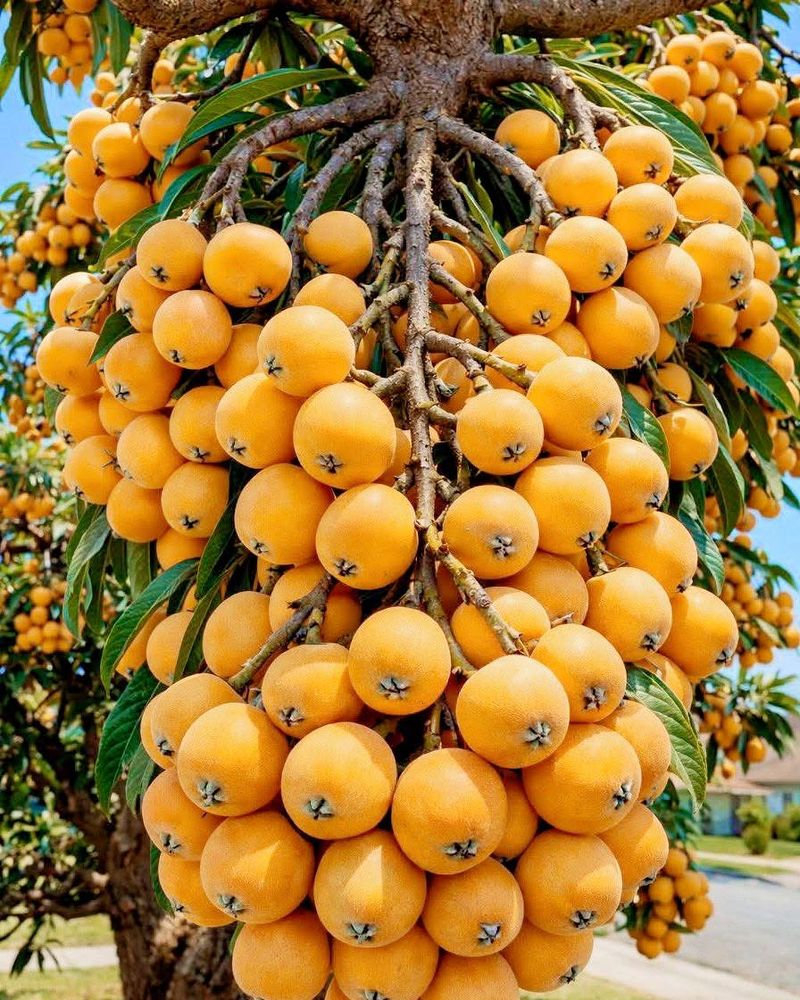
Not every loquat tree produces fruit worth eating. That is one of the most important things a new grower can understand before purchasing.
Seed-grown loquat trees are common, and they can vary widely in fruit size, sweetness, acidity, and seed ratio. Some seedling trees produce small, seedy fruit with little eating appeal.
Named cultivars exist specifically to address that unpredictability. Varieties like Big Jim, Champagne, and Gold Nugget have been selected for better fruit characteristics and are available at reputable nurseries.
UF/IFAS and other horticultural sources recommend choosing named varieties when reliable fruit quality matters to the grower.
Before buying, ask the nursery staff whether the tree is seed-grown or a grafted named cultivar. Grafted trees often begin producing fruit sooner and deliver more consistent results.
Also ask about mature tree size, since some varieties stay more compact than others, which can influence your site planning. Buying from a local nursery that carries Florida-tested varieties gives you the best chance of matching the right tree to your yard.
A little research before purchase pays off over many seasons of harvest.
5. Water Young Trees Until Roots Settle In
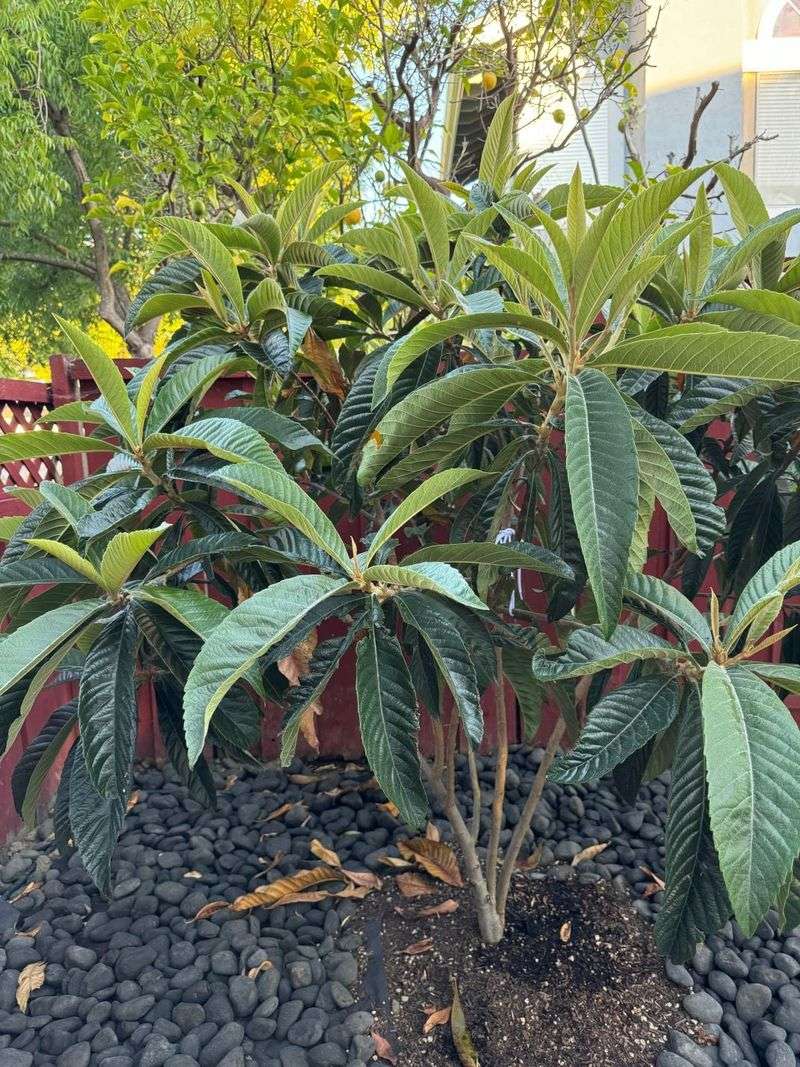
A freshly planted loquat needs more attention than a tree that has been in the ground for several years. During the first few months after planting, consistent watering helps the root system establish and reach into surrounding soil.
Without that support, young trees can struggle through dry spells, especially in sandy soils that drain quickly.
Deep, thorough watering is more effective than frequent shallow watering. Soaking the root zone and then allowing the soil to dry slightly before watering again encourages roots to grow downward rather than staying near the surface.
Check soil moisture a few inches below the surface before adding more water, since overwatering can be just as harmful as drought stress.
Mulching around the base of the tree helps conserve moisture between waterings and keeps the soil temperature more stable. Apply a layer of organic mulch two to three inches deep, but keep it a few inches away from the trunk to allow airflow and reduce rot risk.
Hot, windy weather and container-grown trees may need more frequent checks. Once loquat establishes over its first one to two growing seasons, its water needs generally become much more manageable with normal rainfall supplementation.
6. Skip The Fussy Care Most Fruit Trees Need
One of the biggest reasons Florida gardeners avoid fruit trees is the maintenance load. Citrus needs regular fertilizing, spraying, and monitoring.
Peaches in warm climates often struggle with disease and pest pressure. Loquat, by comparison, tends to be more forgiving once it settles into a good spot.
Established loquat trees generally need light pruning to maintain shape, remove crossing branches, or manage size. They do not require heavy shaping every season.
A balanced, slow-release fertilizer can support healthy growth when applied according to soil test results or UF/IFAS guidelines. It does this without pushing excessive leafy growth at the expense of fruit.
Easy care does not mean zero care. Gardeners should still monitor for common issues like pests, fungal spots on leaves, fire blight in some conditions, and storm damage after strong weather events.
Keeping the area beneath the tree free of debris and maintaining good airflow helps reduce disease pressure naturally. Avoid heavy pesticide applications unless a specific problem is identified and confirmed.
The appeal of loquat is that it rewards basic, sensible care. It does not demand the kind of intensive schedule that discourages many home growers from planting fruit trees in the first place.
7. Watch For Messy Fruit Near Walkways
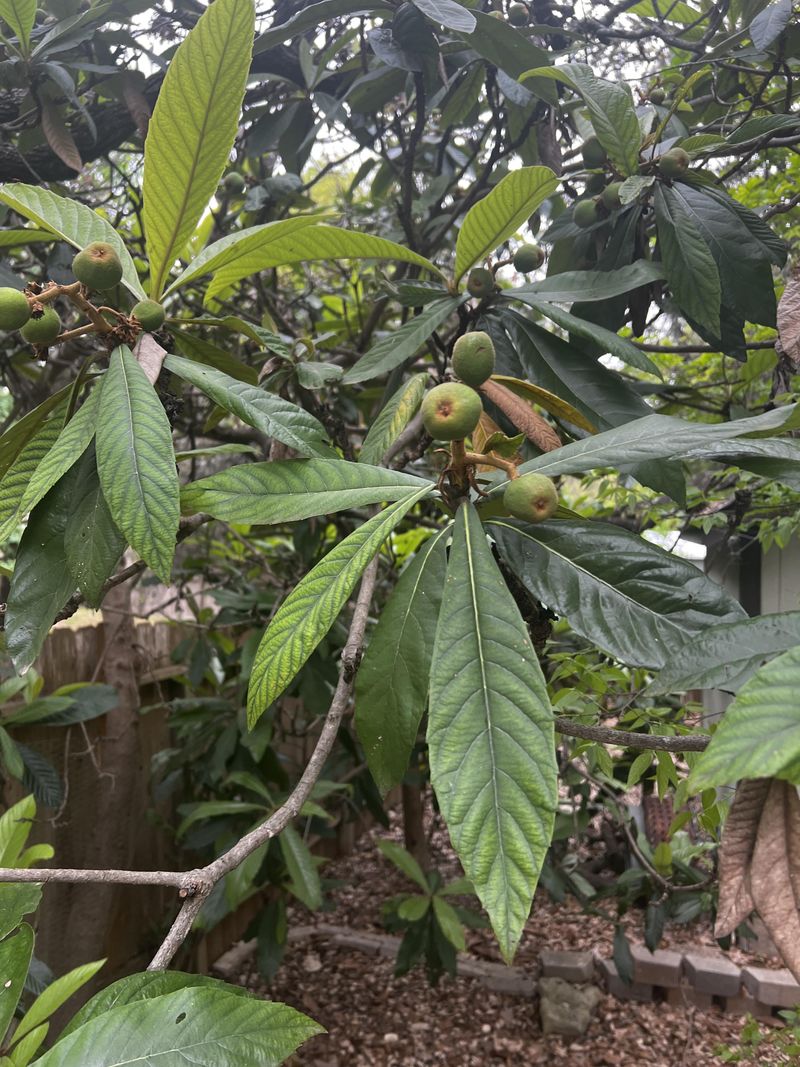
Here is something nurseries do not always mention at the point of sale: ripe loquat fruit drops, and it drops in quantity. When a mature tree is loaded with fruit and harvest does not happen quickly enough, fallen loquats can pile up beneath the canopy.
They can create a slippery, staining mess on hard surfaces.
Patios, pool decks, driveways, and sidewalks near a loquat tree can become problem areas during peak fruit drop. The soft, juicy flesh stains concrete and pavers, and a layer of overripe fruit on a walkway becomes a slip hazard, especially after rain.
Birds and wildlife are also drawn to the ripe fruit, which can mean more cleanup and more activity near your home entry points.
None of this makes loquat a bad choice. It simply means placement matters.
Planting the tree where fallen fruit lands on grass, mulch, or a garden bed rather than hard surfaces makes cleanup far easier. Positioning it away from pool edges, main walkways, and entryways prevents most of the problems homeowners encounter.
Harvesting fruit promptly as it ripens also reduces drop significantly. A little forethought about location turns a potential nuisance into a manageable part of owning a productive backyard fruit tree.
8. Harvest Sweet Tart Fruit Before Birds Do
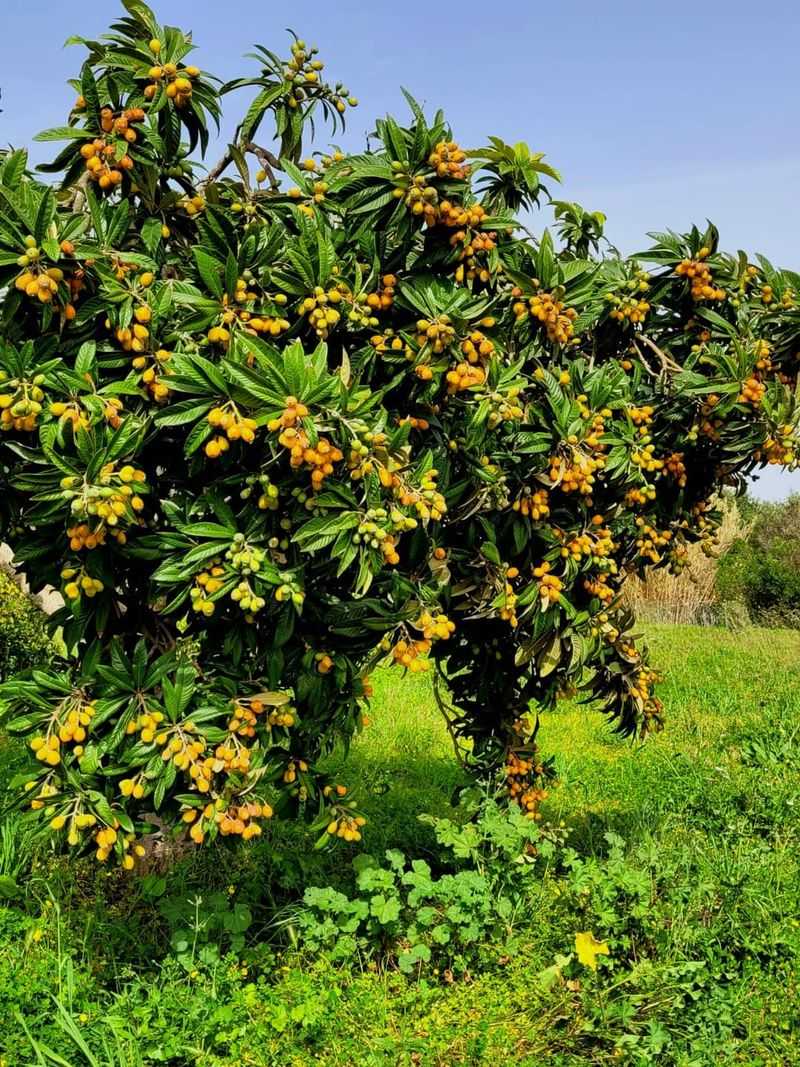
Timing the harvest right makes all the difference with loquat. Fruit picked too early tends to be sour and astringent, while fruit left on the tree too long can become overripe quickly in warm weather.
The best indicator of ripeness is a combination of full color development and slight softness when gently pressed.
Ripe loquats shift from green to yellow or orange depending on the variety. A gentle tug on a fully colored fruit should release it easily from the cluster.
Harvest in the morning when temperatures are cooler, and handle the fruit carefully since the skin bruises easily. Freshly picked loquats are best eaten within a few days, though they can be refrigerated briefly to extend their shelf life.
Birds, squirrels, and other wildlife tend to notice ripe loquat quickly, sometimes before the gardener does. Checking the tree daily during peak ripening helps ensure you get to enjoy the harvest before wildlife claims it.
Flavor varies by variety and growing conditions, so expectations should stay realistic, especially with seedling trees. For gardeners who choose a named cultivar, plant it in a good site, and harvest at the right moment, loquat rewards that effort.
It produces a genuinely enjoyable and distinctive backyard fruit.