The One Mistake That’s Inviting Slugs To Your Tennessee Hostas
You shuffle out at dawn, mug still steaming, expecting nothing but green leaves and birdsong. Instead you find lace where your hostas used to be.
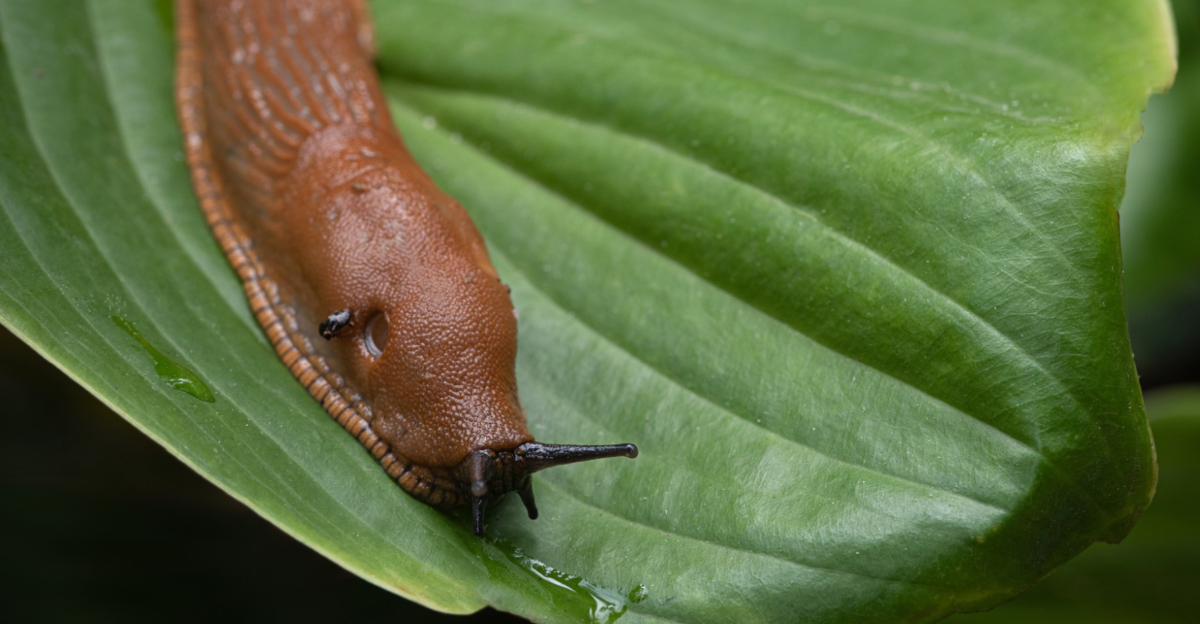
Jagged bites, silvery smears across the mulch, and not a single culprit in sight. Slugs fed heavily in your garden overnight, and they did it right under your nose while you slept soundly inside.
Here’s the part that stings a little: you probably invited them yourself. That evening watering session you’ve been doing faithfully all summer?
It’s basically rolling out a welcome mat for every slug within fifty feet of your yard. Humid Tennessee nights already give these slimy invaders the perfect cover, and wet soil after dark just makes your garden more appealing to slugs.
But there’s a fix, and it’s almost embarrassingly simple. Shift when you water, and you can stop this damage before it starts tonight.
The One Critical Fix Is Watering In The Morning, Not The Evening
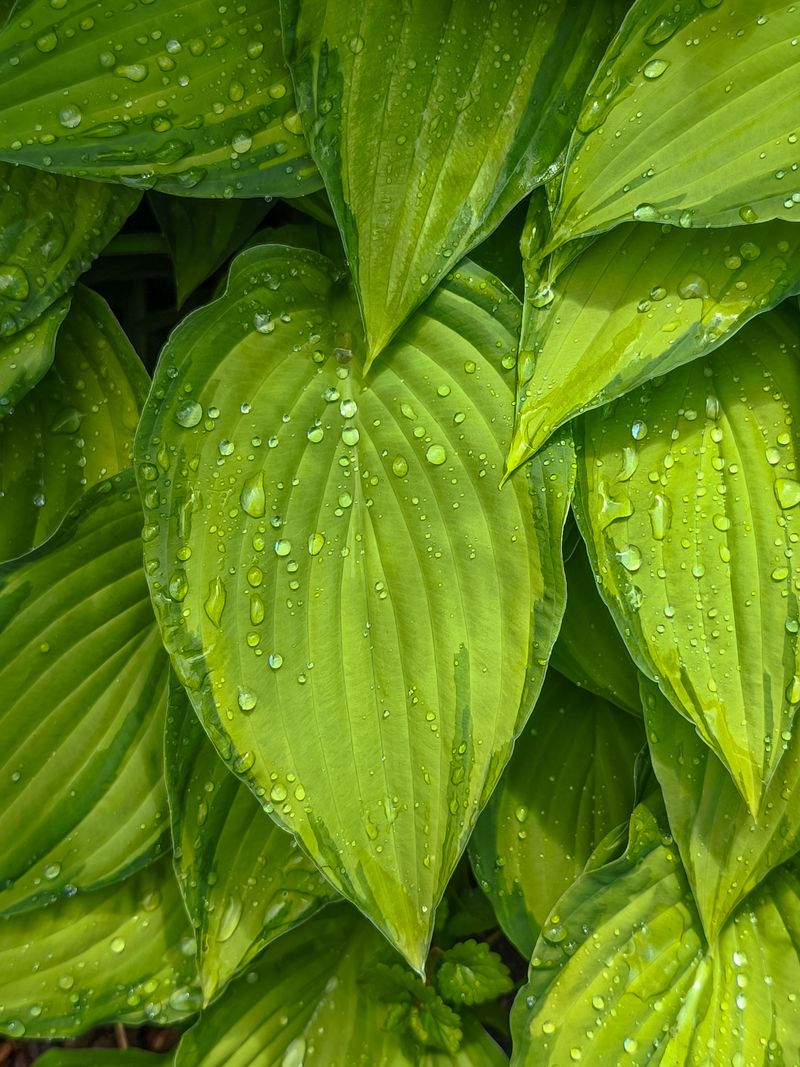
Watering your hostas in the evening feels logical, but it is a common mistake that invites slugs to your Tennessee hostas. Slugs are nocturnal hunters who thrive in cool, damp conditions after dark.
When you water at night, the soil and leaves stay wet for hours. That moisture is a welcome mat for slugs looking for an easy meal.
Switching to morning watering changes everything in your favor. The sun dries out the soil surface by midday, leaving slugs with nowhere comfortable to hide or feed.
Morning watering also gives your hostas time to absorb moisture before the afternoon heat. Roots drink deeply, and the foliage stays healthier without sitting in overnight dampness.
Try watering between 6 a.m. and 9 a.m. for the best results. A soaker hose keeps water at root level and off the leaves entirely.
Slugs need moisture to move, feed, and stay active. Dry soil surfaces slow them down and make your garden far less appealing at night.
Gardeners who switch to morning watering often notice less slug damage within a couple of weeks. The change is simple, free, and easy to maintain.
Your hostas will look fuller and healthier too. Less fungal disease, less slug damage, and stronger growth all come from one small schedule shift.
Make morning watering a non-negotiable part of your summer garden routine. Your hostas will reward you with gorgeous, hole-free foliage all season long.
Why July Is The Worst Month For Slug Damage On Hostas
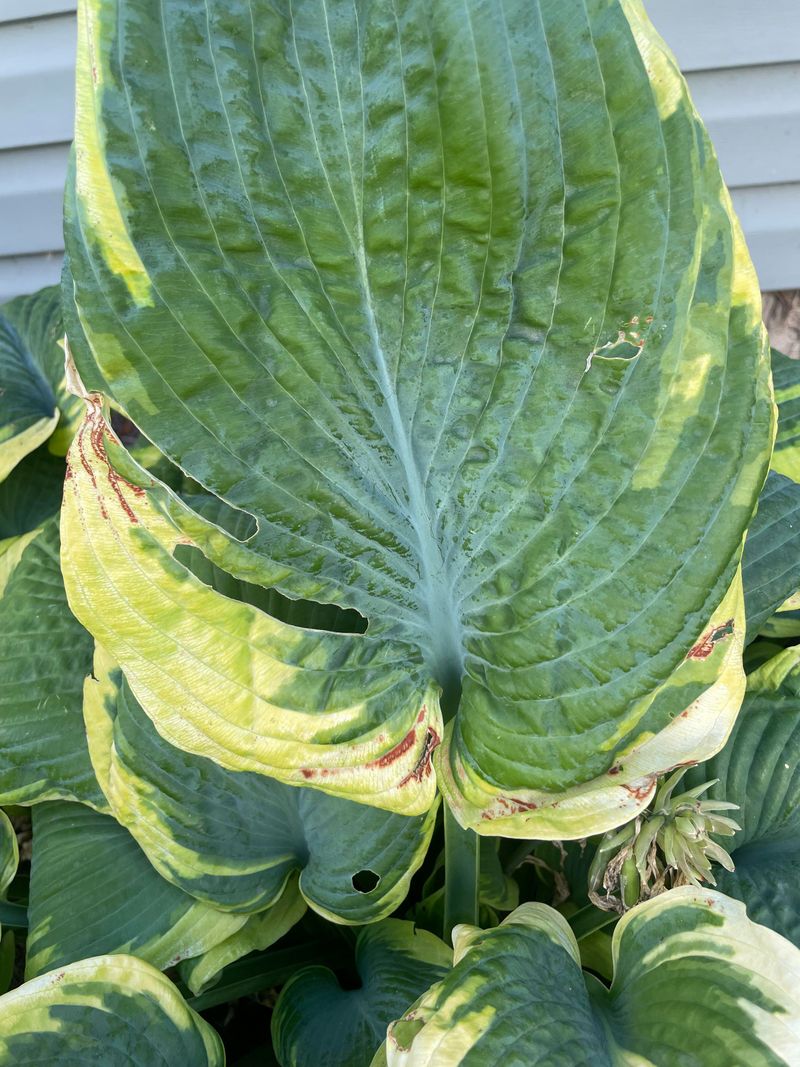
Picture soupy air and soaked soil. July hands slugs everything they need to thrive. Warm temperatures speed up their metabolism fast. Hungrier slugs cause quicker, more visible damage.
Rain keeps the ground consistently damp. Add thick humidity, and slugs find a paradise. Slug damage on hostas is most common now. Cooler months never match July’s perfect storm.
Tennessee summers combine both heat and moisture. That mix rarely happens elsewhere, and gardens feel the impact.
Slug reproduction tends to increase during warm, humid months like July. One slug quickly multiplies into dozens.
Your Tennessee Garden Changes Every Week. Your Plan Should Too.
Gardening in Tennessee changes quickly throughout the season. Every Friday you’ll receive a simple weekly plan showing exactly what to plant, prune, fertilize, harvest, and protect so you never miss the right timing.
Eggs hatch faster in warm, wet soil. Each hatch adds fresh appetites to your garden. Established hostas offer wide, tender leaves. Slugs favor this soft tissue over toughened plants.
Nighttime heat rarely slows these pests down. That gives slugs nearly twelve hours to feed. Gardeners often blame drought or sunburn instead. Morning light reveals the real culprit each time.
Soil moisture lingers longer under mulch beds. Slugs use that cover to travel safely. Cloudy days extend their feeding window further. More clouds simply mean more chewed leaves.
Backyard shade also traps humidity near hostas. Shaded corners often show the worst bite marks.
Even short July storms refresh slug activity instantly. A single downpour can undo days of dry defense. This season calls for extra attention. Stay alert, and your hostas can still thrive.
How To Spot Early Signs Of Slug Damage Before It’s Too Late
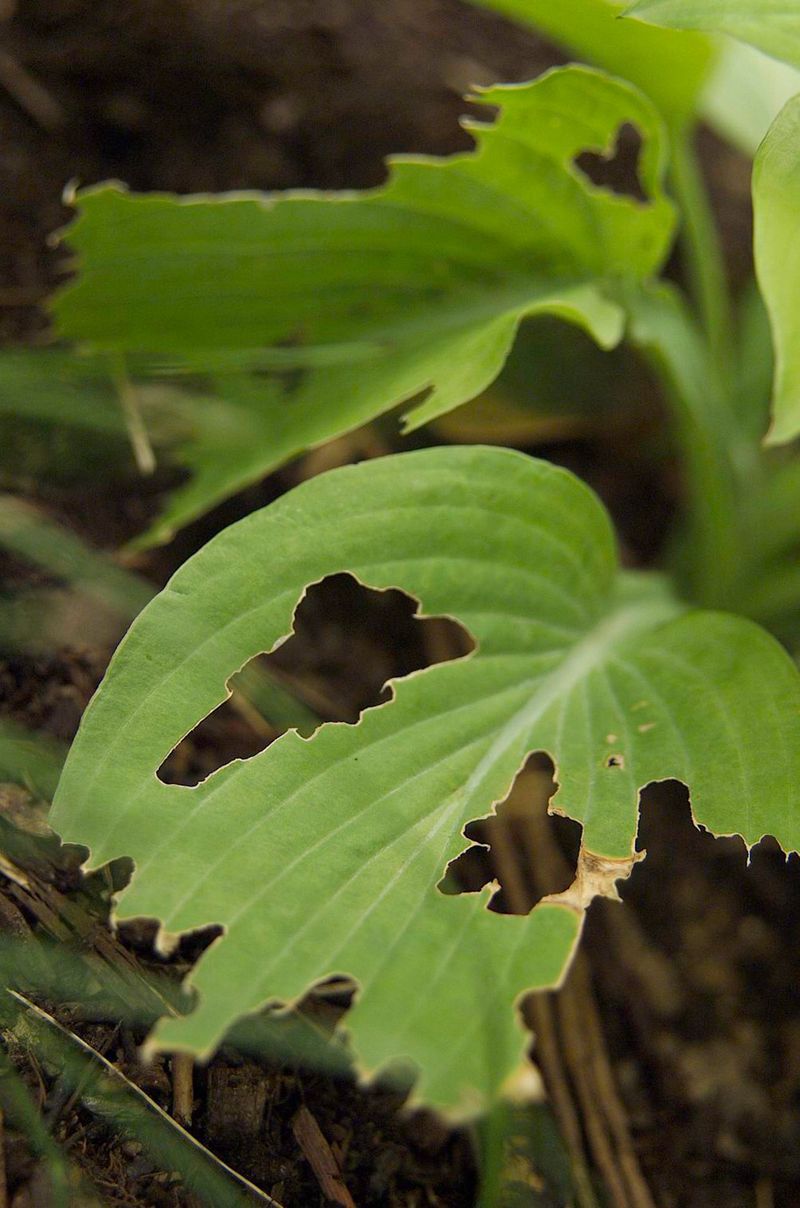
Small clues appear before the real damage hits. Learn to catch them, and you’ll win early. Look for tiny, irregular holes near leaf edges. These edges often look ragged, not clean cut.
Silvery slime trails often mark morning visits. They dry into a faint shine by noon. Check the undersides of lower leaves first. Slugs tend to hide there during daylight hours.
Damaged leaf tips may curl or yellow slightly. That stress signals repeated nighttime feeding sessions.
New growth often takes the heaviest hits. Tender shoots offer the easiest meal for slugs. Soil near your hosta base may look glossy. That sheen usually comes from dried slime residue.
A flashlight check after dark reveals the truth. You’ll likely spot slugs mid-meal within minutes.
Container hostas show damage differently than garden beds. Pot rims often collect slime trails too.
Weather apps can help predict risky, humid nights. Plan your inspections around those damp forecasts.
Ignoring early signs lets populations grow quickly within weeks. Waiting even a few days makes control harder.
Compare photos week to week for quick reference. Small changes become obvious once you track them.
Neighbors’ gardens can offer useful early warnings too. Shared slug problems often spread across nearby yards.
Morning dew makes trails easier to spot then. Check right after sunrise for the clearest view. Catching damage early makes control easier. Your hostas have a real fighting chance now.
Extra Defenses Using Mulch, Copper Tape, And Natural Barriers
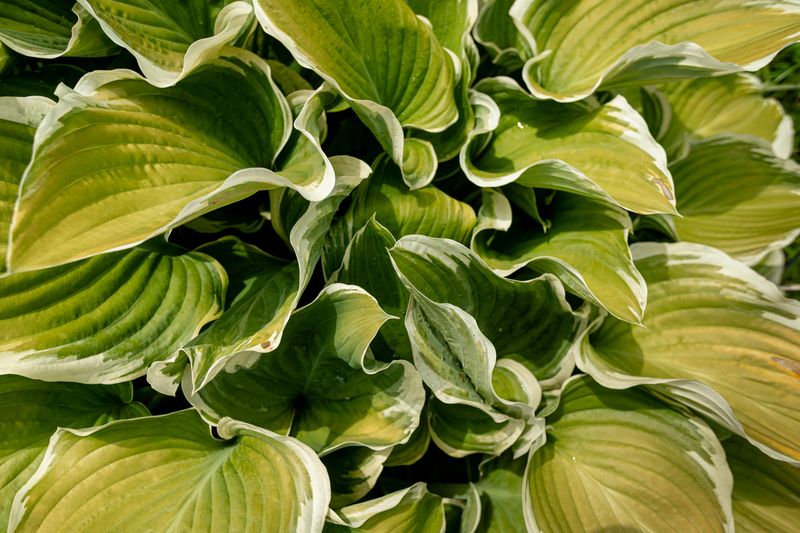
Physical barriers stop slugs before they even start. Simple materials create walls slugs won’t cross.
Copper tape works through a mild electric reaction. Slugs sense the charge and quickly retreat. Wrap copper tape around pots and raised beds. Keep it clean, since dirt weakens the effect.
Coarse mulch like pine bark creates rough terrain. Slugs struggle crossing sharp, dry textures at night. Avoid soft, wet mulch types near hostas. That kind actually invites slugs to nest closer.
Crushed eggshells scattered around plants add rough texture. Diatomaceous earth works similarly, but only when dry.
Reapply these barriers after every heavy rain. Moisture washes away their protective, scratchy surface quickly.
Beer traps lure slugs away from prized hostas. Bury a shallow container, then fill it partway. Check beer traps every morning without exception. Empty and refresh them to keep results consistent.
Wool pellets swell up and create sticky barriers. Slugs dislike the rough, drying texture completely.
Combine several barriers for stronger overall protection. No single method blocks every determined slug.
Gravel paths around beds also slow slugs down. Sharp edges discourage easy travel toward tender leaves.
Test different barrier combinations across separate garden sections. You’ll quickly learn what your yard responds to best.
Natural barriers require less upkeep than chemical options. Most gardeners find this approach worth the effort.
Layered defenses make your garden harder for slugs to access. Slugs will look elsewhere for an easier target.
Lower-Risk Slug Baits For Pet-Friendly Yards
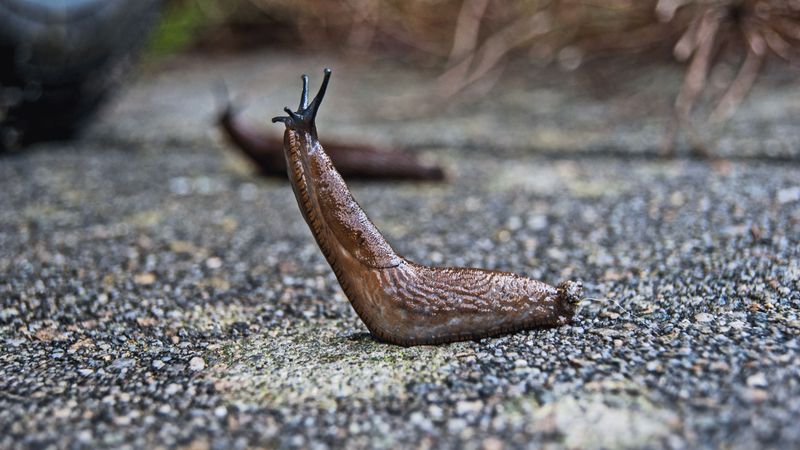
Not every slug bait works around curious pets. Choose carefully, and protect both plants and animals.
Iron phosphate baits are generally considered a lower-risk option compared to metaldehyde. Still, check labels carefully, as some formulations include additional ingredients.
Sprinkle iron phosphate pellets thinly near hosta beds. Avoid piling them up in one spot. Skip baits containing metaldehyde around pets entirely. That ingredient poses real risk to curious dogs.
Read every label before choosing a bait product. Ingredient lists matter more than flashy packaging claims.
Place bait stations under small overturned containers. This keeps pets and children away from pellets.
Reapply bait after rain washes granules away. Fresh application keeps protection consistent through wet weeks.
Natural predators also help control slug populations naturally. Toads and certain birds eat slugs readily.
Encourage these predators with small water features nearby. A shallow dish can attract helpful visitors quickly.
Diatomaceous earth offers another pet-friendly barrier option. Use the food-grade version for extra safety.
Ask local nurseries about regionally approved pet-friendly brands. Tennessee garden centers often stock trusted options.
Lower-risk options exist, and they work well. Your yard can stay safer for everyone involved, without giving up on control.
Keeping Slug Damage Under Control Through The Rest Of Summer
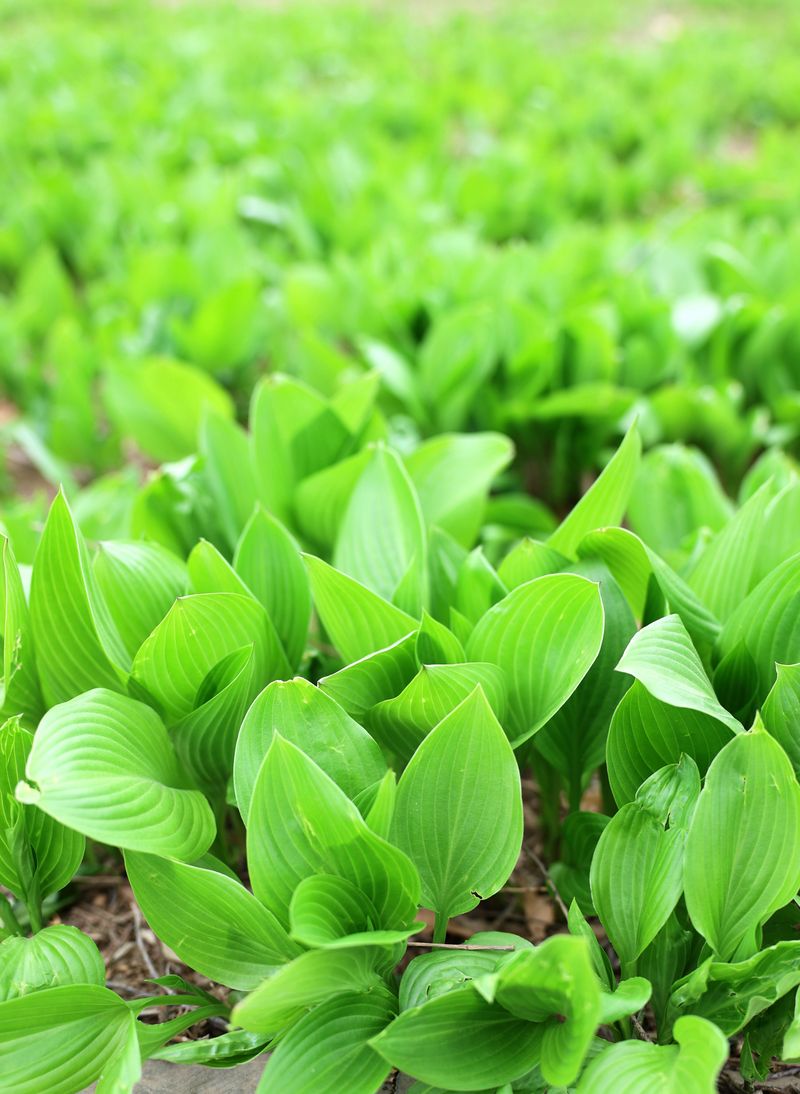
Summer isn’t over, and neither is the fight. Stay consistent, and your hostas will reward you. Water your hostas early in the morning instead. Damp soil dries out before slugs get active.
Morning watering also strengthens root systems overall. Plants handle afternoon heat much better this way.
Keep inspecting leaves every few days without fail. Early detection remains your strongest ongoing advantage.
Rotate your defense methods throughout the season. Slugs adapt slowly, but rotation keeps them guessing.
Clear debris and dense weeds near hosta beds. Fewer hiding spots mean fewer overnight visitors.
Share successful strategies with fellow gardening neighbors. Community efforts often reduce pest pressure across blocks.
Track weather patterns and adjust your routine accordingly. Humid stretches call for extra vigilance and care.
Reward yourself when your hostas start looking fuller. Recovery often happens faster than most gardeners expect.
Store copper tape and traps together. Being prepared saves precious time during sudden outbreaks.
Small, consistent habits beat occasional, dramatic interventions every time. Steady care always outperforms panicked, last minute fixes.
Late summer humidity can still increase slug activity. Stay alert even as the season winds down.
A handful of small wins add up over a full season. Celebrate every leaf that stays whole and green.
Slug damage on hostas doesn’t have to define your summer. A smarter routine helps keep your garden healthier all season long.