June Is Not Too Late To Plant These 8 Berries In Tennessee
Most gardeners assume berry season starts in March and ends in May. In Tennessee, that’s not quite true.
June still gives you warm soil, long days, and weeks of growing season, more than enough to get a berry patch started. The heat that makes summer feel relentless is actually working in your favor.
These berries don’t just survive Southern summers. They lean into them, as long as you keep up with watering and mulch. You don’t need a sprawling garden either.
A nursery container, a sunny spot, and a little patience is all it takes. Tennessee sits in a sweet spot, humid enough to keep roots happy, warm enough to push growth fast.
If you’ve been putting off planting because you thought the window had closed, it hasn’t. Eight berries say otherwise.
1. Blackberries
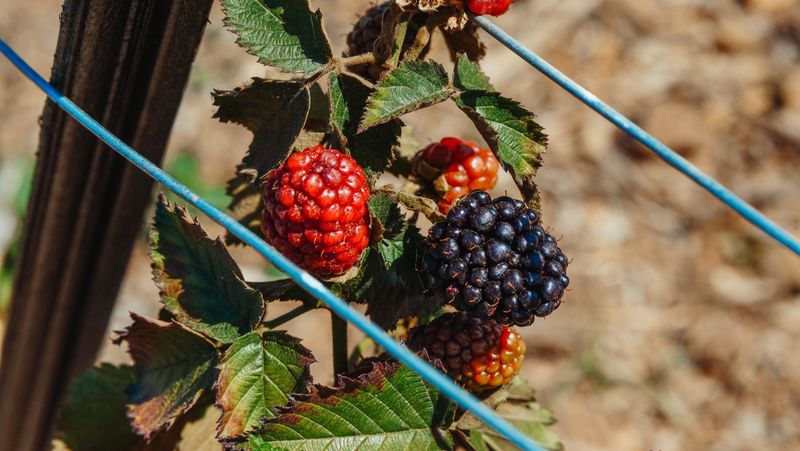
Blackberries are basically Tennessee’s unofficial state fruit. They grow wild along roadsides, fence lines, and creek beds across the region. Planting them in June gives you a head start on a crop that practically takes care of itself.
Choose a thornless variety like Navaho or Arapaho for easier harvesting. These cultivars were bred for Southern heat and do exceptionally well in clay-heavy or loamy soil. Plant them in a spot that gets at least six hours of sunlight daily.
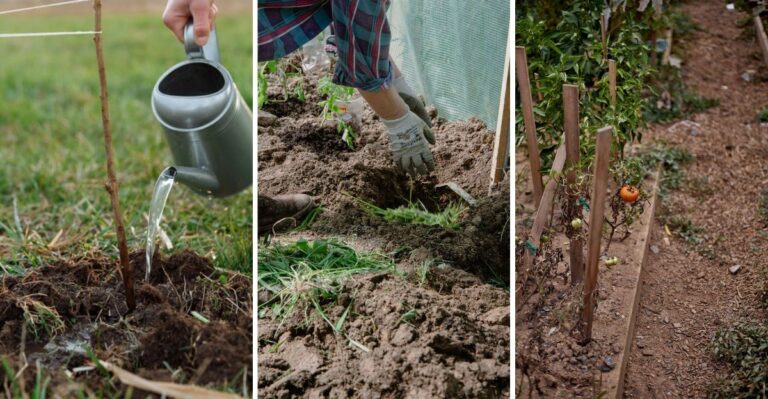
Water deeply two to three times a week during the first month. Roots need to anchor before the hottest part of summer arrives. A thick layer of mulch around the base keeps moisture locked in and weeds pushed out.
Blackberries bear fruit on second-year canes, so your big harvest comes next summer. That said, some everbearing types will surprise you with a light crop in late August. Patience pays off big with these brambles.
One underrated tip: plant near a trellis or fence from day one. Training canes early prevents the chaotic sprawl that makes harvesting a battle. A simple T-post with two wire lines works perfectly and costs almost nothing to set up.
June-planted blackberries have the whole summer to push roots deep before the first frost. That strong root system is what separates a struggling cane from one that fruits reliably for years.
Black bears, deer, and birds will all compete for your harvest once the berries ripen. A simple perimeter of bird netting or a motion-activated sprinkler keeps most of them at a manageable distance.
Fresh-picked blackberries have a depth of flavor that store-bought fruit rarely matches.
2. Raspberries (Everbearing)
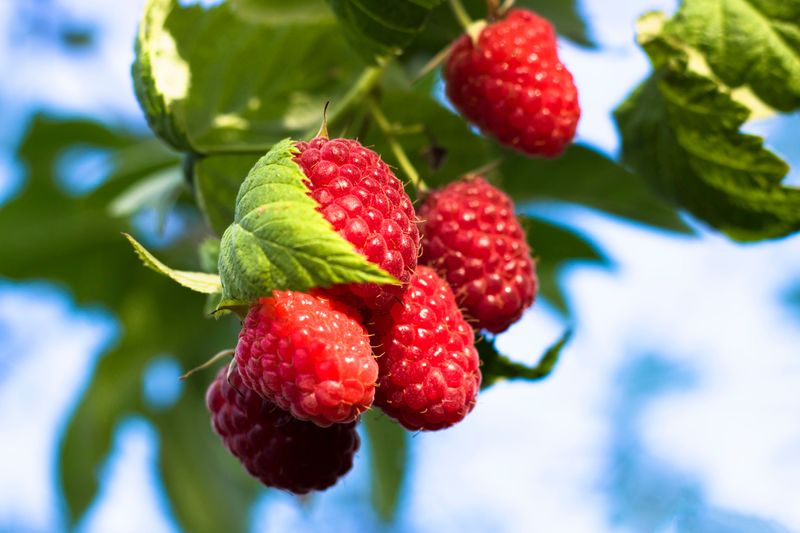
Everbearing raspberries are the overachievers of the berry world. They produce two crops per year instead of one, and June planting puts you right on track for a fall harvest. That fall flush is often the sweeter of the two.
Heritage and Caroline are two everbearing varieties that handle Tennessee summers without flinching. Both tolerate heat better than most raspberry types.
They bounce back quickly after dry spells. Start with bare-root canes or potted transplants from a local nursery.
Raspberries prefer slightly acidic soil with a pH between 5.5 and 6.5. A quick soil test from your county extension office costs almost nothing and saves you a lot of guesswork. Amend with sulfur or peat moss if your numbers run too high.
Your Tennessee Garden Changes Every Week. Your Plan Should Too.
Gardening in Tennessee changes quickly throughout the season. Every Friday you’ll receive a simple weekly plan showing exactly what to plant, prune, fertilize, harvest, and protect so you never miss the right timing.
Space plants about two feet apart in rows, and give rows at least six feet between them. Air circulation is your best friend when it comes to preventing fungal issues. Good spacing also makes picking easier when the fruit starts rolling in.
Water consistently but avoid soaking the crowns. Wet crowns invite root rot, which spreads fast in humid Southern summers. Drip irrigation or soaker hoses work far better than overhead sprinklers for raspberries.
By September, you will be pulling handfuls of ruby-red berries every other day. Freeze what you cannot eat fresh and use them all winter in smoothies, sauces, and baked goods.
A fall raspberry harvest in Tennessee is one of the more rewarding things a home garden can deliver.
3. Strawberries (Everbearing)
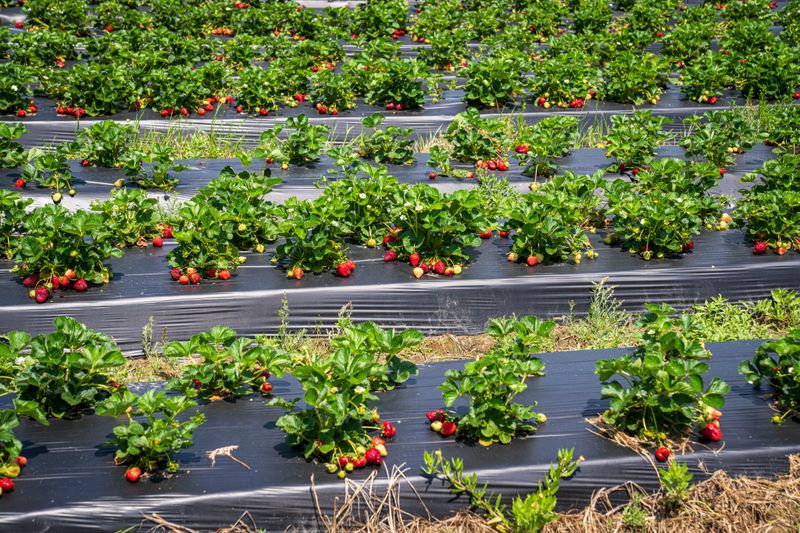
There is something almost magical about pulling a warm strawberry straight from the plant. Everbearing strawberries make that moment possible from late spring all the way through fall.
June planting gives them just enough time to settle in before the summer heat peaks. Albion and Seascape are two everbearing varieties worth tracking down.
Both handle Southern humidity without losing flavor or turning mushy. Look for them at local feed stores, garden centers, or online nurseries that ship bare-root crowns.
Plant strawberries in raised beds or containers if your native soil drains poorly. Standing water around the crowns is the fastest way to ruin a patch.
Raised beds also warm up faster, which encourages stronger root development in the first weeks. Set crowns at soil level, not too deep and not too shallow.
The growing tip needs light, and burying it invites rot. Water in well after planting and keep the soil consistently moist for the first two weeks.
Pinch off the first round of blossoms after planting. This feels counterintuitive, but it redirects energy into root growth.
Stronger roots mean bigger, more productive plants through the rest of the season. Everbearing strawberries will send out runners all summer long.
Tuck those runners into nearby soil and they will root into new plants for free. By the end of summer, one flat of plants can easily become a full, sprawling patch that keeps producing for years in Tennessee gardens.
4. Elderberries
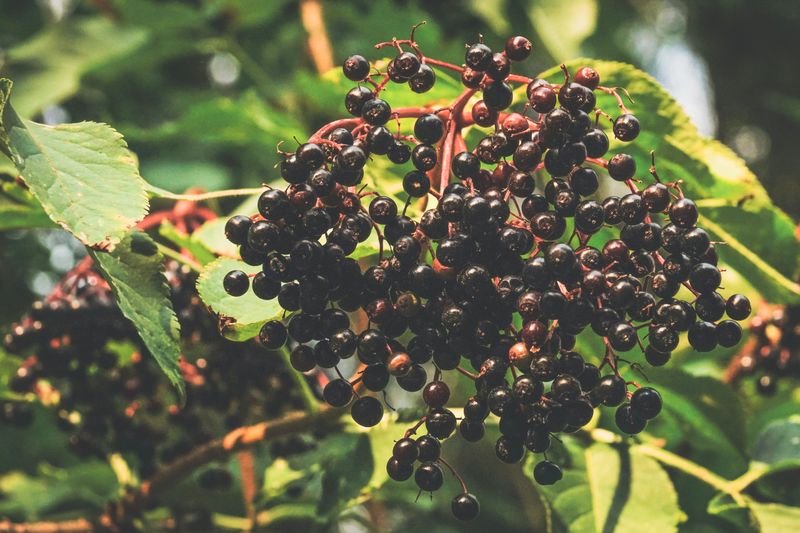
Elderberries have had a serious glow-up in recent years. Once considered a wild hedge plant, they are now one of the most sought-after berries for home growers.
Many people grow them for immune-boosting syrups and homemade cordials. June is a perfectly acceptable time to get them in the ground.
Bob Gordon and Adams are two elderberry varieties that perform beautifully across the mid-South. They grow fast, sometimes several feet in a single season, so give them space to spread.
A mature shrub can reach eight to ten feet tall within a few years. Elderberries love moisture and do well near low spots in the yard where water tends to collect.
They also tolerate partial shade better than most fruiting shrubs. That flexibility makes them an easy fit for tricky spots other plants reject.
Plant at least two different varieties for better cross-pollination. One plant alone will produce some fruit, but two together dramatically increase your yield.
Pollinators absolutely swarm elderberry flowers, which is a bonus for every other plant in your garden. Harvest clusters in late summer when the berries turn deep purple-black.
Do not eat them raw in large amounts, as unripe or raw elderberries can cause stomach upset. Cook them into syrup, jelly, or juice for the safest and most delicious results.
Few fruiting shrubs combine that kind of practical usefulness with such reliable yields.
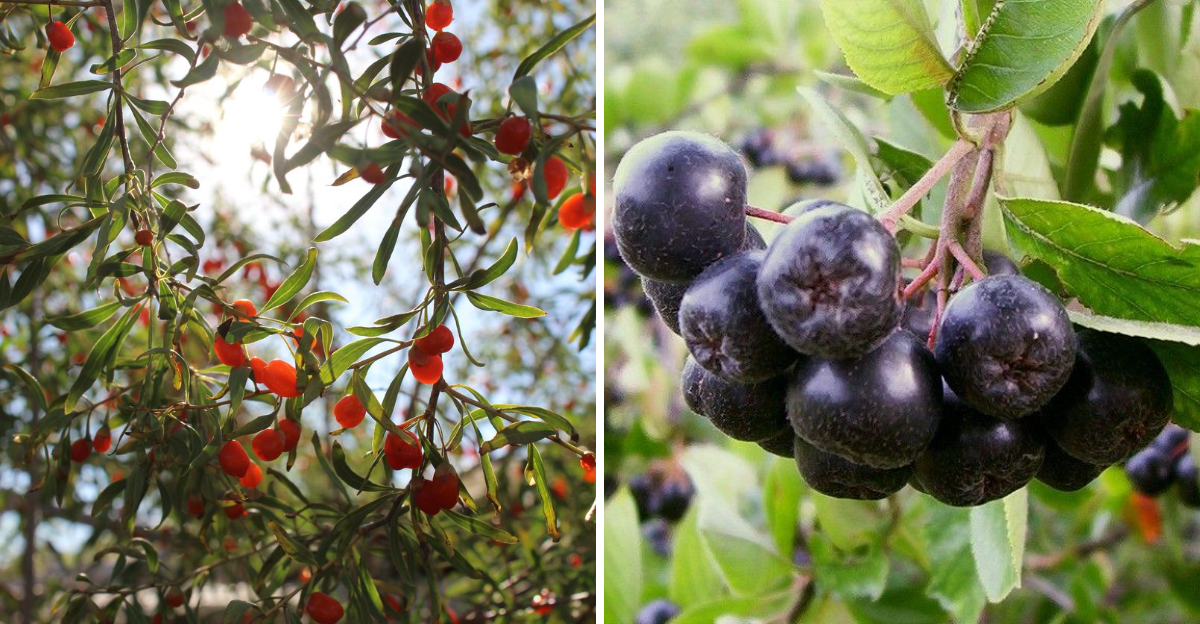
5. Goji Berries
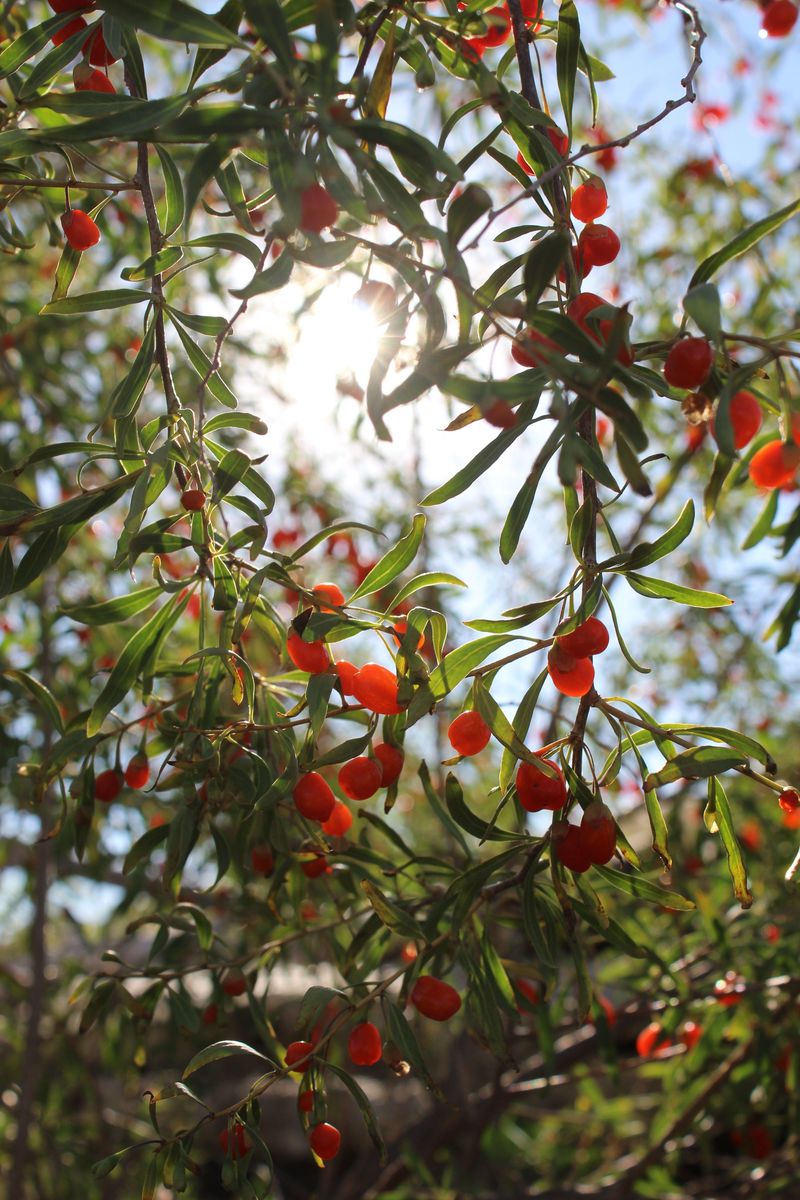
Image Credit: © Melike Bülbül / Pexels
Goji berries sound like something you order from a health food website, not something you grow in a Tennessee backyard. That assumption is worth dropping.
These self-fertile shrubs are hardy through zones 5 to 9 and ripen from late summer into early fall. The plants grow on long flexible canes that can be staked or pruned into shrubs about four to six feet tall.
They also do well in pots up to eighteen inches in diameter. That container option is useful if your soil runs heavy or poorly drained.
In sweltering climates, some afternoon shade during peak summer heat prevents leaf scorch. A spot with morning sun and filtered afternoon light is ideal for Tennessee’s July heat.
Mulch around the base to hold soil moisture through dry stretches. Avoid high-nitrogen fertilizers, as they push leaf growth at the expense of fruit.
Amend the soil with compost at planting and let the plant do its thing. Goji berries are surprisingly low-maintenance once they settle in.
Berries typically ripen from July through October. Pick them when fully red and slightly soft.
Fresh goji berries taste nothing like the dried version sold in stores. They are sweeter, juicier, and far more interesting right off the cane.
6. Muscadine Grapes (Container-Grown)
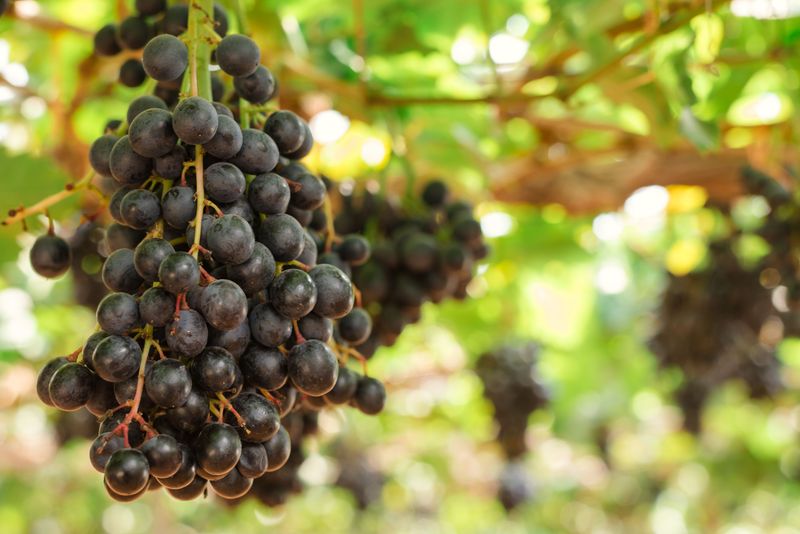
Muscadines are the quintessential Southern grape, and they are tougher than they look. Growing them in containers is a clever workaround if your soil is poor or your space is limited.
A large pot on a sunny patio can support a surprisingly productive vine. Choose a self-fertile variety like Carlos or Triumph so you do not need two plants for fruit production.
Self-fertile muscadines simplify the whole setup and work perfectly for small-space growing. One healthy vine in a fifteen-gallon container can produce several pounds of grapes per season.
Use a well-draining potting mix blended with compost and a slow-release fertilizer at planting. Muscadines are heavy feeders and need consistent nutrition to push strong growth.
Top-dress with compost each spring to keep the nutrient levels where the plant wants them. Water deeply every few days rather than giving light daily sprinkles.
Deep watering encourages roots to grow downward, which anchors the plant and improves drought resilience. Shallow watering creates weak, surface-clinging roots that stress out fast in July heat.
Train the vine up a trellis, fence, or pergola post from day one. Muscadines grow vigorously and need somewhere to climb.
Directing that energy upward keeps the plant tidy and maximizes fruit exposure to sunlight. Muscadine grapes ripen in late summer to early fall, and the flavor is bold, sweet, and unmistakably Southern.
Fresh off the vine, they are a completely different experience from grocery store grapes. Growing your own is a direct connection to a fruit that has been part of Southern food culture for centuries.
7. Blueberries (Container-Grown)
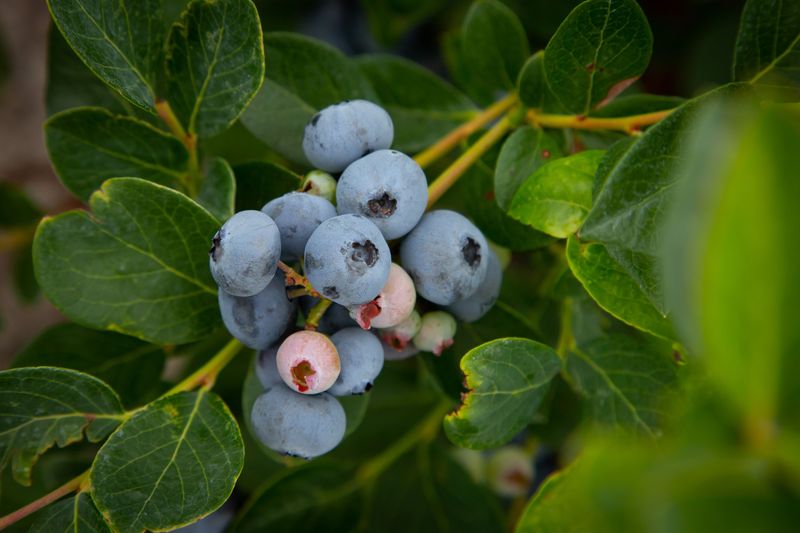
Blueberries are notoriously picky about soil pH, which is why container growing changes everything. When you control the growing medium, you control the conditions, and that is where blueberries finally start behaving.
June is a great time to get a potted bush established before summer peaks. Rabbiteye blueberries are the best fit for Tennessee’s climate.
Varieties like Tifblue, Brightwell, and Powderblue handle Southern heat and humidity without complaint. Plant two different varieties together for cross-pollination and noticeably larger berry clusters.
Fill containers with a mix specifically designed for acid-loving plants. Ericaceous potting mix, available at most garden centers, keeps the pH in the 4.5 to 5.5 range that blueberries demand.
Standard potting soil is too alkaline and will leave your plants struggling and yellow-leafed. Use containers that are at least fifteen to twenty gallons per plant.
Bigger pots hold moisture longer and give roots room to spread. Smaller containers dry out too fast in Tennessee summers and stunt growth significantly.
Feed with an acid-forming fertilizer like azalea or rhododendron formula every four to six weeks during the growing season. Consistent feeding keeps foliage dark green and berry production strong.
Stop fertilizing in late summer to let the plant harden off before cooler weather arrives.
Moving container blueberries to a sheltered spot in winter extends their productive life even further.
A well-tended blueberry bush can produce fruit for fifteen or more years, making it one of the better long-term investments in a home garden.
8. Aronia (Chokeberry)
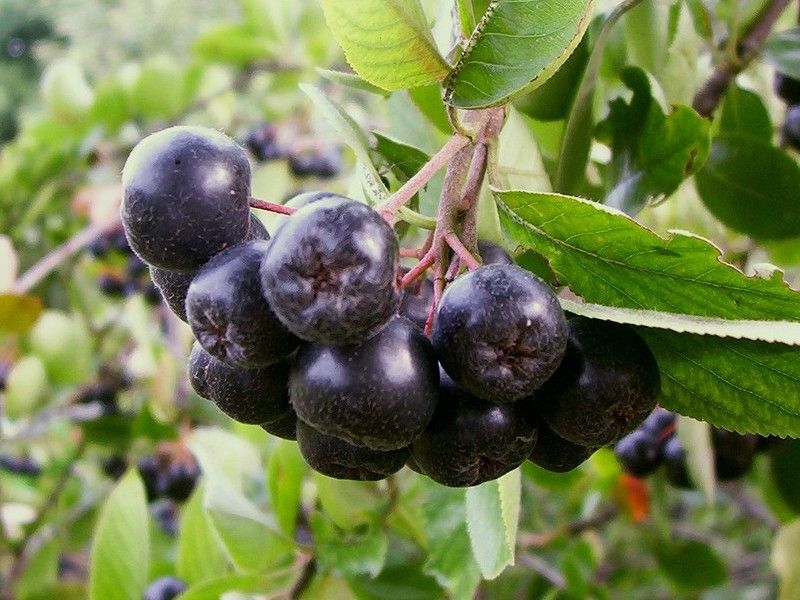
Image Credit: No machine-readable author provided. Puchatech K.~commonswiki assumed (based on copyright claims)., licensed under CC BY-SA 3.0. Via Wikimedia Commons.
Most gardeners walk past aronia at the nursery without a second look. That is a mistake worth correcting.
This native shrub is hardy through zones 3 to 8 and handles the heat and humidity of Tennessee summers without breaking a sweat. Few fruiting plants are this forgiving about soil, sun, and neglect.
Black chokeberry is the variety most commonly grown in home gardens. Viking and Nero are two reliable cultivars with high antioxidant content and strong yields.
Plant in a spot with at least six hours of sunlight and well-drained soil. Aronia tolerates clay and wet soils better than most fruiting shrubs, which makes it an easy fit for problem spots in the yard.
It needs almost no fertilizer and very little pruning. A layer of mulch and consistent watering through the first summer is all it takes to get established.
Berries ripen from late summer into early fall, turning deep purple-black when ready. They are tart eaten fresh but work well in juice, jelly, and jam.
The antioxidant content is comparable to blueberries, and in some studies higher. Planting aronia in June means having a productive, near-maintenance-free shrub for decades.