This Heat-Loving Vegetable Thrives When Everything Else Wilts In Maryland
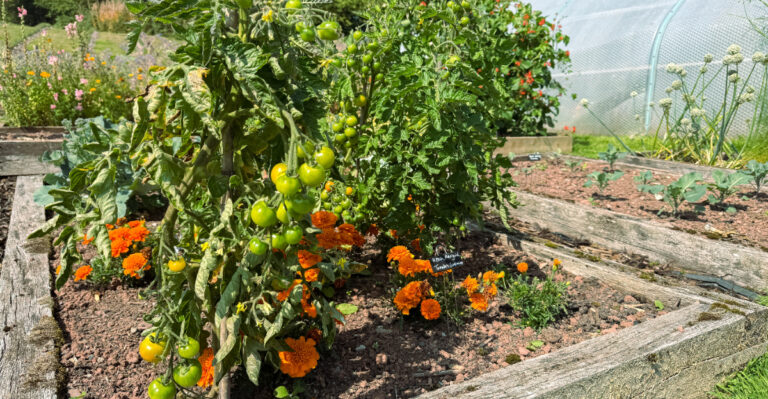
By mid-July, Maryland gardens start telling on themselves. Tomato vines droop by noon, cucumbers turn bitter, and basil gives up before you’ve even made a batch of pesto.
Heat and humidity team up, and most plants simply can’t keep pace. But somewhere in that same overheated soil, one vegetable is doing something strange. It’s not just getting by in the Maryland summer, it’s thriving in it.
While your neighbors are dragging soaker hoses around sad pepper plants, this crop is putting out new growth every single day.
It seems almost immune to the conditions that flatten everything else in the yard. It has roots in West African heat, so a sticky Maryland July barely registers as a challenge.
Farmers markets rarely give it the spotlight it deserves, yet it might be the easiest thing you can grow once summer turns intense. So what is this mystery plant, and why does the heat only make it happier? Let’s find out.
Why Maryland Summers Are Harsh On Most Garden Vegetables
Maryland summers climb fast and stay high for weeks at a time. Temperatures regularly climb past 90 degrees, and the humidity makes the air feel heavy and damp.
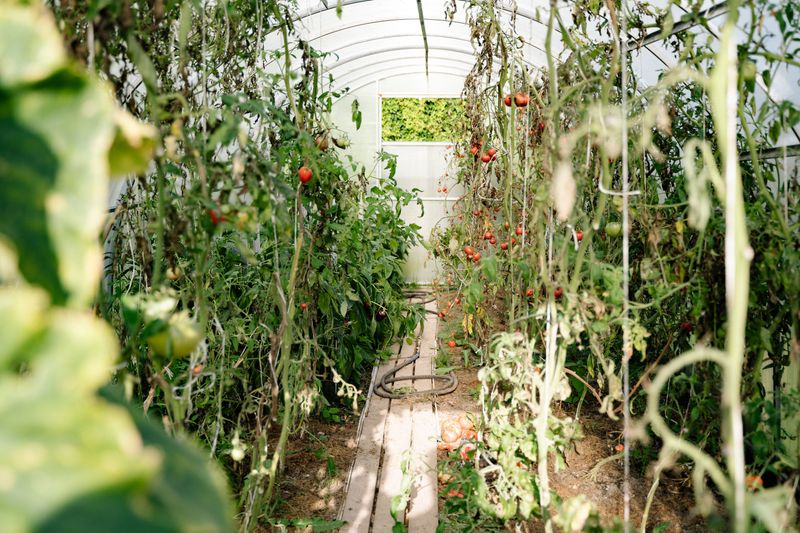
Most cool-season crops like spinach and peas vanish by June. Even warm-season favorites like peppers and tomatoes struggle once the heat becomes relentless and unforgiving.
The problem is not just the heat itself. It is the combination of high temps, sticky air, and unpredictable rain that stresses plants at their roots.
When soil temperatures spike above 85 degrees, root systems stop absorbing nutrients efficiently. Plants go into a kind of emergency mode, dropping blossoms and halting growth to conserve energy.
Gardeners across the state spend good money on seeds and starts, only to watch them collapse by mid-July. It feels discouraging, especially when you put real effort into your beds.
The Mid-Atlantic climate is genuinely tricky. Winters are cold enough to require hardy varieties, but summers are hot enough to challenge anything not suited to tropical-style heat.
What most gardeners do not realize is that the solution has been growing in Southern gardens for centuries. One crop actually prefers these demanding conditions and rewards you for planting it.
That crop is okra, the heat-loving vegetable that thrives when everything else wilts in Maryland. Once you understand why it works so well here, you will wonder why you waited so long to try it.
Meet The Vegetable That Won’t Quit
Okra does not ask for much, and that is exactly what makes it remarkable. Give it full sun, warm soil, and a little water, and it just goes to work.
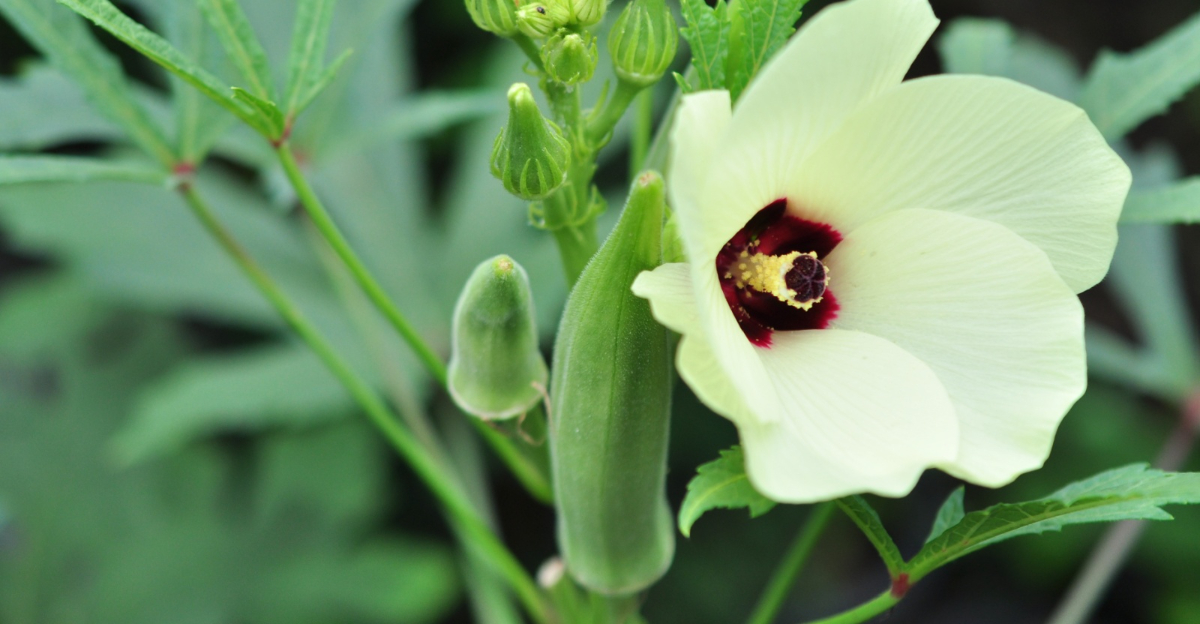
Known scientifically as Abelmoschus esculentus, okra belongs to the mallow family. Its closest relatives include hibiscus and cotton, which explains those gorgeous cream and purple flowers it produces.
The plant can grow four to six feet tall in a single season. Each day it pushes upward, producing new blossoms that turn into harvestable pods within just a few days.
Your Maryland Garden Changes Every Week. Your Plan Should Too.
Gardening in Maryland changes quickly throughout the season. Every Friday you’ll receive a simple weekly plan showing exactly what to plant, prune, fertilize, harvest, and protect so you never miss the right timing.
One fascinating detail: botanists still debate okra’s exact origin, with East Africa, West Africa, and South Asia all proposed as possible homelands.
Enslaved Africans brought it to America, where it became a staple of Southern cooking and culture.
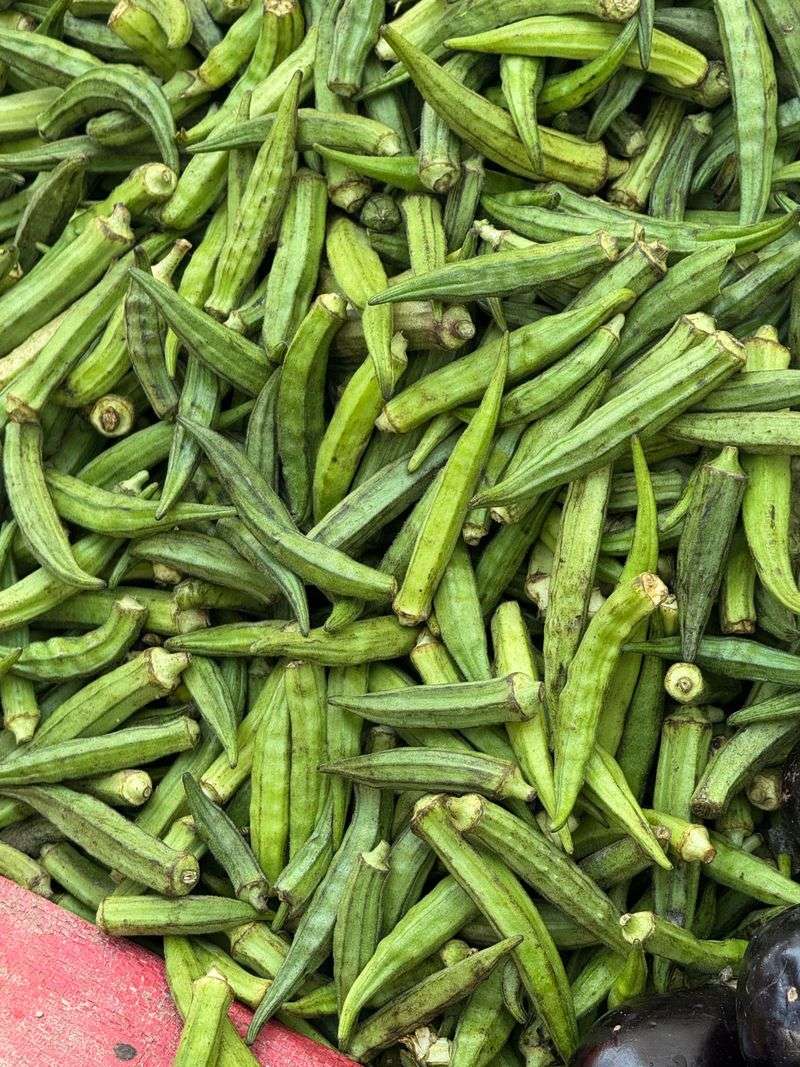
The pods are loaded with fiber, vitamin C, and folate. They also contain a natural thickening agent called mucilage, which is what makes gumbo so gloriously rich and hearty.
Some gardeners avoid okra because of that slippery texture. But cooked the right way, roasted or grilled, the sliminess disappears completely and leaves behind a nutty, satisfying flavor.
Varieties like Clemson Spineless and Burgundy are especially popular with home growers. They produce heavily, handle heat without flinching, and look stunning standing tall in a summer garden.
This heat-loving vegetable thrives when everything else wilts in Maryland, and once you grow it yourself, you may notice a real difference in flavor compared to store-bought.
How Okra Thrives Where Other Crops Wilt
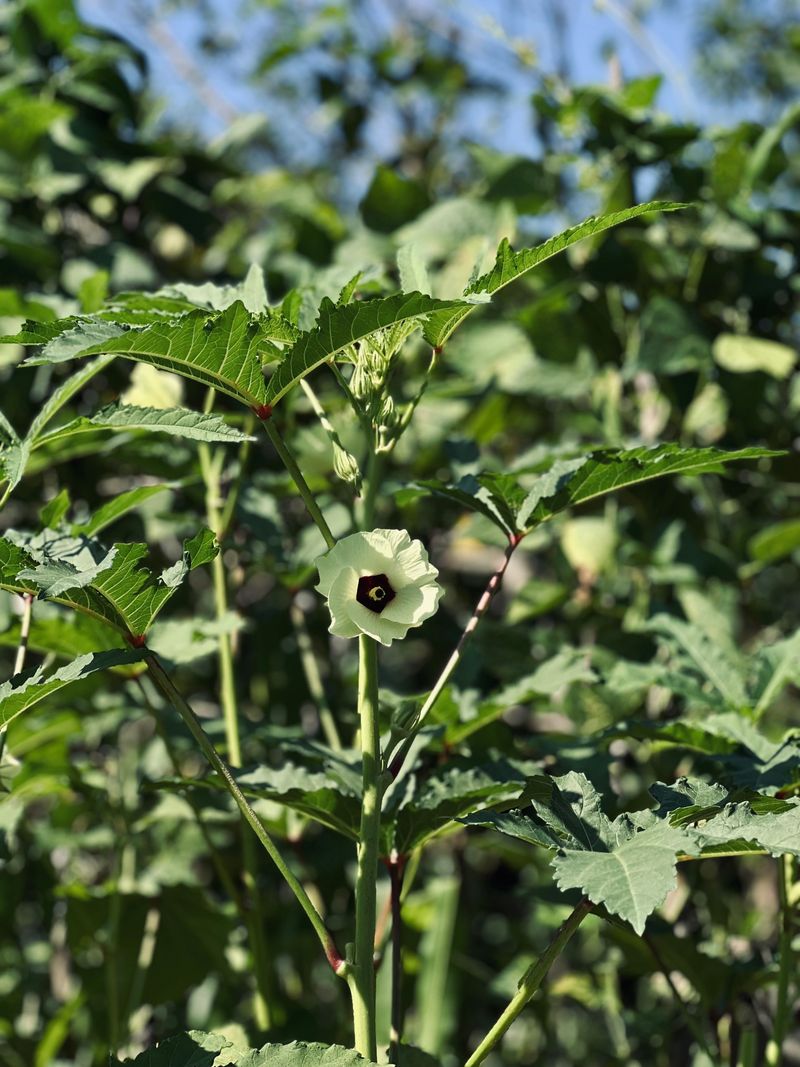
Okra’s secret weapon is its African DNA. It evolved in some of the hottest, driest conditions on earth, so Maryland summers feel almost comfortable by comparison.
Its deep taproot system hunts for moisture far below the surface. While shallow-rooted crops like lettuce cook and dry out, okra keeps drinking from deeper, cooler soil layers.
The large, waxy leaves also play a role. They reflect excess sunlight and slow down moisture loss, acting almost like a built-in cooling system for the plant.
Okra’s blossoms open in the morning and close by afternoon. That tight window is enough for pollination, and the pods that follow develop fast, even during a heat wave.
Unlike tomatoes, okra does not drop its flowers when temperatures exceed 90 degrees. It keeps producing pods steadily through the hottest stretch of summer without missing a beat.
The plant also tolerates Maryland’s clay-heavy soil reasonably well, and its robust roots help break through compacted ground and improve drainage over time.
Okra generally faces fewer pest problems than crops like tomatoes or squash, though aphids and the occasional stink bug can still show up. Its tough stems and rapid growth rate also make it hard to damage significantly even when pests do visit.
Growing okra is like hiring the most reliable employee in your garden. It shows up every single day, does its job without complaint, and never calls in sick during August.
Planting And Growing Tips For Maryland’s Climate
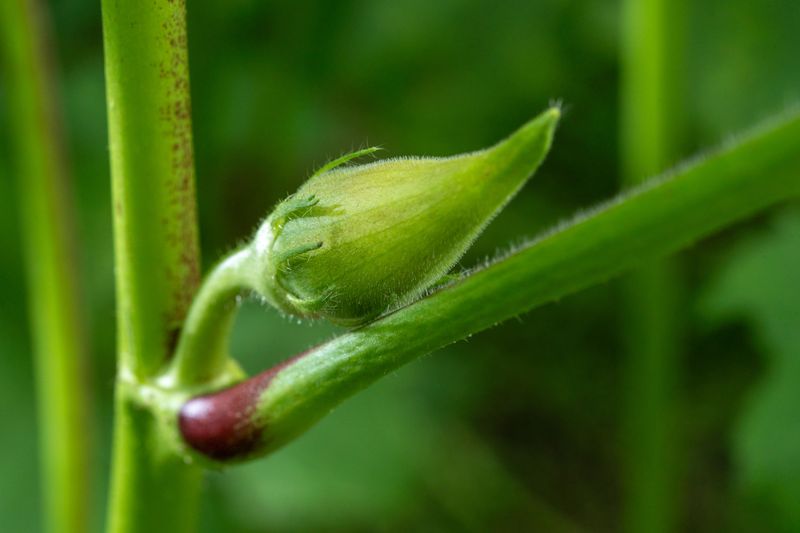
Timing is everything with okra in Maryland. Wait until soil temperatures hit at least 65 degrees before planting, which usually means late May or early June in most areas.
Seeds planted in cold soil will rot before they sprout. Use a cheap soil thermometer to check before you put anything in the ground, and save yourself the frustration.
Soak your seeds in warm water for 12 to 24 hours before planting. This softens the hard seed coat and can speed up germination significantly, sometimes cutting the wait roughly in half.
Plant seeds about one inch deep and space them 12 to 18 inches apart. Okra likes room to spread its leaves without competing with its neighbors for sun and airflow.
Choose a spot that gets at least eight hours of direct sunlight daily. Okra planted in partial shade will grow leggy and produce far fewer pods than you are hoping for.
Fertilize with a balanced 10-10-10 formula at planting, then switch to a lower-nitrogen option once the plant starts flowering. Too much nitrogen pushes leafy growth at the expense of pod production.
Water deeply but infrequently, aiming for about one inch per week. Consistent moisture at the root zone keeps production steady without encouraging the fungal issues that wet leaves can invite.
Mulching around the base locks in soil moisture and keeps roots cool. That small step can make a noticeable difference in how productive your plants stay through late summer.
Harvesting Tips For A Continuous July Yield
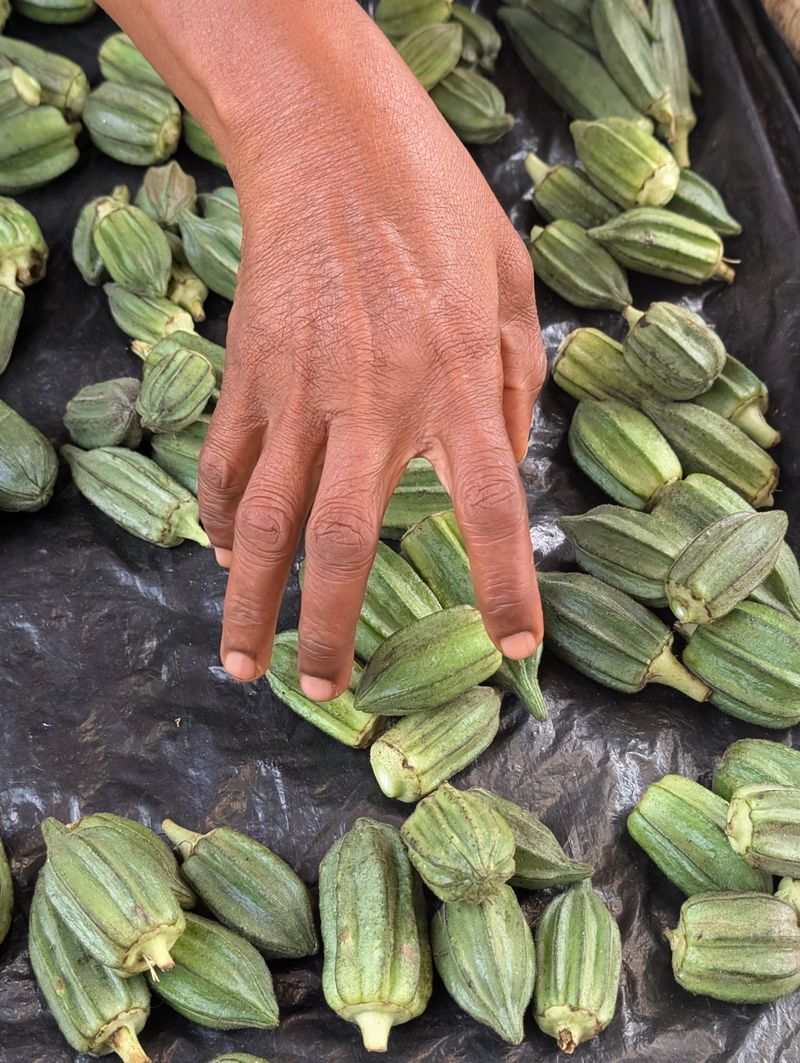
Harvest day sneaks up on you fast with okra. Pods go from tiny to too-tough in just two to four days, so checking your plants daily is not optional, it is essential.
Pick pods when they are two to four inches long. At that size, they are tender, flavorful, and perfect for any cooking method you have in mind.
Pods left on the plant beyond four inches turn woody and fibrous. They become unpleasant to eat, and worse, they signal the plant to slow down or stop producing new ones.
Use a sharp knife or garden snips to cut pods cleanly from the stem. Yanking them off can damage the plant and leave it vulnerable to disease entry points.
Wear gloves and long sleeves when harvesting. The leaves and stems have tiny spines that irritate skin, and after a few itchy encounters, you will learn to dress for the job.
The more you pick, the more the plant produces. Okra rewards consistent harvesting with a continuous flush of new blossoms and pods that keeps going well into September.
If you go on vacation and miss a week, do not panic. Cut off any oversized pods, give the plant a good drink of water, and it will bounce back within days.
Consistent picking through July creates a snowball effect of abundance. Your patience during the early weeks pays off with armloads of pods just when the rest of the garden is giving up.
Simple Ways To Enjoy Your Okra Harvest
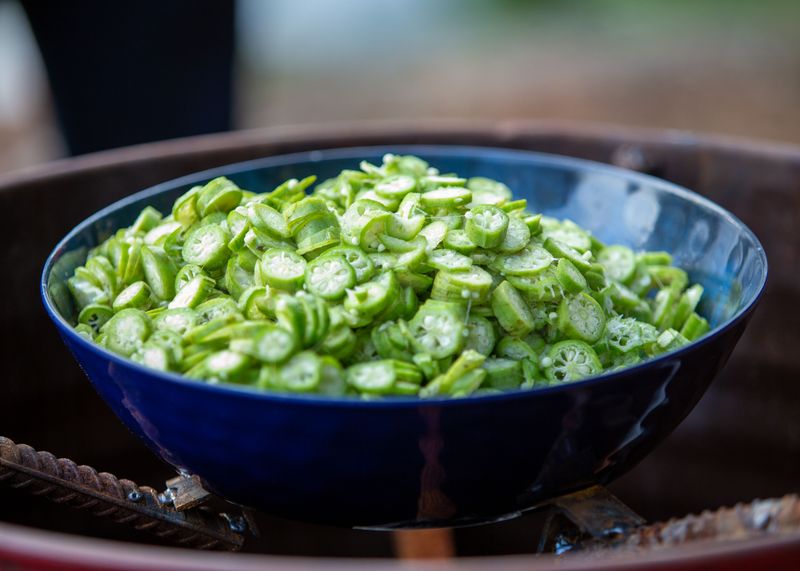
Fried okra is the crowd-pleaser that converts skeptics on the first bite. Slice the pods into rounds, toss them in seasoned cornmeal, and fry until golden and shatteringly crisp.
Roasting is even simpler and arguably better. Toss whole pods in olive oil, season with salt and smoked paprika, then roast at 425 degrees until the edges caramelize beautifully.
Grilling okra on skewers over high heat is a game-changer. The intense flame chars the outside and cuts down any slippery texture, leaving a smoky, slightly sweet flavor behind.
For a quick weeknight side, saute sliced pods with garlic, tomatoes, and a splash of broth. This classic Southern preparation is humble, fast, and deeply satisfying on a hot evening.
Okra is also a natural fit for soups and stews. Its mucilage thickens broths without any flour or cornstarch, making it a secret ingredient in everything from gumbo to simple vegetable soup.
Pickled okra is having a well-deserved moment right now. Pack whole pods into jars with vinegar, garlic, and dill, and you will have a tangy, crunchy snack that lasts all winter long.
Fresh okra also freezes beautifully. Blanch pods for three minutes, cool them in ice water, pat dry, and freeze flat on a tray before bagging them for later use.
Once you’ve tasted a homegrown harvest, you’ll understand why this heat-tolerant crop deserves a spot in every Maryland garden.