Maryland Gardeners Should Stake These 8 Plants Before Summer Storms Arrive
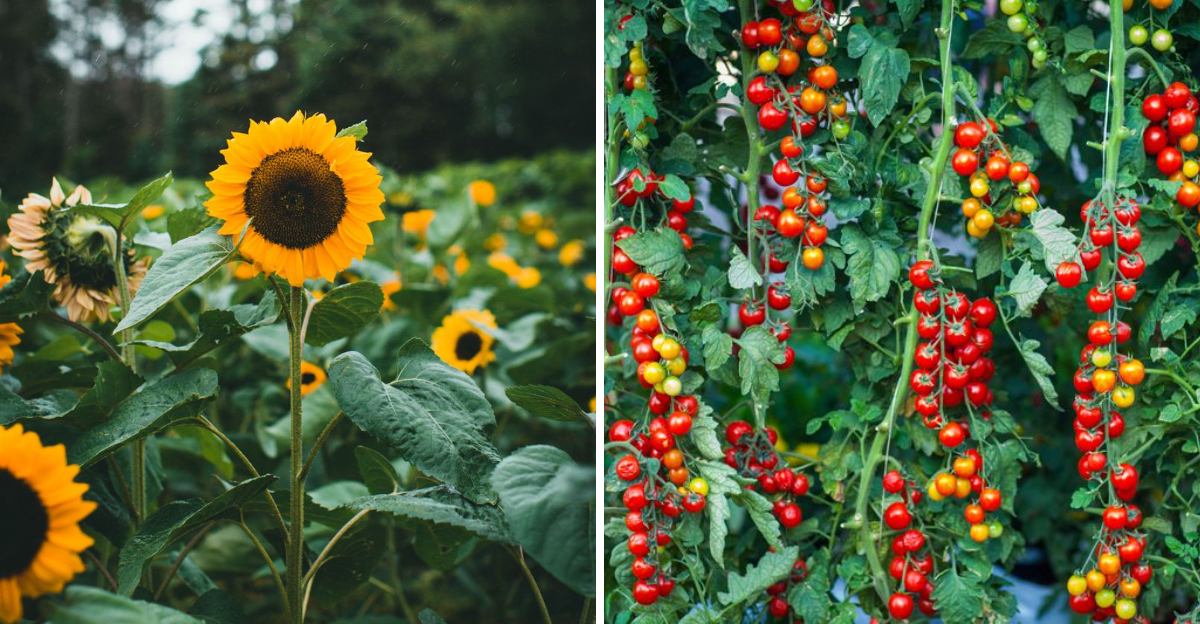
Maryland summers don’t ease you in. One minute the air sits thick and still, the next a wall of wind bends your tomato cages sideways and drives rain sideways through the fence line.
Gardeners here learn fast that a storm doesn’t ask permission before it arrives. It just shows up, and whatever wasn’t ready to meet it gets damaged by morning.
A six-foot dahlia that took all spring to grow can end up snapped at the base in under ten minutes. Stems crack, blooms shatter, and trellises collapse under weight they were never built to hold.
The fix isn’t complicated, though. Staking early, before the sky turns that particular shade of green Maryland gardeners know to watch for, keeps your plants upright when everything else is bending.
Do it now, while the forecast is calm, and your garden won’t just make it through the season. It’ll barely notice the storm passed through.
1. Tomatoes
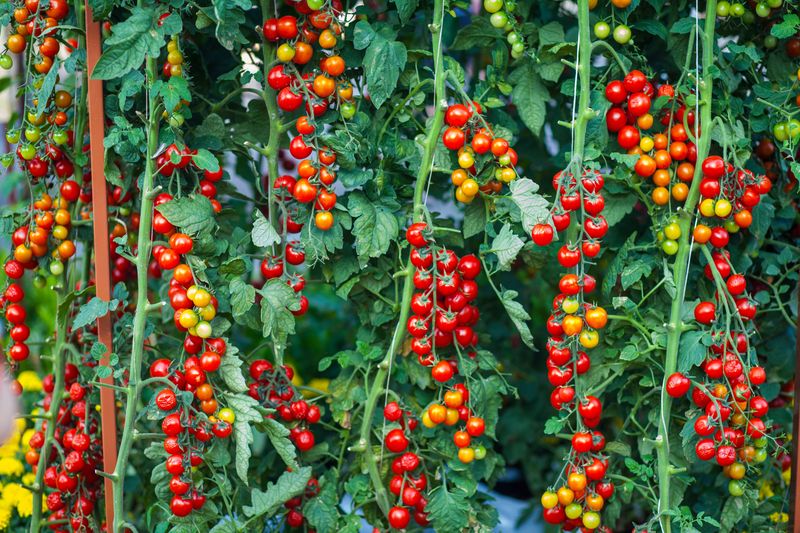
Tomatoes are the crown jewel of most backyard gardens, but they are also the first to topple when a storm blows through. A plant loaded with fruit becomes top-heavy fast.
Without a good support system, a strong gust can break the main stem. Staking tomatoes early, before the plants get big, makes the whole job easier.
Push a sturdy wooden or metal stake at least 12 inches into the soil right next to the plant. Tie the stem loosely with soft garden twine, leaving room for growth.
Indeterminate tomato varieties, like Better Boy or Cherokee Purple, keep growing all season long. These types can reach six feet or taller and absolutely need strong support.
A single stake is a good start, but a cage or trellis system works even better for heavy producers.
Check your ties every couple of weeks as the plant grows taller. Stems thicken quickly, and tight ties can cut into the plant and cause damage.
Loose, flexible ties keep the plant secure without strangling it. Maryland summers bring afternoon thunderstorms that show up without much warning.
A well-staked tomato plant can flex with the wind instead of breaking against it. Think of staking as buying insurance for your harvest before the weather has a chance to cash it in.
2. Dahlias
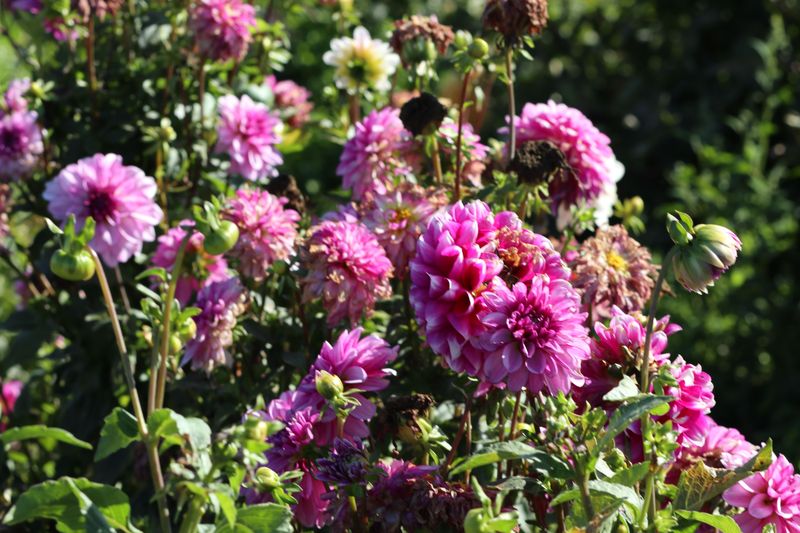
Dahlias are showstoppers, no question about it. Their dinner-plate-sized blooms are stunning, but those heavy flower heads sit on hollow stems that snap easily in wind.
Staking dahlias is not optional if you want them to survive a Maryland summer. Plant your stake at the same time you plant the tuber.
This prevents you from accidentally damaging the tuber later when the ground is crowded with roots. A bamboo stake works well, and so does a sturdy metal rod at least four feet tall.
As the dahlia grows, tie the main stem to the stake every eight to ten inches. Use soft ties or strips of old pantyhose to avoid bruising the hollow stems.
Dahlias grow fast in warm weather, so check them weekly during peak season. Tall dinner-plate varieties like Cafe au Lait or Thomas Edison can reach four to five feet in height.
Your Maryland Garden Changes Every Week. Your Plan Should Too.
Gardening in Maryland changes quickly throughout the season. Every Friday you’ll receive a simple weekly plan showing exactly what to plant, prune, fertilize, harvest, and protect so you never miss the right timing.
When their blooms open fully, the weight shifts dramatically toward the top. A single unsupported stem in that condition is just one rainstorm away from snapping at the base.
Branching side stems also benefit from their own individual ties. Do not rely on the main stake to hold everything together once the plant fills out.
Dahlias that are staked well bloom longer, look better, and reward your effort with a vivid display of color that lasts well into fall.
3. Tall Garden Phlox
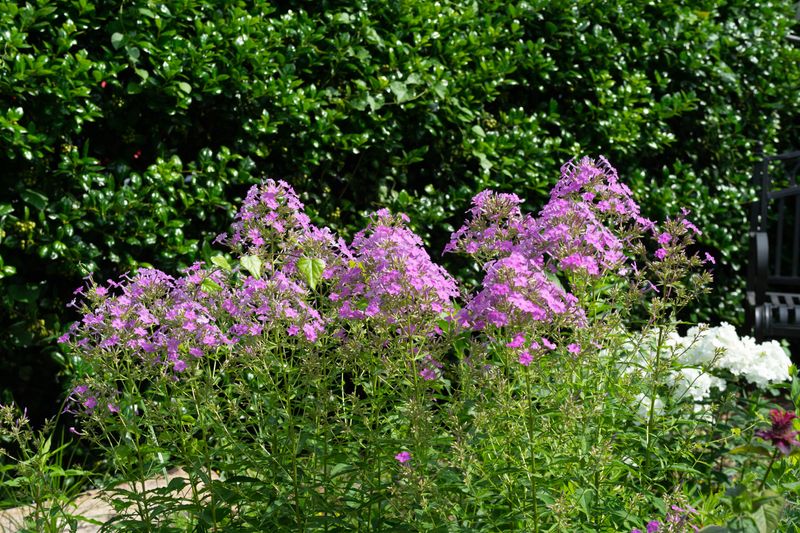
Tall garden phlox is a Maryland summer favorite, filling the garden with fragrant clusters of pink, purple, and white blooms.
What most gardeners do not realize until too late is how dramatically these plants flop after a heavy rain. One soaking downpour, and an entire clump can bend sideways under the weight of the rain.
The stems of tall garden phlox are not especially thick or rigid. When the flower clusters fill out at the top, they catch wind and rain like a sail.
Staking them before they reach full height gives you the best results with the least frustration. Use a grow-through support ring or a grid-style plant support placed over the clump early in the season.
The plant grows up through the support naturally, and by the time it blooms, it holds itself upright without visible stakes. This method looks clean and professional in any garden bed.
Individual bamboo stakes also work if you missed the early window. Push three or four stakes around the perimeter of the clump and connect them with twine.
This creates a loose cage that keeps the stems from leaning too far in any direction. Tall garden phlox is worth every bit of effort you put into supporting it.
The fragrance alone makes it one of the most rewarding plants in the summer garden. Stake it right, and it will stand proud through whatever Maryland weather throws at it this season.
4. Gladiolus
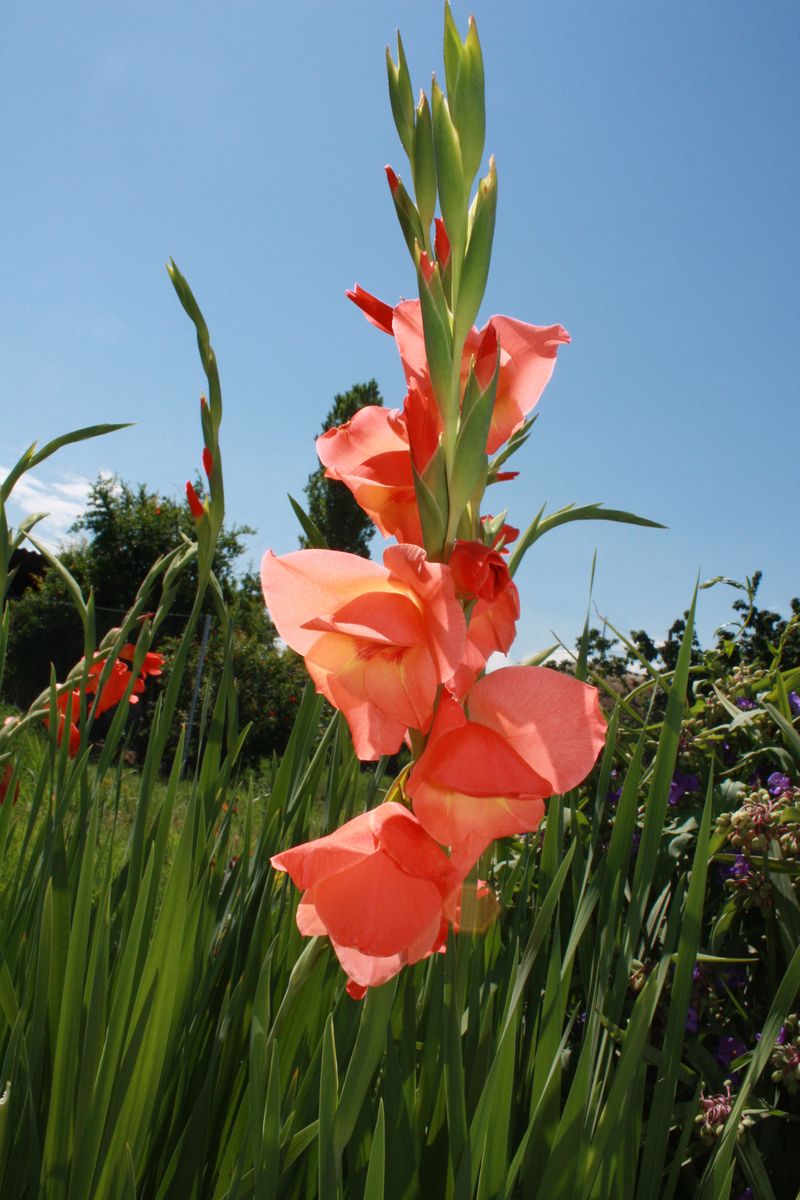
Gladiolus spikes are dramatic, elegant, and completely unsupported in a strong wind. Each tall flower spike grows from a single corm and has no branching support to keep it upright.
Without staking, a gladiolus can lean, bend, and eventually fall over as the blooms open and add weight to the top. The good news is that staking gladiolus is simple and quick.
Push a thin bamboo stake into the ground about two inches from the base of each plant. Tie the stem loosely to the stake with soft twine or a twist tie, and you are done.
Plant gladiolus corms in staggered batches every two weeks for continuous blooms through summer. Each batch will need staking as it grows.
Keeping up with this routine saves you from last-minute staking after a storm rolls through. Taller varieties, which can reach four to five feet, are especially vulnerable during bloom time.
The flower spike fills with open blooms from the bottom up, making the plant heavier as the season progresses. Check your ties and adjust them as the plant grows taller and heavier.
Gladiolus are worth the extra attention because their blooms are truly spectacular. They make outstanding cut flowers and look incredible in garden beds.
Stake them well, and you will be rewarded with tall, proud spikes of color that last for weeks without bowing to the storm.
5. Sunflowers
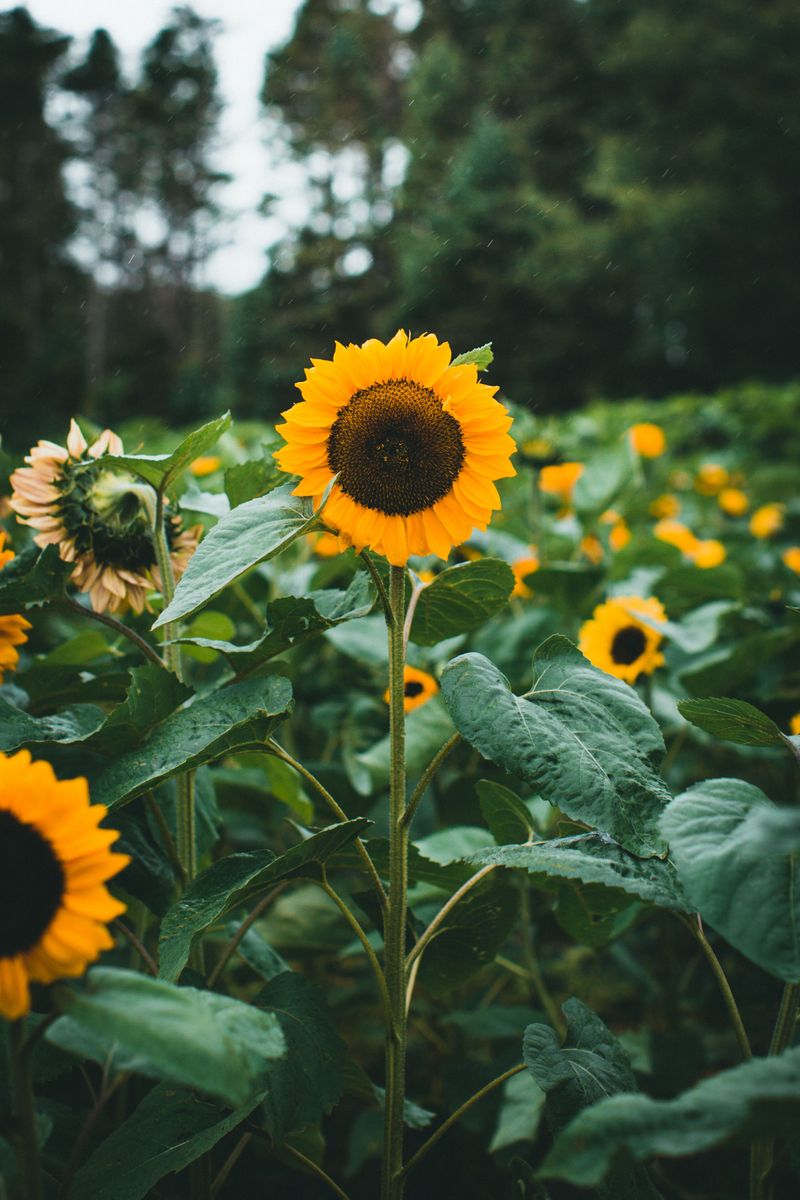
Sunflowers look indestructible, but looks can be deceiving. A large sunflower head full of developing seeds can weigh several pounds, and the stem holding it up is not always as tough as it appears.
High winds during a summer storm can snap even a thick sunflower stem at the base. Staking sunflowers is especially important for giant varieties like Mammoth or American Giant.
These plants can grow eight to twelve feet tall and produce heads the size of a dinner plate. A single wooden stake driven deep into the ground near the base provides essential support.
For very tall varieties, use a stake that reaches at least two-thirds of the plant’s expected height. Tie the stem to the stake at multiple points as the plant grows.
Space your ties about twelve inches apart to distribute the support evenly along the stem. Sunflowers planted in groups can also support each other with a simple string perimeter.
Run garden twine around the outside of the group, connecting the stakes to form a loose barrier. This keeps the whole group from toppling in the same direction during a gust.
There is something deeply satisfying about watching a sunflower stand tall after a storm that knocked everything else sideways.
Staking early, before the plant reaches its full height, is the secret to that moment. Give your sunflowers a fighting chance, and they will reward you with one of summer’s most iconic sights.
6. Cosmos
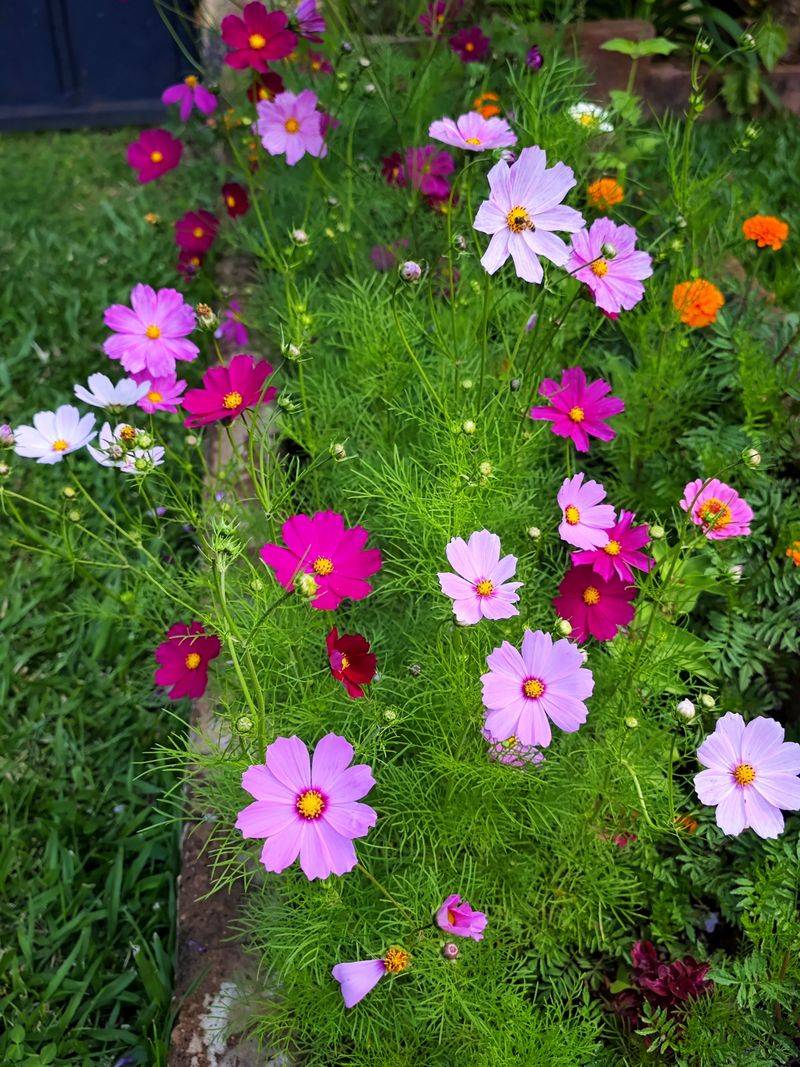
Cosmos might look delicate, but they are actually tough little plants that self-seed and come back year after year.
The problem is their stems are incredibly thin and wiry, which makes them prone to snapping at the base during heavy rain or wind. A whole patch of cosmos can flatten quickly during a summer storm.
The best approach for cosmos is mass staking with a grid or ring system. Place grow-through supports over young plants early in the season before they get too tall.
The plants weave through the grid as they grow, creating a self-supporting structure that holds up surprisingly well.
Alternatively, push several bamboo stakes around the perimeter of a cosmos patch and connect them with multiple rows of twine. Run the twine at six-inch intervals from the ground up.
This gives the wiry stems something to lean against without restricting their natural movement. Cosmos grow quickly and can reach three to four feet in a single season.
Once they start blooming, the flower heads add weight that the thin stems struggle to carry alone. Catching them early, before they hit two feet tall, makes staking much easier and more effective.
Few flowers are as cheerful or as easy to grow as cosmos. Their feathery foliage and bright blooms bring a wild, meadow-like feel to any garden space.
Stake them right, and they will keep blooming nonstop from midsummer all the way through the first frost.
7. Hollyhocks
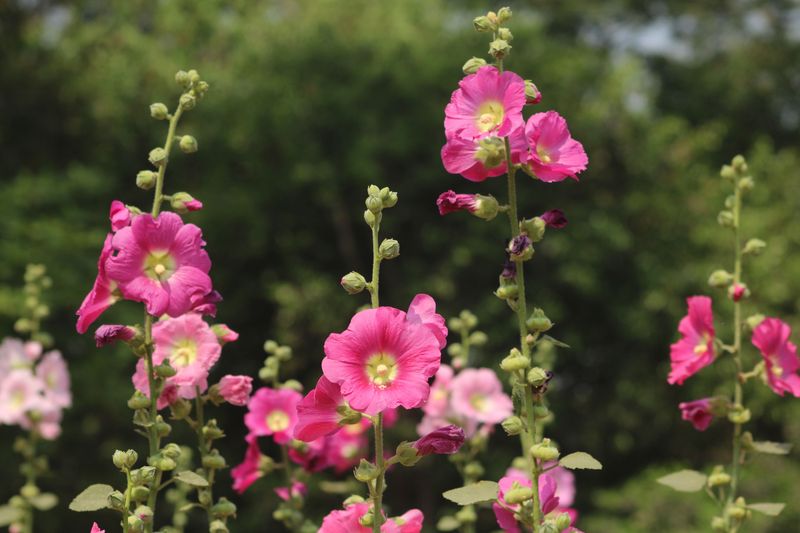
Hollyhocks are old-fashioned, nostalgic, and absolutely gorgeous when they bloom in midsummer. These towering plants can reach six feet or more, making them one of the tallest flowering plants in the home garden.
Their height is their charm and their biggest weakness when storms arrive. A hollyhock stem is woody and thick at the base, but it becomes thinner and more flexible toward the top.
As the flower spike fills with blooms, the top-heavy weight increases dramatically. Without support, the entire plant can arch sideways and may struggle to stand upright again.
Stake hollyhocks early in the season, ideally when they are about two feet tall. Use a strong wooden stake or a metal rod that reaches at least five feet.
Tie the main stem at two or three points along its height, starting from about one foot off the ground. Hollyhocks planted near a fence or wall have a natural advantage.
The structure behind them acts as a windbreak and partial support. Even so, adding a stake on the open side gives the plant double protection during severe weather.
These plants are biennials, meaning they take two years to bloom and then self-seed prolifically.
Protecting your hollyhocks from storm damage keeps them alive long enough to drop seeds for next season’s show.
Stake them well this year, and your garden will reward you with an even grander display of blooms next summer.
8. Balloon Flower (Platycodon)
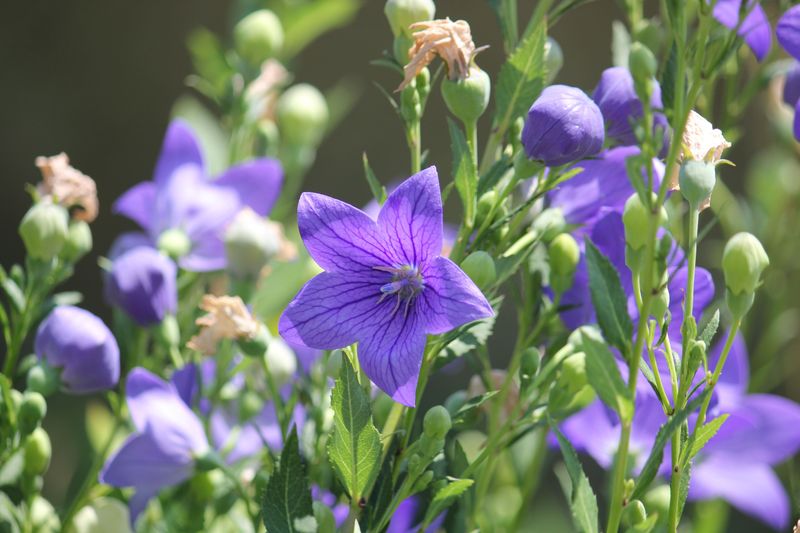
Balloon flower, known botanically as Platycodon grandiflorus, has one of the most delightful quirks in the plant world. The buds puff up like little balloons before popping open into star-shaped blooms.
This charming plant is a Maryland summer classic, but its stems are surprisingly weak for its size. Taller varieties of balloon flower can reach two to three feet and tend to flop outward as they mature.
The stems are thin and brittle, especially near the base, making them susceptible to bending after heavy rain. A light support system makes a big difference in keeping the plant looking its best.
Short grow-through ring supports work beautifully for balloon flower clumps. Place the ring over the plant when it reaches about six inches tall.
By the time it blooms, the stems will have grown through the support and will hold themselves upright naturally.
If you prefer individual stakes, use thin bamboo rods placed discreetly around the outside of the clump. Connect them with a single loop of soft twine at mid-height.
This keeps the stems from splaying outward without drawing attention away from the blooms themselves.
Balloon flower is a long-lived perennial that gets better every year as the root system matures.
It is also slow to emerge in spring, so mark its location carefully to avoid accidentally digging it up.
Stake it right before Maryland storms arrive, and this enchanting plant will bloom reliably for many seasons to come.