What California Gardeners Should Move Before A Heat Dome Arrives
California heat domes do not ease into the garden.
They arrive like someone opened an oven door over the whole patio. One afternoon, that fern in the black pot looks lush.
The next, it sits in full sun, roots roasting, leaves drooping, and every hanging basket appears ready to file a complaint.
Container plants have no cool corner to run toward. Seedlings cannot shade themselves. Herbs in small pots can lose moisture so fast that yesterday’s careful watering feels like ancient history.
That is why the real rescue starts before the alert turns into triple digits.
Not after wilt shows up. Not after leaves crisp at the edges. The evening before matters most, when pots can move, soil can soak, and tender plants can settle into safer shade.
So which plants need the fastest rescue before a California heat dome lands?
Start with the ones in dark containers, shallow soil, and afternoon sun. They are usually first to complain, and last to forgive during the worst, brightest hours of summer.
1. Move Black Pots Out Of Afternoon Sun
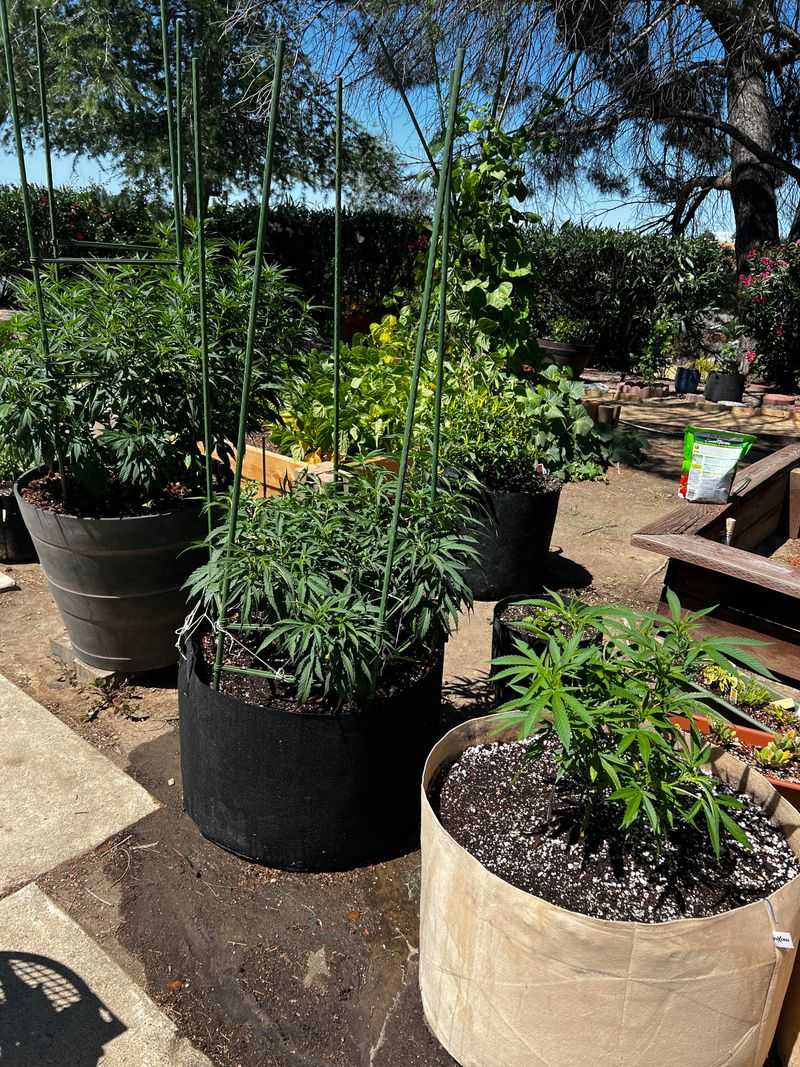
A black plastic pot sitting on a south-facing patio at two in the afternoon can have soil temperatures 20 to 30 degrees hotter than the air around it.
That is not a slight inconvenience for your plant. That is a root-cooking situation that can stress even the toughest container specimens.
Dark-colored containers absorb radiant heat like a sponge.
Unlike light-colored or terracotta pots, black plastic and dark glazed ceramic hold onto that heat long after the sun shifts. Roots have nowhere to go. They sit in superheated soil with no relief, which disrupts water and nutrient uptake fast.
Before a heat dome arrives, scout your patio for every dark-colored pot.
Move them to a spot that gets morning sun but stays shaded by noon. The east side of your house is usually a great option. If you cannot move a large pot, wrap it with a light-colored burlap or shade cloth to reflect some of that heat away.
Even moving a pot three feet can make a real difference.
A shaded black pot stays significantly cooler than one sitting in open sun. Move pots the evening before the heat arrives so the soil has a chance to cool overnight.
Going into a heat dome with already-overheated roots puts your plants behind before the day even starts.
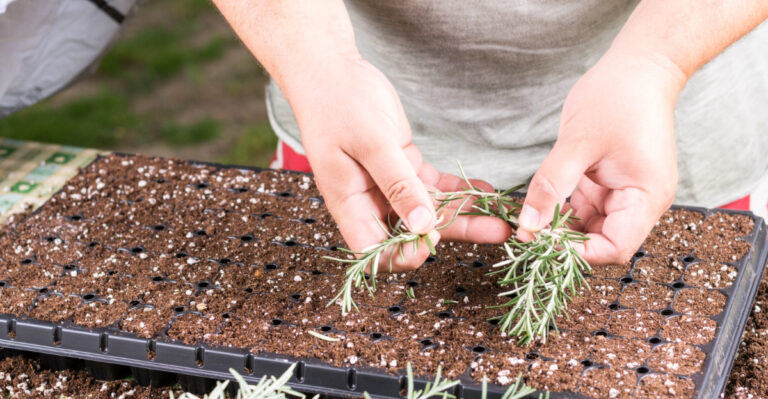
2. Shift Seedlings Before The Heat Peaks
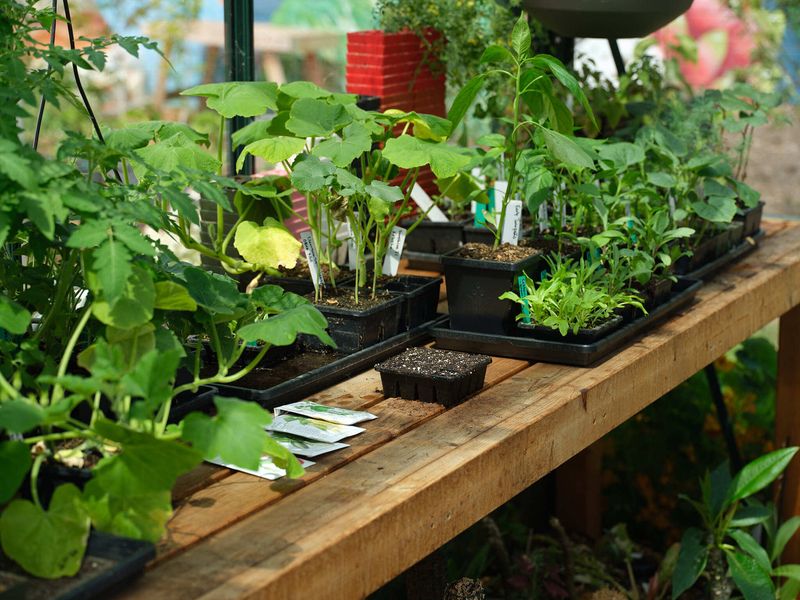
A seedling tray sitting in full sun on a hot California morning is a tiny disaster waiting to unfold.
Seedlings are young, with shallow root systems and very little stored water. They have not had time to develop the toughness that older, established plants build up over seasons.
When temperatures climb above 95 degrees, seedlings can wilt within hours.
Tender starts like tomatoes, peppers, squash, and flowers are especially vulnerable right after transplanting. Their roots are still adjusting to their new environment, which makes them far less capable of handling extreme heat without help.
The smartest move is to get seedling trays and recently transplanted starts into a sheltered spot the evening before the heat dome settles in.
Your California Garden Changes Every Week. Your Plan Should Too.
Gardening in California changes quickly throughout the season. Every Friday you’ll receive a simple weekly plan showing exactly what to plant, prune, fertilize, harvest, and protect so you never miss the right timing.
A covered porch, the north side of your house, or under a shade cloth structure all work well. Even dappled light under a tree is better than open afternoon exposure.
Keep an eye on moisture too.
Seedlings in small cells or pots dry out extremely fast in hot weather. Check them morning and afternoon during a heat event.
Once the heat passes and temperatures drop back to a reasonable range, gradually reintroduce seedlings to more sun over a few days.
3. Pull Herbs Away From Hot Walls
Stucco walls are beautiful in California homes. They are also incredibly efficient heat radiators.
A white or tan stucco wall facing west or south can reflect and radiate enough heat to raise the temperature around nearby plants by 10 to 15 degrees above the ambient air.
That wall you love for curb appeal? Your herbs do not share the enthusiasm.
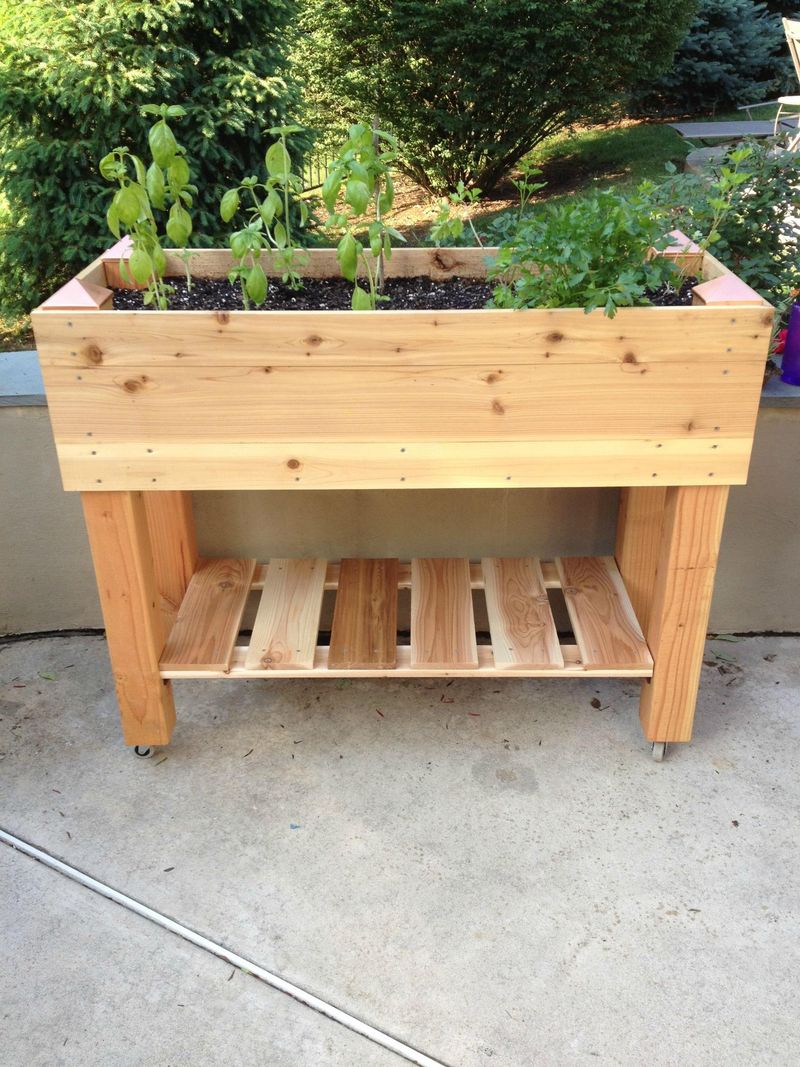
Basil is especially sensitive to this kind of reflected heat.
It bolts fast, the leaves get scorched around the edges, and the flavor changes as stress hormones build up in the plant.
Cilantro, parsley, and chives are not much tougher in extreme conditions. Even rosemary and thyme, which handle heat reasonably well in the ground, can suffer when trapped between a blazing wall and a concrete patio.
Before a heat dome hits, pull herb pots at least three to four feet away from south-facing or west-facing walls.
Better yet, move them to the north side of the house or tuck them under a patio cover. If you have a pergola or shade sail, herbs placed beneath it will do far better than ones pressed up against a wall acting like a pizza oven.
Walls store heat all day and release it into the evening, so the stress does not stop at sunset.
Giving your herbs some breathing room from that radiant heat source is one of the simplest and most effective moves you can make before temperatures spike.
4. Slide Hanging Baskets Into Shade
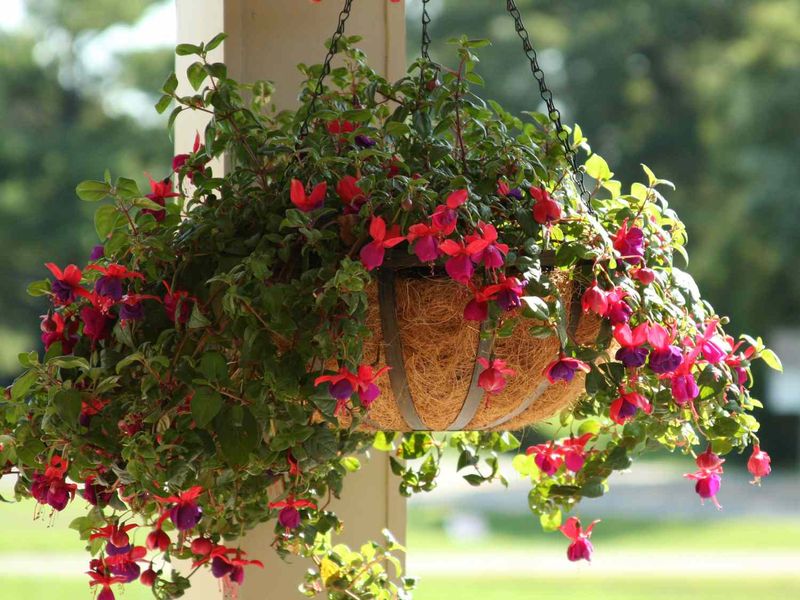
Hanging baskets have a tough life even on a normal summer day.
They are exposed to sun on all sides, wind pulls moisture out of them constantly, and the small volume of soil dries out at a speed that feels almost unfair.
Now add California heat dome temperatures above 105 degrees and hot dry winds pushing through.
The combination of heat and low humidity is brutal for hanging baskets.
Petunias, fuchsias, impatiens, and lobelia are common basket plants in California, and none of them handle extreme heat without help.
Even succulents in hanging pots can get scorched when exposed to full afternoon sun during a heat event.
Slide hanging baskets to a covered porch, under a shade structure, or into a protected corner that gets good morning light but avoids the worst of afternoon exposure.
If your baskets are on a hook that does not allow easy relocation, temporarily lower them and set them on the ground in a shaded spot.
During a heat dome, plan to water hanging baskets more than once a day.
Morning watering is a must, and a second check in late afternoon can prevent complete soil dry-out.
Adding a water-retaining polymer to the soil mix before extreme heat arrives can buy you a few extra hours between waterings and reduce the frantic scramble.
5. Group Containers To Hold Humidity
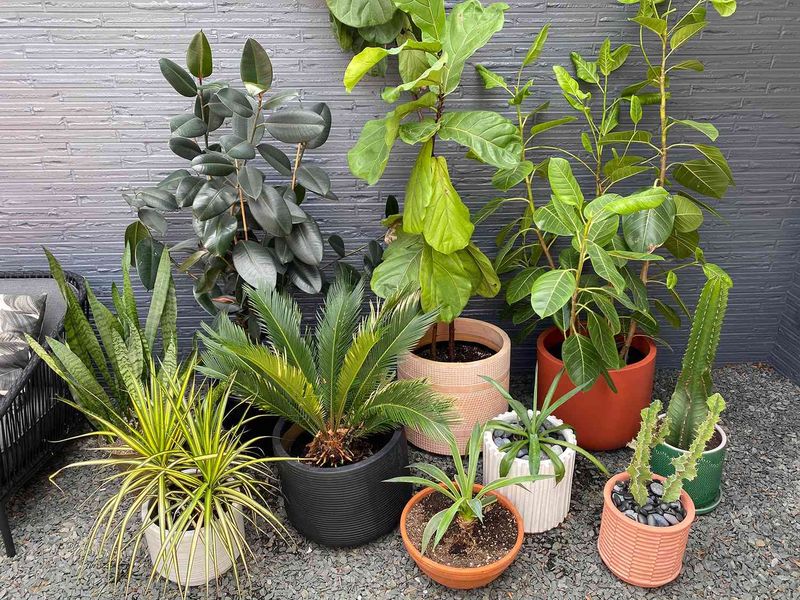
There is a clever trick that experienced container gardeners use when heat rolls in, and it costs absolutely nothing.
Grouping containers together creates a small microclimate around your plants.
The leaves overlap slightly, shade the soil in neighboring pots, and the moisture released through transpiration stays close, raising the local humidity just enough to ease stress.
California summers are notoriously dry, especially during heat domes when relative humidity can drop below 10 percent in some inland areas.
That bone-dry air pulls moisture out of leaves faster than roots can replace it. Clustering pots slows that process down in a meaningful way.
Aim to group plants with similar water needs together so you are not overwatering drought-tolerant plants to keep moisture-loving ones happy.
Taller plants on the outside of the cluster can provide partial shade for shorter, more tender plants in the center.
A grouping of five to eight pots works well and creates a noticeable difference in how plants look and feel through a heat event.
Set the cluster in a spot that gets morning light and afternoon shade if possible.
Adding a layer of mulch on top of each pot in the group also helps lock in moisture at the soil surface. Grouping combined with shade and good watering habits makes a real dent in heat stress for your container garden.
6. Move Nursery Starts Before Planting
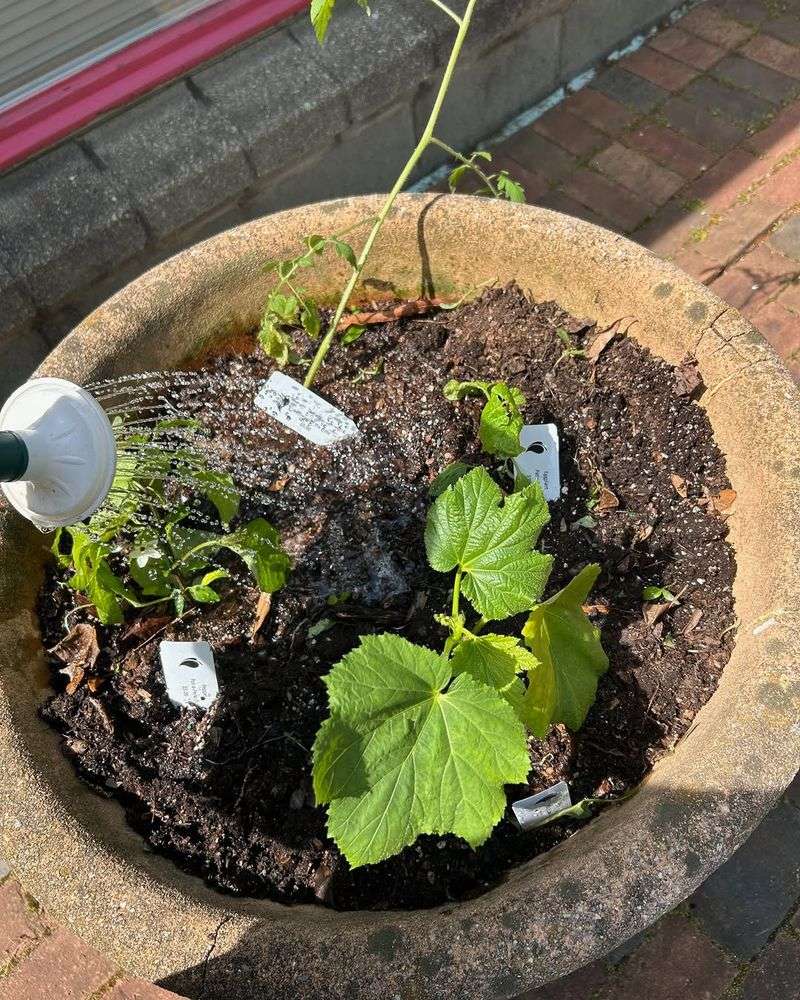
That flat of tomato starts you picked up at the garden center last weekend is sitting in full sun on your driveway, and a heat dome is three days out.
This is one of the most overlooked plant protection situations California gardeners face.
Nursery starts are already under stress from being root-bound, recently watered on a commercial schedule, and suddenly dropped into a new environment.
Planting them right before a heat dome is a gamble that rarely pays off.
Newly planted starts need time to establish roots in their new spot, and that process is seriously disrupted when temperatures skyrocket immediately after transplanting.
The roots simply cannot pull water fast enough to keep up with what the leaves are losing in extreme heat.
The smarter play is to hold your nursery starts in a protected, shaded spot until the heat event passes.
Keep them in their nursery containers, water them regularly, and let the heat dome blow through before you put them in the ground.
Once temperatures return to a more manageable range, typically below 90 degrees, you can plant with much better odds of success.
Water transplants in deeply right after planting and add mulch around the base immediately. Planting in the evening rather than the morning gives new starts a cool overnight period to begin settling in before facing daytime heat again.
7. Lift Pots Off Hot Concrete
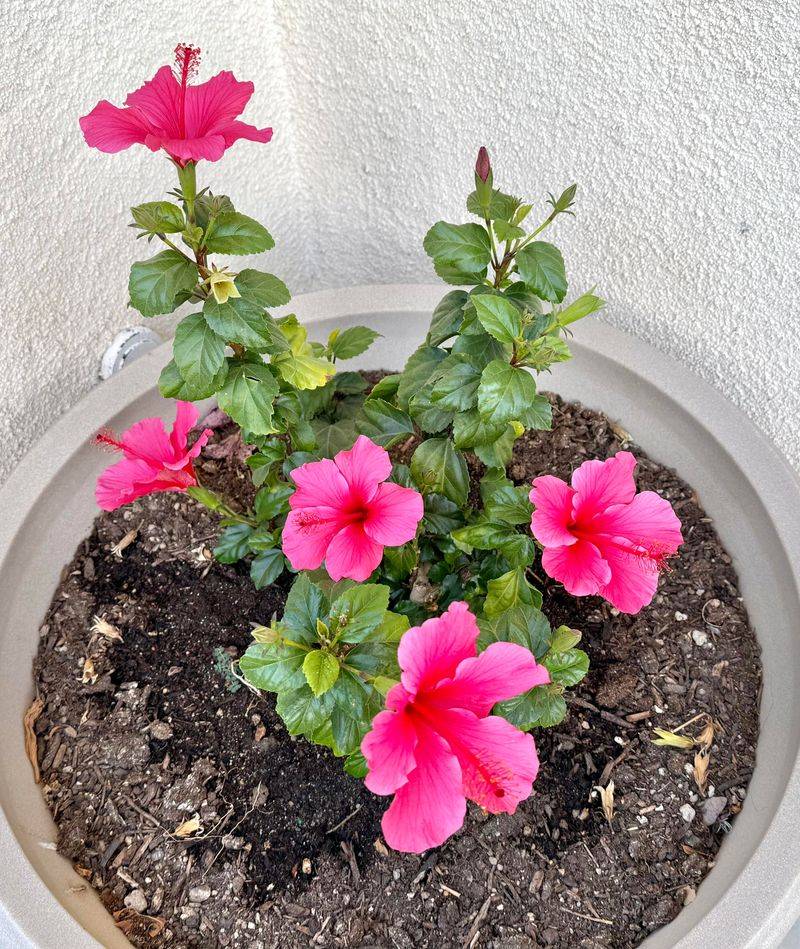
Concrete is one of the great heat traps of the California garden. It absorbs solar radiation all morning and afternoon, then releases it back upward well into the evening.
A concrete patio or driveway surface can reach temperatures of 150 degrees or more on a hot summer day. Any pot sitting directly on that surface is getting blasted from below as well as above.
Root damage from bottom heat is sneaky.
You might not see wilting right away, but the roots closest to the bottom of the pot are under serious stress.
Water evaporates out of the drainage holes fast, and the soil near the base of the pot dries out from the bottom up, which is the opposite of what most gardeners expect.
Lifting pots off concrete is a simple fix that makes a big difference.
Pot feet, wooden risers, bricks, or even an old cookie cooling rack can elevate a container enough to break that direct heat transfer.
Even two to three inches of clearance helps air circulate under the pot and slows down radiant heat absorption significantly.
If you have large pots that are too heavy to lift easily, slide a few flat pieces of wood or thick cork trivets underneath them.
Pairing elevation with shade is the most effective combination you can use to protect container roots from the punishing double heat of California concrete during a heat dome event.
8. Rescue Potted Citrus From The Hottest Exposure
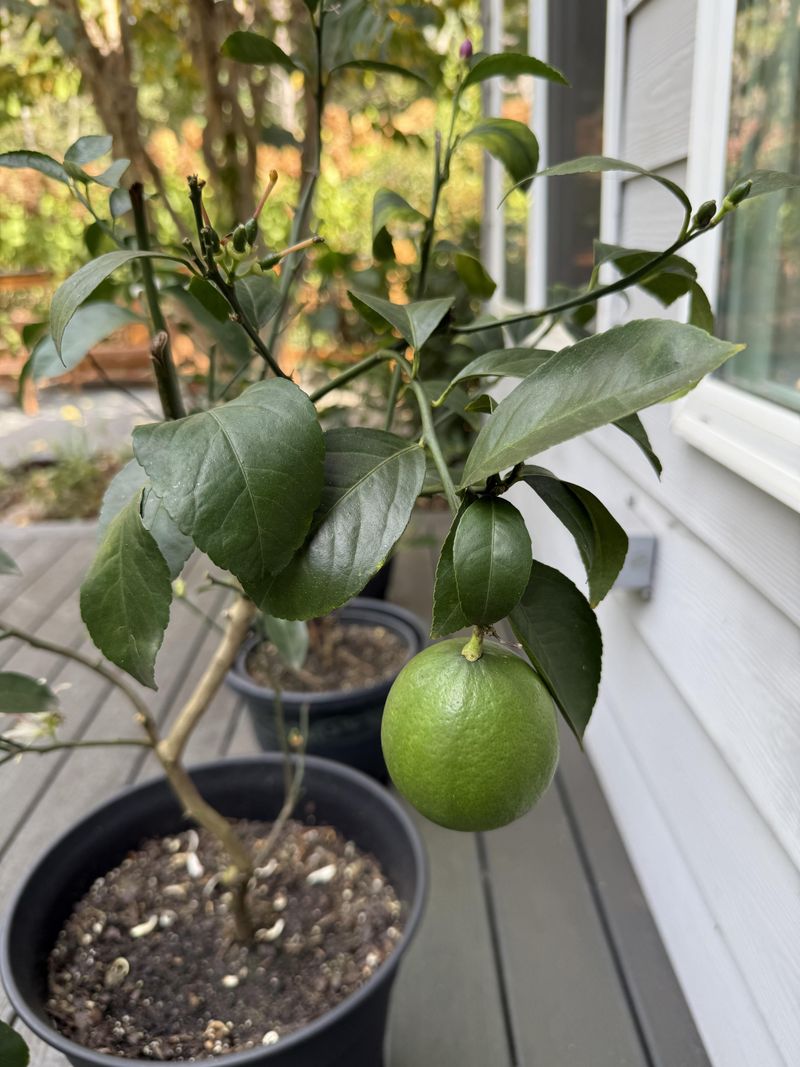
Citrus trees in containers are one of the most common California patio plants, and they handle heat better than most people expect.
But there is a threshold, and heat domes push right past it.
When temperatures climb above 105 degrees for multiple days, even established potted citrus can show leaf curl, fruit drop, and sunburned fruit on the side facing direct afternoon sun.
A tree that sailed through a normal hot week can look visibly stressed after a heat dome that parks over the valley for three or four days.
The most vulnerable part of a potted citrus during extreme heat is not the leaves. It is the roots.
Containers heat up from every side, and citrus roots are sensitive to soil temperatures above 95 degrees. Once the root zone overheats, the tree cannot pull water efficiently even if you are watering it twice a day.
The leaves curl because the plumbing is not working, not because the soil is dry.
Before a heat dome arrives, move potted citrus to a spot that gets full morning sun but transitions to shade by early afternoon.
East-facing walls or a covered patio edge are ideal. The tree still gets the light it needs for fruit development without baking through the hottest hours of the day.
If the tree is too large to move comfortably, wrap the pot itself in a light-colored burlap or reflective material to reduce heat absorption.
Water deeply the evening before extreme heat arrives, not just the morning of. Going into a heat dome with a well-hydrated root zone gives the tree a meaningful buffer that light daily watering simply cannot create after the heat has already set in.